
The BodyMind Connection: A Holistic View in Medieval Understanding of Health


Welcome to Mind Care Guide, a space dedicated to nurturing your mental well-being.
Ever wondered how our ancestors viewed the intricate link between mind and body? Delve into the fascinating history of Medieval bodymind holistic health and discover how their understanding of health resonates even today. Prepare to be surprised by the wisdom of the past and its relevance to your present journey towards wholeness. Let's explore this profound connection together...
- The Body-Mind Connection: A Holistic View in Medieval Understanding of Health
- The Medieval Concept of Body-Soul Unity
- Key Influences on Medieval Holistic Health Practices
- Medieval Diagnostics: Identifying Body-Soul Imbalances
- Medieval Treatments: Nurturing the Body and Soul
- The Role of Diet in Medieval Body-Soul Health
- The Importance of Environment and Lifestyle
- Case Studies: Examples of Body-Soul Care in Medieval Times
- Challenges and Limitations of Medieval Holistic Health
- Modern Relevance of Medieval Body-Soul Principles
- Conclusion: Appreciating the Medieval Understanding of Holistic Health
-
Frequently Asked Questions
- How did medieval thinkers understand the connection between the body and mind in relation to health?
- What role did humors play in the medieval concept of Bodymind health?
- Were there specific practices or beliefs in medieval times that promoted mental well-being alongside physical health?
- How does the medieval understanding of the Bodymind connection compare to modern approaches to mental health?
- What resources are available today to learn more about Medieval Bodymind Holistic Health and its relevance to modern well-being?
- Final Reflection: Reclaiming the Holistic Wisdom of the Medieval BodyMind
- Unlock Your Inner Harmony: Practical Steps to Holistic Wellbeing
The Body-Mind Connection: A Holistic View in Medieval Understanding of Health
In an era often characterized by stark contrasts and profound spiritual belief, the Middle Ages held a surprisingly integrated perspective on health. While we might associate the period with rudimentary medicine and superstition, a closer look reveals a deep-seated understanding of the connection between the physical body and the non-physical aspects of a person – often conceptualized as the soul or mind. This medieval bodymind holistic health approach viewed illness and wellness not just as states of the physical form but as intricate balances involving emotions, spiritual condition, environment, and even celestial influences.
This exploration into medieval perspectives aims to uncover how practitioners and ordinary people alike perceived the complex interplay between their physical state and their mental or spiritual well-being. Far from a purely mechanistic view, the medieval understanding of health was profoundly holistic, considering the individual within their broader context – their lifestyle, diet, social relationships, and relationship with the divine.
Understanding this historical context provides valuable insight into the enduring human quest for comprehensive well-being and highlights early forms of what we might now recognize as integrated care approaches, albeit filtered through the unique lens of medieval thought and belief systems.
The Medieval Body-Mind Connection
The concept of a distinct separation between body and mind, as later explored in philosophical thought, was not the dominant paradigm in the Middle Ages. Instead, the prevailing view, heavily influenced by classical philosophy and Christian theology, emphasized a fundamental unity or intimate connection. The physical body was seen as the vessel for the soul, and the state of one directly impacted the other. A disturbance in the body could manifest as distress or imbalance in the mind or soul, and conversely, spiritual or emotional turmoil was believed to have tangible physical consequences.
This interconnectedness was central to understanding health and illness. For example, melancholy, a state often associated with sadness or depression, was frequently attributed to an imbalance of the humors, particularly an excess of black bile. This physical explanation for a mental or emotional state underscores the medieval belief that physical and non-physical aspects were inextricably linked. Healing practices, therefore, often targeted both realms, seeking to restore balance not just in the body's physical substances but also in the individual's emotional and spiritual equilibrium, reflecting a core principle of medieval bodymind holistic health.
The Significance of Holistic Health in Medieval Times
Holistic health was not merely a theoretical concept but a practical necessity woven into the fabric of medieval life and healing. Given the limited understanding of germ theory or specific disease mechanisms, practitioners relied on a broader framework to diagnose and treat ailments. This framework encompassed diet, lifestyle, environment, emotional state, and spiritual health as integral components of a person's overall well-being. Treating a patient involved considering all these factors, not just isolated physical symptoms.
This comprehensive view meant that advice from a medieval healer might include recommendations on specific foods to eat or avoid, suggestions for regulating sleep and exercise, guidance on managing passions (emotions), and often, prescriptions for prayer or confession. For instance, a patient suffering from a fever might be advised not only on herbal remedies but also on maintaining a calm temperament and avoiding stressful situations, demonstrating the holistic understanding that physical recovery was intertwined with mental and emotional stability. The emphasis on this broader approach highlights the significant role of medieval bodymind holistic health in the period's medical practices.
The Medieval Concept of Body-Soul Unity
Understanding the Interconnectedness of Body and Soul
In medieval thought, influenced profoundly by Aristotelian philosophy interpreted through a Christian lens, the soul was not merely an occupant of the body but its animating principle. The soul gave the body life, form, and purpose. This meant that any affliction of the body was inherently also an affliction of the soul's dwelling place and instrument, and similarly, disturbances of the soul (such as sin, strong negative emotions, or spiritual torment) could weaken or sicken the body. The two were seen as a composite, a unified entity in the earthly life.
Scholars and theologians debated the precise nature of this relationship, but the functional understanding for health purposes was clear: one could not treat the body effectively without considering the state of the soul, and vice versa. Illness was often viewed as a test, a punishment, or a call to spiritual reflection, directly linking physical suffering to the individual's spiritual condition. This perspective reinforced the need for a holistic approach to care, integrating physical remedies with spiritual counsel and practices, foundational to medieval bodymind holistic health.
Medieval Theories on the Interaction Between Physical and Mental Health
Medieval medical theories, largely based on the humoral system inherited from Greek and Roman physicians like Galen, provided a framework for understanding how physical states influenced mental and emotional ones. The four humors—blood, phlegm, yellow bile, and black bile—were believed to govern both physical constitution and temperament. An imbalance in these humors was thought to cause specific physical diseases and corresponding mental or emotional states.
For example, an excess of yellow bile was associated with a choleric temperament, characterized by irritability and anger, while an excess of black bile was linked to melancholy, a state of sadness and introversion. These humoral theories provided a tangible, though ultimately incorrect by modern standards, mechanism for explaining the body-mind interaction. Treatments aimed at restoring humoral balance through diet, purging, or bloodletting were therefore seen as directly addressing both physical symptoms and associated mental or emotional disturbances, illustrating a key aspect of medieval bodymind holistic health.
Key Influences on Medieval Holistic Health Practices
The Role of Galenic Medicine in Body-Mind Understanding
Galenic medicine, stemming from the work of the ancient Greek physician Galen of Pergamon (c. 129–210 AD), was the dominant medical paradigm throughout the Middle Ages in Europe and the Islamic world. Its central tenet was the humoral theory, which posited that health depended on the balance of the four humors. Galen's extensive writings, translated and commented upon by scholars like Avicenna (Ibn Sina, 980–1037 AD), meticulously described how imbalances in these humors could lead to a vast array of physical ailments.
Crucially, Galenic theory explicitly linked humoral imbalances to specific temperaments and psychological states. This provided medieval physicians with a theoretical basis for understanding conditions like mania (associated with yellow bile) or melancholy (associated with black bile) as physical disorders originating from humoral disturbances. Treatments derived from this framework, such as dietary adjustments to cool or warm the body or purging to expel excess humors, were thus intended to restore balance not only physically but also mentally, solidifying the Galenic influence on medieval bodymind holistic health.
The Influence of Religious Beliefs on Medieval Health
Christianity permeated all aspects of medieval life, including understanding health and illness. Sickness was often interpreted through a theological lens, seen variously as a divine punishment for sin, a trial to strengthen faith, or a sign of spiritual weakness or demonic influence. This perspective meant that spiritual health was considered fundamental to physical well-being. Confession, prayer, pilgrimage, and acts of charity were often prescribed alongside physical remedies.
Monasteries, in particular, served as centers of learning and healing, where the care of the sick was integrated with spiritual practice. Monastic infirmaries provided not only physical care but also spiritual comfort and guidance, reflecting the belief that healing involved addressing both the body and the soul. This strong religious influence ensured that any approach to medieval bodymind holistic health was deeply intertwined with spiritual considerations and practices.
Herbalism and Natural Remedies: Treating the Whole Person
Herbal medicine was the most accessible and widely practiced form of treatment throughout the Middle Ages. Knowledge of medicinal plants was passed down through generations, documented in herbals, and cultivated in monastic gardens and apothecaries. Herbs were used to treat a vast range of ailments, from wounds and fevers to digestive issues and conditions affecting mood and sleep.
The selection and use of herbs were often guided by principles of humoral theory, choosing plants with properties believed to counteract specific humoral imbalances (e.g., 'cooling' herbs for conditions associated with excess yellow bile). Furthermore, some herbs were believed to have specific effects on the mind or emotions, such as calming properties or inducing sleep. This practical application of natural remedies, tailored to the individual's perceived humoral state and symptoms (both physical and mental), exemplifies the holistic nature of medieval health practices and their contribution to medieval bodymind holistic health.
Medieval Diagnostics: Identifying Body-Soul Imbalances
Uroscopy and Pulse Diagnosis: Assessing Physical Health
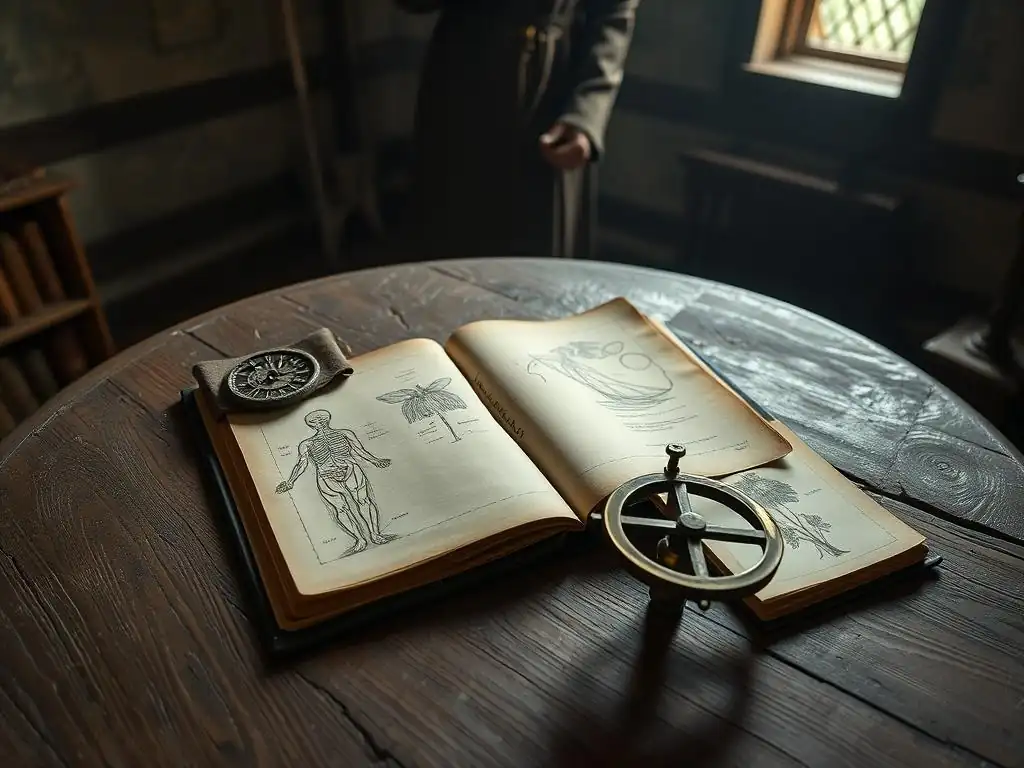
Medieval physicians relied on a limited set of diagnostic tools, prominent among which were uroscopy (examination of urine) and pulse diagnosis. Uroscopy involved visually inspecting the patient's urine for color, clarity, sediment, and even smell, believing these characteristics reflected the state of the humors and the overall health of the body's organs. A 'uroscopy wheel' was a common diagnostic aid, illustrating different urine appearances and their supposed corresponding ailments.
Pulse diagnosis involved feeling the patient's pulse, assessing its rate, rhythm, and strength. Different pulse qualities were believed to indicate specific conditions or humoral imbalances. While these methods seem rudimentary today, they were the primary means by which medieval physicians attempted to gain objective information about a patient's internal state, informing their understanding of physical health which, by extension, was linked to the state of the soul in their holistic view.
Humoral Theory and Its Impact on Mental Well-being
As discussed, humoral theory was not just a physical model but also the primary framework for understanding temperament and mental states. Diagnosis of mental or emotional disturbances, such as melancholy or mania, was based on identifying which humor was believed to be in excess or deficient. For instance, persistent sadness, withdrawal, and perhaps strange thoughts could be diagnosed as melancholy, attributed to an excess of cold, dry black bile.
This diagnostic approach meant that psychological symptoms were often treated as physical ailments requiring physical interventions to restore humoral balance. The physician's questions might probe not only physical symptoms but also the patient's temperament, emotional state, sleep patterns, and even dreams, all seen as potential indicators of humoral imbalance. This direct link between physical diagnosis (via humors) and mental well-being was a defining characteristic of medieval bodymind holistic health.
Dream Interpretation as a Window to the Psyche
Dreams held significant importance in medieval culture, viewed not merely as random mental phenomena but as potentially meaningful messages. Influenced by classical traditions and Christian belief, dreams could be seen as divine signs, demonic temptations, or reflections of the body's internal state. Medical practitioners and theologians alike engaged in dream interpretation as a diagnostic tool.
Medically, dreams were often interpreted through the lens of humoral theory; certain types of dreams (e.g., vivid, fiery dreams) were associated with an excess of yellow bile, while dark, heavy dreams might suggest an imbalance of black bile. Spiritually, dreams could be analyzed for their moral or prophetic content. This practice highlights the medieval belief that the inner world revealed in dreams was connected to both the physical state and the spiritual condition, offering another avenue for understanding the whole person in the context of medieval bodymind holistic health.
Medieval Treatments: Nurturing the Body and Soul
Bloodletting and Purging: Restoring Humoral Balance
Two of the most common and enduring medieval medical practices were bloodletting and purging. Bloodletting involved removing blood, typically by opening a vein or using leeches, based on the belief that excess blood (one of the four humors) could cause illness or that removing 'bad' blood would restore balance. Purging involved using laxatives or emetics to clear the digestive tract, believed to expel excess or corrupted humors from the body.
These interventions were applied to a wide range of ailments, including those we would now consider mental health conditions, because they were understood as stemming from humoral imbalances. For example, bloodletting might be used for mania (associated with excess blood and yellow bile), while purging might be prescribed for melancholy (to expel black bile). While often harmful by modern standards, these practices were central to the medieval physician's efforts to physically restore the balance necessary for both bodily and mental health.
Herbal Remedies for Mental and Physical Ailments
As mentioned, herbal medicine was a cornerstone of medieval treatment. Numerous plants were used specifically for ailments affecting mood, sleep, and nervous conditions. For instance, valerian root was used as a sedative, poppy (opium) for pain and sleep, and potentially plants later identified as having antidepressant properties, though their efficacy and specific medieval uses are subject to historical interpretation.
Herbals like the Tacuinum Sanitatis, while later medieval, illustrate the systematic approach to natural remedies, detailing the properties of plants, foods, and other substances and their effects on the body and humors. The application of these remedies was part of a broader strategy to support the body's natural ability to heal and maintain balance, addressing both overt physical symptoms and the more subtle signs of distress affecting the medieval bodymind holistic health.
The Power of Prayer and Spiritual Practices
Given the strong religious influence, prayer and spiritual practices were considered essential components of healing. Illness was often accompanied by spiritual distress or seen as an opportunity for spiritual growth. Patients, their families, and healers would engage in prayer, attend mass, seek blessings, and sometimes undertake pilgrimages to holy sites known for healing miracles.
Confession was also seen as having potential therapeutic value, relieving the burden of sin which was believed to contribute to physical or mental suffering. In many cases, spiritual interventions were inseparable from physical treatments, reflecting the conviction that true healing required addressing the state of the soul as well as the body. This integration underscores the holistic nature of medieval care, where spiritual well-being was paramount to medieval bodymind holistic health.
The Role of Diet in Medieval Body-Soul Health
Food as Medicine: Balancing the Humors Through Diet
Medieval dietary practices were heavily influenced by humoral theory. Foods were classified according to their perceived qualities – hot, cold, wet, and dry – and their effect on the humors. Physicians recommended specific diets to counteract perceived humoral imbalances. For example, someone with an excess of cold, dry black bile (melancholy) might be advised to eat 'hot' and 'wet' foods like chicken, ripe fruits, and warm spices, while avoiding 'cold' and 'dry' foods like lentils or aged cheese.
Cookbooks and health manuals from the period often contained detailed dietary guidelines tailored to different temperaments, ages, seasons, and even geographic locations. The belief was that consuming foods that balanced one's dominant humor or corrected an imbalance was crucial for maintaining health and preventing illness. This meticulous attention to diet as a primary therapeutic tool highlights its central role in medieval bodymind holistic health.
Fasting and Abstinence: Spiritual and Physical Cleansing
Fasting and abstinence from certain foods (like meat and dairy during Lent) were common practices dictated by the Church. While primarily spiritual disciplines intended for penitence and devotion, these practices also had perceived physical benefits. Fasting was sometimes seen as a way to purify the body, expel excess humors, or calm unruly passions, which were linked to humoral states.
The physical effects of reduced caloric intake or altered diet were likely interpreted within the humoral framework. While potentially leading to nutritional deficiencies if extreme, moderate fasting might have had some physiological effects that were then understood as humoral rebalancing. This dual interpretation—spiritual and physical—again underscores the integrated medieval view of the body and soul and their relevance to medieval bodymind holistic health.
Common Dietary Practices and Their Impact on Health
Medieval diets varied significantly by social class and region, but staples often included bread, grains, legumes, and seasonal vegetables. Meat and fish consumption depended on wealth and religious strictures. Access to fresh food was seasonal, and preservation methods (salting, smoking, drying) were crucial. The quality and availability of food directly impacted health, and medieval texts often discuss the health benefits or detriments of various foodstuffs.
For instance, consuming spoiled food was recognized as causing illness, though the mechanism was not understood in terms of bacteria but perhaps as introducing corrupt humors. The focus on balancing diet according to humoral theory, while not scientifically accurate by modern standards, represented a systematic attempt to use available resources (food) to influence the body's internal state and thereby impact overall well-being, including mental and emotional states, a core tenet of medieval bodymind holistic health.
The Importance of Environment and Lifestyle
The Impact of Living Conditions on Mental Health
Medieval understanding recognized that the environment played a significant role in health. Air quality, water sources, and the cleanliness of one's surroundings were considered important. Living in damp, cold, or unsanitary conditions was believed to contribute to humoral imbalances, particularly those associated with phlegm or black bile, which could manifest as lethargy, depression, or other ailments affecting the mind.
For the wealthy, choosing a dwelling with good ventilation, access to clean water, and pleasant surroundings was advised for maintaining health. For the poor, overcrowded and unsanitary living conditions in towns or drafty, damp cottages in the countryside undoubtedly contributed to poor health outcomes, both physical and mental. This awareness of environmental factors as contributing to health underscores the broad, holistic view inherent in medieval bodymind holistic health.
The Role of Exercise and Physical Activity
Physical activity was also recognized as important for health, often recommended to help balance the humors, improve circulation, and maintain physical strength. Moderate exercise was advised, as excessive exertion was believed to deplete vital energy or overheat the body, potentially causing humoral imbalance. Activities like walking, riding, hunting, and various forms of labor were part of daily life for many and were seen as beneficial.
Manuals on health often included recommendations for appropriate types and durations of exercise based on a person's age, temperament, and physical condition. For instance, someone with a melancholic temperament might be encouraged to engage in activities that warm the body and lift the spirits. This deliberate consideration of physical activity as a therapeutic tool highlights its place within the medieval holistic approach to health.
While not always explicitly categorized under medical treatment, the importance of social connections and community support was implicitly understood as contributing to well-being. Social isolation, conflict, or loss were recognized as sources of distress that could negatively impact both mood and physical health. Conversely, strong family ties, community belonging, and supportive relationships offered comfort and aid during times of illness or hardship.
Institutions like guilds, confraternities, and the Church provided networks of mutual support, offering assistance to members who were ill or in need. The care provided in monasteries and hospitals, while rudimentary by modern standards, often included a communal aspect that offered social interaction and spiritual support alongside physical care. This recognition of the social dimension reflects the comprehensive scope of medieval bodymind holistic health.
Case Studies: Examples of Body-Soul Care in Medieval Times
Monastic Health Practices: The Benedictine Model
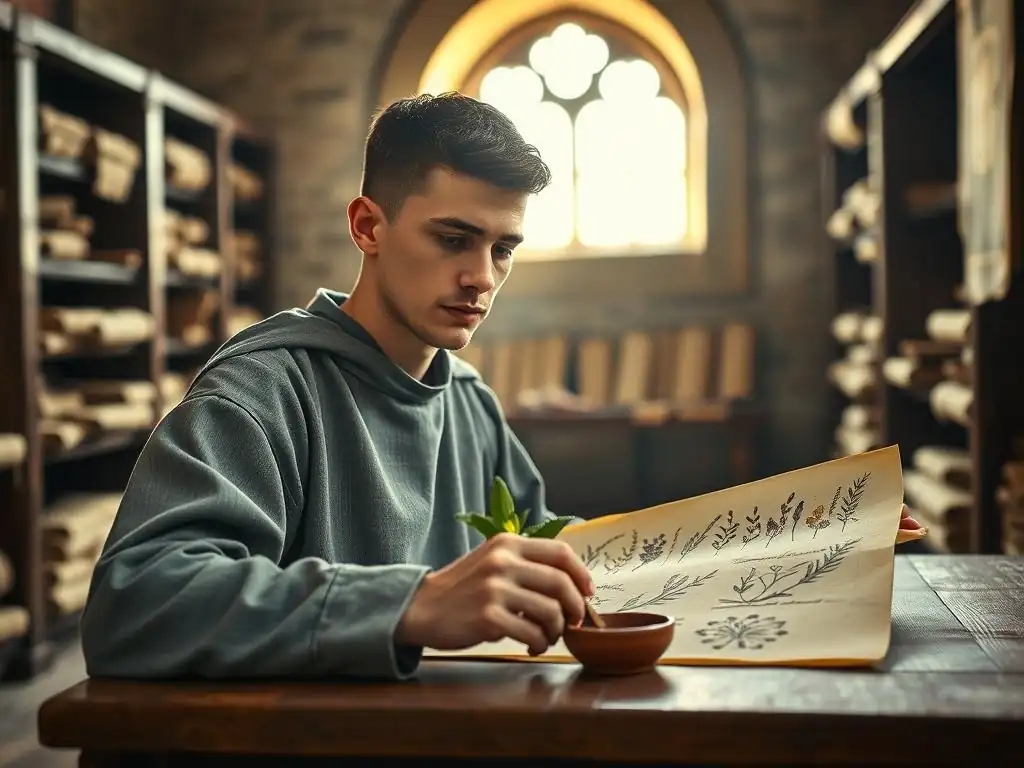
Benedictine monasteries, following the Rule of Saint Benedict (c. 516 AD), placed a strong emphasis on the care of the sick, seeing it as serving Christ. Infirmaries were standard features, staffed by monks with knowledge of herbal medicine and basic nursing. The care provided was explicitly holistic, combining physical remedies with spiritual care, prayer, and a structured environment of peace and routine.
Monks cultivated extensive herb gardens and transcribed medical texts, preserving and developing medical knowledge. Patients in monastic infirmaries received not only poultices and herbal teas but also confession, spiritual counsel, and participation in the monastic liturgy if able. This integrated approach, addressing the physical body, emotional state, and spiritual needs within a supportive community, serves as a powerful example of medieval bodymind holistic health in practice.
Treatment of Melancholy: Hildegard of Bingen's Approach
Hildegard of Bingen (1098–1179 AD), a German abbess, mystic, and polymath, offered sophisticated insights into health and illness, heavily influenced by humoral theory but also incorporating unique observations and spiritual perspectives. She discussed conditions akin to what we now call depression or anxiety, often attributing them to imbalances, particularly of black bile, but also considering environmental factors and spiritual state.
Hildegard's treatments for melancholy were notably holistic. She recommended specific dietary changes, advocating for foods like spelt and fennel while cautioning against others. She also prescribed herbal remedies (e.g., using violets or specific compounds). Crucially, she emphasized the importance of spiritual practices, music (which she composed), and finding joy and balance in life, demonstrating a profound understanding that healing required addressing the entire person – body, mind (or soul), and spirit – a clear precursor to modern holistic concepts within the medieval bodymind holistic health framework.
Analyzing the Effectiveness of Medieval Body-Soul Approaches
Evaluating the true effectiveness of medieval treatments is complex. Practices like bloodletting and purging were often harmful, potentially weakening already ill patients. The understanding of anatomy and physiology was limited, leading to incorrect diagnoses and interventions based on flawed theories like humoralism. Many remedies relied on anecdotal evidence or symbolic associations rather than empirical proof.
However, elements of the medieval approach likely offered genuine benefit. Herbal remedies contained active compounds, some with proven medicinal properties. The emphasis on diet, hygiene (where practiced), rest, and a supportive environment could aid recovery. Most significantly, the holistic approach, acknowledging the interplay of body and mind/soul and incorporating spiritual and emotional support, likely had a positive psychological impact, offering comfort, hope, and a sense of being cared for as a whole person – aspects still recognized as crucial in modern healthcare and mental well-being. This early form of medieval bodymind holistic health, despite its limitations, contained valuable insights.
Challenges and Limitations of Medieval Holistic Health
The Influence of Superstition and Misinformation
Despite the systematic frameworks like humoral theory, medieval healthcare was often intertwined with superstition, folklore, and misinformation. Belief in witchcraft, demonic possession, and celestial influences as causes of illness, particularly mental illness, was common. This could lead to treatments based on magical rituals, exorcisms, or astrological calculations rather than medical principles.
While learned physicians relied on classical texts, folk healers and lay people often resorted to charms, amulets, or prayers directed at specific saints for healing. Distinguishing between genuine medical knowledge (within the context of the time) and purely superstitious practices could be difficult, and the lack of standardized medical education meant that the quality of care varied dramatically. This blending of medicine and superstition posed a significant challenge to consistent and effective medieval bodymind holistic health care.
Limited Understanding of Anatomy and Physiology
A major limitation of medieval medicine was the restricted understanding of human anatomy and physiology. Dissection was rare and often prohibited for religious or social reasons, particularly in the early Middle Ages. Knowledge was primarily derived from ancient texts, which contained inaccuracies. This meant that medieval practitioners had a poor grasp of how the body's internal systems truly functioned.
Without a clear understanding of organ function, circulation, or neurological processes, linking physical symptoms to underlying causes was speculative and based on external observations or theoretical models like humoralism. This lack of foundational biological knowledge constrained the development of more effective treatments and diagnostics, limiting the depth to which medieval bodymind holistic health could be practiced effectively in a physical sense.
Access to even the rudimentary healthcare available in the Middle Ages was far from equal. Wealthy individuals could afford to consult learned physicians, access expensive herbal remedies, and receive care in private homes or monastic infirmaries. The poor, however, often relied on folk healers, charitable institutions (which were limited), or basic care within their own families and communities.
Furthermore, the quality of care varied greatly depending on location and the skill of the practitioner. Rural areas had less access to formal medical knowledge than urban centers or monasteries. Social status could also influence the type of treatment received. These significant social inequalities meant that the benefits of any form of medieval bodymind holistic health were not universally accessible.
Modern Relevance of Medieval Body-Soul Principles
Lessons from the Past: Applying Holistic Approaches Today
While medieval medical practices were often ineffective or harmful, the underlying principle of medieval bodymind holistic health – that physical, mental, and spiritual well-being are interconnected – holds significant relevance today. Modern healthcare increasingly recognizes the limitations of treating the body as separate from the mind and acknowledges the impact of stress, emotions, lifestyle, and social factors on physical health.
Studying medieval approaches reminds us that throughout history, humans have sought comprehensive well-being. It encourages us to look beyond purely biomedical models and consider how factors like diet, exercise, environment, social support, and personal beliefs (which might align with spiritual or philosophical views for individuals) contribute to overall health. This historical perspective can inform contemporary discussions about integrative medicine and patient-centered care.
The Resurgence of Interest in Natural and Integrative Medicine
In recent decades, there has been a growing interest in natural remedies, herbal medicine, and integrative healthcare practices that combine conventional medicine with complementary therapies. This resurgence echoes, in a more scientifically informed way, the medieval reliance on natural substances and a broader view of healing.
While modern herbalism and integrative medicine are based on scientific research and clinical evidence, they share with medieval practices the philosophy of supporting the body's natural healing processes and treating the whole person. This renewed interest in natural and holistic approaches suggests an enduring human inclination towards systems of care that acknowledge the complex interplay of factors influencing health, reminiscent of the principles underlying medieval bodymind holistic health.
Mindfulness: A Modern Practice Inspired by Medieval Body-Soul Understanding
Modern mindfulness practices, focusing on present moment awareness and the connection between thoughts, feelings, and bodily sensations, resonate with the medieval emphasis on the body-soul connection and the importance of managing one's inner state. While medieval spiritual practices (like contemplative prayer or meditation) were rooted in religious devotion, they often involved cultivating inner stillness and self-awareness, similar to secular mindfulness techniques.
These practices, both medieval and modern, recognize that paying attention to one's internal landscape – thoughts, emotions, and physical feelings – is crucial for well-being. They offer tools for managing distress and cultivating inner peace, demonstrating an enduring human understanding that working with one's internal experience is vital for overall health. This parallel highlights how historical perspectives, like medieval bodymind holistic health, can inform and enrich contemporary approaches to mental and emotional wellness.
Conclusion: Appreciating the Medieval Understanding of Holistic Health
Reflecting on the Enduring Value of the Body-Soul Connection
Exploring medieval perspectives on health reveals a worldview where the physical body and the non-physical soul (or mind) were seen as deeply interconnected, a fundamental principle of medieval bodymind holistic health. While specific medieval medical theories and treatments may seem alien or even harmful today, the underlying recognition that health is a complex interplay of physical, mental, emotional, and spiritual factors holds enduring value.
The medieval emphasis on diet, environment, lifestyle, and spiritual well-being as integral components of health resonates strongly with modern holistic and integrative medicine. It serves as a historical testament to the human intuition that true well-being requires attending to the whole person within their broader context.
The Legacy of Medieval Health Practices
The legacy of medieval health practices is not found in the continuation of bloodletting or humoral theory but in the persistent human search for holistic approaches to health. The medieval period, despite its limitations, laid groundwork by documenting herbal knowledge, establishing hospitals, and maintaining a tradition of scholarly inquiry into the nature of health and illness.
More importantly, the medieval commitment to medieval bodymind holistic health reminds us that caring for the sick involves more than just treating symptoms; it requires compassion, attention to the patient's inner state, and recognition of the many interconnected factors that contribute to human flourishing. This historical perspective enriches our understanding of the long and evolving journey towards comprehensive well-being.
Frequently Asked Questions
How did medieval thinkers understand the connection between the body and mind in relation to health?
Medieval understanding of health emphasized a holistic view, seeing the body and mind as interconnected and influencing each other. Illness was often attributed to imbalances affecting both the physical and mental state.
What role did humors play in the medieval concept of Bodymind health?
The theory of the four humors (blood, phlegm, yellow bile, and black bile) was central. Imbalances in these humors were believed to cause both physical and mental illnesses, requiring treatments aimed at restoring humoral equilibrium.
Were there specific practices or beliefs in medieval times that promoted mental well-being alongside physical health?
Yes, practices like prayer, meditation, and herbal remedies were common. Maintaining a harmonious lifestyle, including diet, sleep, and emotional balance, was considered crucial for overall Bodymind health.
How does the medieval understanding of the Bodymind connection compare to modern approaches to mental health?
While lacking modern scientific understanding, the medieval emphasis on the interconnectedness of body and mind resonates with contemporary holistic approaches. Modern medicine offers more specific diagnoses and treatments, but the fundamental principle of integration remains relevant.
What resources are available today to learn more about Medieval Bodymind Holistic Health and its relevance to modern well-being?
Websites such as Mind Care Guide offer information on mental well-being, although direct information about historical practices may need to be supplemented with scholarly articles and historical texts. Exploring the history of medicine can provide further context.
Final Reflection: Reclaiming the Holistic Wisdom of the Medieval BodyMind
The medieval understanding of holistic health, far from being a relic of the past, offers a strikingly relevant framework for addressing the complexities of modern wellbeing. Our current fragmented approach to healthcare, often separating the mind from the body, stands in stark contrast to the integrated perspective prevalent in medieval medical thought. This disconnect contributes to the pervasive sense of imbalance and dis-ease many experience today.
The enduring influence of the medieval emphasis on the interconnectedness of body and mind is undeniable. It continues to resonate in contemporary holistic practices, from mindfulness and meditation to herbal remedies and energy healing. These practices, often rooted in ancient traditions, echo the medieval understanding of the subtle interplay between physical and mental states. The body is a microcosm of the universe,
a sentiment echoed across medieval texts, highlights the profound interconnectedness emphasized in this era. This holistic view, I believe, offers a powerful antidote to the reductionist tendencies of modern medicine.
Consider the implications of this medieval wisdom for your own life. How can you cultivate a more integrated approach to your own wellbeing, recognizing the profound connection between your mind, body, and spirit? By consciously nurturing all aspects of your being – through mindful movement, nourishing food, meaningful connections, and practices that foster inner peace – you can begin to reclaim the holistic wisdom of the past and build a healthier, more fulfilling future. Let the medieval understanding of the bodymind connection inspire you to embark on this journey towards wholeness.
Unlock Your Inner Harmony: Practical Steps to Holistic Wellbeing
Thanks for exploring the fascinating world of medieval health wisdom and its surprisingly relevant connection to body and mind! You've gained valuable insights into a holistic approach to wellness – now it's time to put that knowledge into practice.
Here's how to start your journey towards greater inner harmony:
- Integrate mindful movement into your daily routine. Even 10 minutes of gentle stretching or a mindful walk can make a profound difference. This is your key step to bridging the body-mind gap.
- Share your newfound understanding. Discuss what resonated with you most from the article with a friend, family member, or online community. Let’s spread the wisdom!
- Consider exploring simple herbal remedies mentioned – research their modern equivalents with caution, of course! This could lead to surprising discoveries about natural wellness.
What simple practice will you implement today to nurture your body and mind, drawing inspiration from centuries-old wisdom?