
Mental Health Policy and Advocacy
Mental health policy and advocacy shape the systems that determine who gets help, how quickly, and at what cost. From breaking down barriers to accessing care to driving legislative change, this space is where compassion meets action. Whether you’re navigating government funding, championing grassroots campaigns, or decoding new laws, understanding these levers empowers you to be part of the solution. Mind Care Guide connects you with clear, actionable insights on expanding mental health access, influencing policy, and turning personal experience into public progress—because every voice counts in building a world where well-being is a right, not a privilege.
 Mental Health Legislation - Policy Changes
 Advocacy for Mental Health - Making a Difference
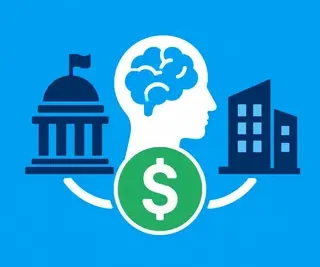 Mental Health Funding - Government and Private
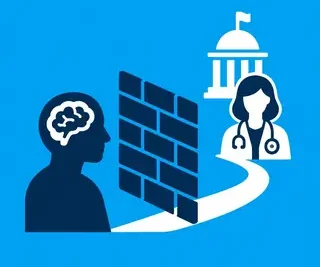 Access to Mental Health Care - Barriers and Solutions
Mental Health Policy and Advocacy at Mind Care Guide
Explore the critical intersection of policy, funding, and grassroots action that shapes mental health care worldwide. From understanding systemic barriers to learning how you can influence legislation, this category empowers you with actionable knowledge to support better mental health systems for all.
🧠 Access to Mental Health Care - Barriers and Solutions
Here you’ll uncover the hidden obstacles—cost, geographic distance, stigma, and workforce shortages—that prevent millions from getting help. We break down innovative solutions like telehealth, community-based clinics, and sliding-scale payment models. Expect practical guides on navigating insurance, finding low-cost providers, and leveraging local resources, as well as policy proposals that increase access for underserved populations.
💰 Mental Health Funding - Government and Private
Discover how money flows into mental health services, from federal grants and Medicaid to private insurance and corporate philanthropy. This section provides a clear analysis of budget allocations, funding gaps, and return on investment in prevention and early intervention. You’ll also learn how private donors, nonprofits, and employers can fill critical voids, and how to advocate for increased government spending in your community.
📢 Advocacy for Mental Health - Making a Difference
Turn passion into action with strategies for effective advocacy at local, state, and national levels. We cover how to share personal stories safely, lobby lawmakers, organize campaigns, and use social media to shift public opinion. Expect step-by-step toolkits for meeting with representatives, writing compelling testimonies, and building coalitions with allied organizations—all designed to amplify your voice for systemic change.
⚖️ Mental Health Legislation - Policy Changes
Stay informed on current and proposed laws affecting mental health, from insurance parity and involuntary commitment standards to school-based services and crisis intervention teams. This subcategory translates complex legal jargon into plain language, showing you how policies impact daily care. You’ll find summaries of landmark bills, analysis of state variations, and guidance on tracking legislative progress in your region.
❓ Frequently Asked Questions
What is the biggest barrier to mental health care access?
Cost remains the primary barrier, with many lacking insurance coverage or facing high deductibles. However, stigma and provider shortages are close seconds, especially in rural areas. Solutions include expanding Medicaid, enforcing parity laws, and increasing telehealth funding, which reduces both financial and geographic obstacles significantly.
How can I advocate for mental health without experience?
Start locally—attend town halls, write letters to your state representatives, and share your story on social media. Join existing advocacy groups like NAMI to learn from seasoned activists. Even small actions, like signing petitions or contacting your insurer about coverage gaps, create cumulative pressure for policy change.
Does government funding actually improve mental health outcomes?
Yes, studies show that every $1 invested in community-based mental health services saves up to $7 in reduced hospitalizations and emergency care. Funding for early intervention, crisis hotlines, and school programs directly lowers suicide rates and improves quality of life. However, outcomes depend on how funds are allocated and monitored.
What is mental health insurance parity and why does it matter?
Parity means insurance plans must cover mental health and substance use services equally to physical health services. It matters because without it, patients face higher copays, limited sessions, or denials. The 2008 Federal Parity Act and the ACA expanded protections, but enforcement gaps persist, so knowing your rights is crucial for self-advocacy.
How can I track mental health legislation in my state?
Use nonpartisan sites like OpenStates.org or the National Conference of State Legislatures to search bills by keyword. Subscribe to newsletters from mental health nonprofits, which often provide alerts on relevant hearings. You can also follow your representatives’ voting records and set Google Alerts for terms like “mental health” and “behavioral health” in your state legislature.