
Trauma & Stress-Related Disorders
Understanding trauma is the first courageous step toward reclaiming your life, and at Mind Care Guide, we illuminate the path from distress to resilience 🌱. Trauma and stress-related disorders—from Post-Traumatic Stress Disorder and Complex PTSD to the quieter wounds of childhood emotional neglect—can deeply impact your mind, body, and spirit. Whether you are navigating veteran mental health challenges, supporting refugee populations with culturally sensitive care, or healing from moral injury or vicarious trauma, our resources are built on evidence-based therapies like EMDR and CBT, plus creative outlets such as art therapy. We break down trauma recovery stages and strategies, explore the link between trauma and addiction, and empower you with resilience training to rebuild inner strength. From acute stress disorder to long-term effects of childhood trauma, you’ll find compassionate, actionable guidance for every journey. Remember: healing is not linear, but with the right support—whether for yourself or as a helper—recovery is absolutely possible.
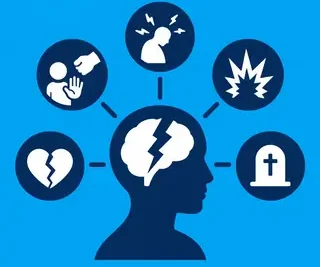 Types of Trauma - Understanding Different Experiences
 Complex PTSD (C-PTSD) - Understanding the Differences
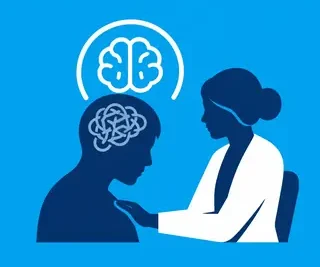 Therapy for PTSD - Evidence-Based Treatments
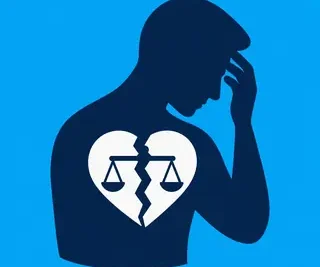 Moral Injury - Trauma of Conscience
 Vicarious Trauma - Impact on Helpers
 Trauma in Victims of Crime - Recovery and Support
 Acute Stress Disorder - From Trauma to Recovery
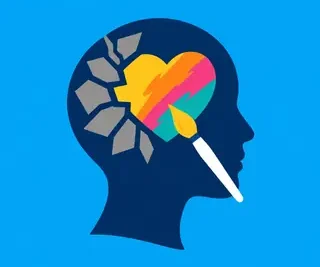 Art Therapy for Trauma - Creative Healing
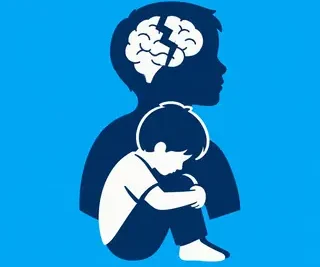 Trauma in Childhood - Long-Term Effects
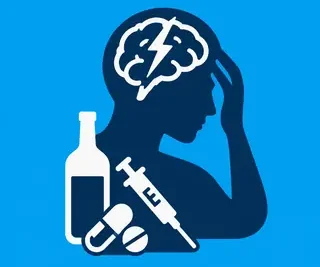 Trauma and Addiction - Co-occurring Disorders
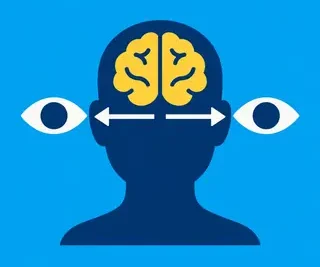 EMDR for Trauma - How it Works
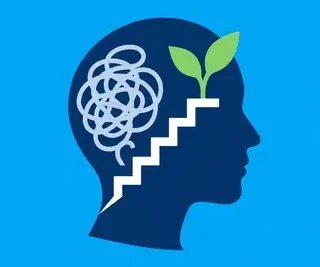 Trauma Recovery - Stages and Strategies
 Childhood Emotional Neglect - The Invisible Trauma
 Resilience Training for Trauma - Building Strength
 Trauma in Refugee Populations - Culturally Sensitive Care
 Post-Traumatic Stress Disorder (PTSD) - Symptoms and Triggers
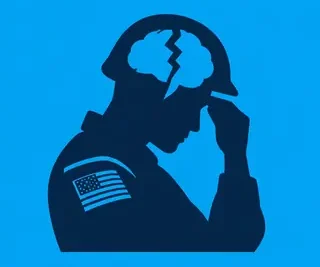 Veteran Mental Health - Unique Challenges
Understanding Trauma & Stress-Related Disorders
Welcome to Mind Care Guide’s comprehensive hub on Trauma & Stress-Related Disorders. Here, we explore how overwhelming experiences shape mental health, from acute stress to complex, long-term conditions. Whether you’re a survivor, a caregiver, or a professional, our goal is to demystify symptoms, validate diverse experiences, and highlight evidence-based pathways to healing. Use the subcategories below to find targeted, practical guidance that meets you where you are—because recovery is not linear, and every story deserves informed, compassionate support.
🪖 Veteran Mental Health - Unique Challenges
Veterans often face distinct mental health hurdles, including combat exposure, military sexual trauma, and the difficult transition to civilian life. This section addresses the specific triggers and symptoms common among service members, such as hypervigilance and survivor’s guilt. Expect guidance on navigating VA resources, peer support networks, and therapies tailored to military culture. We also normalize the “invisible wounds” that may not show up in standard screenings.
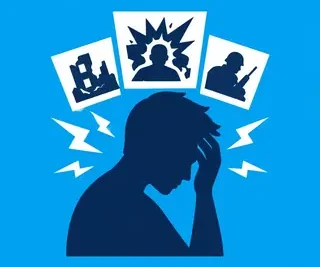
🧠 Post-Traumatic Stress Disorder (PTSD) - Symptoms and Triggers
PTSD is more than just “bad memories”—it rewires the brain’s threat response. Here, we break down the four symptom clusters: intrusive thoughts, avoidance, negative cognitions, and heightened arousal. Learn to identify common triggers (sounds, places, anniversaries) and how they cascade into flashbacks or panic. This subcategory also clarifies the difference between normal stress reactions and clinical PTSD, helping you decide when professional intervention is necessary.
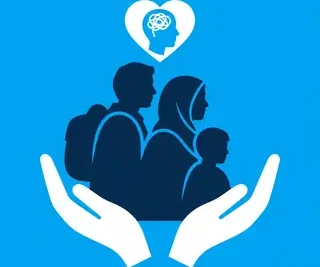
🌍 Trauma in Refugee Populations - Culturally Sensitive Care
Refugees endure layered trauma—war, displacement, and loss of identity—often compounded by resettlement stress. This section emphasizes culturally responsive approaches that respect faith, language, and family structures. We discuss the barriers to care (distrust, stigma, legal fears) and how to build trust through community-based interventions. Expect resources on interpreters, cultural mediators, and trauma-informed practices that honor resilience amidst profound adversity.
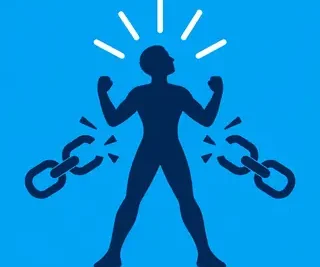
💪 Resilience Training for Trauma - Building Strength
Resilience isn’t an innate trait; it’s a trainable muscle. This subcategory offers practical skills like cognitive reframing, emotional regulation, and social connection-building. Learn about programs like Trauma Resiliency Model (TRM) or skills-based groups that reduce distress post-exposure. We emphasize post-traumatic growth—finding meaning and new purpose—while validating that setbacks are part of the journey. Perfect for survivors, clinicians, and organizations aiming to foster recovery-ready environments.
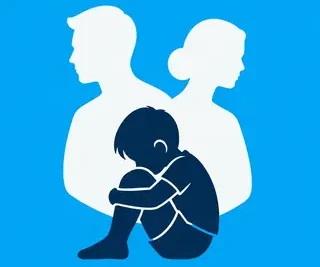
👶 Childhood Emotional Neglect - The Invisible Trauma
Emotional neglect leaves no bruises, but its scars are deep. This section explores the silent long-term impacts—difficulty identifying feelings, low self-worth, and relational detachment. Unlike overt abuse, neglect is about what didn’t happen: attunement, validation, and comfort. Here, you’ll find strategies to recognize the “glass wall” that separates you from your emotions and steps to reconnect in therapy, plus guidance for parents to break the cycle.
🌀 Trauma Recovery - Stages and Strategies
Recovery is a spiral, not a straight path. We outline recognized stages—safety, remembrance, mourning, and reconnection (à la Judith Herman)—and pair each with actionable strategies. Expect psychoeducation on grounding techniques, narrative therapy, and gradual exposure. This subcategory also cautions against “toxic positivity” and emphasizes pacing, reminding you that grief and anger are valid recovery phases. A roadmap for both self-help and guided treatment.
👁️ EMDR for Trauma - How it Works
Eye Movement Desensitization and Reprocessing (EMDR) uses bilateral stimulation to help the brain process stuck memories. This section breaks down the eight-phase protocol, from history-taking to body scans, in plain language. Learn why EMDR is effective for single-incident traumas and PTSD, and what a session feels like (hint: you don’t re-live the trauma). We also address myths—like “it erases memories”—and compare EMDR to CBT, so you can make an informed choice.
🍷 Trauma and Addiction - Co-occurring Disorders
Trauma and substance use often entwine, as drugs become a coping mechanism to numb hyperarousal or flashbacks. This subcategory examines integrated treatment models that address both issues simultaneously, rather than sequentially. Expect insights on trauma-informed addiction counseling, relapse triggers tied to anniversaries of trauma, and medication-assisted options. We also highlight the self-medication hypothesis and why shame often fuels the cycle—plus paths to sustainable sobriety.
🧸 Trauma in Childhood - Long-Term Effects
Adverse Childhood Experiences (ACEs) can alter brain development, immune function, and even gene expression. This section details the lifelong ripple effects—higher risks for depression, heart disease, and relational dysfunction. Crucially, we counter fatalism: neuroplasticity means healing is possible at any age. Discover how attachment repair, trauma-focused therapy (like TF-CBT), and nurturing environments can mitigate harm, and how adults can re-parent their inner child.
🎨 Art Therapy for Trauma - Creative Healing
Words often fail the traumatized brain, but art bypasses verbal barriers. This subcategory explores creative modalities—painting, sculpture, collage, or movement—that externalize inner chaos. Expect guides on how art therapists titrate trauma exposure safely, reduce arousal, and foster self-compassion. Learn about evidence showing art’s effectiveness in reducing PTSD symptoms and why the process matters more than the product. No talent required, only permission to express.
⏱️ Acute Stress Disorder - From Trauma to Recovery
Acute Stress Disorder (ASD) occurs within days to a month after trauma, mirroring PTSD but shorter. This section clarifies diagnostic criteria—dissociation, re-experiencing, avoidance—and why early intervention can prevent chronic PTSD. We discuss psychological debriefing (what works, what doesn’t), cognitive restructuring in the acute phase, and when to seek help. Learn to distinguish normal distress from a disorder, and how early coping strategies can change your trajectory.
⚖️ Trauma in Victims of Crime - Recovery and Support
Crime victims face unique betrayal—by a person, system, or society. This subcategory addresses the double trauma: the event itself plus legal proceedings (which can re-traumatize). Expect resources on victim compensation, restorative justice, and victim advocates. We cover specific challenges like sexual assault or burglary, plus coping with media exposure. Also, we validate the “secondary wound” of disbelief and provide scripts for setting boundaries with investigators or courts.
🩹 Vicarious Trauma - Impact on Helpers
Clinicians, first responders, and journalists absorb others’ pain—often unknowingly. Vicarious trauma (VT) changes how helpers view the world, creating cynicism or despair. This section offers self-assessment tools to detect VT signs (nightmares, intrusive images, cynicism) and prevention strategies like supervision, wellness routines, and meaning-making. We discuss differences between burnout, compassion fatigue, and VT, emphasizing that helpers need help too. Protect your empathy without losing it.
⚡ Moral Injury - Trauma of Conscience
Moral injury arises when you act against your values—or witness others doing so—causing deep shame. Often seen in veterans and healthcare workers, it’s distinct from fear-based PTSD. This subcategory explores the betrayal of “what’s right” and its symptoms: guilt, withdrawal, self-harm. Expect therapeutic interventions like Adaptive Disclosure and forgiveness protocols that separate deed from self, plus community rituals to restore a sense of shared morality.
🔬 Therapy for PTSD - Evidence-Based Treatments
This centerpiece section reviews validated approaches: Prolonged Exposure (PE), Cognitive Processing Therapy (CPT), EMDR, and Trauma-Focused CBT (TF-CBT). We explain how each works, typical session counts, and expected success rates. Also included: emerging options like cognitive behavioral conjoint therapy (for couples) and pharmacotherapy (SSRIs, prazosin). We stress the importance of clinician training and matching treatment to your trauma type—no one-size-fits-all, but hope is backed by decades of data.
🕸️ Complex PTSD (C-PTSD) - Understanding the Differences
Unlike single-event PTSD, C-PTSD stems from chronic abuse, neglect, or captivity—leaving a fragmented identity. This subcategory contrasts core differences: emotional dysregulation, negative self-concept, and interpersonal issues (ICD-11 criteria). We discuss why C-PTSD is often misdiagnosed as borderline personality disorder, and how staged treatment (stabilization first) differs from standard PTSD protocols. Learn to name your suffering precisely and find specialists who understand systemic trauma.
📚 Types of Trauma - Understanding Different Experiences
Trauma isn’t monolithic. This broad subcategory categorizes experiences—acute, chronic, complex, developmental, and secondary—while exploring relational trauma (betrayal by caregivers), racial trauma, medical trauma, and natural disasters. We help you identify which type matches your story, noting overlaps (e.g., a refugee may face racial + chronic trauma). Expect guidance on tailored first steps for each, reinforcing that your experience is valid, comprehensible, and treatable.
Frequently Asked Questions
What’s the first step to getting help for trauma?
Start by speaking with a primary care provider or a licensed trauma therapist who uses evidence-based treatments like EMDR or CPT. A structured assessment (PTSD Checklist or ACE questionnaire) can clarify symptoms. If crisis-level, call 988 (US) or local emergency services. Remember, reaching out is a strength, not a weakness.
Can I recover from C-PTSD without professional therapy?
While self-help (journaling, yoga, support groups) helps, C-PTSD often requires professional guidance due to deep relational wounds. Therapies like trauma-focused DBT or prolonged exposure are proven. Without a therapist, symptoms may persist. But you can build safety first—via grounding, routines, and trusted allies—before formal treatment. Recovery is possible, but partnership accelerates it.
How long does treatment take for PTSD?
Evidence-based therapies average 8-16 sessions for single-incident PTSD, though complex cases may take a year or longer. Progress depends on symptom severity, co-occurring conditions, and therapeutic alliance. Some see relief in weeks, while others need maintenance. The goal isn’t erasing memories—it’s reducing their grip on your present life.
Is it normal to feel worse before feeling better during trauma therapy?
Yes. Exposure-based therapies intentionally activate distress to help reconsolidate memories. This temporary “spike” usually subsides within hours. A skilled therapist will teach distress tolerance skills beforehand and closely monitor your pacing. If worsening persists beyond two weeks, speak up—modifications are possible. Healing often involves temporary turbulence, not unending pain.
How does art therapy help if I’m not “creative”?
Art therapy isn’t about aesthetics; it’s about expressing what words can’t trap. Simple actions—scribbling, clay squishing, color choices—engage the right brain, reducing amygdala activation. Your therapist guides reflection, not critique. You don’t need talent, only willingness. Many find that abstract messes release somatic tension better than verbal narratives, making it a powerful adjunct to talk therapy.