
Mindfulness & Meditation
Discover the transformative power of mindfulness and meditation with Mind Care Guide, your trusted resource for cultivating mental clarity, emotional balance, and lasting well-being. Whether you’re just beginning your journey or deepening an existing practice, our expert-backed insights cover everything from stress reduction and anxiety management to neuroscience-backed brain changes and advanced techniques like Vipassana or transcendental meditation. Learn how to integrate mindful moments into your daily routine, improve focus at work or school, and harness meditation’s physical and mental benefits—all in a supportive, evidence-based space. Start today to build resilience, find hope, and create a calmer, more centered life.
 Meditation Techniques - Guided Meditations and Practices
 Mindfulness in the Workplace - Reducing Burnout
 Introduction to Mindfulness - What is Mindfulness?
 Mindfulness for Stress Reduction - Practical Exercises
 Body Scan Meditation - Techniques and Benefits
 Vipassana Meditation - Insight Meditation
 Neuroscience of Mindfulness - Brain Changes
 Advanced Mindfulness Practices - Deepening Your Practice
 Benefits of Meditation - Physical and Mental Benefits
 Mindfulness in Daily Life - Integrating Mindfulness
 Mindfulness for Depression - Finding Hope
 Mindfulness in Education - For Students and Teachers
 Walking Meditation - A Simple Guide
 Transcendental Meditation - Mantra-Based Practice
 Mindfulness for Emotional Regulation - Managing Emotions
 Mindfulness for Anxiety - Calming the Mind
Mindfulness & Meditation: Your Path to Mental Well-Being
Explore our comprehensive library on mindfulness and meditation at Mind Care Guide. Whether you're a beginner seeking to reduce stress, a professional managing burnout, or a student looking to focus, this category offers science-backed, practical guidance. From transcendental meditation to body scan techniques, discover tools to calm anxiety, regulate emotions, and rewire your brain for resilience. Each subcategory below is designed to meet you where you are, with simple exercises and deeper insight practices to transform your daily life.
🧠 Mindfulness for Anxiety - Calming the Mind
Anxiety often pulls your thoughts into the future—worrisome "what-ifs" that spiral. Mindfulness for anxiety teaches you to anchor attention to the present moment, breaking the cycle of rumination. Expect breathing techniques, grounding exercises, and cognitive defusion methods that reduce the intensity of anxious thoughts. Through consistent practice, you'll build a calm, observant mind that responds to stressors rather than reacting automatically. This section is your first step toward lasting inner peace.
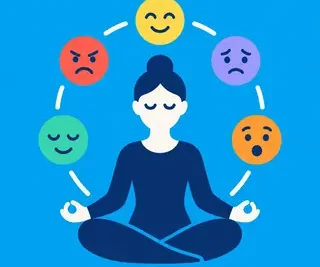
❤️🩹 Mindfulness for Emotional Regulation - Managing Emotions
Emotional regulation isn't about suppressing feelings; it's about understanding and channeling them wisely. Here, you'll learn RAIN (Recognize, Allow, Investigate, Nurture) and other structured mindfulness practices that help you observe emotions without being engulfed. Expect practical exercises for anger, sadness, and frustration, using body awareness and labeling to reduce emotional hijacking. By integrating these tools, you'll cultivate emotional balance, improving relationships and self-compassion even during life's most turbulent moments.
🕉️ Transcendental Meditation - Mantra-Based Practice
Transcendental Meditation (TM) is a simple, effortless technique using a personal mantra to settle the mind into a state of restful alertness. This subcategory demystifies TM, offering guidance on choosing a mantra, proper sitting posture, and a 20-minute twice-daily routine. Expect research-backed benefits like reduced cortisol, lower blood pressure, and enhanced creativity. Unlike concentration practices, TM invites thoughts to fade naturally, making it accessible for even the busiest minds. Discover why millions worldwide call it their daily reset.
🚶 Walking Meditation - A Simple Guide
Meditation doesn't require a cushion—it can happen on your feet. Walking meditation transforms an ordinary stroll into a profound mindfulness practice. This guide breaks down the process into steps: slow, deliberate pacing, synchronized with breath, and a gentle focus on the sensations of each footfall. Expect techniques for both indoor labyrinth walking and outdoor nature trails. Perfect for those who find sitting uncomfortable, it enhances body awareness, reduces restlessness, and brings meditative calm into daily mobility.
🏫 Mindfulness in Education - For Students and Teachers
Classrooms are crowded with distractions and stress. Mindfulness in education equips both students and teachers with tools to improve concentration, emotional resilience, and academic performance. Expect age-appropriate exercises: bell-listening for young kids, "mindful minutes" before tests, and self-compassion practices for educators facing burnout. Research shows reduced test anxiety and improved working memory. This section offers curriculum-ready activities, breathing breaks, and tips for creating a calm classroom culture that benefits everyone.
🌅 Mindfulness for Depression - Finding Hope
Depression often traps you in past regrets or a bleak future. Mindfulness-Based Cognitive Therapy (MBCT) is a proven approach to break that loop. This subcategory offers gentle, non-judgmental awareness exercises that help you notice negative thought patterns without believing them. Expect body scans to reconnect with physical sensations, "decentering" techniques, and daily rituals for gratitude and self-kindness. While not a substitute for professional care, these practices foster hope and reduce relapse rates, empowering you to climb out of darkness step by step.
☕ Mindfulness in Daily Life - Integrating Mindfulness
Why meditate only on a cushion? Mindfulness in daily life weaves awareness into brushing teeth, eating, commuting, and doing dishes. Expect micro-practices—three mindful breaths before emails, intentional tasting of first bites, and sensory check-ins while walking. This subcategory focuses on informal practice, turning routine actions into moments of presence. Discover how to break autopilot habits, reduce mind-wandering, and savor ordinary joys. The result? A richer, more engaged life, no extra time required.
💪 Benefits of Meditation - Physical and Mental Benefits
Meditation isn't just spiritual—it's a biological upgrade. This subcategory compiles rigorous evidence linking practice to lower blood pressure, improved immunity, reduced chronic pain, and better sleep. Mentally, you'll learn how meditation boosts focus, memory, and emotional stability while decreasing anxiety and depressive symptoms. Expect a breakdown of short-term effects (after one session) versus long-term gains (after weeks of practice). Armed with this data, you'll understand why meditation is now prescribed by doctors and recommended by neuroscientists for whole-body wellness.
🔮 Advanced Mindfulness Practices - Deepening Your Practice
For seasoned meditators, this section explores non-dual awareness, open monitoring, and jhanas (deep absorption states). Expect guidance on extending sits, handling unusual experiences like body dissolution or bliss, and integrating insight into everyday emptiness perception. Learn about retreat protocols and advanced breathwork like Holotropic or Sudarshan Kriya. These practices move beyond stress reduction into profound self-realization. However, approach with caution—recommendation to seek a teacher for intensive practice to avoid destabilization. Elevate your inner journey responsibly.
🧬 Neuroscience of Mindfulness - Brain Changes
Science meets spirituality: neuroplasticity shows meditation physically alters brain structure. This subcategory explains studies using MRI and EEG, revealing increased gray matter in the hippocampus (memory) and prefrontal cortex (decision-making), plus reduced amygdala activity (fear). Expect insights into default mode network (DMN) quieting, which decreases rumination and enhances present-moment awareness. Learn how eight weeks of practice can thicken cortical areas associated with attention. This evidence-based content validates your practice and motivates consistency through measurable brain changes.
🧘 Vipassana Meditation - Insight Meditation
Vipassana, meaning "to see things as they really are," is ancient Indian insight practice. This subcategory offers a practical guide to observing bodily sensations and mental phenomena with equanimity. Expect step-by-step instructions for a 10-day retreat style, including anapana (breath awareness) and scanning techniques. Learn to recognize impermanence (anicca) and non-self (anatta), reducing attachment and suffering. While intense, this path yields deep clarity. We provide home adaptations and ethical precepts to practice safely, honoring this traditional lineage.
🛌 Body Scan Meditation - Techniques and Benefits
The body scan is a powerful tool for releasing tension you didn't know you carried. In this subcategory, you'll find guided scripts that move attention from toes to crown, noticing sensations without judgment. Expect benefits: reduced chronic pain, better sleep, and improved interoceptive awareness—your ability to read bodily cues. We explain lying versus sitting variations and how to handle discomfort or emotional release. Perfect for beginners and insomniacs, this technique grounds you firmly in the present, promoting deep relaxation and self-care.
🌿 Mindfulness for Stress Reduction - Practical Exercises
Stress is a modern epidemic, but mindfulness is an antidote. This section delivers quick, practical exercises for high-pressure moments: the 4-7-8 breath, 5-4-3-2-1 grounding, and STOP (Stop, Take a breath, Observe, Proceed). Expect workplace-friendly techniques that lower cortisol within minutes. Learn to separate stressors from your response using cognitive reframing and body awareness. These tools are designed for busy professionals, caregivers, and anyone feeling overwhelmed. Implement them today to transform anxiety into clear-headed action.
🌱 Introduction to Mindfulness - What is Mindfulness?
New here? This is your starting point. Mindfulness is the non-judgmental awareness of the present moment, derived from Buddhist traditions but now secular and science-backed. This subcategory defines core concepts: attention, intention, and attitude (curiosity, kindness). Expect a beginner's 10-minute daily practice, common misconceptions (it's not clearing your mind), and simple ways to test mindfulness in eating or walking. You'll learn how it differs from relaxation and why it's called a "life skill" that rewires your brain over time.
💼 Mindfulness in the Workplace - Reducing Burnout
Office stress drains energy and creativity. Mindfulness in the workplace offers team and individual practices to combat burnout and improve collaboration. Expect micro-meditations before meetings, mindful email practices, and "connection pauses" that enhance empathy. Research highlights reduced absenteeism and increased job satisfaction. This section provides scripts for facilitators, tips for remote workers, and strategies to create a "mindful culture" without forcing spirituality. Boost productivity while protecting your mental health—start with two minutes a day.
🎧 Meditation Techniques - Guided Meditations and Practices
This is your toolbox of styles: guided visualization, loving-kindness (metta), breath counting, and sound meditation. Expect free scripts and audio suggestions for every goal—sleep, focus, healing, or connection. We cover walking, lying, and sitting postures, plus duration progressions from 1 to 60 minutes. Learn to choose a technique based on your current state: body scan for fatigue, metta for anger, breath focus for anxiety. Whether you prefer apps, podcasts, or self-led practice, this subcategory helps you build a sustainable, varied routine that never feels monotonous.
Frequently Asked Questions
How long should I meditate each day to see benefits?
Even 5 minutes daily can reduce stress and improve focus within two weeks. For significant brain changes, aim for 10–20 minutes most days. Studies show consistency beats length—a daily 10-minute practice outperforms a weekly 60-minute session. Start small, use a timer, and gradually extend as comfort grows.
What's the difference between mindfulness and meditation?
Mindfulness is a mental state—paying attention to the present with curiosity and kindness. Meditation is a formal practice (like sitting or walking) designed to cultivate that state. You can practice mindfulness while eating or washing dishes without "meditating." Conversely, some meditations (e.g., transcendental) don't explicitly focus on mindfulness but still produce awareness benefits.
Can mindfulness help with panic attacks and severe anxiety?
Yes, but with caution. Grounding techniques like 5-4-3-2-1 can interrupt a panic attack by shifting sensory attention. Long-term mindfulness reduces anxiety sensitivity. However, if attacks are frequent, combine practice with professional therapy (e.g., CBT). Avoid deep introspective meditation during acute anxiety, as it may intensify symptoms—prefer gentle body scans or walking meditation.
Is mindfulness religious or spiritual?
No. Modern secular mindfulness, popularized by Jon Kabat-Zinn, strips away Buddhist religious context. It's a psychological technique adaptable to any belief system. Some find it enhances their existing faith; others use it purely for health. No chanting, deities, or rituals are required—only attention and a willingness to observe.
How do I know if I'm meditating correctly?
There is no "perfect" meditation. If you spend the session noticing when your mind wanders and gently returning to your anchor, you're doing it right. Struggling with distraction is not failure—it's the workout. Signs of correct practice: increased calm after session, better awareness of triggers, and less reactivity over time. Trust the process, not a checklist.