Mindfulness in Education: A Path to Focus, Calm, and Resilience for Students and Teachers
In today’s fast-paced academic environment, stress, anxiety, and distraction often undermine both learning and teaching. The Mindfulness in Education subcategory within Mind Care Guide’s “Mindfulness & Meditation” section offers practical, evidence-based techniques tailored specifically for classrooms and staffrooms. Here, you’ll discover how integrating mindfulness can improve concentration, emotional regulation, and overall well-being for learners of all ages and the educators who guide them. This resource bridges the gap between contemplative practice and everyday academic life, providing step-by-step exercises, implementation strategies, and real-world case studies—all designed to create calmer, more productive educational spaces.
🧠 Why Mindfulness Matters in Schools Today
Research consistently shows that mindfulness reduces test anxiety, improves working memory, and enhances social-emotional learning. For students, brief daily practices—such as mindful breathing before exams or body scans during transitions—can lower cortisol levels and increase engagement. For teachers, mindfulness mitigates burnout, improves classroom management, and fosters empathy. This section explains the neuroscience behind these benefits, highlighting how regular practice reshapes brain regions linked to attention and self-regulation. You’ll learn how to adapt techniques for different age groups, from kindergarten to high school, and how to measure progress without adding administrative burden. Expect clear, actionable insights that turn abstract theory into daily routines.
🛠️ Simple Mindfulness Exercises for the Classroom
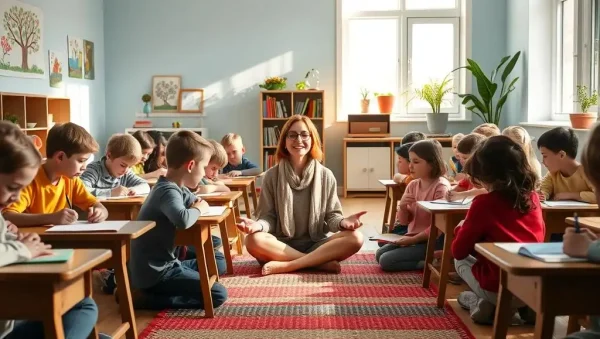
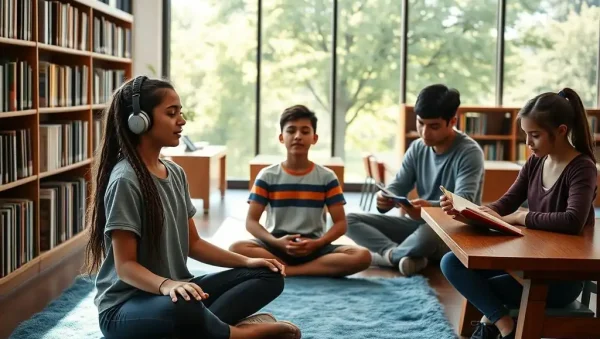
Start with zero-prep activities that require no special materials: the “5-4-3-2-1” grounding technique, mindful listening to a bell, or a one-minute gratitude pause. For older students, guided visualization for focus before a complex task, and “stop-breathe-think” prompts for conflict resolution. Teachers can integrate these into existing lesson plans without losing instructional time. Plus, learn “brain breaks” for mid-lecture energy dips and a closing circle to consolidate learning. Each exercise includes approximate durations, grade-level adaptability, and tips for managing reluctant participants. This practical toolkit ensures you leave with immediately usable strategies, whether you’re a substitute teacher or a seasoned principal leading staff wellness sessions.
👩🏫 Teacher Well-Being: Mindfulness as Self-Care
Teaching is one of the most demanding professions, with high emotional labor and chronic time pressure. Dedicated mindfulness practice—even 5 minutes daily—reduces symptoms of secondary traumatic stress and improves job satisfaction. This H3 section covers “pause practices” for between classes, loving-kindness meditations to rebuild compassion after difficult interactions, and digital apps designed for educators. You’ll also find strategies for creating a personal practice that fits your hectic schedule, including micro-mindfulness during commuting or grading. Crucially, we address the stigma around teacher self-care and provide language to advocate for school-wide mindfulness initiatives. Learn how to model calm, which can positively influence student behavior without extra lecturing.
📚 Implementing a School-Wide Mindfulness Program
Moving beyond individual practice, this section offers a roadmap for systematic integration. Begin with a needs assessment, then secure buy-in from administrators and parents using tangible outcomes like reduced suspensions and improved attendance. We outline a tiered framework: universal mindfulness moments for the whole school, targeted small-group sessions for at-risk students, and intensive individual coaching for severe anxiety. Include sample schedules, funding sources (e.g., grants, PTA), and evaluation tools like pre/post surveys. Address common obstacles—skepticism, time constraints, cultural sensitivity—with practical solutions. Whether you’re a counselor, vice-principal, or parent advocate, this guide empowers you to lead change that is sustainable and culturally responsive, ensuring mindfulness becomes a lasting part of your school’s ethos.
📊 Evidence-Based Outcomes and Success Stories
Data can convince even the most skeptical stakeholders. Review key studies from sources like the American Psychological Association and Mindful Schools, showing improvements in math scores, reading comprehension, and self-reported well-being. Highlight real examples: a middle school in California saw office referrals drop by 40% after incorporating daily mindful moments; a high school in New York increased graduation rates for at-risk students participating in an 8-week mindfulness program. This section also clarifies what mindfulness is not—religion, therapy, or a panacea—to manage expectations. Expect downloadable infographics, citation lists, and talking points for parent meetings. Use these stories to inspire community support and to personalize your own implementation approach.
Frequently Asked Questions
How long does it take to see benefits from mindfulness in education?
Many students report feeling calmer after a single session, but lasting behavioral and academic changes typically appear after 6-8 weeks of consistent daily practice. Neurological changes in attention and emotion regulation regions can be detected via fMRI after three months. For teachers, reduced burnout symptoms often emerge within four weeks. Consistency matters more than session length.
Can mindfulness be used with very young children, like kindergarten?
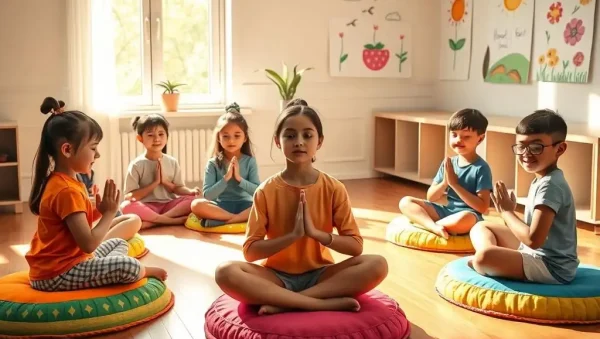
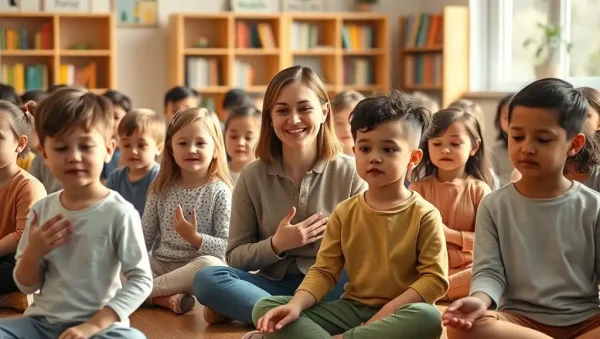
Yes, with modifications. Use short, sensory-based activities (e.g., listening to a chime, blowing pinwheels) lasting under two minutes. Focus on oral prompts and physical cues rather than abstract concepts. Avoid forcing quiet; instead, use playful language like “spy breathing” or “fluffy cloud stretches.” Parental involvement is key for reinforcement.
Do I need to be a certified mindfulness teacher to use these techniques?
No, but basic training is recommended. Free online courses (e.g., from Mindful Schools or Coursera) provide foundational knowledge. For classroom use, you only need to practice regularly yourself to embody the principles. For clinical or trauma-sensitive settings, seek additional certification and consult with a licensed mental health professional.
What if some students refuse to participate in mindfulness exercises?
Never force participation. Offer alternative quiet activities like drawing or reading, and normalize that mindfulness is a choice. Often, skeptical students will join later after seeing peers benefit. Explain the purpose and keep sessions brief. For older students, frame it as a scientifically-backed skill, not a spiritual requirement. Revisit after a few weeks with persuasive data.
How can I measure the success of a mindfulness program in my school?
Use both quantitative and qualitative metrics. Pre- and post-intervention surveys (e.g., PERMA Profiler, self-regulation scales), attendance and suspension records, and teacher observations. Collect student feedback through journals or focus groups. Compare standardized test scores or behavior referrals year-over-year. Celebrate small wins and adjust based on ongoing feedback.