
Essential Mindfulness Resources for Educators: Tools, Apps, and Programs

Welcome to Mind Care Guide.
Feeling overwhelmed by the demands of teaching? You're not alone. We understand the unique pressures you face, and we're here to help you cultivate a more mindful and balanced life. This guide dives deep into Mindfulness resources for teachers, offering practical tools, helpful apps, and proven programs to help you manage stress and enhance your well-being. Curious to discover how mindfulness can transform your classroom and your life? Let's explore together...
Essential Mindfulness Resources for Educators: Tools, Apps, and Programs
- Introduction to Mindfulness for Teachers and Educators
- Top Mindfulness Apps for Teachers: Cultivating Inner Peace
- Mindfulness Programs for Schools: Implementing Mindful Practices
- Practical Mindfulness Tools for Teachers: Integrating Mindfulness into the Classroom
- Mindfulness Books for Teachers: Deepening Your Practice
- Mindfulness Exercises for Teachers: Quick and Easy Techniques
- Integrating Mindfulness into the School Day: Practical Strategies
- Addressing Challenges and Obstacles to Mindfulness in Education
- Advanced Mindfulness Practices for Educators: Deepening Your Journey
- Conclusion: Embracing Mindfulness for a More Peaceful and Effective Teaching Experience
-
Frequently Asked Questions
- What are some essential mindfulness resources specifically designed for teachers?
- How can teachers incorporate mindfulness practices into their daily routines?
- What are the benefits of mindfulness for teachers in the classroom?
- Are there any mindfulness programs that offer professional development credits for educators?
- Where can teachers find reliable mindfulness resources that are evidence-based and effective?
- Final Reflection: Cultivating Calm in the Classroom – A Journey Towards Mindful Teaching
- Unlock Your Inner Calm: Practical Mindfulness for Educators
Introduction to Mindfulness for Teachers and Educators
Why Mindfulness Matters in Education: Benefits for Teachers and Students
The demanding environment of education often leaves teachers feeling overwhelmed and stressed. Research indicates that teacher burnout is a significant issue, with some studies suggesting that nearly half of teachers consider leaving the profession within their first five years. Mindfulness practices offer a powerful antidote by providing tools to manage stress, improve emotional regulation, and enhance overall well-being. For teachers, this can translate into greater job satisfaction, reduced absenteeism, and a renewed sense of purpose in the classroom.
Beyond the benefits for educators themselves, integrating mindfulness into the school day profoundly impacts students. A meta-analysis of studies on school-based mindfulness programs found improvements in students' emotional regulation, attention, and social skills. When teachers cultivate their own mindfulness practice, they model these skills for their students, creating a calmer, more focused, and more empathetic learning environment. This ripple effect underscores the importance of providing accessible mindfulness resources for teachers.
Understanding the Core Principles of Mindfulness for Educators
At its heart, mindfulness is about paying attention, on purpose, without judgment. For educators, this means cultivating an awareness of their present moment experience – their thoughts, feelings, bodily sensations, and the environment around them – as they navigate the complexities of the school day. Key principles include non-judgment, patience, beginner's mind, trust, non-striving, acceptance, and letting go. These principles provide a foundation for responding skillfully to challenging situations rather than reacting impulsively.
Applying these principles allows teachers to pause before responding to a disruptive student, notice their own frustration without being consumed by it, and approach each lesson with fresh eyes. It's not about emptying the mind or achieving a state of perfect calm, but rather developing a gentle, curious awareness of whatever arises. Understanding these core tenets is crucial for educators seeking effective mindfulness resources for teachers, as it informs how tools, apps, and programs are best utilized.
Top Mindfulness Apps for Teachers: Cultivating Inner Peace
Headspace for Educators: A Beginner-Friendly Mindfulness App Review
Headspace is a widely recognized mindfulness app that offers guided meditations, sleep aids, and focus exercises. It's particularly well-suited for beginners, featuring a structured introductory course that explains the basics of mindfulness in simple, relatable terms. The app often provides special programs or discounts for educators, recognizing the unique stresses of the profession. Many teachers find the short, 3-5 minute guided sessions helpful for integrating quick moments of mindfulness into their busy schedules, such as during a planning period or before starting the school day.
The content is presented with engaging animations and the soothing voice of co-founder Andy Puddicombe, a former monk. While a subscription is required for full access, the quality and accessibility of its core mindfulness resources for teachers make it a popular choice. Features like "Mindful Moments" reminders and themed courses on topics like stress, anxiety, and focus offer targeted support for the specific challenges educators face daily, both inside and outside the classroom.
Calm for Teachers: Reducing Stress and Enhancing Focus
Calm is another leading mindfulness app known for its extensive library of guided meditations, sleep stories, breathing programs, and relaxing music. It often partners with educational institutions to offer free or discounted access to teachers and students, making it an accessible option as part of broader mindfulness resources for teachers initiatives. Calm's interface is designed to be visually soothing, often featuring nature scenes and calming sounds, which many users find helps immediately reduce feelings of stress.
Teachers can utilize Calm's targeted meditations for stress reduction, focus enhancement before teaching, or short breathing exercises during breaks. The app's "Daily Calm" feature provides a new 10-minute guided meditation each day, offering a consistent way to maintain a practice. For educators struggling with sleep due to work-related stress, the popular "Sleep Stories" narrated by celebrities can be a valuable resource. These varied offerings provide flexible mindfulness resources for teachers to address different needs throughout the day.
Insight Timer for Educators: Free Meditation Resources and Community
Insight Timer stands out for its vast library of over 100,000 free guided meditations, talks, and yoga practices contributed by thousands of teachers worldwide. This makes it an incredibly comprehensive and cost-effective option among mindfulness resources for teachers. While it offers optional paid courses, the core functionality, including a customizable meditation timer and access to the majority of content, is completely free, removing a financial barrier for many educators.
The app allows users to filter content by duration, topic (like stress, anxiety, focus, compassion), and teacher style, making it easy to find exactly what is needed at any given moment. It also includes a global community feature, allowing users to see how many people are meditating with them in real-time, which can foster a sense of connection. For teachers looking for diverse practices, from traditional Vipassana to modern stress-reduction techniques, Insight Timer provides an unparalleled range of mindfulness resources for teachers without requiring a subscription.
Mindfulness Programs for Schools: Implementing Mindful Practices
Mindfulness-Based Stress Reduction (MBSR) for Teachers: A Comprehensive Program
Mindfulness-Based Stress Reduction (MBSR) is an intensive, evidence-based program developed by Jon Kabat-Zinn. Typically delivered over eight weekly sessions, each lasting 2-2.5 hours, plus a full-day retreat, MBSR teaches participants formal mindfulness practices like body scan meditation, sitting meditation, and mindful movement (gentle yoga). While originally designed for clinical settings, adaptations and specific courses are available for educators, providing deep and transformative mindfulness resources for teachers.
Participating in an MBSR program equips teachers with a robust personal practice and a deep understanding of the principles of mindfulness. Studies on MBSR for teachers have shown reductions in burnout, improvements in self-compassion, and decreased symptoms of anxiety and depression. This comprehensive training is more than just a quick fix; it's a commitment to developing sustained resilience, making it one of the most impactful mindfulness resources for teachers seeking profound personal growth and stress management.
Mindful Schools: Training Programs for Educators
Mindful Schools is a non-profit organization dedicated to making mindfulness accessible to K-12 students and educators. They offer online and in-person training programs specifically designed for school staff, providing practical strategies for integrating mindfulness into the classroom and school culture. Their curriculum often focuses on short, simple practices that can be easily woven into the existing school day, such as mindful listening, mindful walking, and mindful eating.
Their flagship "Mindful Educator Essentials" course provides foundational training, while other courses delve deeper into specific age groups or topics like mindful communication. Mindful Schools has trained tens of thousands of educators globally, impacting students in various settings. Their focus on practical application and age-appropriate techniques makes their programs valuable mindfulness resources for teachers looking to not only develop their own practice but also share it effectively with their students.
Inner Explorer: Mindfulness Curriculum for K-12 Classrooms
Inner Explorer offers a simple, daily audio-guided mindfulness program designed for use in K-12 classrooms. The program provides short (5-10 minute) daily mindfulness exercises delivered via audio, making it easy for teachers to implement even without prior mindfulness training. The curriculum is sequential and age-appropriate, guiding students through different types of practices over the school year. This structure provides consistent, accessible mindfulness resources for teachers to use directly with their students.
The program aims to help students develop self-awareness, emotional regulation, and focus, which can positively impact classroom climate and academic performance. Research on Inner Explorer has shown promising results, including reductions in disciplinary referrals and improvements in student attention. For busy educators seeking a ready-to-use, low-barrier method to introduce mindfulness to their students, Inner Explorer serves as a practical and effective tool among the available mindfulness resources for teachers.
Practical Mindfulness Tools for Teachers: Integrating Mindfulness into the Classroom
Mindfulness Bells and Timers: Promoting Awareness and Presence
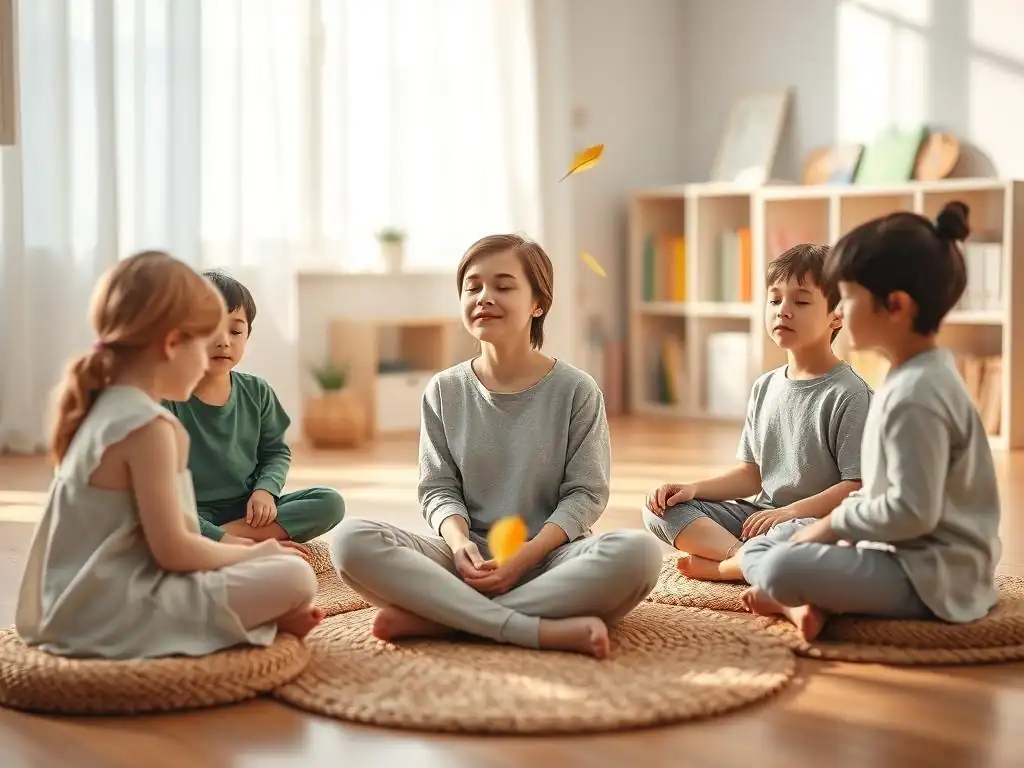
Simple tools like mindfulness bells or timers can be incredibly effective for integrating moments of presence throughout the school day. A mindfulness bell, when rung softly, can signal a transition between activities, prompting everyone – teachers and students – to pause, take a breath, and reset their attention. This practice, sometimes called "mindful transitions," helps reduce the chaos often associated with moving from one subject or task to another.
Using a timer can also be helpful for setting a specific duration for a short mindfulness practice, such as a minute of silent breathing or a brief body scan. Many meditation apps include built-in timers, but a simple kitchen timer or even a phone timer works just as well. These basic tools serve as tangible anchors for bringing awareness to the present moment, making them practical and easily implemented mindfulness resources for teachers in any classroom setting.
Guided Meditation Scripts for Teachers: Sample Scripts and Tips
Having access to guided meditation scripts is invaluable for teachers who want to lead short practices for themselves or their students but may not feel comfortable improvising. Scripts provide a structured framework for guiding attention, whether it's focusing on the breath, sensations in the body, or sounds in the environment. Numerous free scripts are available online, often categorized by length or theme (e.g., focus, kindness, relaxation).
When using scripts, it's helpful to read them aloud beforehand to become comfortable with the pacing and language. Teachers can adapt scripts to fit the age group of their students, simplifying vocabulary for younger children or adding more complex instructions for older ones. Using a calming, steady voice is key. Sample scripts focusing on breathing or body awareness are excellent starting points among mindfulness resources for teachers looking to facilitate short, impactful moments of calm in the classroom.
#### Sample Breathing Script (Approx. 2-3 minutes)

"Find a comfortable seat... feel your feet on the floor... your body in the chair... Gently close your eyes or soften your gaze... Bring your attention to your breath... Notice the air entering your nose or mouth... and leaving your body... No need to change anything... just notice... Feel your belly or chest rise and fall gently with each breath... Breathing in... breathing out... Stay with the sensation of the breath... If your mind wanders, that's okay... gently guide your attention back to the breath... Just a few more breaths here... Feeling the anchors of your breath... When you're ready, slowly open your eyes..."
Mindfulness Journals for Educators: Self-Reflection and Growth
Mindfulness journals offer teachers a private space for self-reflection, processing emotions, and tracking their mindfulness journey. Simply taking a few minutes each day or week to write down observations about one's thoughts, feelings, or experiences can deepen self-awareness. Journaling can be a powerful way to acknowledge stress, celebrate small victories, and gain perspective on challenging situations that arise during the school day.
There's no right or wrong way to journal; some prefer free writing, while others use prompts such as "What was one mindful moment I experienced today?" or "What emotion arose for me during [specific event], and how did I respond?" Maintaining a mindfulness journal is a personal practice, but it's a significant component of effective mindfulness resources for teachers, supporting emotional processing and reinforcing the principles learned through other tools and programs.
Mindfulness Books for Teachers: Deepening Your Practice
"Wherever You Go, There You Are" by Jon Kabat-Zinn: A Classic Introduction to Mindfulness
Jon Kabat-Zinn's "Wherever You Go, There You Are" is considered a foundational text for anyone interested in mindfulness, including educators. Written in short, accessible chapters, the book introduces the core concepts and practices of mindfulness in a secular and practical way. It encourages readers to integrate mindfulness into everyday activities, emphasizing that formal meditation is just one aspect of cultivating presence.
For teachers new to mindfulness, this book provides a gentle yet profound entry point. It helps demystify the practice and makes it feel achievable even amidst a busy life. The book's wisdom resonates deeply with the challenges of the teaching profession, offering insights into managing stress, relating to difficult emotions, and finding moments of peace in the midst of chaos. It's a highly recommended starting point among mindfulness resources for teachers seeking to understand the 'why' and 'how' of the practice.
"Teaching with Heart" by Megan Scribner and Sam M. Intrator: Cultivating Compassion in the Classroom
While not exclusively a book on mindfulness, "Teaching with Heart" is a collection of essays by K-12 teachers reflecting on their profession's emotional and relational aspects. Many of the themes explored – presence, empathy, vulnerability, and connection – are deeply intertwined with mindfulness and compassion practices. The book offers authentic and often moving accounts of the joys and struggles of teaching.
Reading these personal narratives can inspire educators and provide a sense of shared experience. It reinforces the importance of the teacher's inner life and the impact it has on the classroom environment. For teachers exploring mindfulness resources for teachers focused on the emotional core of education, this book serves as a powerful reminder of the human element and the role of compassion in effective teaching.
"Mindfulness for Teachers" by Patricia A. Jennings: Practical Strategies for Stress Reduction
Patricia A. Jennings, a leading researcher in contemplative education, offers practical, evidence-based strategies specifically tailored for educators in her book "Mindfulness for Teachers." The book addresses the unique stressors faced by teachers and provides concrete techniques for reducing stress, preventing burnout, and promoting well-being. It bridges the gap between personal mindfulness practice and its application in the professional context.
Jennings draws on her extensive research to provide actionable steps that teachers can take to cultivate mindfulness in their daily routines, interactions with students and colleagues, and approach to classroom management. The book includes specific exercises and reflections designed to help teachers build resilience and create a more positive classroom climate. It's an essential guide and a key piece of mindfulness resources for teachers seeking direct, practical application in their work life.
Mindfulness Exercises for Teachers: Quick and Easy Techniques
Mindful Breathing Exercises for Teacher Self-Care
Mindful breathing is perhaps the most fundamental mindfulness practice and is incredibly effective for quick self-regulation throughout the school day. Simply pausing for 30 seconds to a minute to focus solely on the sensation of the breath entering and leaving the body can help interrupt stress responses, clear the mind, and bring attention back to the present moment. This can be done discreetly at one's desk, in the hallway, or even during a brief pause in teaching.
A simple exercise involves noticing the inhale and the exhale, perhaps counting breaths up to ten and then starting over, or simply resting attention on the rise and fall of the abdomen. This accessible technique requires no special equipment or location, making it an essential tool among mindfulness resources for teachers needing immediate stress relief or a moment of grounding. Regular practice builds the capacity to return to the breath whenever feeling overwhelmed.
Body Scan Meditation for Teachers: Releasing Tension and Stress
The body scan is a more formal practice that involves systematically bringing mindful attention to different parts of the body, noticing any sensations (or lack thereof) without judgment. This practice can be done lying down or sitting and typically lasts from 10 to 45 minutes, though shorter versions are also beneficial. For teachers, a short body scan can be particularly useful at the end of the school day to release accumulated physical tension.
A guided body scan helps cultivate awareness of the connection between mind and body and can reveal areas where stress is held. By simply noticing sensations like tightness in the shoulders or jaw, teachers can begin to consciously relax these areas. Even a 5-minute seated body scan, focusing on the feet, hands, and face, can provide a significant release of physical and mental tension, serving as a valuable component of mindfulness resources for teachers.
Walking Meditation for Teachers: Finding Peace in Motion
Walking meditation involves bringing mindful awareness to the physical sensations of walking – the lifting and placing of the feet, the movement of the legs, the swing of the arms. It's a way to practice mindfulness while active, which can be appealing for those who find sitting still challenging. For teachers, a short mindful walk during a lunch break or even walking mindfully between classrooms can transform a routine activity into a moment of presence.
The focus is typically on the sensations in the feet and legs, coordinating awareness with the rhythm of walking. If the mind wanders, the practice is simply to notice the distraction and gently return attention to the physical experience of walking. This practice can be done indoors or outdoors and provides a refreshing alternative to seated meditation, adding versatility to the range of mindfulness resources for teachers. It's a practical way to integrate movement and mindfulness simultaneously.
Integrating Mindfulness into the School Day: Practical Strategies
Mindful Moments Before Class: Setting a Positive Tone
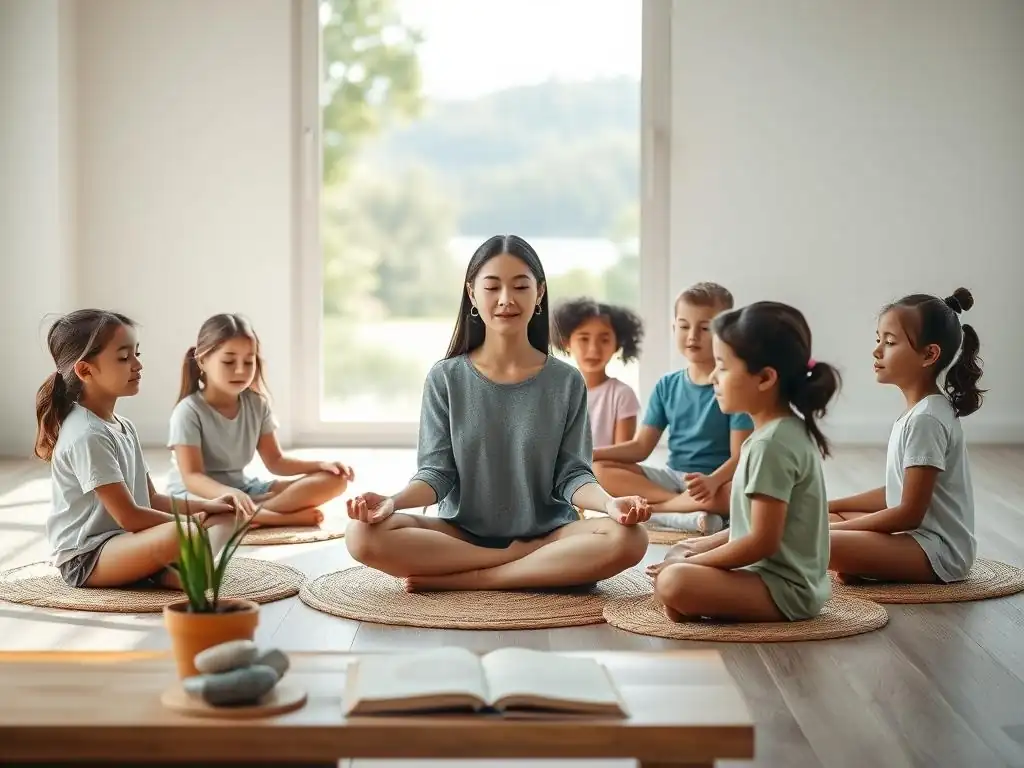
Starting each class with a brief mindful moment can significantly impact the learning environment. This doesn't need to take more than 60-90 seconds. It could involve ringing a mindfulness bell and inviting students to simply notice the sound until it fades, or leading a few deep breaths together, focusing on the inhale and exhale. This short pause helps both the teacher and students transition from previous activities and arrive more fully in the present moment, ready to learn.
For teachers, taking this moment before students enter or just as the bell rings allows them to ground themselves, set an intention for the lesson, and release any residual stress from the previous period. For students, it provides an opportunity to settle down, quiet their minds, and focus their attention. Implementing these simple "arrival" practices is a key strategy among practical mindfulness resources for teachers aiming to create a calm and focused classroom atmosphere from the outset.
Mindful Transitions Between Activities: Reducing Chaos and Improving Focus
Transitions between different subjects, activities, or even from independent work to group discussion can often be chaotic and lead to lost instructional time. Implementing mindful transitions involves using a consistent signal (like a bell or chimes) and a simple instruction to pause and take a breath before moving to the next task. This brief pause helps students and teachers shift gears more smoothly and intentionally.
Instead of rushing directly into the next activity, the mindful transition allows for a moment of reset. For example, after collecting papers, the teacher might say, "Let's take three mindful breaths together before we start our math lesson," guiding the class through the breaths. This simple practice reduces the feeling of frantic rushing and helps regain focus, demonstrating how practical mindfulness resources for teachers can directly improve classroom management and student engagement.
Mindful Listening Activities for Students: Enhancing Communication Skills
Mindful listening is a practice that can significantly improve communication and empathy within the classroom. It involves paying full attention to the speaker without interrupting or formulating a response, simply listening to understand. Teachers can introduce this concept to students through simple exercises, such as pairing students up and having one speak for a set time while the other listens attentively, then switching roles and having the listener summarize what they heard.
Another activity involves the teacher speaking while students focus entirely on listening, perhaps closing their eyes briefly to minimize visual distractions. Discussing the experience afterward helps students understand what it means to truly listen. These practices not only enhance communication skills but also cultivate patience and respect among students, highlighting the relational benefits of incorporating mindfulness resources for teachers into social-emotional learning.
Addressing Challenges and Obstacles to Mindfulness in Education
Overcoming Time Constraints: Finding Small Moments for Mindfulness
One of the most frequently cited obstacles for teachers practicing mindfulness is lack of time. The school day is packed, and finding even a few minutes for a formal practice can feel impossible. However, mindfulness isn't just about formal meditation; it's about bringing awareness to everyday moments. Teachers can overcome time constraints by integrating "micro-moments" of mindfulness throughout the day.
This might involve taking three mindful breaths while waiting for the copier, paying full attention to the taste and texture of their lunch, or noticing the sensations in their feet while walking down the hallway. These brief moments, practiced consistently, add up and help cultivate a sense of presence without requiring significant chunks of time. Framing mindfulness as something that can be woven into the existing schedule is crucial when discussing mindfulness resources for teachers facing time pressures.
Dealing with Resistance from Students or Colleagues: Strategies for Encouragement
Introducing mindfulness into a school setting can sometimes meet with resistance, either from students who are unfamiliar or skeptical, or from colleagues who view it as an unnecessary addition to an already crowded curriculum. An empathetic approach is key. For students, explaining the 'why' in age-appropriate terms (e.g., "Mindfulness helps our brains focus" or "It helps us notice how we feel") and keeping practices short and voluntary initially can help build buy-in.
For colleagues, sharing the research-backed benefits of mindfulness for both teacher well-being and student outcomes can be persuasive. Leading by example, demonstrating the personal benefits of the practice, and perhaps offering to lead short, optional sessions during staff meetings can also foster interest. Patience and consistently demonstrating the positive impact are powerful strategies when navigating the introduction of mindfulness resources for teachers and students in a school setting.
Maintaining Your Own Mindfulness Practice as an Educator: Self-Care Tips
Maintaining a personal mindfulness practice is paramount for educators, as it forms the foundation for bringing mindfulness into the classroom. However, the demands of teaching can make consistency challenging. Prioritizing self-care is not a luxury but a necessity. Scheduling dedicated time for practice, even if it's just 5-10 minutes daily, can help ensure it happens. Using apps or joining a local meditation group can provide structure and accountability.
Finding a practice that resonates personally is also important – whether it's mindful movement, walking meditation, or seated practice. Being flexible and non-judgmental with oneself when practice is missed is also key; simply returning to it when possible is the practice. Remembering that cultivating personal well-being directly benefits the students serves as powerful motivation for teachers committed to utilizing mindfulness resources for teachers effectively for themselves.
Advanced Mindfulness Practices for Educators: Deepening Your Journey
Vipassana Meditation for Teachers: Exploring Deeper Levels of Awareness
Vipassana, meaning "to see things as they really are," is an ancient Indian meditation tradition that involves cultivating deep awareness of the present moment through sustained attention to bodily sensations. While often taught in intensive residential retreats lasting 10 days or longer, the core practice can also be integrated into daily life through longer sits (30-60 minutes). Vipassana offers a path to exploring the impermanence of experience and the nature of the mind.
For educators who have established a regular basic mindfulness practice and wish to deepen their understanding and capacity for awareness, exploring Vipassana can be transformative. It can lead to profound insights into habitual patterns of reaction and cultivate a greater sense of equanimity in the face of challenges. While requiring a significant time commitment, resources for Vipassana retreats and longer-term practice are available for teachers seeking advanced mindfulness resources for teachers.
Loving-Kindness Meditation for Teachers: Cultivating Compassion and Connection
Loving-Kindness Meditation (Metta Bhavana) is a practice focused on cultivating feelings of warmth, friendliness, and compassion towards oneself and others. It typically involves systematically sending well wishes to oneself, loved ones, neutral people, difficult people, and finally, all beings. This practice can be particularly beneficial for teachers, who interact with a wide range of personalities and can experience relational stress.
Practicing loving-kindness can help counter feelings of frustration, anger, and burnout by actively cultivating positive emotions like empathy and connection. Even a short 5-10 minute Metta practice can shift one's perspective and improve interactions with students, colleagues, and parents. Integrating Loving-Kindness meditation is a powerful addition to mindfulness resources for teachers, fostering a more compassionate and positive internal and external environment.
Resources for Advanced Mindfulness Practices
For educators interested in exploring advanced mindfulness practices like Vipassana or deepening their Loving-Kindness practice, various resources exist. Meditation centers often offer longer retreats or workshops. Online platforms and apps like Insight Timer feature guided meditations specifically for these practices, often led by experienced teachers. Books delving deeper into specific traditions or practices can also be valuable.
Engaging with a qualified teacher or community is highly recommended for those pursuing more advanced techniques. This provides guidance, support, and a deeper understanding of the nuances of the practice. Seeking these advanced mindfulness resources for teachers represents a commitment to ongoing growth and resilience beyond foundational techniques.
Conclusion: Embracing Mindfulness for a More Peaceful and Effective Teaching Experience
The Lasting Impact of Mindfulness on Teachers and Students
Embracing mindfulness offers educators a pathway to not only manage the inherent stresses of the profession but also to thrive within it. By utilizing accessible mindfulness resources for teachers – from apps and books to formal programs and simple daily exercises – educators can cultivate greater self-awareness, emotional regulation, and resilience. This personal transformation has a direct and positive impact on the classroom environment, fostering calmer, more focused, and more connected learning spaces.
The benefits ripple outwards, affecting student well-being, attention, and social-emotional development. As teachers model mindfulness, they equip students with essential life skills that extend far beyond academic learning. While the journey requires commitment and navigating challenges, the long-term rewards – reduced burnout, increased job satisfaction, and a more empathetic and effective teaching experience – make the integration of mindfulness resources for teachers a truly worthwhile endeavor for the entire educational community.
Frequently Asked Questions
What are some essential mindfulness resources specifically designed for teachers?
There are many options, including apps like Headspace and Calm, online programs focusing on stress reduction and emotional regulation, and books offering practical mindfulness techniques.
How can teachers incorporate mindfulness practices into their daily routines?
Teachers can start with short mindfulness exercises, such as mindful breathing or body scans, during breaks or before starting classes to promote calmness and focus.
What are the benefits of mindfulness for teachers in the classroom?
Mindfulness can reduce teacher stress and burnout, improve classroom management, and foster a more positive learning environment for students.
Are there any mindfulness programs that offer professional development credits for educators?
Yes, some programs offer professional development credits upon completion, providing teachers with valuable skills and recognition for their commitment to mindfulness training.
Where can teachers find reliable mindfulness resources that are evidence-based and effective?
The Mind Care Guide and similar websites provide links to evidence-based mindfulness programs, apps, and resources that have been shown to be effective in promoting mental well-being for educators.
Final Reflection: Cultivating Calm in the Classroom – A Journey Towards Mindful Teaching
The relentless pace of modern education demands a renewed focus on educator well-being, and mindfulness practices offer a powerful antidote to burnout and stress. The tools, apps, and programs explored in this article represent more than just a trend; they are essential resources for creating a healthier, more supportive learning environment for both teachers and students.
The integration of mindfulness into the educational landscape is not merely a fleeting fad, but a crucial step towards fostering a more compassionate and effective teaching profession. The impact extends far beyond individual teachers, shaping the overall classroom atmosphere and influencing the emotional and academic development of students. When we teach children to calm their minds, we are teaching them to manage their emotions, improve their focus, and ultimately, to thrive.
This quote encapsulates the profound ripple effect of mindful teaching, benefiting not only educators but the entire educational community.
Now, consider your own journey towards mindful teaching. What resonates most with you from the resources discussed? What small step can you take today to incorporate mindfulness into your daily routine, whether it's a five-minute breathing exercise, a guided meditation, or simply a moment of quiet reflection? Embrace the opportunity to cultivate inner peace and resilience, not just for yourself, but for the countless students who will benefit from your calm and centered presence. The journey towards mindful teaching is a continuous process of self-discovery and growth; embark on it with intention and watch the transformative power unfold.
Unlock Your Inner Calm: Practical Mindfulness for Educators
Thanks for taking the time to explore practical mindfulness techniques designed specifically for educators! We hope you found valuable insights to help you navigate the daily demands of your profession with greater ease and well-being. Now, let's put that knowledge into action:
- Prioritize your well-being: Dedicate just 5 minutes today to a mindful breathing exercise or a guided meditation. Even a small step can make a significant difference.
- Share your mindfulness journey: Let your fellow educators know what resources you found most helpful. Starting a conversation can inspire others to prioritize their own mental wellness.
- Explore a new mindfulness app: Many free apps offer tailored meditations for educators. Discover one that resonates with your needs and schedule a few minutes each day for self-care.
What simple mindfulness practice are you most excited to try today, and how do you think it will positively impact your teaching?