
The LongTerm Impact of Mindfulness on Emotional Wellbeing


Welcome to Mind Care Guide, your sanctuary for nurturing inner peace. Ever wondered how mindfulness can truly transform your life, beyond just fleeting moments of calm? This article delves into the fascinating science behind how Mindfulness improves emotional wellbeing longterm, offering practical insights and actionable steps to cultivate lasting emotional resilience. Discover the profound and enduring benefits that await you. Let's embark on this journey to a more balanced and fulfilling you.
- Cultivating Resilience: A Guide to Long-Term Emotional Wellbeing Through Mindfulness
- Mindfulness Practices and Long-Term Emotional Resilience
- Practical Mindfulness Techniques for Sustained Emotional Health
- Long-Term Benefits of Mindfulness on Mental Health
- Integrating Mindfulness into Daily Life for Lasting Emotional Wellbeing
- Research Supporting the Long-Term Effectiveness of Mindfulness
- Conclusion: Mindfulness as a Pathway to Enduring Emotional Wellbeing
-
Frequently Asked Questions
- What exactly is mindfulness, and how does it relate to emotional wellbeing?
- How does mindfulness contribute to long-term improvements in emotional wellbeing?
- What types of mindfulness exercises are most effective for improving emotional wellbeing?
- How long does it typically take to see noticeable improvements in emotional wellbeing through mindfulness?
- Are there any potential downsides or limitations to using mindfulness for emotional wellbeing?
- Final Reflection: Cultivating Inner Peace for a Lasting Wellbeing
- Unlock Your Inner Calm: Start Your Mindfulness Journey Today!
Cultivating Resilience: A Guide to Long-Term Emotional Wellbeing Through Mindfulness
Defining Mindfulness: Present Moment Awareness
Mindfulness, at its core, is the practice of intentionally bringing one's attention to the present moment without judgment. It involves observing thoughts, feelings, bodily sensations, and the surrounding environment as they arise, simply noticing them without getting carried away or trying to change them. This non-judgmental observation is crucial, allowing individuals to develop a greater understanding of their internal landscape and external experiences.
This deliberate focus on the here and now stands in contrast to our usual mental state, which often involves dwelling on the past or worrying about the future. By consistently practicing present moment awareness, individuals can interrupt automatic negative thought patterns and reactive emotional responses. This foundational skill is the bedrock upon which the long-term emotional benefits of mindfulness are built, paving the way for a more stable and centered inner life.
Emotional Wellbeing: A Multifaceted Approach
Emotional wellbeing encompasses a broad spectrum of states, including the ability to manage emotions, build fulfilling relationships, cope with challenges, and experience positive feelings. It's not merely the absence of negative emotions but the presence of resilience, self-awareness, and the capacity for growth. Achieving lasting emotional health requires addressing various aspects of one's psychological and social life.
A multifaceted approach to emotional wellbeing recognizes that factors like stress levels, self-perception, social connections, and coping mechanisms all play a significant role. Mindfulness acts as a powerful tool within this approach, offering practical ways to enhance self-awareness, improve emotional regulation, and foster a more positive outlook. By addressing these interconnected elements, mindfulness improves emotional wellbeing longterm, contributing to a more stable and fulfilling life.
Neuroscience of Mindfulness: Brain Changes and Emotional Regulation
Research into the neuroscience of mindfulness has revealed fascinating insights into how the practice can physically alter the brain, particularly in areas associated with emotional regulation. Studies using fMRI scans have shown that regular mindfulness meditation can lead to structural and functional changes. For instance, the amygdala, often referred to as the brain's fear center, tends to show reduced activity in experienced meditators when exposed to emotional stimuli, suggesting a diminished reactivity to stress and negative emotions.
Furthermore, the prefrontal cortex, responsible for higher-order cognitive functions like planning, decision-making, and emotional regulation, often shows increased thickness and activity in individuals who practice mindfulness consistently. This strengthening of the prefrontal cortex can enhance one's ability to observe thoughts and feelings without immediate reaction, promoting more considered and skillful responses to challenging situations. These documented brain changes provide a biological basis for understanding how mindfulness improves emotional wellbeing longterm by enhancing the neural circuits involved in emotional processing.
Mindfulness Practices and Long-Term Emotional Resilience

Stress Reduction: Mindfulness and the HPA Axis
Chronic stress is a significant contributor to emotional distress and various health problems. Mindfulness practices have been shown to effectively mitigate the stress response, specifically impacting the hypothalamic-pituitary-adrenal (HPA) axis, the body's central stress response system. When activated, the HPA axis releases stress hormones like cortisol, which, in excess over time, can negatively affect mood, sleep, and overall health.
Regular mindfulness meditation has been associated with lower levels of cortisol and reduced activity in the HPA axis. By cultivating present moment awareness, individuals learn to recognize stress signals earlier and respond with less reactivity. This dampening of the physiological stress response is a key mechanism through which mindfulness improves emotional wellbeing longterm, reducing the cumulative burden of stress on the mind and body.
Self-Awareness: Understanding Emotions and Triggers
A fundamental aspect of emotional wellbeing is self-awareness – the ability to recognize and understand one's own emotions, thoughts, and values. Mindfulness practice directly cultivates this skill by encouraging non-judgmental observation of internal states. Through consistent practice, individuals become more adept at identifying emotions as they arise, understanding their intensity, and noticing the physical sensations associated with them.
This heightened self-awareness extends to recognizing personal triggers – the specific situations, thoughts, or feelings that tend to provoke strong emotional reactions. By becoming more aware of these triggers and habitual response patterns, individuals gain the capacity to pause before reacting automatically. This pause creates space for a more conscious choice in how to respond, preventing escalation and fostering a greater sense of control over one's emotional life, a crucial step in how mindfulness improves emotional wellbeing longterm.
Emotional Regulation: Responding Skillfully to Difficult Emotions
Emotional regulation is the ability to manage and respond to emotional experiences in a healthy and flexible way. Mindfulness provides practical tools for developing this skill, moving beyond simply trying to suppress or avoid difficult feelings. Instead, mindfulness encourages individuals to approach emotions with curiosity and acceptance, recognizing them as temporary states rather than defining characteristics.
Techniques like mindful breathing or body scans can help ground individuals when intense emotions arise, preventing them from being overwhelmed. By practicing observing emotions without judgment, individuals learn that they can experience difficult feelings without being controlled by them. This capacity to navigate challenging emotions with greater skill and less reactivity is a core way mindfulness improves emotional wellbeing longterm, fostering resilience in the face of life's inevitable difficulties.
Compassion: Cultivating Kindness Towards Self and Others
Compassion, both towards oneself and others, is a vital component of emotional wellbeing and healthy relationships. Mindfulness practices, particularly those focused on loving-kindness, actively cultivate this sense of warmth, empathy, and care. Self-compassion involves treating oneself with the same kindness, understanding, and acceptance that one would offer a friend facing similar struggles.
Developing self-compassion through mindfulness can significantly reduce self-criticism and shame, common barriers to emotional health. Extending this compassion outwards fosters empathy and strengthens connections with others, improving interpersonal relationships. This cultivation of a compassionate attitude is integral to how mindfulness improves emotional wellbeing longterm, creating a more supportive and nurturing internal and external environment.
Practical Mindfulness Techniques for Sustained Emotional Health
Body Scan Meditation: Enhancing Body Awareness
The body scan meditation is a foundational mindfulness practice that involves systematically bringing attention to different parts of the body, noticing sensations without judgment. Starting from the toes and moving up to the head, the practitioner focuses on physical feelings like tingling, pressure, warmth, or coolness. This practice helps to anchor attention in the present moment through the physical body.
Regular body scanning enhances interoceptive awareness – the ability to sense internal bodily states. This improved connection with the body can help individuals recognize physical manifestations of emotions or stress earlier, allowing for a more proactive response. Practicing body scan meditation consistently is a practical way mindfulness improves emotional wellbeing longterm by increasing awareness of the mind-body connection.
Loving-Kindness Meditation: Fostering Compassion and Connection
Loving-kindness meditation, also known as Metta meditation, is a practice aimed at cultivating feelings of warmth, friendliness, and compassion towards oneself and others. It typically involves silently repeating phrases like "May I be happy, may I be healthy, may I be safe, may I live with ease" towards oneself, then gradually extending these wishes outwards to loved ones, neutral individuals, difficult people, and eventually all beings.
This practice directly targets the cultivation of positive emotional states and reduces feelings of negativity, resentment, and isolation. By intentionally directing kindness and compassion, individuals can shift their emotional landscape and improve their relationships. Engaging in loving-kindness meditation regularly is a powerful method by which mindfulness improves emotional wellbeing longterm, fostering a greater sense of connection and inner peace.
Mindful Movement: Integrating Awareness into Physical Activity
Mindful movement involves bringing present moment awareness to physical activities, such as walking, yoga, or stretching. Instead of performing the activity on autopilot or letting the mind wander, the focus is placed on the sensations of the body in motion, the breath, and the surrounding environment. This can transform routine physical activity into a form of meditation.
Integrating mindfulness into movement can reduce stress, increase body awareness, and improve the mind-body connection. It offers an alternative or complementary approach to seated meditation, making mindfulness accessible in different contexts. Practicing mindful movement consistently contributes to how mindfulness improves emotional wellbeing longterm by integrating awareness into daily physical life, promoting a sense of presence and vitality.
RAIN Technique: Responding to Difficult Emotions with Mindfulness
The RAIN technique is a simple yet powerful four-step process for mindfully responding to difficult emotions: Recognize, Allow, Investigate, Nurture. Recognize involves acknowledging the emotion that is present ("I am feeling angry"). Allow means letting the emotion be there without trying to push it away or change it ("It's okay to feel this way"). Investigate involves exploring the sensations, thoughts, and impulses associated with the emotion with curiosity ("Where do I feel this in my body?
What thoughts are arising? "). Nurture involves offering self-compassion and kindness towards oneself in the midst of the difficult experience ("May I be kind to myself in this moment").
Applying the RAIN technique provides a structured way to navigate challenging emotional experiences with greater awareness and less reactivity. It helps individuals move from automatic reaction to conscious response, fostering resilience and self-compassion. Consistently using the RAIN technique is an effective strategy through which mindfulness improves emotional wellbeing longterm by transforming the relationship with difficult feelings.
Long-Term Benefits of Mindfulness on Mental Health
Reduced Anxiety Symptoms: A Proactive Approach
Anxiety is characterized by excessive worry, nervousness, and apprehension. Numerous studies have demonstrated that regular mindfulness practice can significantly reduce symptoms of anxiety. By teaching individuals to observe anxious thoughts without getting entangled in them and to tolerate uncomfortable physical sensations, mindfulness helps to break the cycle of worry and panic.
Mindfulness-Based Stress Reduction (MBSR) programs, typically involving eight weeks of training, have shown clinically significant reductions in anxiety severity in participants. For example, a meta-analysis of multiple studies found that mindfulness-based interventions had a moderate to large effect size in reducing anxiety symptoms. This evidence strongly supports how mindfulness improves emotional wellbeing longterm by offering a proactive approach to managing and reducing anxiety.
Improved Mood Regulation: Preventing Emotional Swings
Emotional swings and difficulty regulating mood are common challenges that can significantly impact quality of life. Mindfulness helps to improve mood regulation by increasing awareness of the thoughts and feelings that precede shifts in mood, allowing for earlier intervention. By cultivating a non-judgmental attitude, individuals become less identified with temporary mood states and more able to observe them without being swept away.
Practicing mindfulness fosters a greater sense of emotional equilibrium. While not eliminating negative moods entirely, it can reduce their intensity and duration. Research on individuals with depression, for instance, has shown that mindfulness-based cognitive therapy (MBCT) can be effective in preventing relapse by teaching skills to recognize and disengage from depressive thought patterns. This ability to navigate and stabilize mood is a key aspect of how mindfulness improves emotional wellbeing longterm.
Enhanced Focus and Concentration: Supporting Cognitive Function
Emotional distress often goes hand-in-hand with difficulties in focus and concentration. The practice of mindfulness, which fundamentally involves training attention, can lead to significant improvements in cognitive function. By repeatedly bringing the mind back to the present moment when it wanders, individuals strengthen their ability to focus and sustain attention.
Improved concentration can enhance performance in daily tasks, work, and studies, reducing frustration and increasing feelings of competence. Furthermore, enhanced focus allows individuals to be more present in their interactions and experiences, enriching their lives. This cognitive benefit is closely linked to emotional wellbeing, as feeling more capable and present contributes to a sense of stability and control, demonstrating another way mindfulness improves emotional wellbeing longterm.
Strengthened Relationships: Improved Communication and Empathy
Emotional wellbeing is deeply interconnected with the quality of our relationships. Mindfulness can positively impact interpersonal connections by fostering qualities like presence, active listening, empathy, and skillful communication. By being more present during conversations, individuals are better able to truly hear and understand others.
Cultivating empathy, a key outcome of compassion practices within mindfulness, allows individuals to better understand and connect with the feelings and perspectives of others. Furthermore, increased self-awareness and emotional regulation enable individuals to respond to relationship challenges with less reactivity and more understanding. These improvements in interpersonal skills are crucial for building and maintaining strong, supportive relationships, highlighting how mindfulness improves emotional wellbeing longterm not just internally, but also in connection with others.
Integrating Mindfulness into Daily Life for Lasting Emotional Wellbeing
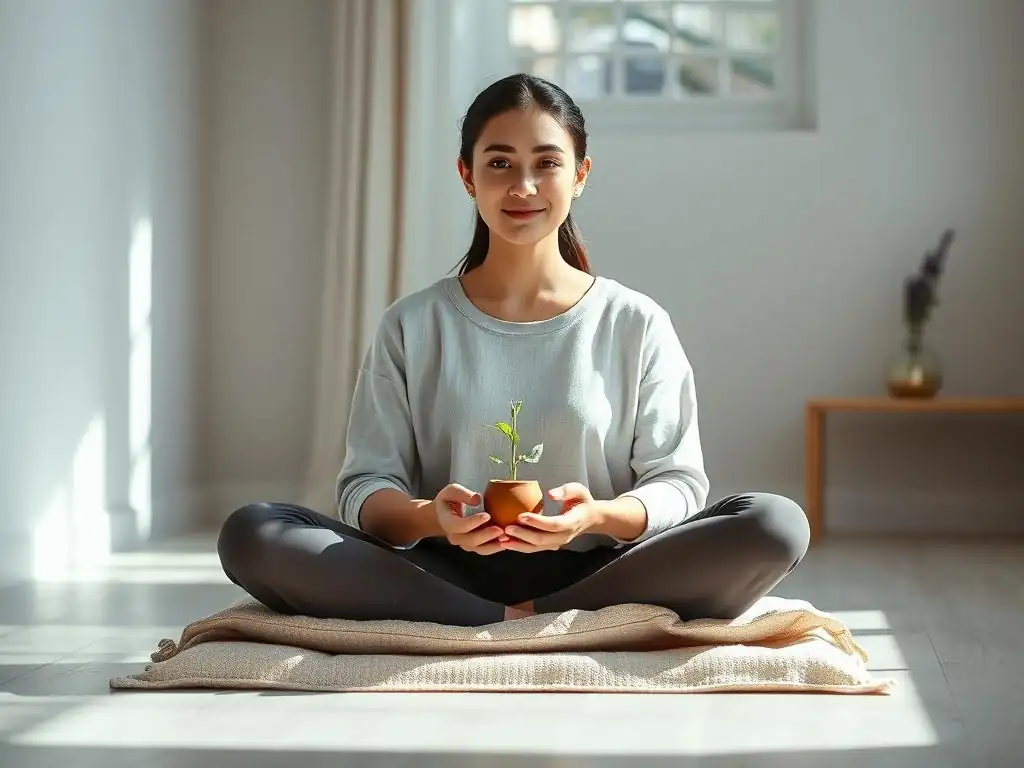
Establishing a Daily Practice: Consistency is Key
The most significant long-term benefits of mindfulness arise from consistent practice. Just like building physical strength requires regular exercise, cultivating emotional resilience through mindfulness requires daily engagement, even if only for short periods. Establishing a routine, whether it's a few minutes of mindful breathing in the morning, a walking meditation during a lunch break, or a body scan before bed, is essential.
Consistency helps to build the neural pathways associated with mindfulness, making it easier to access present moment awareness and skillful responses when needed. Finding a specific time and place for practice, or integrating short moments of mindfulness into existing routines (like mindful eating or mindful showering), can make consistency more achievable. Committing to a regular practice is the bedrock upon which mindfulness improves emotional wellbeing longterm.
Addressing Challenges: Common Obstacles and Solutions
Integrating mindfulness into a busy life is not without its challenges. Common obstacles include feeling like there isn't enough time, experiencing restlessness or boredom during practice, feeling discouraged by a wandering mind, or questioning the effectiveness of the practice. It's important to approach these challenges with patience and self-compassion, recognizing that they are normal parts of the process.
Solutions can include starting with very short practice sessions (even 1-2 minutes), experimenting with different techniques to find what resonates, using guided meditations (apps or recordings), or practicing with a group. Viewing the wandering mind not as a failure, but as an opportunity to gently redirect attention, is key. Persisting through these obstacles and adapting the practice to fit one's life is crucial for experiencing how mindfulness improves emotional wellbeing longterm.
Resources for Continued Growth: Apps, Websites, and Communities
Fortunately, there are numerous resources available to support a sustained mindfulness practice. Mobile applications offer guided meditations of various lengths and themes, making practice accessible anytime, anywhere. Websites and online platforms provide articles, videos, and courses that delve deeper into mindfulness principles and techniques.
Joining a mindfulness community or finding a local meditation group can offer support, shared experience, and guidance from experienced teachers. These resources not only help individuals learn new techniques but also provide encouragement and accountability, making it easier to maintain consistency. Utilizing these resources is a valuable way to support the journey towards how mindfulness improves emotional wellbeing longterm.
Research Supporting the Long-Term Effectiveness of Mindfulness
Davidson, R. J., et al. (2003). Alterations in Brain and Immune Function Produced by Mindfulness Meditation.
This seminal study by Richard Davidson and colleagues investigated the effects of an 8-week mindfulness meditation program on brain and immune function in healthy employees. Participants who completed the training showed increases in left-sided anterior activation in the brain, an area associated with positive affect. Furthermore, upon receiving a flu vaccine, the meditation group produced a significantly greater increase in antibody titers compared to the control group, suggesting an enhanced immune response.
The findings provided early scientific evidence that mindfulness training can lead to measurable changes in brain activity associated with emotion and can influence physiological markers like immune function. This study was significant in demonstrating that relatively short-term mindfulness intervention could have tangible biological impacts, laying groundwork for understanding how mindfulness improves emotional wellbeing longterm by affecting both mental and physical health markers.
Grossman, P., et al. (2004). Mindfulness-Based Stress Reduction and Health Benefits: A Meta-Analysis.
This influential meta-analysis reviewed 20 studies on Mindfulness-Based Stress Reduction (MBSR) programs, encompassing a wide range of participants with various physical and psychological conditions. The analysis found consistent evidence for the effectiveness of MBSR in reducing symptoms of stress, anxiety, and depression. It also noted positive effects on physical health outcomes related to stress.
The meta-analysis concluded that MBSR is a clinically relevant intervention for reducing suffering associated with chronic medical conditions and psychological problems. By aggregating data across multiple studies, it provided robust support for the broad applicability and effectiveness of mindfulness-based interventions in improving psychological distress and enhancing overall health. This comprehensive review further solidified the understanding that mindfulness improves emotional wellbeing longterm across diverse populations and conditions.
Conclusion: Mindfulness as a Pathway to Enduring Emotional Wellbeing
Frequently Asked Questions
What exactly is mindfulness, and how does it relate to emotional wellbeing?
Mindfulness is the practice of paying attention to the present moment without judgment. It relates to emotional wellbeing by helping individuals become more aware of and accepting of their feelings, which can lead to better emotional regulation.
How does mindfulness contribute to long-term improvements in emotional wellbeing?
Mindfulness practices cultivate self-awareness and emotional regulation skills over time. This leads to a greater capacity to cope with stress and negative emotions, fostering a more resilient and balanced emotional state in the long run.
What types of mindfulness exercises are most effective for improving emotional wellbeing?
Commonly effective exercises include meditation, mindful breathing, and body scan exercises. The most effective type varies by individual, but consistent practice is key to seeing long-term benefits.
How long does it typically take to see noticeable improvements in emotional wellbeing through mindfulness?
While individual experiences vary, many people report experiencing noticeable improvements in their emotional wellbeing within a few weeks to months of consistent mindfulness practice. Regularity is crucial.
Are there any potential downsides or limitations to using mindfulness for emotional wellbeing?
While generally safe, mindfulness can sometimes bring up difficult emotions that need to be addressed with support. It's important to approach mindfulness with self-compassion and, if necessary, professional guidance.
Final Reflection: Cultivating Inner Peace for a Lasting Wellbeing
The practice of mindfulness isn't just a fleeting trend; it's a powerful tool for cultivating lasting emotional wellbeing in a world increasingly characterized by stress and anxiety. The research presented clearly demonstrates the profound and enduring benefits of consistent mindfulness practice, impacting everything from stress reduction to improved self-awareness and resilience. This isn't about quick fixes; it's about building a foundation for a healthier, happier life.
The journey towards emotional wellbeing is a deeply personal one, and the impact of mindfulness resonates far beyond the individual. It ripples outwards, influencing our relationships, our productivity, and even our broader societal interactions. As the Dalai Lama wisely stated, The time to repair the roof is when the sun is shining.
Mindfulness provides that "sunshine," allowing us to proactively address emotional challenges before they escalate into overwhelming crises. It's a preventative measure, a form of self-care that invests in our long-term emotional health.
Now, consider your own life. What areas feel strained or overwhelmed? Where could the gentle, consistent practice of mindfulness bring a sense of calm and clarity? I invite you to take a moment, right now, to breathe deeply and reflect on this. Begin with small steps – a few minutes of mindful breathing each day, a conscious effort to observe your thoughts and feelings without judgment. The journey towards lasting emotional wellbeing is a marathon, not a sprint, but with consistent effort and self-compassion, you can cultivate inner peace and resilience that will serve you for a lifetime.
Unlock Your Inner Calm: Start Your Mindfulness Journey Today!
Thanks for taking the time to explore the powerful impact of mindfulness on your emotional well-being! We hope this article provided you with valuable insights and practical tools. Now it's time to put that knowledge into action.
Here's how you can continue your journey toward a calmer, more centered you:
- Begin a daily mindfulness practice: Even five minutes a day can make a significant difference. Try a guided meditation, mindful breathing exercises, or simply focusing on your senses. This is the cornerstone of your new, calmer self.
- Share your experience: Discuss what you learned with a friend, family member, or online community. Sharing your journey can deepen your understanding and inspire others.
- Explore different mindfulness techniques: Experiment with various methods—body scan meditations, mindful walking, or even mindful eating—to discover what resonates most with you. What will be your next mindful adventure?
What small step will you take today to cultivate more mindfulness in your life?