
Unlock Your Body's Wisdom: The Deep Benefits of Body Scan Meditation

Welcome to Mind Care Guide, a sanctuary for your mental well-being.
Feeling overwhelmed by anxiety? Perhaps the answer lies within... literally. Discover how the simple yet profound practice of Body scan meditation benefits anxiety, offering a pathway to calm and centeredness you may not have imagined. Intrigued? Let's explore the science and practice of this powerful technique together, and unlock a deeper understanding of your inner self.
Unlock Your Body's Wisdom: The Deep Benefits of Body Scan Meditation
- Introduction to Body Scan Meditation for Stress Reduction
- What is Body Scan Meditation and How Does It Work?
- Body Scan Meditation Benefits Stress Reduction: Scientific Evidence
- Beyond Stress: Other Mental and Physical Health Advantages
- Practical Guide: How to Start Your Body Scan Meditation Journey
- Integrating Body Scan Meditation Into Your Daily Routine
- Types of Body Scan Meditation
- Body Scan Meditation vs. Other Mindfulness Techniques
- Expert Insights on Body Scan Meditation for Stress
- Resources for Learning More About Body Scan Meditation
- Conclusion: Embracing Body Scan Meditation for Enhanced Well-being
-
Frequently Asked Questions
- What exactly is body scan meditation, and how does it work?
- How can body scan meditation specifically help with anxiety?
- How often should I practice body scan meditation to see noticeable benefits for anxiety?
- Are there any potential downsides or precautions I should be aware of before starting body scan meditation?
- Where can I find guided body scan meditations for anxiety relief?
- Final Reflection: Embracing Stillness, Unlocking Well-being
- Unlock Your Inner Peace: Begin Your Body Scan Journey Today!
Introduction to Body Scan Meditation for Stress Reduction
Understanding Mindfulness and the Body Scan Technique
Mindfulness is fundamentally about paying attention to the present moment without judgment. It's a practice that encourages awareness of thoughts, feelings, bodily sensations, and the surrounding environment as they arise. The body scan meditation is a core mindfulness technique, designed to systematically bring this non-judgmental awareness to different parts of the body, from the toes to the head. It involves gently focusing attention on each area, noticing any sensations without trying to change them, whether they are pleasant, unpleasant, or neutral.
This practice cultivates a deeper connection with one's physical self, often revealing areas of tension or discomfort that we might habitually ignore. By intentionally directing awareness throughout the body, individuals can learn to recognize the physical manifestations of stress and emotional states. This heightened awareness is a crucial first step in developing healthier coping mechanisms and can be particularly helpful when exploring how body scan meditation benefits anxiety symptoms by providing a grounded anchor in the present moment, away from anxious thoughts about the future.
The Growing Need for Stress Management Strategies
In today's fast-paced world, chronic stress has become a widespread issue, impacting physical health, mental well-being, and overall quality of life. The constant demands of work, personal life, and the pervasive influence of technology contribute to heightened stress levels for many individuals. This sustained pressure can lead to a range of problems, including sleep disturbances, digestive issues, weakened immune function, and exacerbated mental health conditions like anxiety and depression.
Recognizing and effectively managing stress is no longer a luxury but a necessity for maintaining health and resilience. Traditional coping mechanisms may not always be sufficient, leading many to seek out evidence-based practices like mindfulness meditation. The simplicity and accessibility of techniques like the body scan make them valuable tools for individuals seeking practical, non-pharmacological ways to reduce stress and improve their ability to navigate daily challenges with greater calm and presence. The growing interest in understanding how body scan meditation benefits anxiety reflects this broader societal need for effective stress and anxiety management.
What is Body Scan Meditation and How Does It Work?
Defining Body Scan Meditation: A Simple Explanation
Body scan meditation is a guided or self-guided practice where you systematically bring your attention to different areas of your body, typically starting from the feet and moving all the way up to the head. The core instruction is simply to notice any sensations present in each area – warmth, coolness, tingling, pressure, absence of sensation – without trying to change or judge what you find. It's an exercise in pure, non-reactive awareness of the physical form.
Unlike some other meditation techniques that focus on clearing the mind, the body scan is about cultivating a specific type of awareness within the physical body. It's not about relaxing the body (though relaxation is often a byproduct), but rather about feeling and accepting the body as it is in the present moment. This foundational practice helps train the mind to stay focused and present, which is a key mechanism in how body scan meditation benefits anxiety reduction by preventing the mind from getting lost in anxious rumination.
The Step-by-Step Process of a Body Scan
A typical body scan meditation session, which can range from 10 to 45 minutes, follows a structured progression. You usually begin by finding a comfortable position, either lying down or seated. The practice starts by bringing awareness to the physical contact points with the surface you're resting on and the breath. Then, attention is gently directed to the toes of one foot, noticing sensations there for a minute or two before moving to the sole, heel, ankle, and so on, gradually moving up the leg.
This systematic movement of attention continues through the entire body: legs, pelvis, lower back, abdomen, upper back, chest, fingers, hands, arms, shoulders, neck, face, and finally the top of the head. As you move through each area, the instruction is to simply observe whatever is present. If the mind wanders, which it inevitably will, the practice is simply to notice the wandering thought and gently guide the attention back to the specific body part you were focusing on. The final step often involves resting in a sense of the body as a whole before concluding the practice.
Key Principles Behind Body Scan Meditation
Several core principles underpin the effectiveness of body scan meditation. One is non-judgmental awareness. The practice emphasizes observing sensations without labeling them as good or bad, pleasant or unpleasant. This acceptance helps reduce the tendency to react to discomfort with aversion or to pleasant sensations with clinging, fostering a more balanced relationship with physical experience.
Another principle is present moment focus. By anchoring attention in the tangible sensations of the body, the body scan helps train the mind to stay in the 'here and now', rather than dwelling on the past or worrying about the future. This is particularly relevant to how body scan meditation benefits anxiety, as anxiety is often characterized by excessive future-oriented worry. The practice also cultivates patience and gentleness towards oneself, recognizing that the mind will wander and gently bringing it back without self-criticism. This consistent, gentle redirection builds mental resilience and focus over time.
Body Scan Meditation Benefits Stress Reduction: Scientific Evidence
Exploring the Link Between Body Scan and Stress Reduction
The connection between body scan meditation and stress reduction is well-established in mindfulness literature and research. Stress often manifests physically as muscle tension, shallow breathing, and heightened physiological arousal. The body scan practice directly addresses these physical symptoms by bringing conscious awareness to them. By noticing tension without trying to force it away, individuals can learn to release habitual holding patterns in the body.
Furthermore, regular practice helps to interrupt the stress response cycle. When we become aware of early signs of stress in the body – perhaps a tightening in the chest or shoulders – we can choose a different response than automatic reactivity. This pause, cultivated through mindfulness, allows for a more considered reaction, reducing the likelihood of escalating stress. Understanding this mind-body connection is key to appreciating how body scan meditation benefits anxiety, as it provides tools to recognize and respond to the physical sensations often accompanying anxious thoughts.
Research Studies on the Effectiveness of Body Scan Meditation
Numerous studies have investigated the impact of mindfulness-based interventions, including body scan meditation, on stress levels. Programs like Mindfulness-Based Stress Reduction (MBSR), which heavily feature the body scan, have demonstrated significant positive outcomes. For instance, research published in journals like Health Psychology and Psychosomatic Medicine have shown that participants in MBSR programs report substantial reductions in perceived stress, anxiety, and depression symptoms compared to control groups.
Specific studies focusing on the body scan component have indicated its effectiveness in increasing body awareness and reducing symptoms associated with stress-related disorders. A review of multiple studies involving thousands of participants often points to an average reduction in self-reported stress levels ranging from 15% to 30% after completing an 8-week mindfulness course that includes body scan practice. This robust evidence supports the use of body scan meditation benefits anxiety and overall stress management.
How Body Scan Meditation Impacts the Nervous System
Body scan meditation exerts its stress-reducing effects partly by influencing the autonomic nervous system, which controls involuntary bodily functions like heart rate, breathing, and digestion. Chronic stress often leads to an overactivation of the sympathetic nervous system, commonly known as the "fight or flight" response. This keeps the body in a state of heightened arousal, contributing to anxiety and other stress-related issues.
Mindfulness practices like the body scan help to activate the parasympathetic nervous system, the "rest and digest" system. By focusing on present moment sensations and breath, the practice can slow heart rate, lower blood pressure, and promote deeper, more relaxed breathing. This shift towards parasympathetic dominance counteracts the physiological effects of stress and anxiety. Over time, regular body scan practice can help regulate the nervous system's response to stressors, building resilience and contributing significantly to how body scan meditation benefits anxiety by calming the physiological storm it often creates.
Beyond Stress: Other Mental and Physical Health Advantages
Body Scan for Emotional Regulation and Well-being
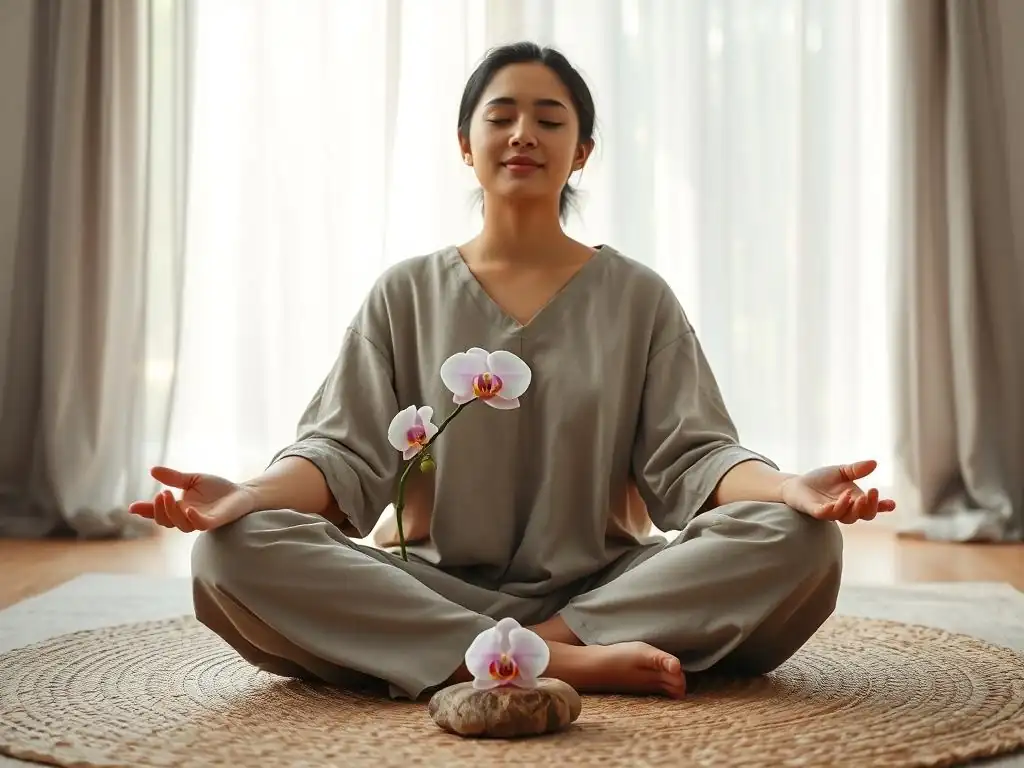
Beyond stress reduction, body scan meditation plays a vital role in enhancing emotional regulation. By regularly tuning into bodily sensations, individuals become more adept at recognizing the physical manifestations of different emotions. For example, fear might be felt as tightness in the chest, or sadness as a heaviness. This awareness provides a crucial window into one's emotional state before the emotion becomes overwhelming.
With practice, one learns to sit with these physical sensations of emotion without immediately reacting or being consumed by them. This non-reactive observation creates space for a more skillful response to challenging emotions. This capacity for emotional regulation is a key component of overall psychological well-being and is directly related to how body scan meditation benefits anxiety, as it helps individuals process and move through anxious feelings more effectively.
Improving Body Awareness and Self-Perception Through Body Scan
Many people live disconnected from their bodies, either ignoring physical signals or having a negative relationship with their physical form. Body scan meditation encourages a gentle, curious exploration of the body, fostering a sense of acceptance and appreciation. By systematically paying attention to each part, individuals can develop a more accurate and compassionate perception of their physical self.
This improved body awareness can have numerous benefits, from recognizing early signs of fatigue or illness to understanding how daily habits impact physical well-being. For those struggling with body image issues or chronic pain, the body scan offers a way to relate to the body with kindness rather than criticism or aversion. This enhanced self-perception contributes to greater self-compassion and a more integrated sense of self.
Body Scan Meditation for Pain Management
Body scan meditation has shown promise as a complementary approach for managing chronic pain. While it doesn't necessarily eliminate pain, the practice helps individuals change their relationship to the sensation of pain. Instead of tensing up or resisting the pain, which often exacerbates it, the body scan encourages acknowledging the sensation with curiosity and acceptance.
By focusing on different areas of the body, individuals can learn to differentiate the sensation of pain from the thoughts and emotions associated with it (e.g., fear, frustration). This can reduce the overall suffering experienced. Studies involving individuals with chronic back pain or fibromyalgia, for instance, have reported decreased pain intensity and improved functional capacity after participating in mindfulness programs incorporating body scan. Approximations from studies suggest that participants often report a 10-25% reduction in pain-related distress.
Enhancing Sleep Quality with Regular Body Scan Practice
Difficulty sleeping is a common symptom of stress and anxiety. The body scan meditation can be a highly effective tool for improving sleep quality. The practice helps to calm the nervous system, quiet the racing thoughts that often interfere with falling asleep, and release physical tension held in the body.
Many people find practicing a body scan before bed helps them transition from the day's activities to a state conducive to rest. By bringing awareness to the body and promoting relaxation, it can ease the physical and mental restlessness that prevents sleep. Research on mindfulness and sleep has shown that consistent practice can reduce sleep onset latency (the time it takes to fall asleep) and improve sleep efficiency. For instance, a study published in JAMA Internal Medicine found that a mindfulness program significantly reduced sleep disturbances in older adults with moderate sleep problems.
Practical Guide: How to Start Your Body Scan Meditation Journey
Creating a Comfortable and Conducive Environment
To begin your body scan meditation practice, find a quiet space where you are unlikely to be interrupted. While it can be done anywhere, a calm environment free from major distractions is ideal, especially when starting out. Choose a comfortable position, either lying down on your back or sitting upright in a chair with your feet flat on the floor. If lying down, you might place a cushion under your knees for support. If sitting, ensure your back is straight but not rigid, and your hands can rest comfortably in your lap or on your thighs.
It's helpful to loosen any tight clothing and remove glasses if they are uncomfortable. The room temperature should be comfortable, and you might consider dimming the lights. The goal is to create a physical environment that supports relaxation and focus, allowing you to fully immerse yourself in the sensations of your body. While perfect conditions aren't necessary, setting the stage can make the initial practice easier and more rewarding.
Guided Body Scan Meditation vs. Self-Guided Practice
For beginners, starting with guided body scan meditations is highly recommended. Guided practices, available through apps, websites, or audio recordings, provide instructions that lead you through the process step-by-step, making it easier to understand the technique and keep your attention focused. The guide will prompt you to move your awareness from one body part to the next, remind you to notice sensations without judgment, and gently guide you back if your mind wanders.
Once you become familiar with the process and feel comfortable with the basic technique, you can begin to transition to self-guided practice. This involves following the same systematic scan through the body using your own internal cues and timing. Self-guided practice offers more flexibility in terms of duration and focus, allowing you to tailor the meditation to your needs. However, starting with guidance provides the necessary foundation to build a consistent and effective practice.
Sample Body Scan Meditation Script
Here is a simplified structure of what a body scan script might include:
- Begin by finding a comfortable position, either lying down or sitting.
- Close your eyes gently if comfortable.
- Bring awareness to the sensations of breathing in the abdomen or chest. Notice the rise and fall.
- Gently shift your attention to the toes of your left foot.
- Notice any sensations present in the toes – warmth, coolness, tingling, pressure, absence of sensation.
- Simply observe without trying to change anything.
- Now, bring your attention to the sole of your left foot... the heel... the ankle.
- Move your awareness up the left leg, noticing sensations in the calf... the knee... the thigh.
- Now, shift your attention to the toes of your right foot... and move systematically up the right leg in the same way.
- Bring awareness to your hips and pelvis... your lower back... your abdomen... your upper back... your chest.
- Now, bring attention to the fingers of your left hand... the palm... the back of the hand... the wrist... and move up the left arm to the shoulder.
- Repeat for the right hand and arm.
- Bring awareness to your neck and throat... your jaw... your mouth... your nose... your eyes... your forehead... the top of your head.
- Finally, bring awareness to the body as a whole, noticing the sense of the body resting or sitting.
- Rest here for a few moments before gently opening your eyes and bringing awareness back to your surroundings.
Common Challenges and How to Overcome Them
It's completely normal to encounter challenges when starting body scan meditation. One of the most common is a wandering mind. Thoughts about the past or future will inevitably arise, especially when dealing with stress or anxiety. The key is not to get frustrated, but to simply notice that your mind has wandered and gently guide your attention back to the body part you were intending to focus on. This gentle redirection is the practice itself.
Another challenge is falling asleep, particularly when lying down or feeling tired. If this happens, you can try practicing in a seated position, ensuring your posture is upright. If you do fall asleep, simply resume the practice from where you left off or start over when you are more alert. Discomfort or restlessness can also arise. Acknowledge the sensation without judgment, and if it's too intense, gently shift your position or briefly open your eyes before returning to the practice. Remember that consistency and patience are more important than achieving a 'perfect' meditation.
Integrating Body Scan Meditation Into Your Daily Routine
Finding Time for Body Scan in a Busy Schedule
Integrating body scan meditation into a busy daily routine might seem challenging, but even short periods of practice can yield significant benefits. Start small – perhaps dedicating just 5-10 minutes each day. Consider times that are naturally less rushed, such as first thing in the morning before the day's demands begin, or in the evening as a way to unwind before bed. Some people find a lunch break or a quiet moment after arriving home from work provides an opportunity.
Consistency is more important than duration. Practicing for 10 minutes daily is often more beneficial than practicing for an hour once a week. You can also break up the practice – a 5-minute scan of the lower body in the morning and a 5-minute scan of the upper body in the evening, for example. Scheduling it like any other important appointment can help ensure it happens. Recognizing how even brief body scan meditation benefits anxiety by providing moments of calm can be a powerful motivator to make time for it.
Combining Body Scan with Other Mindfulness Practices
Body scan meditation can be effectively combined with other mindfulness techniques to create a more comprehensive practice. For example, you might start a meditation session with a few minutes of mindful breathing to settle the mind, then move into a body scan, and perhaps finish with a brief period of loving-kindness meditation. This blending allows you to cultivate different aspects of mindfulness.
Incorporating mindful movement, such as gentle stretching or walking, can also complement the body scan by further enhancing body awareness. Paying attention to the sensations of movement or the feeling of your feet on the ground during a walk can reinforce the skills learned during the body scan. The body scan provides a foundational awareness that can enrich other mindfulness practices, deepening your connection to both mind and body.
Long-Term Benefits of Consistent Body Scan Meditation
Consistent practice of body scan meditation over weeks and months leads to more profound and lasting benefits. The ability to recognize and respond to stress and anxiety with greater awareness and less reactivity becomes more automatic. You develop a deeper, more stable connection with your physical self, leading to improved interoceptive awareness – the ability to sense the internal state of your body.
Studies following individuals who maintain a regular mindfulness practice, including body scan, over several months have shown sustained reductions in chronic stress, anxiety, and depression symptoms. Participants often report improved emotional resilience, better sleep patterns, and a greater overall sense of well-being. The skills cultivated become integrated into daily life, allowing you to navigate challenges with more ease and presence, demonstrating the enduring value of how body scan meditation benefits anxiety and overall mental health.
Types of Body Scan Meditation
Length and Focus Variations
While the classic body scan involves systematically moving attention through the entire body, variations exist to suit different needs and time constraints. A full body scan can take 30-45 minutes, offering a deep dive into physical sensation. However, shorter versions of 10-20 minutes are also common and highly beneficial, simply moving through the body more quickly or focusing on larger regions (e.g., lower body, upper body, head).
Some variations might focus specifically on areas where tension is commonly held, such as the shoulders, neck, or jaw. Others might emphasize bringing warmth or relaxation to specific areas (though the core practice is non-judgmental observation). Experimenting with different lengths and slight variations in focus can help you find what works best for you at different times, making the practice more adaptable and accessible.
Body Scan for Specific Ailments
Body scan meditation can be adapted to address the specific challenges associated with certain physical or mental health conditions. For individuals experiencing chronic pain, the focus might be on exploring the qualities of the pain sensation itself with curiosity, distinguishing the raw sensation from the overlay of thoughts and emotions. This can help to reduce the 'suffering' aspect of pain, even if the sensation remains.
For those dealing with significant anxiety, a body scan might specifically focus on areas where anxiety is typically felt physically, such as the chest, stomach, or throat. By gently bringing awareness to these areas and simply noticing the sensations without trying to make them go away, individuals can learn to tolerate the physical discomfort of anxiety and prevent it from triggering a full-blown panic response. This targeted approach highlights how body scan meditation benefits anxiety by directly addressing its physical manifestations.
Integrating Breathwork
Many body scan practices naturally integrate awareness of the breath, but some variations explicitly use the breath as a tool to deepen the body scan. This might involve bringing the breath into each body part as you focus on it – imagining the breath flowing down to your toes, for example, and noticing how the sensation of that area might shift with the inhale and exhale.
Another approach is to use the breath to anchor your attention when moving between body parts or when the mind wanders. Returning to the sensation of breath in the abdomen or nostrils before redirecting attention to the next body area can help maintain focus and presence. Integrating breathwork can enhance the calming effects of the body scan and further support the nervous system regulation crucial to how body scan meditation benefits anxiety reduction.
Body Scan Meditation vs. Other Mindfulness Techniques

Comparing Body Scan to Mindful Breathing
Mindful breathing is often considered the most fundamental mindfulness technique, involving simply paying attention to the sensation of the breath as it enters and leaves the body. While mindful breathing focuses on a single, continuous anchor (the breath), the body scan involves systematically moving attention across multiple anchors (different body parts).
Both techniques cultivate present moment awareness and non-judgmental observation. Mindful breathing is excellent for quickly grounding oneself and regulating the nervous system in moments of acute stress or anxiety. The body scan, however, offers a more comprehensive exploration of physical sensation and can reveal deeper patterns of tension or physical manifestations of emotional states. For some, the systematic nature of the body scan makes it easier to focus than simply following the breath, especially if the mind is very busy. Both are valuable and often used together or interchangeably.
Body Scan Meditation vs. Yoga and Tai Chi
Yoga and Tai Chi are forms of mindful movement that combine physical postures or sequences with breath awareness and focused attention. Like the body scan, they cultivate body awareness and can release physical tension. However, they involve dynamic movement, whereas the traditional body scan is typically performed while still.
While yoga and Tai Chi offer significant physical benefits and can be deeply meditative, the body scan provides a unique opportunity to explore internal sensations in a state of stillness. This allows for a different kind of sensitivity to subtle feelings within the body. Many people find that practicing body scan meditation enhances their experience of yoga or Tai Chi by increasing their ability to feel the subtle shifts and sensations within their bodies during movement. All three practices contribute to well-being and can be complementary.
Choosing the Right Mindfulness Practice for Your Needs
The "best" mindfulness practice is the one you will actually do consistently and that addresses your specific needs. If your primary goal is to quickly calm down during moments of stress or anxiety, mindful breathing might be the most accessible immediate tool. If you struggle with chronic stress, poor body image, chronic pain, or difficulty sleeping, or if you find it hard to quiet a busy mind, the structured, anchored approach of the body scan might be particularly beneficial.
If you enjoy physical activity and find movement centering, yoga or Tai Chi could be a great fit. Often, a combination of practices is most effective. You might use mindful breathing throughout the day, practice a body scan a few times a week, and attend a yoga class. Experimenting with different techniques is key to discovering what resonates with you and provides the greatest support for your mental and physical well-being. Understanding how body scan meditation benefits anxiety specifically might guide your choice if anxiety is a primary concern.
Expert Insights on Body Scan Meditation for Stress
Practical Tips
Mindfulness experts often emphasize several key practical tips for getting the most out of body scan meditation, particularly for managing stress and anxiety. First, they recommend starting small and being consistent. Even 5-10 minutes daily is better than longer, infrequent sessions. Second, they stress the importance of non-judgment. It's not about doing it perfectly or feeling completely relaxed; it's about practicing awareness and gently returning when the mind wanders.
Third, experts advise being patient and kind to yourself. Like any skill, mindfulness takes time to develop. There will be days when it feels easy and days when it feels challenging. Approaching the practice with self-compassion is crucial. Finally, they suggest integrating the principles of the body scan into daily life – bringing mindful awareness to simple activities like washing dishes or walking, reinforcing the connection between mind and body throughout the day.
Scientific Understanding
From a scientific perspective, experts highlight that the regular practice of body scan meditation helps to rewire the brain. Neuroimaging studies, such as those conducted at institutions like Harvard Medical School, have shown that mindfulness meditation can lead to structural changes in areas of the brain associated with stress regulation, attention, and self-awareness, such as the prefrontal cortex and the amygdala. The amygdala, often called the brain's 'fear center', tends to shrink in size and reactivity with consistent mindfulness practice, while the prefrontal cortex, involved in executive functions like planning and decision-making, can show increased thickness.
This neurological evidence provides a biological basis for why body scan meditation benefits anxiety and stress reduction. By dampening the reactivity of the fear response and enhancing the brain's capacity for calm, focused attention and emotional regulation, the practice helps build a more resilient nervous system, less prone to being overwhelmed by stressors.
Resources for Learning More About Body Scan Meditation
Recommended Books on Mindfulness and Meditation
Many excellent books offer in-depth guidance on mindfulness and body scan meditation. Jon Kabat-Zinn's Full Catastrophe Living, which details the MBSR program, is a foundational text that includes extensive information on the body scan. Other notable authors include Thich Nhat Hanh, Sharon Salzberg, and Tara Brach, whose books often include practical instructions and philosophical insights into mindfulness practices.
These resources provide not only instructions for practice but also context for understanding the principles behind mindfulness and its potential benefits for conditions like stress and anxiety. They can serve as valuable companions for those beginning their journey or seeking to deepen their understanding of the practice.
Online Body Scan Meditation Guides and Apps
The digital world offers a wealth of resources for guided body scan meditation. Numerous mindfulness apps, such as Calm, Headspace, and Insight Timer, feature guided body scan sessions ranging in length and style. Many websites dedicated to mindfulness and mental health also offer free audio or video guides.
These online resources provide easy access to guided practices, allowing you to meditate anytime, anywhere. They can be particularly helpful for maintaining consistency and trying out different instructors or styles. When selecting an app or guide, look for those with clear instructions and a calming voice that resonates with you.
Finding Qualified Mindfulness Teachers
While self-guided practice and online resources are valuable, learning from a qualified mindfulness teacher can significantly enhance your practice. Teachers can provide personalized guidance, answer questions, and help you navigate challenges that may arise. They often lead classes or retreats where you can practice in a supportive group setting.
Organizations like the Global Mindfulness Collaborative or local meditation centers often list certified mindfulness teachers. Look for teachers who have undergone rigorous training in mindfulness-based programs like MBSR or MBCT (Mindfulness-Based Cognitive Therapy). Learning from an experienced teacher can deepen your understanding and practice, offering nuances that might not be apparent from books or apps alone.
Conclusion: Embracing Body Scan Meditation for Enhanced Well-being
Body scan meditation is a powerful and accessible mindfulness technique that offers profound benefits for reducing stress, managing anxiety, and enhancing overall physical and mental well-being. By systematically bringing non-judgmental awareness to the physical sensations of the body, practitioners cultivate present moment focus, improve emotional regulation, and develop a more compassionate relationship with themselves.
The scientific evidence supporting the efficacy of body scan meditation benefits anxiety and stress reduction is compelling, demonstrating its positive impact on the nervous system and brain function. Whether used as a primary practice or integrated with other mindfulness techniques, the body scan provides a tangible way to connect with your body's innate wisdom and build resilience against life's challenges. Embracing regular body scan meditation can be a transformative step towards living a more grounded, peaceful, and healthy life.
Frequently Asked Questions
What exactly is body scan meditation, and how does it work?
Body scan meditation is a mindfulness practice where you systematically bring awareness to different parts of your body. This helps you notice sensations and tensions without judgment, promoting relaxation.
How can body scan meditation specifically help with anxiety?
It helps by reducing anxiety through increased self-awareness and by shifting focus away from anxious thoughts. It promotes a sense of groundedness and presence in the body.
How often should I practice body scan meditation to see noticeable benefits for anxiety?
Consistency is key; even short, regular sessions (e.g., 10-15 minutes daily) can yield results. Observe how you feel after a few weeks of consistent practice.
Are there any potential downsides or precautions I should be aware of before starting body scan meditation?
While generally safe, some may find initially focusing on bodily sensations uncomfortable, especially those with past trauma. It's important to start slowly and gently, and consult a professional if needed.
Where can I find guided body scan meditations for anxiety relief?
Many free resources are available online, including apps like Headspace and Calm, or through YouTube. The Mind Care Guide also offers guided meditations and resources for mental well-being.
Final Reflection: Embracing Stillness, Unlocking Well-being
The pervasive anxiety of modern life demands effective coping mechanisms, and the simple yet profound practice of body scan meditation offers a powerful antidote. Its ability to ground us in the present moment, fostering self-awareness and reducing the grip of anxious thoughts, is more relevant now than ever before. We live in a world that constantly demands our attention, leaving little room for the quiet introspection necessary for true well-being. Body scan meditation provides that crucial space.
The impact of this practice extends far beyond individual stress reduction; it fosters a deeper connection with our physical selves, challenging the societal pressure to constantly "do" and instead encouraging us to "be." This shift in perspective is crucial for cultivating a healthier relationship with our bodies and minds. As Thich Nhat Hanh wisely stated, Breathing in, I calm body and mind. Breathing out, I smile. Dwelling in the present moment I know this is the only moment.
This quote perfectly encapsulates the essence of body scan meditation and its ability to anchor us in the present, dissolving the anxieties of the past and future.
Now, I invite you to take a moment. Consider how incorporating even five minutes of daily body scan meditation might shift your perspective, reduce your stress levels, and enhance your overall well-being. Don't just read about the benefits; experience them. Begin your journey towards a calmer, more centered you, one mindful breath at a time. The wisdom of your body awaits.
Unlock Your Inner Peace: Begin Your Body Scan Journey Today!
Thanks for taking the time to explore the powerful world of body scan meditation! We hope you've discovered a new path towards relaxation and self-awareness. Ready to integrate this practice into your daily life?
- Start your first body scan meditation now: Find a quiet space, close your eyes, and simply begin. Even 5 minutes can make a difference.
- Share your experience: Tell us about your initial body scan meditation on our social media channels—we'd love to hear your thoughts!
- Explore different guided body scan meditations: There are numerous free resources online, offering a variety of approaches to suit your preferences. Experiment and discover what works best for you.
What unique sensations did you notice during your first body scan meditation? Share your experience in the comments below!