
Dealing with Distractions During Body Scan Meditation: Expert Advice


Welcome to Mind Care Guide, your sanctuary for navigating the often-turbulent waters of mental well-being. Feeling overwhelmed by intrusive thoughts during meditation? You're not alone. Many struggle with staying present, especially during practices like body scan meditation. In our article, "Dealing with Distractions During Body Scan Meditation: Expert Advice," we'll explore practical strategies to gently guide your focus back, transforming distractions from obstacles into opportunities for deeper self-awareness. Curious how to finally quiet the inner noise? Let's begin...
Dealing with Distractions During Body Scan Meditation: Expert Advice
- Understanding Mindfulness Meditation and Its Challenges
- The Root Causes of Distractions in Mindfulness Meditation
- Proven Techniques for Handling Distractions in Mindfulness
- Practical Approaches for Common Meditation Distractions
- Creating an Ideal Environment for Mindfulness Meditation
- Long-Term Strategies for Enhancing Focus and Reducing Distractibility
- Troubleshooting Common Problems with Distractions
- The Advantages of Persevering Through Distractions in Meditation
-
Frequently Asked Questions
- What are common distractions experienced during body scan meditation?
- Why is it important to acknowledge distractions during body scan meditation instead of fighting them?
- How can I gently redirect my attention back to my body when I notice a distraction?
- What are some techniques for managing physical discomfort during a body scan?
- Can consistent practice of body scan meditation help me better manage distractions in everyday life?
- Final Reflection: Finding Stillness Amidst the Storm
- Unlock Your Inner Calm: Take Control of Distractions
Understanding Mindfulness Meditation and Its Challenges
What is Mindfulness Meditation? A Concise Overview
Mindfulness meditation is a mental training practice that involves focusing your mind on your experiences (like your own breathing, sensations in your body, or thoughts and feelings) in the present moment without judgment. Originating in ancient contemplative traditions, it has gained significant traction in modern secular contexts, notably through programs like Mindfulness-Based Stress Reduction (MBSR) developed by Jon Kabat-Zinn. The core aim is not to empty the mind, but to cultivate a particular way of relating to whatever arises.
MBSR programs, which often include body scan meditation as a foundational practice, have demonstrated tangible benefits. For instance, studies involving participants in 8-week MBSR courses have frequently shown self-reported stress reductions often in the range of 30% to 40%, highlighting the practice's effectiveness in altering one's relationship with stressful experiences, including the experience of distractions during body scan meditation. This practice is about learning to be present, even when the present moment includes discomfort or a busy mind.
The Role of Present Moment Awareness in Mindfulness Practice
The cornerstone of mindfulness, including body scan meditation, is present moment awareness. This involves intentionally bringing your attention to what is happening right now, as it is, without getting lost in thoughts about the past or worries about the future. Our minds naturally tend to wander; research from Harvard University, for example, famously suggested that people's minds are wandering nearly 47% of the time. This constant mental time travel often fuels anxiety and unhappiness.
In the context of body scan meditation, present moment awareness means directing your attention sequentially to different parts of your body, noticing the sensations (or lack thereof) in each area as they are occurring. It's about anchoring your awareness in the physical reality of your body in this moment. Learning to gently return to this anchor when the mind drifts is the fundamental skill being developed, and it is precisely how you work with body scan meditation distractions.
Typical Obstacles Encountered During Mindfulness Meditation
While the concept of mindfulness seems simple, the practice is often challenging, especially for beginners. Distractions are perhaps the most commonly reported obstacle. These can manifest as a relentless stream of thoughts, external noises, physical discomfort, or strong emotions. Many people embarking on body scan meditation feel they are "failing" because their mind is so busy.
It's crucial to understand that experiencing distractions during body scan meditation is not a sign of failure; it is a universal aspect of the practice. Anecdotal evidence from meditation teachers and centers suggests that well over 80% of new practitioners struggle significantly with mind-wandering. The real challenge isn't the presence of distractions, but how you relate to them – whether you become frustrated, self-critical, or learn to work with them skillfully.
The Root Causes of Distractions in Mindfulness Meditation
The Default Mode Network: Understanding Mind-Wandering
One primary driver of distractions is the brain's Default Mode Network (DMN). This network of interconnected brain regions becomes particularly active when we are not engaged in a specific task and our minds are free to wander. The DMN is heavily involved in self-referential thinking, planning for the future, recalling the past, and imagining scenarios. It's essentially our brain's "autopilot" or narrative generator.
During the quiet stillness of body scan meditation, when external demands are minimized, the DMN often becomes highly active, spontaneously generating thoughts, memories, and plans. fMRI studies show that meditation practice, over time, can lead to decreased activation in the DMN, but initially, its activity is a major source of body scan meditation distractions. Recognizing that these thoughts are often just the DMN doing its job can help depersonalize them.
Sensory Overload: Identifying External Interferences
Our senses are constantly taking in information from the environment – sounds, sights, smells, temperature changes, tactile sensations. While we filter out much of this data unconsciously, certain stimuli, particularly those that are sudden, loud, or novel, are designed to grab our attention for survival purposes. During meditation, these external inputs can easily pull the mind away from its intended focus.
Consider practicing body scan meditation at home: a sudden siren, a phone notification, or the hum of an appliance can become significant distractions. Research in cognitive psychology demonstrates that our brains are wired for an automatic orienting response to unexpected sounds, often within milliseconds. While you can create a quieter environment, external sounds will inevitably intrude sometimes, becoming body scan meditation distractions that need to be acknowledged and released.
Internal Sensations: Recognizing Physical and Emotional Impulses
Beyond external stimuli and thoughts, internal experiences – physical sensations and emotions – are powerful sources of distraction during body scan meditation. The very nature of the body scan involves paying close attention to physical sensations, which can paradoxically make you more aware of minor discomforts like itching, tingling, restlessness, or even pain that you might normally ignore. These sensations can become insistent demands for attention.
Similarly, emotions manifest physically in the body (e.g., anxiety as tightness in the chest, boredom as fidgeting). When you bring mindful awareness to the body during a scan, these physical manifestations of emotions can become prominent body scan meditation distractions. Learning to simply notice these internal impulses – whether physical or emotional – without immediately reacting or getting lost in their story is a key part of the practice.
Proven Techniques for Handling Distractions in Mindfulness

Breath Awareness: Using the Breath as an Anchor
The breath is perhaps the most accessible and reliable anchor in mindfulness meditation. It is always present, always in the current moment. When you notice that your mind has wandered off during body scan meditation – caught up in thoughts, sounds, or strong sensations – you can gently shift your attention to the physical sensation of breathing for a few cycles.
Focusing on the breath provides a temporary, neutral landing spot for your attention. You might notice the feeling of air entering and leaving your nostrils, the rise and fall of your abdomen, or the sensation in your chest. This brief focus on the breath helps to interrupt the pull of the distraction before you gently redirect your awareness back to the specific area of the body you were scanning. Many foundational mindfulness techniques, including those taught in clinical settings, utilize the breath in this way to stabilize attention.
Noting Practice: Acknowledging Distractions Without Engagement
Noting is a technique that involves briefly and non-judgmentally labeling the distraction that has arisen. When a thought pulls your attention away during body scan meditation, you might mentally say "thinking." If you hear a sound, you might note "hearing." If you feel an itch, you might note "itching." The label should be simple and not involve getting into the content of the distraction.
This practice creates a small space between you and the distraction. Instead of getting lost in the thought, sound, or sensation, you are simply observing it and naming it. Widely used in Vipassana meditation traditions and adapted in secular mindfulness, noting helps to де-identify from the distraction, making it easier to release its hold and gently return your attention to the body part you were scanning.
Gentle Refocusing: Returning Attention to the Chosen Object
Perhaps the most crucial technique is the practice of gentle refocusing. Once you've noticed you're distracted (either by using noting or simply realizing your mind has drifted) and perhaps used the breath as a brief anchor, the next step is to gently guide your attention back to the intended object of focus – in body scan meditation, this is the specific part of the body you are currently scanning.
The emphasis here is on "gentle." There's no need for harsh self-criticism or frustration because you got distracted. The moment you realize you've wandered is a moment of mindfulness itself. Cognitive psychology research highlights that the ability to disengage from irrelevant stimuli and re-engage with a task is a core component of attention control. Each time you gently bring your attention back during body scan meditation, you are strengthening this fundamental mental muscle, making the return less effortful over time.
Practical Approaches for Common Meditation Distractions
Managing Physical Discomfort During Meditation
Adjusting Posture for Enhanced Comfort
Physical discomfort is a frequent source of body scan meditation distractions. While some traditions emphasize specific postures, finding a stable and relatively comfortable position is paramount, especially when starting. This might mean sitting on a chair with your feet flat on the floor, using cushions to support your back and knees, or even lying down if sitting is too difficult (though lying down can sometimes lead to sleepiness).
It is perfectly acceptable to make mindful adjustments to your posture during the meditation if discomfort becomes overwhelming. The goal is not to endure agony, but to find a posture that supports wakefulness and stillness without causing undue strain. Simply noticing the urge to move, and then mindfully making the adjustment, is part of the practice itself.
Accepting Sensations with Equanimity
When minor discomforts like itching, tingling, or stiffness arise during the body scan, try approaching them with curiosity rather than aversion. Instead of immediately reacting (like scratching an itch), see if you can bring your awareness directly to the sensation during the scan of that body part. Investigate its qualities: Is it hot or cold? Pulsating or steady? Does it have a boundary?
Often, when given direct, non-judgmental attention, sensations can change, move, or even dissipate. This practice of observing physical sensations with equanimity, rather than reacting to them, is a powerful way to work with body scan meditation distractions rooted in the body. It builds resilience and reduces automatic reactivity to discomfort.
Addressing Intrusive Thoughts During Meditation
Utilizing a Mental Phrase to Maintain Focus
For some individuals, a particularly persistent thought loop can be a significant body scan meditation distraction. While noting ("thinking") is helpful, sometimes a simple, repetitive mental phrase related to the practice can help anchor attention more firmly. For example, when scanning your foot, you might mentally repeat "foot sensation" or simply the name of the body part as you focus on it.
This provides a simple, low-effort task for the mind to engage with, making it slightly less likely to get completely swept away by intrusive thoughts. It's not about suppressing thoughts, but giving the attention a clear object to return to repeatedly.
Observing Thoughts as Transient Phenomena
Another powerful approach is to view thoughts not as absolute truths or commands, but as transient events passing through the mind. A common analogy is watching thoughts like clouds drifting across the sky or leaves floating down a stream. You see them, you acknowledge them, but you don't jump on them or follow them.
During body scan meditation, when a thought arises, recognize it as just "thinking." Then, gently let it pass without engaging with its content or judging yourself for having it. This practice helps to де-fuse from thoughts, reducing their power to pull your attention away from the physical sensations you are scanning.
Overcoming Emotional Turbulence During Meditation
Acknowledging and Accepting Emotions Non-Judgmentally
Strong emotions like frustration, sadness, anxiety, or boredom can arise during meditation and become significant body scan meditation distractions. When an emotion surfaces, the practice is to acknowledge its presence without judgment or the need to push it away. Simply note "emotion" or the specific emotion if you can name it (e.g., "anxiety," "boredom").
In the context of a body scan, you can also bring mindful awareness to where the emotion is manifesting physically in your body (e.g., tightness in the chest for anxiety, hollowness in the stomach for sadness). This allows you to work with the emotion as a physical sensation, grounding it in the present moment rather than getting lost in the emotional narrative.
Cultivating Self-Compassion and Loving-Kindness
When encountering difficult emotions or persistent body scan meditation distractions, it's easy to fall into self-criticism. Cultivating self-compassion is vital here. Recognize that struggling with distractions is part of being human and part of the learning process. Offer yourself the same kindness and patience you would offer a friend who is struggling.
You might mentally offer yourself a phrase of kindness, such as "May I be kind to myself" or "May I be patient with this experience." While not a direct technique for managing distraction itself, self-compassion creates a gentler inner environment that makes it easier to work skillfully with whatever arises, including challenging emotions and persistent body scan meditation distractions.
Creating an Ideal Environment for Mindfulness Meditation
Minimizing External Stimuli: Optimizing Your Meditation Space
While you can meditate anywhere, creating a dedicated space that minimizes external stimuli can be particularly helpful, especially when starting out or practicing body scan meditation where subtle sensations are the focus. Choose a quiet corner in your home where you are less likely to be interrupted. Turn off your phone or put it on silent mode and out of sight.
While perfect silence is rarely achievable, reducing predictable external noise allows you to better notice and work with internal distractions. Studies on attention consistently show that performance on focus-requiring tasks is impaired in unpredictable noisy environments compared to quiet ones. Aim for a space where you can feel relatively undisturbed, although remember that the practice includes working with whatever sounds do arise as potential body scan meditation distractions.
Establishing a Routine: Selecting the Optimal Time for Practice
Consistency is key to developing any skill, and meditation is no exception. Establishing a regular time for your body scan meditation practice helps build it into a habit. Consider when you are least likely to be interrupted and when your energy levels support wakefulness without being overly restless.
Many people find the morning provides a sense of quiet stillness before the day's demands begin, while others prefer the evening to unwind. Even committing to 10-15 minutes daily is more effective for training attention and learning to manage body scan meditation distractions than sporadic longer sessions. Research on meditation's impact on the brain indicates that regular practice, over several weeks or months, leads to measurable changes in areas related to attention and self-awareness.
Utilizing Guided Meditations to Enhance Concentration
For many, especially beginners, guided body scan meditations are invaluable tools for managing distractions. A guide's voice provides structure, pacing, and gentle reminders to return attention to the body. This reduces the mental effort required to remember the sequence of the scan or what to do when the mind wanders, making it easier to stay focused.
Popular meditation apps and websites offer numerous guided body scan practices, often varying in length and style. The guidance acts like a gentle hand leading your attention, making it easier to notice when you've drifted off the path of the body scan and providing a clear instruction on how to gently return your awareness to the intended area of the body. Millions of users report that guided sessions significantly aid their ability to concentrate during practice.
Long-Term Strategies for Enhancing Focus and Reducing Distractibility
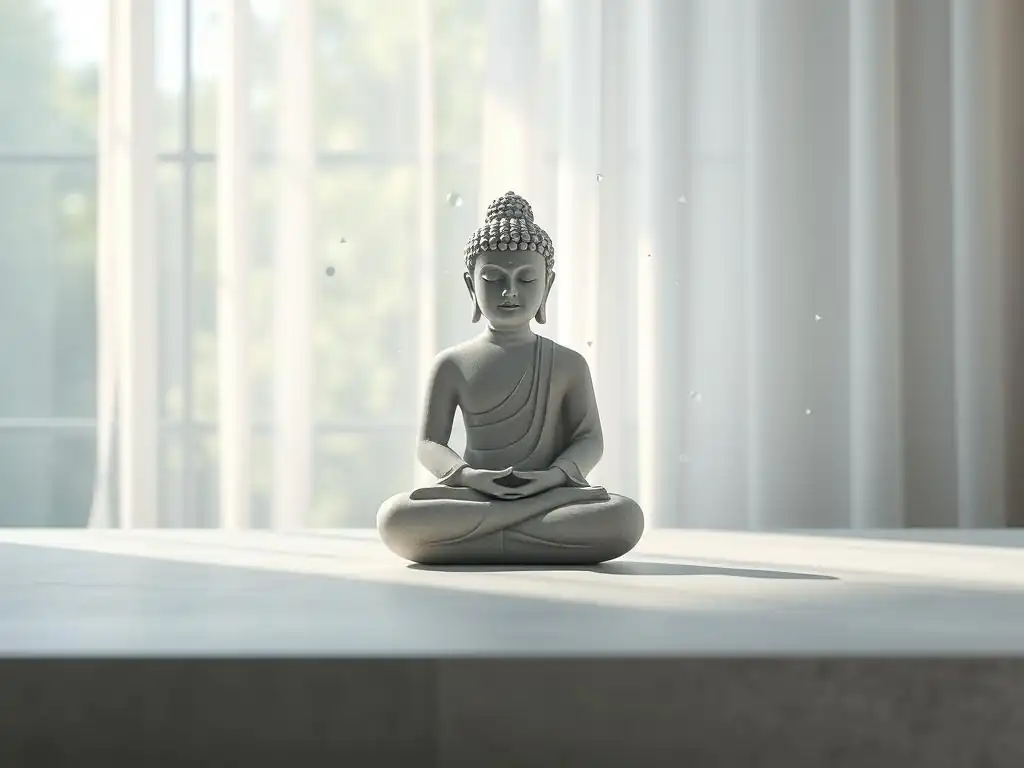
Integrating Mindfulness into Daily Activities
Mindfulness isn't just for formal meditation sessions. Integrating mindful awareness into everyday activities can significantly strengthen your overall capacity for attention and reduce general distractibility. Simple practices like mindful eating (paying attention to the taste, texture, and smell of food), mindful walking (noticing the sensation of your feet on the ground), or mindful listening (fully focusing on a conversation without planning your response) train the attention muscle in real-world contexts.
This informal practice builds the skill of noticing where your attention is throughout the day. This heightened awareness directly supports your formal body scan meditation practice by making it quicker and easier to recognize when your mind has wandered, allowing you to return to the body scan with less delay. Studies on mindful eating, for instance, show it can reduce episodes of impulsive eating by increasing awareness of physical cues.
Consistent Meditation Practice to Develop Mental Strength
Think of meditation like training a muscle. The more consistently you practice, the stronger your capacity for focused attention becomes, and the less effortful it is to manage distractions. Each time you notice your mind wandering during body scan meditation and gently bring it back, you are performing a "rep" for your attention muscle.
Longitudinal studies using neuroimaging have shown that consistent meditators develop increased gray matter density in brain regions associated with attention regulation, self-awareness, and emotional processing. This physical change in the brain reflects the strengthening of the neural pathways involved in focus and the ability to work with distractions effectively. Regular practice is the most powerful long-term strategy for reducing the impact of body scan meditation distractions.
Mindfulness as a Tool for Improved Concentration and Emotional Regulation
The skills cultivated during body scan meditation practice, particularly the ability to notice distraction and return attention non-judgmentally, extend far beyond the meditation cushion. This training directly translates to improved concentration in daily tasks, whether it's focusing on work, studying, or being fully present in conversations.
Furthermore, learning to observe internal experiences – physical sensations, thoughts, and emotions – during the body scan without getting overwhelmed or reacting impulsively builds emotional regulation skills. This helps you navigate challenging emotions that might arise as body scan meditation distractions, but also equips you to handle stress, anxiety, and difficult feelings more skillfully in all areas of your life, leading to greater well-being. Workplace studies have shown that mindfulness training can lead to reduced errors and improved task focus among employees.
Troubleshooting Common Problems with Distractions
What to Do When Overwhelmed by Thoughts or Sensations
Sometimes, during body scan meditation, the stream of thoughts or intensity of physical sensations can feel truly overwhelming, making it difficult to continue with the specific practice of scanning the body. In these moments, it's okay to modify the practice or even pause. You might try shortening the session, aiming for just 5-10 minutes instead of the planned duration.
Alternatively, you can shift from scanning specific body parts to simply resting your attention on a very stable anchor, such as the sensation of your body making contact with the chair or the floor, or focusing solely on the breath. If necessary, you can even gently open your eyes for a moment to ground yourself in the external environment before closing them again to return to the practice. The goal is to work with your experience, not fight against it when it's overwhelming. Many experienced teachers advise reducing session length when feeling significantly challenged.
Identifying and Addressing Underlying Stress or Anxiety
Persistent and overwhelming distractions during meditation, particularly racing thoughts or intense restlessness, can sometimes be indicators of high underlying stress or anxiety levels in your life. Stress hormones can increase vigilance and make it harder to settle the mind. While meditation is a valuable tool for managing stress, if the practice itself feels like a constant, losing battle against an agitated mind, it might be beneficial to explore the root causes of that stress or anxiety outside of your meditation time.
Consider if there are significant stressors in your life that need direct attention. If anxiety is a pervasive issue, seeking support from a therapist or counselor can provide additional strategies for managing these challenges, which can in turn make your body scan meditation practice more accessible and beneficial. Research shows a strong link between anxiety and difficulty sustaining attention.
Seeking Support from a Qualified Meditation Instructor
Learning meditation from a qualified teacher can provide invaluable support, especially when navigating the common challenges of distractions. A teacher can offer personalized guidance, clarify techniques, and provide different perspectives on your experience of body scan meditation distractions. They can help you understand that what you're experiencing is normal and guide you on skillful ways to work with it.
Many mindfulness programs, such as MBSR and MBCT (Mindfulness-Based Cognitive Therapy), are delivered by certified instructors who are trained to help participants troubleshoot difficulties. Attending classes, workshops, or even seeking individual guidance can provide the structure and support needed to deepen your practice and develop more effective strategies for dealing with the inevitable distractions that arise.
The Advantages of Persevering Through Distractions in Meditation
Increased Self-Awareness and Emotional Intelligence
Each time you notice a distraction during body scan meditation – whether it's a thought, a sensation, or an emotion – and gently return your attention, you gain a moment of insight into the workings of your own mind. You begin to recognize your habitual thought patterns, common emotional states, and physical responses. This practice directly cultivates self-awareness.
By observing these internal events without getting swept away or judging them, you also build emotional intelligence – the ability to recognize, understand, and manage your own emotions and those of others. Studies have shown that individuals who practice mindfulness tend to have higher levels of emotional intelligence, leading to improved relationships and better navigation of life's challenges.
Enhanced Concentration and Attention Span in Daily Life
The very act of repeatedly noticing mind-wandering and returning attention during body scan meditation is a direct training of your attentional capacities. It's like taking your attention to the gym. Over time, this practice strengthens the neural pathways involved in focus and reduces your susceptibility to distractions not just on the cushion, but in all areas of your life.
Research using objective measures of attention, such as sustained attention tasks, consistently shows that regular meditators outperform non-meditators, demonstrating a greater ability to maintain focus over extended periods and resist internal and external interruptions. This translates to improved productivity, better listening skills, and a greater capacity to be fully present in whatever you are doing.
Reduced Stress and Improved Well-being Through Mindful Awareness
Learning to work with body scan meditation distractions – acknowledging thoughts and sensations without getting lost in them or reacting impulsively – is a powerful way to reduce reactivity to stress. Instead of being automatically triggered by stressful thoughts or feelings, you develop the capacity to observe them with greater space and perspective.
Specifically, grounding your attention in the physical body during the scan can counteract the tendency of the mind to spiral into worry or rumination. By cultivating a non-judgmental awareness of physical sensations, even uncomfortable ones, you build resilience and reduce the intensity of the stress response. Numerous studies have documented that regular mindfulness practice leads to significant reductions in perceived stress, anxiety, and depression, contributing to overall improved mental and physical well-being.
Frequently Asked Questions
What are common distractions experienced during body scan meditation?
Common distractions include wandering thoughts, physical discomfort, and external noises. These are all normal experiences and part of the process.
Why is it important to acknowledge distractions during body scan meditation instead of fighting them?
Acknowledging distractions allows you to practice non-judgmental awareness. Fighting them can create resistance and frustration, hindering your progress.
How can I gently redirect my attention back to my body when I notice a distraction?
Simply notice the distraction without judgment, then gently guide your focus back to the sensations in your body. You can use your breath as an anchor.
What are some techniques for managing physical discomfort during a body scan?
Adjust your posture to find a more comfortable position. If discomfort persists, acknowledge the sensation and then gently shift your focus to another part of your body.
Can consistent practice of body scan meditation help me better manage distractions in everyday life?
Yes, regular practice can improve your ability to observe thoughts and sensations without getting carried away. This translates to greater mindfulness in daily activities.
Final Reflection: Finding Stillness Amidst the Storm
The persistent hum of notifications, the nagging to-do list, the restless body—these are not the enemies of body scan meditation, but rather the very landscape in which it flourishes. Mastering the art of mindful awareness during body scan meditation isn't about eliminating distractions entirely, but about cultivating a compassionate relationship with them, learning to observe without judgment, and returning gently to the present moment. This skill, honed through practice, translates directly into a more peaceful and focused life beyond the meditation cushion.
The journey of learning to navigate distractions during body scan meditation is a microcosm of the larger human experience. We are constantly bombarded with stimuli, vying for our attention and pulling us away from the quiet inner world. The mind is like a wild monkey, jumping from branch to branch. Meditation is the practice of taming that monkey, not eliminating it.
This quote perfectly captures the essence of the challenge and the reward. The ongoing influence of this practice extends far beyond the meditation itself; it teaches us patience, self-compassion, and the invaluable skill of redirecting our focus when our minds wander—skills crucial for navigating the complexities of modern life.
Now, consider your own experience with distractions. What patterns have you noticed? What strategies, from those discussed in this article, resonate most deeply with you? I invite you to make body scan meditation a regular practice, not as a means to escape the world, but as a tool to engage with it more fully, more mindfully, and with greater compassion. Embrace the distractions, learn from them, and return to the breath, again and again. The stillness you find within will ripple outwards, transforming your relationship with yourself and the world around you.
Unlock Your Inner Calm: Take Control of Distractions
Thank you for taking the time to explore the art of body scan meditation with us! We hope you gained valuable insights into managing those pesky distractions that can interrupt your practice. Now it's time to put your newfound knowledge into action.
- Prioritize your practice: Schedule 5-10 minutes daily for body scan meditation, even if it's just to practice noticing distractions without judgment. This consistent effort is key to building your meditative muscle.
- Share your experience: Tell a friend about your meditation journey and encourage them to try it too! Sharing your experience can help solidify your practice and inspire others.
- Experiment with different techniques: Try adjusting your posture, the length of your sessions, or the environment to discover what helps you best manage distractions. This is your unique journey!
What small adjustment will you make to your meditation practice today to enhance your focus and deepen your connection with yourself?