
Anxiety Disorders
Struggling with worry, panic, or overwhelming fear? Anxiety disorders are among the most common mental health challenges, yet they are highly treatable with the right guidance. At Mind Care Guide, we offer a comprehensive, compassionate resource for understanding everything from generalized anxiety disorder (GAD) and social anxiety to panic attacks, specific phobias, and health anxiety. Discover evidence-based coping mechanisms, including the powerful techniques of CBT for anxiety, explore natural remedies and dietary strategies, and learn how to manage digital overload. Whether you're navigating workplace stress, academic pressure, performance anxiety, or unique challenges like anxiety in older adults, children, or athletes, our expert-backed articles and practical tools empower you to reclaim calm. We also address co-occurring conditions such as ADHD, sleep disturbances, and existential anxiety, plus detailed insights into medications for anxiety—including types and side effects—and targeted strategies for separation anxiety. Start your journey toward resilience today and turn overwhelming worry into manageable, meaningful action.
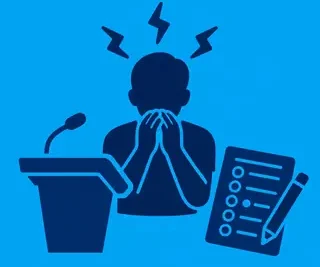 Performance Anxiety - Public Speaking and Tests
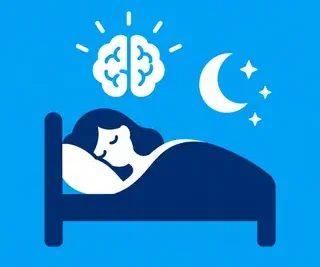 Anxiety and Sleep - Improving Sleep Quality
 Separation Anxiety Disorder - In Children and Adults
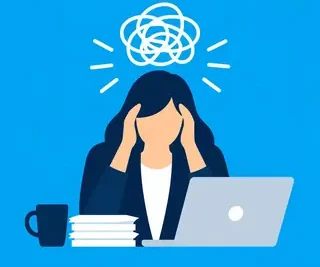 Workplace Anxiety - Strategies for Coping
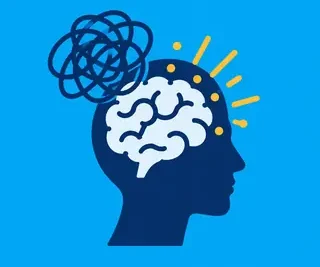 Anxiety and ADHD - Co-occurring Conditions
 Medications for Anxiety - Types and Side Effects
 Anxiety in Athletes - Pressure and Performance
 Social Anxiety Disorder (SAD) - Overcoming Fear of Social Situations
 Anxiety in Students - Academic Stress
 Health Anxiety - Illness and Worry
 Anxiety and Diet - Nutritional Strategies
 Technology and Anxiety - Managing Digital Overload
 Natural Remedies for Anxiety - Evidence-Based Approaches
 Anxiety in Children and Adolescents - Identifying and Helping
 Generalized Anxiety Disorder (GAD) - Symptoms, Causes, Treatment
 Specific Phobias - Types and Treatments
 Existential Anxiety - Finding Meaning and Purpose
 Anxiety in Adults - Coping Mechanisms
 Anxiety in Older Adults - Unique Challenges
 Panic Disorder - Managing Panic Attacks
 CBT for Anxiety - Techniques and Effectiveness
Understanding Anxiety Disorders: A Comprehensive Guide from Mind Care Guide
Anxiety disorders are the most common mental health condition worldwide, affecting millions through persistent worry, fear, and physical symptoms that can disrupt daily life. At Mind Care Guide, we provide evidence-based, compassionate resources to help you understand, manage, and thrive despite anxiety. Our category on Anxiety Disorders covers everything from clinical treatments like CBT and medications to lifestyle adjustments, unique populations, and co-occurring conditions. Whether you seek professional help, self-help strategies, or support for a loved one, this guide offers actionable insights grounded in psychology and neuroscience. Explore each subcategory below to find targeted advice tailored to your specific experience.
🧠 CBT for Anxiety - Techniques and Effectiveness
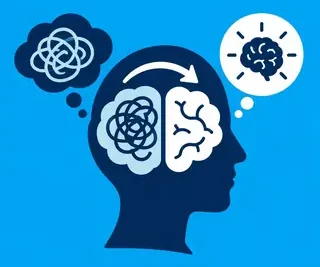
Cognitive Behavioral Therapy (CBT) is the gold-standard psychological treatment for anxiety, focusing on identifying and restructuring negative thought patterns and behaviors. Here, you will learn core techniques such as cognitive restructuring, exposure therapy, and behavioral experiments, all backed by decades of clinical research. Understand why CBT has a success rate often exceeding 60-70% for anxiety disorders and how it builds long-term resilience. Expect practical step-by-step guides to apply CBT principles at home, plus tips for finding a qualified therapist. This subcategory demystifies the therapeutic process, empowering you to take an active role in recovery.
🆘 Panic Disorder - Managing Panic Attacks
Panic disorder is characterized by sudden, intense surges of fear accompanied by physical symptoms like racing heart, shortness of breath, and dizziness. This section explains the difference between an isolated panic attack and a full disorder, including the role of anticipatory anxiety. You will discover immediate grounding techniques to stop an attack in its tracks, such as 5-4-3-2-1 sensory methods and diaphragmatic breathing. Learn about the vicious cycle of fear-of-fear and how CBT and lifestyle changes can break it. We also address agoraphobia, a common complication, and provide emergency coping plans for high-stress moments.
👵 Anxiety in Older Adults - Unique Challenges
Older adults often face anxiety linked to health decline, loss of independence, bereavement, and polypharmacy. This subcategory highlights how symptoms may present differently—such as increased somatic complaints or cognitive changes—rather than classic worry. Understand the interaction between anxiety, dementia, and chronic illness, and why anxiety is frequently underdiagnosed in this population. Expect guidance on gentle, age-appropriate interventions, including adapted CBT, mindfulness, and social engagement strategies. We also cover medication safety, because older patients are more sensitive to side effects, and emphasize the importance of a multidisciplinary care team.
🧑💼 Anxiety in Adults - Coping Mechanisms
Adult life brings financial stress, relationship pressures, and career demands that fuel anxiety. Here, we explore healthy coping mechanisms that differ from avoidance or substance use. Learn about the "stress bucket" model, time-management techniques, and boundary-setting to reduce chronic overwhelm. Practical tools include journaling prompts, progressive muscle relaxation, and cognitive defusion from anxious thoughts. We also discuss when self-help becomes insufficient and how to build a robust support network. This section is designed for busy adults who need realistic, low-burden strategies that fit into a 24/7 lifestyle while fostering genuine emotional regulation.
🌌 Existential Anxiety - Finding Meaning and Purpose
Existential anxiety arises from confronting big questions about life, death, freedom, and isolation—often triggered by loss or life transitions. Unlike symptom-based anxiety, it is a philosophical unease that can paralyze but also catalyze growth. This subcategory introduces concepts from existential psychology, such as authentic living and the "power of choice." You will learn to differentiate healthy existential reflection from pathological rumination. Therapeutic approaches like Logotherapy and Acceptance and Commitment Therapy (ACT) are explained, alongside reflective exercises to clarify personal values and purpose. Gain tools to transform dread into meaningful action and resilience.
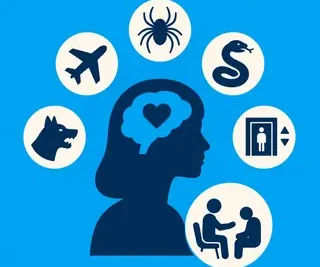
🐍 Specific Phobias - Types and Treatments
Specific phobias affect over 10% of people, involving intense, irrational fear of objects or situations like heights, spiders, or flying. This section categorizes phobia types—animal, natural environment, blood-injection-injury, situational, and others—with relatable examples. Evidence-based treatments include exposure therapy (systematic desensitization), virtual reality exposure, and cognitive restructuring. We provide a step-by-step hierarchy-building guide to gradually face fears safely. Understand why avoidance maintains phobias and how confronting them, even slowly, rewires the brain's fear circuit. Expect reassurance that phobias are highly treatable, often in as few as 1-5 sessions with a specialist.
🔁 Generalized Anxiety Disorder (GAD) - Symptoms, Causes, Treatment
GAD involves chronic, uncontrollable worry about everyday matters for at least six months, accompanied by restlessness, fatigue, irritability, and muscle tension. Here, we break down diagnostic criteria and the neurobiological factors (genetics, amygdala hyperactivity) and psychological drivers (intolerance of uncertainty). Explore treatment pathways: first-line SSRIs/SNRIs, CBT, and newer approaches like metacognitive therapy. We also offer practical "worry time" scheduling, problem-solving techniques, and relaxation training to manage daily symptoms. Understand how to work with your doctor to tailor medication or therapy plans. This subcategory serves as comprehensive manual for those living with relentless worry.
🧒 Anxiety in Children and Adolescents - Identifying and Helping
Anxiety in youth often manifests as tantrums, stomachaches, school refusal, or excessive clinginess, not classic verbal worry. This subcategory equips parents, teachers, and caregivers to recognize early signs and differentiate normal developmental fears from disorders. We cover parenting strategies like validation, gradual exposure, and avoiding accommodation, plus school-based supports such as IEPs and 504 plans. Learn about age-appropriate CBT (e.g., "Worry Wise" programs) and the cautious use of medications in severe cases. Emphasis is placed on early intervention to prevent long-term disability. We also address teen-specific pressures from social media and academics, promoting a collaborative approach.
🌿 Natural Remedies for Anxiety - Evidence-Based Approaches
Many seek alternatives to prescription drugs; this subcategory reviews what science actually supports. Ashwagandha, L-theanine, valerian root, and magnesium have shown promise in small RCTs, while others like kava carry liver risk—we separate fact from hype. Lifestyle interventions including regular aerobic exercise, yoga, and mindfulness meditation have robust evidence for reducing anxiety scores. We discuss the importance of dosage, quality, and potential interactions with medications. Also covered are herbs for acute vs. chronic anxiety and the placebo effect. Expect honest guidance that natural doesn't always mean safe, empowering you to make informed choices alongside professional care.
📱 Technology and Anxiety - Managing Digital Overload
Constant notifications, social media comparison, and doomscrolling can heighten anxiety or even trigger panic-like symptoms. This section explores the neuroscience of dopamine-driven tech loops and how blue light disrupts sleep, a key anxiety trigger. Practical strategies include digital detox schedules, app blockers, mindful consumption, and setting "no-phone zones." We review emerging research on nomophobia (fear of being without phone) and how to build a healthier relationship with devices. Also discussed are anxiety-triggering online content and the benefits of tech-based mental health tools, like CBT apps, weighed against their limitations. Learn to reclaim your attention and calm.
🥗 Anxiety and Diet - Nutritional Strategies
The gut-brain axis means what you eat directly impacts anxiety levels through serotonin production and inflammation. This subcategory outlines anti-inflammatory diets (high in omega-3s, fiber, fermented foods) that lower anxiety biomarkers. Discussed are caffeine and refined sugar's anxiogenic effects, plus the role of deficiencies in magnesium, zinc, B-vitamins, and vitamin D. We provide sample meal plans and snack ideas balanced for stable blood sugar. Understand how Mediterranean and MIND diets correlate with reduced anxiety risk. Also covered are elimination diets for food sensitivities, but with a caution to avoid orthorexia. Nutrition is a powerful adjunct, not a cure-all.
🏥 Health Anxiety - Illness and Worry
Health anxiety (hypochondriasis) involves persistent fear of having or acquiring a serious illness, often despite medical reassurance. Here, we explain the misinterpretation of bodily sensations—a harmless twitch becomes ALS—and the vicious cycle of checking, Googling, and doctor-hopping. CBT is highly effective; learn techniques like exposure to feared symptoms, cognitive restructuring of catastrophic thoughts, and response prevention for reassurance-seeking. We discuss the role of "medical reassurance" as an addiction and how to break it. Also addressed are stress management, differences from somatic symptom disorder, and when to seek specialized help. Gain tools to trust your body again.
🎓 Anxiety in Students - Academic Stress
Academic settings breed perfectionism, grade anxiety, and fear of failure, affecting test performance and social life. This subcategory covers study-specific stressors, exam anxiety, and procrastination driven by avoidance. Evidence-based tips include spaced repetition, active recall, and the Pomodoro technique to reduce overwhelm. We address sleep hygiene before exams, physiological calming techniques like box breathing, and cognitive strategies to reframe "I must get an A." Learn about campus mental health resources, reasonable accommodations, and how to balance academics with self-care. Also discussed is the spike in anxiety among graduate and medical students, urging a proactive support culture.
🤝 Social Anxiety Disorder (SAD) - Overcoming Fear of Social Situations
SAD entails intense fear of negative evaluation, leading to avoidance of social or performance situations. This subcategory explains the cognitive model—overestimating threat and underestimating coping ability—and common symptoms like blushing or trembling. Gold-standard treatments include individual or group CBT with exposure and social skills training. Learn to build a fear hierarchy, use video feedback to correct distorted self-image, and gradually face social challenges. We also cover beta-blockers for performance situations, as well as SSRIs and SNRIs. Long-term strategies include reducing safety behaviors (e.g., rehearsing sentences) and developing authentic connections. You can rewrite your social story.
🏋️ Anxiety in Athletes - Pressure and Performance
Athletes face unique anxiety from competition pressure, injury, and expectations, which can impair performance (choking) or cause burnout. This section distinguishes healthy pre-competition arousal from debilitating anxiety and outlines somatic (breathing, progressive relaxation) and cognitive techniques (positive self-talk, imagery). Learn about the "Yerkes-Dodson law," optimal arousal zones, and mental toughness training. Sport psychologists’ methods like mindfulness-based stress reduction and acceptance commitment are highlighted. We also address post-injury anxiety, fear of re-injury, and the stigma of mental health in sports. Expect performance-enhancing routines to channel anxiety into flow states.
💊 Medications for Anxiety - Types and Side Effects
Medication is a cornerstone for moderate-to-severe anxiety, but informed decisions are essential. This subcategory explains first-line SSRIs (escitalopram, sertraline), SNRIs (venlafaxine), and their onset, efficacy, and common side effects like nausea or sexual dysfunction. Also reviewed are benzodiazepines (short-term use only due to dependence risk), buspirone, and off-label options like pregabalin. Discussed are side-effect management (e.g., temporary increased anxiety), withdrawal symptoms, and genetic testing for metabolism. We emphasize collaborative prescribing with a psychiatrist, monitoring for serotonin syndrome, and the importance of combining meds with therapy for best outcomes. Never stop abruptly—always taper.
🔗 Anxiety and ADHD - Co-occurring Conditions
ADHD and anxiety co-occur in up to 50% of cases, creating a complex presentation where inattention fuels worry and vice versa. This subcategory explains shared neurobiological underpinnings (dopamine-norepinephrine imbalance) and how to distinguish overlapping symptoms—e.g., restlessness in both. Treatment challenges are addressed: stimulants may worsen anxiety, while anxiolytics can dull focus. We outline integrated approaches, including combined CBT for both, mindful time-management, and stimulant dose adjustments. Also covered are non-stimulant options (atomoxetine) and lifestyle supports like exercise and sleep. Learn to advocate for a comprehensive assessment to avoid misdiagnosis.
🏢 Workplace Anxiety - Strategies for Coping
From imposter syndrome to toxic culture, workplaces are fertile ground for anxiety. This subcategory targets common triggers like deadlines, public speaking, conflict, and micromanagement. Practical strategies include task organization, assertiveness training, and setting boundaries with email/after-hours work. We discuss disclosure dilemmas—should you tell your employer?—and legal protections under the ADA. Also covered are ergonomic stress-reduction breaks, asynchronous communication, and ergonomic stress-reduction breaks, and how to foster psychological safety at team level. Cognitive techniques challenge catastrophic thoughts about performance. If workplace anxiety is severe, consider accommodations like reduced meetings or remote days.
💔 Separation Anxiety Disorder - In Children and Adults
Separation anxiety is often seen in kids but also affects adults, involving extreme distress when separated from attachment figures. This subcategory explains developmental norms vs. disorder, including symptoms like nightmares and physical illness. In children, evidenced-based treatment focuses on graduated exposure via "brave times" and parental training to reduce accommodation. In adults, it may arise after major life changes (divorce, loss) and is treated with CBT and attachment-based therapy. We cover the role of insecure attachment styles and anxious-avoidant dynamics in relationships. Practical tips include reassurance schedules and self-soothing tools to build independence.
😴 Anxiety and Sleep - Improving Sleep Quality
Anxiety disrupts sleep via hyperarousal, racing thoughts, and nighttime panic, while poor sleep compounds anxiety—a vicious cycle. This subcategory explains the bidirectional relationship and physiological mechanisms like cortisol and melatonin imbalance. Cognitive Behavioral Therapy for Insomnia (CBT-I) is highlighted, with sleep restriction, stimulus control, and cognitive restructuring for night worries. We also introduce relaxation protocols (progressive muscle relaxation, autogenic training) and sleep hygiene specifics: dark rooms, cool temp, consistent schedule. Discussed are supplements (magnesium, glycine) and the caution with sleep aids. Learn to break the cycle and wake refreshed.
🎤 Performance Anxiety - Public Speaking and Tests
Performance anxiety strikes before exams, presentations, auditions, or sporting events—manifesting as "butterflies," trembling, and blank mind. This subcategory differentiates beneficial arousal from debilitative anxiety using the 3P model (predisposing, precipitating, perpetuating factors). Evidence-based treatments include systematic desensitization, virtual reality exposure, and beta-blockers (e.g., propranolol) for situational relief. Cognitive techniques like visualization, "audience as ally," and reframing anxiety as excitement are explained. Also covered are preparation rituals (practice with realistic conditions), breathing exercises, and post-performance evaluation to reduce self-criticism. Overcome the fear of being judged and let your preparation shine.
Frequently Asked Questions
What is the fastest way to calm an anxiety attack?
Use diaphragmatic breathing: inhale for 4 seconds, hold for 4, exhale for 6–8. Ground yourself using the 5-4-3-2-1 method (name five sights, four touches, three sounds, two smells, one taste). Splash cold water on your face to activate the dive reflex. These physiological tricks lower heart rate and interrupt the panic loop quickly.
Can anxiety be cured permanently, or only managed?
Many people achieve full remission with CBT, medication, and lifestyle changes. "Cure" is debated, but you can learn to intercept anxious patterns so they no longer control your life. The brain's neuroplasticity allows lasting rewiring of fear responses. While triggers may return during stress, you gain skills to handle them effectively without recurrence of full disorder.
Is natural remedy for anxiety safe to combine with prescription drugs?
Not always. St. John's Wort, kava, and valerian can interact dangerously with SSRIs or benzodiazepines, causing serotonin syndrome or excess sedation. Always consult your prescribing doctor before adding herbs, vitamins, or over-the-counter supplements. Your pharmacist can also check interactions. Evidence-based natural options like magnesium or L-theanine may be safe, but professional guidance is non-negotiable.
How do I know if my anxiety is normal stress or a disorder?
A disorder is persistent (most days for 6+ months), excessive, and causes significant impairment in work, school, or relationships. Normal stress is proportional to stressors and resolves when they pass. If worry feels uncontrollable, leads to avoidance, or triggers physical symptoms that disrupt functioning, seek a professional evaluation. Early treatment improves outcomes dramatically.
What is the best therapy for social anxiety: CBT or exposure?
CBT is the umbrella that includes exposure—you don't have to choose. Cognitive restructuring challenges irrational beliefs, while exposure gradually habituates you to feared situations. Many therapists combine both, with group CBT offering low-risk social practice. Research shows tailored CBT with exposure is the most effective approach, outperforming medication alone for long-term gains.