Understanding Anxiety in Older Adults: Unique Challenges
Anxiety in older adults is often misunderstood, dismissed as “just worrying,” or overshadowed by physical health complaints. Yet, this subcategory reveals that late-life anxiety has distinct triggers, presentations, and treatment considerations compared to younger populations. Here, we explore how aging, loss, chronic illness, and cognitive changes interact with anxiety, and why a tailored approach is essential for effective care and improved quality of life.
🧠 How Anxiety Presents Differently in Seniors
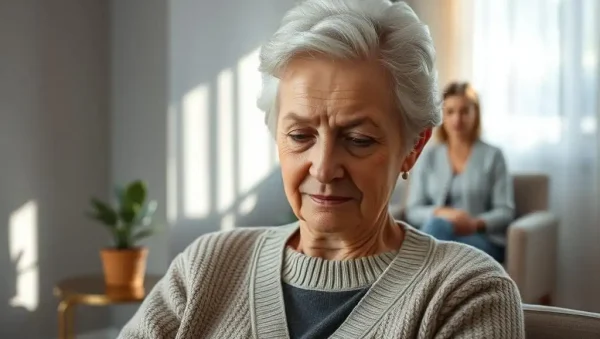
In older adults, anxiety rarely looks like classic panic or racing thoughts. Instead, it often masquerades as persistent physical symptoms—headaches, fatigue, dizziness, or gastrointestinal distress—leading to repeated doctor visits without a clear medical cause. Cognitive symptoms may include excessive worry about health, finances, or family, but also irritability, restlessness, and difficulty concentrating.
Importantly, anxiety in seniors frequently coexists with depression, dementia, or chronic pain, complicating diagnosis. Older adults may underreport emotional distress due to stigma or generational beliefs that “anxiety is a weakness.” Recognizing these atypical presentations is the first step toward accurate identification, as treating only physical symptoms while ignoring underlying anxiety leaves the core problem unaddressed and worsens functional decline.
🕰️ Life Transitions and Loss as Anxiety Triggers
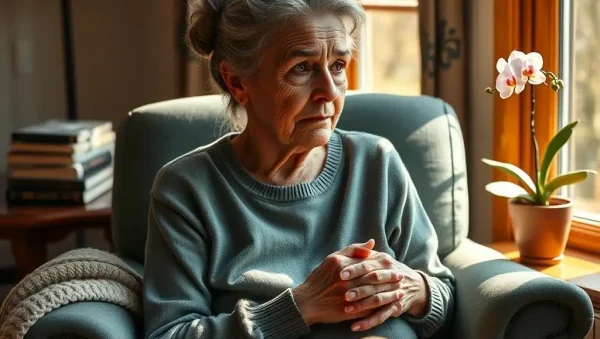
Retirement, bereavement, and role changes—such as moving from independence to relying on others—are powerful anxiety catalysts in later life. The loss of a spouse, close friends, or even a beloved pet can trigger loneliness-fueled anxiety, while the fear of losing one’s home, autonomy, or driving ability creates a constant undercurrent of worry. These transitions often shatter routines and social networks, leaving older adults feeling vulnerable and unsafe.
Moreover, anticipatory grief and existential concerns—fear of dying alone, being a burden, or losing cognitive function—intensify anxiety. Unlike younger adults who may view setbacks as temporary, older adults perceive losses as more irreversible, heightening distress. Therapeutic approaches must validate these losses, help rebuild meaningful routines, and gently challenge catastrophic thinking about aging, ensuring that grief and anxiety are processed separately yet compassionately.
🩺 Chronic Illness, Medication, and Anxiety Overlap
Chronic conditions like heart disease, COPD, diabetes, and arthritis are prevalent in older populations and directly fuel anxiety—both from the illness itself and the fear of exacerbations. Breathlessness in COPD can mimic panic attacks, while cardiac symptoms trigger hypervigilance. Additionally, many common medications for blood pressure, thyroid, or Parkinson’s disease have anxiety as a side effect, and polypharmacy interactions can worsen restlessness or agitation.
Furthermore, the “white coat” effect is pronounced: seniors often experience spikes in anxiety during medical visits, fearing bad news or complex procedures. Cognitive impairment, even mild, can make managing medication schedules anxiety-provoking, leading to missed doses and health deterioration. A comprehensive approach requires a medical review to rule out organic causes, coordinated care between primary and mental health providers, and education on what physical symptoms actually stem from anxiety versus illness.
👵 Social Isolation and Fear of Falling: Hidden Drivers
Social isolation is one of the most potent anxiety amplifiers among older adults, especially those living alone or in care facilities. Reduced social contact not only heightens feelings of vulnerability but also eliminates natural distractions and reassurance. The fear of falling—a leading cause of fractures and loss of independence—can become so pervasive that seniors restrict movement, leading to muscle weakness and a paradoxical increase in fall risk.
This “activity avoidance” spirals into agoraphobia-like symptoms: refusing to leave home, skipping social gatherings, or avoiding stairs. Family members may misinterpret this as laziness or stubbornness, but it is classic anxiety-driven safety behavior. Interventions must address both physical safety (home modifications, balance training) and psychological safety (gradual exposure, cognitive restructuring), while rebuilding social connections through structured groups, phone check-ins, or community programs.
🧩 Cognitive Decline vs. Anxiety: Untangling the Overlap
Distinguishing anxiety from early dementia or mild cognitive impairment is a clinical challenge. Both conditions can cause memory lapses, confusion, and difficulty with problem-solving. However, anxiety often accelerates perceived cognitive decline: chronic worry consumes attention, leading to poor encoding and retrieval of information. Conversely, real memory loss can provoke anxiety about losing one’s mind, creating a vicious cycle.
Older adults with anxiety but intact cognition often report “brain fog” that disappears when they are calm, whereas dementia-related memory issues persist regardless of emotional state. Neuropsychological testing is invaluable, as is a trial of anxiety treatment (therapy or medication) to see if cognitive complaints improve. Educating families about this distinction reduces misdiagnosis and ensures that anxiety is treated, not dismissed as “just old age.”
💊 Tailored Treatment: Therapy, Medication, and Lifestyle
Treatment for anxiety in older adults must be age-adapted. Cognitive-behavioral therapy (CBT) works well but needs modified pacing, concrete examples, and caregiver involvement. Problem-solving therapy and relaxation training—such as mindfulness, breathing exercises, or gentle yoga—are also effective. Medications, when necessary, require half the usual starting dose, careful monitoring for sedation and falls, and avoidance of benzodiazepines due to high addiction and cognitive risk.
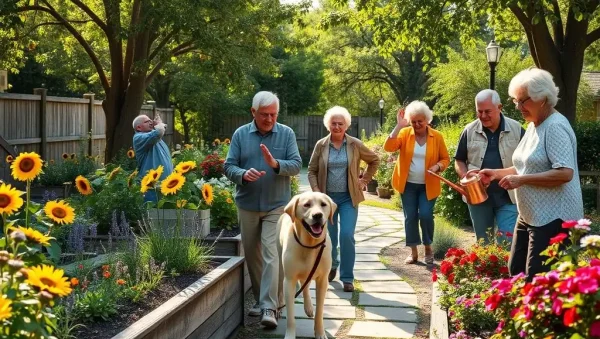
Lifestyle interventions are equally vital: regular physical activity (even walking) reduces anxiety, as does structured daily routines that provide predictability. Both sleep hygiene and socialization should be targeted, since insomnia and loneliness are strong anxiety contributors. Family support is crucial—caregivers need education on validating feelings without enabling avoidance. A multidisciplinary team—geriatrician, psychologist, occupational therapist—offers the most robust, sustainable relief while preserving dignity and independence.
Frequently Asked Questions
Is anxiety a normal part of aging?
No. While aging involves changes, persistent anxiety is not normal and deserves treatment. Occasional worry is common, but if it causes significant distress, physical symptoms, or interferes with daily activities, professional help is warranted. Many older adults mistakenly accept suffering as “just getting older,” but effective treatments exist and can greatly improve quality of life.
What are the first signs of anxiety in an older adult?
Early signs often include increased fatigue, irritability, trouble sleeping, excessive worry about health or family, avoidance of social activities, and unexplained physical complaints like headaches or stomach issues. Family members may notice pacing, repeated questioning, or clinging behaviors. If these persist for several weeks, consider a mental health assessment rather than attributing them to age or stubbornness.
Can anxiety worsen memory problems in seniors?
Yes. Chronic anxiety floods the brain with stress hormones, impairing attention, concentration, and short-term memory. This can mimic dementia, but it is often reversible when anxiety is treated. Reducing anxiety through therapy, medication, or relaxation techniques frequently restores cognitive function, though any ongoing memory issues should be evaluated to rule out neurodegenerative conditions.
Are anti-anxiety medications safe for older adults?
Some medications are safe when carefully prescribed, but many traditional ones, especially benzodiazepines, are risky due to falls, sedation, and cognitive decline. Doctors often prefer SSRIs or SNRIs, starting at low doses with slow titration. Always consult a geriatric psychiatrist or primary care provider who understands drug interactions, as older adults often take multiple medications.
How can family members help an older adult with anxiety?
Start by listening without judgment, validating their fears, and avoiding dismissive phrases like “don’t worry.” Encourage small, manageable activities and accompany them to appointments. Help them maintain routine and social contacts, and gently suggest professional help if anxiety escalates. Avoid enabling avoidance, but praise every effort. Educate yourself about anxiety to become a compassionate, informed support system.