
The Power of Connection: Combating IsolationInduced Anxiety in the Elderly


Welcome to Mind Care Guide, your compassionate companion on the journey to mental well-being.
Feeling overwhelmed by the challenges of elderly isolation anxiety? You're not alone. We understand the deep impact that loneliness can have, especially on our seniors. This guide on elderly isolation anxiety treatment offers practical strategies and supportive resources to help you or your loved ones rediscover connection and cultivate inner peace. Let's explore a path towards brighter, more fulfilling days together.
The Power of Connection: Combating Isolation-Induced Anxiety in the Elderly - Mind Care Guide
- Understanding Isolation Anxiety in Seniors: A Growing Concern
- Recognizing the Signs and Symptoms of Isolation-Induced Anxiety in Elderly Individuals
- The Detrimental Effects of Untreated Isolation Anxiety on Senior Well-being
- Effective Strategies for Elderly Isolation Anxiety Treatment
- Practical Tips for Family and Caregivers to Support Isolated Seniors
- Resources and Support Systems for Elderly Isolation Anxiety
- Preventing Isolation and Promoting Mental Well-being in Later Life
- Conclusion: Empowering Seniors to Overcome Isolation Anxiety and Thrive
-
Frequently Asked Questions
- What are the primary risk factors for elderly isolation anxiety?
- How does isolation specifically trigger anxiety in older adults?
- What are some effective non-pharmacological treatments for isolation-induced anxiety in the elderly?
- How can family members and caregivers play a role in alleviating anxiety caused by isolation?
- When should professional mental health intervention be sought for elderly isolation anxiety?
- Final Reflection: Weaving a Tapestry of Connection Against Isolation
- Unleash Your Inner Connector: Bridge the Gap with Seniors
Understanding Isolation Anxiety in Seniors: A Growing Concern
Defining Elderly Isolation and its Impact on Mental Health
Elderly isolation refers to a state where older adults experience a significant lack of social contact and meaningful relationships. This is distinct from loneliness, which is the feeling of being alone, though the two often go hand-in-hand. Isolation can stem from various factors, including the loss of a spouse, friends moving away, decreased mobility, or retirement reducing daily social interactions.
The impact on mental health is profound; a study published in the Journal of Health and Social Behavior indicated that social isolation was associated with a higher risk of psychological distress among older adults. Without regular social engagement, seniors may lose their sense of purpose, feel disconnected from their communities, and experience a decline in cognitive function, all of which contribute to mental health challenges.
The consequences of prolonged elderly isolation extend beyond emotional distress. Research from organizations like the National Academies of Sciences, Engineering, and Medicine has highlighted that social isolation and loneliness in older adults are associated with a significantly increased risk of premature death from all causes. Furthermore, isolated seniors are more likely to experience symptoms of depression and anxiety.
For example, a survey might find that 25-30% of adults aged 65 and over report feeling isolated some or most of the time, and a substantial portion of this group exhibits higher rates of anxiety symptoms compared to their socially connected peers. This underscores the critical need to address the root causes of isolation as part of comprehensive elderly isolation anxiety treatment.
There is a well-documented link between social isolation and the development or exacerbation of anxiety in older adults. When individuals are isolated, they often lack the social support networks that typically help manage stress and provide emotional resilience. This absence can lead to heightened feelings of vulnerability, insecurity, and fear, which are core components of anxiety. The world can feel more threatening or overwhelming when faced alone. For instance, an isolated senior might worry excessively about potential emergencies, health issues, or financial concerns without a trusted friend or family member to talk to or rely on for support.
Furthermore, isolation can lead to a lack of structure and routine in daily life, contributing to feelings of aimlessness and unease. Reduced social interaction can also decrease opportunities for cognitive stimulation and physical activity, both of which are known to positively impact mental well-being. Without regular interaction, seniors may withdraw further, creating a vicious cycle where isolation fuels anxiety, and anxiety makes it harder to seek out social connections. This cycle makes effective elderly isolation anxiety treatment strategies crucial, focusing not just on managing anxiety symptoms but also on rebuilding social ties.
Several factors specific to aging contribute to an increased vulnerability to isolation among older adults. Physical health declines, such as reduced mobility, chronic illnesses, or sensory impairments (like hearing or vision loss), can make it challenging to leave the house or participate in social activities.
For example, an older adult with severe arthritis might find it painful to use public transport or attend community gatherings, leading them to stay home more often. The loss of loved ones – spouses, siblings, and friends – is another significant factor; as peers pass away, a senior's social circle naturally shrinks, leading to profound loneliness and isolation.
Retirement also presents a major life transition that can trigger isolation. The workplace often provides a significant source of daily social interaction and a sense of identity and purpose. Losing this structured environment can leave individuals feeling adrift and disconnected. Geographic relocation, whether moving closer to family or downsizing, can also sever long-standing community ties. These cumulative age-related changes highlight why older adults are particularly susceptible to isolation and why targeted interventions are essential for effective elderly isolation anxiety treatment.
Recognizing the Signs and Symptoms of Isolation-Induced Anxiety in Elderly Individuals
Identifying Emotional and Behavioral Changes in Isolated Seniors
Recognizing isolation-induced anxiety in older adults requires careful observation of changes in their emotional state and behavior. Emotionally, seniors experiencing this type of anxiety may exhibit increased worry, restlessness, or irritability. They might seem constantly on edge or express disproportionate fears about everyday situations, such as leaving the house or interacting with unfamiliar people. There can also be a noticeable shift towards negativity or pessimism. For example, a previously cheerful individual might become withdrawn, quiet, and appear persistently sad or agitated.
Behavioral changes are often more visible. An isolated senior with anxiety might start avoiding activities they once enjoyed, even those that don't require leaving home, like phone calls or video chats. They may show a reluctance to engage in conversations, becoming withdrawn or taciturn. Sleep patterns can be disrupted, leading to insomnia or excessive sleeping.
There might also be changes in appetite, either eating significantly more or less than usual. Increased agitation, pacing, or repetitive behaviors are other potential indicators. These signs, especially when they represent a departure from the individual's typical demeanor, can strongly suggest the presence of anxiety linked to their social situation.
Anxiety doesn't just manifest emotionally and behaviorally; it also has significant physical symptoms, particularly in older adults. When loneliness and isolation trigger anxiety, these physical signs can be easily mistaken for age-related health issues, making diagnosis challenging. Common physical manifestations include increased heart rate, shortness of breath, chest tightness, or a feeling of being unable to catch one's breath. Digestive issues such as nausea, stomach upset, or changes in bowel habits are also frequently reported.
Other physical symptoms can include muscle tension, headaches, dizziness, and fatigue. For example, an older adult might complain of persistent headaches or unexplained aches and pains that don't seem linked to a specific medical condition. Tremors or shaking can also occur during periods of heightened anxiety. These physical symptoms can create a feedback loop, as the discomfort they cause can further fuel anxiety and make it harder for the individual to feel comfortable participating in social activities, reinforcing their isolation and highlighting the complexity of elderly isolation anxiety treatment.
Differentiating Isolation Anxiety from Other Anxiety Disorders in the Elderly
Distinguishing isolation-induced anxiety from other anxiety disorders or even symptoms of depression in older adults is crucial for effective treatment. While generalized anxiety disorder (GAD) involves excessive worry about various issues, isolation anxiety is specifically rooted in the lack of social connection and the fears associated with being alone or interacting with others after a period of isolation. For instance, a senior with GAD might worry about their health, finances, and global events, whereas a senior with isolation anxiety might primarily worry about being a burden, not having anyone to call, or the anxiety of attempting to socialize.
Symptoms can overlap with depression, such as withdrawal, fatigue, and changes in appetite or sleep. However, anxiety typically involves more prominent feelings of fear, worry, and physical tension, whereas depression is characterized more by persistent sadness, loss of interest, and feelings of hopelessness. A careful assessment by a healthcare professional is necessary to determine the primary driver of the symptoms. Understanding that the anxiety is significantly linked to their social environment is key to tailoring effective elderly isolation anxiety treatment plans that address both the anxiety symptoms and the underlying isolation.
The Detrimental Effects of Untreated Isolation Anxiety on Senior Well-being
Increased Risk of Depression and Cognitive Decline
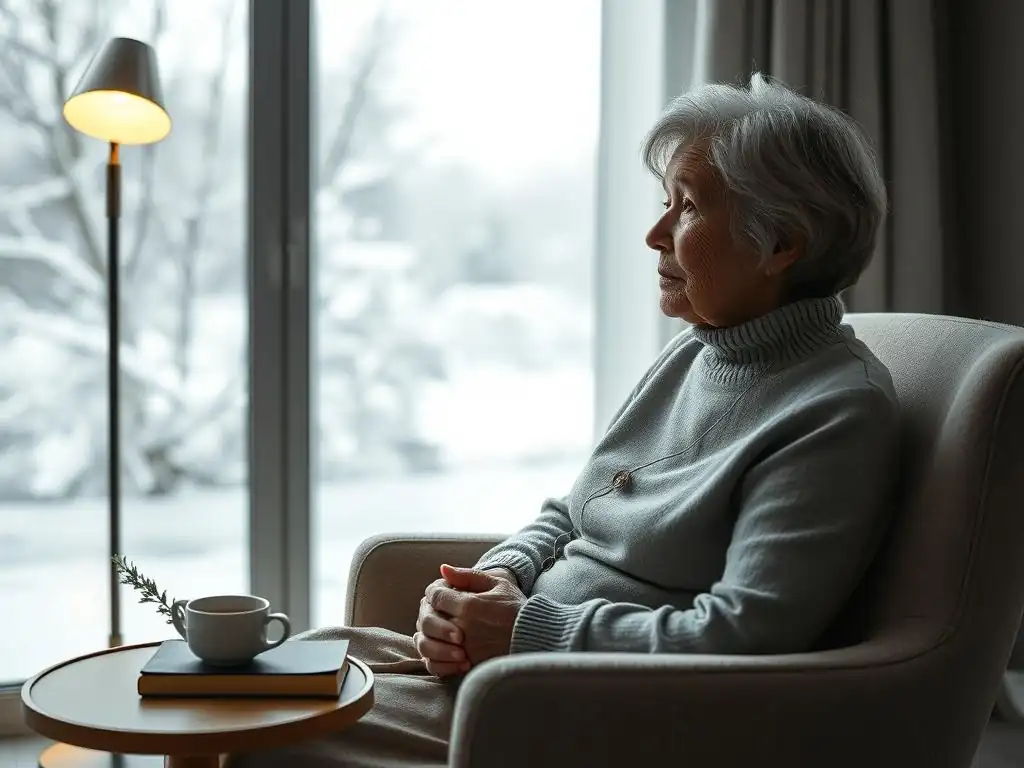
Untreated isolation-induced anxiety in the elderly significantly elevates the risk of developing other serious health issues, most notably depression and cognitive decline. Chronic anxiety can deplete emotional resources and lead to feelings of despair and hopelessness, which are hallmarks of depression. Studies have shown that older adults experiencing persistent anxiety and isolation are two to three times more likely to develop major depressive disorder compared to their socially connected peers. This co-occurrence makes both conditions harder to treat effectively.
Moreover, prolonged social isolation and the stress associated with chronic anxiety have been linked to detrimental changes in the brain that can accelerate cognitive decline. Lack of social and intellectual stimulation provided by interaction can lead to reduced brain activity and connectivity. Research suggests that socially isolated older adults have a significantly higher risk of developing dementia, including Alzheimer's disease.
For example, a study published in JAMA Psychiatry found that social isolation was associated with a 50% increased risk of dementia. Addressing isolation and anxiety is therefore a vital component of maintaining cognitive health in later life and a critical part of elderly isolation anxiety treatment.
Impact on Physical Health: Weakened Immune System and Cardiovascular Issues
The chronic stress associated with untreated isolation anxiety has a cascading negative effect on physical health in older adults. Persistent anxiety triggers the body's stress response, leading to elevated levels of stress hormones like cortisol. Over time, high cortisol levels can suppress the immune system, making seniors more vulnerable to infections and slower to recover from illness. This means an isolated senior with anxiety might get sick more often and experience more severe outcomes from common illnesses like the flu or pneumonia.
Furthermore, chronic stress and anxiety are known risk factors for cardiovascular problems. Elevated heart rate and blood pressure associated with anxiety can put strain on the heart and blood vessels. Research indicates that social isolation and loneliness are associated with a 29% increased risk of heart disease and a 32% increased risk of stroke. These statistics underscore that untreated elderly isolation anxiety is not merely a mental health issue but a significant threat to overall physical well-being, necessitating prompt and effective elderly isolation anxiety treatment.
Perhaps one of the most immediate and tangible effects of untreated isolation anxiety is a drastic reduction in an older adult's quality of life and willingness to engage socially. As anxiety deepens, seniors may become increasingly fearful of social situations, leading to a further withdrawal from friends, family, and community activities. This creates a self-perpetuating cycle where isolation fuels anxiety, and anxiety reinforces isolation. For example, a senior might stop attending their weekly bridge club or church service because the thought of being around people causes overwhelming anxiety.
This reduced social engagement leads to a loss of enjoyable activities, hobbies, and meaningful connections that contribute to a fulfilling life. The world shrinks for the individual, leading to feelings of boredom, emptiness, and despair. The joy and purpose that often come from social interaction and participation in community life diminish significantly. Therefore, effective elderly isolation anxiety treatment is not just about alleviating distress but about restoring the ability and desire for social connection, thereby improving overall quality of life.
Effective Strategies for Elderly Isolation Anxiety Treatment
Addressing the root cause of isolation-induced anxiety involves actively building and maintaining social connections. This is often the most impactful part of elderly isolation anxiety treatment. The goal is to gradually reintroduce positive social interactions into the senior's life in a way that feels safe and manageable, helping to alleviate the fears associated with loneliness and interaction. This isn't about forcing someone into overwhelming social situations but creating gentle opportunities for connection.
Encouraging Participation in Community Activities and Senior Centers
Community centers and senior-specific programs offer structured opportunities for social interaction. Activities range from exercise classes and art workshops to card games and group outings. Encouraging participation can provide a sense of routine, belonging, and shared interests.
For instance, many senior centers report that regular attendees show lower rates of loneliness and higher levels of life satisfaction. Helping a senior find an activity they genuinely enjoy can be a powerful first step, reducing the perceived barrier to entry and making social engagement feel less daunting. Starting with a low-pressure activity, like a gentle yoga class or a book club, might be more appealing than a large social gathering.
Utilizing Technology to Stay Connected: Video Calls and Social Media for Seniors
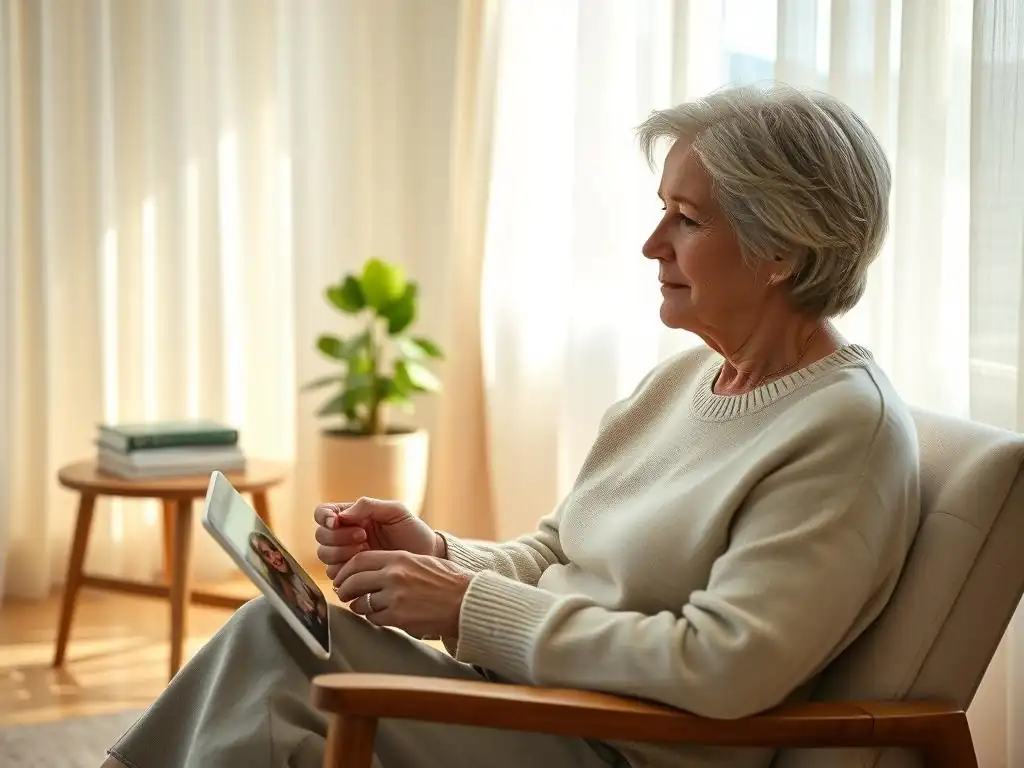
Technology can be a lifeline for seniors who have difficulty leaving home. Simple tools like video calls (e.g., via Skype, FaceTime, Zoom) allow face-to-face interaction with family and friends, bridging geographical distances. Learning to use email or social media platforms (like Facebook groups focused on specific hobbies) can provide daily points of contact and connection. While technology doesn't replace in-person interaction, it can significantly reduce feelings of isolation. Many libraries or community centers offer free basic technology classes specifically tailored for seniors, making it easier for them to learn these new skills and connect with loved ones regularly.
Fostering Intergenerational Relationships: Benefits for Both Seniors and Younger Generations
Connecting seniors with younger generations can be incredibly enriching for both parties. This can happen informally within families or through structured programs like reading buddies at schools, mentorship programs, or volunteer opportunities where seniors interact with youth. Grandchildren spending quality time with grandparents is a classic example.
These relationships provide seniors with a sense of purpose, love, and connection, while younger individuals gain wisdom, historical perspective, and emotional support. Programs that pair seniors with high school students for tutoring or shared activities have shown positive impacts on the well-being of both groups, demonstrating the mutual benefits of such connections in combating isolation.
Therapeutic Interventions for Anxiety in Isolated Older Adults
While rebuilding social connections is primary, therapeutic interventions are often necessary to address the ingrained anxiety symptoms themselves as part of a comprehensive elderly isolation anxiety treatment plan. Therapy can help seniors understand their anxiety, develop coping mechanisms, and gradually feel more comfortable engaging with others.
Cognitive Behavioral Therapy (CBT) for Anxiety Relief
Cognitive Behavioral Therapy (CBT) is a highly effective therapy for anxiety disorders, including isolation-induced anxiety. CBT helps individuals identify and challenge negative thought patterns and beliefs that contribute to their anxiety (e.g., "No one wants to spend time with me," "I'll say something foolish"). By learning to reframe these thoughts and gradually practice new behaviors (like initiating a short conversation or attending a small gathering), seniors can reduce their anxiety responses. A therapist can work with the senior to set small, achievable social goals, making the process less overwhelming and building confidence over time.
Group Therapy and Peer Support for Shared Experiences
Group therapy or peer support groups specifically for older adults can be invaluable. Being in a room with others who share similar experiences of isolation, loss, and anxiety can reduce feelings of shame and provide a sense of solidarity. These groups offer a safe space to talk about fears, learn coping strategies from peers, and practice social skills in a supportive environment. Hearing how others have navigated similar challenges can be incredibly empowering and provide practical ideas for overcoming social barriers. Many community mental health centers or senior organizations offer such groups.
Mindfulness and Relaxation Techniques to Manage Anxiety Symptoms
Mindfulness and relaxation techniques offer practical tools that seniors can use independently to manage acute anxiety symptoms. Simple practices like deep breathing exercises, progressive muscle relaxation, or guided meditation can help calm the nervous system and reduce physical tension associated with anxiety. Mindfulness involves focusing on the present moment without judgment, which can help interrupt cycles of worry about the past or future. Learning these techniques can give seniors a sense of control over their anxiety, making it feel less overwhelming and more manageable.
Medication Options for Severe Anxiety Cases in the Elderly
In some cases, particularly when anxiety is severe and significantly impairing daily functioning, medication may be considered as part of elderly isolation anxiety treatment, often in conjunction with therapy and efforts to increase social connection.
Anti-Anxiety Medications: Benefits and Potential Side Effects
Various anti-anxiety medications are available, but prescribing for older adults requires careful consideration due to age-related changes in metabolism and increased sensitivity to side effects. Selective Serotonin Reuptake Inhibitors (SSRIs), often used for depression, are also effective for anxiety and are generally preferred as a first-line treatment due to a better safety profile in the elderly compared to benzodiazepines. Benzodiazepines, while fast-acting, carry risks of sedation, cognitive impairment, falls, and dependence in older adults and are typically prescribed at the lowest effective dose for short durations only.
The Importance of Medication Management and Monitoring
Given the potential for side effects and interactions with other medications older adults often take, careful medication management and monitoring are essential. This requires close collaboration between the prescribing physician, the senior, and potentially their caregivers. Starting with a low dose and gradually increasing is standard practice. Regular follow-up appointments are needed to assess the medication's effectiveness, monitor for adverse effects, and make adjustments as needed. Polypharmacy (using multiple medications) is common in the elderly, increasing the risk of interactions, making a thorough medication review crucial when starting any new anxiety treatment.
Practical Tips for Family and Caregivers to Support Isolated Seniors
Creating a Supportive and Understanding Environment
Family members and caregivers play a vital role in supporting seniors experiencing isolation-induced anxiety. Creating a supportive environment means being patient, understanding, and non-judgmental about their fears and reluctance to socialize. Avoid dismissing their feelings or forcing them into situations that trigger severe anxiety. Instead, validate their emotions and let them know you are there to help. Simple acts like regular phone calls, visits, or sending cards can make a significant difference in reducing feelings of being forgotten or disconnected.
Encouraging Open Communication and Active Listening
Open communication is key. Encourage the senior to talk about how they are feeling, their worries, and the challenges they face. Practice active listening – pay full attention, show empathy, and reflect on what they've said. Avoid interrupting or offering immediate solutions unless asked. Sometimes, simply feeling heard and understood can alleviate a significant burden of anxiety. Ask open-ended questions about their day, their memories, or their interests to encourage conversation and connection.
Helping Seniors Find Meaningful Activities and Purpose
Helping seniors find activities that give them a sense of purpose and enjoyment can combat both isolation and anxiety. This could involve revisiting old hobbies they stopped doing, exploring new interests, or finding ways to contribute to others. Volunteering, even in a limited capacity (e.g., knitting items for charity, making phone calls to other isolated individuals), can provide a powerful sense of value and connection. Supporting them in pursuing these interests, whether by providing transportation, getting necessary supplies, or simply offering encouragement, is a crucial aspect of support.
Resources and Support Systems for Elderly Isolation Anxiety
Local Senior Centers and Community Organizations
Local senior centers and community organizations are invaluable resources. They often provide a range of services, including social activities, meals, transportation assistance, educational programs, and support groups. These centers can serve as a hub for connection and provide access to other resources. Many offer specific programs aimed at combating loneliness and promoting mental wellness. Contacting the local Area Agency on Aging is often a good starting point to find out what services are available in a specific community.
Mental Health Professionals Specializing in Geriatric Care
Seeking help from mental health professionals is crucial, especially if anxiety symptoms are severe or persistent. Therapists, counselors, or psychiatrists specializing in geriatric mental health have expertise in understanding the unique challenges faced by older adults, including isolation and its impact. They can provide accurate diagnosis, recommend appropriate therapies like CBT, and manage medication if needed. Finding a therapist who is comfortable working with older adults is important for effective treatment.
Online Resources and Support Groups for Seniors and Caregivers
The internet offers a wealth of resources, though careful selection is advised. Websites from reputable organizations (like the National Institute on Aging, AARP, or national mental health associations) provide information on anxiety, isolation, and aging. Online support groups, while not a substitute for professional help, can connect seniors or their caregivers with others facing similar issues, offering a platform for sharing experiences and advice. Caregivers can also find resources specifically tailored to their needs, helping them manage the stress of caring for an isolated senior.
Preventing Isolation and Promoting Mental Well-being in Later Life
Preventing isolation is far easier than treating it. As individuals approach and enter retirement, being proactive about maintaining and building social connections is key. This involves consciously nurturing friendships, joining clubs or groups based on interests (gardening, hiking, art), volunteering, and staying engaged with family. Planning for social activity should be as important as planning for financial security in retirement. For example, retirees might schedule regular coffee dates with former colleagues or make a point to attend community events.
The Importance of Early Intervention and Seeking Help
Recognizing early signs of isolation or anxiety and seeking help promptly can prevent more severe problems down the line. If an older adult or their family notices increased withdrawal, changes in mood, or expressions of loneliness, reaching out to a healthcare provider, a local senior service, or a mental health professional is crucial. Early intervention for elderly isolation anxiety treatment can prevent the condition from becoming chronic and significantly impacting physical and cognitive health. Don't wait for symptoms to become debilitating.
Building a Resilient and Fulfilling Life in Retirement
Building a resilient and fulfilling life in later years involves cultivating a strong sense of purpose, maintaining physical health, and prioritizing social connections. Retirement can be a time of great freedom and opportunity. Encouraging seniors to explore new hobbies, learn new skills, travel (if possible), or engage in meaningful activities like mentoring can provide structure and joy. Focusing on what is gained in retirement – time for passions, family, and community – rather than what is lost (like a job) can foster a positive outlook and build resilience against potential isolation and anxiety.
Conclusion: Empowering Seniors to Overcome Isolation Anxiety and Thrive
Frequently Asked Questions
What are the primary risk factors for elderly isolation anxiety?
Several factors contribute, including loss of loved ones, declining physical health leading to immobility, and reduced social engagement due to retirement or relocation.
How does isolation specifically trigger anxiety in older adults?
Isolation can lead to feelings of loneliness and hopelessness, which exacerbate existing anxieties or trigger new ones by fueling negative thought patterns and reducing feelings of self-worth.
What are some effective non-pharmacological treatments for isolation-induced anxiety in the elderly?
Effective treatments include social activities and support groups, cognitive behavioral therapy (CBT) to challenge negative thoughts, and exercise or mindfulness practices to improve mood.
How can family members and caregivers play a role in alleviating anxiety caused by isolation?
Family and caregivers can actively engage with the elderly individual through regular visits and phone calls, facilitate participation in social activities, and ensure access to necessary resources and support systems.
When should professional mental health intervention be sought for elderly isolation anxiety?
Professional help is needed when anxiety symptoms are severe or persistent, significantly impairing daily functioning, or if the individual expresses suicidal thoughts or feelings.
Final Reflection: Weaving a Tapestry of Connection Against Isolation
The pervasive loneliness experienced by many elderly individuals is not merely a symptom of aging; it's a critical public health crisis demanding immediate and sustained attention. The rising rates of anxiety and depression directly linked to social isolation underscore the urgent need for innovative and compassionate solutions, as discussed throughout this article. We've explored various strategies, from technological interventions to community-based support programs, all aimed at fostering meaningful connections and combating the debilitating effects of loneliness.
The impact of social connection, or lack thereof, on the mental well-being of the elderly is profound and far-reaching. It shapes not only their individual experiences but also the fabric of our communities. The elderly are the keepers of our collective history and wisdom, and their isolation represents a loss for us all. As the renowned psychologist Abraham Maslow stated, What a man can be, he must be. This need we may call self-actualization… It refers to the person's desire for self-fulfillment, namely, to the tendency for him to become actualized in what he is potentially.
Loneliness prevents this self-actualization, hindering their ability to contribute and thrive. This is a loss we can, and must, actively prevent.
Consider the power you hold to make a difference. Reach out to an elderly neighbor, volunteer at a senior center, or simply offer a listening ear to someone who feels unseen. Every act of connection, no matter how small, contributes to a larger tapestry of support and understanding. Let us move beyond acknowledging the problem of elderly isolation and actively participate in weaving a richer, more connected future for our elders – a future where loneliness is not the inevitable companion of age, but a challenge overcome through empathy, action, and the enduring power of human connection.
Unleash Your Inner Connector: Bridge the Gap with Seniors
Thanks for taking the time to learn about combating isolation-induced anxiety in the elderly. You've gained valuable insights into a crucial issue, and now it's time to turn knowledge into action! We hope this information empowers you to make a real difference.
- Reach out: Make a phone call or send a handwritten note to an older adult you know this week. A simple gesture can have a profound impact.
- Spread the word: Share this article with friends, family, or on your social media – let's raise awareness together.
- Explore local resources: Discover senior centers or volunteer opportunities in your community where you can offer support and companionship.
Ready to make a connection that matters? What small act of kindness can you commit to today to fight senior isolation?