
Mood Disorders
Mood disorders affect how you feel, think, and handle daily life—ranging from persistent sadness to extreme highs and lows. At Mind Care Guide, we explore the full spectrum, including depression across all ages (from children to older adults), bipolar disorder variants, and lesser-known forms like atypical, melancholic, and seasonal affective disorder. Discover practical insights on therapy options, medication, lifestyle changes, and the impact of social media, while learning to break the stigma surrounding these conditions. Whether you’re seeking symptom clarity, treatment guidance, or coping strategies, our expert-backed resources empower you to take charge of your mental well-being.
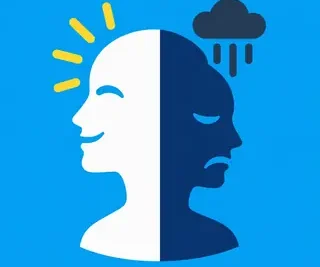 Bipolar II Disorder - Hypomania and Depression
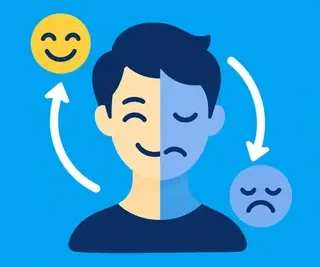 Cyclothymic Disorder - Living with Mood Swings
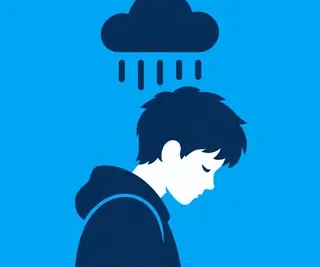 Depression in Adolescents - Recognizing Signs
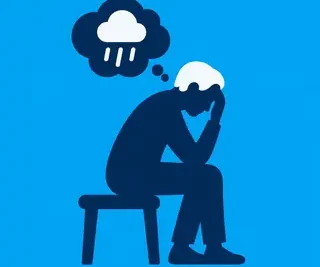 Depression in Older Adults - Addressing Late-Life Depression
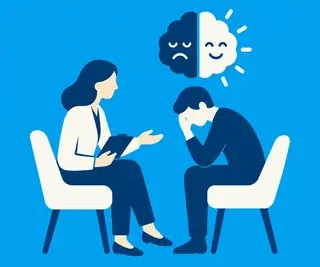 Therapy for Mood Disorders - Types and Benefits
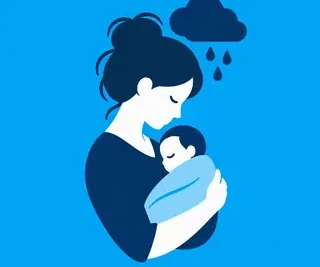 Postpartum Depression - Support for New Mothers
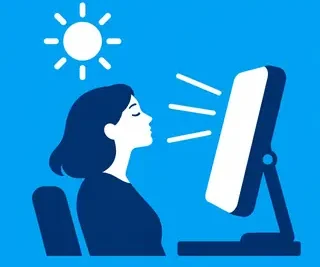 Seasonal Affective Disorder (SAD) - Light Therapy and More
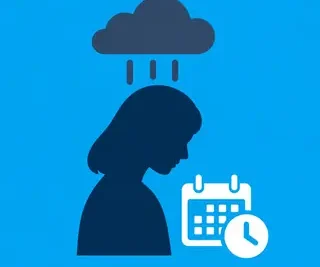 Persistent Depressive Disorder (Dysthymia) - Long-Term Management
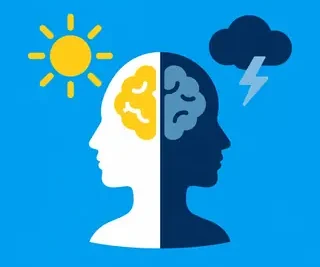 Bipolar I Disorder - Managing Manic Episodes
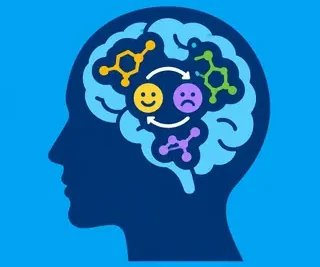 Neuropsychology of Mood Disorders - Brain Chemistry
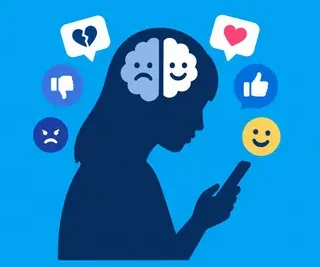 Mood Disorders and Social Media - Impact of Online Life
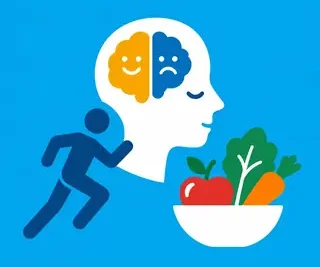 Lifestyle Changes for Mood Disorders - Exercise and Diet
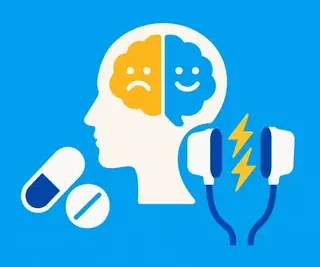 Psychiatric Treatments for Mood Disorders - Medications and ECT
 Melancholic Depression - Severe Depression Type
 Stigma of Mood Disorders - Breaking Down Barriers
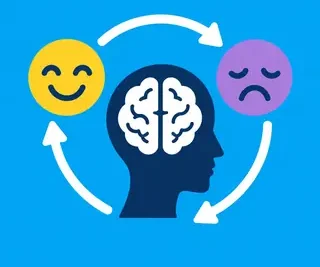 Rapid Cycling Bipolar Disorder - Managing Mood Swings
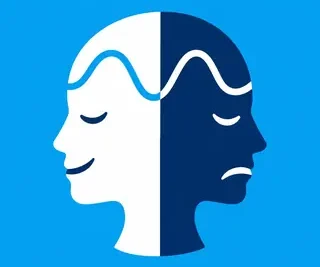 Bipolar Disorder - Understanding the Spectrum
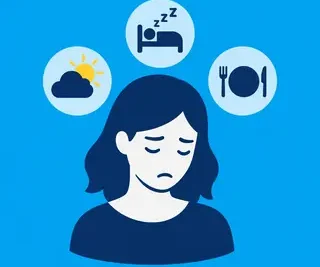 Atypical Depression - Unique Symptoms and Treatment
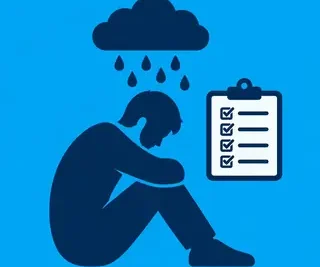 Major Depressive Disorder (MDD) - Symptoms and Diagnosis
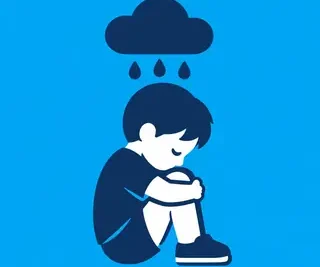 Depression in Children - Early Onset Depression
Understanding Mood Disorders: Your Path to Wellness
Welcome to the Mind Care Guide’s comprehensive hub on Mood Disorders, a complex group of conditions that affect millions worldwide, including Major Depressive Disorder, Bipolar Disorder, and persistent forms like Dysthymia. Here, you’ll find evidence-based guidance on symptoms, treatments, and daily coping strategies. Our goal is to empower you with knowledge to recognize early warning signs, seek effective psychiatric care, and break the cycle of stigma. Explore our subcategories below to access targeted resources for every age and disorder type.
🧠 Depression in Children - Early Onset Depression
Early-onset depression in children is often mistaken for normal moodiness, but persistent irritability, low energy, or school avoidance signal a deeper issue. This subcategory helps parents and educators identify warning signs like social withdrawal or appetite changes. We explain developmental differences in symptom presentation and emphasize that childhood depression is treatable with family therapy, cognitive behavioral therapy (CBT), and age-appropriate interventions. Early detection dramatically improves long-term outcomes.
🩺 Major Depressive Disorder (MDD) - Symptoms and Diagnosis
MDD is more than feeling sad; it’s a debilitating condition marked by two or more weeks of pervasive low mood, loss of interest, and physical symptoms like fatigue or insomnia. Here, we break down the official DSM-5 diagnostic criteria to help you understand what clinicians look for, including subjective vs. objective symptoms. You’ll learn about the importance of ruling out medical causes, such as thyroid disorders, and the role of a thorough psychiatric assessment for accurate diagnosis and treatment planning.
🌟 Atypical Depression - Unique Symptoms and Treatment
Atypical depression features mood reactivity—meaning you can feel better with positive events—alongside weight gain, heavy limbs, and rejection sensitivity. Unlike classic depression, this subtype often responds exceptionally well to MAOIs or modafinil rather than standard SSRIs. This subcategory clarifies the diagnostic nuances, helps you differentiate atypical from melancholic forms, and discusses lifestyle modifications that stabilize energy and appetite, offering hope for those who haven’t found relief with first-line antidepressants.
🎢 Bipolar Disorder - Understanding the Spectrum
Bipolar disorder is a spectrum ranging from severe manic episodes (Bipolar I) to milder hypomania (Bipolar II) and cyclothymic patterns. We demystify the interplay of manic, hypomanic, and depressive phases, explaining how mood episodes disrupt sleep, judgment, and relationships. Learn to track your own cycles, recognize precipitating stressors, and understand why mood stabilizers like lithium remain gold-standard. This section is your foundation for mastering the entire bipolar landscape.
⚡ Rapid Cycling Bipolar Disorder - Managing Mood Swings
Rapid cycling, defined as four or more mood episodes within a year, presents unique challenges. We explore triggers like antidepressant use, thyroid issues, and sleep disruption, alongside advanced management strategies. This subcategory offers practical advice on mood charting, medication adjustments with your psychiatrist, and dialectical behavior therapy (DBT) techniques to cope with intense emotional swings. Stability is achievable with a tailored approach that includes strict sleep hygiene and stress reduction.
💪 Stigma of Mood Disorders - Breaking Down Barriers
Stigma remains the biggest obstacle to seeking help for mood disorders, causing shame, isolation, and delayed treatment. We tackle internalized and societal stigma, offering scripts for talking to loved ones and coworkers about your condition. Highlighting celebrity advocates and public health campaigns, this subcategory empowers you to challenge harmful myths and foster an open dialogue. Remember: mood disorders are medical conditions, not personal failures—and speaking up saves lives.
🌑 Melancholic Depression - Severe Depression Type
Melancholic depression is a severe subtype characterized by anhedonia (inability to feel pleasure), psychomotor retardation, early-morning awakening, and profound guilt. It often follows a chronic course and shows strong biological underpinnings. Here, we emphasize that ECT or TMS can be life-saving for melancholic depression, especially when medication fails. You’ll also find guidance on inpatient vs. outpatient care and why this subtype demands aggressive, multifaceted treatment protocols.
💊 Psychiatric Treatments for Mood Disorders - Medications and ECT
From SSRIs and SNRIs to mood stabilizers, antipsychotics, and monoamine oxidase inhibitors, we explain the science behind each class and their side-effect profiles. For treatment-resistant cases, we cover Electroconvulsive Therapy (ECT), transcranial magnetic stimulation (TMS), and ketamine infusion—explaining procedure expectations and success rates. This subcategory also discusses combination strategies, personalized medicine through genetic testing, and the importance of regular monitoring for optimal outcomes.
🥗 Lifestyle Changes for Mood Disorders - Exercise and Diet
Nutrition and physical activity directly influence neurotransmitter function, inflammation, and circadian rhythms. We provide evidence-backed recommendations for omega-3 fatty acids, vitamin D, folate, and probiotics, alongside a balanced diet rich in whole foods. Exercise, especially aerobic and resistance training, has been shown to rival some antidepressants for mild-to-moderate depression. You’ll learn to create sustainable routines that complement—not replace—professional treatment.
📱 Mood Disorders and Social Media - Impact of Online Life
Constant social media exposure can worsen mood disorders through social comparison, cyberbullying, and disrupted sleep. However, online support communities and teletherapy offer invaluable help. We dissect the dual-edged nature of digital life, including doomscrolling vs. therapeutic content, and set boundaries for screen time, app use, and triggering content. You’ll find a guided digital detox plan and how to curate a feed that fosters mental wellness.
🔬 Neuropsychology of Mood Disorders - Brain Chemistry
Dive into the neuroscience behind mood disorders, exploring imbalance in serotonin, dopamine, norepinephrine, and GABA, as well as structural changes in the hippocampus and prefrontal cortex. We explain how chronic stress induces neuroplasticity changes and why early intervention can reverse some damage. This subcategory covers imaging findings (fMRI, PET) and the role of genetics, equipping you with a deep understanding of why your brain behaves the way it does—and how treatments target these pathways.
🔥 Bipolar I Disorder - Managing Manic Episodes
Bipolar I is defined by full-blown manic episodes lasting at least seven days, often requiring hospitalization. Here, we outline signs of hypomania escalating to mania, such as grandiosity, decreased need for sleep, and risky behaviors. Management focuses on mood stabilizers like lithium or valproate, antipsychotics, and creating a 'crisis plan' for family members. We emphasize early cue recognition to prevent full manic episodes and preserve relationships.
🌦️ Persistent Depressive Disorder (Dysthymia) - Long-Term Management
Dysthymia presents a chronic low mood for at least two years, often accompanied by low self-esteem and hopelessness, but with less severity than MDD. Despite its milder nature, it profoundly affects functioning and quality of life. This subcategory introduces long-term psychotherapy, particularly CBT and psychodynamic therapy, alongside often-needed antidepressants. You’ll learn to combat the 'just live with it' mindset and build a sustained relapse prevention plan.
☀️ Seasonal Affective Disorder (SAD) - Light Therapy and More
SAD is typically triggered by reduced daylight in fall and winter, causing hypersomnia, carbohydrate cravings, and lack of energy. We cover light therapy (10,000 lux), dawn simulators, and vitamin D supplementation, plus combinations of CBT that have proven superior to medication alone for relapse prevention. Learn to anticipate onset, adjust your environment, and consider indoor exercise routines to keep the blues at bay all season.
🤱 Postpartum Depression - Support for New Mothers
Postpartum depression (PPD) affects roughly 1 in 7 mothers, appearing weeks after childbirth with severe sadness, anxiety, and thoughts of harming oneself or the infant. This subcategory validates your experience, distinguishing baby blues from PPD, and outlines evidence-based treatments: psychotherapy, SSRIs, and hormonal adjustments. We also address partner support, sleep strategies for new parents, and how to access specialized maternal mental health clinics.
🛋️ Therapy for Mood Disorders - Types and Benefits
Psychotherapy is a cornerstone of mood disorder treatment, offering cognitive behavioral therapy (CBT), interpersonal therapy (IPT), acceptance and commitment therapy (ACT), and psychodynamic approaches. We compare effectiveness, duration, and costs to help you choose the right fit. Group therapy and online therapy platforms are also explored for accessibility. Learn how therapy teaches coping skills, challenges cognitive distortions, and helps rewire neural pathways—often enhancing the efficacy of medication.
👵 Depression in Older Adults - Addressing Late-Life Depression
Late-life depression is frequently misattributed to aging, leading to underdiagnosis and increased morbidity. Symptoms like memory complaints, physical pain, and social withdrawal differ from younger adults. This subcategory highlights the importance of collaborative care that combines primary physicians and geriatric psychiatrists, focusing on medical comorbidity, polypharmacy, and cognitive screening. We also discuss adaptations of CBT and problem-solving therapy for seniors.
🧑🎓 Depression in Adolescents - Recognizing Signs
Teen depression manifests as irritability, academic decline, substance use, and social withdrawal rather than classic sadness. Parents and teachers need a sharp eye for behavioral changes and warning signs of self-harm or suicide. We cover screening tools like the PHQ-A and emphasize family-based interventions, school accommodations, and confidentiality issues in therapy. Building an open line of communication is key to early intervention and recovery.
🌀 Cyclothymic Disorder - Living with Mood Swings
Cyclothymia is a milder but chronic alternation between hypomanic and depressive symptoms for at least two years, yet never meeting full criteria for major depressive or manic episodes. People often struggle for decades without a diagnosis. Here, we detail mood tracking techniques, stress management, and the role of low-dose mood stabilizers. You’ll also learn how cyclothymia can be a precursor to bipolar II, underscoring proactive treatment.
🌗 Bipolar II Disorder - Hypomania and Depression
Bipolar II is defined by hypomanic episodes—elevated energy and irritability lasting at least four days, but without psychosis—and recurrent major depressive episodes. Hypomania can feel productive, but it disrupts rest and leads to crash. This subcategory clarifies the differential diagnosis from MDD and bipolar I, and explains why antidepressants alone can worsen cycling. Treatment emphasizes mood stabilizers (lamotrigine, quetiapine) and targeted psychotherapy.
❓ Frequently Asked Questions
What is the difference between Bipolar I and Bipolar II?
Bipolar I involves at least one full manic episode (lasting seven days or requiring hospitalization) and usually depression, while Bipolar II requires only hypomanic episodes (lasting at least four days, less severe) and major depressive episodes. Mania in Bipolar I impairs functioning significantly more than hypomania, which can feel almost pleasant.
Can mood disorders be cured permanently?
Mood disorders are not typically 'cured' but are highly manageable. With a combination of medication, therapy, lifestyle changes, and social support, many achieve long-term remission. Ongoing maintenance care reduces relapse rates. Think of it like diabetes—a chronic condition you manage daily, not a one-time illness.
Does light therapy work for all types of depression?
Light therapy is most effective for Seasonal Affective Disorder (SAD) and mild-to-moderate non-seasonal depression, ideally as an adjunct to other treatments. It has limited evidence for severe melancholic depression. Always consult your psychiatrist before starting light therapy, especially if you have bipolar disorder, as it may trigger hypomania.
What should I do if I suspect my teenager is depressed?
Start a non-judgmental conversation, express concern without accusation, and encourage regular sleep and activity. Schedule an appointment with a pediatrician or child psychiatrist for a formal screening. Avoid minimizing their feelings. If you notice self-harm or suicidal thoughts, seek emergency help immediately—do not wait.
Is ECT safe for treating severe depression?
Yes, modern ECT is safe and well-tolerated, performed under general anesthesia with muscle relaxants. The most common side effect is short-term memory loss around the treatment period, which usually resolves within weeks. It’s considered highly effective for melancholic, psychotic, and treatment-resistant depression, often showing results after a few sessions.