Finding Balance: Lifestyle Adjustments for Cyclothymic Disorder
🌟 Discover essential Cyclothymic disorder lifestyle adjustments that can help manage mood swings and promote stability. This guide offers practical strategies and…
Read article

Living with cyclothymic disorder means navigating the subtle yet impactful waves of emotional highs and lows that can disrupt daily life, relationships, and self-esteem. Unlike the more severe swings of bipolar disorder, these mood shifts are chronic and persistent, often mistaken for personality traits or stress. On Mind Care Guide, we break down the reality of this condition—helping you recognize the signs, distinguish it from normal moodiness, and understand why early recognition matters. From practical coping strategies to lifestyle adjustments and professional support options, this resource empowers you to regain a sense of stability and self-compassion. Whether you’re newly diagnosed, supporting a loved one, or simply seeking clarity, our guidance focuses on turning unpredictable moods into manageable, everyday living. You are not alone—and with the right tools, life’s rhythm can feel steadier.

🌟 Discover essential Cyclothymic disorder lifestyle adjustments that can help manage mood swings and promote stability. This guide offers practical strategies and…
Read article
🌟 Discover effective cyclothymic disorder recovery strategies to build resilience and navigate emotional fluctuations. This comprehensive guide offers vital insights, support, and…
Read article
🌟 Discover essential Cyclothymia support resources in our comprehensive guide, empowering you with practical tools, community connections, and expert advice to help…
Read article
🩺 Engaging in an open conversation with your doctor is crucial for a accurate Cyclothymia diagnosis. Learn how to effectively communicate your…
Read article
🌟 Navigating daily life with cyclothymia can be challenging, but understanding effective cyclothymia daily living strategies empowers individuals to manage mood swings…
Read article
🌟 Discover how cyclothymia relationships intimacy challenges can impact your emotional connections. Learn strategies to navigate mood fluctuations, foster understanding, and strengthen…
Read article
🌟 Discover the hidden struggles of those living with undiagnosed cyclothymia. This article explores the importance of understanding cyclothymia diagnosis and treatment…
Read article
🌟 Recognizing cyclothymia early diagnosis symptoms is crucial for effective management. This guide highlights key signs and helps you identify mood fluctuations…
Read article
🌟 Discover essential strategies for supporting loved ones with cyclothymia, including practical tips and resources. This guide offers compassionate advice to help…
Read article
🌟 Discover effective cyclothymic mood disorder coping strategies to navigate emotional fluctuations. This guide offers practical tools and insights to help you…
Read article
🌟 Discover effective cyclothymic disorder treatment options that can help you achieve stability. This comprehensive guide explores therapies, medication, and lifestyle strategies…
Read article
🌟 Discover the truth behind cyclothymic disorder and explore effective treatment options. This comprehensive guide aims to dispel myths, provide clarity, and…
Read articleCyclothymic disorder, often described as a milder but chronic form of bipolar disorder, involves frequent shifts between hypomanic and depressive symptoms that can significantly impact daily life. Unlike full-blown bipolar I or II, these mood swings are less severe but persist for years, making them challenging to recognize and manage. On Mind Care Guide, our subcategory on Cyclothymic Disorder – Living with Mood Swings offers practical, evidence-based strategies to help you stabilize your emotions, build resilience, and thrive despite the unpredictability. Here, you’ll find actionable advice, personal insights, and professional guidance tailored specifically to the nuances of cyclothymia.
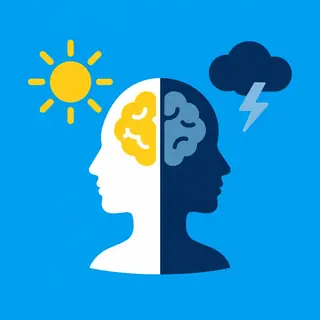
Understanding the subtle differences between your high and low phases is the first step toward effective management. Hypomanic episodes in cyclothymia often feel productive and energetic—you might sleep less, talk faster, or start multiple projects—but they can also lead to impulsive decisions. Conversely, depressive phases may bring low energy, irritability, or a sense of hopelessness that doesn’t meet the threshold for major depression. By tracking your mood patterns with a daily journal or a mood-tracking app, you can identify personal triggers and early warning signs. This awareness empowers you to intervene early, reducing the intensity and duration of each swing. Mind Care Guide provides downloadable mood charts and checklists to simplify this tracking process, making self-monitoring a manageable habit.
Many people with cyclothymia feel that their symptoms are “not bad enough” to warrant help, but chronic instability still erodes relationships, work performance, and self-esteem. Learning to label your experiences accurately—using terms like “hypomanic” and “dysthymic” rather than vague “good” or “bad” days—helps you communicate effectively with healthcare providers. In this section, we break down diagnostic criteria in plain language, including how cyclothymia differs from bipolar disorder and major depressive disorder. You’ll also find real-life anecdotes from individuals who’ve learned to distinguish between a healthy burst of creativity and a concerning hypomanic episode, giving you relatable benchmarks for your own experience.
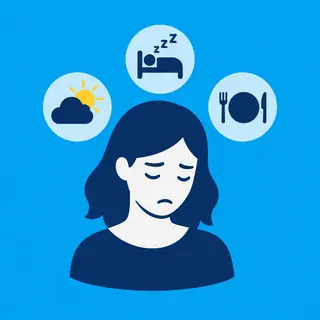
Treatment for cyclothymic disorder typically combines psychotherapy, medication, and lifestyle adjustments, though the approach is often more conservative than for bipolar disorder. Cognitive-behavioral therapy (CBT) is particularly effective in helping you challenge distorted thoughts that fuel mood swings, while interpersonal therapy addresses relationship stressors that can trigger episodes. In some cases, mood stabilizers like lamotrigine or low-dose antidepressants are prescribed, but always under close medical supervision due to the risk of inducing hypomania. This subcategory provides an overview of these options, including what to expect in terms of efficacy and side effects, so you can have informed conversations with your psychiatrist. Mind Care Guide also emphasizes the importance of a consistent daily routine—regular sleep, meals, and exercise—as a foundational non-pharmacological strategy that stabilizes circadian rhythms.
Beyond clinical treatments, many people benefit from mindfulness-based stress reduction (MBSR) and dialectical behavior therapy (DBT) skills, such as distress tolerance and emotion regulation. These approaches teach you to ride out intense feelings without acting on them, which is crucial during hypomanic surges. In this section, we offer step-by-step guides for these techniques, including breathing exercises, grounding methods, and “urge surfing” for impulsive thoughts. You’ll also learn about the importance of psychoeducation for family members, as involving loved ones in your treatment plan can reduce conflict and improve adherence. Whether you’re newly diagnosed or seeking to refine your current strategy, this content equips you with a comprehensive toolkit to manage cyclothymia proactively.
Living with cyclothymia means unpredictable shifts, but daily habits can significantly smooth the peaks and valleys. One of the most powerful strategies is behavioral activation—scheduling pleasurable and meaningful activities even when you’re low, which counteracts the pull of isolation. Conversely, during hypomanic phases, you’ll benefit from “energy budgeting,” where you allocate your extra drive to structured tasks rather than scattered projects. Sleep hygiene is non-negotiable: even one late night can trigger a cycle, so aim for 7–9 hours at consistent times. This subcategory offers printable daily planners that integrate mood tracking, activity scheduling, and sleep logs, helping you build a predictable framework around your chaos. You’ll also discover the role of social rhythms—eating meals at fixed times and maintaining regular social contact—which research shows stabilizes mood in bipolar spectrum disorders.
In addition to structure, self-compassion is a vital coping tool. Many individuals with cyclothymia berate themselves for erratic behavior, which worsens depressive dips. We provide guided self-compassion exercises and scripts for positive self-talk during low phases, as well as strategies to avoid overcommitment during highs. Another practical tip is creating a “crisis kit” containing calming items, contact numbers for your therapist, and a list of grounding affirmations. Whether you’re at work, home, or social gatherings, you’ll learn to identify early signs of an impending shift and implement quick de-escalation techniques, such as paced breathing or a brisk walk. By integrating these daily practices, you can reduce the disruptive impact of mood swings and increase your sense of control.
Living well with cyclothymia isn’t just about surviving episodes—it’s about thriving in the long term. Building resilience involves accepting that mood swings are part of your life, rather than fighting them, and developing a flexible mindset that adapts to changing energy levels. This section focuses on strengths-based approaches: identifying how your hypomanic traits might enhance creativity, leadership, or problem-solving, while establishing guardrails to prevent negative consequences. You’ll also learn about the importance of a strong support network, including support groups (both online and in-person) specifically for cyclothymia and bipolar spectrum disorders. Sharing experiences with others who “get it” reduces shame and provides practical tips you won’t find in textbooks. Mind Care Guide curates a list of reputable forums, local meetups, and peer support hotlines, alongside guidance on how to educate friends and colleagues without overexposing your vulnerabilities.
Resilience also comes from setting realistic goals and celebrating small wins. For example, you might track months without a severe episode, or notice improved relationships due to better communication about your condition. This subcategory includes worksheets for defining personal values and aligning your actions with them, even during mood shifts. We also discuss the role of physical health—regular cardiovascular exercise, balanced nutrition, and limiting caffeine and alcohol—which directly influence mood stability. By viewing cyclothymia as a manageable condition rather than a lifelong sentence, you can cultivate a proactive, hopeful attitude. Our resources include testimonials from long-term managers of cyclothymia who share their “secrets” for maintaining careers, families, and hobbies, proving that a fulfilling life is absolutely possible.
Mood swings inevitably affect those around you, so learning to navigate relationships with partners, family, and coworkers is essential. This section provides communication templates for explaining cyclothymia without dramatizing it, as well as strategies for setting boundaries during hypomanic episodes when you might overshare or make unrealistic promises. You’ll also learn how to negotiate accommodations at work, such as flexible hours or reducing distractions during low-energy periods, using validated disability frameworks. For romantic relationships, we cover how to involve your partner in your care plan without making them your therapist, and we address common challenges like intimacy, decision-making, and financial impulsivity. Mind Care Guide offers role-playing scenarios and scripts to practice these conversations, ensuring you feel prepared when emotions run high.
Daily life also includes practical concerns like driving safety during hypomania, managing medication costs, and planning for sick days. We provide budget-friendly tips for accessing therapy, including sliding-scale clinics and online platforms, as well as guidance on disability benefits if your symptoms significantly impair functioning. Additionally, you’ll find advice on traveling with cyclothymia—how to maintain routines, pack essential medications, and handle jet lag-induced swings. This comprehensive approach ensures you’re not just managing symptoms in isolation but actively designing a life that accommodates your unique mental health profile. Whether you’re a student, professional, or caregiver, these insights help you advocate for your needs while minimizing disruption to your goals and relationships.
No, cyclothymic disorder is a milder but chronic form of bipolar disorder. It involves hypomanic and depressive symptoms that don’t meet the full criteria for hypomanic or major depressive episodes. However, without treatment, it can progress to bipolar I or II in some people, so early management is crucial.
There is no cure, but it is highly manageable. With a combination of therapy, medication (if needed), and strict lifestyle routines, many people achieve long-term stability. Treatment aims to reduce episode frequency and severity, not eliminate all mood fluctuations.
Start by educating yourself about the condition and finding a psychiatrist experienced in mood disorders. Begin mood tracking, establish a regular sleep-wake schedule, and consider therapy, particularly CBT. Also, inform close family or friends about your diagnosis to build a support system.
While no diet cures cyclothymia, omega-3 fatty acids, magnesium, and vitamin D may support brain health. Avoid high sugar and caffeine triggers. Always consult your doctor before adding supplements, as they can interact with mood stabilizers.
Focus on functional needs, not diagnoses. Say you have a chronic mood condition that sometimes affects energy or focus, and request specific accommodations like flexible hours or breaks. You can provide a doctor’s note if needed. Under the ADA, reasonable accommodations are legally protected.