The Bipolar Brain: Insights from Neuroscience
🌟 Discover how neuroscience reveals the intricacies of bipolar disorder brain function, shedding light on mental health challenges and paving the way…
Read article

Bipolar disorder is far more than simple mood swings—it’s a complex, lifelong condition that exists on a spectrum of emotional extremes, from intense manic highs to profound depressive lows. Understanding this spectrum is the first step toward effective management, reduced stigma, and a more balanced life. Whether you’re newly diagnosed, supporting a loved one, or simply seeking clarity, this guide shines a light on the types of bipolar disorder, early warning signs, and practical coping strategies. Knowledge is power, and with the right tools, you can navigate the ups and downs with greater confidence and resilience. Let’s explore how to recognize the patterns, seek proper care, and build a supportive routine that honors both the challenges and the strengths that come with this condition.
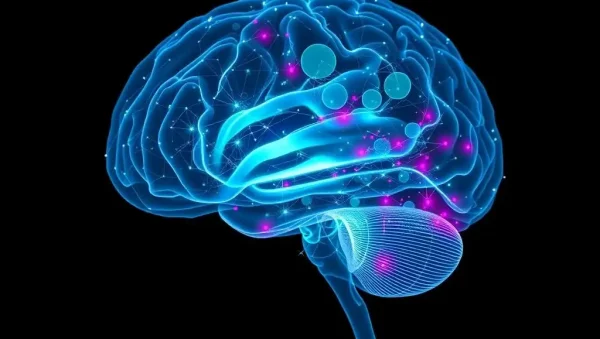
🌟 Discover how neuroscience reveals the intricacies of bipolar disorder brain function, shedding light on mental health challenges and paving the way…
Read article
🌟 Explore groundbreaking bipolar treatment research innovations shaping the future of mental health care, offering hope through advanced therapies, personalized approaches, and…
Read article
🌟 Navigating bipolar insurance treatment costs can be daunting, but understanding your coverage options and available resources is crucial for comprehensive mental…
Read article
🌟 Discover essential strategies to overcome bipolar disorder communication challenges and enhance your interactions. This guide offers practical tips and resources to…
Read article
🌟 Discover how Bipolar disorder resilience strategies help individuals thrive despite challenges. This guide offers essential insights, practical tips, and empowering resources…
Read article
🧠 Discover how bipolar disorder can impact cognitive functions, especially memory, focus, and executive skills. Learn about strategies to manage bipolar disorder…
Read article
🌟 Navigating bipolar relationships can be challenging, but effective communication strategies are essential. This guide offers insights and practical tips to strengthen…
Read article
🌟 Navigating bipolar disorder mixed episodes can be overwhelming, as individuals experience mania and depression simultaneously. Understanding these complex symptoms is crucial…
Read article
🌟 Recognizing mania is crucial for effective bipolar disorder treatment. Understanding mania symptoms bipolar disorder treatment can improve early intervention, helping individuals…
Read article
🌟 Recognizing hypomania symptoms early detection is crucial for managing Bipolar II effectively. This guide highlights subtle signs of hypomania, empowering individuals…
Read article
🌟 Discover essential insights into bipolar disorder in older adults, including key symptoms and challenges. Our comprehensive guide helps you understand bipolar…
Read article
🌟 Supporting a bipolar disorder family member can be challenging, but understanding their condition and offering compassionate care fosters stability and hope.…
Read articleWelcome to Mind Care Guide’s dedicated resource on Bipolar Disorder – Understanding the Spectrum. This subcategory is designed to demystify the complexities of bipolar disorder, moving beyond outdated stereotypes to explore the full range of mood states—from depressive lows to manic or hypomanic highs. Here, you’ll find evidence-based explanations, practical coping strategies, and compassionate guidance for individuals, families, and caregivers navigating this lifelong condition. Our goal is to empower you with accurate knowledge, reduce stigma, and foster a supportive environment where recovery and stability are achievable.
Bipolar disorder is not a single illness but a spectrum that includes Bipolar I, Bipolar II, Cyclothymic Disorder, and other specified/unspecified types. Each variant differs in the severity, duration, and pattern of mood episodes. In this section, we break down these diagnostic categories using the DSM-5 criteria in plain language. You’ll learn how hypomania differs from full mania, why depressive episodes can dominate, and how mixed states—where depression and mania co-occur—present unique challenges. Understanding this spectrum helps you recognize early warning signs, seek appropriate treatment, and tailor lifestyle adjustments to your specific subtype.
We also explore the genetic and neurobiological underpinnings, emphasizing that bipolar disorder is a medical condition, not a character flaw. By examining the role of circadian rhythm disruption, neurotransmitter imbalances, and stress triggers, you’ll gain a holistic view of why episodes occur. This knowledge is crucial for reducing self-blame and building an effective partnership with mental health professionals. Expect actionable insights on mood tracking, episode documentation, and how to communicate your experience to clinicians for precise diagnosis and personalized care.
Depressive episodes in bipolar disorder often last longer and are more frequent than manic ones, yet they receive less public attention. This section focuses on the profound sadness, anhedonia, fatigue, and cognitive fog that define bipolar depression. We’ll help you distinguish between unipolar depression and bipolar depression—a critical distinction because antidepressants alone can trigger mania. Discover evidence-based approaches including cognitive behavioral therapy (CBT), interpersonal and social rhythm therapy (IPSRT), and lifestyle interventions like bright light therapy and regular sleep-wake cycles.
Practical crisis planning is also a cornerstone here. You’ll learn how to create a safety plan, recognize when self-harm or suicidal thoughts require emergency intervention, and build a support network that understands your needs without judgment. We share stories of resilience and practical tips for family members on how to provide supportive validation while maintaining healthy boundaries. By addressing the "low" with as much rigor as the highs, you can prevent the devastating consequences of untreated bipolar depression and improve your quality of life.
Mania and hypomania are more than elevated mood; they involve increased energy, reduced need for sleep, racing thoughts, impulsivity, and sometimes psychosis. In this section, we break down the differences: mania impairs functioning and often requires hospitalization, while hypomania may feel "productive" but still leads to risky decisions. You’ll learn how to identify early prodromal symptoms—like reduced sleep or increased goal-directed activity—before a full episode peaks. We discuss the dangers of overspending, substance misuse, reckless driving, and relationship damage, emphasizing that early intervention is key.
Managing the highs involves medication stabilization (mood stabilizers, atypical antipsychotics), psychotherapy, and strict sleep hygiene. We provide a detailed guide on creating a "mania action plan" with your clinician, including how to use family members as early-warning detectors. Additionally, we debunk the myth that mania is "creative brilliance"—while some may feel euphoric, the aftermath is often self-harm and regret. Through realistic examples and expert advice, you’ll learn to embrace stability without fearing a loss of spontaneity.
Mixed states—where depressive and manic symptoms occur simultaneously—are among the most distressing and dangerous phases of bipolar disorder. You may feel agitated, hopeless, and restless, with heightened suicide risk. Similarly, rapid cycling (four or more episodes per year) affects nearly 20% of patients and demands specialized treatment. This section explains how to spot these patterns, why they often go misdiagnosed, and what treatment adjustments work best, such as lithium, lamotrigine, or newer antipsychotics. We also address how thyroid dysfunction and medication non-adherence can trigger rapid cycling.
Practical coping strategies include keeping a detailed mood diary with sleep, energy, irritability, and suicidal ideation ratings. You’ll learn about the importance of minimizing caffeine and alcohol, scheduling regular meals, and using grounding techniques during agitated depression. For partners, we offer communication scripts to de-escalate conflict without invalidating the person’s experience. By mastering the nuances of mixed and rapid-cycling presentations, you can work with your psychiatric team to break the cycle and restore a more predictable baseline.
Long-term management is a marathon, not a sprint. In this section, we outline the full toolkit: pharmacotherapy (mood stabilizers, antipsychotics, antidepressants under careful supervision), psychotherapy (CBT, IPSRT, family-focused therapy), and electroconvulsive therapy (ECT) for treatment-resistant cases. But medication alone is insufficient. We emphasize psychoeducation—understanding your condition deeply—and lifestyle medicine: consistent sleep, regular exercise, omega-3 fatty acids, and stress reduction. You’ll find step-by-step guides for building a daily routine that anchors your circadian rhythms, and how to use apps for mood tracking and medication reminders.
Additionally, we explore complementary approaches like mindfulness, yoga, and peer support groups (e.g., DBSA, NAMI). We provide templates for speaking with your employer or school about reasonable accommodations, and how to involve loved ones in relapse prevention planning. Real-world case studies illustrate how individuals achieve long-term remission, not just symptom control. Our aim is to equip you with resilience tools so that bipolar disorder becomes a manageable part of your story, not the defining chapter.
Bipolar disorder affects not just the individual but their entire support network. This section addresses the emotional toll on partners, parents, siblings, and friends—including caregiver burnout and secondary trauma. We provide evidence-based communication techniques (e.g., "I" statements, active listening, setting firm boundaries) and explain family-focused therapy. You’ll navigate the complex feelings of guilt, anger, and hopelessness that often arise, while learning how to separate the person from the illness. We also discuss the critical role of trust rebuilding after manic episodes have caused relational damage.
Stigma remains a huge barrier to seeking help, especially in minority and male populations. We debunk common myths, such as "bipolar is caused by bad parenting" or "people with bipolar cannot hold jobs." Through powerful testimonials, we show how disclosure at work, in friendships, or in romantic relationships can be managed strategically—who to tell, when, and how much. This section also covers legal rights under the Americans with Disabilities Act (ADA) and mental health parity laws, empowering you to advocate for yourself without fear of discrimination.
Bipolar I involves at least one full manic episode, which lasts at least one week or requires hospitalization, often with psychotic features. Bipolar II involves hypomanic episodes (less severe, lasting at least 4 days) and major depressive episodes, but never full mania. Correct diagnosis matters because treatment strategies differ—antidepressants may worsen rapid cycling in Bipolar II.
There is no cure, but bipolar disorder is highly treatable. With a combination of mood stabilizers, psychotherapy, and lifestyle adjustments, most individuals achieve long-term remission. Treatment is lifelong, but many people lead fulfilling careers and relationships. Relapse prevention focuses on early detection of mood changes and adherence to medication, not on "willpower" alone.
It depends. Antidepressants are sometimes used when combined with a mood stabilizer or antipsychotic, but they can trigger mania or rapid cycling if used alone. Your psychiatrist will assess risk based on your history, family history, and current symptoms. Always report any unusual increase in energy or irritability right away.
Start with empathy and education—share resources without lecturing. Encourage a full psychiatric evaluation, and consider involving a trusted clinician for an informal consultation. If there is immediate danger, call emergency services or a crisis line. Typically, you cannot force treatment unless legally mandated, but consistent, calm support often breaks down resistance over time.
Sleep consistency is paramount—going to bed and waking at the same time daily, even on weekends. Regular exercise, especially aerobic activity, helps regulate mood. Avoid alcohol and recreational drugs, limit caffeine after noon, and manage stress through mindfulness or relaxation techniques. Tracking your sleep, mood, and energy daily can reveal patterns that help you and your doctor adjust treatment.