Therapy for Bipolar II: Healing Through Talk and Strategy
🌟 Discover how tailored Bipolar II therapy strategies can foster healing and stability. This guide explores effective talk therapies and practical approaches…
Read article

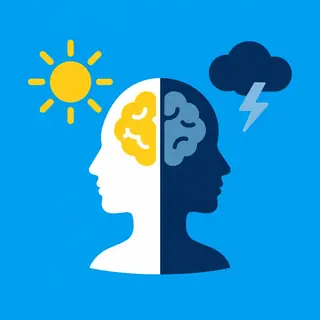
Bipolar II Disorder is a distinct mood disorder characterized by a recurring pattern of hypomanic episodes—a milder, shorter-lived elevation in mood or energy—and major depressive episodes that can be deeply debilitating. Unlike Bipolar I, the highs never reach full mania, but they still disrupt daily life and often go unnoticed, leading many to seek help for the depression alone. Understanding this unique rhythm of emotional swings is key to early recognition, accurate diagnosis, and effective treatment. With the right support, therapy, and lifestyle adjustments, individuals can stabilize their moods, reduce depressive lows, and build resilience. Explore this guide to learn how to identify symptoms, manage triggers, and embrace a path toward lasting mental well-being.

🌟 Discover how tailored Bipolar II therapy strategies can foster healing and stability. This guide explores effective talk therapies and practical approaches…
Read article
🌟 Discover essential Bipolar II coping strategies help manage symptoms effectively. This comprehensive guide offers practical tools and resources to empower individuals…
Read article
🌟 Discover practical Bipolar II daily coping strategies essential for managing mood swings, maintaining stability, and improving quality of life. This comprehensive…
Read article
🌟 Navigating the journey to a Bipolar II diagnosis involves understanding key steps and overcoming challenges. Our comprehensive guide highlights essential Bipolar…
Read article
🌟 Discover effective Bipolar II disorder treatment options that combine medication, therapy, and lifestyle changes, empowering individuals to manage symptoms and achieve…
Read article
🌟 Discover essential Bipolar II relationship coping strategies to strengthen your bonds and navigate mood swings effectively. Our comprehensive guide offers practical…
Read article
✨ Discover the truth behind Bipolar II disorder myths debunked in our comprehensive guide, empowering you with accurate information, dispelling misconceptions, and…
Read article
🌟 Discover practical bipolar II fatigue management tips to combat exhaustion, restore energy, and improve your well-being. This guide offers essential strategies…
Read article
🌟 Discover essential Bipolar II depression management tips to navigate lows effectively. This comprehensive guide offers practical strategies and support to help…
Read article
🌟 Discover the nuances of Bipolar II hypomania symptoms, characterized by elevated energy and mood without full-blown mania. This guide offers essential…
Read article
🌟 Discover how Bipolar II mood tracking can empower you to better understand and manage your emotional fluctuations. This essential tool offers…
Read article
🌟 Discover essential insights with our Bipolar II understanding symptoms guide, empowering you to recognize signs early, foster effective management, and enhance…
Read articleBipolar II Disorder is a distinct mood disorder characterized by recurring episodes of hypomania (a milder, less disruptive form of mania) and severe depression. Unlike Bipolar I, it never involves full-blown manic episodes, yet the depressive phases can be equally debilitating, often leading to misdiagnosis as unipolar depression. This subcategory on Mind Care Guide provides evidence-based insights into the subtle signs, symptom management, treatment options, and daily strategies tailored for those navigating the unique rhythm of hypomania and depression. Whether you are newly diagnosed, a caregiver, or seeking to differentiate this condition from other mood disorders, this resource is designed to empower you with clarity and actionable support.
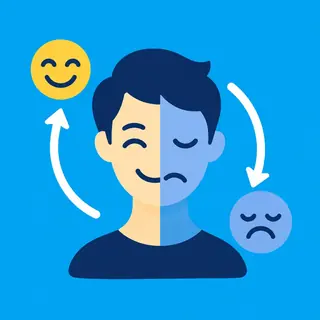
Hypomania is the hallmark of Bipolar II, but it often goes unnoticed because it can feel productive or even pleasant. You might experience increased energy, reduced need for sleep, racing thoughts, and heightened creativity, but without the psychosis or severe impairment seen in Bipolar I. However, these episodes typically last at least four consecutive days and are observable by others as a clear change from your baseline. The challenge is that many people only seek help during depressive lows, missing the hypomanic clues that point to a bipolar spectrum diagnosis.
Understanding hypomania is crucial because untreated hypomanic episodes can trigger impulsive decisions—spending sprees, risky relationships, or abrupt career changes—that have long-term consequences. On Mind Care Guide, we emphasize keeping a mood diary to track these shifts. If you notice patterns of euphoria followed by crashes, discuss them with a psychiatrist. Properly identifying hypomania is the first step toward a correct diagnosis and a treatment plan that stabilizes both poles of the cycle, preventing future depressive episodes from escalating.
The depressive episodes in Bipolar II are often longer and more frequent than hypomanic ones, sometimes lasting weeks or months. Symptoms include persistent sadness, loss of interest, fatigue, changes in appetite, difficulty concentrating, and recurrent thoughts of death or suicide. The severity of these depressions is the primary driver of disability in this disorder, and they are frequently mistaken for major depressive disorder, especially if you don't report hypomanic periods.
For individuals and families, recognizing that depression within Bipolar II responds differently to antidepressants alone is vital. Taking an antidepressant without a mood stabilizer can trigger rapid cycling or switch you into hypomania. Our guides explain the importance of comprehensive psychiatric evaluation, including a detailed history of mood episodes. We also offer coping techniques—like behavioral activation, consistent sleep schedules, and mindfulness—that reduce the intensity of depressive lows, while emphasizing that professional help is non-negotiable for safety and long-term stability.
Treatment for Bipolar II centers on mood stabilizers, with lamotrigine and lithium being common first-line options, though calming anticonvulsants or atypical antipsychotics may also be prescribed. Unlike Bipolar I, the goal is not just preventing mania but also smoothing out the depressive troughs. Psychotherapy, particularly cognitive-behavioral therapy (CBT) and interpersonal and social rhythm therapy (IPSRT), has strong evidence for reducing relapse rates and improving quality of life.
Medication management is a collaborative process—doses often need fine-tuning, and side effects can influence adherence. On Mind Care Guide, we break down how each medication class works, what to expect in the first weeks, and how to communicate effectively with your prescriber. We also cover lifestyle medicine: regular exercise, a balanced diet, and avoiding alcohol or illicit drugs, which can destabilize your mood. Remember, treatment is not a one-size-fits-all, so we encourage you to track your symptoms and side effects, and to advocate for adjustments as your life circumstances change.
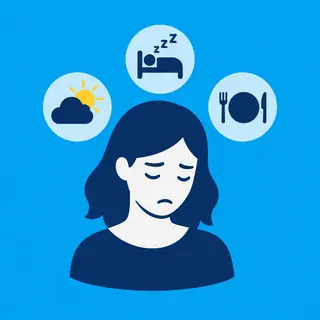
Living with Bipolar II requires proactive management of daily rhythms. The most powerful tool is a consistent daily routine—waking, eating, exercising, and sleeping at the same times each day. Disruptions in sleep are a major trigger for both hypomanic and depressive episodes, so prioritizing 7-9 hours of nighttime rest is essential. Additionally, building a "mood safety plan" helps you recognize early warning signs, such as needing less sleep or feeling unusually irritable, so you can act before an episode fully develops.
Community support is also a pillar of resilience. Joining peer support groups—either online or in person—can reduce isolation and provide practical tips from others who understand your experience. Mind Care Guide also advises on stress reduction techniques, setting healthy boundaries at work, and communicating your needs to loved ones without shame. By combining professional treatment with these daily rituals, you can lead a fulfilling, stable life, even while managing the ebbs and flows of Bipolar II.
As a friend or family member, your role is invaluable but often demanding. Start by educating yourself about the disorder—understanding that hypomania is not "them being happy" and depression is not laziness. Listen without judgment, validate their experiences, and avoid giving unsolicited advice. Encourage treatment adherence, but never force medication; instead, ask how you can help them track symptoms or get to appointments. During depressive episodes, practical help—like cooking meals or running errands—is often more appreciated than words.
Caregivers also need self-care. Set boundaries to prevent burnout, seek your own therapy or support groups, and remember that you cannot "fix" your loved one. It’s also helpful to have a crisis plan in place, including emergency contacts and hospital information, especially if suicidal thoughts arise. Our guides provide scripted conversations for difficult moments, as well as red flags that require immediate intervention. Supporting someone with Bipolar II is a marathon, not a sprint, and your consistency can make a world of difference in their recovery journey.
Yes, but only in terms of manic severity. Bipolar II lacks full mania, but its depressive episodes are often more frequent and prolonged, leading to similar or greater disability. Many experts argue that Bipolar II is equally serious, given the high suicide risk during depressive phases. The key is that treatment differs, so accurate diagnosis is critical.
While lifestyle changes like strict sleep routines and stress reduction can help reduce triggers, they are rarely sufficient alone. Hypomania often requires mood stabilizers to prevent escalation into depression or rapid cycling. Always consult a psychiatrist before stopping or adjusting any medication.
The main difference is a history of hypomanic episodes. In major depressive disorder, there are no highs. Many people with Bipolar II are initially misdiagnosed with unipolar depression because they only report low moods. A thorough clinical interview can uncover past hypomanic symptoms, which changes treatment—antidepressants alone may worsen Bipolar II.
Start by keeping a detailed mood diary for at least two weeks, noting shifts in energy, sleep, and thoughts. Then, schedule an appointment with a psychiatrist or specialized mood disorder clinic. Prepare to describe your full history, including any periods of increased activity not explained by drugs or alcohol. Accurate diagnosis is the gateway to effective treatment.
Absolutely. With consistent treatment (medication and therapy), a stable routine, and a robust support network, many people with Bipolar II lead successful careers, maintain healthy relationships, and enjoy good quality of life. It requires ongoing management, but it does not define you. The key is early intervention and self-compassion.