Understanding Depression in Adolescents: Recognizing the Warning Signs
Adolescence is a turbulent time of hormonal shifts, identity formation, and social pressures. Yet, when persistent sadness or irritability takes hold, it can signal more than typical teenage moodiness. Depression in adolescents is a serious, common, and treatable mental health condition that often goes unrecognized. On Mind Care Guide, our goal is to empower parents, educators, and teens themselves to spot early warning signs, differentiate them from normal development, and take compassionate action. This subcategory dives deep into behavioral, emotional, and physical cues that indicate a teen might be struggling, alongside practical steps toward help and healing.
🔍 Behavioral Red Flags: What to Watch For in Daily Life
The most visible signs of adolescent depression often appear in a teen's behavior. A once-social teen may suddenly isolate themselves in their room, drop out of extracurriculars, or lose interest in video games, sports, or hanging out with friends. Noticeable drops in school performance, chronic tardiness, or a sudden loss of motivation are common indicators. Additionally, increased irritability, anger outbursts, or reckless behaviors like substance use or risky driving can be desperate attempts to self-medicate or escape emotional pain.
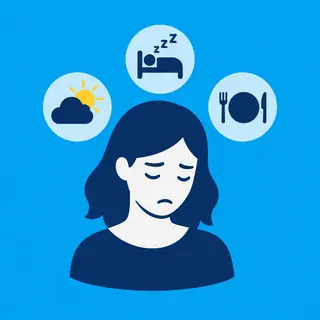
Parents and guardians should also track changes in sleep and appetite patterns—sleeping excessively, insomnia, or significant weight changes. More concerning are signs of self-harm, such as cuts or burns, or any talk of death or suicide. Never dismiss these as "attention-seeking." Instead, view them as urgent calls for support. Keeping a journal of observed behaviors over a few weeks can help distinguish situational mood swings from a persistent depressive episode, which typically lasts for at least two weeks.
🧠 Emotional & Cognitive Signals: Inside the Teen Mind
Beyond outward actions, adolescent depression profoundly impacts thinking and emotional regulation. Teens may exhibit overwhelming feelings of worthlessness, excessive guilt, or a pervasive sense of hopelessness. They might say things like "I'm a burden" or "Nothing ever goes right for me." Cognitive distortions, such as black-and-white thinking (e.g., "If I fail this test, my life is over") or catastrophic thinking, are frequent. Difficulty concentrating, indecisiveness, and memory lapses also appear, often mistaken for laziness or ADHD.
Emotionally, these teens experience frequent crying spells, unexplained anger, or a flat, numb feeling—an inability to feel joy even in previously loved activities (anhedonia). Critically, depression in adolescents can present as irritability rather than classic sadness, making it easy to misinterpret as defiance. If you notice a teen expressing self-criticism that is disproportionate to their actual performance, or if they withdraw from family conversations that once engaged them, these are powerful emotional clues worth exploring with a mental health professional.
🔄 Distinguishing Teenage Moodiness from Clinical Depression
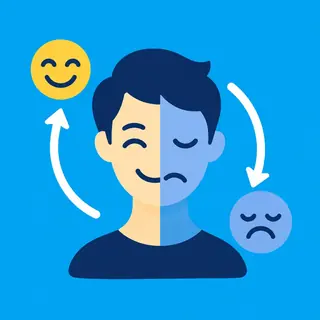
Every teenager has bad days filled with grumpiness, social slights, or moody silences. However, clinical depression is persistent, pervasive, and impairing. Typical mood swings pass within hours or a day, especially after a positive event; depression lasts for weeks or months and does not lift with good news or fun activities. The key differentiator is functional impact: does the mood interfere with school, family relationships, friendships, or basic self-care?
Another distinction is the nature of the low mood. Teenage sadness is usually tied to a specific trigger—a breakup, a bad grade, or conflict—whereas depression often has no clear external cause or outlasts the resolution of the trigger. Watch for changes in appetite, sleep, energy, and social withdrawal that are out of character. If the behavior persists beyond two weeks and affects their daily performance, it is time to seek a professional evaluation rather than waiting for it to "pass." Early intervention dramatically improves outcomes, so under-recognizing the difference carries real risks.
⚕️ When to Seek Professional Help: Red Alerts & Strategies
Immediate professional evaluation is needed if a teen expresses suicidal thoughts, makes a plan, or engages in self-harm. If you hear statements like "I wish I weren't here" or "Everyone would be better off without me," treat them as emergencies. Contact a crisis hotline, go to an emergency room, or call a mental health provider right away. For milder but persistent signs, schedule a comprehensive assessment with a child and adolescent psychiatrist or a licensed therapist specializing in youth depression.
Professional strategies include cognitive-behavioral therapy (CBT) to challenge negative thoughts, interpersonal therapy (IPT) for relationship issues, and in some cases, FDA-approved antidepressants like fluoxetine when combined with therapy. Family involvement is critical—parents should learn active listening, validate feelings, and avoid criticism about "snapping out of it." Schools can also offer accommodations through 504 plans or IEPs. Remember, treatment is not a sign of failure; it is a proactive, effective route back to wellness.
🛠️ Supportive Actions for Parents, Teachers, and Peers
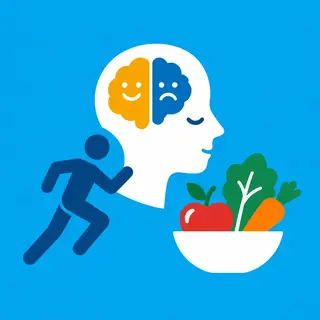
Non-professional support is equally powerful. Create a low-pressure environment where teens feel safe talking without fear of judgment or immediate problem-solving. Use open-ended questions like "How are you really feeling?" and pause. Validate their pain with statements such as "That sounds incredibly hard" before offering any solutions. Routine helps too—encourage regular meals, sleep schedules, and gentle physical activity, but avoid demanding perfection in these areas.
Teachers should watch for behavioral changes and communicate with school counselors, while peers can simply show up—sitting with a hurting friend at lunch or sending a supportive text can break isolation. Limit social media exposure, which often fuels comparison and negative self-perception. Encourage "digital detox" windows. If the teen resists your help, gently involve another trusted adult they feel close to. Patience is essential; recovery is a marathon, not a sprint. Small, consistent acts of connection can be lifelines.
Frequently Asked Questions
What is the most common first sign of depression in adolescents?
Irritability and social withdrawal are among the earliest signs, often preceding a drop in school performance. While sadness is typical, many teens express depression as anger, frustration, or a sudden loss of interest in hobbies. If these changes persist for two weeks or more, they warrant attention.
Can my teen's depression be caused by social media?
Excessive social media use does not directly cause depression but can exacerbate it through cyberbullying, unrealistic comparisons, and disrupted sleep. Teens already vulnerable to negative emotions may spiral from doom-scrolling or FOMO. Limiting screen time and encouraging real-world connections can significantly help.
Is it normal for teens to sleep all day during weekends?
Occasional weekend sleeping is normal, but hypersomnia (10+ hours regularly) combined with daytime fatigue and low motivation is a red flag for depression. If sleep changes accompany loss of interest and irritability for over two weeks, a professional evaluation is needed.
What should I do if my teen refuses to talk about their feelings?
Do not force a conversation. Instead, use parallel activities like walking, driving, or cooking together—many teens open up more easily when not facing each other. Reassure them that you are available without pressure. If they still refuse after multiple gentle attempts, consult a therapist for strategies.
Are antidepressants safe and effective for adolescents?
Yes, when prescribed by a child psychiatrist, medications like fluoxetine (Prozac) are FDA-approved for teen depression and show strong efficacy, especially combined with therapy. Regular monitoring is required for side effects, particularly an initial slight risk of increased suicidal ideation. Always follow medical guidance.