The Silent Struggle: Spotting Early Onset Depression in Young Children
🌟 Recognizing early onset depression symptoms in children is crucial for timely intervention. This guide helps parents and caregivers identify subtle signs…
Read article

Early onset depression in children is a serious, often misunderstood condition that goes far beyond occasional sadness or mood swings—it’s a persistent change in how a child feels, thinks, and functions. Unlike typical childhood emotions, this form of depression interferes with school performance, friendships, family life, and physical health. Recognizing the subtle signs—such as irritability, social withdrawal, changes in sleep or appetite, and loss of interest in once-loved activities—is the first crucial step toward getting help. With early intervention, therapy, and compassionate support, children can learn to manage their feelings and thrive. At Mind Care Guide, we break down the complexities of early-onset depression, offering evidence-based insights, practical parenting strategies, and empowering resources to help you and your child navigate this challenging journey with confidence and hope.

🌟 Recognizing early onset depression symptoms in children is crucial for timely intervention. This guide helps parents and caregivers identify subtle signs…
Read article
🌟 Discover essential Kids Emotional Regulation Strategies Guide to help your child understand and manage their feelings effectively. Empowering children with emotional…
Read article
🌟 Early childhood depression often goes unnoticed, but early diagnosis is crucial. Explore effective early childhood depression treatment options to ensure your…
Read article
🌱 Discover the often overlooked signs of childhood depression, including the key childhood depression symptoms parents notice. Learn how early recognition and…
Read article
🌟 Discover effective childhood depression therapy options tailored for young children, emphasizing early intervention and compassionate care. This guide offers essential insights…
Read article
🌟 Discover how childhood depression, nutrition, and sleep are interconnected, highlighting essential lifestyle factors that influence mental health. This guide offers vital…
Read article
🌟 Discover how parents can be unwavering pillars in supporting child's early depression symptoms, playing a vital role in early intervention and…
Read article
🌟 Discover practical coping strategies that help kids manage sadness effectively, empowering children with simple tools to navigate their emotions, build resilience,…
Read article
🌟 Discover effective supporting sibling depression coping strategies to nurture resilience and understanding among family members. This guide offers vital insights and…
Read article
🌟 Discover how early childhood depression symptoms signs often manifest subtly, impacting a child's mood, behavior, and development. Recognizing these early indicators…
Read article
🌟 Persistent sadness in young children is more than a passing mood—it signals the need for understanding and support. Learn how to…
Read article
🌱 Discover how childhood depression causes genetics, environment, and trauma to intertwine, highlighting the vital need for awareness, early intervention, and support…
Read articleDepression in children, often called early onset depression, is more than occasional sadness—it’s a persistent mood disorder that disrupts a child’s daily life, school performance, and family relationships. At Mind Care Guide, we provide evidence-based, compassionate resources to help parents, educators, and caregivers recognize the signs, seek proper diagnosis, and support recovery. This subcategory focuses on the unique presentation of depression in childhood, distinguishing it from adult depression, and offers actionable strategies for early intervention. You’ll find practical advice on symptoms, treatment options, and how to create a supportive home environment that fosters resilience and emotional health.
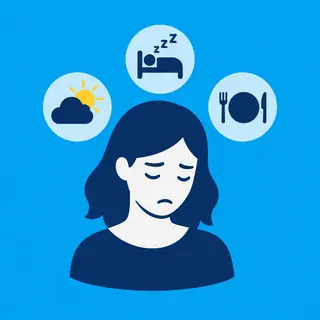
Early onset depression often hides behind irritability, physical complaints, or behavioral regression rather than typical sadness. Children may withdraw from friends, lose interest in hobbies, or show changes in sleep and appetite. Unlike adults, they might not verbalize feelings of worthlessness—instead, they may act out or complain of stomachaches. Recognizing these subtle cues is the first step toward intervention. Watch for a persistent low mood lasting more than two weeks, declining grades, or excessive guilt. Early identification dramatically improves treatment outcomes, so trust your instincts and consult a child mental health professional if patterns emerge.
Parents should differentiate between normal developmental mood swings and clinical depression. Key red flags include self-harm talk, marked social isolation, or a sudden drop in self-care. Keep a journal of behavioral changes, noting frequency and triggers. This documentation helps pediatricians and therapists make accurate diagnoses. Remember, children may not have the vocabulary to explain their pain—observe play, drawings, or comments about “feeling empty.” Early recognition isn’t about over-pathologizing childhood; it’s about responding with sensitivity and getting help before depression becomes entrenched.
Childhood depression arises from a complex mix of genetics, brain chemistry, and environmental stressors. A family history of mood disorders increases vulnerability, but adverse childhood experiences—such as bullying, parental conflict, or loss—often trigger the onset. Neurodevelopmental factors, including hormonal changes during puberty, can also amplify emotional reactivity. Unlike adult depression, early onset cases are frequently linked to attachment disruptions or learning difficulties that erode self-esteem. Recognizing these contributors helps parents avoid blame and focus on modifiable factors like building secure connections and reducing home chaos.
Environmental risks include chronic academic pressure, social media comparison, or a parent’s untreated depression, which affects emotional modeling. Protective factors—like a stable routine, open communication, and one trusted adult—significantly buffer these risks. It’s crucial to assess comorbid conditions; many children with early onset depression also have anxiety, ADHD, or oppositional defiant disorder. A comprehensive psychological evaluation ensures no underlying issue is missed. Understanding that depression is a brain-based illness, not a character flaw, reduces stigma and encourages proactive family involvement in treatment.
Accurate diagnosis of early onset depression requires a multi-method evaluation. Pediatricians often use screening tools like the PHQ-9 for adolescents or the CDI (Children’s Depression Inventory), but a child psychiatrist or psychologist should conduct a thorough interview with both the child and parents. Clinicians assess symptom duration, functional impairment, and rule out medical causes like thyroid issues or medication side effects. Developmental considerations matter—what looks like depression in a 6-year-old (temper tantrums) may differ from a 12-year-old (hopelessness). A diagnosis follows DSM-5 criteria but adapts to age-specific presentations.
Parents should prepare for this process by bringing school reports, sleep diaries, and a timeline of symptom onset. The evaluation may include teacher questionnaires to capture behavior across settings. Early onset depression is often missed because children mask symptoms at home or school. A good assessment also explores suicidal ideation directly and safely, which is a critical safety step. After diagnosis, the team will develop an individualized plan—no two children experience depression identically. This baseline assessment becomes a reference point for tracking treatment progress and adjusting interventions over time.
First-line treatment for moderate to severe early onset depression is cognitive-behavioral therapy (CBT) adapted for children, often combined with selective serotonin reuptake inhibitors (SSRIs) like fluoxetine for ages 8 and up. Therapy helps children reframe negative thoughts and build coping skills, while medication addresses neurochemical imbalances. For mild depression, therapy alone is preferred. Family therapy is essential—it improves communication and reduces conflict that may perpetuate symptoms. Every treatment plan should include psychoeducation so parents understand side effects, dosing, and the timeline of improvement (usually 4–6 weeks for medication).
Lifestyle interventions are not optional extras—they are foundations. Regular physical activity boosts endorphins, consistent sleep schedules regulate mood, and a balanced diet stabilizes energy. Mindfulness exercises, tailored to a child’s developmental level, teach emotional regulation. Schools can support via 504 plans or IEP accommodations for workload adjustments. Avoid naturalistic “cures” without evidence; instead, combine professional care with home routines. Monitor for signs of medication-induced activation (increased agitation) especially in teens. Recovery is a journey, and setbacks are normal—celebrate small wins and maintain consistent follow-ups with your care team.
Creating a depression-informed home means prioritizing emotional safety over perfection. Establish predictable routines for meals, homework, and bedtime—structure reduces anxiety. Use active listening without immediately problem-solving; validate feelings with phrases like “I see you’re hurting, and I’m here.” Avoid criticism or punishment for depressive symptoms, as shame worsens outcomes. Instead, implement a reward system for small behavioral goals (e.g., leaving the bedroom, joining a family meal). Model self-care and vulnerability—showing your own healthy coping teaches children that strong emotions are manageable.
Practical coping tools include a “mood thermometer” to help children rate their distress, a comfort box with sensory items, and a family “calm-down corner.” Teach problem-solving steps in simple language: name the feeling, identify the trigger, brainstorm options, try one, and reflect. Encourage social connection through structured playdates or clubs, but don’t force participation. For teens, negotiate technology limits that protect sleep without being punitive. Remember to care for your own mental health as a parent—your resilience is a protective factor. Reach out to support groups or a family therapist if home dynamics feel strained.
Children as young as three can exhibit depressive symptoms, though formal diagnosis is more common after age six. Preschoolers may show regression, irritability, or excessive clinginess. For adolescents, rates rise significantly. Always seek professional evaluation if symptoms persist beyond two weeks, regardless of age, as early intervention improves long-term outcomes.
Typical moodiness is brief and linked to a clear trigger, while depression lasts most days for at least two weeks and impairs functioning. Symptoms like sleep changes, appetite loss, or suicidal thoughts are red flags. Depression also interferes with school, friendships, and family life, whereas normal mood swings don’t cause sustained functional decline.
Yes, when prescribed and monitored by a child psychiatrist. Fluoxetine and escitalopram are FDA-approved for pediatric use. Risks such as increased suicidal thinking exist, especially in the first weeks, so close supervision is essential. Benefits often outweigh risks for moderate-to-severe cases, but they are never used without therapy and regular check-ins.
No—untreated early onset depression often persists or recurs, and may lead to chronic mood disorders in adulthood. It can also impair brain development, social skills, and educational attainment. Treatment, even for mild cases, teaches lasting coping strategies and prevents escalation. Never wait to see if it “passes” on its own.
Schools can provide a 504 plan for accommodations like extended test time, reduced homework, or breaks. Training teachers to recognize signs (e.g., withdrawal, drop in grades) ensures early referral. A school counselor can offer check-ins and social skills groups. Collaboration between parents, school, and therapists creates a consistent support network.