
Treatment Pathways: Effective Therapies for Young Children with Depression

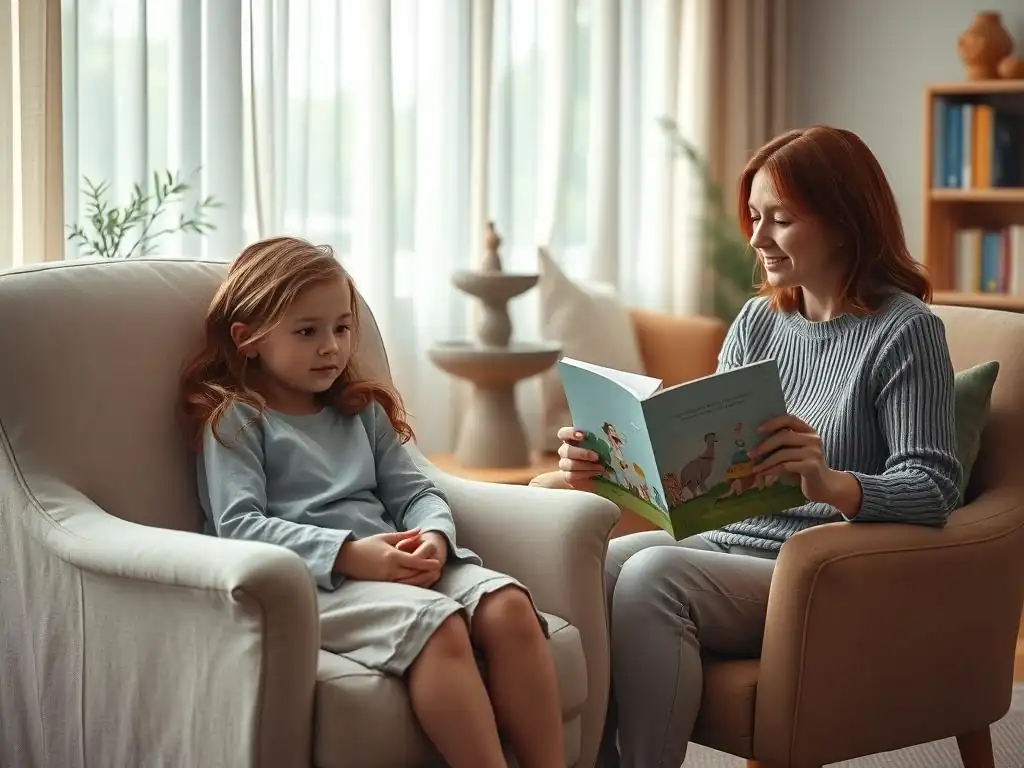
Welcome to Mind Care Guide, your sanctuary for understanding and nurturing mental well-being. Feeling overwhelmed by the challenges of childhood depression? It's a journey no one should face alone. In this article, "Treatment Pathways: Effective Therapies for Young Children with Depression," we explore childhood depression therapy options, offering a compass to navigate the complexities and discover paths toward healing and hope. Curious to learn more about the evidence-based approaches that can make a real difference in a child's life? Dive in and let's explore together.
Treatment Pathways: Effective Therapies for Young Children with Depression
- Understanding Childhood Depression and the Need for Early Intervention
- Exploring Childhood Depression Therapy Options
-
Psychotherapy Approaches for Childhood Depression
- Cognitive Behavioral Therapy (CBT) for Young Children: Using Games and Stories to Teach Coping Skills
- Interpersonal Therapy (IPT) for Adolescent Depression: Adapting IPT for Younger Patients and Their Families
- Play Therapy: A Therapeutic Outlet for Expressing Emotions in Children
- Family Therapy: Addressing Family Dynamics and Their Impact on Child Depression
- Medication Management for Childhood Depression
- Alternative and Complementary Therapies
- Creating a Comprehensive Treatment Plan: A Multidisciplinary Approach
- Supporting Families Through Childhood Depression Treatment
- Long-Term Outlook and Prevention Strategies
-
Frequently Asked Questions
- What are some of the most effective therapy options for young children experiencing depression?
- At what age is childhood depression therapy typically considered appropriate?
- How does family involvement play a role in childhood depression therapy?
- What are the potential benefits of seeking professional help for childhood depression?
- Are there any alternative or complementary therapies that can be used alongside traditional childhood depression therapy?
- Final Reflection: Charting a Course to Hope for Young Hearts
- Unlock Your Child's Potential: Next Steps to Wellbeing
Understanding Childhood Depression and the Need for Early Intervention
Depression in young children is a serious mental health condition that requires careful attention and effective intervention. Unlike the transient mood swings common in childhood, clinical depression involves persistent sadness, loss of interest, and significant changes in behavior and functioning. Recognizing these signs early is crucial, as untreated depression can have profound and lasting impacts on a child's development, academic performance, social relationships, and overall well-being. The availability and understanding of appropriate childhood depression therapy options are paramount for timely and successful treatment.
Early intervention is not just beneficial; it is often critical for young children experiencing depression. Research indicates that the brain development occurring in early childhood is highly sensitive to environmental factors and emotional experiences. Addressing depression during these formative years can prevent the condition from becoming more entrenched and severe over time. It can also mitigate the risk of developing other mental health issues later in life. Accessing effective therapies for childhood depression provides children with the tools they need to manage their emotions and build resilience from a young age.
Recognizing the Symptoms of Depression in Young Children
Identifying depression in young children can be challenging because their symptoms often differ from those seen in adolescents or adults. Instead of verbalizing feelings of sadness, young children might exhibit increased irritability, anger, or disruptive behavior. They may also show a loss of interest in activities they once enjoyed, such as playing with friends or engaging in hobbies. Physical complaints like stomachaches or headaches without a clear medical cause are also common indicators.
Other signs can include changes in sleep patterns (sleeping too much or too little), changes in appetite leading to weight gain or loss, fatigue, difficulty concentrating, and feelings of worthlessness or guilt. A child might withdraw from social interactions, show a decrease in school performance, or express negative thoughts about themselves or the world.
While some of these behaviors can be typical responses to stress or temporary upsets, their persistence for two weeks or longer, combined with a significant change from the child's usual behavior, warrants evaluation by a mental health professional to explore potential childhood depression therapy options. Studies suggest that perhaps 2% of pre-adolescent children experience clinical depression, highlighting the importance of vigilance among parents and caregivers.
The Importance of Early Diagnosis and Treatment for Child Mental Health
An early and accurate diagnosis of depression in young children is foundational for effective treatment. Without a proper diagnosis, a child's symptoms might be misattributed to behavioral problems or developmental stages, delaying access to necessary support. Once diagnosed, prompt initiation of appropriate childhood depression therapy options can significantly alter the trajectory of the illness. Early treatment can help alleviate symptoms, improve the child's ability to function at home and school, and enhance their social-emotional development.
Delaying treatment can lead to more severe and persistent symptoms, increasing the likelihood of academic failure, social isolation, and family conflict. Children with untreated depression are also at higher risk for substance abuse, anxiety disorders, and future depressive episodes in adolescence and adulthood. Initiating treatment early provides children and their families with strategies and support systems that can prevent these negative long-term outcomes. It empowers children to develop healthier coping mechanisms and a more positive self-image from a young age.
Exploring Childhood Depression Therapy Options
When addressing depression in young children, a range of therapeutic interventions are available, tailored to the child's age, developmental stage, and the severity of their symptoms. The goal of childhood depression therapy options is typically to help the child understand their feelings, develop coping skills, improve their mood, and address any underlying issues contributing to their depression. Treatment plans are often individualized and may involve one or a combination of different approaches.
Evidence-based therapies are the preferred starting point for treating childhood depression. These are treatments that have been rigorously tested through research studies and shown to be effective. For young children, therapies that incorporate play, family involvement, and simplified language are often the most successful. The selection of specific childhood depression therapy options depends on a comprehensive assessment by a qualified mental health professional, often a child psychologist or psychiatrist, who can recommend the most appropriate path forward.
Evidence-Based Treatments for Depression in Children: An Overview
Several therapeutic modalities have demonstrated effectiveness in treating depression in children. Among the most widely supported are cognitive behavioral therapy (CBT) and interpersonal therapy (IPT), although these are often adapted for younger age groups. Play therapy is also a crucial tool, particularly for very young children who may not have the verbal skills to articulate their feelings. Family therapy is frequently integrated into treatment plans, recognizing the significant role of family dynamics in a child's mental health.
These evidence-based childhood depression therapy options focus on different aspects of the child's experience. CBT helps children identify and change negative thought patterns and behaviors. IPT, adapted for children, focuses on improving relationships and communication. Play therapy uses the child's natural language – play – to explore emotions and experiences. Family therapy works with the entire family unit to improve communication and problem-solving skills. The choice among these, or a combination, is guided by the child's specific needs and the therapist's expertise.
Psychotherapy Approaches for Childhood Depression

Psychotherapy, or talk therapy, is a cornerstone of childhood depression therapy options. It provides a safe and structured environment for children to explore their feelings and learn new ways of thinking and behaving. For young children, therapeutic techniques are adapted to be developmentally appropriate, often incorporating play, art, and simplified language to make complex concepts understandable.
The various psychotherapy approaches offer different pathways to healing. Some focus on the child's internal thoughts and feelings, while others emphasize their relationships and environment. The specific approach chosen is typically based on the child's individual presentation of depression, their age, and the therapist's assessment of what methods will be most effective in helping them manage their symptoms and improve their overall functioning.
Cognitive Behavioral Therapy (CBT) for Young Children: Using Games and Stories to Teach Coping Skills
Cognitive Behavioral Therapy (CBT) is one of the most widely recommended childhood depression therapy options, even for young children. While traditional CBT involves talking about thoughts and feelings, the approach is significantly modified for younger patients. Therapists use creative, age-appropriate methods like games, drawing, and storytelling to help children understand the connection between their thoughts, feelings, and behaviors. For example, a therapist might use a "feeling thermometer" to help a child identify and label different emotions, or a storybook character to illustrate how negative thoughts can lead to feeling sad.
Through these engaging techniques, children learn to identify "unhelpful" thoughts – such as "I'm bad at everything" – and replace them with more balanced or positive ones. They also learn practical coping skills, like problem-solving steps for difficult situations or relaxation techniques for managing anxiety that might accompany depression. These skills are often practiced through role-playing or interactive games, making the learning process fun and accessible. Studies have shown that adapted CBT can be quite effective, with many children showing a significant reduction in depressive symptoms after a course of therapy, often involving 12-20 sessions.
Interpersonal Therapy (IPT) for Adolescent Depression: Adapting IPT for Younger Patients and Their Families
Interpersonal Therapy (IPT) was initially developed for adults and later adapted for adolescents (IPT-A) with depression, focusing on how relationship issues contribute to mood problems. While less commonly used alone for very young children compared to CBT or play therapy, elements of IPT's focus on relationships are often incorporated into family-based childhood depression therapy options. The core idea is that improving a child's interactions and relationships can alleviate depressive symptoms.
When adapted for younger patients, the focus shifts to helping the child and their family understand how communication patterns and relationship dynamics might be impacting the child's mood. This might involve helping the child express their needs more effectively or helping parents understand how to respond supportively to the child's emotional difficulties. Therapy sessions might involve the child and parents together, working on specific interpersonal problem areas identified during the assessment. While not a standalone therapy for toddlers or preschoolers, the principles of addressing relationship issues are vital in comprehensive care for young children with depression.
Play Therapy: A Therapeutic Outlet for Expressing Emotions in Children
Play therapy is a particularly valuable childhood depression therapy option for young children because play is their natural mode of communication and exploration. In a dedicated playroom, equipped with various toys like dolls, puppets, sand trays, and art supplies, children are given the freedom to play in a way that feels comfortable and safe. The therapist observes and interacts with the child, interpreting the symbolic meaning of their play to understand their internal world, feelings, and experiences.
This type of therapy allows children to express complex emotions, anxieties, and traumatic experiences that they may not have the words to articulate. For a child with depression, playing out scenarios with dolls might reveal feelings of sadness, isolation, or anger. The therapist can then help the child process these feelings within the context of the play, offering support and helping them explore alternative ways of coping or interacting. Play therapy provides a non-threatening way for young children to work through difficult emotions and gain a sense of control and mastery.
Family Therapy: Addressing Family Dynamics and Their Impact on Child Depression
Given that a young child's environment significantly influences their mental health, family therapy is often an essential component of childhood depression therapy options. This approach involves working with the child and their parents or primary caregivers together. The goal is to improve communication within the family, identify and change unhelpful interaction patterns, and provide the family with strategies to support the child's recovery.
Family therapy can help address issues such as parental stress, marital conflict, or inconsistent discipline, which may be contributing to the child's depression. It also educates family members about depression, reducing stigma and fostering empathy. Through collaborative sessions, families can learn problem-solving skills, develop more effective ways to express emotions, and build a stronger, more supportive home environment. Research consistently shows that parental involvement is a strong predictor of positive outcomes in childhood depression treatment.
Medication Management for Childhood Depression
While psychotherapy is typically the first-line treatment for mild to moderate depression in young children, medication may be considered in certain circumstances, particularly for severe depression or when therapy alone has not been sufficiently effective. The decision to use medication is complex and requires careful consideration by a qualified medical professional, ideally a child psychiatrist.
Medication is never the sole childhood depression therapy option; it is always used in conjunction with psychotherapy. The aim of medication is to help alleviate severe symptoms, such as profound sadness, fatigue, or suicidal thoughts, to a level where the child can more fully engage in and benefit from therapy. The process of starting and managing antidepressant medication in children involves careful monitoring and close collaboration between the prescribing physician, the therapist, and the family.
When is Medication Necessary for Childhood Depression?
Medication is generally considered for young children with depression only after psychotherapy has been attempted and has not produced sufficient improvement, or in cases of severe depression where the child's symptoms are significantly impairing their ability to function and therapy alone is unlikely to provide adequate relief in a timely manner. Severe symptoms might include significant weight loss, suicidal ideation or behavior, or psychotic features.
The decision is made on a case-by-case basis, weighing the potential benefits of medication against potential risks and side effects. A thorough assessment by a child psychiatrist is crucial to determine the severity of the depression, rule out other potential causes for the symptoms, and decide if medication is a necessary part of the overall childhood depression therapy options being considered. It is important to note that medication for depression in very young children (preschool age) is used less frequently than in older children and adolescents due to limited research and potential developmental impacts.
Types of Antidepressants Used in Children: SSRIs and Their Considerations
The most commonly prescribed type of antidepressants for children and adolescents are Selective Serotonin Reuptake Inhibitors (SSRIs). Medications like fluoxetine (Prozac) are among the few that have been studied and approved by regulatory bodies for use in children for depression, typically in specific age ranges (e.g., fluoxetine is approved for children aged 8 and older for depression in some regions). Other SSRIs may be used off-label under the guidance of a specialist.
SSRIs work by increasing the levels of serotonin, a neurotransmitter in the brain thought to play a role in mood regulation. While generally considered safer and better tolerated than older types of antidepressants, SSRIs can still have side effects in children. Furthermore, there has been a historical concern regarding a potential, albeit small, increased risk of suicidal thoughts and behaviors in children and adolescents when starting these medications. This necessitates close monitoring by the prescribing physician, especially during the initial weeks of treatment.
Monitoring and Managing Side Effects of Antidepressants in Children
When a child begins antidepressant medication as part of their childhood depression therapy options, careful and consistent monitoring is essential. Physicians typically schedule frequent follow-up appointments, particularly in the first 4-8 weeks of treatment, to assess the medication's effectiveness and monitor for any side effects. Parents are advised to observe their child closely for any changes in mood, behavior, or physical symptoms and report them immediately to the doctor.
Common side effects of SSRIs in children can include sleep disturbances (either insomnia or increased sleepiness), changes in appetite, digestive issues (like nausea or stomach upset), restlessness, or mild headaches. Less common but more serious side effects can include increased anxiety, irritability, agitation, or, rarely, an increase in suicidal thoughts or behaviors. Managing side effects often involves adjusting the dosage, changing the time the medication is taken, or switching to a different medication under the guidance of the child psychiatrist.
The Role of a Child Psychiatrist in Medication Management
A child psychiatrist is a medical doctor who specializes in the diagnosis and treatment of mental health disorders in children and adolescents, including the prescribing and management of psychiatric medications. Their expertise is critical when considering medication as a childhood depression therapy option. They conduct comprehensive evaluations to determine if medication is appropriate, select the safest and most effective medication and dosage for the child's specific needs and age, and monitor the child closely throughout the treatment period.
The child psychiatrist works in collaboration with the child's therapist and parents. They provide essential medical oversight, managing potential drug interactions, assessing physical health, and ensuring the medication is used safely and effectively as part of a broader treatment plan that includes psychotherapy. Their role is vital in navigating the complexities of using psychotropic medication in developing brains and ensuring the child's overall well-being.
Alternative and Complementary Therapies
In addition to evidence-based psychotherapies and, in some cases, medication, several alternative and complementary approaches can support a child's mental health and serve as valuable additions to core childhood depression therapy options. These therapies often focus on promoting overall well-being, teaching relaxation techniques, and providing creative outlets for emotional expression.
While these methods are generally not used as standalone treatments for clinical depression, they can significantly enhance the effectiveness of primary therapies and help children develop healthy habits and coping strategies. Integrating these approaches into a child's routine can provide additional layers of support for managing mood and building resilience.
The Role of Art and Music Therapy in Treating Childhood Depression
Art and music therapy are creative approaches that provide children with non-verbal ways to express their feelings and experiences. For young children who may struggle to talk about their depression, these therapies can be particularly beneficial. In art therapy, children might use drawing, painting, sculpting, or other media to visually represent their emotions or tell a story. A child might draw dark, heavy colors to depict sadness or use sharp lines to express anger.
Similarly, music therapy involves using musical activities – listening, singing, playing instruments, or composing – to explore and express emotions. A child might choose to play a chaotic rhythm when feeling overwhelmed or a slow, quiet melody when feeling sad. These therapies, often facilitated by trained therapists, allow children to process difficult emotions in a safe and creative space, gain insight into their internal state, and experience a sense of release and expression. They complement other childhood depression therapy options by addressing the emotional aspects of the illness in a unique way.
Mindfulness and Relaxation Techniques for Young Children: Deep Breathing and Guided Imagery
Teaching young children mindfulness and relaxation techniques can be a powerful addition to their childhood depression therapy options. These practices help children become more aware of their bodies and feelings in the present moment without judgment, and learn to calm their nervous system. Simple techniques like deep breathing exercises can help children manage feelings of anxiety or overwhelm that often accompany depression. For example, a child might be taught "balloon breathing," where they imagine their belly is a balloon inflating on the inhale and deflating on the exhale.
Guided imagery, where a therapist or parent verbally guides the child through imagining a peaceful or safe place, can also promote relaxation and reduce stress. These techniques, practiced regularly, can help children develop better self-regulation skills and provide them with tools they can use independently when feeling down or anxious. They empower children by giving them a sense of agency over their emotional responses.
The Benefits of Exercise and a Healthy Diet for Child Mental Health
Physical activity and nutrition play a significant role in overall health, including mental well-being. Encouraging regular exercise is an important complementary approach within childhood depression therapy options. Physical activity releases endorphins, which have mood-boosting effects. Aiming for the generally recommended 60 minutes of moderate-to-vigorous physical activity per day for children can help reduce depressive symptoms and improve energy levels and sleep patterns. This doesn't have to be structured sports; it can be playing outside, dancing, or active games.
Similarly, a balanced and nutritious diet supports brain health and can influence mood. Ensuring a child eats regular meals that include fruits, vegetables, whole grains, and lean protein, while limiting sugary drinks and processed foods, contributes to stable energy levels and better mood regulation. While diet and exercise are not treatments for clinical depression on their own, they are vital components of a healthy lifestyle that supports recovery and long-term mental wellness when combined with effective childhood depression therapy options.
Creating a Comprehensive Treatment Plan: A Multidisciplinary Approach

Effectively treating depression in young children requires more than just one type of therapy; it typically involves a comprehensive, multidisciplinary approach. This means bringing together various professionals and support systems to address all aspects of the child's life and ensure coordinated care. A treatment plan should be holistic, considering the child's individual needs, family situation, and school environment.
A multidisciplinary team might include a child psychiatrist, a therapist (such as a child psychologist or social worker specializing in children), the child's pediatrician, school counselors or teachers, and, most importantly, the parents or caregivers. Collaboration among these individuals is key to developing and implementing an effective plan using appropriate childhood depression therapy options.
The Importance of Collaboration Between Therapists, Doctors, and Parents
Open and consistent communication among all members of the child's care team is vital for successful treatment. The therapist provides insights into the child's emotional state and progress in therapy, the pediatrician or child psychiatrist manages any medical aspects, including medication if used, and parents provide crucial information about the child's behavior and mood at home and their overall functioning.
Regular meetings or communication updates allow the team to share information, adjust the treatment plan as needed, and ensure everyone is working towards the same goals. For instance, a therapist might inform the pediatrician about a child's sleep difficulties discussed in therapy, prompting a review of medication timing or dosage. Parents can share observations about the child's energy levels or social interactions at home, which helps the therapist tailor interventions. This collaborative approach ensures all childhood depression therapy options are integrated effectively.
Developing Individualized Treatment Goals for Children with Depression
A comprehensive treatment plan begins with setting clear, individualized goals for the child. These goals are developed collaboratively by the treatment team and the family, based on the child's specific symptoms, challenges, and strengths. Goals should be realistic, measurable, and focused on improving the child's functioning and well-being.
Examples of goals might include reducing specific symptoms like irritability or withdrawal, improving attendance or engagement at school, increasing participation in enjoyable activities, developing specific coping skills (e.g., identifying feelings, using relaxation techniques), or improving communication within the family. These goals provide a roadmap for the childhood depression therapy options being used and help track progress over time. Regularly reviewing and updating these goals ensures the treatment remains relevant and effective as the child progresses.
The Role of Schools and Educators in Supporting Children's Mental Health
Schools play a significant role in a child's life and can be a crucial part of the support system for children with depression. School counselors, teachers, and administrators can provide valuable observations about a child's behavior, academic performance, and social interactions in the school setting. They can also implement strategies to support the child's learning and emotional needs within the school day.
Collaborating with the school can involve developing a support plan that might include accommodations such as modified assignments, opportunities for breaks, access to the school counselor, or strategies to facilitate positive peer interactions. Educators who are aware of a child's depression can respond with greater understanding and provide necessary support. This collaboration ensures that the support the child receives through childhood depression therapy options extends into their daily school life, promoting consistency and reinforcing learned skills.
Supporting Families Through Childhood Depression Treatment
A child's depression affects the entire family. Parents and caregivers often experience significant stress, worry, and sometimes guilt. Providing support and resources for the family is therefore an integral part of effectively treating childhood depression. Supporting the family not only helps the caregivers cope but also strengthens their ability to support the child's recovery journey and effectively participate in the recommended childhood depression therapy options.
Addressing parental well-being and empowering families with knowledge and skills creates a more stable and supportive environment for the child, which is crucial for positive treatment outcomes. Resources and support for parents can take various forms, from educational materials to support groups and individual therapy for the caregivers themselves.
Resources for Parents and Caregivers of Depressed Children
Parents and caregivers need access to reliable information and support as they navigate their child's depression. Resources can include educational websites and books about childhood depression and available childhood depression therapy options, parent support groups where they can connect with other families facing similar challenges, and workshops or classes on parenting strategies for children with mental health needs.
Many mental health organizations offer materials specifically for parents, explaining symptoms, treatment approaches, and how to support a child in therapy. Connecting with other parents can reduce feelings of isolation and provide practical advice and emotional support. Accessing these resources helps parents feel more equipped and less overwhelmed by the challenges of supporting a child with depression.
Addressing Parental Stress and Its Impact on Treatment Outcomes
Caring for a child with depression can be emotionally and physically draining. Parental stress, if unmanaged, can negatively impact family dynamics and inadvertently hinder the child's progress in therapy. Stressed or overwhelmed parents may have less energy to engage in therapy sessions, implement strategies at home, or provide consistent emotional support to their child.
Therefore, addressing parental well-being is a critical component of comprehensive treatment. This might involve encouraging parents to seek their own support, whether through individual therapy, support groups, or stress-reduction techniques. Helping parents manage their own stress strengthens the family unit and enhances their capacity to be active and effective partners in their child's childhood depression therapy options, ultimately improving the likelihood of positive outcomes.
Building a Supportive Home Environment for Children with Depression
Creating a nurturing, stable, and supportive home environment is fundamental to a child's recovery from depression. This involves fostering open communication where children feel safe to express their feelings without fear of judgment. Establishing predictable routines for meals, sleep, and activities provides a sense of security and structure.
Parents can support their child by validating their feelings, spending quality time together, encouraging participation in enjoyable activities (even if the child initially resists), and celebrating small successes in therapy and daily life. Setting realistic expectations and providing consistent encouragement helps rebuild the child's self-esteem. A home where the child feels loved, understood, and supported is a powerful therapeutic tool that complements professional childhood depression therapy options.
Long-Term Outlook and Prevention Strategies
Treating childhood depression is not just about alleviating current symptoms; it's also about promoting long-term mental wellness and preventing future episodes. While effective childhood depression therapy options can lead to significant improvement, depression can be a recurrent illness. Therefore, focusing on relapse prevention and building resilience are key aspects of the long-term outlook.
Beyond treatment, there are strategies that parents and educators can employ to promote positive mental health in all children, potentially reducing the risk of depression developing or recurring. Understanding the potential long-term impacts of untreated depression further underscores the importance of early intervention and ongoing support.
Maintaining Mental Wellness After Treatment: Identifying and Managing Triggers
Once a child's depressive symptoms have significantly improved through childhood depression therapy options, the focus shifts to maintaining mental wellness. This involves helping the child and family identify potential triggers or early warning signs that might indicate a return of symptoms. Triggers could include stress related to school transitions, peer conflicts, family changes, or even seasonal changes.
Learning to recognize the subtle signs of a potential relapse – such as changes in sleep, appetite, irritability, or withdrawal – allows for prompt action. This might involve revisiting coping skills learned in therapy, increasing relaxation practices, or seeking booster therapy sessions. Developing a relapse prevention plan with the therapist provides a concrete strategy for managing future challenges and supports the child in maintaining the gains made during treatment.
Promoting Positive Mental Health in Children: Encouraging Resilience and Self-Esteem
Promoting positive mental health in children involves fostering resilience, self-esteem, and healthy coping skills from a young age. Resilience is the ability to bounce back from adversity. Parents and educators can help children build resilience by teaching them problem-solving skills, encouraging them to face challenges (with support), and helping them develop a positive outlook.
Building self-esteem involves focusing on a child's strengths, providing opportunities for them to succeed and contribute, offering genuine praise for effort and achievements, and fostering a sense of competence. Teaching children healthy ways to manage stress, express emotions appropriately, and build positive relationships are also crucial preventative strategies. These efforts create a foundation of mental strength that can help children navigate life's difficulties and reduce vulnerability to depression, complementing the work done in childhood depression therapy options if needed later.
Understanding the Long-Term Impact of Untreated Childhood Depression
The consequences of untreated depression in young children can extend far beyond childhood. Children who do not receive appropriate childhood depression therapy options are at a significantly higher risk for persistent or recurrent depression later in life. They may also be more likely to develop anxiety disorders, substance use disorders, and other mental health challenges in adolescence and adulthood.
Untreated depression can also negatively impact a child's educational attainment, career prospects, and ability to form stable, healthy relationships. It can lead to chronic physical health problems and, in severe cases, increase the risk of suicide later in life. Understanding these potential long-term impacts highlights the critical importance of recognizing depression in young children early, seeking professional help, and accessing effective childhood depression therapy options to provide children with the best possible chance for a healthy and fulfilling future.
Frequently Asked Questions
What are some of the most effective therapy options for young children experiencing depression?
Cognitive Behavioral Therapy (CBT) adapted for children and Play Therapy are often recommended. These therapies focus on changing negative thought patterns and providing a safe space for emotional expression.
At what age is childhood depression therapy typically considered appropriate?
Therapy can be beneficial even for very young children, often starting around the age of 3-5 years, depending on their ability to engage in play and communicate. Early intervention is crucial.
How does family involvement play a role in childhood depression therapy?
Family therapy is often an integral part of treatment. It helps improve communication, resolve family conflicts, and create a supportive environment that benefits the child's well-being.
What are the potential benefits of seeking professional help for childhood depression?
Professional therapy can significantly improve a child's mood, behavior, and overall functioning. It can also teach coping mechanisms and prevent long-term negative impacts of untreated depression.
Are there any alternative or complementary therapies that can be used alongside traditional childhood depression therapy?
While not a replacement for evidence-based therapies, activities like art therapy, music therapy, or mindfulness practices can be helpful additions. Always consult with a qualified mental health professional.
Final Reflection: Charting a Course to Hope for Young Hearts
The mental health crisis among children is not merely a statistic; it's a silent epidemic demanding immediate attention. This article has explored various effective therapy pathways for young children struggling with depression, highlighting the crucial need for early intervention and tailored treatment approaches. The information presented underscores the urgency of recognizing and addressing the unique challenges faced by this vulnerable population.
The impact of childhood depression extends far beyond the individual child; it ripples through families, communities, and ultimately, society as a whole. The stigma surrounding mental health, particularly in children, remains a significant barrier to seeking help. The greatest barrier to seeking help is often not the lack of resources, but the fear of judgment.
This quote rings true, emphasizing the importance of fostering open conversations and creating supportive environments where young people feel safe to express their struggles. We must continue to advocate for increased access to mental health services and destigmatize mental illness to ensure that every child has the opportunity to thrive.
You, the reader, now hold the power to make a difference. Consider the information presented here – the diverse therapeutic approaches, the importance of early intervention, and the crucial role of supportive environments. Reflect on how you can contribute to creating a more compassionate and understanding world for children struggling with depression. Whether it's educating yourself further, supporting a child in need, or advocating for better mental health resources in your community, your actions can have a profound and lasting impact. Let us work together to illuminate the path towards hope and healing for our youngest generation.
Unlock Your Child's Potential: Next Steps to Wellbeing
Thanks for taking the time to learn about effective therapies for young children experiencing depression. We hope this article provided valuable insights and equipped you with a better understanding of available support. Now, let's move forward together.
- Prioritize a consultation: Schedule an appointment with your child's pediatrician or a qualified mental health professional to discuss your concerns and explore appropriate treatment options. This is the most crucial step towards helping your child.
- Research local support groups: Connecting with other parents facing similar challenges can offer invaluable support and shared experiences. Look for online forums or in-person groups in your community.
- Share this article: Help spread awareness about child depression and available treatments by sharing this article with family, friends, or other parents who might benefit from the information.
What specific step will you take today to support your child's mental health journey?