
Crisis Intervention & Suicide Prevention
When a mental health crisis strikes, every second counts—and knowing how to respond can save a life. At Mind Care Guide, our Crisis Intervention & Suicide Prevention hub is your compassionate, evidence-based lifeline, offering immediate support strategies, safety planning tools, and life-saving resources for individuals, families, and communities. From recognizing early warning signs of distress to navigating post-suicide bereavement grief, we cover the full spectrum of urgent mental health needs with clarity and empathy. Our expert-backed guidance breaks the silence around suicidal ideation, empowers you to support a loved one in crisis, and highlights vital hotlines and digital intervention tools. We also champion culturally sensitive approaches for LGBTQ+ and Indigenous communities, ensuring no one is left behind. Whether you seek to understand self-harm, develop a personal safety plan, or learn youth-specific prevention strategies, this resource transforms fear into action. Explore practical, stigma-free advice that bridges the gap between despair and hope—because help is always within reach, and healing begins with one brave step.
 Technology in Crisis Intervention - Digital Tools
 Mental Health Crisis Resources - Hotlines and Services
 Talking About Suicide - Breaking the Silence
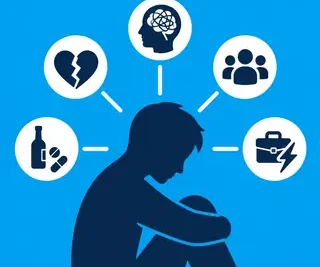 Understanding Suicidal Ideation - Risk Factors
 Crisis Intervention Techniques - Immediate Help
 Supporting Someone in Crisis - How to Help
 Youth Suicide Prevention - Specific Strategies
 Suicide Prevention Strategies - Community and Individual
 Self-Harm - Understanding and Seeking Help
 Coping with Suicidal Thoughts - Safety Plans
 Post-Suicide Bereavement - Grief and Healing
 Suicide Prevention in Indigenous Communities
 Suicide Prevention in LGBTQ+ Communities
 Mental Health Awareness - Reducing Stigma
 Recognizing Signs of a Mental Health Crisis - Early Warning Signs
Understanding Crisis Intervention & Suicide Prevention
At Mind Care Guide, our Crisis Intervention & Suicide Prevention category is your compassionate, evidence-based resource for navigating the most urgent mental health challenges. Whether you are in distress, supporting a loved one, or seeking to educate yourself, these pages provide practical strategies, verified hotlines, and deep insights into reducing stigma and saving lives. Explore each subcategory below to build a safety net of knowledge and actionable help.
🔍 Recognizing Signs of a Mental Health Crisis - Early Warning Signs
This section teaches you to identify subtle and acute changes in behavior, mood, and communication that precede a crisis. From sudden withdrawal and extreme mood swings to expressions of hopelessness or reckless actions, understanding these early warning signs empowers you to act proactively. You’ll learn how to differentiate between everyday stress and a true psychiatric emergency, enabling faster, more effective intervention before the situation escalates.
💬 Mental Health Awareness - Reducing Stigma
Stigma keeps millions from seeking help. Here, we dismantle harmful myths and provide language tools to foster open, judgment-free conversations. This subcategory explores how media representation, workplace policies, and personal storytelling can normalize mental health struggles. By learning how to reduce stigma in your own circles, you contribute to a culture where seeking therapy or calling a crisis line is seen as a sign of strength, not weakness.
🌈 Suicide Prevention in LGBTQ+ Communities
LGBTQ+ individuals face unique risk factors, including family rejection, discrimination, and identity-based trauma. This page addresses these challenges head-on, offering affirmation-focused strategies and community-specific resources. You’ll find guidance on creating safe spaces, supporting transgender and non-binary youth, and partnering with organizations that provide culturally competent care. Our emphasis is on protective factors—connectedness, acceptance, and access to affirming professionals—that dramatically lower risk.
🪶 Suicide Prevention in Indigenous Communities
Historical trauma, cultural disruption, and systemic inequities disproportionately impact Indigenous populations. This subcategory honors resilience while addressing intergenerational pain. We share culturally grounded approaches, such as integrating traditional healing practices with modern crisis care, and highlight successful community-led programs. Learn how to support Indigenous sovereignty in mental health, respecting cultural protocols and involving elders to create trust and relevance in prevention efforts.
🕊️ Post-Suicide Bereavement - Grief and Healing
Losing someone to suicide leaves a complex, isolating grief. This resource provides gentle, practical support for survivors, explaining common reactions like guilt, anger, and shock as normal responses to an abnormal loss. We explore coping mechanisms, the value of specialized support groups, and ways to honor your loved one’s memory. You’ll also find guidance on communicating with children and navigating the painful question of “why” without spiraling into self-blame.
📝 Coping with Suicidal Thoughts - Safety Plans
A safety plan is a personalized, step-by-step tool to help you survive moments of intense suicidal ideation. Here, we walk you through building your own plan, including recognizing personal triggers, listing warning signs, and identifying distraction techniques, supportive people, and professional contacts. This subcategory also covers how to use the plan during acute episodes, reinforcing that cravings for escape are temporary and that your safe steps can carry you to calmer ground.
✂️ Self-Harm - Understanding and Seeking Help
Self-harm is often a maladaptive coping mechanism, not a suicide attempt—but it carries serious risks. We explain the psychological drivers behind self-injury, such as emotional numbness or a need for control, and introduce alternative coping strategies like sensory grounding or dialectical behavior therapy (DBT) skills. This page also guides family and friends on how to respond without shame, emphasizing compassion over judgment and the importance of professional treatment.
🛡️ Suicide Prevention Strategies - Community and Individual
Prevention is everyone’s responsibility. This subcategory merges macro-level strategies—such as restricting access to lethal means, crisis line funding, and school-based programs—with individual actions like safe firearm storage and routine check-ins. You’ll learn about the Zero Suicide framework and how to advocate for policy changes in your local area. Practical, actionable, and hopeful, this page shows that collective effort can dramatically reduce suicide rates.
🧑🎓 Youth Suicide Prevention - Specific Strategies
Adolescents and young adults have distinct developmental needs and risk profiles. This resource focuses on school-based interventions, bullying prevention, and the crucial role of peers and parents. We cover warning signs unique to youth—like dramatic changes in grades, sleep, or social media use—and provide scripts for approaching a young person with empathy. Emphasizing connection and skill-building, this page empowers adults to foster resilience in the next generation.
🤝 Supporting Someone in Crisis - How to Help
When someone you love is in a mental health crisis, knowing what to say and do can feel overwhelming. This subcategory offers a clear, step-by-step guide: stay calm, listen without judgment, validate their feelings, and ask direct questions about suicide. You’ll learn how to avoid common pitfalls—like arguing or minimizing—and when to involve emergency services. The focus is on presence, not perfection, ensuring you provide meaningful support while also caring for your own limits.
🚨 Crisis Intervention Techniques - Immediate Help
Learn the evidence-based methods used by professionals and trained peers to de-escalate acute crisis situations. This includes verbal de-escalation techniques, calming strategies, and the principles of the ASIST model (Applied Suicide Intervention Skills Training). We break down how to assess risk, ensure safety in the immediate moment, and transition an individual to professional care. Preparedness reduces fear—this page equips you with confidence and a calm, structured approach.
🧠 Understanding Suicidal Ideation - Risk Factors
Suicidal ideation exists on a spectrum—from passive thoughts of death to active planning. Here, we demystify the clinical picture, covering risk factors like prior attempts, substance use, and severe isolation, while also highlighting protective factors such as problem-solving skills and social support. This educational foundation helps readers identify high-risk situations and understand why certain individuals are more vulnerable, paving the way for more informed empathy and intervention.
🗣️ Talking About Suicide - Breaking the Silence
Fear of saying the wrong thing often keeps people silent, yet research confirms that asking directly about suicide does not plant the idea—it can actually save a life. This subcategory provides conversation starters, wording that reduces shame, and ways to respond to a “yes” or “no” answer. You’ll practice how to break the silence safely, ensuring discussions are supportive, non-clinical, and open-ended enough to invite a distressed person to share their truth without fear.
📞 Mental Health Crisis Resources - Hotlines and Services
Access to the right resource at the right moment is critical. We compile and regularly update a list of national and international crisis hotlines (like 988), text lines (like 741741), and mobile crisis teams, plus guidance on emergency departments and walk-in clinics. This page also covers non-crisis resources—therapists, support groups, and community centers—so you can find seamless, ongoing care beyond the immediate emergency.
💻 Technology in Crisis Intervention - Digital Tools
Innovation is transforming crisis care. Explore how AI-driven chatbots, telehealth sessions, and safety-net apps provide immediate, barrier-free support. We review popular evidence-based tools, discuss their privacy safeguards, and explain the integration of digital platforms with human responders—known as hybrid crisis care. This subcategory also examines the ethics of technology, ensuring that digital tools supplement, not replace, the irreplaceable human connection.
❓ Frequently Asked Questions
What is the first step if I think someone is in a mental health crisis?
First, stay with them if you can safely do so. Remove any means of self-harm, then ask directly, “Are you thinking about suicide?” Listen without judgment and validate their feelings. Call your local crisis hotline (e.g., 988 in the U.S.) for immediate guidance, and do not leave them alone until professional help arrives.
Can asking about suicide actually cause someone to attempt it?
No. Extensive research shows that asking directly about suicidal thoughts does not increase risk. In fact, it often provides relief and opens a door to help. Use open, non-judgmental phrasing like, “I’m worried about you—are you having thoughts of hurting yourself?” This validates their struggle and signals you are safe to talk to.
What is a safety plan, and how do I create one?
A safety plan is a written, personalized list of coping strategies and contacts for times of crisis. Include personal warning signs, internal coping strategies, people who can offer distraction or support, and professional contacts. Keep it accessible on your phone or in a wallet. Practice it when calm so it becomes second nature during distress.
How can I support someone after a suicide loss without saying the wrong thing?
Offer practical help, like meals or errands, and simply say, “I’m so sorry. I’m here for you.” Avoid clichés like “This was God’s plan.” Instead, listen and let them grieve in their own way. Encourage them to attend a survivor support group, but follow their lead—everyone heals differently.
Are technology tools like chatbots reliable for crisis intervention?
When designed well and backed by clinical protocols, chatbots and apps can offer immediate, non-judgmental support—especially outside office hours. However, they are not replacements for humans. The best tools will transfer you to a live counselor during emergencies. Always verify the app’s privacy policy and crisis escalation features before relying on it.