Suicide Prevention in Indigenous Communities: Culturally Grounded Hope and Healing
Suicide prevention in Indigenous communities is a deeply sensitive and urgent area of mental health care that demands culturally informed approaches, historical awareness, and community-led solutions. On Mind Care Guide, this subcategory explores the unique risk factors, protective traditions, and practical resources tailored to Indigenous peoples worldwide, recognizing that mainstream interventions often miss the mark. Here, you’ll discover how to build resilience, honor ancestral wisdom, and access life-saving support that respects identity, spirituality, and collective healing.
🌿 Understanding Historical Trauma and Its Impact on Mental Health
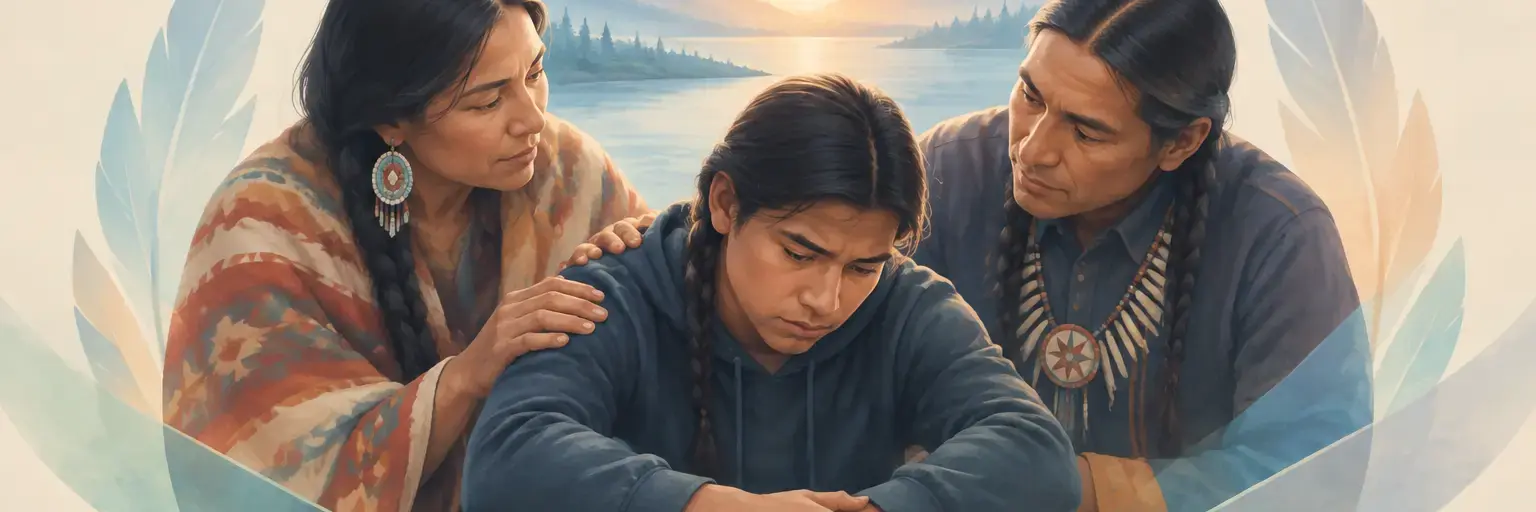
Indigenous communities across the globe carry the weight of colonization, forced assimilation, residential schools, and systemic discrimination—collectively known as historical trauma. This intergenerational pain contributes to elevated rates of depression, substance use, and suicide, especially among youth. In this section, we break down how this trauma manifests today, from disrupted family bonds to loss of language and land, while emphasizing that these are not personal failures but systemic wounds. Readers will gain a compassionate framework for recognizing early warning signs within their own families or communities.
More importantly, we highlight how understanding historical context can transform prevention efforts. Instead of blaming individuals, we focus on strengths-based approaches that reclaim cultural identity as a protective factor. You’ll learn about research linking cultural continuity—such as language revitalization, traditional ceremonies, and self-governance—with dramatically lower suicide rates. This knowledge empowers community members, educators, and healthcare providers to move beyond deficit models and toward healing that is both historically aware and forward-looking.
🌾 Community-Led Prevention Models That Work
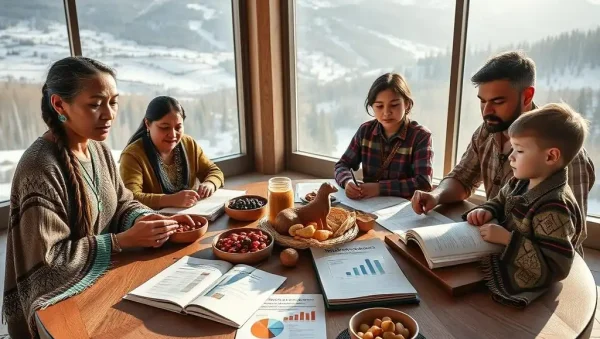
Top-down mental health programs often fail in Indigenous settings because they ignore local customs and decision-making processes. This subcategory showcases successful community-led models, such as the Alaska Native “Qungasvik” approach, which integrates Yup’ik values like respect, cooperation, and spirituality into daily prevention activities. You’ll explore how these programs train local “natural helpers” rather than importing outside counselors, fostering trust and accessibility. We also examine peer-support networks and youth mentorship initiatives that create safe spaces for open dialogue about suicidal thoughts.
What makes these models effective is their adaptability. We provide step-by-step guidance on how your community can design its own culturally tailored prevention plan—from conducting community needs assessments to incorporating traditional storytelling and land-based healing. Expect practical examples, funding ideas, and collaboration tips with tribal health services or urban Indigenous organizations. Whether you’re a community leader, teacher, or family member, you’ll leave with actionable strategies that prioritize sovereignty and self-determination, proving that solutions are most powerful when built from within.
🕊️ Culturally Safe Crisis Intervention and Support Resources
When a crisis occurs, immediate response must be both compassionate and culturally safe. This section covers crisis hotlines specifically designed for Indigenous peoples, such as the National Suicide Prevention Lifeline’s Indigenous-specific line (in the US) and similar services in Canada, Australia, and New Zealand. We explain how these services incorporate cultural humility, offering support in native languages and connecting callers to traditional healers when desired. Additionally, we outline what to expect during a crisis call, including confidentiality protocols and follow-up care options.
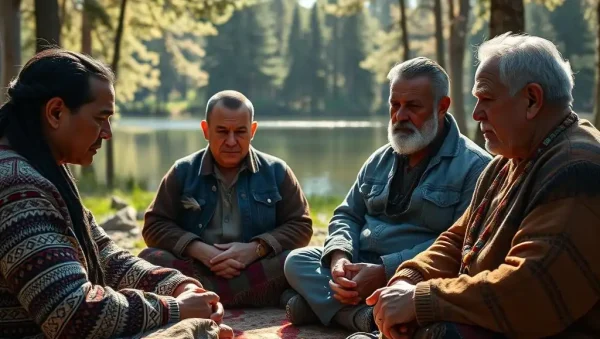
Beyond hotlines, we detail in-person intervention strategies that respect cultural protocols, such as involving elders or spiritual leaders in safety planning. You’ll learn how to create a “cultural safety plan” that integrates traditional practices—like smudging, sweat lodge ceremonies, or sea-weed bathing—alongside clinical care. We also address barriers to help-seeking, such as stigma and mistrust, and provide scripts for approaching someone in distress without coercion. This section aims to equip readers with the confidence to intervene effectively while honoring the individual’s autonomy and cultural identity.
📚 Healing Through Education, Arts, and Storytelling
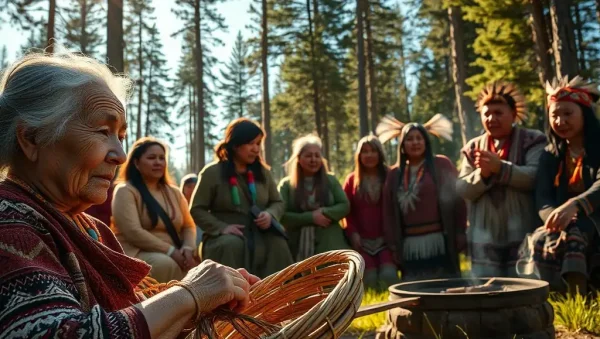
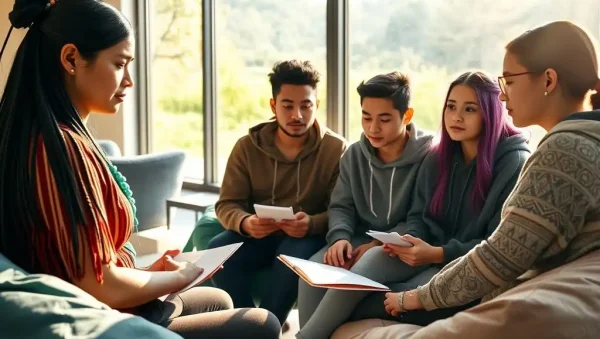
Prevention isn’t only about crisis response—it’s about building protective environments that nurture resilience from childhood onward. Here, we explore school-based curricula that teach emotional regulation through Indigenous pedagogies, incorporating oral traditions, drumming circles, and art therapy. Storytelling, in particular, serves as a powerful tool for normalization and healing, allowing youth to express struggles and aspirations in culturally meaningful ways. We highlight successful programs that use digital media, such as podcasts and short films, to combat isolation among Indigenous youth living in urban areas.
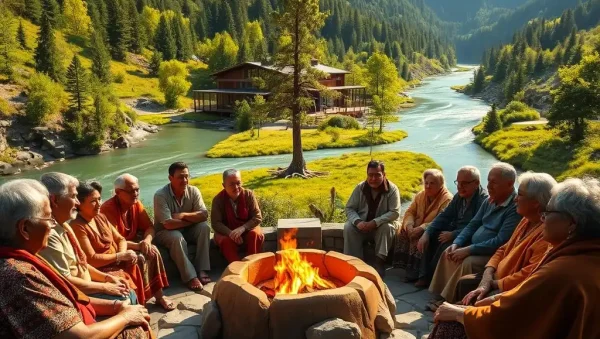
We also discuss the role of intergenerational mentorship, where elders share wisdom and life skills, creating a sense of belonging and purpose. This section provides resource lists for books, videos, and curricula freely available to educators and families, plus workshops for incorporating traditional ecological knowledge into mental health education. By framing healing as creative and communal, readers can see suicide prevention not as a grim checklist but as an opportunity to celebrate identity, foster pride, and strengthen community bonds through shared expression.
🌍 Policy, Advocacy, and Systemic Change for Lasting Impact
Individual and community efforts are crucial, but sustainable change requires policy advocacy to address social determinants of suicide risk—such as housing insecurity, poverty, and lack of access to quality healthcare. This section demystifies how readers can engage with local, regional, and national governments to push for Indigenous-specific funding, culturally competent care standards, and data sovereignty in mental health research. We provide case studies of successful campaigns, like the Australian “National Aboriginal and Torres Strait Islander Suicide Prevention Strategy,” and how grassroots advocacy shaped them.
Additionally, we explain the importance of decolonizing mental health systems, including hiring Indigenous clinicians, establishing cultural safety training for non-Indigenous providers, and integrating traditional healing within mainstream medical frameworks. Readers will find templates for writing to policymakers, organizing community forums, and partnering with Indigenous-led NGOs. While systemic change is slow, this section offers hope by showcasing small wins and network-building strategies. Ultimately, you’ll understand that every voice raised in advocacy contributes to a future where suicide is preventable, not inevitable, for Indigenous peoples everywhere.
Frequently Asked Questions
What are the most common warning signs of suicide risk in Indigenous youth?
Warning signs include withdrawal from community activities, sudden substance use, giving away possessions, talking about feeling trapped or being a burden, and drastic mood swings. Culturally, loss of interest in traditional practices or language may also signal distress. Immediate action is vital—respond calmly, listen without judgment, and involve a trusted elder or counselor.
How can non-Indigenous allies offer effective support without being intrusive?
Allyship means listening first, not leading. Educate yourself on local history and protocols, ask community leaders how you can help, and offer resources only when requested. Avoid savior narratives; instead, amplify Indigenous voices and support existing community-led programs. Attend trainings on cultural humility and respect boundary-setting around sacred practices.
Are there dedicated crisis lines for Indigenous people, and how do they differ?
Yes, lines like the US Lifeline’s option for “Indigenous & Native American” connect callers to trained responders who understand historical trauma and cultural context, offering support in native languages when possible. Unlike generic hotlines, they may incorporate spiritual practices, involve elder consultation, and follow up with community referrals rather than just phone-based advice.
What is a cultural safety plan, and how do I create one with at-risk individuals?
A cultural safety plan is a personalized crisis response that incorporates traditional practices, spiritual support, and trusted community contacts. Together, you list triggers, coping rituals (e.g., smudging, weaving, singing), and emergency steps including hotline numbers and safe spaces. It’s co-created with the individual to honor their identity and autonomy.
How can schools integrate suicide prevention without stigmatizing Indigenous students?
Schools should embed prevention into existing cultural curricula, not as a standalone crisis topic. Use holistic approaches: teach emotional vocabulary via storytelling, include land-based learning, and offer peer-support clubs led by Indigenous students. Ensure staff receive culturally safe training, and partner with local elders to guide messaging—creating a normalizing, strengths-based environment.