
TraumaInformed Care: Essential for Effective Prevention in Indigenous Settings

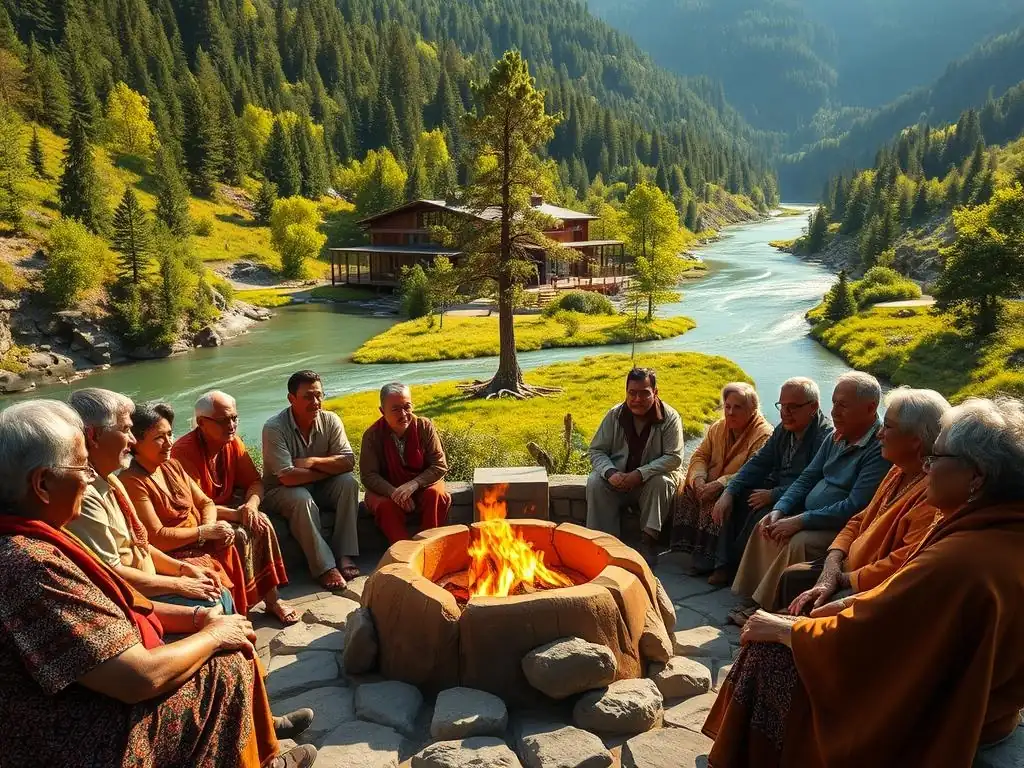
Welcome to Mind Care Guide, a place dedicated to nurturing your mental well-being.
Are you seeking a deeper understanding of how to create truly supportive environments, especially within Indigenous communities? Then you've come to the right place. This guide delves into the crucial role of traumainformed care in Indigenous settings, exploring how this approach can revolutionize prevention efforts. Discover the key principles and practical strategies that can make a profound difference. Keep reading to learn more and join us in building a more compassionate and healing future.
Trauma-Informed Care: Essential for Effective Prevention in Indigenous Settings
- Understanding the Intersection: Trauma-Informed Care and Indigenous Communities
- Implementing Trauma-Informed Practices in Indigenous Communities
- Trauma-Informed Suicide Prevention Strategies for Indigenous Communities
- Overcoming Barriers to Implementing Trauma-Informed Care in Indigenous Settings
- Measuring the Impact of Trauma-Informed Care in Indigenous Communities
- Resources and Support for Trauma-Informed Care in Indigenous Settings
-
Frequently Asked Questions
- What is Trauma-Informed Care and why is it important?
- Why is Trauma-Informed Care particularly important in Indigenous settings?
- What are some key principles of Trauma-Informed Care in Indigenous settings?
- How can Trauma-Informed Care improve mental well-being in Indigenous communities?
- What resources are available for learning more about Trauma-Informed Care in Indigenous settings?
- Final Reflection: Weaving Resilience Through Trauma-Informed Care
- Unlock a Brighter Future: Embrace Trauma-Informed Practices
Understanding the Intersection: Trauma-Informed Care and Indigenous Communities
The Prevalence of Historical and Intergenerational Trauma in Indigenous Populations
Indigenous populations across the globe have endured profound historical trauma stemming from colonization, including policies like residential schools, forced relocation, land dispossession, and cultural suppression. These events were not isolated incidents but constituted systemic attempts to dismantle Indigenous societies, languages, and ways of life. For example, in Canada, over 150,000 Indigenous children were forcibly removed from their families and placed in residential schools between the 1870s and 1996, where abuse was widespread.
In the United States, similar boarding school policies impacted thousands of Native American children. This collective historical trauma continues to manifest in contemporary challenges, creating a context where discussing traumainformed care Indigenous settings is critical.
The impacts of this historical trauma are not confined to the generations who directly experienced these events; they are transmitted across generations through complex biological, psychological, social, and cultural pathways. This intergenerational trauma can manifest as higher rates of mental health issues, substance use, family disruption, and chronic illness.
Studies have shown that children and grandchildren of residential school survivors often exhibit increased vulnerability to stress and trauma responses, even without direct personal exposure to the original traumatic events. Addressing this deep-seated intergenerational trauma requires approaches that acknowledge its historical roots and ongoing impact, highlighting the necessity of traumainformed care Indigenous settings.
Defining Trauma-Informed Care in the Context of Indigenous Well-being
Trauma-informed care is an organizational framework that recognizes and responds to the impact of trauma. It shifts the focus from "What's wrong with you?" to "What happened to you?"
In Indigenous contexts, this definition must be expanded to explicitly acknowledge historical, intergenerational, and ongoing systemic trauma as central factors shaping health and well-being. It involves understanding the pervasive nature of trauma and implementing practices that promote safety, trust, collaboration, choice, and empowerment for individuals and communities. This approach recognizes that trauma is not just an individual event but a collective experience deeply woven into the fabric of Indigenous history and present-day realities.
Crucially, defining traumainformed care Indigenous settings also requires incorporating cultural strengths and traditional knowledge as essential components of healing. It's not simply about applying a standard model to a specific population; it's about embedding care within Indigenous worldviews, healing practices, and community structures. This means valuing cultural identity, language, and connection to land as protective factors and pathways to recovery. A truly trauma-informed approach in these settings respects Indigenous sovereignty and self-determination in designing and delivering services, ensuring that care is not only safe and responsive but also culturally affirming and empowering.
Why Trauma-Informed Approaches are Crucial for Suicide Prevention in Indigenous Settings
Suicide rates in many Indigenous communities are significantly higher than in non-Indigenous populations, particularly among youth. For instance, in some regions, rates can be several times the national average. This disparity is directly linked to the unresolved trauma, historical disenfranchisement, and ongoing social determinants of health exacerbated by colonial legacies. Conventional suicide prevention programs, often developed without a trauma-informed lens or cultural context, may inadvertently retraumatize individuals or fail to address the underlying causes of distress rooted in trauma. A trauma-informed approach recognizes that suicidal ideation and attempts are often manifestations of overwhelming pain and trauma responses.
Applying traumainformed care Indigenous settings for suicide prevention means prioritizing safety and building trusting relationships, especially given historical mistrust of external systems. It involves understanding that behaviors like withdrawal, self-harm, or substance use may be coping mechanisms developed in response to trauma.
Prevention efforts must focus on creating environments where individuals feel safe to share their experiences without judgment, are empowered to make choices about their healing journey, and are reconnected with cultural strengths and community supports. By addressing the trauma directly, rather than just the symptom of suicidal risk, trauma-informed care offers a more compassionate and effective pathway to healing and well-being.
Implementing Trauma-Informed Practices in Indigenous Communities
Key Principles of Trauma-Informed Care for Indigenous Populations
Implementing traumainformed care Indigenous settings requires a deep commitment to core principles, adapted to the unique cultural and historical context. These principles guide interactions, service delivery, and organizational culture to ensure that healing environments are safe, trustworthy, and empowering. They stand in contrast to historical experiences with systems that were often unsafe, untrustworthy, and disempowering.
Safety and Trustworthiness: Building Strong Relationships
Creating physical and emotional safety is the foundational principle of traumainformed care. For Indigenous individuals and communities who have experienced systemic violence and betrayal, establishing trust is paramount but challenging. This involves being transparent about processes, maintaining clear boundaries, ensuring confidentiality, and consistently demonstrating reliability.
Building strong, reciprocal relationships based on respect and understanding is key to fostering trust. This goes beyond professional protocols to genuine human connection, acknowledging the individual's resilience and inherent worth despite their trauma experiences. It requires service providers to be predictable and reliable, countering the unpredictable and often harmful nature of past systemic interactions.
Choice, Collaboration, and Empowerment: Restoring Agency
Historical trauma often involves the loss of control and agency. Trauma-informed care seeks to restore this by maximizing choices and control for individuals receiving services. This means involving individuals in decision-making about their care plans, offering options whenever possible, and respecting their right to decline services.
Collaboration is essential, working with individuals and communities rather than on or for them. This principle emphasizes partnership, recognizing that individuals are experts in their own lives and healing journeys. Empowering individuals involves building on their strengths, fostering self-advocacy, and supporting their efforts to regain control over their lives and well-being, directly counteracting the effects of historical disempowerment.
Cultural Humility and Responsiveness: Honoring Indigenous Values
Cultural humility is a lifelong process of self-reflection and learning about others' cultures, moving beyond cultural competence to actively address power imbalances and institutional biases. In Indigenous settings, this means recognizing the profound impact of culture on identity, healing, and resilience. It requires service providers to approach interactions with respect, openness, and a willingness to learn from Indigenous peoples.
Cultural responsiveness involves tailoring services to align with Indigenous values, beliefs, and practices. This could include incorporating traditional ceremonies, involving Elders, utilizing Indigenous languages, or conducting sessions on the land. Honoring Indigenous values acknowledges that cultural connection is a vital source of strength and healing, making care more relevant, effective, and respectful within a traumainformed care Indigenous settings framework.
Adapting Trauma-Informed Care Models to Indigenous Cultural Contexts
Generic trauma-informed care models, while providing a useful framework, must be significantly adapted to be effective and respectful in Indigenous communities. This adaptation involves more than just translation; it requires a fundamental integration of Indigenous worldviews, epistemologies, and healing practices. For instance, Western models often focus on individual therapy, whereas many Indigenous healing traditions emphasize collective well-being, family involvement, and community healing processes. Adapting models means shifting from solely individualistic approaches to those that include family counseling, community-based programs, and intergenerational activities.
Furthermore, adaptation means ensuring that the language and concepts used resonate within the cultural context. Terms like "healing," "well-being," and "trauma" may have different meanings or be understood through different lenses within Indigenous cultures. Incorporating narrative approaches, storytelling, and land-based healing practices, which are often central to Indigenous traditions, can make trauma recovery more accessible and meaningful. Successful traumainformed care Indigenous settings models are those co-created with community members, ensuring they are culturally relevant, address specific local needs, and build upon existing community strengths and resources.
Addressing Specific Trauma Types in Indigenous Settings: Child Welfare System Involvement
The child welfare system has historically caused immense trauma in Indigenous communities, often referred to as the "Sixties Scoop" in Canada and similar practices in other countries, where Indigenous children were disproportionately removed from their homes. While policies have changed, Indigenous children remain vastly overrepresented in care systems globally. In Canada, as of 2022, Indigenous children make up less than 8% of the child population under 15 but account for over 53% of children in foster care. This ongoing separation from family, culture, and community constitutes a major source of trauma and perpetuates intergenerational cycles of harm.
Addressing this specific trauma type within a traumainformed care Indigenous settings framework requires significant systemic change. It means prioritizing keeping families together, investing in preventative community-based support services, and empowering Indigenous communities to develop and control their own child welfare systems.
For children who must be in care, it necessitates placing them with extended family or within their community, maintaining cultural connections, and providing trauma-informed support that acknowledges the loss and grief associated with separation. Healing from the trauma of child welfare involvement requires supporting reunification where possible, providing culturally grounded healing for affected individuals and families, and advocating for policy changes that uphold Indigenous family integrity and self-determination.
Trauma-Informed Suicide Prevention Strategies for Indigenous Communities
Creating Culturally Relevant Suicide Prevention Programs
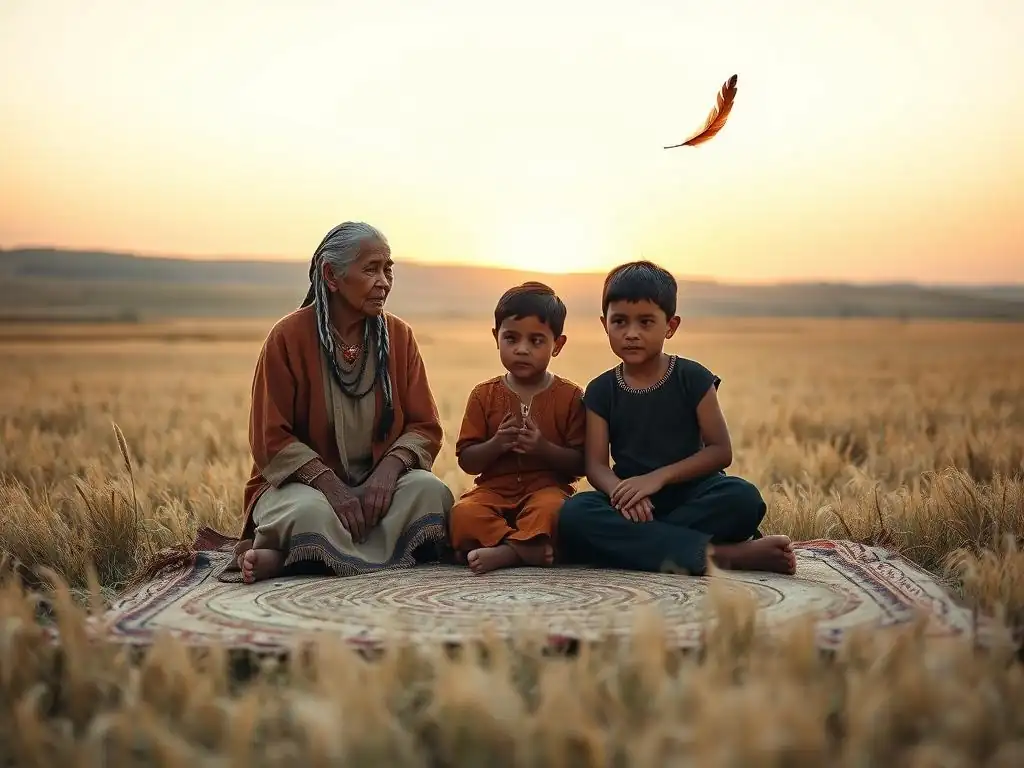
Effective suicide prevention in Indigenous settings must be rooted in cultural relevance. This means programs are designed and delivered by Indigenous people, reflecting local customs, languages, and values. Generic Western models may not resonate or may even be counterproductive if they do not acknowledge the unique historical and social context. Culturally relevant programs often incorporate traditional ceremonies, storytelling, land-based activities, and the guidance of Elders as integral components of healing and prevention.
For example, a program might involve youth participating in traditional drumming circles, learning cultural teachings, or engaging in land-based activities like hunting or gathering traditional medicines. These activities strengthen cultural identity, build positive relationships, and provide a sense of belonging and purpose – factors known to be protective against suicide risk. A traumainformed care Indigenous settings approach ensures that these programs are delivered in a way that recognizes participants' potential trauma histories, prioritizing safety, choice, and empowerment within the cultural framework.
Integrating Traditional Healing Practices with Trauma-Informed Care
Traditional healing practices are invaluable resources for addressing trauma and promoting well-being in Indigenous communities. These practices, which can include ceremonies (like sweats or smudges), talking circles, traditional medicines, and guidance from Elders and Knowledge Keepers, offer holistic approaches to healing that address the spiritual, emotional, physical, and mental aspects of a person. Integrating these practices with trauma-informed care provides a powerful synergy.
Instead of viewing traditional healing as separate from or secondary to clinical care, a trauma-informed approach sees them as complementary and equally valid pathways to healing. For instance, a mental health professional might collaborate with an Elder to incorporate cultural teachings into therapy sessions or refer clients to traditional healers alongside clinical support. This integration respects Indigenous knowledge systems, empowers communities to utilize their inherent strengths, and provides culturally congruent support that is essential for effective traumainformed care Indigenous settings and suicide prevention.
Empowering Indigenous Youth Through Trauma-Informed Support
Indigenous youth face disproportionately high rates of trauma exposure and suicide risk, often navigating the complex interplay of historical trauma, ongoing discrimination, and the challenges of modern life. Empowering youth within a trauma-informed framework is critical. This involves creating safe spaces where they feel heard, respected, and valued, and where their experiences of trauma are validated without judgment.
Empowerment strategies include supporting youth leadership development, fostering cultural pride and connection, and providing opportunities for skill-building and positive identity formation. Mentorship programs connecting youth with Elders and positive role models can provide guidance and support, helping them navigate challenges and build resilience. Trauma-informed support for youth focuses on building on their strengths, fostering hope, and providing them with the tools and resources they need to heal and thrive, making traumainformed care Indigenous settings particularly vital for this population.
Addressing Substance Use and Mental Health Issues with a Trauma-Informed Lens
Substance use disorders and mental health challenges like depression and anxiety are often linked to unresolved trauma. In Indigenous communities, high rates of substance use are frequently coping mechanisms developed in response to the overwhelming pain of historical and intergenerational trauma, poverty, and discrimination. Addressing these issues effectively requires moving beyond approaches that focus solely on addiction or symptoms and adopting a trauma-informed lens.
A trauma-informed approach to substance use and mental health recognizes that these are often expressions of underlying trauma. Treatment focuses on creating safety, building trust, and helping individuals process their trauma in a supportive environment, rather than solely on stopping substance use or managing symptoms. This approach integrates mental health and substance use services, offers flexible and accessible care, and utilizes culturally relevant healing practices to support recovery and long-term well-being within traumainformed care Indigenous settings.
Overcoming Barriers to Implementing Trauma-Informed Care in Indigenous Settings
Addressing Systemic Barriers and Inequalities
Implementing effective traumainformed care Indigenous settings is hindered by deep-seated systemic barriers rooted in colonial structures and ongoing inequalities. These include chronic underfunding of health and social services, geographical isolation limiting access to care, lack of culturally appropriate resources, and the ongoing impact of systemic racism within institutions. For example, disparities in funding for child welfare services have been highlighted in various legal cases, demonstrating how unequal resource allocation directly impacts community capacity to provide preventative, trauma-informed support.
Overcoming these barriers requires systemic change and advocacy at multiple levels. It involves governments upholding their responsibilities, increasing sustainable funding for Indigenous-controlled health and social services, and actively working to dismantle discriminatory policies and practices. Empowering Indigenous communities to design and govern their own services is crucial, ensuring that resources are directed according to community priorities and cultural needs, thereby creating the necessary foundation for trauma-informed approaches to flourish.
Building Capacity and Training for Trauma-Informed Practitioners
A significant barrier is the lack of sufficient numbers of culturally competent, trauma-informed practitioners, particularly Indigenous practitioners, working within communities. Training in mainstream healthcare and social work programs often lacks adequate focus on historical trauma, intergenerational impacts, and culturally specific healing modalities relevant to Indigenous populations. This gap means that even well-intentioned practitioners may not be equipped to provide truly trauma-informed care Indigenous settings.
Building capacity requires investing in culturally specific trauma-informed training programs for both Indigenous and non-Indigenous service providers. This training should be developed in partnership with Indigenous communities and Elders, incorporating Indigenous knowledge and perspectives. Supporting Indigenous individuals to pursue careers in health and social services through scholarships, mentorship, and culturally supportive educational environments is also vital to ensure that care is delivered by individuals who share cultural understanding and experiences.
Ensuring Adequate Funding and Resources for Trauma-Informed Initiatives
The successful implementation and sustainability of traumainformed care Indigenous settings require consistent and adequate funding, which has historically been a major challenge. Many Indigenous communities operate with limited budgets, struggling to provide even basic services, let alone invest in specialized trauma-informed training, program development, and evaluation. Short-term project funding cycles also create instability, making it difficult to build long-term capacity and maintain essential programs.
Advocacy for dedicated, long-term funding streams for Indigenous mental health and trauma healing initiatives is essential. This funding must be flexible, allowing communities to tailor programs to their specific needs and priorities. Resources are also needed for culturally appropriate infrastructure, materials, and support systems, such as access to traditional healers and land for healing activities. Ensuring predictable and sufficient resources empowers communities to build sustainable traumainformed care Indigenous settings that can effectively address trauma and support well-being.
Measuring the Impact of Trauma-Informed Care in Indigenous Communities
Using Culturally Appropriate Evaluation Methods
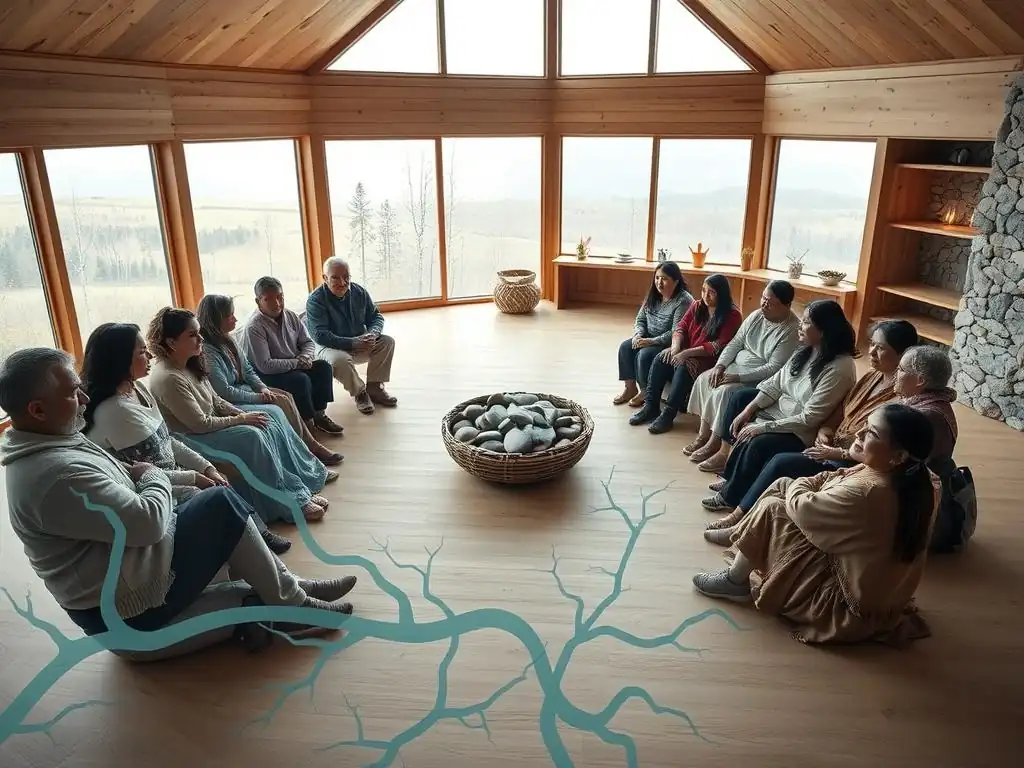
Measuring the effectiveness of traumainformed care Indigenous settings requires evaluation methods that are respectful of Indigenous worldviews, protocols, and ways of knowing. Traditional Western quantitative methods alone may not capture the holistic nature of healing or the cultural impacts of programs. Culturally appropriate evaluation involves partnering with communities to define what constitutes success and well-being from their perspective.
This might include using qualitative methods like storytelling, sharing circles, and interviews to gather rich narratives about healing journeys. It could also involve incorporating Indigenous indicators of well-being, such as connection to culture, language revitalization, community engagement, and family strength, alongside standard mental health measures. Evaluation processes must be collaborative, transparent, and empowering, ensuring that data is owned and controlled by the community and used in ways that benefit them.
Tracking outcomes in trauma-informed suicide prevention initiatives requires careful consideration and sensitivity, particularly regarding suicide data itself. While monitoring rates of suicidal ideation, attempts, and completions is important for understanding trends, a trauma-informed approach also focuses on broader indicators of mental well-being and resilience.
Relevant outcomes might include increased engagement in cultural activities, improved family relationships, enhanced coping skills, reduced substance use, improved school attendance or employment, and increased feelings of hope and empowerment. Data collection methods should be respectful and non-intrusive, prioritizing confidentiality and safety. Focusing on positive indicators of well-being, alongside reductions in risk factors, provides a more comprehensive picture of the impact of traumainformed care Indigenous settings.
Sharing insights from implementing traumainformed care Indigenous settings is vital for knowledge exchange and advocating for broader change. However, this must be done respectfully, ensuring that community ownership of data and stories is maintained and that sharing aligns with community protocols and values. Success stories can inspire other communities and demonstrate the effectiveness of culturally relevant, trauma-informed approaches to policymakers and funders.
Lessons learned, including challenges and adaptations, are equally valuable. Documenting the process of adapting models, addressing systemic barriers, and building capacity provides practical guidance for others undertaking similar work. Sharing should prioritize platforms and formats that are accessible and meaningful to Indigenous communities, such as community gatherings, Indigenous-led conferences, and culturally appropriate publications, contributing to a growing body of knowledge on effective traumainformed care Indigenous settings.
Resources and Support for Trauma-Informed Care in Indigenous Settings
Organizations and Programs Dedicated to Indigenous Mental Health
Numerous organizations and community-based programs are dedicated to improving mental health and well-being in Indigenous communities, often incorporating trauma-informed principles. These range from national advocacy bodies and health organizations that provide resources and policy guidance to local community health centers, cultural centers, and healing lodges.
These entities frequently offer a blend of clinical services, traditional healing programs, cultural activities, and community support initiatives. They serve as vital resources for individuals seeking support and for practitioners looking to learn more about culturally safe and trauma-informed practices. Supporting these organizations and promoting awareness of their services is crucial for expanding access to effective traumainformed care Indigenous settings.
Training and Educational Materials on Trauma-Informed Care
Access to culturally relevant training and educational materials is essential for building a trauma-informed workforce in Indigenous settings. Various resources exist, often developed by Indigenous health organizations, universities with Indigenous health programs, or community-based initiatives.
These materials can include workshops on historical trauma and its impacts, training in specific trauma therapies adapted for Indigenous contexts, resources on cultural safety and humility, and guides for implementing trauma-informed principles in various service settings. Online resources, webinars, and in-person training sessions are increasingly available, though access can be limited in remote communities. Investing in the development and dissemination of these resources is key to expanding traumainformed care Indigenous settings.
Funding Opportunities for Trauma-Informed Initiatives
Securing consistent funding is a persistent challenge for trauma-informed initiatives in Indigenous communities. Funding opportunities may come from government health and social service departments, Indigenous self-governance structures, private foundations with mandates related to Indigenous well-being or mental health, and specific grant programs focused on trauma or suicide prevention.
Advocating for increased, dedicated funding streams specifically for Indigenous-led, trauma-informed mental health and healing programs is ongoing. Communities and organizations often navigate complex application processes and reporting requirements. Ensuring that funding models support long-term planning, capacity building, and culturally appropriate service delivery is critical for sustaining effective traumainformed care Indigenous settings.
Frequently Asked Questions
What is Trauma-Informed Care and why is it important?
Trauma-Informed Care is an approach that recognizes the widespread impact of trauma on individuals and organizations. It emphasizes understanding and responding to the effects of trauma to promote healing and avoid re-traumatization.
Why is Trauma-Informed Care particularly important in Indigenous settings?
Indigenous communities have experienced historical and ongoing trauma due to colonization, cultural disruption, and systemic inequalities. Trauma-Informed Care is vital for addressing the unique needs and vulnerabilities within these communities and fostering culturally safe environments.
What are some key principles of Trauma-Informed Care in Indigenous settings?
Key principles include cultural safety and humility, empowerment and self-determination, and building trusting relationships based on respect and reciprocity. It also involves recognizing and addressing the impact of intergenerational trauma.
How can Trauma-Informed Care improve mental well-being in Indigenous communities?
By acknowledging and addressing trauma, Trauma-Informed Care can reduce symptoms of mental health challenges such as PTSD, depression, and anxiety. It also promotes healing, resilience, and a sense of belonging within the community.
What resources are available for learning more about Trauma-Informed Care in Indigenous settings?
Mind Care Guide offers a comprehensive guide to mental well-being, including information and resources related to Trauma-Informed Care. You can also seek out training programs and consultations specifically designed for working with Indigenous communities.
Final Reflection: Weaving Resilience Through Trauma-Informed Care
The pervasive impact of historical and ongoing trauma on Indigenous communities demands a fundamental shift in how we approach prevention and care. Ignoring this reality perpetuates cycles of suffering and undermines efforts to build healthy, thriving communities. Trauma-informed care isn't just a best practice; it's a moral imperative.
The journey towards true reconciliation and healing requires a deep understanding of the intergenerational trauma that continues to shape Indigenous lives. This understanding must inform every aspect of service delivery, from healthcare and education to social work and law enforcement. The principles of trauma-informed care – safety, trustworthiness, choice, collaboration, and empowerment – are not simply guidelines; they are the bedrock upon which we must rebuild trust and foster resilience. Healing is a journey, not a destination.
This simple truth underscores the ongoing need for commitment and adaptation within trauma-informed approaches, recognizing the unique needs and strengths of each community.
Now, consider your own role in fostering healing and prevention. How can you integrate the principles of trauma-informed care into your interactions with Indigenous individuals and communities? What steps can you take to become a more informed and effective ally in this crucial work? The path forward requires collective action, empathy, and a steadfast commitment to creating a future where Indigenous voices are heard, respected, and empowered. Let us work together to weave resilience into the fabric of our communities.
Unlock a Brighter Future: Embrace Trauma-Informed Practices
Thanks for investing your time in learning about trauma-informed care within Indigenous communities. You've gained valuable insights into creating safer and more supportive environments. Now, let's put that knowledge into action!
- Prioritize implementing at least one trauma-informed strategy within your work or community – even a small change can make a significant difference. Consider starting with improved communication or active listening techniques.
- Share this article with colleagues, friends, or family members who may benefit from this information. Let's spread awareness and build a stronger network of support.
- Explore resources from Indigenous organizations leading the way in trauma-informed care. Discovering their work will deepen your understanding and inspire further action.
What practical step will you take today to incorporate trauma-informed principles into your sphere of influence?