
Building Hope: CommunityLed Initiatives Reducing Suicide Risk

Welcome to Mind Care Guide.
Are you looking for ways to foster hope and resilience in the face of despair? It's okay to not be okay, and understanding how communities can rally together is a powerful first step. This guide delves into CommunityLed Suicide Prevention Strategies, exploring innovative approaches that are making a real difference. Discover how collective action can build a stronger safety net and empower individuals to seek help. Intrigued? Let's explore how we can build a brighter future, together.
Building Hope: Community-Led Initiatives Reducing Suicide Risk
Suicide is a complex issue impacting communities worldwide, and for Indigenous populations, the rates are often disproportionately high. Addressing this crisis requires approaches that are not only effective but also deeply rooted in cultural understanding and community empowerment. This article explores the vital role of communityled suicide prevention strategies, highlighting successful models and offering guidance for implementation, all within the context of supporting mental well-being.
- Understanding Suicide Risk in Indigenous Communities
- Community-Led Suicide Prevention Strategies: A Powerful Approach
- Examples of Successful Community-Led Initiatives
- Implementing Community-Led Suicide Prevention: A Step-by-Step Guide
- Overcoming Challenges in Community-Based Suicide Prevention
- The Role of Indigenous Knowledge and Traditions in Suicide Prevention
- Resources for Community-Led Suicide Prevention
- The Future of Suicide Prevention: Empowering Indigenous Communities
-
Frequently Asked Questions
- What are community-led suicide prevention strategies?
- Why are community-led approaches important for suicide prevention?
- What are some examples of community-led suicide prevention initiatives?
- How can I get involved in community-led suicide prevention efforts?
- What resources are available to support community-led suicide prevention?
- Final Reflection: The Ripple Effect of Hope
- Ignite Your Community: Take Action Against Suicide
Understanding Suicide Risk in Indigenous Communities
Indigenous communities across the globe face unique historical, social, and economic challenges that contribute to elevated rates of suicide. Understanding these underlying factors is the critical first step in developing meaningful and effective prevention efforts. It's not just about addressing symptoms, but acknowledging the deep-seated issues at play.
Unique Challenges Faced by Indigenous Populations
Generations of colonization, displacement, and cultural suppression have left deep scars on Indigenous communities, leading to intergenerational trauma that significantly impacts mental health. This historical context is often compounded by contemporary challenges such as poverty, lack of access to adequate healthcare and education, systemic discrimination, and loss of cultural identity and language.
For instance, studies in Canada have consistently shown suicide rates among First Nations youth to be five to seven times higher than non-Indigenous youth, a stark indicator of the cumulative impact of these challenges. These factors create an environment where individuals may feel isolated, hopeless, and disconnected, increasing vulnerability.
Furthermore, the breakdown of traditional social structures and governance, often a direct result of colonial policies, can erode community cohesion and support systems that historically provided resilience. This disruption can leave individuals without the strong familial and community networks that are vital for mental well-being and crisis support.
Access to culturally appropriate mental health services is also severely limited in many remote or underserved Indigenous territories, meaning that even when individuals seek help, they may encounter barriers related to cultural understanding, language, or simply geographic distance. Addressing these unique challenges requires acknowledging their historical roots and empowering communities to rebuild and heal on their own terms.
The Importance of Culturally Sensitive Suicide Prevention
Effective suicide prevention within Indigenous communities must be grounded in cultural sensitivity and respect for traditional knowledge and practices. Approaches developed outside of these communities often fail because they do not resonate with cultural values, worldviews, or communication styles. A culturally sensitive approach recognizes the strength and resilience within Indigenous cultures and seeks to leverage these assets in healing and prevention efforts. For example, incorporating traditional ceremonies, storytelling, and connection to the land can be far more impactful than relying solely on Western therapeutic models.
Moreover, trust is paramount. Due to historical mistreatment and broken promises by external institutions, many Indigenous individuals and communities harbor understandable distrust towards outside organizations or generic programs. Culturally sensitive communityled suicide prevention strategies are built on relationships, respect, and genuine collaboration, ensuring that programs are delivered by people who understand and are part of the community. This not only makes the programs more accessible and acceptable but also reinforces community autonomy and self-determination, which are crucial for long-term success and healing.
Why Community-Led Initiatives are Crucial
Community-led initiatives are essential because they place the power and decision-making authority directly into the hands of those most affected by the issue. Local community members possess invaluable knowledge about the specific challenges, strengths, and cultural nuances of their own people that external experts simply cannot replicate. This intrinsic understanding allows for the development of suicide prevention strategies that are truly relevant, appropriate, and sustainable within the local context. When a community takes ownership of its prevention efforts, it fosters a sense of collective responsibility and hope.
Furthermore, communityled suicide prevention initiatives help to rebuild and strengthen social capital and support networks from within. They leverage existing community assets, such as elders, cultural leaders, traditional healers, and local organizations, creating a web of support that is accessible and trusted. This contrasts sharply with top-down approaches that can feel imposed and disconnected. By empowering communities to design and deliver their own programs, these initiatives not only address suicide risk directly but also contribute to broader community healing, resilience, and self-determination, creating a foundation for lasting change.
Community-Led Suicide Prevention Strategies: A Powerful Approach
Embracing a community-led model represents a fundamental shift in how suicide prevention is approached, moving from external intervention to internal empowerment. This approach recognizes that lasting solutions emerge from within the community itself, drawing on its inherent strengths and wisdom.
Defining Community-Led Suicide Prevention
Community-led suicide prevention is an approach where the initiation, planning, implementation, and evaluation of prevention efforts are driven and controlled by members of the affected community. It is characterized by self-determination, cultural relevance, and the utilization of local resources and knowledge. Unlike programs designed and imposed by external agencies, community-led initiatives prioritize the voices and priorities of community members, ensuring that strategies are tailored to their specific needs and cultural context. This means that community members are not just participants but are the primary decision-makers throughout the entire process.
A key aspect of this definition is the emphasis on empowering the community to identify its own challenges and develop its own solutions. This often involves significant capacity building within the community, training local individuals to become peer supporters, counselors, or program facilitators. For example, a community might decide to revive traditional ceremonies as a core component of their prevention plan, recognizing their historical role in healing and connection.
This level of ownership ensures that the initiatives are sustainable and truly reflect the community's values and aspirations for well-being. These communityled suicide prevention strategies build on trust and shared purpose.
Key Principles of Effective Community-Based Programs
Effective communityled suicide prevention strategies are guided by several core principles. Foremost among these is cultural humility and respect, recognizing that external partners are guests and learners in the community's process. Another crucial principle is genuine partnership and collaboration, where external agencies or governments act as allies and resource providers rather than directors. This involves sharing power and ensuring that community members lead decision-making processes.
Sustainability is also a vital principle, meaning that programs are designed with long-term viability in mind, often through building local capacity and securing diverse funding sources. Furthermore, effective programs are flexible and adaptable, able to evolve as community needs change and as lessons are learned through ongoing evaluation. They prioritize the integration of traditional knowledge and practices alongside contemporary evidence-based approaches, creating a holistic model. Transparency and accountability to the community itself are also non-negotiable, ensuring that the initiatives remain aligned with community goals and values.
Empowering Indigenous Voices in Suicide Prevention Efforts
Centering and empowering Indigenous voices is not just a principle; it is the cornerstone of successful communityled suicide prevention strategies. This involves actively creating spaces where Indigenous individuals, families, elders, youth, and leaders can share their experiences, concerns, and ideas without judgment. It means listening deeply to their perspectives on the root causes of distress and what healing looks like from their cultural viewpoint. For example, a youth council might identify the need for safe spaces and cultural activities as paramount, leading the development of a youth-specific program.
Empowerment also involves providing the resources, training, and support necessary for community members to take on leadership roles in designing and delivering programs. This could include training in counseling skills, crisis intervention, program management, or grant writing. By investing in local capacity, communities become less reliant on external support and more self-sufficient in addressing their mental health needs. Ultimately, empowering Indigenous voices ensures that suicide prevention efforts are not just for the community, but are truly by the community, fostering a sense of agency and hope that is essential for healing and resilience.
Examples of Successful Community-Led Initiatives
Examining real-world examples provides tangible insight into how communityled suicide prevention strategies are implemented and their positive impact. These initiatives demonstrate the power of local knowledge, cultural integration, and community ownership in addressing complex mental health challenges.
The Native American Lifelines Program (United States)
The Native American Lifelines Program serves urban American Indians and Alaska Natives in metropolitan areas, offering culturally sensitive behavioral health services. Recognizing the unique challenges faced by Indigenous people living in urban settings, often disconnected from traditional lands and community structures, the program aims to provide accessible support rooted in cultural understanding. Its goals include reducing suicide risk, improving mental health outcomes, and strengthening cultural identity among urban Indigenous populations.
Program Overview and Goals
Native American Lifelines was established to fill a critical gap in culturally appropriate mental health services for urban Indigenous individuals. Its core mission is to provide a lifeline of support that respects and incorporates Native American and Alaska Native cultures, traditions, and values. Key goals include increasing access to mental health and substance abuse treatment, providing crisis intervention and suicide prevention services, and fostering a sense of community and cultural connection among participants. The program understands that historical trauma and contemporary stressors require a holistic approach that addresses both clinical needs and cultural well-being.
Key Activities and Interventions
The program offers a range of services designed to meet the diverse needs of the urban Indigenous population. These include individual and group counseling, often incorporating traditional healing practices alongside Western therapeutic modalities. They provide crisis intervention services, including access to emergency support for those at immediate risk.
Cultural activities, such as drumming circles, talking circles, and traditional arts, are integral components, serving to strengthen cultural identity and provide a supportive community environment. Outreach and education within the urban Indigenous community are also key activities, raising awareness about mental health and available resources. They actively train community members and staff in suicide prevention gatekeeper programs like ASIST or safeTALK, adapting them to be culturally relevant.
Impact and Outcomes
While specific quantitative data on suicide rate reduction is complex to isolate for a single program serving a dispersed urban population, Native American Lifelines has reported significant positive outcomes in increasing access to care and improving participant well-being. Anecdotal evidence and program evaluations highlight increased help-seeking behavior among urban Indigenous individuals who previously felt disconnected from mainstream services.
Participants often report feeling more connected to their culture and community, which are protective factors against suicide. The program has successfully built trust within the urban Indigenous community, becoming a vital resource for those facing mental health challenges and suicidal ideation, demonstrating the effectiveness of culturally tailored, community-based support.
The We Matter Campaign (Canada)
The We Matter Campaign is an Indigenous-led national charitable organization dedicated to inspiring hope and strength among Indigenous youth and young adults in Canada. Recognizing the disproportionately high suicide rates among this demographic, particularly in remote communities, the campaign uses digital media and storytelling to create a platform for positive messages and peer support. It is distinct in its focus on empowering youth voices and leveraging technology to reach individuals who may feel isolated.
Program Overview and Goals
Launched in 2016 by two siblings from the Attawapiskat First Nation, the We Matter Campaign aims to communicate to Indigenous youth that they are valuable, loved, and have bright futures. Its primary goal is to decrease feelings of hopelessness and isolation, which are significant risk factors for suicide. The campaign achieves this by collecting and sharing messages of hope, resilience, and cultural pride from Indigenous role models, elders, youth, and allies across the country. It seeks to foster a sense of belonging and connection among young people facing difficult circumstances.
Key Activities and Interventions
The core activity of the We Matter Campaign is the collection and dissemination of messages through various digital platforms, including social media, a dedicated website, and YouTube. These messages take the form of videos, written notes, and artwork. The campaign actively encourages Indigenous youth to share their own stories of resilience and hope, creating a peer-to-peer support network.
They also develop and share educational resources on mental health and well-being, often in partnership with other Indigenous organizations. A notable initiative is the We Matter Box, a physical package of inspiring items and resources distributed to communities and youth groups, providing tangible support and reminders that they are not alone.
Impact and Outcomes
The We Matter Campaign has achieved significant reach and impact, particularly among Indigenous youth online. As of late 2023, their videos and messages have been viewed millions of times across various platforms, reaching an estimated tens of thousands of young people annually.
Anecdotal feedback and testimonials indicate that the campaign's messages have provided comfort, inspiration, and a sense of connection for many who were struggling. While direct causal links to suicide rate reduction are challenging to measure solely from a digital campaign, its success lies in its ability to penetrate isolation, foster a sense of shared experience, and promote positive coping strategies and help-seeking behavior among a vulnerable demographic, illustrating the power of youth-led, culturally relevant digital initiatives as part of broader communityled suicide prevention strategies.
The Yarning SafeNStrong Program (Australia)
Yarning SafeNStrong is a mental health and well-being support line specifically for Aboriginal and Torres Strait Islander peoples in Queensland, Australia. Developed and delivered by Indigenous individuals, it provides a culturally safe space for people to yarn (talk) about their feelings, concerns, and experiences, including thoughts of suicide. The program recognizes the importance of culturally appropriate communication and the therapeutic power of yarning within Indigenous cultures.
Program Overview and Goals
The program's primary goal is to provide immediate, culturally appropriate social and emotional well-being support and crisis intervention to Aboriginal and Torres Strait Islander people. It aims to be a trusted first point of contact for individuals experiencing distress, anxiety, depression, or suicidal thoughts. A core objective is to offer a safe, confidential, and non-judgmental space where callers can connect with someone who understands their cultural background and the unique challenges they face. The service is staffed by trained Aboriginal and Torres Strait Islander counselors and support workers.
Key Activities and Interventions
The main activity is operating a dedicated phone line and online chat service accessible across Queensland. Counselors use culturally sensitive approaches, including yarning, to build rapport and provide support. They assist callers in identifying their feelings, exploring coping strategies, and connecting with local community resources and services. The service provides crisis support for individuals at high risk, working collaboratively with other health services when necessary, but always prioritizing the caller's cultural needs and preferences. The program also engages in community outreach to raise awareness of the service and reduce stigma around seeking help for mental health issues.
Impact and Outcomes
Yarning SafeNStrong has become a vital resource, receiving thousands of calls and online chats annually from individuals seeking support. While precise figures on suicide prevention outcomes are complex to attribute solely to the helpline, its impact is evident in the volume of calls and positive feedback from service users and community partners.
The service provides a critical access point for immediate support for individuals who may be hesitant to use mainstream crisis lines due to cultural barriers or lack of trust. By providing a culturally safe space for yarning about distress and suicidal thoughts, the program directly contributes to de-escalation, connection to care, and increased help-seeking, demonstrating the effectiveness of culturally tailored, accessible support lines as a component of communityled suicide prevention strategies.
Implementing Community-Led Suicide Prevention: A Step-by-Step Guide

Implementing effective communityled suicide prevention strategies requires careful planning, genuine collaboration, and a commitment to empowering the community throughout the process. It is not a one-size-fits-all approach but a dynamic process tailored to the specific context of each community.
Step 1: Assessing Community Needs and Resources
The foundational step in any community-led initiative is a thorough assessment conducted by and with the community. This involves understanding the specific factors contributing to suicide risk in that particular context, including historical trauma, current social determinants of health, and existing mental health challenges. Equally important is identifying the community's strengths, resilience factors, traditional coping mechanisms, cultural assets, and existing resources, such as elders, cultural practitioners, community leaders, and local organizations.
This assessment should utilize culturally appropriate methods, such as talking circles, community forums, and interviews with key members, ensuring that all voices, including youth and elders, are heard. Data collection should be respectful and purposeful, focusing on information that will directly inform the prevention strategy. A strong understanding of both the challenges and the existing strengths is crucial for developing strategies that are relevant, feasible, and build upon the community's inherent capacity for healing.
Step 2: Building Partnerships and Collaboration
Successful communityled suicide prevention requires building strong, trusting partnerships both within the community and with external allies. Within the community, this involves bringing together diverse groups, including families affected by suicide, residential school survivors, youth, elders, cultural leaders, local health workers, and educators. Establishing a core working group or steering committee comprised primarily of community members is essential for guiding the process.
External partners, such as government health agencies, non-profit organizations, or research institutions, can provide valuable resources, technical expertise, and funding. However, these partnerships must be based on principles of respect, transparency, and power-sharing, with the community maintaining leadership and decision-making authority. Memorandums of understanding or partnership agreements can help clarify roles and responsibilities, ensuring that external support aligns with the community's vision and goals for their suicide prevention strategies.
Step 3: Developing a Culturally Relevant Action Plan
Based on the community needs assessment, the next step is to collaboratively develop a detailed action plan. This plan should outline specific goals, objectives, activities, timelines, and responsibilities for implementing the suicide prevention strategies. Crucially, the plan must be deeply culturally relevant, incorporating traditional knowledge, practices, and worldviews into every component.
This could involve planning specific cultural healing ceremonies, developing youth programs focused on cultural identity, establishing peer support networks based on traditional kinship structures, or integrating traditional counseling methods alongside clinical services. The plan should identify how existing community assets will be leveraged and what new resources or capacities need to be developed. It should also include strategies for communication and engagement within the community to ensure ongoing support and participation.
Step 4: Securing Funding and Resources
Implementing communityled suicide prevention strategies requires dedicated resources. This step involves identifying potential funding sources, which may include government grants, philanthropic foundations, corporate sponsorships, or community fundraising efforts. Developing compelling proposals that clearly articulate the community's vision, needs, and proposed strategies is essential.
Beyond financial resources, securing access to necessary infrastructure, training, and technical support is also critical. This might involve accessing space for programs, obtaining training for community members in counseling or crisis intervention, or securing technical assistance for program evaluation. Advocates within the community and among external partners can play a key role in navigating funding landscapes and advocating for the resources needed to sustain the initiatives.
Step 5: Implementing and Evaluating the Program
With the plan and resources in place, the community can begin implementing their suicide prevention strategies. This phase requires ongoing communication, flexibility, and responsiveness to the community's evolving needs. Regular check-ins and feedback mechanisms are essential to ensure the program remains on track and is meeting its intended goals.
Evaluation is a continuous process, not just a final step. The community should define what success looks like from their perspective and establish culturally appropriate methods for monitoring progress and impact. This could involve tracking participation rates in programs, gathering testimonials, assessing changes in community well-being indicators, or conducting community-based research. The findings from the evaluation should be used to adapt and improve the program over time, ensuring its effectiveness and sustainability.
Here is a simple task list for a community steering committee:
- [ ] Finalize community needs assessment report.
- [ ] Host community meeting to present assessment findings.
- [ ] Draft culturally relevant action plan.
- [ ] Review draft plan with key community groups (elders, youth, families).
- [ ] Identify potential funding sources.
- [ ] Begin developing funding proposals.
- [ ] Train initial group of community peer supporters.
- [ ] Launch pilot program activity (e.g., weekly talking circle).
- [ ] Plan first evaluation check-in session.
Overcoming Challenges in Community-Based Suicide Prevention
While communityled suicide prevention strategies offer immense potential, they are not without their challenges. Addressing these hurdles requires patience, perseverance, and a commitment to building strong foundations within the community.
Addressing Stigma and Shame Surrounding Mental Health
Stigma and shame surrounding mental illness and suicide are significant barriers to seeking help in many communities, including Indigenous ones. This stigma can be rooted in cultural beliefs, fear of judgment, or past negative experiences with mental healthcare systems. Community-led initiatives must actively work to create a safe and supportive environment where talking about feelings, struggles, and suicidal thoughts is normalized and accepted.
Strategies to address stigma include public awareness campaigns developed and delivered by trusted community members, using storytelling and personal narratives to share experiences of recovery and resilience. Creating safe spaces like talking circles or cultural healing groups allows individuals to share their experiences in a confidential and supportive setting. Training community members as peer supporters or mental health advocates can also help to demystify mental health issues and encourage help-seeking from within the community itself.
Building Trust and Engagement within the Community
Historical trauma and negative experiences with external systems can lead to deep-seated distrust within Indigenous communities, making it challenging for any initiative, even community-led ones, to gain full trust and engagement. Building trust requires consistent, respectful engagement, transparency, and demonstrating genuine commitment to the community's well-being over the long term.
This involves spending time in the community, listening more than talking, following through on commitments, and ensuring that community members are genuinely leading the process. It requires patience, as trust is built over time through consistent positive interactions. Hosting community feasts, cultural events, and regular informal gatherings can help foster relationships and encourage participation. Ensuring that the initiatives are visible, accessible, and responsive to community feedback is also crucial for maintaining engagement and trust.
Ensuring Sustainability and Long-Term Impact
A significant challenge for many community-led initiatives is ensuring their long-term sustainability beyond initial funding periods. Relying solely on external grants can create instability and make it difficult to maintain momentum and impact. Planning for sustainability must be integrated from the outset, not treated as an afterthought.
Strategies for sustainability include diversifying funding sources, building strong relationships with multiple potential funders, and exploring opportunities for social enterprise or earned income. Crucially, it involves building robust local capacity through training and mentorship, ensuring that community members have the skills and knowledge to continue leading and managing the programs independently. Developing strong evaluation processes that can demonstrate the initiative's impact is also vital for attracting ongoing support and investment in these communityled suicide prevention strategies.
The Role of Indigenous Knowledge and Traditions in Suicide Prevention
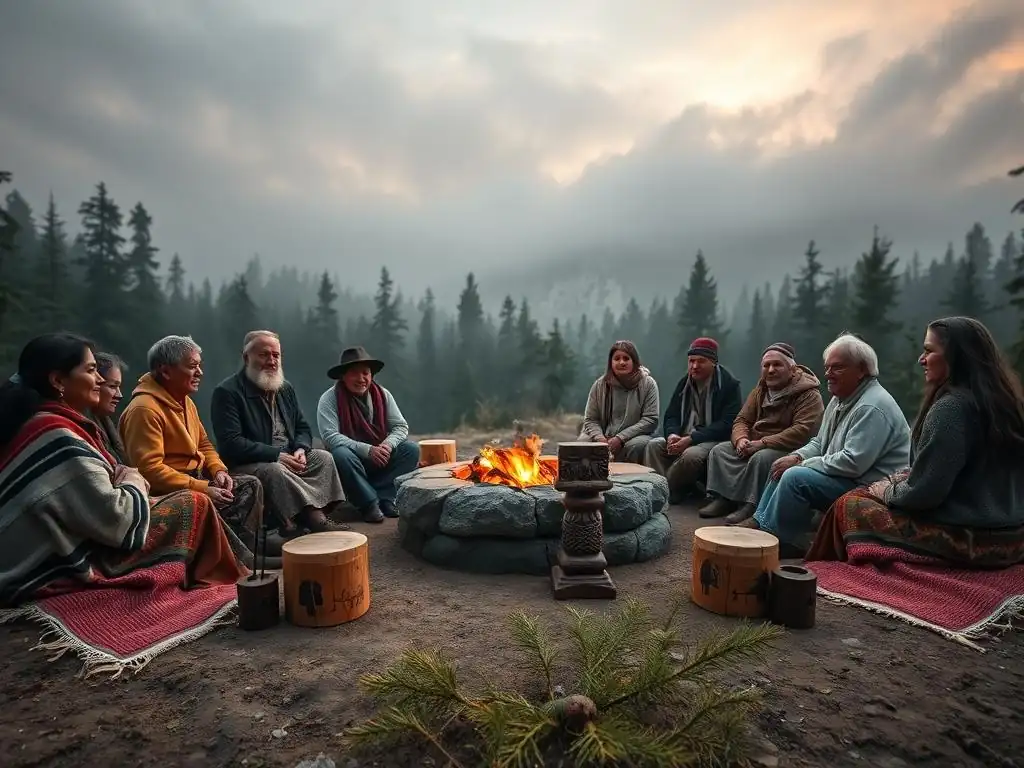
Indigenous knowledge systems, traditions, and cultural practices are powerful resources for healing, resilience, and suicide prevention. Integrating these elements is not merely an add-on but a fundamental component of culturally relevant and effective communityled suicide prevention strategies.
Integrating Traditional Healing Practices
Traditional healing practices offer holistic approaches to well-being that address the spiritual, emotional, physical, and mental aspects of a person. These practices, such as ceremonies, smudging, sweat lodges, plant medicines, and working with traditional healers, can provide profound pathways for healing from trauma and addressing distress. Integrating these practices into prevention efforts means recognizing their validity and efficacy alongside, or sometimes in place of, Western therapeutic methods.
This integration requires collaboration with elders and traditional knowledge keepers who are the custodians of these practices. It involves creating safe and accessible spaces for traditional healing to occur within the community. For example, a community-led program might offer counseling sessions followed by participation in a talking circle led by an elder, or incorporate land-based healing camps as part of their suicide prevention activities. This blend of approaches respects cultural heritage while providing comprehensive support.
Strengthening Cultural Identity and Connection to Land
A strong cultural identity and a deep connection to traditional lands are widely recognized as protective factors against suicide among Indigenous peoples. Colonial policies actively sought to sever these connections, contributing significantly to intergenerational trauma and loss of well-being. Suicide prevention efforts must therefore actively work to strengthen cultural identity and reconnect individuals and communities with their land, language, and traditions.
Programs that teach traditional skills, language classes, cultural arts, and land-based activities like hunting, fishing, or gathering traditional foods can foster a sense of pride, belonging, and purpose. Spending time on the land is often deeply healing and connects individuals to their ancestors and cultural heritage. By facilitating these connections, communityled suicide prevention strategies help individuals reclaim their identity and draw strength from their cultural roots, building resilience against feelings of hopelessness and disconnection.
Promoting Resilience and Hope Through Cultural Activities
Cultural activities are not just recreational; they are vital mechanisms for promoting resilience, fostering social connection, and instilling hope within Indigenous communities. Participating in cultural events, ceremonies, music, dance, and artistic expression provides opportunities for communal support, intergenerational connection, and the celebration of cultural survival and strength.
These activities create positive shared experiences, reinforce cultural values, and provide healthy outlets for emotional expression. For youth, engaging in cultural activities can build self-esteem, provide positive role models, and connect them with their heritage in a meaningful way. By prioritizing and investing in cultural activities as part of their action plan, communityled suicide prevention strategies tap into the inherent strength and resilience of Indigenous cultures, fostering a sense of collective hope and capacity to overcome adversity.
Resources for Community-Led Suicide Prevention
Access to relevant resources is crucial for communities undertaking the complex work of suicide prevention. Knowing where to find information, support, and funding can significantly aid in the planning and implementation phases of community-led initiatives.
Relevant Organizations and Websites
Numerous organizations are dedicated to supporting Indigenous mental health and suicide prevention efforts globally. These bodies often provide valuable resources, research, and technical assistance. Examples include national Indigenous health organizations, specific tribal or First Nations health authorities, and non-profit groups focused on mental wellness in Indigenous communities. Exploring the websites of these organizations can yield program models, best practices, and contact information for potential partners. Seeking out organizations that specifically support communityled suicide prevention strategies can provide targeted guidance and resources.
Information on Funding Opportunities
Securing funding is a common challenge. Information on funding opportunities is often available through government health agencies, Indigenous affairs departments, and private foundations. Many organizations dedicated to Indigenous well-being or mental health will list relevant grant opportunities on their websites or through newsletters. It's often helpful to seek out funding specifically designated for Indigenous initiatives or community-based projects, as these opportunities are more likely to align with the principles of community leadership and cultural relevance. Developing relationships with program officers at potential funding bodies can also provide insights into application processes and priorities.
Training and Technical Assistance Resources
Implementing effective programs requires skilled individuals. Resources for training in culturally sensitive mental health support, crisis intervention, and suicide prevention gatekeeper programs (like ASIST or safeTALK adapted for cultural contexts) are available from various sources. Universities, colleges, and specialized training organizations may offer relevant courses. Many Indigenous health organizations also provide training programs specifically designed for community members. Technical assistance in areas such as program design, evaluation, and data collection can often be obtained from public health departments, research institutions, or non-profit organizations with expertise in community-based programming and communityled suicide prevention strategies.
The Future of Suicide Prevention: Empowering Indigenous Communities
The path forward in Indigenous suicide prevention lies in recognizing and amplifying the power of communities themselves. Shifting from external interventions to truly empowering communities to lead their own healing journey is essential for creating sustainable change and fostering hope for future generations.
Scaling Up Successful Community-Led Models
There is a critical need to identify, support, and scale up communityled suicide prevention strategies that have demonstrated success. This doesn't mean creating identical programs everywhere, but rather understanding the core principles and adaptable components that make these initiatives effective within their local contexts. Sharing lessons learned, best practices, and evaluation findings among communities and with external partners can accelerate progress. Investing in research that is community-driven and culturally appropriate can help build the evidence base for these approaches, making it easier to advocate for broader adoption and support.
Advocating for Policy Changes and Increased Funding
Sustainable community-led initiatives require supportive policy environments and consistent, adequate funding. Advocacy efforts are needed at local, regional, and national levels to ensure that government policies recognize and resource community-led approaches to mental health and suicide prevention. This includes advocating for flexible funding models that allow communities to allocate resources according to their own priorities, rather than being restricted by narrow grant requirements. It also involves advocating for policies that address the underlying social determinants of health and support Indigenous self-determination, creating conditions where communities can thrive and heal.
Creating a Brighter Future for Indigenous Youth
Ultimately, the goal of communityled suicide prevention strategies is to create a future where Indigenous youth feel hopeful, connected, and empowered. By investing in youth leadership, cultural programming, and accessible mental health support led by their own communities, it is possible to build a protective shield against the risk factors associated with suicide. Empowering youth to be leaders in prevention efforts, to share their stories, and to connect with their cultural heritage is vital. A future where Indigenous communities have the resources and autonomy to nurture the well-being of their young people is a future where hope prevails.
Frequently Asked Questions
What are community-led suicide prevention strategies?
These are grassroots initiatives driven by local residents, organizations, and leaders. They focus on addressing the specific needs and risk factors within their community to reduce suicide risk. They often involve prevention education and awareness.
Why are community-led approaches important for suicide prevention?
Because they are tailored to the unique context of a community. This allows for more effective engagement and addresses specific local risk factors that might be missed by broader, top-down approaches. They can also foster greater trust and collaboration.
What are some examples of community-led suicide prevention initiatives?
Examples include peer support groups, mental health literacy programs delivered by community members, and safe spaces created in local hubs. Also crisis intervention training for local leaders and volunteers.
How can I get involved in community-led suicide prevention efforts?
Start by identifying existing initiatives in your area. Offer your skills and time as a volunteer, or advocate for funding and support for these programs. Educate yourself on the risk factors and warning signs of suicide.
What resources are available to support community-led suicide prevention?
Organizations like the Substance Abuse and Mental Health Services Administration (SAMHSA) and the National Institute of Mental Health (NIMH) offer resources and grants. Also there are many local mental health agencies that provide training and support.
Final Reflection: The Ripple Effect of Hope
Community-led suicide prevention strategies are not merely initiatives; they are lifelines woven into the fabric of our society, offering crucial support where it's most needed. The stark reality is that suicide remains a pervasive global challenge, but this article has highlighted the powerful impact of localized, grassroots efforts in combating this crisis. These initiatives, driven by empathy and a deep understanding of community needs, offer a potent antidote to isolation and despair.
The enduring legacy of these community-led projects lies in their ability to foster a culture of care and connection. They demonstrate that preventing suicide isn't solely the responsibility of professionals; it's a collective endeavor requiring the active participation of every member of a community. This resonates deeply with me, reinforcing the belief that even small acts of kindness and support can have a profound effect. Hope is not the belief that things will turn out well, but the certainty that something is worth while, no matter how things turn out.
- Václav Havel. This quote perfectly encapsulates the spirit of these initiatives – their inherent value lies not in guaranteeing success, but in the unwavering commitment to creating a supportive environment.
Now, consider your own community. What small step can you take today to contribute to a more supportive and resilient environment? Can you volunteer your time, donate to a local mental health organization, or simply reach out to someone you know who might be struggling? Let us all be part of building a future where hope thrives, and where every individual feels seen, heard, and valued. The power to prevent suicide, and to build a brighter tomorrow, rests within each of us.
Ignite Your Community: Take Action Against Suicide
Thanks for taking the time to learn about community-led suicide prevention initiatives. You've gained valuable insights into making a real difference in your community. Now, let's turn that knowledge into action!
- Launch a local support group: This is the most impactful step you can take. Start small, even with just a few trusted friends, and build from there. Consider focusing on a specific need or demographic within your community.
- Share this article: Spread the word! Help others learn about effective community-based strategies. Post it on social media, email it to friends, or simply talk about it.
- Volunteer your skills: Do you have expertise in event planning, fundraising, or mental health? Offer your talents to an existing organization working on suicide prevention in your area.
What unique skill or resource can you contribute to building a more supportive and resilient community around you?