
From Pain to Purpose: Supporting Survivors of Suicide Loss in Indigenous Communities

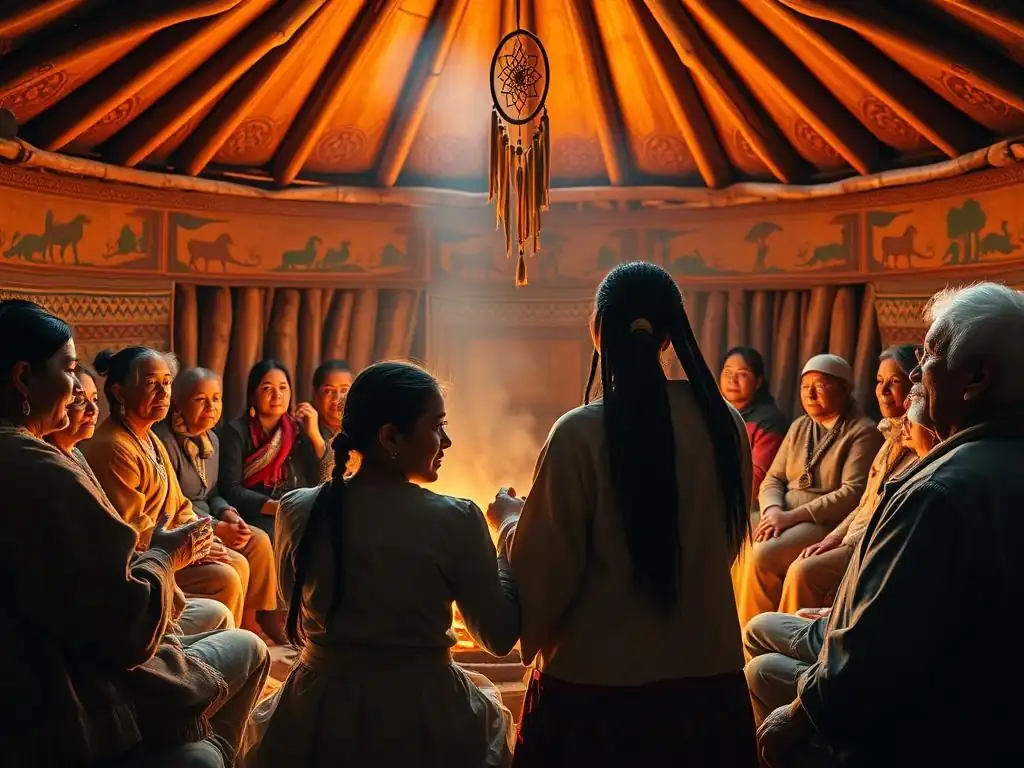
Welcome to Mind Care Guide, a safe space for understanding and navigating the complexities of mental well-being.
Losing someone to suicide is an indescribable pain, especially within the unique cultural contexts of Indigenous communities. This guide offers solace and direction, focusing on a vital resource: Indigenous suicide loss support groups. Discover how these culturally-sensitive groups can provide healing, connection, and a path from pain to purpose. Ready to explore the support available and begin your journey towards healing?
From Pain to Purpose: Supporting Survivors of Suicide Loss in Indigenous Communities
- Understanding Suicide Loss in Indigenous Communities: A Unique Perspective
- The Importance of Culturally Sensitive Support for Suicide Loss Survivors
- Indigenous Suicide Loss Support Groups: A Path to Healing and Resilience
- Key Elements of Effective Indigenous Suicide Loss Support Programs
- Finding and Accessing Indigenous Suicide Loss Support Resources
- Creating Safe Spaces: Facilitating Indigenous Suicide Loss Support Groups
- Overcoming Barriers to Accessing Support: Addressing Systemic Issues
- The Power of Peer Support: Sharing Stories and Building Connections
- Moving Forward: Towards a Future of Hope and Healing
-
Frequently Asked Questions
- How do Indigenous suicide loss support groups differ from general suicide loss support groups?
- What are some of the cultural considerations that are important when providing support to Indigenous individuals who have experienced suicide loss?
- Where can I find a list of Indigenous suicide loss support groups in my area?
- What are some of the challenges faced by Indigenous communities in accessing suicide loss support?
- How can I become an ally in supporting Indigenous individuals and communities affected by suicide loss?
- Final Reflection: Weaving Resilience from Grief
- Unleash Your Support: Empowering Indigenous Communities After Suicide Loss
Understanding Suicide Loss in Indigenous Communities: A Unique Perspective
The Disproportionate Impact of Suicide on Indigenous Peoples
Suicide rates among Indigenous populations globally are significantly higher than those in non-Indigenous populations, representing a profound and ongoing crisis. In some Indigenous communities, suicide rates can be several times the national average, reflecting the cumulative effects of historical trauma, systemic discrimination, poverty, lack of access to adequate resources, and the erosion of cultural identity. This disparity is not merely a statistic; it represents immense suffering and loss within families and communities, leaving behind a large number of survivors grappling with complex grief.
The impact is felt across generations, disrupting the social fabric and perpetuating cycles of distress. While national averages might cite a certain number of deaths per 100,000 people, within specific Indigenous communities, the concentration of these losses can be devastatingly high, sometimes affecting multiple families within a single small community in a short period. This disproportionate burden underscores the urgent need for targeted, culturally relevant support systems specifically designed for Indigenous survivors of suicide loss.
Cultural Considerations in Grief and Bereavement for Indigenous Families
Grief is a universal human experience, but its expression, rituals, and healing processes are deeply embedded in culture. For Indigenous families, traditional protocols and beliefs surrounding death and mourning play a crucial role in navigating loss. These practices, which vary widely among different First Nations, Inuit, and Métis communities, often involve specific ceremonies, mourning periods, community support structures, and spiritual beliefs about the journey of the spirit. The disruption or suppression of these cultural practices due to colonization has added complexity to the grieving process for many.
Furthermore, the concept of grief in Indigenous cultures is often communal rather than purely individual. The loss of one person impacts the entire community, and healing is frequently sought through collective support and shared experiences. Understanding and respecting these diverse cultural frameworks are paramount for anyone seeking to support Indigenous survivors, as mainstream Western models of grief counseling may not resonate or provide the necessary comfort and structure found in traditional ways of grieving and healing.
The Stigma Surrounding Suicide in Indigenous Communities: Breaking the Silence
Stigma surrounding suicide is a significant barrier to healing in many societies, and it can be particularly pronounced in Indigenous communities, often exacerbated by historical factors and the private nature of traditional grief within some cultures. This stigma can manifest as shame, silence, judgment, or a reluctance to discuss the cause of death openly, making it difficult for survivors to seek help or even acknowledge the nature of their loss. The silence can isolate survivors, preventing them from accessing needed emotional and practical support.
Breaking this silence requires creating safe, non-judgmental spaces where survivors feel empowered to share their stories and their pain. It involves community-wide efforts to educate, raise awareness, and challenge the negative perceptions associated with suicide. Initiatives that promote open dialogue, compassion, and understanding are essential steps in reducing stigma and paving the way for survivors to connect with others who have shared similar experiences, such as through Indigenous suicide loss support groups.
The Importance of Culturally Sensitive Support for Suicide Loss Survivors
Why Mainstream Grief Resources May Not Be Effective for Indigenous Individuals
Mainstream grief counseling and support services, while valuable, are often developed from a Western psychological framework that may not adequately address the unique cultural, historical, and social contexts of Indigenous peoples. Approaches that focus solely on individual therapy, verbal processing in a linear fashion, or time-limited interventions might not align with Indigenous worldviews, which often emphasize community, spirituality, non-linear healing journeys, and the interconnectedness of mind, body, and spirit.
Furthermore, mainstream services may lack an understanding of the profound impact of historical trauma, intergenerational trauma, and ongoing systemic racism on the mental health and grieving processes of Indigenous individuals. Without this understanding, support can feel irrelevant, alienating, or even re-traumatizing. This highlights the critical need for support services, including Indigenous suicide loss support groups, that are grounded in cultural humility and incorporate Indigenous knowledge and practices.
The Role of Cultural Practices and Traditions in Healing
Cultural practices and traditions are vital sources of strength, resilience, and healing for Indigenous peoples. For survivors of suicide loss, engaging in traditional ceremonies, rituals, and community gatherings can provide comfort, structure, and a connection to ancestral wisdom that supports their healing journey. Practices such as smudging, pipe ceremonies, sweat lodges, talking circles, and traditional songs and dances can help individuals process emotions, find spiritual solace, and feel connected to their cultural identity and community.
These practices often provide a holistic approach to healing, addressing not only the emotional pain but also the spiritual and physical impacts of grief and trauma. Incorporating traditional healing methods into support programs acknowledges the validity and power of Indigenous ways of knowing and doing. It affirms cultural identity as a source of strength and provides survivors with familiar and meaningful pathways to navigate their loss.
Recognizing the Need for Specialized Indigenous Suicide Loss Support Groups
Given the unique challenges faced by Indigenous survivors of suicide loss – including historical trauma, cultural differences in grieving, and the potential ineffectiveness of mainstream resources – there is a clear and urgent need for specialized support structures. Indigenous suicide loss support groups are designed to meet these specific needs by providing culturally safe spaces where survivors can connect with peers who share similar lived experiences and cultural backgrounds.
These groups offer a space where the complexities of Indigenous grief, including the impact of colonization and intergenerational trauma, can be openly acknowledged and addressed. They can incorporate traditional healing practices and be led by facilitators who understand and respect Indigenous cultures and protocols. Recognizing and investing in the development and accessibility of these specialized Indigenous suicide loss support groups is crucial for providing effective and meaningful support to those who have lost a loved one to suicide.
Indigenous Suicide Loss Support Groups: A Path to Healing and Resilience
What are Indigenous Suicide Loss Support Groups?
Indigenous suicide loss support groups are community-based initiatives specifically created to provide culturally safe and relevant support to First Nations, Inuit, and Métis individuals who have lost a loved one to suicide. Unlike general grief support groups, these groups are often designed and led by Indigenous people, incorporating traditional knowledge, healing practices, and cultural protocols into their structure and activities. Their primary aim is to create a supportive environment where survivors can share their experiences, process their grief, and find pathways to healing and resilience within a cultural context.
These groups can take various forms, ranging from regular talking circles led by Elders or trained facilitators to multi-day healing retreats that incorporate ceremonies and land-based activities. They are founded on the principles of peer support, cultural connection, and the understanding that healing is a collective journey. The focus is on creating a space where individuals feel understood, validated, and connected to others who have navigated similar pain, allowing them to move forward with hope and purpose.
Benefits of Participating in a Suicide Loss Support Group for Indigenous Survivors
Participation in Indigenous suicide loss support groups offers numerous benefits tailored to the specific needs of Indigenous survivors. One of the most significant advantages is the opportunity to connect with others who truly understand the unique layers of their grief, including the impact of cultural factors and historical context. This shared understanding reduces feelings of isolation and validates their experiences in a way that mainstream groups may not.
Other benefits include learning healthy coping strategies rooted in cultural practices, gaining strength from collective resilience, and finding a sense of belonging and community. For example, within a talking circle, the structured format allows everyone a chance to speak and be heard respectfully, fostering a sense of equality and shared vulnerability that can be profoundly healing. These groups empower survivors by connecting them with cultural resources and traditional knowledge keepers, reinforcing their identity and providing strength through their heritage.
How Indigenous Suicide Loss Support Groups Foster Community and Connection
A core function of Indigenous suicide loss support groups is the fostering of community and connection, which are fundamental to healing in many Indigenous cultures. By bringing survivors together in a culturally safe space, these groups combat the isolation that often accompanies grief, particularly grief complicated by suicide and stigma. Sharing stories, tears, and even moments of laughter with others who have walked a similar path creates powerful bonds of empathy and mutual support.
Within these groups, survivors learn that they are not alone in their pain. The collective experience of navigating loss builds solidarity and shared resilience. Activities like communal meals, participating in ceremonies together, or working on a group project can strengthen these connections. This sense of belonging and shared journey is crucial for healing, helping individuals move from a place of isolation and pain towards finding renewed purpose and connection within their community.
Key Elements of Effective Indigenous Suicide Loss Support Programs
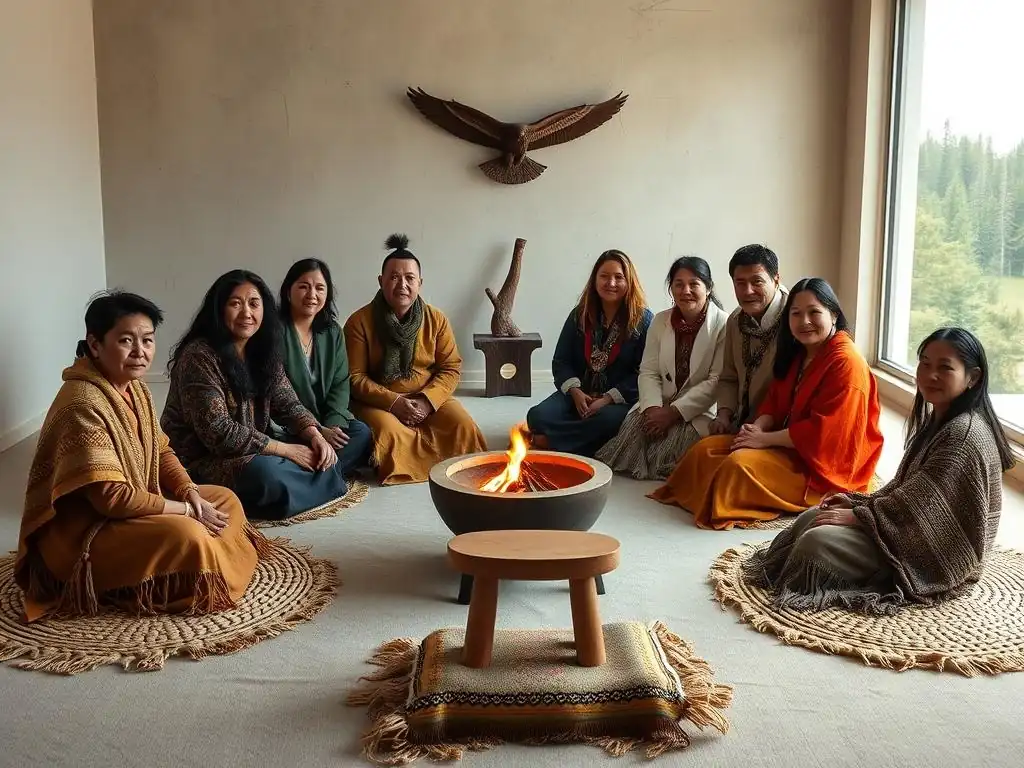
Culturally Relevant Grief Counseling and Therapy
Effective support for Indigenous survivors of suicide loss must incorporate culturally relevant approaches to grief counseling and therapy. This means moving beyond standard Western therapeutic models to include Indigenous worldviews, healing practices, and ways of communicating. Therapists or counselors working with Indigenous survivors should be trained in cultural humility and trauma-informed care, understanding the specific impacts of historical trauma and colonization.
Culturally relevant therapy might involve incorporating storytelling, art, music, or land-based activities alongside traditional talk therapy. It prioritizes building trust and rapport based on respect for the individual's cultural background and lived experiences. For example, a therapist might work with an Elder to incorporate traditional teachings into sessions or utilize a talking circle format rather than a one-on-one setting, depending on the individual's or group's preference and cultural background.
Incorporating Traditional Healing Practices into Support Groups
Integrating traditional healing practices is a cornerstone of effective Indigenous suicide loss support groups. These practices are not merely symbolic; they are powerful tools for emotional, spiritual, and physical healing that have been used by Indigenous peoples for centuries. Including elements such as smudging, prayer, drumming, singing, or participating in ceremonies like sweat lodges or healing circles provides survivors with culturally grounded ways to process their grief and trauma.
For instance, a support group meeting might begin with a smudging ceremony to cleanse the space and participants, creating a sacred and safe environment. A talking circle allows participants to share their feelings without interruption, facilitated by a feather or talking stick that is passed around. These practices connect survivors to their cultural heritage, providing strength, comfort, and a sense of continuity in the face of profound loss. They offer a holistic pathway to healing that addresses the interconnectedness of spirit, mind, emotion, and body.
Elders and Knowledge Keepers: Their Vital Role in Providing Guidance
Elders and Knowledge Keepers hold immense wisdom, cultural knowledge, and spiritual guidance within Indigenous communities. Their involvement is absolutely vital in the development and facilitation of effective Indigenous suicide loss support groups and programs. Elders can provide traditional teachings, share stories of resilience, offer spiritual support, and guide healing ceremonies. Their presence lends credibility and cultural legitimacy to the support initiatives.
Elders often serve as anchors for cultural continuity and provide a link to ancestral strength. Their guidance can help survivors understand their grief within a broader cultural and historical context, offering perspectives on life, death, and healing that are deeply rooted in Indigenous traditions. For example, an Elder might share traditional stories about navigating difficult times or offer prayers and blessings that provide comfort and hope. Their wisdom is invaluable in creating a truly culturally safe and effective healing environment.
Addressing Historical Trauma and Intergenerational Effects
Effective support for Indigenous survivors of suicide loss must explicitly acknowledge and address the profound impact of historical trauma and its intergenerational effects. The high rates of suicide in Indigenous communities are inextricably linked to the legacy of colonization, including residential schools, forced displacement, loss of land and language, and systemic discrimination. These historical injustices have created deep wounds that are passed down through generations, manifesting as complex trauma, mental health challenges, and social issues.
Support programs need to be trauma-informed, recognizing that survivors may be dealing with not only the acute trauma of losing a loved one to suicide but also the cumulative effects of historical and ongoing trauma. This means providing support in a way that avoids re-traumatization, prioritizes safety and trust, and empowers survivors. Addressing historical trauma requires acknowledging the past, understanding its present-day impacts, and incorporating healing approaches that support cultural identity and collective well-being as pathways to recovery and resilience.
Finding and Accessing Indigenous Suicide Loss Support Resources
Locating Indigenous-Led Organizations Offering Support
Finding Indigenous-led organizations is a crucial step for survivors seeking culturally appropriate support. These organizations are often rooted within the community, understand the local context, and prioritize Indigenous ways of healing. They may offer a range of services, including counseling, cultural programs, and Indigenous suicide loss support groups. Searching for organizations specifically identified as Indigenous-led or serving Indigenous populations is key.
Information can often be found through local community centers, Friendship Centres, band offices, or Indigenous health authorities. Online directories focusing on Indigenous health and social services may also list relevant organizations. It's important to look for organizations that explicitly state their commitment to cultural safety and incorporate traditional healing practices into their programs. Reaching out directly to these organizations can provide survivors with information about available support groups and services in their area.
National and Regional Indigenous Mental Health Resources
Beyond local organizations, several national and regional bodies are dedicated to supporting the mental health and well-being of Indigenous peoples. These resources can often provide referrals to local support services, offer crisis lines, or provide general information about mental health and healing from trauma and loss. Examples might include national Indigenous health organizations or regional health authorities with specific programs for Indigenous populations.
While direct links are not permitted here, searching for terms like "Indigenous mental health Canada" or "First Nations health services [specific region]" can help uncover these resources. These bodies often have websites or helplines that can connect survivors with relevant services, including information about the availability of Indigenous suicide loss support groups or culturally sensitive counseling options in their area. They can serve as valuable starting points for navigating the complex landscape of mental health support.
Working with Healthcare Providers to Find Culturally Competent Support
Healthcare providers, including doctors, nurses, and social workers, can play a role in connecting Indigenous survivors with appropriate support. However, it is important for survivors to advocate for culturally competent care. When speaking with a healthcare provider, survivors can express their preference for support that acknowledges their cultural background and incorporates traditional healing.
Survivors can ask their healthcare provider if they are aware of local Indigenous mental health services, counselors trained in culturally sensitive care, or existing Indigenous suicide loss support groups. If a provider is not immediately aware, they may be able to consult with colleagues or local health authorities to find suitable resources. Open communication about the need for culturally relevant support is essential to ensure survivors receive care that is respectful and effective for their healing journey.
Creating Safe Spaces: Facilitating Indigenous Suicide Loss Support Groups
Training Facilitators in Cultural Sensitivity and Trauma-Informed Care
The effectiveness of Indigenous suicide loss support groups heavily relies on the skills and awareness of the facilitators. It is paramount that facilitators receive comprehensive training in cultural sensitivity, cultural humility, and trauma-informed care. This training should go beyond a superficial understanding of cultural differences and delve into the historical context of Indigenous peoples, the impact of colonization, and the specific ways trauma manifests in individuals and communities.
Facilitators must learn to create an environment where participants feel safe, respected, and understood. Trauma-informed training ensures that the group structure and interactions do not inadvertently re-traumatize survivors. Cultural sensitivity training helps facilitators understand and respect diverse cultural protocols, communication styles, and healing practices, enabling them to integrate these elements appropriately into the group setting. This specialized training is non-negotiable for providing truly effective and safe support.
Developing Protocols for Confidentiality and Respect
Establishing clear and robust protocols for confidentiality and respect is fundamental to creating a safe space within Indigenous suicide loss support groups. Survivors need to trust that what is shared within the group will remain within the group. Clear guidelines on confidentiality must be discussed and agreed upon by all participants at the outset of the group.
Respectful communication is also essential. This includes listening without interruption, speaking from personal experience ("I" statements), and honoring different perspectives and healing journeys. Protocols might also include guidelines on how to handle conflict, how to support someone in distress, and how to respect traditional protocols if they are incorporated (e.g., how to handle a talking stick). These clear expectations foster an environment of trust, safety, and mutual respect, which are critical for deep sharing and healing.
Addressing the Specific Needs of Youth, Elders, and LGBTQ2S+ Individuals
Indigenous communities are diverse, and effective support groups must consider the specific needs of various populations within them, including youth, Elders, and LGBTQ2S+ individuals. The experience of grief and loss can vary significantly based on age, gender identity, sexual orientation, and life stage.
For youth, support groups might incorporate age-appropriate activities, focus on peer connection, and address the unique challenges young people face in processing loss and trauma. Groups for Elders may emphasize traditional storytelling, intergenerational healing, and their role as knowledge keepers. Creating safe spaces for LGBTQ2S+ individuals requires specific attention to inclusivity, affirming identities, and addressing the unique layers of trauma and discrimination they may face, which can compound the grief of suicide loss. Tailoring support to these specific demographics ensures that everyone feels welcomed, understood, and supported in a way that is relevant to their lived experience.
Overcoming Barriers to Accessing Support: Addressing Systemic Issues
Transportation and Accessibility Challenges in Remote Communities
Accessing support services, including Indigenous suicide loss support groups, can be incredibly challenging for individuals living in remote and rural Indigenous communities. Limited infrastructure often means that transportation options are scarce, unreliable, or expensive. For someone grieving and potentially struggling with mental health challenges, traveling long distances to attend a support group or counseling session can be a significant, sometimes insurmountable, barrier.
Addressing this requires innovative solutions. This might involve bringing services directly into communities through mobile support teams, utilizing technology for remote counseling or virtual group sessions where connectivity allows, or providing transportation assistance. Community-based support groups, led by trained local members, are also vital as they eliminate the need for external travel. Overcoming these logistical hurdles is essential to ensure equitable access to healing resources.
Financial Barriers to Therapy and Counseling
Financial constraints represent another major barrier to accessing mental health support for many Indigenous individuals and families. Poverty rates are often higher in Indigenous communities due to systemic economic disadvantages. While some services may be covered by health benefits, accessing specialized therapy or counseling, especially from culturally competent practitioners who may be limited in number, can be expensive. The cost of travel to appointments also adds to this burden.
Advocacy is needed to ensure that mental health services, including culturally appropriate counseling and participation in Indigenous suicide loss support groups, are fully funded and accessible without financial barriers. This might involve increasing government funding for Indigenous mental health programs, expanding coverage under existing health plans, or providing subsidies for travel and accommodation when necessary. Ensuring that cost is not a deterrent is critical for supporting survivors on their healing journey.
Addressing the Lack of Culturally Appropriate Mental Health Services
A pervasive systemic issue is the overall lack of culturally appropriate mental health services available to Indigenous peoples. There is a shortage of mental health professionals who are Indigenous themselves or who have received adequate training in cultural competency, historical trauma, and Indigenous healing practices. This gap means that even when services are available, they may not be relevant or effective for Indigenous clients, leading to distrust and underutilization.
Addressing this requires long-term investment in training and recruiting Indigenous mental health professionals, supporting Indigenous-led healing initiatives, and ensuring that mainstream services adopt culturally safe practices. It involves supporting the growth and sustainability of Indigenous suicide loss support groups and other community-based healing programs. Increasing the availability of services that are not only accessible but also culturally meaningful is fundamental to improving mental health outcomes for Indigenous survivors of suicide loss.
The Power of Peer Support: Sharing Stories and Building Connections
Testimonials from Indigenous Survivors of Suicide Loss
The power of peer support in Indigenous suicide loss support groups cannot be overstated. Hearing from others who have experienced similar pain and loss can be incredibly validating and provide a sense of hope. While specific, identifiable testimonials are sensitive and require consent, the general themes shared by survivors highlight the profound impact of connecting with peers. Survivors often speak of feeling less alone, finding strength in shared vulnerability, and gaining practical coping strategies from others who have navigated similar challenges.
- One survivor might share how hearing another group member talk about the guilt they felt helped them process their own complex emotions.
- Another might describe how participating in a traditional ceremony within the group helped them feel connected to their loved one and their ancestors.
- Many emphasize that simply being in a room with others who understand, without needing to explain the unique context of their grief, is a source of immense comfort.
These shared experiences build solidarity and demonstrate that healing, while difficult, is possible.
Indigenous suicide loss support groups are designed to create intentional opportunities for connection and healing through shared experiences. This goes beyond just talking; it involves shared activities, ceremonies, and mutual support. Whether it's through a talking circle where everyone has a voice, a communal meal that fosters informal connection, or participating in a healing ceremony together, these shared moments build trust and community.
For example, a group might collectively create a memorial item, share stories around a fire, or embark on a land-based healing retreat. These activities provide a sense of shared purpose and collective healing. The empathy and understanding exchanged between peers who have experienced the unique pain of suicide loss within an Indigenous context create a powerful healing environment that is difficult to replicate in other settings.
Examples of Successful Peer Support Initiatives
Across Indigenous communities, various peer support initiatives have demonstrated success in supporting survivors of suicide loss. These initiatives often leverage the strengths of community members and cultural practices. Examples include community-led talking circles facilitated by trained peer volunteers, peer mentorship programs where experienced survivors support those newer in their grief journey, and healing camps that bring survivors together for intensive, culturally grounded support.
Some initiatives have successfully integrated traditional knowledge keepers with peer facilitators to provide a blend of cultural wisdom and lived experience. Others have focused specifically on creating safe spaces for youth survivors, incorporating activities like sports, art, and land-based learning alongside peer support sessions. While specific program names are not listed, the existence and success of such initiatives underscore the vital role of peer support, especially within the context of specialized Indigenous suicide loss support groups, in fostering healing and resilience.
Moving Forward: Towards a Future of Hope and Healing
The Importance of Ongoing Investment in Indigenous Mental Health
Moving towards a future of hope and healing for Indigenous survivors of suicide loss requires sustained and significant investment in Indigenous mental health services. This investment must be long-term, predictable, and directed by Indigenous communities themselves. Funding is needed not only for crisis intervention but also for prevention, trauma-informed care, cultural healing programs, and critically, for the establishment and maintenance of Indigenous suicide loss support groups.
Current funding levels often fall short of meeting the immense needs, particularly in remote areas. Increased investment is essential to train more Indigenous mental health professionals, support community-based healing initiatives, address infrastructure gaps, and ensure that culturally appropriate services are readily available and accessible to all who need them. Ongoing financial commitment is a tangible way to demonstrate a commitment to reconciliation and the well-being of Indigenous peoples.
Advocacy for Culturally Relevant Suicide Prevention Strategies
Advocacy plays a crucial role in promoting culturally relevant suicide prevention strategies that address the root causes of distress in Indigenous communities. This includes advocating for policies that address systemic issues like poverty, inadequate housing, lack of clean water, and limited access to education and employment opportunities. It also involves advocating for the recognition and support of Indigenous self-determination in health and social services.
Furthermore, advocacy is needed to ensure that suicide prevention efforts are not solely focused on crisis response but also on promoting cultural pride, strengthening community connections, supporting language revitalization, and healing from historical trauma. Culturally relevant strategies, developed and implemented by Indigenous communities, are the most effective means of fostering resilience and preventing future losses. This advocacy directly supports the environment necessary for survivors to heal within their communities.
Empowering Indigenous Communities to Lead the Way in Healing
Ultimately, the most effective path towards healing and resilience for Indigenous survivors of suicide loss lies in empowering Indigenous communities to lead the way. Communities possess the inherent wisdom, cultural knowledge, and understanding of their own needs to develop and deliver support services that are truly relevant and effective. This means shifting power and resources to allow communities to design, implement, and manage their own mental health and healing programs.
Supporting Indigenous-led initiatives, such as the development and expansion of Indigenous suicide loss support groups, is paramount. It involves trusting communities to identify their priorities, utilize their traditional healing practices, and build on their strengths. When communities are empowered to lead their own healing journeys, they can create safe, culturally rich environments where survivors can find connection, meaning, and hope on the path from pain to purpose.
Frequently Asked Questions
How do Indigenous suicide loss support groups differ from general suicide loss support groups?
Indigenous suicide loss support groups often incorporate cultural practices and traditional healing methods that are specific to the Indigenous community. They also address the unique historical and social factors that contribute to suicide rates in these communities.
What are some of the cultural considerations that are important when providing support to Indigenous individuals who have experienced suicide loss?
It's crucial to understand the Indigenous worldview, which often emphasizes community connection, spiritual beliefs, and respect for elders. Trauma-informed care that acknowledges historical oppression and cultural resilience is essential.
Where can I find a list of Indigenous suicide loss support groups in my area?
The Mind Care Guide website can provide a directory of Indigenous specific resources. You can also contact local Indigenous organizations, tribal health centers, or mental health services for referrals to suicide loss support groups.
What are some of the challenges faced by Indigenous communities in accessing suicide loss support?
Indigenous communities may face barriers such as geographic isolation, limited resources, and mistrust of mainstream mental health services. Cultural stigma surrounding mental health can also prevent individuals from seeking help.
How can I become an ally in supporting Indigenous individuals and communities affected by suicide loss?
Educate yourself about historical trauma, cultural sensitivity, and the Indigenous experience. Support Indigenous-led initiatives, advocate for increased resources and funding for Indigenous mental health services, and listen to and amplify Indigenous voices.
Final Reflection: Weaving Resilience from Grief
The devastating impact of suicide loss within Indigenous communities continues to demand urgent attention. The statistics are stark, but the stories of resilience and healing are equally powerful, and it is these stories that must guide our collective response. We must move beyond simply acknowledging the crisis to actively building sustainable support systems that honor Indigenous knowledge and prioritize cultural safety.
The journey from pain to purpose is a long and arduous one, but witnessing the strength and determination of survivors has profoundly impacted me. Their unwavering commitment to healing and supporting others is a testament to the enduring spirit of Indigenous communities. Grief is the price we pay for love,
– Queen Elizabeth II. This quote, while seemingly simple, speaks volumes about the depth of connection and the profound loss experienced by those left behind. The work of supporting survivors is not just about mitigating the immediate pain; it's about fostering a space where grief can be honored, where cultural practices can provide solace, and where the legacy of those lost can be celebrated and carried forward.
You, the reader, are now equipped with a deeper understanding of the challenges and opportunities in supporting Indigenous survivors of suicide loss. Consider how you can contribute to this vital work. Perhaps it's through amplifying the voices of survivors, advocating for culturally appropriate resources, or simply offering a listening ear. Let us move beyond sympathy and towards meaningful action, building a future where Indigenous communities are empowered to heal and thrive. The journey towards healing is collective; let us walk it together.
Unleash Your Support: Empowering Indigenous Communities After Suicide Loss
Thanks for taking the time to learn about the unique challenges and strengths of Indigenous communities facing suicide loss. You've gained valuable insights into how to offer meaningful support and understanding. Now, let's turn those insights into action!
- Prioritize reaching out: Connect with a local Indigenous organization working to support suicide loss survivors. Even a small gesture of support, like volunteering time or donating resources, can make a big difference.
- Amplify Indigenous voices: Share this article or similar resources with your network to raise awareness about this critical issue. Let's work together to destigmatize suicide and foster hope.
- Deepen your understanding: Research and learn more about specific cultural protocols and sensitivities within Indigenous communities. This ongoing commitment to education is crucial for effective support.
What steps will you take today to help build a more supportive network for Indigenous survivors of suicide loss?