
Mental Health and Spirituality
Explore the profound connection between mental health and spirituality on Mind Care Guide, where we delve into how faith, mindfulness, and existential meaning can strengthen your psychological resilience. Discover the synergy between mindfulness and spiritual traditions, learn how prayer and reflection serve as powerful tools for emotional regulation, and find guidance on navigating life’s deep questions without losing your footing. Whether you seek religious support systems for coping or a more secular path to well-being through meaning, this resource bridges clinical insight with soulful practice—helping you build a holistic foundation for lasting peace and purpose.
 Spiritual Practices for Mental Health - Prayer and Reflection
 Existential Questions and Mental Health
 Spirituality and Well-being - Finding Meaning
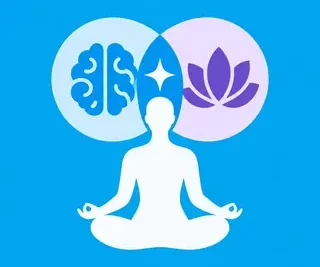 Mindfulness and Spirituality - Overlap and Synergy
 Faith and Coping - Religious Support Systems
Mental Health and Spirituality: Your Guide to Holistic Well-being
At Mind Care Guide, we explore the profound connection between your inner spiritual life and your mental health. This category bridges evidence-based psychological practices with time-honored spiritual traditions, offering a compassionate path for those seeking deeper meaning, resilience, and peace. Whether you’re navigating grief, anxiety, or simply searching for purpose, integrating spirituality can powerfully complement clinical treatments. Our curated subcategories below provide practical tools, reflective insights, and supportive frameworks to help you thrive—mind, body, and soul.
🕊️ Faith and Coping - Religious Support Systems
Religious communities often serve as a lifeline during mental health crises, offering structured rituals, pastoral counseling, and a sense of belonging. Here, you’ll discover how faith-based support groups, clergy-led interventions, and scripture-based coping strategies can reduce feelings of isolation. Key topics include navigating religious guilt, using prayer during panic episodes, and collaborating with faith leaders alongside therapists. We also address cultural sensitivities, ensuring you honor your beliefs without compromising professional care. This subcategory empowers you to leverage your spiritual network as a valid, complementary resource in your recovery journey.
🧘 Mindfulness and Spirituality - Overlap and Synergy
Mindfulness—rooted in Buddhist and contemplative traditions—has become a cornerstone of modern psychotherapy, yet its spiritual essence often remains underappreciated. In this section, we explore how secular mindfulness and spiritual practice reinforce each other. Learn to bridge meditation with divine connection, using breathwork to deepen prayer, or observing thoughts without judgment as a form of surrender. We compare secular MBSR (Mindfulness-Based Stress Reduction) with spiritual contemplative practices, helping you choose what resonates. Evidence shows this synergy reduces rumination and enhances emotional regulation, making it a powerful addition to your mental health toolkit.
🌱 Spirituality and Well-being - Finding Meaning
Viktor Frankl famously said, “Those who have a ‘why’ to live can bear with almost any ‘how.’” This subcategory delves into the science of meaning-making, showing how spiritual beliefs buffer against depression, anxiety, and burnout. Explore exercises like life-purpose journaling, values-based action plans, and connecting personal struggles to a larger narrative of growth. We also examine research linking spiritual well-being to lower cortisol levels and improved immune function. Whether you’re agnostic, devout, or spiritually curious, you’ll find practical ways to cultivate a sense of significance that bolsters daily resilience.
❓ Existential Questions and Mental Health
Questions like “Why am I here?” or “What happens after death?” often surface during major life transitions or episodes of crisis. This subcategory provides a safe space to explore existential anxiety without judgment. We differentiate between pathological despair and healthy questioning, offering therapeutic approaches like existential therapy and logotherapy. Learn how to sit with uncertainty, reframe mortality as a catalyst for authentic living, and use philosophical reflection to reduce dread. Psychologists agree that confronting these questions—not avoiding them—leads to greater psychological flexibility and post-traumatic growth. Find guidance on when to seek professional help versus when deep self-reflection suffices.
🙏 Spiritual Practices for Mental Health - Prayer and Reflection
This hands-on section translates belief into action. Discover daily rituals—morning gratitude prayers, evening examen reflection, or nature-based contemplation—that stabilize mood and foster self-compassion. We provide step-by-step guides for creating a personal altar, using prayer beads for anxiety, or writing “letters to the divine” as a cathartic release. Scientific studies indicate that regular reflective practices lower stress hormones and improve sleep quality. We also offer adaptations for those who prefer secular meditation, ensuring inclusivity. Start small, stay consistent, and watch how these sacred pauses transform your mental landscape over time.
Frequently Asked Questions
Can spirituality replace professional mental health treatment?
No. Spirituality complements, but does not replace, evidence-based therapies like CBT, medication, or psychiatric care. For mild distress, spiritual practices may suffice, but for clinical conditions, always consult licensed professionals. Many people benefit from integrating both, using faith as a source of hope while following medical protocols.
What if I don’t believe in God? Can I still use this category?
Absolutely. Our content respects atheists, agnostics, and those with nontheistic spiritualities like Buddhism or humanism. We focus on universal principles—gratitude, reflection, meaning-making, and inner peace—that work across belief systems. You can adapt any practice by replacing “divine” with “universe,” “nature,” or your own higher values.
How quickly can spiritual practices improve my mental health?
Some benefits, like reduced anxiety after a 10-minute meditation, appear immediately. Long-term changes—such as increased meaning or reduced depression—typically require 4-8 weeks of consistent practice. Think of it like exercise: one session helps, but building a habit yields lasting resilience. Be patient and compassionate with your progress.
Is it normal to experience doubt or anger toward a higher power during difficult times?
Yes, this is called “spiritual struggle” and is a common, healthy part of many faith traditions. Psalms, the Book of Job, and similar texts openly express lament. Acknowledging doubt can deepen authenticity. Consider journaling your feelings or speaking with a clergy member who understands mental health. Unresolved anger that disrupts daily functioning may warrant counseling.
Can I combine prayer and religious rituals with mindfulness meditation?
Definitely. Many people find that mindfulness enhances their prayer life by increasing focus and presence. For example, use mindful breathing before prayer to center yourself, or meditate on a scripture phrase. Conversely, prayer can deepen mindfulness by adding intention and surrender. Experiment to see what feels harmonious rather than forced.