Finding Meaning in Suffering: A Spiritual Approach to Life's Challenges
🌟 Discover how embracing spiritual suffering can transform pain into growth, fostering resilience and deeper meaning in life's challenges. This guide offers…
Read article

Discover the transformative power of inner peace with our curated insights on spirituality and well-being. This space is designed to help you navigate life’s deeper questions, cultivate mindfulness, and build a resilient sense of purpose—all essential tools for lasting mental health. By blending contemplative practices with modern psychological understanding, we guide you in finding meaning beyond daily stressors, fostering emotional balance, and connecting with your authentic self. Whether you’re exploring meditation, gratitude, or philosophical reflection, these resources empower you to turn uncertainty into clarity and hardship into growth. Embrace a holistic approach to well-being, where spiritual exploration becomes a practical anchor for anxiety, depression, and burnout. Start your journey today to unlock a richer, more centered life, and discover how meaningful living can significantly enhance your overall mental wellness.

🌟 Discover how embracing spiritual suffering can transform pain into growth, fostering resilience and deeper meaning in life's challenges. This guide offers…
Read article
✨ Discover how spirituality can serve as a powerful tool to cope with anxiety and depression, providing meaningful ways to find peace,…
Read article
🌟 Discover how spiritual connection strengthens relationships by fostering deeper understanding, empathy, and shared purpose. This guide explores how embracing spirituality can…
Read article
🌟 Discover how spiritual exploration boosts mental peace by helping individuals find deeper meaning and purpose, fostering inner calm and resilience. This…
Read article
🌟 Discover how finding purpose through spirituality can ignite your inner drive and provide clarity in life. This empowering guide explores how…
Read article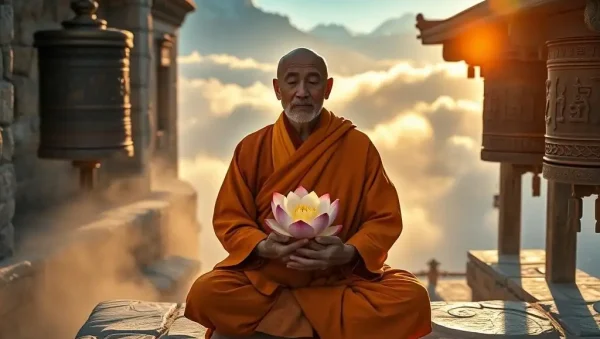
🌟 Discover how finding inner peace through spirituality can illuminate your true purpose, guiding you toward a deeper understanding of your soul’s…
Read article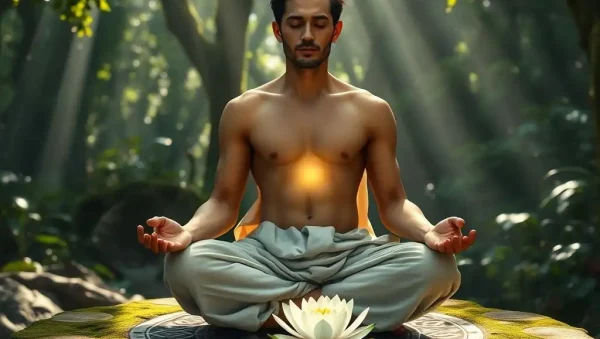
✨ Discover how spirituality improves mental wellbeing by fostering a deeper connection between your body and mind. This holistic approach enhances overall…
Read article
🌟 In uncertain times, finding faith can be challenging yet transformative. This guide explores how embracing doubt and seeking meaning can strengthen…
Read article
🌟 Discover how harnessing spirituality can serve as your soul's compass, providing a profound spirituality boost to mental wellbeing. This guide unveils…
Read article
🌟 Explore how genuine spirituality enhances mental well-being by highlighting the true spiritual health benefits and harms, helping you discern authentic meaning…
Read article
🌿 Discover how connecting with nature enhances your spiritual depth by fostering mindfulness and inner peace. Exploring Nature’s impact on spirituality can…
Read article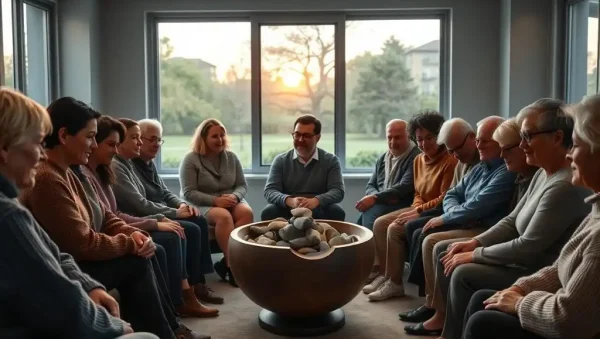
🌟 Discover how community support for mental health fosters shared spirituality and collective purpose, empowering individuals to find meaning, resilience, and healing…
Read articleWelcome to Spirituality and Well-being – Finding Meaning, a dedicated space within Mind Care Guide where we explore how connecting with your deeper values, purpose, and sense of transcendence can significantly boost your mental health. In today’s fast-paced, often disconnected world, many people struggle with feelings of emptiness, anxiety, and a lack of direction. This subcategory is designed to help you navigate that terrain, offering practical tools, reflective practices, and compassionate insights. Whether you are just beginning your spiritual journey or seeking to deepen your existing practice, you will find evidence-informed resources that blend psychological wisdom with timeless spiritual teachings, all aimed at fostering resilience, hope, and a profound sense of belonging.
Here, we delve into the scientific and psychological foundations of how spiritual beliefs, meditation, and mindfulness can reduce symptoms of depression, anxiety, and stress. You will learn about the concept of “meaning-making”—how we construct narratives that give our lives coherence—and how a robust spiritual framework can act as a protective buffer against life’s challenges. Expect to find discussions on neuroplasticity, the relaxation response, and how contemplative practices alter brain function in positive ways.
This section also clarifies the difference between religion and spirituality, emphasizing that you don’t need to adhere to any formal doctrine to benefit. We provide simple daily exercises, such as gratitude journaling and breath awareness, that you can integrate immediately. By understanding these mechanisms, you will feel empowered to view your inner life as a valuable resource for healing, rather than a mysterious or intimidating realm.
In this part, we shift from theory to action with a curated collection of simple rituals you can practice at home. These are not dogmatic routines but flexible, soul-nourishing habits—like morning intention-setting, nature walks with mindful observation, or evening reflection questions. Each ritual is designed to help you slow down, notice what truly matters, and align your daily actions with your core values. You will discover step-by-step guides and printable prompts to make the process effortless.
We also address common barriers, such as lack of time, skepticism, or self-judgment, and offer gentle workarounds. For instance, if you feel silly doing “spiritual stuff,” we suggest reframing it as “personal clarity practice.” These rituals are not about achieving perfection but about cultivating a consistent connection to your inner compass. Expect to find testimonials and real-life examples from people who have used these practices to cope with grief, career transitions, or chronic illness, showing that meaning can be found even in the most difficult seasons.
This section speaks directly to those moments when you question, “What’s the point?” or feel overwhelmed by the vastness of existence. We explore existential anxiety—that underlying unease about mortality, freedom, and isolation—and provide therapeutic approaches rooted in existential psychology and contemplative traditions. You will learn how to sit with uncomfortable questions without being consumed by them, using techniques like radical acceptance and “affect labeling” to name and tame your fears.
We also offer guided meditations specifically designed to help you confront impermanence with courage and love. Instead of offering hollow platitudes, we give you honest, research-backed strategies to transform dread into a renewed appreciation for life’s fleeting beauty. You’ll find interviews with therapists who specialize in death-and-dying work, alongside stories of individuals who found unexpected peace by embracing their vulnerability. This is a space for deep truth-telling, where your biggest questions are welcomed, not dismissed.
Many people feel alienated from organized religion but still crave a sense of the sacred. Here, we help you build a solo spiritual practice that is authentic and sustainable. We discuss the benefits of journaling, creative expression (art, music, writing), and body-based practices like yoga or tai chi as gateways to spiritual connection. You will receive a 30-day starter plan with small, manageable steps, plus tips for tracking your progress and adjusting when motivation dips.
We also tackle the loneliness that can accompany a non-traditional path. You’ll learn how to find like-minded peers through online forums, local meetup groups, or even secular community centers. We emphasize that a solitary practice doesn’t mean isolation—you can create your own “sacred space” at home with candles, plants, or a simple altar. By the end of this section, you’ll have a personalized toolkit and the confidence to trust your own inner guidance, knowing that your unique way of seeking meaning is valid and beautiful.
When mental health crises hit—whether from trauma, addiction, or severe depression—spirituality can be a lifeline. This segment focuses on recovery-oriented spirituality, examining how concepts like hope, forgiveness, and connectedness complement professional treatment. We share real stories of individuals who incorporated prayer, meditation, or 12-step spiritual principles into their recovery journey, and we provide guidance for family members supporting a loved one. Learn how to communicate about spiritual needs with therapists and medical providers to ensure a holistic approach.
We also explore the concept of “post-traumatic growth”—how, after immense suffering, some people report a deepened sense of purpose and spiritual awareness. Practical tools include creating a “meaning timeline” of your life, identifying turning points, and developing a crisis plan that includes spiritual resources. We emphasize that spirituality is not a replacement for medication or therapy, but a powerful complement that can enhance resilience and reduce relapse. You will leave this section with a renewed sense of possibility, even in the darkest hours.
Absolutely. Spirituality here is defined broadly as your search for connection, purpose, and inner peace—regardless of religious affiliation. We focus on universal practices like mindfulness, gratitude, and values clarification that have been shown to improve mental well-being in secular studies. You are welcome here exactly as you are.
Even five minutes a day can make a meaningful difference. Research on micro-practices like one-minute breath awareness or a single gratitude note shows measurable improvements in mood over a few weeks. We encourage consistency over intensity; start small, then gradually expand as it feels right.
No. Spirituality should complement—not replace—evidence-based care like therapy, medication, or psychiatric support. If you are experiencing severe symptoms, please seek professional help. Our resources are designed to work alongside clinical treatment to enhance your overall well-being.
Yes, and we acknowledge that challenge. We include movement-based practices, walking meditations, and creative rituals that don’t require stillness. You can also try short, guided audio sessions. The key is to adapt practices to your unique nervous system, not force yourself into a mold.
Signs of positive impact include better emotional regulation, increased self-compassion, clearer decision-making, and a greater sense of calm. We suggest keeping a simple weekly journal tracking your mood, energy, and coping ability. If you notice improvement, great; if not, you can adjust your practices or seek additional support.