
Finding Meaning in Suffering: A Spiritual Approach to Life's Challenges


Welcome to Mind Care Guide, a sanctuary for your mental well-being.
Perhaps you're navigating a period of profound loss, grappling with existential questions, or simply feeling adrift. Know that you're not alone. In this space, we explore the intricate connection between our minds, our spirits, and our capacity to heal. Delve into our main article, "Finding Meaning in Suffering: A Spiritual Approach to Life's Challenges," and discover how understanding spiritual suffering can unlock surprising avenues to meaning and resilience. Are you ready to begin your journey towards inner peace and strength?
Finding Meaning in Suffering: A Spiritual Approach to Life's Challenges
- Understanding Spiritual Suffering and Its Impact on Well-being
- Spiritual Resilience: Bouncing Back from Life's Challenges
-
Finding Meaning in Suffering: Practical Spiritual Strategies
- Exploring Your Belief System: Reassessing and Strengthening Core Values
- Connecting with a Higher Power or Spiritual Community: Finding Support and Guidance
- Practicing Mindfulness and Meditation: Cultivating Inner Peace and Presence
- Engaging in Acts of Service and Compassion: Connecting with Humanity
- Seeking Guidance from Spiritual Mentors or Counselors: Gaining Perspective and Support
- The Role of Spirituality in Overcoming Suffering: A Path to Growth
-
Coping with Specific Types of Suffering Through Spirituality
- Dealing with Loss and Grief: Finding Comfort and Acceptance
- Navigating Illness and Chronic Pain: Spiritual Practices for Relief and Acceptance
- Overcoming Trauma and Abuse: Healing Through Forgiveness, Compassion, and Self-Love
- Finding Meaning in Existential Suffering: Addressing the Big Questions of Life and Death
- Building a Life of Meaning and Purpose: A Spiritual Journey
- Resources for Spiritual Support and Guidance
- Conclusion: Embracing Suffering as an Opportunity for Spiritual Growth and Resilience
-
Frequently Asked Questions
- How does spirituality help in building resilience to suffering?
- What is "spiritual suffering" and how does it differ from other types of suffering?
- Can anyone benefit from a spiritual approach to dealing with suffering, regardless of their religious beliefs?
- What are some practical steps someone can take to cultivate spiritual resilience in the face of adversity?
- How does "Mind Care Guide" support individuals experiencing spiritual suffering, and what resources are available?
- Final Reflection: Embracing Resilience Through Spiritual Suffering
- Unveil Your Inner Strength: Embrace a More Meaningful Life
Understanding Spiritual Suffering and Its Impact on Well-being
Defining Spiritual Suffering: A Disconnection from Meaning and Purpose
Spiritual suffering is a profound sense of disconnection or anguish that arises when an individual feels alienated from their core beliefs, values, or a perceived higher power or universal interconnectedness. Unlike physical or emotional pain, which often has clear external triggers or internal states, spiritual suffering delves into the deeper, existential questions of life.
It can manifest as a feeling of emptiness, a loss of hope, a crisis of faith, or a struggle with questions about life's purpose and meaning, especially when confronted with hardship or injustice. This internal turmoil is a significant aspect of the broader human experience and directly impacts our overall sense of peace and fulfillment.
This form of suffering is not limited to those who follow a specific religious path; it can affect anyone who grapples with finding significance in their experiences or feels a lack of alignment between their internal world and external circumstances. It is the suffering that asks, "Why is this happening?" or "What is the point of it all?" when faced with adversity. Recognizing and naming this type of suffering is the first step toward addressing it and beginning the journey of finding meaning in suffering, which is crucial for building spiritual resilience and achieving a sense of inner peace.
The Connection Between Spiritual Health and Mental Well-being
The intricate link between spiritual health and mental well-being is increasingly recognized in both psychological and spiritual disciplines. Research consistently demonstrates that individuals who report higher levels of spiritual well-being often exhibit stronger coping mechanisms, lower rates of anxiety and depression, and a greater capacity for resilience in the face of life's stressors.
For instance, studies have indicated that individuals who engage in regular spiritual or religious practices may experience up to a 30-40% reduction in symptoms of depression compared to those who do not, suggesting a protective effect. This connection highlights how a robust spiritual life can serve as a buffer against mental health challenges.
Moreover, a strong sense of spiritual well-being provides a framework for understanding difficult experiences, including spiritual suffering meaning resilience. When individuals feel connected to something larger than themselves, whether it be a higher power, a community, or a set of transcendent values, they are often better equipped to process trauma, loss, and chronic stress.
This connection fosters a sense of hope and purpose, which are vital components of mental health. Conversely, prolonged spiritual suffering can exacerbate mental health issues, leading to feelings of despair, isolation, and hopelessness, underscoring the importance of nurturing one's spiritual dimension alongside physical and mental health.
Common Sources of Spiritual Suffering: Doubt, Loss, and Existential Crises
Spiritual suffering can arise from a variety of sources, often intertwined with life's major challenges. One common source is doubt, particularly concerning core beliefs or faith traditions. Questions like "Does my faith still make sense?" or "Is there a higher power?" can emerge during periods of hardship or exposure to conflicting ideas, leading to significant internal conflict and spiritual distress. This doubt can shake the very foundation upon which an individual has built their understanding of the world and their place within it, causing deep unease and uncertainty.
Loss is another significant contributor to spiritual suffering. The death of a loved one, the end of a relationship, the loss of health, or the destruction of a home or community can trigger profound questions about fairness, justice, and the nature of existence.
These experiences can lead to feelings of abandonment, anger towards a higher power, or a sense that life is meaningless without what has been lost. Furthermore, existential crises, such as grappling with the inevitability of death, the search for life's purpose, or the feeling of being alone in the universe, are inherent sources of spiritual suffering that many people encounter at different stages of life, prompting a deep search for spiritual suffering meaning resilience.
Spiritual Resilience: Bouncing Back from Life's Challenges
What is Spiritual Resilience and Why Does it Matter?
Spiritual resilience is the capacity to navigate adversity, trauma, tragedy, and significant stress while maintaining or strengthening one's sense of spiritual well-being, connection, and purpose. It is not about avoiding pain or suffering, but rather about drawing upon spiritual resources and perspectives to cope, adapt, and even grow through challenging experiences.
This type of resilience allows individuals to find spiritual suffering meaning resilience, transforming difficult moments into opportunities for deeper insight and inner strength. It is the internal fortitude that enables a person to face hardship without losing their fundamental connection to their values, beliefs, or sense of the sacred.
The importance of spiritual resilience cannot be overstated, particularly in a world where uncertainty and suffering are unavoidable. Studies show that individuals with high spiritual resilience are better able to manage stress, recover from trauma, and maintain a positive outlook on life, even in the face of significant challenges.
For example, research on veterans experiencing PTSD has found that those with stronger spiritual coping mechanisms report reduced symptom severity and improved overall functioning. Cultivating spiritual resilience is therefore a vital practice for anyone seeking to live a full and meaningful life, providing the inner strength needed to endure hardship and emerge with a deepened sense of purpose and peace.
Key Components of Spiritual Resilience: Hope, Faith, Connection, and Meaning
Spiritual resilience is built upon several interconnected pillars. Hope is a fundamental component, representing the belief that things can get better, that there is light beyond the darkness, and that suffering is not the final word. This hope is often rooted in a spiritual perspective that transcends immediate circumstances. Faith, whether in a higher power, the inherent goodness of life, or one's own inner strength, provides a bedrock of trust and stability during turbulent times. It allows individuals to surrender control over what they cannot change and find peace in acceptance.
Connection is another crucial element, encompassing both connection to a higher power (or the transcendent) and connection to a spiritual community or supportive individuals who share similar values. These connections provide comfort, validation, and a sense of belonging that counteracts the isolation often associated with suffering. Finally, finding meaning in suffering is perhaps the most transformative component. This involves interpreting difficult experiences in a way that aligns with one's spiritual framework, discovering lessons, growth, or a deeper understanding of life's purpose, thereby solidifying the link between spiritual suffering meaning resilience.
Cultivating Spiritual Resilience in the Face of Adversity
Cultivating spiritual resilience is an active process that requires conscious effort, especially when confronted with adversity. One effective strategy is to intentionally reflect on past challenges and how spiritual beliefs or practices helped navigate them. Identifying specific instances where faith, hope, or connection provided support can reinforce belief in their power. For example, recalling how prayer or meditation brought peace during a past crisis can strengthen the resolve to turn to these practices again. This reflective process helps build a personal history of spiritual coping, demonstrating one's inherent capacity for resilience.
Another key practice involves actively engaging with sources of spiritual nourishment during difficult times. This might include reading sacred texts, listening to inspiring talks, spending time in nature, or participating in rituals that are meaningful. For instance, someone facing illness might find solace in reciting prayers or affirmations daily, while another might find strength in connecting with fellow members of their faith community. Consistently returning to these practices reinforces spiritual identity and provides a steady source of comfort and perspective, crucial for navigating the path from spiritual suffering to resilience.
Finding Meaning in Suffering: Practical Spiritual Strategies
Exploring Your Belief System: Reassessing and Strengthening Core Values
Confronting suffering often prompts a deep examination of one's belief system. This is a critical step in finding meaning. Take time to reflect on the core values and spiritual principles that guide your life. Are they still relevant in the face of your current challenge?
Suffering can sometimes shake the foundations of long-held beliefs, leading to doubt or confusion. However, it can also be an opportunity to refine, deepen, or even transform your spiritual framework. For example, someone who believed that good people don't suffer might be challenged by a personal illness, prompting them to explore new understandings of faith, grace, or divine will that accommodate suffering.
This exploration is not about finding easy answers, but about engaging honestly with your spiritual landscape. It might involve journaling about your thoughts and feelings, discussing your struggles with trusted confidantes, or reading diverse spiritual texts that offer different perspectives on suffering. The goal is to emerge with a belief system that feels authentic and robust enough to hold the complexity of life, including pain and loss. Strengthening core values like compassion, forgiveness, or gratitude, regardless of external circumstances, provides an internal anchor that supports the journey from spiritual suffering to resilience.
Connecting with a Higher Power or Spiritual Community: Finding Support and Guidance
Connecting with a higher power, however you understand it, can be a profound source of comfort and strength when facing suffering. This connection can take many forms, such as prayer, meditation, contemplation, or simply spending quiet time reflecting on the sacred. For those who believe in a personal deity, communicating through prayer can provide a sense of being heard and supported.
For others, connecting with a universal life force or the interconnectedness of all things can offer perspective and a sense of belonging. This spiritual connection can provide a framework for finding spiritual suffering meaning resilience by offering a sense of purpose or divine plan, even when circumstances are chaotic.
Equally important is connecting with a spiritual community. Sharing your struggles with others who understand your spiritual language and values can significantly reduce feelings of isolation. Attending services, participating in small groups, or simply having conversations with fellow travelers on a spiritual path provides invaluable emotional and practical support. For instance, someone grieving a loss might find solace in rituals and shared mourning practices within their faith community, alongside empathetic listening and practical help from fellow members. These connections reinforce the knowledge that you are not alone in your suffering and provide a collective source of strength and wisdom.
Practicing Mindfulness and Meditation: Cultivating Inner Peace and Presence
Mindfulness and meditation are powerful tools for cultivating inner peace and presence, which are essential for navigating suffering. Mindfulness involves paying attention to the present moment without judgment – noticing thoughts, feelings, and bodily sensations as they arise. When experiencing pain or distress, the mind often races with worries about the future or regrets about the past.
Mindfulness helps anchor you in the present, allowing you to experience the suffering as it is, rather than getting overwhelmed by catastrophic thinking or emotional reactivity. This practice can create a small space between the suffering and your reaction to it, offering a sense of control and calm.
Meditation, often a more formal practice of focusing the mind, can deepen this sense of presence and cultivate a peaceful inner state. Different forms of meditation, such as loving-kindness meditation, can help foster compassion for oneself and others who are suffering. Even short periods of daily meditation, perhaps just 5-10 minutes, have been shown to reduce stress, improve emotional regulation, and increase overall well-being. By regularly practicing mindfulness and meditation, you build an internal sanctuary that can be accessed even in the midst of intense suffering, providing a foundation for finding spiritual suffering meaning resilience.
Engaging in Acts of Service and Compassion: Connecting with Humanity

Turning outward to help others is a powerful spiritual strategy for finding meaning in one's own suffering. Engaging in acts of service and compassion shifts the focus from personal pain to the needs of others, fostering a sense of connection and purpose. When you are able to alleviate the suffering of another, even in a small way, it can provide a profound sense of fulfillment and perspective. This practice reminds you that you are part of a larger human family, and that your experiences, including suffering, can inform and fuel your capacity for empathy and service.
For example, someone who has recovered from an illness might volunteer at a hospital, offering support to current patients. A person who has experienced grief might start a support group for others facing similar loss. These acts transform personal pain into a source of connection and contribution. Research suggests that engaging in altruistic behavior activates reward centers in the brain and can significantly boost mood and reduce feelings of isolation. By extending compassion outward, you not only help others but also cultivate a deeper sense of meaning and resilience within yourself, reinforcing the cycle of spiritual suffering meaning resilience.
Seeking Guidance from Spiritual Mentors or Counselors: Gaining Perspective and Support
Navigating spiritual suffering can be complex and challenging, and seeking guidance from experienced individuals can be incredibly beneficial. A spiritual mentor, religious leader, or counselor with a background in spiritual matters can offer valuable perspective, wisdom, and support. They can help you articulate your struggles, explore different spiritual interpretations of suffering, and guide you toward practices that resonate with your beliefs. Unlike secular therapy, which focuses primarily on psychological processes, spiritual counseling integrates your faith or spiritual framework into the healing process, acknowledging the spiritual dimension of your pain.
These guides can provide a safe space to express doubt, anger, or confusion without judgment. They can offer insights drawn from sacred texts, spiritual traditions, or their own experiences. For instance, a spiritual mentor might share stories of resilience from their tradition or suggest specific prayers or meditations tailored to your situation. A counselor specializing in spiritual issues can help you process trauma through a spiritual lens or work through crises of faith. Seeking this kind of support is a sign of strength, not weakness, and can significantly accelerate the process of finding spiritual suffering meaning resilience.
The Role of Spirituality in Overcoming Suffering: A Path to Growth
Suffering as a Catalyst for Spiritual Awakening
Paradoxically, suffering, particularly spiritual suffering, often serves as a powerful catalyst for spiritual awakening and growth. When life is comfortable and predictable, we may not feel the need to delve deeply into existential questions or seek a connection beyond the material world. However, when faced with profound loss, illness, injustice, or despair, our usual coping mechanisms may fail, pushing us to seek deeper answers and resources. This disruption can shatter complacency and open the door to a more profound spiritual awareness.
Many spiritual traditions view suffering not as a punishment, but as a necessary part of the journey towards enlightenment or spiritual maturity. It can strip away ego and attachment, revealing the essential nature of the self and the interconnectedness of all things. For example, enduring a chronic illness might lead someone to appreciate the present moment more fully and find strength in inner peace rather than relying solely on physical health. This process of being refined by fire is central to the narrative of finding spiritual suffering meaning resilience, leading to a deeper understanding of oneself and the divine.
Transforming Pain into Purpose: Finding Meaning and Contribution
One of the most transformative aspects of spiritual resilience is the ability to transmute pain into purpose. Suffering, especially when it feels meaningless, can be crushing. However, by framing it within a spiritual context, individuals can often find a sense of meaning in the experience itself or use it to fuel a greater purpose. This doesn't mean justifying the suffering, but rather finding a way to integrate it into one's life narrative in a way that fosters growth and contribution.
This transformation often involves identifying lessons learned from the suffering and using that wisdom to help others. For instance, someone who has battled addiction might dedicate their life to helping others achieve sobriety, drawing on their personal experience to offer empathy and guidance. A survivor of trauma might become an advocate for others who have suffered similar experiences. By finding a way to contribute to the world based on the insights gained through pain, individuals create a powerful sense of purpose that transcends the suffering itself, demonstrating the potent link between spiritual suffering meaning resilience.
Strengthening Your Spiritual Core: Building Inner Resources for Resilience
Overcoming suffering through spirituality is fundamentally about strengthening your spiritual core – the inner source of strength, wisdom, and connection. This core is built through consistent spiritual practices, reflection, and a conscious effort to live in alignment with your values. When your spiritual core is strong, you have a wellspring of inner resources to draw upon when faced with challenges. These resources include inner peace, hope, faith, compassion, and a sense of purpose.
Building this core is an ongoing process, not a one-time event. It involves daily practices like prayer, meditation, or mindful reflection, as well as engaging with your spiritual community and seeking guidance when needed. Just as physical exercise strengthens the body, spiritual practices strengthen the soul. This inner strength is what allows you to face hardship with courage and grace, to find spiritual suffering meaning resilience, and to emerge from difficult experiences not just surviving, but thriving with a deepened sense of self and connection.
Coping with Specific Types of Suffering Through Spirituality
Dealing with Loss and Grief: Finding Comfort and Acceptance
Loss and grief are universal forms of suffering that often challenge our spiritual beliefs. Spirituality offers numerous pathways for coping with this profound pain. Many traditions provide rituals and practices for mourning that help individuals process their grief within a supportive community. These rituals can offer comfort, structure, and a sense of continuity. For example, memorial services, prayer cycles, or specific mourning periods can provide a framework for expressing sorrow and honoring the deceased.
Beyond communal practices, personal spiritual practices can also be vital. Meditation can help ground individuals in the present moment during overwhelming waves of grief. Prayer can offer a sense of connection to the departed or to a higher power, providing solace and hope for reunion or continued connection. Exploring spiritual teachings on life, death, and the afterlife can offer different perspectives on loss, potentially leading to acceptance and a sense of peace. Finding spiritual suffering meaning resilience in grief often involves integrating the loss into one's spiritual understanding of life's impermanence and the enduring nature of love or spirit.
Illness and chronic pain present unique spiritual challenges, often bringing questions about fairness, purpose, and the body's fragility. Spiritual practices can offer significant support in navigating these struggles. Mindfulness and meditation are particularly useful for managing pain by helping individuals relate differently to physical sensations, reducing reactivity and fostering acceptance. Focusing on the breath or using body scan meditation can help cultivate a sense of calm amidst discomfort.
Prayer, whether for healing, strength, or peace, can provide comfort and a sense of being supported. For some, illness can deepen their faith, leading to a greater reliance on a higher power. For others, it might prompt a re-evaluation of priorities and a focus on spiritual rather than physical well-being. Engaging with spiritual teachings that address suffering and impermanence can also offer perspective. For instance, the concept of suffering as a path to purification or spiritual growth, found in many traditions, can help individuals find spiritual suffering meaning resilience even in the midst of persistent physical distress.
Overcoming Trauma and Abuse: Healing Through Forgiveness, Compassion, and Self-Love
Trauma and abuse can inflict deep spiritual wounds, shattering trust, safety, and one's sense of self-worth. Spiritual healing from trauma often involves reclaiming one's spiritual identity and finding a path towards forgiveness, compassion, and self-love. Forgiveness, while often challenging, is a powerful spiritual practice that can release the burden of anger and resentment, allowing healing to occur. This does not mean condoning the actions of the abuser, but rather freeing oneself from the emotional hold of the trauma.
Cultivating compassion, both for oneself and potentially for others involved (though this is a complex and personal journey), is also key. Understanding that suffering is part of the human condition can foster empathy. Crucially, developing self-love and acceptance is vital for trauma survivors.
Spiritual teachings often emphasize inherent worth and divine love, which can counteract the feelings of shame and unworthiness that often accompany abuse. Practices like affirmations, self-compassion meditation, and connecting with a loving spiritual community can help rebuild a sense of safety and worth, fostering spiritual suffering meaning resilience and enabling survivors to reclaim their lives and spirits.
Finding Meaning in Existential Suffering: Addressing the Big Questions of Life and Death
Existential suffering arises from grappling with the fundamental questions of human existence: the meaning of life, the reality of death, freedom, isolation, and meaninglessness. Spirituality directly addresses these questions, offering frameworks and perspectives that can help individuals find peace and purpose. Different spiritual traditions offer diverse answers to the question of life's meaning, ranging from serving a divine plan to achieving enlightenment, contributing to the collective good, or simply experiencing the sacredness of the present moment.
Contemplation on death, a practice in many spiritual paths, can paradoxically lead to a greater appreciation for life and a clearer understanding of what truly matters. Facing the inevitability of death can motivate individuals to live more fully, align their lives with their values, and prioritize spiritual growth and meaningful relationships.
Engaging with philosophical and theological texts, participating in deep discussions within a spiritual community, and dedicating time to quiet reflection can help individuals navigate the anxieties of existence and find a sense of meaning that withstands the inherent uncertainties of life, thereby building spiritual suffering meaning resilience in the face of ultimate questions.
Building a Life of Meaning and Purpose: A Spiritual Journey
Identifying Your Values and Living Authentically
Building a life of meaning and purpose is an ongoing spiritual journey that begins with identifying your core values. These are the fundamental beliefs and principles that guide your decisions and actions. What is truly important to you? Is it compassion, integrity, creativity, service, wisdom, or something else? Taking time for self-reflection, perhaps through journaling or meditation, can help uncover these deep-seated values. Living authentically means aligning your daily life with these values, even when it is challenging.
When your actions are in harmony with your values, you experience a sense of integrity and fulfillment. Conversely, living out of alignment can lead to internal conflict and spiritual suffering. For example, if a core value is compassion, living authentically might involve volunteering for a cause that helps others, even if it requires sacrifice. This commitment to living according to your inner compass is a powerful way to build a life rich in meaning and purpose, strengthening your spiritual core and fostering resilience.
Setting Meaningful Goals Aligned with Your Spiritual Beliefs
Once your values are clear, setting meaningful goals becomes a natural extension of your spiritual journey. These goals should not just be about external achievements, but about growth, contribution, and living out your spiritual principles. What kind of person do you aspire to be? What impact do you want to have on the world? Setting goals that are aligned with your spiritual beliefs provides direction and purpose, especially when navigating challenges.
For instance, if your spiritual belief emphasizes service, a meaningful goal might be to dedicate a certain number of hours each week to helping others. If your belief centers on inner peace, a goal might be to establish a consistent daily meditation practice. These goals provide tangible steps towards living a life of purpose and contribute to finding spiritual suffering meaning resilience by giving structure and positive focus during difficult times. Regularly reviewing and adjusting these goals ensures they remain relevant to your evolving spiritual path.
Embracing Imperfection and Practicing Self-Compassion
A key aspect of building a spiritual life is embracing imperfection – both your own and that of others. Spiritual journeys are not about achieving flawlessness, but about growth, learning, and acceptance. Holding ourselves and others to unattainable standards often leads to disappointment, judgment, and spiritual suffering. Recognizing that imperfection is part of the human condition allows for greater grace and understanding.
Practicing self-compassion is vital on this path. This involves treating yourself with the same kindness, understanding, and acceptance you would offer a dear friend who is struggling. When you make mistakes or fall short of your ideals, self-compassion allows you to learn and grow without getting stuck in shame or self-criticism. It recognizes that suffering, including self-inflicted suffering from harsh judgment, is part of the human experience. Cultivating self-compassion strengthens your inner resilience and allows you to navigate challenges with greater gentleness and wisdom.
Cultivating Gratitude and Appreciation for the Present Moment
Cultivating gratitude and appreciation for the present moment is a simple yet profound spiritual practice that significantly enhances meaning and purpose. Even in the midst of suffering, there are often things to be grateful for – a kind word, a moment of peace, the beauty of nature, the simple act of breathing. Regularly focusing on these positive aspects shifts your perspective from lack and pain to abundance and connection. Keeping a gratitude journal or simply taking a few moments each day to list things you are thankful for can retrain your brain to notice the good.
Appreciating the present moment, as taught in mindfulness practices, helps you fully inhabit your life as it is, rather than constantly dwelling on the past or worrying about the future. The present moment is where life is lived, and finding sacredness or beauty in it, even amidst difficulty, is a powerful act of spiritual resilience. By consciously practicing gratitude and presence, you deepen your connection to life and find greater meaning in everyday experiences, reinforcing the profound link between spiritual suffering meaning resilience.
Resources for Spiritual Support and Guidance
Finding Spiritual Mentors and Counselors
Identifying and connecting with spiritual mentors or counselors can provide invaluable support on your spiritual journey, especially when navigating suffering. A spiritual mentor might be an elder in your faith tradition, a respected spiritual teacher, or someone whose wisdom and life experience resonate with you. They can offer guidance based on their own path and understanding of spiritual principles. Look for someone whose values align with yours and who creates a safe space for honest conversation about your struggles and aspirations.
For more structured support, consider a counselor or therapist who integrates spirituality into their practice. Many mental health professionals recognize the importance of spiritual well-being and are trained to work with clients on issues of faith, meaning, and existential concerns. Websites of professional organizations for therapists often allow you to search for practitioners with specific specializations, including spirituality or religious counseling. Seeking this kind of guidance is a proactive step towards healing and finding spiritual suffering meaning resilience.
Connecting with Spiritual Communities
Connecting with a spiritual community provides a sense of belonging, shared purpose, and collective strength. Whether it's a religious congregation, a meditation group, a spiritual retreat center, or an online community centered around shared values, finding others who are also on a spiritual path can be profoundly supportive. These communities offer opportunities for shared rituals, learning, service, and mutual encouragement.
Participating in community activities, sharing your experiences (to the extent you feel comfortable), and offering support to others can counteract feelings of isolation and reinforce your spiritual identity. While solitary spiritual practice is important, communal life offers a different dimension of support, providing living examples of faith and resilience, and a network of care during times of hardship. Exploring different communities to find one that feels authentic and welcoming is a worthwhile endeavor.
Exploring Different Spiritual Traditions and Practices
The world is rich with diverse spiritual traditions and practices, each offering unique perspectives on life, suffering, and meaning. Exploring different paths can broaden your understanding and provide new tools and insights for your own journey. This doesn't necessarily mean adopting a new religion, but rather approaching different traditions with curiosity and respect, learning from their wisdom.
Reading texts from various faiths, attending services or workshops from different traditions, or engaging in interfaith dialogue can expose you to new ways of thinking about spiritual suffering, the nature of reality, and the path to resilience. For example, learning about Buddhist perspectives on impermanence and detachment, Christian teachings on grace and forgiveness, or Indigenous wisdom on connection to nature can enrich your own spiritual framework and provide additional strategies for finding spiritual suffering meaning resilience. Be open to what resonates with you, regardless of its origin.
Conclusion: Embracing Suffering as an Opportunity for Spiritual Growth and Resilience
Frequently Asked Questions
How does spirituality help in building resilience to suffering?
Spirituality provides a framework for understanding suffering, offering a sense of purpose and meaning beyond immediate pain. This connection to something larger than oneself fosters inner strength and hope.
What is "spiritual suffering" and how does it differ from other types of suffering?
Spiritual suffering refers to the distress experienced when one's core beliefs or values are challenged by difficult life events. Unlike physical or emotional pain, it questions meaning and purpose, often leading to feelings of existential emptiness.
Can anyone benefit from a spiritual approach to dealing with suffering, regardless of their religious beliefs?
Yes, a spiritual approach focuses on inner resources like meaning-making, connection, and purpose. It doesn't necessarily require religious affiliation, but rather a focus on values and personal growth.
What are some practical steps someone can take to cultivate spiritual resilience in the face of adversity?
Engage in practices like meditation, mindfulness, or spending time in nature to connect with something bigger. Exploring personal values and finding meaning through service can also build resilience.
How does "Mind Care Guide" support individuals experiencing spiritual suffering, and what resources are available?
Mind Care Guide offers information and support on finding meaning and purpose. Resources include articles, guidance on mindfulness practices, and links to mental health professionals specializing in spiritual well-being.
Final Reflection: Embracing Resilience Through Spiritual Suffering
The search for meaning in the face of suffering is not a relic of the past; it's a profoundly relevant quest in our modern world. The relentless pace of life, coupled with pervasive anxieties and uncertainties, leaves many feeling lost and overwhelmed. Understanding suffering's spiritual dimension offers a powerful antidote, a pathway towards resilience and a deeper appreciation for life's complexities.
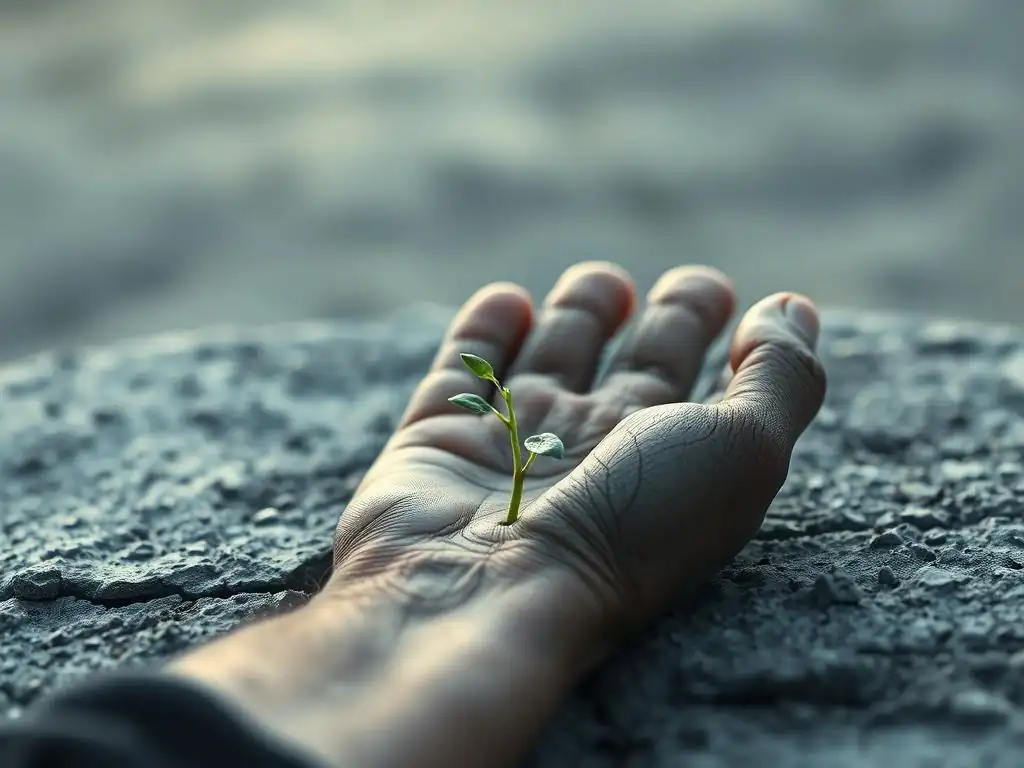
The exploration of spiritual suffering has profoundly shaped my own understanding of resilience. It's not about avoiding pain, but about finding purpose and growth within it. This journey of understanding has illuminated the inherent interconnectedness of all things, revealing that even in the darkest moments, there exists a profound beauty and strength waiting to be discovered. The oak sleeps in the acorn; the bird waits in the egg; and in the highest vision of the soul a waking angel stirs. Dreams are the seedlings of realities.
This quote encapsulates the potential for transformation that lies dormant within suffering, waiting for the right conditions to blossom.
Consider the lessons learned from your own struggles. What seeds of resilience have they planted within you? I invite you to reflect on the ways in which you can cultivate a spiritual practice that helps you navigate life's inevitable challenges. Embrace the discomfort, find the meaning, and allow your suffering to become a catalyst for profound personal growth and an unwavering spirit. The journey towards resilience is a continuous process, but the rewards are immeasurable.
Unveil Your Inner Strength: Embrace a More Meaningful Life
Thanks for taking the time to explore the spiritual side of navigating life's difficulties. We hope you found insights that resonate with your journey. Now, let's take this further!
- Begin your personal reflection: Take some quiet time today to journal about a recent challenge and how a spiritual perspective might offer solace and understanding. This is your key step towards integrating what you've learned.
- Share your thoughts: Connect with our community by sharing your reflections (or a key takeaway) in the comments below. Let's learn and grow together!
- Explore related resources: Dive deeper into this topic by researching different spiritual practices and philosophies that resonate with you. Consider exploring meditation or mindfulness techniques to further support your journey.
Ready to cultivate a deeper sense of meaning and resilience? What specific spiritual practice will you explore next?