
Navigating Doubt: Finding Faith and Meaning in Uncertain Times


Welcome to Mind Care Guide.
Are you grappling with feelings of uncertainty and questioning your beliefs? It's a journey many of us undertake, especially during challenging times. In this space, we understand that finding faith in uncertain times can feel like navigating a dense fog. This article offers a path through that fog, exploring ways to reconnect with meaning and purpose when doubt creeps in. Ready to begin your exploration?
Navigating Doubt: Finding Faith and Meaning in Uncertain Times
- Introduction: Embracing Faith in the Face of Uncertainty
- Understanding the Roots of Doubt
- Re-evaluating Faith: A Journey of Self-Discovery
- Practical Strategies for Finding Faith in Uncertain Times
- Building a Foundation of Faith: Resilience and Meaning
- Connecting with Others: Community and Shared Experiences
- Maintaining Faith in the Long Term: Ongoing Practices
- Seeking Professional Help: When Doubt Becomes Overwhelming
- Conclusion: Finding Peace and Purpose Amidst Uncertainty
-
Frequently Asked Questions
- How can finding faith help me cope with uncertain times?
- What if I'm struggling with doubt and questioning my beliefs?
- How can Mind Care Guide help me find faith and meaning?
- What are some practical steps I can take to strengthen my faith during difficult times?
- Is it possible to find faith even if I've never been religious before?
- Final Reflection: Embracing the Uncertain Path to Faith
- Unveil Your Inner Strength: Find Meaning and Peace Today
Introduction: Embracing Faith in the Face of Uncertainty
Life often presents us with unexpected turns, periods of instability, and moments that shake the very foundations of what we believe. In these uncertain times, it's natural for doubt to creep in, challenging our perspectives and potentially impacting our mental well-being. This journey isn't about eliminating doubt entirely, but rather understanding it and learning how to navigate it constructively. Finding faith in uncertain times is a deeply personal process, one that involves introspection, resilience, and a willingness to explore new dimensions of meaning.
This article serves as a guide for understanding doubt, exploring its origins, and discovering practical ways to cultivate faith and find meaning, even when the path ahead seems unclear. We'll delve into why faith remains a vital anchor, especially when faced with life's most challenging moments, and how embracing the process of navigating doubt can ultimately lead to a stronger, more resilient sense of self and purpose.
The Rising Tide of Doubt: Understanding the Current Landscape
In recent years, global events, rapid technological shifts, and increased access to diverse information have contributed to a widespread sense of uncertainty. Major health crises, geopolitical instability, and economic fluctuations have directly impacted the daily lives of billions, leading to increased anxiety and existential questioning. A 2022 survey, for instance, indicated that a significant percentage of adults globally reported feeling more stressed and uncertain about the future compared to previous years, highlighting a collective vulnerability to doubt. This pervasive uncertainty can erode confidence in established systems and personal beliefs.
Furthermore, the digital age, while connecting us, also exposes us to a constant stream of conflicting information and differing worldviews, which can amplify doubt about one's own truths. Social media algorithms often reinforce echo chambers, but they also expose us to criticisms and alternative perspectives that can challenge long-held beliefs. This environment necessitates a more deliberate approach to finding faith uncertain times, requiring individuals to actively process information and solidify their personal values and beliefs amidst the noise. The sheer volume of information, coupled with real-world instability, creates a fertile ground for doubt to flourish.
Why Faith Matters, Especially When Times Are Tough
Faith, in its broadest sense, is not merely adherence to a specific religious doctrine, but a profound sense of trust, hope, and conviction in something larger than oneself, or in an underlying order or meaning. During periods of significant uncertainty, faith provides a crucial framework for understanding difficult experiences and finding resilience.
It offers a sense of continuity and hope when the immediate future appears bleak, helping individuals to persevere through hardship. For example, during the initial peak of the COVID-19 pandemic, studies showed that individuals who reported higher levels of faith or spiritual coping mechanisms often exhibited lower levels of anxiety and depression compared to those who didn't, illustrating faith's protective role.
Moreover, faith can provide a sense of belonging and connection, often through shared belief systems and communities. This social support is invaluable when navigating doubt and facing challenges that feel overwhelming on one's own. Whether through formal religious institutions, spiritual groups, or informal communities centered around shared values, faith fosters connections that combat isolation, a common consequence of prolonged uncertainty and doubt. This sense of community reinforces shared meaning and provides practical and emotional support, demonstrating why cultivating faith in uncertain times is not just an internal process but often a communal one.
Understanding the Roots of Doubt
Doubt is a natural human experience, a state of uncertainty regarding the truth or reality of something. While it can be uncomfortable, understanding its origins is the first step in navigating doubt constructively. Doubt is not necessarily an indication of weakness, but often a sign that we are processing information, challenging assumptions, and seeking deeper understanding.
Identifying the Triggers: What Causes Doubt to Arise?
Doubt can be triggered by a wide range of experiences, both internal and external. Significant life events are common catalysts; experiencing personal loss, facing serious illness, or undergoing major life transitions like divorce or job loss can profoundly shake our sense of security and lead to questioning long-held beliefs about fairness, purpose, or control. For example, someone who has always believed in a benevolent universe might experience deep doubt after suffering a sudden, tragic loss, asking "Why me?" or "How could this happen? ".
External factors also play a significant role. Exposure to information that contradicts our beliefs, witnessing hypocrisy within trusted institutions (including religious or spiritual ones), or experiencing widespread societal upheaval can all trigger doubt. Consider the impact of discovering historical inaccuracies or ethical failings within a faith tradition one was raised in; this can initiate a painful but necessary process of questioning. Similarly, events like economic depressions or natural disasters can trigger doubt about the stability of the world and one's place within it, emphasizing the challenge of finding faith uncertain times.
Doubt vs. Disbelief: Recognizing the Difference for Mental Well-being
It is crucial to distinguish between doubt and outright disbelief. Doubt is typically a state of wavering, uncertainty, or questioning, often accompanied by a desire for clarity or resolution. It is an active process of grappling with ideas or beliefs. For instance, someone might doubt certain theological interpretations or question the existence of a higher power while still maintaining hope or openness to the possibility, or continuing spiritual practices. This process of doubt can be a healthy part of intellectual and spiritual growth, prompting deeper exploration and potentially leading to a more robust and personal faith.
Disbelief, on the other hand, is generally a settled conviction that something is not true or does not exist. It is a conclusion reached after processing information or experiences. While disbelief is a valid stance, persistent, unresolved doubt can sometimes become psychologically distressing if it leads to rumination, anxiety, or a feeling of being lost without an anchor. Understanding this difference helps in navigating doubt; recognizing it as a process allows for exploration, whereas mistaking it for immediate disbelief might shut down avenues for growth and finding faith uncertain times.
The Role of Uncertainty in Challenging Belief Systems
Uncertainty is the breeding ground for doubt. When outcomes are unpredictable, information is incomplete, or the future feels insecure, our minds naturally seek stability and certainty. Belief systems, whether religious, philosophical, or personal, often provide this sense of stability by offering explanations for the world and our place in it. However, when life throws us into situations characterized by high uncertainty – like a global pandemic, political turmoil, or a personal health crisis with an unknown prognosis – these belief systems can be severely tested.
This challenge arises because uncertainty highlights the limitations of our current understanding and control. If a belief system promises order or protection, but one experiences chaos or suffering, it can directly contradict lived reality, leading to profound doubt. For example, a belief in divine protection might be challenged by experiencing a devastating loss.
This doesn't necessarily invalidate the belief system entirely, but it forces a re-evaluation and potential adaptation of one's understanding. Finding faith uncertain times often involves learning to tolerate ambiguity and integrating experiences of uncertainty into one's evolving framework of meaning, rather than demanding absolute certainty from one's beliefs.
Re-evaluating Faith: A Journey of Self-Discovery
Doubt, while potentially unsettling, can paradoxically be a powerful catalyst for growth. Instead of viewing doubt as a threat to faith, we can reframe it as an invitation to re-evaluate, deepen, and personalize our beliefs. This process is a journey of self-discovery, leading to a more authentic and resilient connection with our faith or sense of meaning.
Questioning Your Beliefs: Is It Okay to Doubt?
Absolutely. Questioning your beliefs is not only okay but often a necessary part of developing a mature and deeply held faith. Rigid, unquestioning belief can sometimes be fragile, susceptible to crumbling when faced with contradictory evidence or challenging experiences. Doubt, however, encourages intellectual and spiritual engagement. It prompts you to ask "why" and "how," leading to a more nuanced understanding rather than simple acceptance. Historical figures across various traditions have grappled with profound doubt, and their struggles often led to deeper insights and more compassionate perspectives.
Embracing the permission to doubt can relieve significant psychological pressure. Many people experience guilt or shame when they question beliefs they were raised with or that are held by their community. Recognizing doubt as a normal, even healthy, part of the spiritual journey frees you to explore your questions honestly. This open exploration is fundamental to finding faith uncertain times that is truly yours, built not just on inherited tradition but on personal conviction and understanding.
The Opportunity in Doubt: Strengthening Your Faith Through Inquiry
Doubt presents a unique opportunity to strengthen your faith by forcing you to examine its foundations. When you question a belief, you are prompted to seek answers, explore different perspectives, and articulate why you believe what you do (or what you are struggling to believe). This process moves faith from rote acceptance to active engagement. For example, someone doubting a specific religious tenet might research its historical context, read interpretations from different scholars, or discuss it with trusted mentors.
This inquiry doesn't always lead to reaffirming the original belief exactly as it was held before. It might lead to a modified understanding, a shift in focus, or even the adoption of new beliefs while letting go of old ones. However, the faith that emerges from this process is often more robust, personal, and resilient because it has been tested and refined.
It's like a muscle that gets stronger through resistance training. Navigating doubt through active inquiry builds a faith that can withstand future uncertainties because it is grounded in personal wrestling and discovery, making the process of finding faith uncertain times a journey of empowerment.
Reframing Uncertainty: Seeing It as a Catalyst for Growth
Uncertainty is often perceived negatively – as a source of anxiety, instability, and lack of control. However, it can also be reframed as a powerful catalyst for personal and spiritual growth. When familiar structures or certainties are removed, we are often forced to look inward, rely on our core values, and develop new coping mechanisms. Think of a time you faced a major life change you didn't anticipate; while initially stressful, it likely pushed you to develop new skills, adapt, and perhaps discover strengths you didn't know you had.
Embracing uncertainty means accepting that not everything can be known or controlled. This acceptance can free up mental energy previously spent on trying to predict or control the uncontrollable. It allows for a greater focus on the present moment and on cultivating inner resilience.
Finding faith uncertain times involves building trust not necessarily in a predetermined outcome, but in one's ability to navigate challenges, in the support of others, or in a deeper sense of purpose that transcends immediate circumstances. This reframed perspective sees uncertainty not as an enemy of faith, but as the very landscape in which a deeper, more adaptable faith can flourish.
Practical Strategies for Finding Faith in Uncertain Times
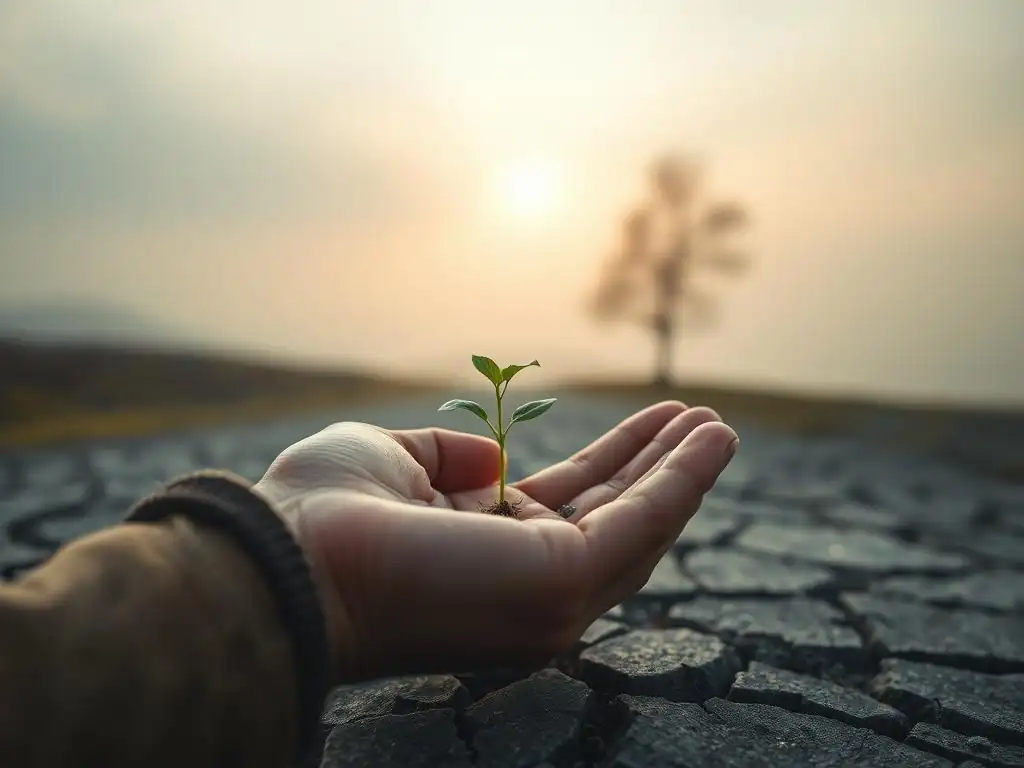
Finding faith uncertain times is not a passive process; it requires intentional effort and the adoption of practices that nourish your spiritual and emotional well-being. These strategies can help ground you when doubt is present and strengthen your connection to meaning and hope.
Cultivating Mindfulness: Staying Present in the Midst of Doubt
Mindfulness is the practice of paying attention to the present moment without judgment. When doubt or uncertainty arises, our minds often race, projecting anxieties into the future or dwelling on past regrets. This mental churning can exacerbate feelings of being lost or disconnected. Cultivating mindfulness helps anchor you in the here and now, creating space between you and your swirling thoughts and emotions. By observing your doubts without immediately getting swept away by them, you can approach them with greater clarity and less reactivity.
Practicing mindfulness can be as simple as focusing on your breath for a few minutes each day, paying attention to sensory details during everyday activities like eating or walking, or engaging in guided meditations. Regular practice has been shown to reduce stress and anxiety, making it easier to tolerate the discomfort that often accompanies doubt and uncertainty. This presence allows you to engage with the process of navigating doubt from a more centered place, making it a foundational tool for finding faith uncertain times.
Seeking Spiritual Guidance: Connecting with Mentors and Communities
You don't have to navigate doubt alone. Connecting with trusted spiritual guides, mentors, or communities can provide invaluable support, perspective, and wisdom. This could involve speaking with a religious leader, a spiritual director, a therapist who incorporates spiritual perspectives, or simply a wise friend who shares your values or has navigated similar challenges. Sharing your doubts aloud can reduce their power and allow others to offer insights or simply listen empathetically.
Joining a faith community or spiritual group, even if you are questioning its tenets, can offer a sense of belonging and shared purpose. While you may not agree with every aspect, the communal rituals, shared values, and mutual support can provide comfort and stability. For instance, attending services, participating in study groups, or engaging in community service alongside others can reinforce a sense of connection and meaning, even when specific beliefs are in flux. This collective journey is a powerful aspect of finding faith uncertain times, reminding you that you are part of something larger.
Engaging in Practices that Nourish Your Soul: Contemplative Prayer, Nature Walks, and Sacred Music
Nourishing your soul involves engaging in activities that bring you peace, connect you to something deeper, and align with your personal values. These practices can vary greatly from person to person but often involve elements of reflection, connection, and awe. Contemplative prayer or meditation, for example, can quiet the mind and open you to a sense of presence or connection beyond intellectual understanding, offering solace when words fail.
Spending time in nature is another powerful practice; the vastness and beauty of the natural world can put our immediate worries into perspective and foster a sense of connection to life's larger patterns. A walk in a forest, sitting by the ocean, or simply tending a garden can be deeply grounding.
Listening to or creating sacred music, art, or poetry can also evoke deep emotions and connect you to a sense of the transcendent. These practices are not about finding definitive answers to doubt, but about cultivating a state of being that is receptive to hope, meaning, and a sense of peace, essential elements for finding faith uncertain times.
Building a Foundation of Faith: Resilience and Meaning
Finding faith uncertain times is closely linked to building personal resilience and cultivating a strong sense of meaning in life. These inner resources act as anchors when external circumstances are unstable and doubt is present.
Developing a Stronger Sense of Self: Anchoring in Values
A strong sense of self, rooted in clearly defined personal values, provides an internal compass when navigating the complexities of doubt and uncertainty. When external structures or beliefs are questioned, knowing your core values – such as compassion, integrity, courage, or creativity – gives you a stable reference point. These values guide your decisions and actions, providing a sense of purpose and consistency even when the world around you feels chaotic.
Developing this stronger sense of self involves self-reflection and intentional living. It might include journaling about your experiences, identifying what truly matters to you, and consciously choosing to live in alignment with those values. For example, if compassion is a core value, focusing on acts of kindness, even small ones, can reinforce your identity and provide meaning during difficult periods, regardless of specific beliefs about the universe. This internal anchor is fundamental to navigating doubt and building a faith that is resilient because it is grounded in who you are, not just what you believe.
Finding Purpose Beyond the Immediate: Long-Term Vision and Meaning-Making
Uncertain times can make it difficult to see beyond the immediate challenges. Focusing solely on the present moment's difficulties can amplify feelings of hopelessness and doubt. Cultivating a long-term vision and engaging in meaning-making – the process of interpreting experiences and finding significance in them – provides a broader perspective that transcends immediate uncertainty. This doesn't require having a grand, life-altering purpose immediately defined, but rather engaging in activities that feel inherently meaningful or contributing to something you care about.
This could involve dedicating time to a passion project, volunteering for a cause you believe in, nurturing relationships, or committing to continuous learning. For example, during the economic recession of 2008-2009, many people faced job loss and financial insecurity, triggering significant doubt about their futures. Those who found meaning in supporting their families, developing new skills, or helping others in their community often reported greater resilience and a stronger sense of purpose despite the external chaos. This ability to find meaning beyond immediate circumstances is crucial for finding faith uncertain times and maintaining hope.
Embracing Imperfection: Allowing Room for Doubt and Growth
A common barrier to finding faith uncertain times is the expectation of having all the answers or maintaining unwavering certainty. This pursuit of perfection – in belief, understanding, or life circumstances – is unrealistic and can lead to significant distress when doubt inevitably arises or life doesn't unfold as expected. Embracing imperfection means accepting that doubt is a natural part of the human and spiritual journey, and that growth often happens through questioning and struggle, not despite it.
Allowing room for doubt means not feeling guilty or ashamed when questions arise. It means being patient with yourself as you navigate complex feelings and ideas. It also means recognizing that faith is often a process, not a static state. It evolves and deepens over time, shaped by our experiences, including our moments of uncertainty. This empathetic stance towards yourself, acknowledging that it's okay not to have everything figured out, is vital for navigating doubt constructively and building a resilient foundation for faith that can accommodate change and growth.
Human connection is a powerful antidote to the isolation that doubt and uncertainty can bring. Sharing experiences with others who are also finding faith uncertain times can provide invaluable support, perspective, and a sense of belonging.
Being part of a community that shares similar values or beliefs can provide a strong sense of support when your personal faith is being tested. Shared rituals, traditions, and communal gatherings offer comfort and continuity. Knowing that you are not alone in your struggles, and that others have navigated similar periods of doubt, can be incredibly validating. A study on community support during times of stress found that individuals with strong social ties, including those within faith communities, often exhibited better coping mechanisms and higher levels of well-being.
Within a supportive community, members can offer practical help, emotional support, and shared wisdom drawn from their own experiences. This collective strength can bolster individual resilience when navigating doubt. It provides a reminder that even when personal belief wavers, the shared commitment to certain principles or a common search for meaning can provide a stable foundation. This collective aspect is a fundamental pillar in the process of finding faith uncertain times.
While it can feel risky, sharing your doubts with trusted individuals or within a safe community can be incredibly liberating and strengthen your connections. Often, we fear judgment or the possibility of shaking others' faith by expressing our own uncertainties. However, authentic vulnerability fosters deeper connections. When you share your struggles with doubt, you give others permission to share theirs, creating a space of mutual understanding and empathy.
Choosing who to share your doubts with is important; seek out individuals or groups known for their compassion, openness, and willingness to engage with complex questions. This act of sharing reduces the internal burden of doubt and allows others to offer support, different perspectives, or simply a listening ear. This vulnerable sharing is a courageous step in navigating doubt and reinforces that the search for faith in uncertain times is a shared human journey.
Learning from Others' Journeys: Expanding Your Perspective
Hearing about how others have navigated their own periods of doubt and uncertainty can be incredibly insightful and inspiring. People from diverse backgrounds and traditions have grappled with fundamental questions of meaning, suffering, and belief. Exploring their stories – through books, podcasts, conversations, or memoirs – can broaden your perspective and offer new ways of thinking about your own challenges.
Learning about different philosophical or spiritual approaches to dealing with uncertainty can provide new tools and frameworks. For example, reading about Stoicism might offer insights into focusing on what you can control, while exploring Buddhist teachings might deepen your understanding of impermanence. Hearing personal accounts of individuals who lost everything but found renewed purpose can highlight the resilience of the human spirit and offer hope. These shared narratives are vital resources for finding faith uncertain times, illustrating the many paths one can take on this journey.
Maintaining Faith in the Long Term: Ongoing Practices

Finding faith uncertain times is not a one-time event but an ongoing process. Maintaining a strong sense of faith and meaning requires continuous effort and the integration of practices into daily life that nurture your spiritual core and help you continue navigating doubt as it arises.
Regular Reflection: Journaling and Self-Assessment
Regular reflection is essential for monitoring your inner landscape and understanding how doubt and uncertainty are impacting you. Journaling is a powerful tool for this; writing down your thoughts, feelings, and questions allows you to process them, identify patterns, and gain clarity. It provides a private space to express doubts without fear of judgment and track your journey over time. For instance, you might journal about what triggers your doubt, what practices bring you peace, or how your understanding of faith is evolving.
Self-assessment involves periodically checking in with yourself about your spiritual and emotional well-being. Are you feeling more anxious? More hopeful? What practices are serving you well, and which are not? Are your current beliefs still aligning with your lived experience? This honest evaluation allows you to make conscious adjustments to your approach to finding faith uncertain times, ensuring that your practices and beliefs remain relevant and supportive.
Continuous Learning: Exploring Different Perspectives and Spiritual Texts
A vibrant faith is often an inquiring faith. Committing to continuous learning prevents stagnation and opens you to new insights that can deepen your understanding and help you navigate doubt. This can involve reading spiritual texts from your own tradition or others, exploring philosophy, psychology, or science, and engaging in discussions that challenge your thinking. For example, learning about cosmology might inspire awe and a sense of connection to the universe, while studying ethics might refine your understanding of purpose and right action.
Exploring different perspectives doesn't require you to adopt new beliefs, but it can enrich your existing ones and provide new language or frameworks for understanding your experiences. Many faith traditions have long histories of internal debate and diverse interpretations; engaging with this complexity can make your own faith more resilient and intellectually satisfying. This ongoing intellectual and spiritual exploration is a key practice for maintaining a dynamic and meaningful faith in uncertain times.
Adapting Your Faith: Evolving with Life's Changes
Life is characterized by change, and a resilient faith is one that can adapt and evolve alongside your experiences. What provided comfort or meaning at one stage of life might not resonate in the same way later on. Major life changes – such as marriage, parenthood, career shifts, illness, or aging – bring new questions and challenges that may require your faith to shift or deepen. Finding faith uncertain times over the long term requires flexibility and a willingness to let your understanding grow.
This adaptation doesn't mean abandoning core values or beliefs, but rather reinterpreting them in light of new knowledge or experience. It might involve shifting focus from strict doctrine to compassionate action, from seeking certainty to embracing mystery, or from individual salvation to collective well-being. Embracing this ongoing evolution allows your faith to remain a living, relevant force in your life, capable of supporting you through the inevitable uncertainties that lie ahead.
Seeking Professional Help: When Doubt Becomes Overwhelming
While doubt is a normal part of life and faith, sometimes it can become overwhelming, leading to significant distress, anxiety, or depression. In such cases, seeking professional help is a sign of strength and an important step in caring for your mental well-being while navigating doubt.
Recognizing the Signs: When Doubt Impacts Mental Health
It's important to recognize when doubt has crossed the line from healthy questioning into something more debilitating. Signs that your doubt might be impacting your mental health include persistent anxiety or worry directly related to your beliefs or lack thereof, significant sadness or hopelessness, difficulty functioning in daily life (work, relationships, self-care), social withdrawal, or changes in sleep or appetite. If doubt is consuming your thoughts, causing intense distress, or leading to panic attacks, it's time to consider professional support.
Existential doubt, in particular, can sometimes trigger or exacerbate underlying mental health conditions. Feelings of meaninglessness, isolation, and despair are common symptoms of depression, and intense spiritual or philosophical questioning can sometimes contribute to these states. Paying attention to these signs and acknowledging when you are struggling is the first step towards getting the help you need to effectively engage with finding faith uncertain times in a healthy way.
Therapy and Counseling: Exploring Doubt with a Mental Health Professional
Therapy and counseling can provide a safe and structured environment to explore your doubts and their impact on your mental health. A trained therapist can help you process difficult emotions associated with uncertainty, develop coping strategies for anxiety, and work through existential questions without judgment. Cognitive Behavioral Therapy (CBT), for example, can help you identify and challenge unhelpful thought patterns related to doubt and uncertainty.
Therapists can also help you distinguish between healthy spiritual questioning and distress that may be rooted in other issues, such as past trauma, relationship difficulties, or underlying mental health conditions. Discussing your struggles with doubt with a professional allows you to gain perspective and develop tools for navigating doubt in a way that promotes, rather than hinders, your overall well-being. This support is crucial when the weight of finding faith uncertain times feels too heavy to bear alone.
Integrating Faith and Therapy: A Holistic Approach to Well-being
For many people, faith is an integral part of their identity and coping mechanisms. A holistic approach to mental well-being recognizes the importance of integrating spiritual and psychological support. Some therapists are trained to work with clients on issues of faith and spirituality, or you can seek out professionals who are open to discussing your beliefs and incorporating them into your treatment plan.
This integration might involve exploring how your faith tradition views doubt and suffering, identifying spiritual practices that could support your mental health goals, or processing spiritual trauma. It’s about ensuring that your journey of finding faith uncertain times is supported by sound psychological principles, and that your mental health care respects and, where appropriate, utilizes your spiritual resources. This combined approach can lead to a more comprehensive and effective path toward healing and finding meaning.
Conclusion: Finding Peace and Purpose Amidst Uncertainty
Navigating doubt and finding faith uncertain times is a challenging yet potentially deeply rewarding journey. It is a process that involves acknowledging the reality of uncertainty, understanding the nature of doubt, and actively engaging in practices that cultivate resilience, meaning, and connection.
Embracing the Journey: Faith as a Continuous Process
Ultimately, faith is less of a destination and more of a continuous journey. Doubt will likely reappear throughout life, particularly during times of transition or crisis. Embracing this cyclical nature allows you to approach future uncertainties with greater confidence, knowing that you have the capacity to navigate doubt and continue finding faith uncertain times. It's about developing trust in the process itself – the process of questioning, seeking, and growing. This ongoing engagement keeps your faith dynamic and relevant to the ever-changing landscape of life.
The Enduring Power of Meaning: Finding Hope in Uncertain Times
Even when specific beliefs are unclear, the search for and creation of meaning remains a powerful human drive. Finding faith uncertain times is deeply intertwined with finding purpose and significance in life. Whether through relationships, work, creativity, service, or connection to something larger than yourself, meaning provides an anchor when the world feels adrift. Cultivating meaning fosters hope, providing the motivation to persevere through hardship and uncertainty. It reminds us that even in the face of doubt, life can be rich, purposeful, and full of possibilities.
Resources for Further Exploration: Books, Podcasts, and Spiritual Organizations
For those wishing to continue their journey of navigating doubt and finding faith uncertain times, numerous resources are available. Many books explore the intersection of faith, doubt, and uncertainty from various philosophical, psychological, and spiritual perspectives. Podcasts and online communities offer opportunities to hear diverse stories and engage with challenging questions. Additionally, various spiritual organizations, both traditional and contemporary, offer guidance, community, and practices that can support your path. Exploring these resources can provide new insights and connections as you continue to build a resilient faith and find meaning in a complex world.
Frequently Asked Questions
How can finding faith help me cope with uncertain times?
Finding faith can provide a sense of stability and hope when the world feels chaotic. It offers a framework for understanding and navigating challenges, promoting inner peace.
What if I'm struggling with doubt and questioning my beliefs?
Doubt is a natural part of the faith journey. It's okay to question and explore your beliefs. Use resources from Mind Care Guide to find support and guidance in navigating your doubts.
How can Mind Care Guide help me find faith and meaning?
Mind Care Guide offers information, support, and resources specifically designed to help you explore your spirituality and find meaning. We provide tools for self-reflection and connections to faith-based communities.
What are some practical steps I can take to strengthen my faith during difficult times?
Engage in prayer or meditation, connect with your faith community, and reflect on scripture or spiritual teachings. Seeking support from a therapist or counselor can also be beneficial.
Is it possible to find faith even if I've never been religious before?
Yes! Finding faith is a personal journey, regardless of your background. Explore different spiritual practices, reflect on your values, and be open to new experiences. Mind Care Guide offers resources for all.
Final Reflection: Embracing the Uncertain Path to Faith
The persistent questioning of faith in our modern, rapidly changing world is not a sign of weakness, but a testament to the enduring human need for meaning. This search, often fraught with doubt, is a journey shared by countless individuals navigating the complexities of life in uncertain times. The exploration of faith, as we've seen, isn't a destination but a dynamic process of growth and understanding.
The impact of doubt on our spiritual lives is profound, shaping not only our individual beliefs but also the collective cultural landscape. We are living in a time where traditional structures are challenged, and the search for meaning takes on new forms. This constant questioning, while sometimes unsettling, can lead to a deeper, more personal connection with our faith. Doubt is not the opposite of faith; it is a component of faith.
This quote, though its origin is debated, perfectly encapsulates the intricate relationship between doubt and belief. It's in the wrestling with doubt that our faith often becomes stronger and more resilient.
Now, consider your own journey. What doubts have you encountered on your path? How have you navigated these uncertainties? I invite you to embrace the inherent ambiguity of faith, to see doubt not as an enemy but as a catalyst for growth and a deeper understanding of yourself and your beliefs. Let this exploration be a continuous process of learning, questioning, and ultimately, finding your own unique path to meaning and purpose in these uncertain times.
Unveil Your Inner Strength: Find Meaning and Peace Today
Thanks for taking the time to explore the journey of navigating doubt with us! We hope this article provided you with valuable insights and tools to find faith and meaning, even amidst uncertainty. Now it's time to put these insights into action. Here's how:
- Embrace a Daily Practice: Dedicate just 5 minutes each day to a mindful activity—meditation, journaling, or simply reflecting on what brings you joy. This small step can make a big difference in cultivating inner peace.
- Share Your Reflections: Connect with others by sharing your experiences and perspectives on finding meaning in uncertain times. Consider writing a short comment below sharing what resonated most with you.
- Explore Further: Dive deeper into resources related to mindfulness and faith practices to strengthen your inner resilience. Look for guided meditations, inspirational books, or supportive communities online.
What small act of self-care will you prioritize today to nurture your faith and find more meaning?