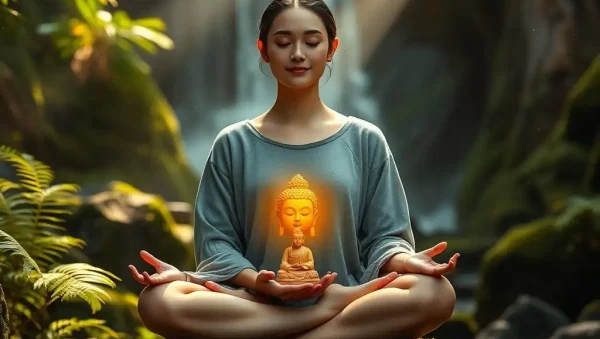
Mindfulness and Spirituality: Where Inner Peace Meets Deeper Meaning
Welcome to the intersection of two powerful paths toward well-being. On this page, we explore how mindfulness—the practice of present-moment awareness—and spirituality—the search for meaning and connection—overlap and strengthen each other. For readers of Mind Care Guide, this synergy offers practical tools for reducing stress, building resilience, and finding purpose, whether you follow a specific faith, embrace secular meditation, or simply seek deeper calm. Here, you’ll discover how these disciplines complement one another without requiring any particular belief system.
🧘♂️ The Shared Foundation: Awareness and Acceptance
Both mindfulness and spirituality begin with a radical act: paying attention to what is, without immediate judgment. Mindfulness teaches you to observe thoughts and sensations as passing events, while spirituality often frames this as connecting with a larger reality—be it God, the universe, or your inner wisdom. This overlap means you can use meditation as a bridge, whether you call it prayer, contemplation, or simple sitting. Expect to learn specific techniques like body scans, loving-kindness meditation, and breath awareness that fit both frameworks.
For your mental health journey, this shared foundation reduces the “observer effect”: when you step back from your thoughts, anxiety loses its grip. Scientific studies show that this dual approach lowers cortisol levels and increases activity in the prefrontal cortex, improving emotional regulation. By embracing both awareness and acceptance, you cultivate a non-reactive stance toward life’s ups and downs, turning daily challenges into opportunities for growth rather than threats.
🌿 Practical Synergies: Rituals, Breath, and Gratitude
Rituals—whether a morning meditation, a gratitude journal, or a nature walk—are where mindfulness and spirituality become lived experiences. These practices anchor you in the present while connecting you to something greater than yourself. For example, mindful gratitude is a spiritual act that shifts attention from lack to abundance, which is proven to boost mood and reduce depressive symptoms. Expect actionable routines you can weave into your day, such as “three good things” journaling or a five-minute breathing prayer.
The synergy here lies in intention: mindfulness makes rituals aware, while spirituality makes them meaningful. You’ll find that combining a secular habit like mindful tea-drinking with a spiritual intention like “I sip as an act of self-care” creates a richer, more sustainable practice. This blend is especially helpful for people who feel stuck in mechanical meditation or struggle with rigid religious rules—it offers flexibility and personalization, proven to increase adherence and mental health outcomes over time.
💭 Navigating Belief Systems Without Conflict
One common worry is that mindfulness might conflict with religious beliefs or that spirituality feels too vague. The truth is that mindfulness is a universal skill—it does not require atheism or faith. Many Christian, Muslim, Jewish, and Buddhist practitioners incorporate mindfulness into their prayers and scripture study, viewing it as a way to deepen their connection to the Holy. Conversely, secular humanists use mindfulness purely as a psychological tool. Here, you’ll learn how to integrate both without watering down your worldview.
To help, we’ll outline “translation keys” for different traditions, such as using “God’s presence” instead of “awareness” in guided meditations. You’ll also discover how to respectfully borrow practices from Eastern traditions while maintaining your own cultural and spiritual identity. This approach reduces cognitive dissonance and increases peace of mind—a key predictor of long-term mental health stability. If you’ve felt torn between science and faith, this section offers a harmonious resolution.
🌈 Healing Trauma Through Transcendence
Mindfulness and spirituality together offer a powerful pathway for trauma recovery. Mindfulness provides a safe, grounded anchor to observe painful memories without being overwhelmed, while spirituality adds a framework of meaning, hope, and forgiveness. Practices like compassion meditation and loving-kindness meditation help rewire the brain’s threat response, reducing hypervigilance and emotional flashbacks. Expect guided scripts that gently guide you from self-judgment to self-compassion.
This synergy also addresses the existential wounds of trauma—feelings of brokenness, isolation, and loss of trust in life. Spirituality can reframe suffering as a transformative experience, not a verdict. Research indicates that trauma survivors who engage in both mindfulness and spiritual practices report lower rates of PTSD and depression. Here, you’ll find case examples, therapeutic exercises, and advice on when to seek professional help, ensuring you use these tools safely and effectively.
🕊️ Everyday Spirituality: Finding the Sacred in the Ordinary
The ultimate goal of this subcategory is to help you realize that you don’t need to climb a mountain to experience transcendence. Micro-spiritual practices—like washing dishes with attention, looking at a sunset with wonder, or saying a brief blessing before meals—can melt mindfulness and spirituality into your daily rhythm. This approach counters the modern burnout of “toxic positivity” by embracing both joy and sorrow as sacred.
Expect a list of 15+ simple, no-frills practices you can start today, each with a mindful component and a spiritual spin. For instance, “walking meditation” with an intention like “May I walk in peace” transforms a commuter stroll into a prayer. Over time, these micro-moments accumulate, increasing your baseline of contentment and lowering reactivity. This is why the Mind Care Guide encourages not just occasional retreats but consistent, small acts of connection—you’ll feel the difference within a week.
Frequently Asked Questions
1. Do I need to be religious to benefit from mindfulness and spirituality?
No. Mindfulness is a secular, evidence-based practice that works independently of any belief system. Spirituality can be defined purely as a sense of meaning, purpose, or connection to life, nature, or humanity. You can combine mindfulness with your personal values without adopting any specific faith.
2. Can mindfulness replace traditional therapy or medication?
No. Mindfulness is a complementary tool, not a replacement for professional mental health treatment. It can reduce symptoms of anxiety and depression, but for moderate to severe conditions, combine it with therapy, medication, or both. Always consult your healthcare provider before changing your care plan.
3. How is spiritual mindfulness different from regular meditation?
Regular meditation focuses on awareness, breath, and presence. Spiritual mindfulness adds an element of intention, such as connecting with a higher power, cultivating compassion, or seeking insight into life’s deeper questions. The techniques overlap, but the context and goal are broader.
4. What if I feel anxious when trying to be mindful?
This is common, especially for trauma survivors. Start with short, grounding practices like feeling your feet on the floor or listening to sounds around you. If anxiety persists, try “safe place” visualizations or guided body scans. Consider working with a therapist trained in mindfulness-based stress reduction.
5. How quickly will I see benefits from combining these practices?
Many people notice reduced stress and improved mood within 2-4 weeks of consistent practice (10-15 minutes daily). Deeper shifts in perspective and self-compassion typically take 8-12 weeks. Patience is key—treat each session as a step, not a destination.