
How Spirituality Gives Mindfulness Deeper Meaning

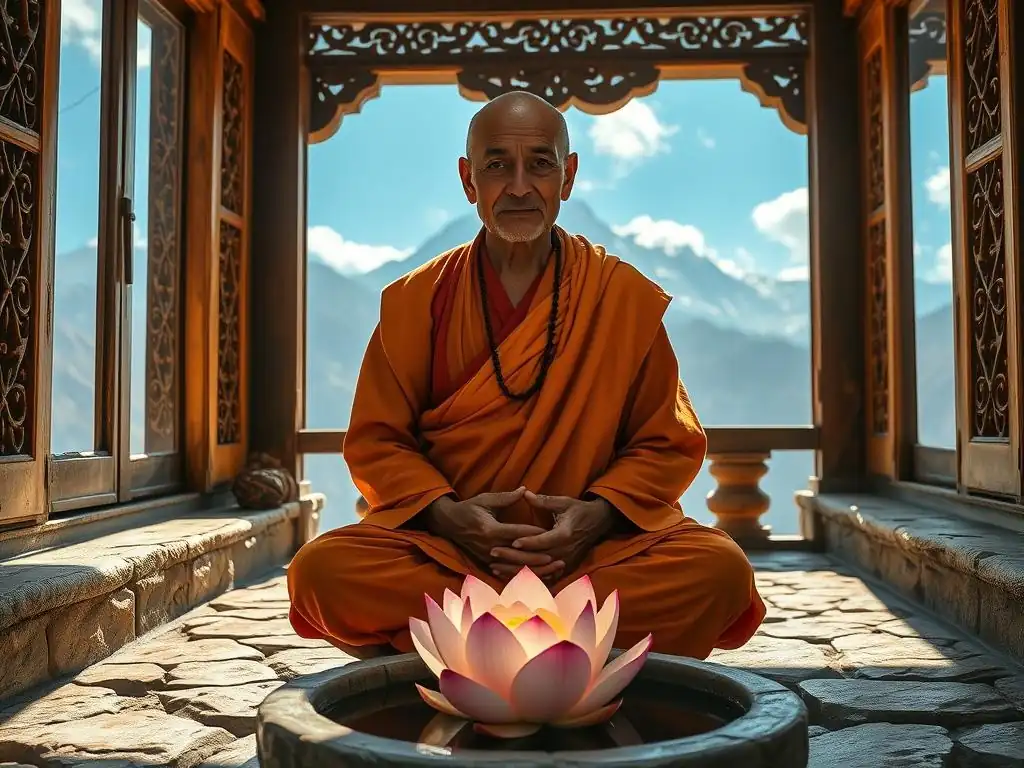
Welcome to Mind Care Guide, a safe space dedicated to nurturing your mental well-being. Feeling lost or disconnected? Perhaps you're searching for a deeper sense of purpose. Dive into our latest article to discover how spirituality boosts mindfulness meaning, and unlock a more fulfilling and grounded existence. Intrigued? Let's explore together.
How Nature Photography Enhances Mindfulness
- Introduction: Exploring the Synergy Between Nature Photography and Mindfulness
- The Limitations of Photography Without a Mindful Approach
- Mindfulness as a Catalyst for Enhanced Nature Photography
- Practical Ways to Integrate Mindfulness into Your Nature Photography Practice
- The Benefits of Combining Mindfulness and Nature Photography for Mental Health
- Different Natural Environments to Enhance Mindfulness
- Overcoming Challenges in Integrating Mindfulness and Nature Photography
- Case Studies: Real-Life Examples of Nature Photography Boosting Mindfulness
- Conclusion: Embracing a Holistic Approach to Mental Well-being Through Nature Photography and Mindfulness
-
Frequently Asked Questions
- How does spirituality influence mindfulness practices?
- What role does personal belief play in the connection between spirituality and mindfulness?
- Can mindfulness be practiced without any spiritual element?
- What are some practical ways to integrate spirituality into mindfulness exercises?
- How can understanding "Spirituality boosts mindfulness meaning" improve mental well-being?
- Final Reflection: Finding Deeper Meaning Through the Spiritual Lens of Mindfulness
- Unleash Your Inner Peace: Embrace Deeper Mindfulness
Introduction: Exploring the Synergy Between Nature Photography and Mindfulness
Understanding the Core of Mindfulness and its Benefits for Mental Well-being
Mindfulness is fundamentally about bringing one's attention to the present moment, intentionally and without judgment. It involves observing thoughts, feelings, bodily sensations, and the surrounding environment with open curiosity. This practice, rooted in ancient traditions, has gained significant traction in modern mental health circles due to its empirically supported benefits.
Regular mindfulness practice has been shown to reduce symptoms of stress and anxiety, with some studies indicating a reduction in perceived stress levels by as much as 20-30% after an 8-week program. It helps individuals step out of automatic pilot mode, fostering a greater sense of control and presence in their daily lives.
Beyond stress reduction, mindfulness cultivates improved focus, enhanced emotional regulation, and increased self-awareness. By learning to observe thoughts and feelings without getting swept away by them, individuals develop greater resilience in the face of challenges. The ability to stay present improves concentration on tasks, whether professional or personal. Furthermore, studies have linked mindfulness practice to positive changes in brain structure, particularly in areas associated with learning, memory, and emotional processing, underscoring its profound impact on mental and emotional health.
Exploring the Essence of Nature Photography: Capturing Beauty and Connection
Nature photography, at its core, is more than simply documenting landscapes or wildlife. It is an act of engaging deeply with the natural world, seeking to understand and convey its beauty, complexity, and fleeting moments. It requires observation, patience, and a willingness to immerse oneself in the environment. A photographer might spend hours waiting for the right light on a mountain peak or observing the intricate patterns on a single leaf, demonstrating a level of focused attention that parallels mindful practice.
This form of photography encourages a connection with the subject matter that transcends mere technical skill. It's about feeling the wind, smelling the rain, noticing the subtle shift in colors as the sun sets. The camera becomes a tool, not just for capturing an image, but for facilitating a deeper interaction with nature, prompting the photographer to look closer, listen more intently, and feel more profoundly. It invites a personal dialogue between the artist and the environment, leading to images that reflect not just what was seen, but what was experienced.
Why Nature Photography Enhances Mindfulness: A Deeper Connection
The inherent requirements of nature photography align remarkably well with the principles of mindfulness, creating a powerful synergy. Both practices necessitate presence: to capture a compelling image of a bird in flight or the delicate texture of a flower, one must be fully present in that specific moment, observing intently.
This active observation naturally pulls the mind away from distractions and into the here and now, which is the fundamental aim of mindfulness. The process of seeking out interesting subjects, composing a shot, and waiting for the right conditions demands patience and a focused attention that trains the mind similarly to formal meditation.
Moreover, engaging with nature itself has well-documented benefits for mental well-being, reducing cortisol levels and improving mood. When combined with the focused attention required by photography, this effect is amplified. The camera acts as an anchor, guiding the photographer's attention to specific details – the way light hits a tree, the flow of water, the delicate structure of a spiderweb. This focused observation within a natural setting provides a practical and engaging pathway to cultivate mindful awareness, making the abstract concept of "being present" tangible and rewarding through the creative process.
The Limitations of Photography Without a Mindful Approach
Photography as a Technique: Potential for Superficial Application
When photography is approached solely as a technical exercise, focusing only on camera settings, gear, and achieving a technically perfect image, it risks becoming a superficial interaction with the world. The photographer might prioritize sharpness, exposure, and composition rules above experiencing the scene itself. This can lead to a detachment from the environment – eyes glued to the LCD screen, mind preoccupied with f-stops and shutter speeds, rather than soaking in the atmosphere, sounds, and smells of nature.
This technical-only approach can result in images that are visually competent but lack soul or connection. The process becomes about acquiring a product (the photo) rather than engaging in an experience. It's like reading a recipe perfectly but never tasting the food – the technical steps are followed, but the essence is missed. Without mindfulness, the photographer might capture the likeness of a place but fail to convey its feeling or their connection to it.
The Risk of Missing the Moment: When Photography Becomes Mechanical
Without mindfulness, photography can easily devolve into a mechanical, checklist-driven activity. The photographer might arrive at a location, quickly find a few popular viewpoints, snap a series of photos, and move on, driven by the desire to capture as many 'trophy' shots as possible or to replicate images seen online. This rapid, almost automated process leaves little room for genuine observation, contemplation, or connection with the nuances of the environment.
The focus shifts from experiencing the present moment to anticipating the future outcome (the final image) or dwelling on past anxieties (did I get the shot?). This can lead to a frustrating cycle where the photographer is physically present in nature but mentally absent, preoccupied with the mechanics and the potential results. The rich, multi-sensory experience of being outdoors is overlooked in favor of the narrow view through the lens, potentially leading to a feeling of dissatisfaction despite having a memory card full of images.
Seeking Deeper Connection: The Role of Mindfulness in Photography
Mindfulness serves as a crucial bridge, transforming photography from a potentially mechanical task into a profound practice for deeper connection. By intentionally bringing awareness to the present moment before, during, and after taking a photograph, the photographer shifts their focus from simply capturing the scene to actively experiencing it. This involves noticing the sensations in the body, the quality of the light, the sounds of the environment, and the emotions that arise.
Incorporating mindfulness encourages the photographer to slow down, to linger, and to engage with their subject on a more intimate level. The camera becomes a tool for observation, not a barrier to it. Instead of rushing to get the shot, the mindful photographer takes time to observe the scene from different angles, notice subtle details, and feel the atmosphere. This deliberate approach fosters a sense of presence and connection that enriches both the photographic process and the resulting images, moving beyond superficial representation to capture the essence of the moment.
Mindfulness as a Catalyst for Enhanced Nature Photography
Cultivating Observation and Awareness Through Mindful Photography
Mindfulness is fundamentally about training attention, and applying this to nature photography significantly sharpens observational skills. By consciously slowing down and engaging the senses, photographers begin to notice details they might otherwise overlook. This could be the intricate pattern on a butterfly's wing, the way fog softens the edges of a distant hill, or the subtle color variations in a patch of moss. This heightened awareness allows for the discovery of unique photographic opportunities beyond the obvious grand vistas.
This deliberate practice of observation, guided by mindfulness, enhances the photographer's ability to see the potential for compelling images in unexpected places. It encourages looking into the scene rather than just at it. For example, instead of just seeing a forest, a mindful photographer might spend time observing how light filters through the leaves at different times of day, noticing the textures of different tree barks, or finding beauty in the decay of a fallen log. This cultivated awareness leads to more nuanced and personal interpretations of the natural world through photography.
Finding Beauty in the Mundane: A Mindful Perspective on Nature's Details
A key aspect of mindfulness is the ability to find wonder and beauty in everyday experiences and objects. When applied to nature photography, this perspective allows photographers to move beyond the pursuit of epic landscapes and discover compelling subjects in the seemingly mundane. A simple puddle can become a canvas for reflections, a patch of weeds can reveal surprising textures and forms, or a single dewdrop on a blade of grass can become a world in itself.
Mindful photography encourages a shift in perception, valuing the small, intimate details as much as the grand scenes. This focus on the micro-details of nature not only expands the range of potential subjects but also deepens the connection to the environment. It fosters a sense of gratitude for the intricate beauty present everywhere, reinforcing the idea that one doesn't need to travel to exotic locations to find inspiration; it exists right outside the door if one takes the time to truly see it mindfully.
Transcending the Ego: Mindfulness's Contribution to Self-Awareness in Photography
Mindfulness inherently involves observing one's thoughts and feelings without judgment, which can be particularly beneficial in the context of photography, where ego and comparison can often arise. The practice of mindful photography encourages a focus on the experience and the process rather than solely on the outcome (the final image, likes on social media, etc.). This helps to quiet the inner critic or the urge to compare one's work negatively with others.
By bringing self-awareness to the photographic process, individuals can notice feelings of frustration when a shot doesn't work out, impatience when waiting for light, or the desire for external validation. Mindfulness allows these thoughts and emotions to be observed without letting them dictate actions or ruin the experience. This leads to a more enjoyable and less stressful photographic journey, centered on personal connection and appreciation for nature, rather than external validation or competition.
Practical Ways to Integrate Mindfulness into Your Nature Photography Practice
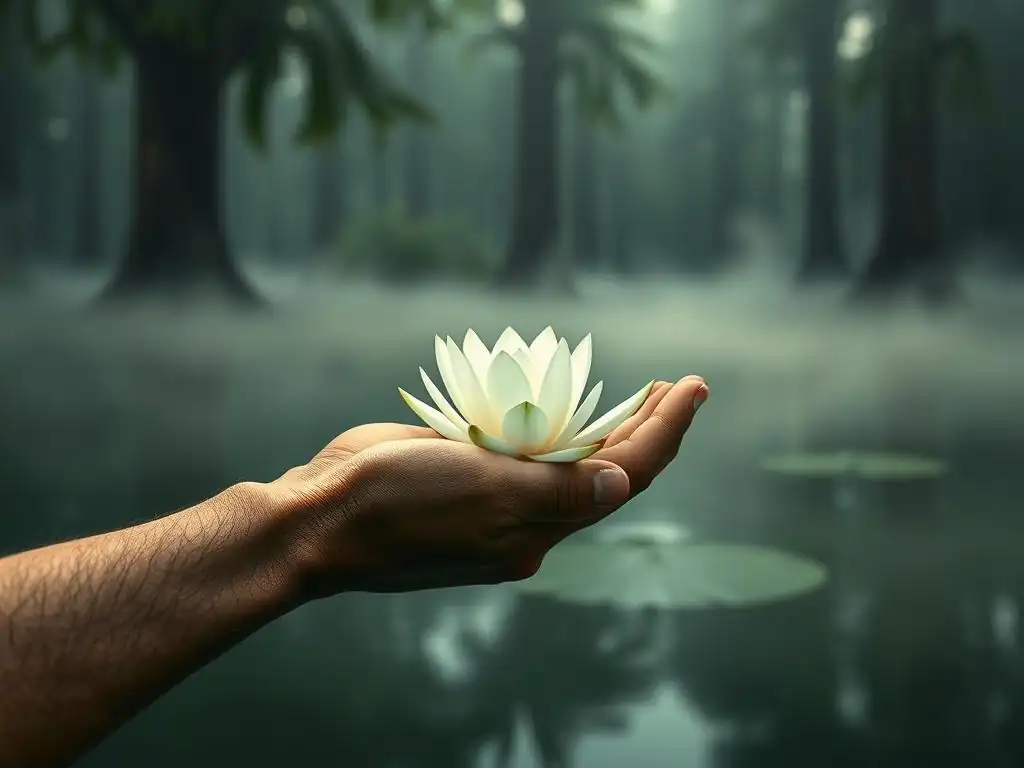
Mindful Composition: Connecting to the Scene with Intention
Before even lifting your camera to your eye, take a moment to simply be in the environment. Pause for a minute or two, close your eyes if comfortable, and simply notice the sounds, smells, and feelings of the place. When you open your eyes, observe the scene without the pressure to immediately compose. What draws your attention? What is the feeling of this place? Only then, slowly, bring your camera up and begin to frame a composition.
Consider what elements in the scene resonate with you and how you can arrange them within the frame to convey that feeling or observation. Instead of quickly snapping from a standard viewpoint, explore different angles, get low to the ground, or look up. Ask yourself why you are choosing a particular composition – what story are you trying to tell, or what feeling are you trying to evoke? This intentional approach ensures that your composition is a reflection of your mindful connection to the scene, not just a technical exercise.
Slowing Down: Observing Light, Shadow, and Texture
One of the most effective ways to practice mindfulness in nature photography is to deliberately slow down. Allocate more time than you think you need for a particular location or subject. Instead of trying to photograph everything, choose one area or subject and spend significant time with it. Observe how the light changes over minutes or even hours, noticing the subtle shifts in intensity, color, and direction. Pay close attention to the interplay of light and shadow, which can dramatically alter the mood and visual impact of a scene.
Focus on the textures within the environment – the rough bark of a tree, the smooth surface of a stone polished by water, the delicate veins of a leaf. Use your camera to explore these textures up close, experimenting with different lighting angles to reveal their details. This slow, focused observation of light, shadow, and texture not only leads to more compelling photographs but also deeply immerses you in the present moment, training your mind to appreciate the richness of the visual world.
Cultivating Gratitude: Appreciating the Natural World
Incorporating gratitude into your nature photography practice adds an emotional layer that enhances both the experience and potentially the outcome. Before you begin shooting, or at various points during your session, take a moment to pause and consciously appreciate the opportunity to be in nature and to witness its beauty. This could be a simple internal acknowledgement or a brief moment of reflection.
Think about the incredible processes occurring around you – the growth of plants, the movement of water, the resilience of wildlife. Feeling gratitude for these natural wonders fosters a deeper sense of connection and respect for the environment. This positive emotional state can influence how you perceive and photograph the scene, potentially leading to images that convey a sense of awe, peace, or reverence. Here's a small task list you could use during your practice:
- [ ] Find one detail in nature that sparks curiosity.
- [ ] Observe how light interacts with your chosen subject for 3 minutes without taking a photo.
- [ ] Take 5 slow, deliberate steps while focusing on the feeling of the ground beneath your feet.
- [ ] Mentally list three things you are grateful for in this environment.
The Benefits of Combining Mindfulness and Nature Photography for Mental Health
Reduced Stress and Anxiety: Finding Peace Through Nature's Beauty
Spending time in nature is a well-established method for reducing stress. Studies, including research from the University of Michigan, suggest that spending just 20 minutes in nature can significantly lower cortisol levels, the body's primary stress hormone. When this natural stress-reducing effect is combined with the focused, calming activity of mindful nature photography, the benefits for stress and anxiety are amplified. The deliberate act of observing beauty and focusing on the present moment while surrounded by the tranquility of nature provides a powerful antidote to the worries and pressures of daily life.
The process of composing a shot, waiting patiently for the right light or moment, and immersing oneself in the details of the natural world occupies the mind in a positive and engaging way, diverting attention from anxious thoughts. The rhythmic act of walking, observing, and photographing can become a moving meditation, creating a sense of peace and groundedness. This combined practice offers a tangible way for individuals to step away from stress and find solace in the restorative power of nature and focused creativity.
Increased Creativity: Building Inspiration Through Observation
Mindfulness trains the brain to notice subtle details and patterns, fostering a heightened sense of awareness that is a fertile ground for creativity. By observing nature with mindful attention, photographers begin to see beyond the obvious, discovering unique perspectives, unexpected compositions, and intriguing subjects in places they might have previously overlooked. This practice encourages a more original and personal approach to photography, moving away from cliché shots towards more innovative and expressive images.
The patience cultivated through mindfulness allows for deeper exploration of a scene, leading to insights and ideas that might not emerge from a rushed approach. For instance, spending time observing how water flows over rocks might inspire a creative use of a slow shutter speed to capture its movement abstractly. Noticing the intricate structure of a seed pod could lead to a macro photography project. This enhanced observational skill, nurtured by mindfulness, continuously feeds the creative process, making nature photography a dynamic and inspiring pursuit.
Enhanced Emotional Regulation: Cultivating Acceptance and Non-Judgment
Mindfulness teaches the skill of observing thoughts and emotions without getting caught up in them or judging them. This translates powerfully into the practice of nature photography, helping individuals navigate the inevitable frustrations that can arise, such as poor weather, missed shots, or technical difficulties. Instead of becoming overwhelmed by frustration, a mindful photographer can acknowledge the feeling ("Okay, I'm feeling frustrated because the light isn't right") without letting it ruin the entire experience.
Furthermore, the mindful approach fosters acceptance – accepting the conditions as they are, accepting that not every photo will be a masterpiece, and accepting the limitations of the moment. This non-judgmental attitude extends to oneself and one's work, reducing the pressure for perfection and promoting a more compassionate self-view. By practicing acceptance and non-judgment in the context of photography, individuals build skills in emotional regulation that can be applied to other areas of their lives, leading to greater emotional resilience.
Different Natural Environments to Enhance Mindfulness
Forests and Mindfulness: Finding Peace in the Canopy
Forests offer a unique environment for cultivating mindfulness through photography. The dense canopy creates a sense of enclosure and quiet, dampening external noise and focusing attention inward. The filtered light that dapples through the leaves, the rich earthy smells, and the subtle sounds of rustling leaves and distant birdsong engage multiple senses, grounding you in the present moment.
When photographing in forests, mindful practice can involve paying close attention to the vertical lines of trees, the intricate textures of bark, the vibrant greens of moss and ferns, and the way light creates pockets of illumination. Focusing on these details encourages a slow, deliberate pace, fostering a sense of peace and immersion. The feeling of being enveloped by the forest can be profoundly calming, enhancing the meditative quality of the photographic process.
Beaches and Contemplation: Finding Mindfulness in the Tides
Beaches offer a vast, ever-changing landscape that lends itself to contemplative mindfulness through photography. The rhythmic sound of the waves provides a natural focus for auditory attention, while the expansive horizon and changing light offer endless visual inspiration. The feeling of sand beneath your feet and the smell of salt in the air further anchor you in the present.
Mindful photography on the beach might involve observing the patterns left by receding tides, the way light reflects on wet sand, or the movement of waves and clouds. Using longer exposures can capture the ephemeral nature of water, encouraging patience and observation of subtle changes. The vastness of the sea and sky can evoke a sense of perspective, promoting contemplation and a feeling of being part of something larger.
Mountains and Perspective: Connecting the Body, Mind, and Spirit
Mountain environments combine physical activity with breathtaking views, offering a powerful setting for mindful nature photography. The physical exertion of hiking up a trail requires bodily awareness, while reaching a summit provides expansive vistas that can shift perspective and inspire awe. The ever-changing weather and dramatic light in mountain regions demand patience and adaptability.
Mindful photography in the mountains could involve pausing during a hike to truly observe the scale of the landscape, noticing the resilience of plants growing in harsh conditions, or capturing the dramatic interplay of light and shadow on peaks. Focusing on the connection between the physical effort of the climb, the mental focus required for photography, and the spiritual uplift inspired by the views can create a deeply integrated mindful experience.
Deserts and Solitude: Finding Mindfulness in the Vastness
Deserts present an environment of stark beauty, extreme quiet, and profound solitude, which can be incredibly conducive to mindfulness and introspection through photography. The wide-open spaces, unique geological formations, and resilient, sparse vegetation offer compelling subjects for focused observation. The intense light and long shadows create dramatic visual opportunities.
Mindful photography in the desert might involve spending time simply sitting in the silence, observing the subtle colors of the sand and rock, or focusing on the intricate details of desert plants that have adapted to survive in harsh conditions. The feeling of solitude and vastness can encourage a sense of peace and stillness, allowing for deep presence and focused photographic exploration of this unique and often overlooked beauty.
Overcoming Challenges in Integrating Mindfulness and Nature Photography
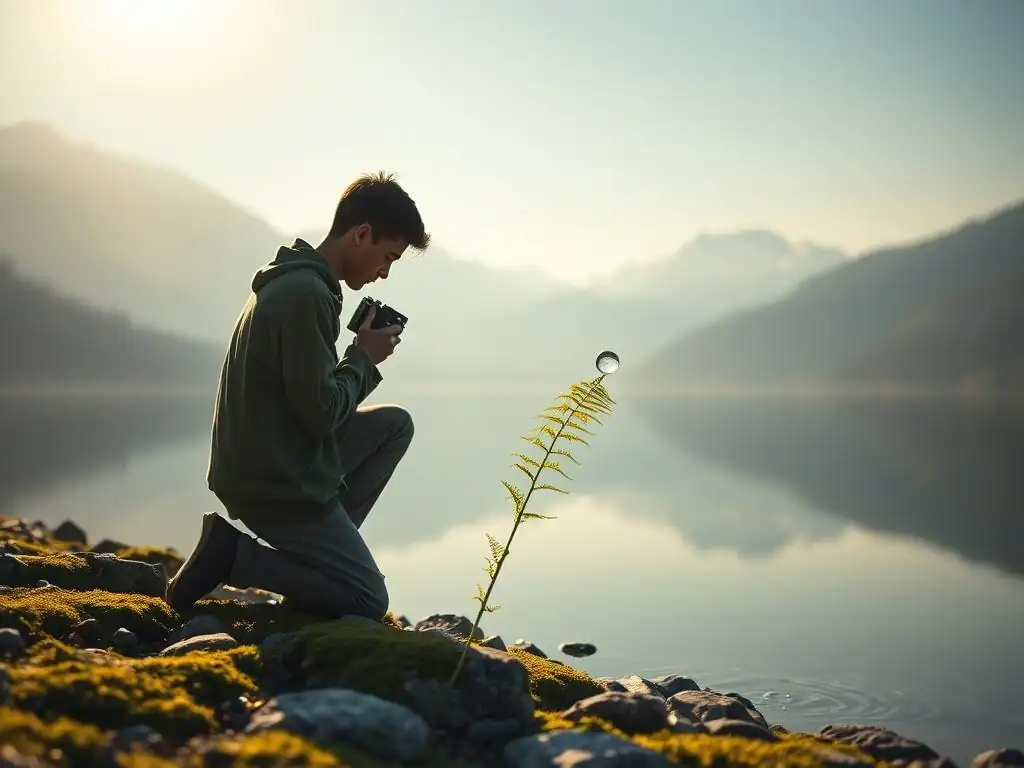
Addressing Distractions and Rushing: Approaching Nature with an Open Mind
One of the primary challenges in integrating mindfulness into nature photography is overcoming the ingrained habits of rushing and distraction. In our fast-paced world, there's a tendency to hurry through experiences, including time spent in nature, often driven by a desire to "get the shot" quickly or move on to the next location. Distractions can also come from within, such as planning the next photo, thinking about technical settings, or comparing oneself to others.
Approaching nature with an open mind involves consciously setting the intention to slow down. Before even taking the camera out, dedicate the first 10-15 minutes to simply being present in the environment – walking slowly, observing with all senses, and allowing yourself to arrive fully. When you notice your mind racing or the urge to rush, gently bring your attention back to your breath or a specific sensory detail, like the feel of the air or the sound of leaves. Remember that the goal is the experience of being present, not just the quantity or quality of photos taken.
Technical challenges, such as camera settings not cooperating, unexpected gear malfunctions, or difficulty achieving the desired focus or exposure, can easily lead to frustration and pull the mind away from the mindful experience. When faced with these issues, it's easy to become fixated on the problem and lose the connection to the natural environment.
Mindfulness offers a way to navigate these difficulties by shifting focus from the frustrating outcome to the process of problem-solving with awareness. When a technical issue arises, pause. Take a few deep breaths. Acknowledge the feeling of frustration without judgment ("Okay, I'm feeling frustrated right now").
Then, approach the problem methodically, focusing your attention fully on the steps needed to resolve it. This allows you to engage with the technical aspect mindfully, reducing the likelihood of becoming overwhelmed and helping you return to the creative flow once the issue is resolved. The focus remains on the present task, whether that's observing the light or adjusting a setting.
Avoiding Comparison: Addressing Emotional Issues Directly
In the age of social media, it is easy to fall into the trap of comparing one's nature photography to the work of others, leading to feelings of inadequacy, envy, or discouragement. Seeing seemingly perfect images online can create unrealistic expectations and detract from the personal joy of the practice. This comparison trap is a significant emotional hurdle that mindfulness can help address directly.
Mindfulness teaches us to observe our thoughts, including comparative thoughts, without getting attached to them or believing them implicitly. When you notice thoughts like "My photos aren't as good as theirs" or "I'll never capture light like that," simply acknowledge the thought ("Ah, there's a comparison thought") and gently redirect your attention back to your own experience and your connection with the nature right in front of you.
Focus on the personal satisfaction derived from being present in nature and the joy of the creative process itself, rather than external validation or perceived competition. Celebrate your own journey and the unique perspective you bring to your photography.
Case Studies: Real-Life Examples of Nature Photography Boosting Mindfulness
An Individual Finding Peace Through Forest Photography
Consider the example of David, a 45-year-old accountant who struggled with chronic anxiety and found traditional meditation challenging. Recommended by his therapist to find a practical way to engage with mindfulness, David started taking his smartphone on short walks in a local forest preserve, aiming to take just one or two photos per visit. Initially, he felt rushed, trying to capture impressive scenes quickly.
However, after reading about mindful photography, he shifted his approach. He began spending the first 15 minutes of each walk simply observing without his phone, focusing on the sounds, smells, and the feeling of the trail beneath his feet.
He then started choosing just one small area to photograph, like a patch of moss on a tree trunk or the intricate structure of a fern leaf, spending 20-30 minutes observing it from different angles before taking a single shot. He noticed a significant change: his heart rate felt calmer, his mind stopped racing as much, and he began to feel a sense of peace he hadn't experienced in years.
Over six months, he reported a 40% reduction in self-assessed anxiety symptoms and felt more grounded and present in his daily life, directly attributing these improvements to his mindful forest photography practice.
A mental health support group in a bustling city initiated a program of weekly mindful nature photography walks in local parks. The group consisted of 15 participants dealing with various mental health challenges, including depression and social isolation. Each session began with a guided 10-minute mindfulness exercise, focusing on sensory awareness within the park environment. Participants were then encouraged to explore the park with their cameras (any type, including phone cameras), with the instruction to focus on observing details and capturing images that resonated with them personally, rather than striving for technical perfection.
During the walks, facilitators encouraged participants to share their observations with each other, fostering connection and a sense of shared experience. After the walk, the group would gather to share a few photos and discuss what they noticed and how the practice felt. Participants reported feeling less isolated and more connected to others. Feedback indicated that over 8 weeks, 70% of participants felt the walks helped reduce feelings of stress and improved their mood. The shared focus on mindful observation and appreciation of nature created a supportive and calming environment that significantly contributed to their well-being.
Conclusion: Embracing a Holistic Approach to Mental Well-being Through Nature Photography and Mindfulness
The Power of Synergy: Combining Mindfulness and Nature Photography for a Fulfilling Life
The union of mindfulness and nature photography creates a powerful synergy, offering a holistic pathway to enhance mental well-being and live a more fulfilling life. Mindfulness provides the internal framework of presence, observation, and non-judgment, while nature photography offers a tangible, engaging, and creative outlet for applying these principles. Together, they encourage a deeper connection with the natural world and with oneself, moving beyond superficial interaction to cultivate genuine appreciation, peace, and creativity.
This combined practice is more than just taking pictures; it is about cultivating a way of seeing and being in the world. It teaches patience, resilience, and the ability to find beauty and meaning in both the grand landscapes and the smallest details. By integrating mindful awareness into the act of photographing nature, individuals can reduce stress, enhance emotional regulation, boost creativity, and foster a sense of awe and gratitude, contributing significantly to overall mental health and a richer, more present experience of life.
Continuing Your Journey: Resources for Further Exploration of Mindful Nature Photography
Embarking on or deepening your journey with mindful nature photography is a continuous process of learning and practice. There are many avenues to explore that can support your development. Consider seeking out books that delve into the intersection of mindfulness, nature, and photography, offering guided exercises and philosophical insights. Many workshops and online courses are available that specifically teach mindful photography techniques, providing structured learning and practical tips.
Joining online communities or local groups focused on mindful nature photography can offer support, inspiration, and opportunities to share experiences with like-minded individuals. Exploring guided meditations focused on nature or sensory awareness can also complement your practice, further enhancing your ability to be present and observant in the natural world. Remember that consistency is key; even short, regular sessions of mindful nature photography can yield significant benefits over time. Continue to explore, practice, and allow the synergy of these two powerful practices to enrich your life.
Frequently Asked Questions
How does spirituality influence mindfulness practices?
Spirituality often provides a framework of beliefs and values that can deepen the understanding and application of mindfulness. It connects mindfulness to something larger than oneself, enhancing its purpose.
What role does personal belief play in the connection between spirituality and mindfulness?
Personal belief is crucial for individual interpretation and experience. The specific spiritual tradition or belief system shapes the lens through which mindfulness is practiced and understood.
Can mindfulness be practiced without any spiritual element?
Yes, mindfulness can be practiced in a secular context, focusing on present moment awareness without any spiritual or religious affiliation. This is often used in stress reduction techniques.
What are some practical ways to integrate spirituality into mindfulness exercises?
You can incorporate prayer or meditation rooted in your spiritual tradition into your daily mindfulness practice. Another way is to reflect on spiritual teachings during mindful moments.
How can understanding "Spirituality boosts mindfulness meaning" improve mental well-being?
Understanding this connection can enhance motivation and engagement in mindfulness practices. This can lead to greater self-awareness, emotional regulation, and overall mental well-being.
Final Reflection: Finding Deeper Meaning Through the Spiritual Lens of Mindfulness
The interwoven threads of spirituality and mindfulness offer a powerful antidote to the frenetic pace of modern life, providing not just a technique for stress reduction, but a profound path to self-discovery and lasting peace. This isn't merely a fleeting trend; it's a fundamental shift in how we understand well-being, moving beyond surface-level practices to a deeper exploration of our inner selves and our connection to something larger than ourselves.
The exploration of mindfulness within a spiritual framework has profoundly impacted my own life, shifting my perspective from a purely cognitive understanding of presence to a more holistic and emotionally resonant experience. It's not just about controlling my thoughts, but about understanding their origins and cultivating a compassionate relationship with my inner world. The purpose of life, after all, is to live it, to taste experience to the utmost, to reach out eagerly and without fear for newer and richer experience.
– Eleanor Roosevelt. This quote resonates deeply because the spiritual dimension of mindfulness encourages precisely that – a courageous embrace of life's fullness, both its joys and its challenges.
Now, consider your own journey. How can you integrate the insights of this article into your daily life? Perhaps it's through a dedicated meditation practice, engaging in mindful activities like nature walks or creative expression, or simply taking a moment each day to connect with your inner self and the larger universe. Embrace the opportunity to cultivate a deeper, more meaningful mindfulness practice, one infused with the transformative power of spirituality. The path to a more fulfilling and peaceful life begins with a single, mindful breath.
Unleash Your Inner Peace: Embrace Deeper Mindfulness
Thanks for taking the time to explore the profound connection between spirituality and mindfulness! We hope you discovered new ways to enrich your practice and deepen your inner peace.
Ready to take the next step on your journey? Here's how:
- Integrate a single spiritual practice into your daily mindfulness routine. This could be as simple as a moment of gratitude, a short meditation focusing on connection, or even mindful journaling about your spiritual experiences. This is your key takeaway—start small and build from there!
- Share your newfound insights with a friend or loved one. Discuss how mindfulness has affected your spiritual journey, and encourage them to explore their own path.
- Explore a new mindful activity that resonates with your spiritual beliefs. This could be anything from nature walks to creative expression, allowing for personal connection and growth.
What unique spiritual practice will you integrate into your mindfulness today to foster a deeper sense of self?