
The Role of Gratitude: Bridging Mindfulness and Spirituality


Welcome to Mind Care Guide, a sanctuary dedicated to nurturing your mental well-being. Are you looking for a path to inner peace? Discover how something as simple as gratitude can profoundly reshape your mental landscape. Dive into our exploration of "The Role of Gratitude: Bridging Mindfulness and Spirituality" and unlock the transformative power it holds. What if embracing gratitude could be the key to a happier, healthier you? Let's explore together...
The Role of Gratitude: Bridging Mindfulness and Spirituality
- Introduction: Gratitude as a Cornerstone of Mental Well-being
- Gratitude's Impact on Mental Health: A Deep Dive
- Mindfulness and Gratitude: A Synergistic Relationship
- Spirituality and Gratitude: Connecting to Something Larger
- Practical Ways to Cultivate Gratitude in Daily Life
- Overcoming Obstacles to Gratitude
- Gratitude and Resilience: Building Mental Strength
- Scientific Evidence Supporting the Benefits of Gratitude
- Conclusion: Embracing Gratitude for Enhanced Mental and Spiritual Well-being
-
Frequently Asked Questions
- How does practicing gratitude improve mental wellbeing significantly?
- How is gratitude connected to mindfulness practices?
- What is the role of spirituality in cultivating gratitude?
- What are some practical ways to incorporate gratitude into daily life?
- Are there any potential downsides to practicing gratitude?
- Final Reflection: Cultivating Gratitude, Cultivating Wellbeing
- Unlock Your Inner Peace: Cultivate a Life of Gratitude
Introduction: Gratitude as a Cornerstone of Mental Well-being
Understanding the Significance of Gratitude in a Mindful Life
Gratitude, often described as a thankful appreciation for what an individual receives, whether tangible or intangible, holds profound significance in the pursuit of a mindful life. Mindfulness involves paying deliberate attention to the present moment without judgment. When we integrate gratitude into this practice, we shift our focus from what might be lacking to the abundance already present. This intentional focus helps anchor us firmly in the 'here and now,' reducing rumination on past regrets or future anxieties.
Embracing gratitude as a core component of mindfulness allows us to see the world through a lens of appreciation. It encourages us to pause and acknowledge the simple joys, the support systems in our lives, and even the lessons learned from challenges. This shift in perspective, fostered by consistent practice, fundamentally alters our internal landscape, making us more receptive to positive experiences and less reactive to negative ones. Ultimately, understanding and cultivating gratitude is a vital step towards a richer, more present, and significantly improved mental wellbeing.
Exploring the Link Between Gratitude and Spiritual Growth
The connection between gratitude and spiritual growth is deep-seated and transcends specific religious or philosophical boundaries. Regardless of one's belief system, the act of being thankful often involves acknowledging a source beyond oneself – whether that is a higher power, the universe, nature, or the interconnectedness of humanity. This acknowledgment fosters a sense of humility and belonging, key elements in many spiritual paths.
Practicing gratitude encourages a recognition of life's inherent gifts, promoting awe and wonder. It moves us away from a sense of entitlement towards one of grace and interconnectedness. Many spiritual traditions incorporate thankfulness into their rituals and practices, recognizing its power to open the heart and align individuals with their deepest values and sense of purpose. Cultivating gratitude thus serves not just as a psychological tool but as a pathway to deeper spiritual understanding and connection, illustrating how gratitude improves mental wellbeing significantly while also nurturing the spirit.
Gratitude's Impact on Mental Health: A Deep Dive
How Expressing Gratitude Improves Mental Wellbeing Significantly
Expressing gratitude actively shifts neural pathways and thought patterns, leading to tangible improvements in mental health. When we make a conscious effort to acknowledge and articulate thankfulness, we activate areas of the brain associated with reward, social bonding, and emotional regulation. This can counteract the brain's natural negativity bias, which often causes us to focus more on threats or problems.
Studies and anecdotal evidence consistently demonstrate that regular gratitude practices can lead to a reduction in symptoms associated with depression and anxiety. For example, research published in the Journal of Personality and Social Psychology found that participants who regularly practiced gratitude reported higher levels of positive emotions and life satisfaction compared to control groups. This isn't merely a temporary mood boost; the consistent practice of gratitude improves mental wellbeing significantly over time by building mental resilience and promoting a more optimistic outlook.
The Psychological Benefits of Cultivating Gratitude
Cultivating gratitude yields a wide array of psychological benefits that contribute to overall mental wellness. Beyond reducing negative states, it actively fosters positive ones. Individuals who practice gratitude tend to report higher levels of happiness, optimism, and contentment. They are also more likely to feel hopeful about the future and experience a greater sense of purpose.
Furthermore, gratitude strengthens social bonds. Expressing thanks to others not only makes the recipient feel valued but also reinforces the giver's positive feelings and connection. This enhanced social support network is a critical buffer against stress and a key component of psychological health. The psychological benefits underscore why focusing on gratitude improves mental wellbeing significantly, impacting not just internal states but also external relationships.
Reduced Stress and Anxiety Through Gratitude Practices
Engaging in regular gratitude practices has been shown to effectively reduce stress and anxiety levels. When faced with challenging situations, a gratitude perspective helps shift focus from the overwhelming aspects to the resources, support, or lessons available. This reframing can lower the physiological stress response, such as reduced cortisol levels, the body's primary stress hormone.
For instance, keeping a gratitude journal for just a few weeks has been associated with lower perceived stress among college students during exam periods. By consciously identifying things to be thankful for, individuals train their brains to seek out the positive, making them less susceptible to being overwhelmed by stressors. This practice builds a mental buffer, demonstrating how gratitude improves mental wellbeing significantly by mitigating the impact of daily pressures and anxieties.
Enhanced Positive Emotions and Increased Happiness
One of the most immediate and noticeable effects of cultivating gratitude is the enhancement of positive emotions. Focusing on what one is thankful for directly stimulates feelings of joy, contentment, and appreciation. This isn't about ignoring negative emotions but rather about intentionally amplifying positive ones to create a more balanced emotional landscape.
Research suggests that people who regularly practice gratitude report experiencing positive emotions more frequently and intensely than those who do not. This sustained increase in positive affect contributes significantly to overall happiness and life satisfaction. By regularly acknowledging the good, individuals build a reservoir of positive feelings that can be accessed during difficult times, proving that gratitude improves mental wellbeing significantly by fostering a more joyful existence.
Improved Sleep Quality with a Gratitude Mindset
Surprisingly, cultivating a gratitude mindset can also lead to improved sleep quality. The mental clutter of worries and anxieties often interferes with the ability to fall asleep and stay asleep. By shifting focus to positive thoughts before bed, individuals can calm the nervous system and prepare the mind for rest.
Studies have indicated that spending just 15 minutes writing in a gratitude journal before sleep can help individuals fall asleep faster and sleep longer. This is likely because focusing on thankfulness reduces rumination on negative thoughts and stressful events from the day, creating a more peaceful mental state conducive to sleep. This often overlooked benefit highlights yet another way gratitude improves mental wellbeing significantly, impacting physical restoration as well as psychological state.
Mindfulness and Gratitude: A Synergistic Relationship
Integrating Mindfulness Techniques to Enhance Gratitude
Mindfulness techniques provide a powerful framework for deepening the experience of gratitude. Mindfulness teaches us to be present and non-judgmental, qualities that are essential for truly noticing and appreciating the world around us. By bringing mindful awareness to the objects of our gratitude, whether it's the warmth of the sun, the taste of food, or the kindness of a friend, we can experience thankfulness more fully and viscerally.
Simple mindful practices, like taking a few deep breaths before expressing thanks or consciously focusing on the sensations and emotions associated with a moment of gratitude, can amplify its impact. Instead of gratitude being a fleeting thought, mindfulness helps it become a rich, embodied experience. This integration shows how the practice of gratitude improves mental wellbeing significantly when paired with the focused awareness of mindfulness.
Mindful Gratitude Journaling for Increased Awareness
Mindful gratitude journaling combines the reflective practice of writing with the intentional presence of mindfulness. Instead of just listing items, mindful journaling encourages deeper reflection on why you are grateful for each thing and how it makes you feel. This process involves paying attention to the sensations, emotions, and thoughts that arise as you write.
For example, instead of writing "I am grateful for my coffee," a mindful entry might be: "I am grateful for this warm coffee. I notice the steam rising, the rich aroma, the comforting warmth in my hands, and the feeling of calm it brings me this morning." This level of detail and sensory awareness transforms the act of journaling into a powerful mindfulness exercise that significantly enhances the depth of gratitude experienced, demonstrating how mindful gratitude improves mental wellbeing significantly by fostering deeper self-awareness and appreciation.
Gratitude Meditation: Cultivating Appreciation in the Present Moment
Gratitude meditation is a specific practice designed to cultivate feelings of thankfulness while being fully present. These meditations often involve focusing on the breath to calm the mind, then directing attention to people, things, or experiences for which one feels grateful. The practice encourages lingering on these feelings of appreciation without distraction or judgment.
Regular engagement in gratitude meditation can rewire the brain towards a more positive outlook and increase one's baseline level of gratitude. By intentionally focusing on thankfulness in a calm, mindful state, individuals strengthen the neural pathways associated with positive emotions and appreciation. This powerful synergy illustrates how mindful gratitude improves mental wellbeing significantly by training the mind to habitually notice and appreciate the good.
The Role of Presence in Experiencing Authentic Gratitude
True, authentic gratitude is deeply rooted in presence. It requires us to step out of autopilot and fully inhabit the current moment to recognize the gifts it holds. When we are rushing, distracted, or preoccupied with the past or future, we often overlook the myriad reasons we have to be thankful, from the roof over our heads to the simple ability to breathe.
Cultivating presence through mindfulness allows us to truly see and appreciate the details – the kindness in a stranger's smile, the beauty of a sunset, the simple comfort of a warm blanket. This heightened awareness makes the experience of gratitude more genuine and impactful, moving it beyond a mere intellectual exercise to a heartfelt feeling. This connection between presence and authentic gratitude underscores how being fully present through gratitude improves mental wellbeing significantly by allowing for deeper emotional engagement and appreciation of life.
Spirituality and Gratitude: Connecting to Something Larger

Gratitude as a Spiritual Practice Across Different Beliefs
Gratitude serves as a fundamental spiritual practice in virtually every major religious and philosophical tradition around the world. From prayers of thanksgiving in Christianity, Judaism, and Islam to the concept of karma and appreciating blessings in Buddhism and Hinduism, thankfulness is a core element of connecting with the divine or the universal order.
Beyond organized religion, many spiritual paths emphasize gratitude for the gift of life itself, for the interconnectedness of all beings, or for the beauty and wonder of the natural world. Practicing gratitude in a spiritual context often involves acknowledging a source of blessing beyond oneself, fostering humility, reverence, and a deeper connection to the sacred. This universal recognition highlights how gratitude improves mental wellbeing significantly by providing a framework for meaning and connection within a broader spiritual context.
Finding Meaning and Purpose Through Thankfulness
A deep sense of meaning and purpose is closely linked to both spiritual well-being and mental health. Gratitude plays a crucial role in cultivating this sense. When we regularly reflect on what we are thankful for, especially aspects related to our values, relationships, and experiences, we reinforce what is truly important to us.
Expressing gratitude for challenges overcome or lessons learned can also provide perspective, helping us see setbacks not just as obstacles but as opportunities for growth. Furthermore, gratitude often motivates acts of kindness and generosity towards others, which are powerful sources of purpose and fulfillment. This process of recognizing blessings and using that recognition to fuel meaningful action demonstrates how gratitude improves mental wellbeing significantly by helping individuals connect with their deeper purpose.
Cultivating Gratitude for a Deeper Connection to Self and Others
Gratitude fosters a deeper connection not only to a spiritual dimension but also to oneself and to others. By acknowledging the support and love we receive from others, we strengthen our relationships and feel more connected to our community. Expressing thanks creates a positive feedback loop, encouraging further acts of kindness and reinforcing social bonds.
Internally, practicing gratitude helps us appreciate our own strengths, resilience, and the unique path we are on. It encourages self-compassion by acknowledging the challenges we have navigated and the growth we have achieved. This dual connection—outward to others and inward to the self—is vital for holistic well-being. Cultivating this form of gratitude improves mental wellbeing significantly by enhancing both interpersonal relationships and self-worth.
Practical Ways to Cultivate Gratitude in Daily Life
Starting a Gratitude Journal: A Step-by-Step Guide
Starting a gratitude journal is a simple yet powerful way to integrate thankfulness into your routine. It requires minimal time and can yield significant benefits.
Here’s a basic guide:
- Step 1: Choose Your Journal: This can be a physical notebook, a digital document, or a dedicated app.
- Step 2: Set Aside Time: Dedicate just 5-10 minutes each day, perhaps in the morning to set a positive tone, or in the evening to reflect on the day.
- Step 3: Identify Things to Be Grateful For: Start by listing 3-5 things. They can be big (a supportive family) or small (a delicious meal, comfortable weather).
- Step 4: Go Beyond the List: For a deeper practice, briefly note why you are grateful for each item and how it makes you feel.
- Step 5: Be Consistent: Aim to write most days of the week. Consistency is key to building the habit and experiencing the full benefits.
# Gratitude Journal Entry - Date: [Insert Date]

Today, I am grateful for:

1.  The quiet morning allowing me time to reflect.
    -   *Why:* It gave me a sense of peace before the day's busyness.
    -   *Feeling:* Calm and centered.
2.  A helpful suggestion from a colleague.
    -   *Why:* It saved me time and improved my work.
    -   *Feeling:* Appreciated and supported.
3.  The warmth of my favorite blanket.
    -   *Why:* It provided comfort on a chilly evening.
    -   *Feeling:* Cozy and secure.
4.  The vibrant colors of the sunset.
    -   *Why:* A beautiful reminder of nature's simple gifts.
    -   *Feeling:* Awe and appreciation for beauty.
Regularly engaging with this practice helps train your brain to notice the positive, proving how gratitude improves mental wellbeing significantly through consistent effort.
Practicing Gratitude Meditations and Affirmations
Incorporating gratitude meditations and affirmations into your routine can reinforce a mindset of thankfulness. Gratitude meditations guide you to focus on feelings of appreciation, often by visualizing people or things you are grateful for and allowing the associated positive emotions to arise.
Affirmations are positive statements that you repeat to yourself to reinforce desired beliefs or attitudes. Gratitude affirmations might include phrases like:
- "I am thankful for all the good in my life."
- "I appreciate the lessons each day brings."
- "My heart is full of gratitude."
- "I am grateful for my health and strength."
Repeating these affirmations, especially while focusing on the feeling behind the words, can help internalize a sense of thankfulness and shift your perspective. Regular practice of both meditation and affirmations supports the idea that gratitude improves mental wellbeing significantly by actively cultivating a positive internal dialogue and emotional state.
Expressing Appreciation to Others: Strengthening Relationships
One of the most direct ways to practice gratitude is by expressing it to others. This can take many forms, from a simple "thank you" to a heartfelt letter or conversation acknowledging someone's positive impact on your life. Expressing appreciation not only makes the other person feel seen and valued but also deepens your own sense of connection and thankfulness.
Consider making it a habit to thank at least one person each day, whether it's a family member, friend, colleague, or even a service worker. This could be done verbally, through a text message, email, or a handwritten note. Focusing on expressing gratitude improves mental wellbeing significantly not just by boosting your own mood but by strengthening the social bonds that are crucial for psychological health. Strong relationships provide support, reduce loneliness, and contribute to a greater sense of belonging.
Incorporating Gratitude into Daily Routines: Thanking Service Workers, Appreciating Nature Walks, Acknowledging Small Acts of Kindness
Integrating gratitude doesn't require grand gestures; it can be woven into the fabric of everyday life. Simple acts of acknowledging thankfulness throughout the day build a consistent practice. For example, make a conscious effort to thank the barista who makes your coffee, the bus driver, or the person holding the door for you. Recognizing the service others provide fosters a sense of community and mutual respect.
When taking a walk in nature, pause to appreciate the beauty of a tree, the sound of birds, or the feeling of the sun on your skin. These small moments of appreciation can lift your mood and connect you to the world around you. Similarly, make a point to notice and acknowledge small acts of kindness you receive or witness, whether it's a smile from a stranger or a partner doing an unexpected chore. These micro-moments of gratitude accumulate, reinforcing a positive outlook and consistently proving how gratitude improves mental wellbeing significantly through daily awareness.
Overcoming Obstacles to Gratitude
Addressing Negative Thoughts and Emotions
Cultivating gratitude can be challenging when grappling with negative thoughts, difficult emotions, or mental health struggles like depression or anxiety. It's important to approach this with self-compassion rather than self-criticism. Acknowledging negative feelings is the first step; gratitude isn't about denying pain but about finding space for appreciation alongside it.
One strategy is to start small. Instead of feeling pressured to be grateful for everything, focus on finding one tiny thing each day, no matter how insignificant it seems. This lowers the bar and makes the practice feel less daunting.
Techniques like cognitive restructuring, often used in therapy, can also help identify and challenge negative thought patterns that block gratitude. For example, recognizing a thought like "Nothing good ever happens to me" and countering it with evidence of small positive events helps create space for thankfulness. This gentle, persistent effort ensures that gratitude improves mental wellbeing significantly even when faced with internal resistance.
Dealing with Difficult Circumstances and Maintaining Gratitude
Maintaining a sense of gratitude when facing significant challenges, loss, or adversity can seem impossible. It's crucial to understand that gratitude in difficult times is not about being thankful for the hardship itself, but about finding things to be grateful for in spite of the hardship. This distinction is vital for authenticity and emotional well-being.
This might involve being grateful for the support of loved ones, the resilience you discover within yourself, the lessons learned, or even just the basic necessities you still possess. For example, someone navigating a serious illness might find gratitude for the care of nurses, the strength of their body on a "good" day, or the unwavering support of family. Focusing on these elements, even amidst pain, helps foster resilience and prevents despair from becoming all-consuming. This nuanced approach demonstrates how gratitude improves mental wellbeing significantly by providing a source of light even in darkness.
Transforming Challenges into Opportunities for Gratitude: Finding Silver Linings in Setbacks, Appreciating Lessons Learned from Failures
Viewing challenges and setbacks as opportunities for gratitude requires a shift in perspective, but it's a powerful way to build resilience and foster growth. This doesn't mean being thankful for the difficulty itself, but rather recognizing the potential for learning and growth that arises from it. Finding "silver linings" involves consciously looking for positive aspects or outcomes that emerge from negative situations.
For instance, losing a job might be devastating, but it could lead to gratitude for the chance to explore a new career path, the time gained for family, or the discovery of personal resilience. Similarly, failures can be reframed not as endpoints but as valuable lessons learned, providing wisdom and experience that you wouldn't have gained otherwise. Appreciating these lessons cultivates a growth mindset and reinforces the understanding that gratitude improves mental wellbeing significantly by turning adversity into a source of strength and wisdom.
Gratitude and Resilience: Building Mental Strength
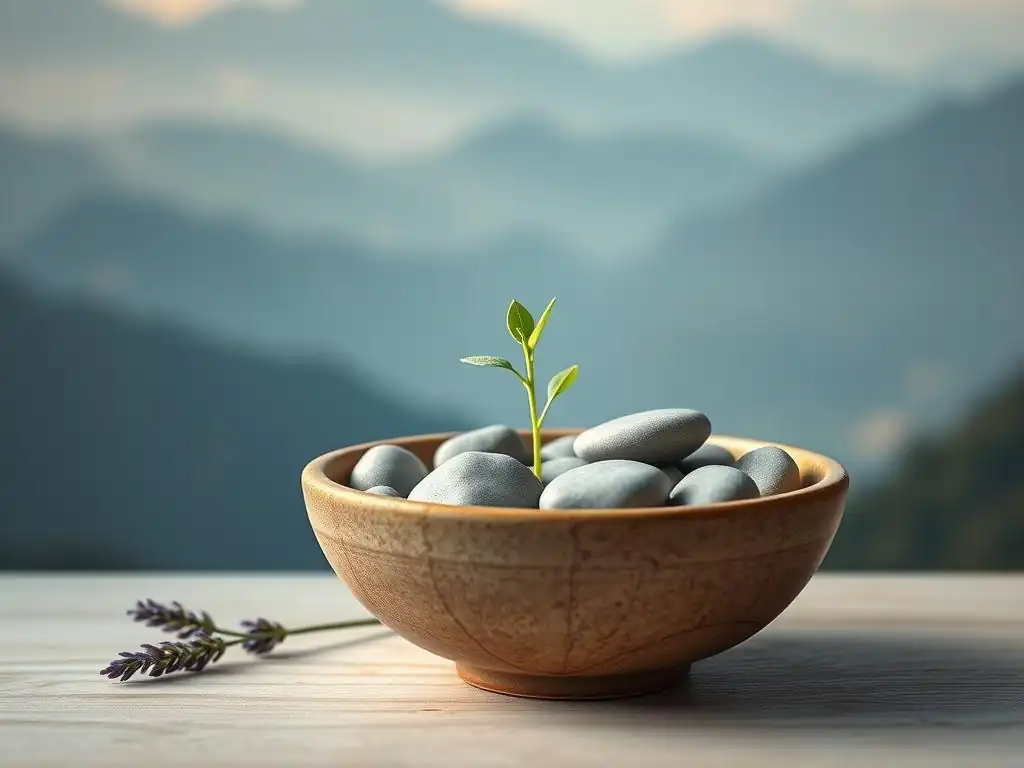
How Gratitude Fosters Resilience in the Face of Adversity
Resilience is the ability to bounce back from stress, adversity, and trauma. Gratitude is a key factor in building this mental strength. When faced with challenges, a grateful perspective helps individuals recognize their resources – internal strengths, supportive relationships, past successes – which fosters a sense of capability and hope.
Instead of being consumed by problems, grateful individuals are better able to see the bigger picture and identify aspects of their lives that remain positive or areas where they have grown. This balanced view prevents catastrophic thinking and promotes adaptive coping strategies. Research indicates that grateful people are more likely to seek social support and engage in proactive problem-solving when faced with difficulties, illustrating how gratitude improves mental wellbeing significantly by directly contributing to resilience.
Developing a Gratitude-Based Approach to Overcoming Challenges
Adopting a gratitude-based approach to challenges involves consciously integrating thankfulness into your coping process. When a difficulty arises, take a moment to pause and identify anything related to the situation or your response for which you can feel grateful. This could be gratitude for the clarity the challenge provides, the opportunity to learn, the support you receive, or your own inner strength.
This approach doesn't negate the difficulty of the challenge, but it provides a counterweight to despair and negativity. By focusing on what you can appreciate, you activate positive emotions and perspectives that fuel your ability to navigate the situation effectively. This intentional practice confirms that approaching problems with gratitude improves mental wellbeing significantly by enhancing coping mechanisms and promoting a solution-oriented mindset.
Cultivating a Positive Outlook Through Consistent Gratitude Practice
A consistently cultivated gratitude practice fundamentally shifts one's overall outlook on life towards the positive. By regularly focusing on the good, no matter how small, individuals train their brains to more readily notice positive aspects of their environment and experiences. This reduces the tendency to dwell on negatives and increases overall optimism.
Over time, this leads to a more hopeful and positive disposition, making individuals better equipped to handle stress and adversity. It's like building a muscle; the more you practice gratitude, the stronger your ability to maintain a positive perspective becomes. This enduring positivity is a testament to how consistent gratitude improves mental wellbeing significantly, creating a foundation of strength and optimism that benefits all areas of life.
Scientific Evidence Supporting the Benefits of Gratitude
Research Studies on Gratitude and Mental Health
A substantial body of scientific research supports the positive impact of gratitude on mental health. Studies using various methodologies, including surveys, experiments, and neuroimaging, have explored this link. For example, a seminal study by Emmons and McCullough in 2003 found that participants who wrote weekly about things they were grateful for reported higher levels of positive emotions, optimism, and life satisfaction, and even fewer physical symptoms, compared to groups who focused on hassles or neutral events.
Further research has consistently shown correlations between gratitude and reduced symptoms of depression and anxiety. One meta-analysis reviewing multiple studies found a significant association between trait gratitude (being a generally grateful person) and indicators of psychological well-being. This growing evidence base provides robust support for the claim that gratitude improves mental wellbeing significantly, moving it beyond anecdotal observation to scientifically validated fact.
The Neuroscience of Gratitude: What Happens in the Brain?
Neuroscientific research provides insights into the biological mechanisms underlying gratitude's effects. Studies using fMRI (functional magnetic resonance imaging) have shown that expressing gratitude activates areas of the brain associated with social bonding, reward processing, and moral cognition, such as the medial prefrontal cortex. This region is linked to understanding others' intentions and feelings, suggesting gratitude involves recognizing the positive actions of others.
Furthermore, practicing gratitude is thought to influence the release of neurotransmitters like dopamine and serotonin, which are key regulators of mood and emotion. Increased levels of these chemicals are associated with feelings of happiness and well-being. While research in this area is still evolving, the preliminary findings suggest that gratitude has a tangible impact on brain function, providing a biological basis for how gratitude improves mental wellbeing significantly.
Understanding the Physiological Effects of Expressing Gratitude
Beyond the brain, expressing gratitude can have measurable physiological effects on the body. Research suggests that regular gratitude practice can be associated with lower blood pressure and improved immune function. While more research is needed to fully understand these connections, it is hypothesized that the stress-reducing effects of gratitude play a significant role.
Chronic stress is known to negatively impact cardiovascular health and suppress the immune system. By mitigating stress and fostering positive emotional states, gratitude likely contributes to a healthier physiological profile. Anecdotal reports also link gratitude practice to better sleep, which is crucial for physical restoration. These physiological benefits underscore that gratitude improves mental wellbeing significantly, and this positive impact extends to physical health as well.
Conclusion: Embracing Gratitude for Enhanced Mental and Spiritual Well-being
The Power of Gratitude in Transforming Your Life
Embracing gratitude is not merely a fleeting positive emotion; it is a powerful practice with the potential to profoundly transform your life. By intentionally shifting your focus to appreciation, you can alter your perspective, improve your emotional state, strengthen your relationships, and build resilience. It acts as a bridge connecting the mindful awareness of the present moment with a deeper sense of spiritual connection and purpose.
The consistent practice of gratitude improves mental wellbeing significantly, offering a scientifically supported pathway to reduced stress, increased happiness, and enhanced overall psychological health. It empowers you to find joy in the small things, navigate challenges with greater strength, and connect more deeply with yourself and the world around you. This transformative power is accessible to everyone, regardless of their circumstances.
Continuing the Journey of Gratitude: Commit to Daily Gratitude Practice
The benefits of gratitude are cumulative, meaning the more consistently you practice, the more deeply you experience its positive effects. Committing to a daily gratitude practice is a powerful investment in your mental and spiritual well-being. This could involve a few minutes of journaling, a short meditation, expressing thanks to someone, or simply taking a mindful moment to appreciate something during your day.
Like any new habit, consistency is key. There will be days when it feels easier than others, but the effort is always worthwhile. By making gratitude a regular part of your routine, you reinforce positive neural pathways and cultivate a mindset that naturally seeks out the good. This ongoing journey underscores how consistent gratitude improves mental wellbeing significantly over the long term.
Gratitude as a Sustainable Path to Mindfulness and Spiritual Growth
Gratitude offers a sustainable and accessible path towards greater mindfulness and spiritual growth. It provides a concrete way to practice presence by encouraging you to notice and appreciate the details of your life here and now. Simultaneously, it opens the door to deeper spiritual connection by fostering humility, recognition of interconnectedness, and appreciation for something larger than oneself.
Unlike practices that might feel abstract or complex, gratitude is intuitive and universally understood. It requires no special equipment or location, making it adaptable to any lifestyle. By weaving gratitude into the fabric of your daily existence, you cultivate a life characterized by greater peace, purpose, and connection, ultimately demonstrating that gratitude improves mental wellbeing significantly while nurturing the spirit on a continuous journey of growth.
Frequently Asked Questions
How does practicing gratitude improve mental wellbeing significantly?
Gratitude shifts focus from negative thoughts to positive aspects of life, fostering optimism and reducing stress. This cognitive restructuring can lead to improved mood and overall mental health.
How is gratitude connected to mindfulness practices?
Gratitude encourages present moment awareness, a core principle of mindfulness. By noticing and appreciating the good, individuals cultivate mindful appreciation and reduce rumination on the past or worries about the future.
What is the role of spirituality in cultivating gratitude?
For many, spirituality provides a framework for recognizing blessings and feeling connected to something larger than themselves. This sense of connection often fuels a deeper sense of gratitude and purpose in life.
What are some practical ways to incorporate gratitude into daily life?
Simple practices like keeping a gratitude journal, expressing thanks to others, or taking time to appreciate everyday moments can boost wellbeing. Actively seeking things to be grateful for is key.
Are there any potential downsides to practicing gratitude?
While rare, excessive focus on gratitude without acknowledging genuine struggles can be detrimental. A balanced approach that acknowledges both positive and negative experiences is essential for healthy mental wellbeing.
Final Reflection: Cultivating Gratitude, Cultivating Wellbeing
The power of gratitude is not merely a feel-good notion; it's a potent tool for navigating the complexities of modern life and significantly improving mental wellbeing. This article has explored the intricate connection between practicing gratitude, enhancing mindfulness, and deepening one's spiritual connection. We've seen how this seemingly simple act can profoundly impact our emotional landscape, fostering resilience, reducing stress, and cultivating a more positive outlook. The evidence is clear: gratitude isn't just a nice-to-have; it's a vital component of a healthy and fulfilling life.
The ongoing influence of gratitude on our cultural and social landscape is undeniable. We see it reflected in the rise of mindfulness practices, the increasing popularity of journaling prompts focused on appreciation, and the growing body of research highlighting its therapeutic benefits. Gratitude unlocks the fullness of life. It turns what we have into enough, and more. It turns denial into acceptance, chaos to order, confusion to clarity.
– Melody Beattie. This quote perfectly encapsulates the transformative power of gratitude, moving us beyond simple contentment to a deeper understanding of life's richness. It's a journey of continuous growth, a practice that requires consistent effort but yields immeasurable rewards.
Now, consider your own life. What small things are you overlooking? What moments of joy and connection have you taken for granted? I invite you to actively cultivate gratitude in your daily life.
Start a gratitude journal, express your appreciation to loved ones, or simply take a moment each day to reflect on the good things in your life, no matter how small. By consciously choosing gratitude, you are not only improving your mental wellbeing, but you are also enriching your life and the lives of those around you. Embrace this powerful practice, and watch as it transforms your perspective and unlocks a deeper sense of peace and fulfillment.
Unlock Your Inner Peace: Cultivate a Life of Gratitude
Thanks for taking the time to explore the powerful connection between mindfulness and gratitude! We hope you gained valuable insights into how appreciating the simple things can transform your life. Now it's time to put those insights into practice.
- Start a gratitude journal: Dedicate just five minutes each day to writing down three things you're grateful for. This simple act can significantly shift your perspective.
- Share your gratitude: Tell someone you care about what you appreciate about them. A small gesture can create a ripple effect of positivity.
- Challenge yourself: Try noticing and acknowledging something you might usually overlook – the warmth of the sun, a kind word from a stranger.
What small act of gratitude will you incorporate into your day today?