
The Role of Faith in Building a Sense of Belonging

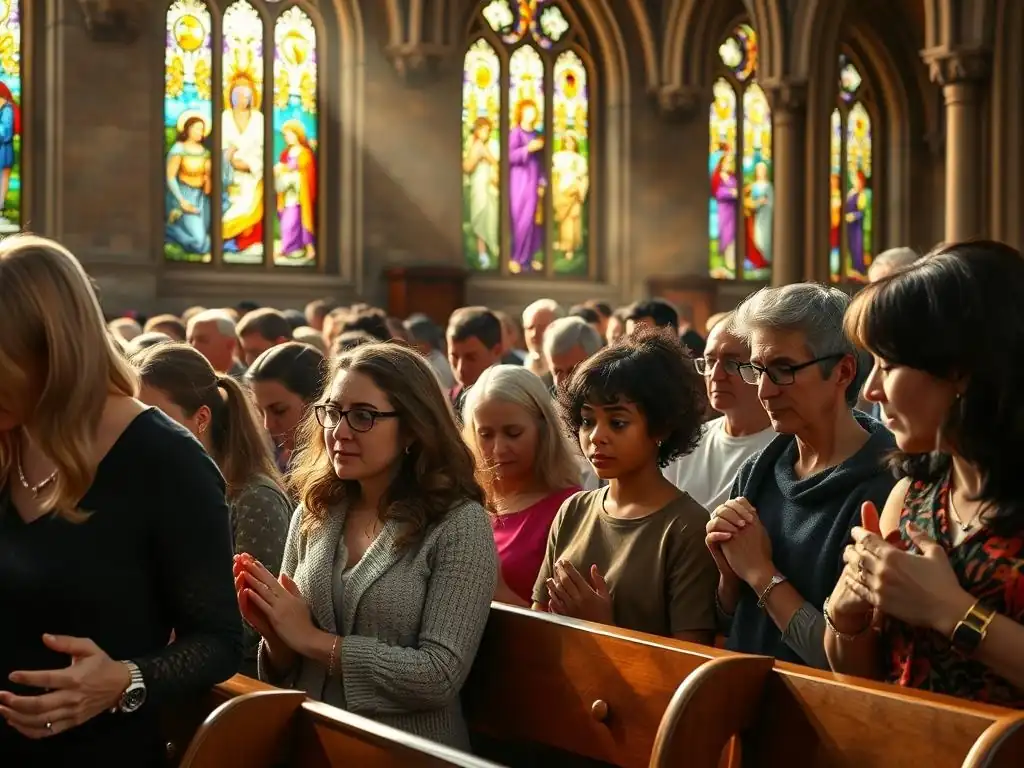
Welcome to Mind Care Guide, your compassionate companion on the journey to mental well-being.
Feeling adrift and searching for connection? In a world that often feels isolating, discover how faith fosters belonging and reduces stress, offering a powerful pathway to inner peace and strengthened community. Explore this profound connection further and unlock the potential for a more grounded and supported you. Let's begin.
The Role of Faith in Building a Sense of Belonging
- Understanding the Connection: Faith Communities, Spiritual Cohesion, and Well-being
- Faith Communities Foster Belonging: A Spiritual and Social Perspective
- Faith Community Support Systems: Addressing Life's Challenges Through Collaboration
- Cultivating Belonging Through Faith Communities: Practical Strategies
- The Impact of Faith Communities on Social Inclusion and Integration
- Addressing Potential Challenges: Diversity, Doctrine, and Sustainability in Faith Communities
- Faith Communities, Belonging, and Improved Mental Health Outcomes
- The Importance of Faith-Based Programs in Community Development
- Conclusion: Faith Communities as a Pathway to Belonging and Well-being
-
Frequently Asked Questions
- How does faith contribute to a sense of belonging, as discussed by Mind Care Guide?
- In what ways can faith help reduce stress, according to Mind Care Guide's perspective?
- Does Mind Care Guide suggest that any particular faith is superior in fostering belonging or reducing stress?
- What resources might Mind Care Guide offer to individuals exploring the connection between faith and mental well-being?
- How can someone who doesn't identify with a traditional faith still benefit from the principles discussed by Mind Care Guide regarding belonging and stress reduction?
- Final Reflection: The Enduring Power of Faith in a Fragmented World
- Unlock Your Sense of Belonging: Take the Next Step
Understanding the Connection: Faith Communities, Spiritual Cohesion, and Well-being
Exploring the Link Between Religious Practice and Reduced Loneliness
Engaging in religious practices, whether attending services, participating in study groups, or observing rituals, often provides individuals with regular opportunities for social interaction. This consistent connection is a powerful antidote to feelings of isolation. Studies have consistently indicated that individuals who are actively involved in a faith community report lower levels of loneliness compared to those without such affiliations. This isn't just about being in the same room as others; it's about sharing a common purpose and belief system, which deepens the bonds formed.
For instance, a person attending weekly prayer meetings or a book club based on spiritual texts gains not only spiritual nourishment but also develops relationships with like-minded individuals. These relationships provide a support network, a listening ear, and a sense of being part of something larger than oneself. This intrinsic connection cultivated through shared faith experiences significantly contributes to reducing feelings of isolation and promoting overall mental well-being, highlighting how faith fosters belonging, reduces stress, and combats loneliness.
How Faith Communities Foster Intergenerational Connections
Faith communities often serve as unique spaces where people of diverse ages interact naturally and regularly. Unlike many secular environments that tend to segregate age groups, places of worship and faith-based events bring together children, parents, grandparents, and elders. This creates fertile ground for intergenerational relationships to blossom, offering mutual benefits. Younger members gain wisdom, guidance, and historical perspective from their elders, while older members find purpose, connection, and vitality through interacting with youth.
Consider a church picnic, a temple festival, or a mosque's community dinner where individuals from different generations volunteer side-by-side, share meals, and engage in conversation. These interactions build bridges across age gaps, creating a strong social fabric within the community. Grandparents might mentor teenagers, or children might bring joy and energy to older congregants who live alone. This rich tapestry of relationships strengthens the sense of collective identity and ensures that individuals of all ages feel valued and connected within the faith community.
Sacred spaces – be they churches, mosques, synagogues, temples, or other places of worship – are more than just buildings; they are hubs of community formation and spiritual connection. These spaces are designed for communal gathering, ritual, and reflection, inherently fostering a sense of shared experience and identity among attendees. The act of gathering together in a designated space for worship or spiritual practice reinforces collective beliefs and values, creating a powerful sense of unity.
The shared rituals, prayers, hymns, or meditations performed within these spaces build a common narrative and emotional bond among participants. For example, standing shoulder-to-shoulder during a service or sharing a communal meal after a gathering creates a palpable sense of togetherness. This collective participation in sacred activities transcends individual differences and strengthens the feeling of being part of a cohesive group, underscoring how faith fosters belonging, reduces stress, and builds community bonds.
Faith-Based Identity and its Impact on Community Pride
Identifying with a particular faith often provides individuals with a strong sense of identity, which is further reinforced by belonging to a faith community. This shared identity can be a source of pride and solidarity, connecting individuals to a history, tradition, and set of values that extend beyond their immediate circumstances. This collective identity fosters a sense of "we-ness" that distinguishes the group and strengthens internal bonds.
When individuals feel proud of their faith and their faith community, they are more likely to invest time and energy into its activities and support its members. This pride can manifest in various ways, from volunteering for community projects to celebrating shared holidays and milestones. This strong, shared identity contributes significantly to the cohesion and resilience of the group, making members feel deeply connected and valued within their faith family.
Faith Community Support Systems: Addressing Life's Challenges Through Collaboration
Finding Comfort and Strength in Spiritual Practices
Spiritual practices, such as prayer, meditation, scripture reading, or contemplative reflection, offer individuals tools for navigating stress, anxiety, and life's difficulties. These practices often provide a sense of peace, perspective, and connection to something greater than oneself, which can be incredibly comforting during challenging times. Engaging in these practices can help individuals regulate emotions, find meaning in suffering, and cultivate inner resilience.
For example, someone facing a health crisis might find solace in daily prayer or meditation, feeling a sense of calm and trust that helps them cope with uncertainty. Sharing these practices within a faith community provides additional layers of support, as members often pray for one another or engage in collective spiritual disciplines. This shared spiritual journey reinforces the belief that they are not alone in their struggles, demonstrating how faith fosters belonging, reduces stress, and provides a source of inner strength.
Faith as a Source of Resilience During Difficult Times
Faith communities often act as crucial support systems during periods of hardship, whether personal crises like illness or bereavement, or collective challenges like economic downturns or natural disasters. The structure and values of a faith community provide a framework for mutual support, offering practical help, emotional comfort, and spiritual guidance when individuals are most vulnerable.
During the COVID-19 pandemic, for instance, many faith communities organized food drives, provided emotional support through virtual gatherings, and offered financial assistance to members facing job loss. This collective response to adversity highlights the inherent resilience built into faith communities. Members lean on one another, drawing strength from shared belief and communal care, demonstrating the powerful role faith plays in fostering belonging and reducing the stress associated with life's inevitable challenges.
Cultivating Belonging Through Faith Communities: Practical Strategies

Participating in Religious Services and Events
Regular attendance at religious services is perhaps the most fundamental way individuals cultivate belonging within a faith community. Services provide a consistent touchpoint for communal worship, listening to teachings, and engaging in shared rituals. Beyond the formal service, participating in supplementary events like potlucks, picnics, holiday celebrations, or congregational meetings offers less structured opportunities for social interaction and relationship building.
Making an effort to attend these gatherings, even when busy, signals commitment to the community and opens doors for deeper connections. It allows individuals to move beyond being passive attendees to active participants in the life of the group. These regular points of contact are vital for maintaining and strengthening the bonds that create a sense of belonging.
Building Relationships With Fellow Believers
Building strong relationships within a faith community requires intentional effort beyond simply showing up. It involves engaging in conversations before or after services, joining small groups like Bible studies or youth groups, volunteering for community initiatives, or simply reaching out to fellow members. Sharing personal stories, offering support, and accepting help from others deepens trust and intimacy.
Initiating contact, remembering names, and showing genuine interest in the lives of others are simple yet effective ways to build connections. These personal relationships form the bedrock of the community's social fabric, ensuring that individuals feel seen, known, and cared for by those around them. This active cultivation of relationships is key to experiencing the full benefits of belonging.
Faith communities often extend their sense of connection beyond their immediate membership to the wider neighborhood or community. Sharing resources, knowledge, and support with those in need, regardless of their faith background, is a common practice driven by spiritual values. This outward focus strengthens the community's identity and builds positive relationships with its neighbors.
Examples include organizing food banks, running homeless shelters, offering tutoring programs, or providing support for new immigrants. By working together on these initiatives, faith community members strengthen their internal bonds while also contributing to the well-being of the broader society. This act of shared service reinforces the feeling of collective purpose and belonging.
Faith communities can play a significant role in bridging social divides and fostering inclusion. Shared beliefs and values often transcend differences in socioeconomic status, ethnicity, political views, or educational background that might otherwise create barriers in society. Within the context of shared faith, individuals from diverse walks of life come together, finding common ground and mutual respect.
For example, a large urban church might have members from vastly different neighborhoods and economic situations, yet they gather together weekly, united by their shared faith. This shared space and common purpose facilitate interactions that might not occur elsewhere, helping to break down stereotypes and foster understanding between groups. This inclusive environment demonstrates how faith fosters belonging, reduces stress by providing a safe space, and encourages integration.
Faith-Based Initiatives for Community Outreach
Many faith communities are actively involved in outreach programs aimed at serving the wider community, particularly marginalized or vulnerable populations. These initiatives, such as soup kitchens, health clinics, literacy programs, or refugee support services, provide practical assistance and also create opportunities for interaction between faith community members and those they serve.
Engaging in these outreach efforts allows members to live out their values while contributing positively to society. It also helps integrate the faith community into the broader social landscape, fostering relationships with individuals and organizations outside their immediate circle. This outward-looking approach reinforces the community's sense of purpose and connection to the world around it.
Addressing Potential Challenges: Diversity, Doctrine, and Sustainability in Faith Communities
While shared faith is a powerful unifier, diversity exists within and between faith traditions and even within individual congregations. Differences in theological interpretation, cultural practices, or social views can sometimes lead to tension or conflict. Navigating these differences requires open communication, empathy, and a commitment to finding common ground while respecting differing perspectives.
Effective faith communities develop mechanisms for discussing disagreements constructively, often rooted in their core values of love, compassion, or understanding. Acknowledging that uniformity is not required for unity is crucial. Learning to coexist and collaborate despite differing views strengthens the community's ability to be inclusive and resilient.
Promoting Equitable Access and Sustainable Practices Within Faith Communities
Ensuring that faith communities are accessible and welcoming to everyone, regardless of their background, ability, or socioeconomic status, is an ongoing challenge. This includes physical accessibility of buildings, financial accessibility of programs, and creating an environment where all feel genuinely included and valued. Sustainable practices within the community relate to maintaining its vitality, financial health, and ethical governance for the long term.
Faith communities must actively work to remove barriers to participation and ensure their operations are transparent and responsible. This might involve fundraising for accessibility renovations, offering sliding scales for program fees, or implementing robust governance structures. A commitment to equitable access and sustainable operation ensures the community can continue to provide a space of belonging for generations to come.
Faith Communities, Belonging, and Improved Mental Health Outcomes

The Role of Faith in Reducing Stress and Promoting Emotional Well-being
Numerous studies indicate a positive correlation between religious involvement and improved mental health outcomes. Faith provides individuals with coping mechanisms, social support, and a sense of hope that can significantly reduce stress and enhance emotional well-being. The belief in a benevolent power, the practice of prayer or meditation, and the comfort of a supportive community all contribute to this effect.
For instance, a person facing a stressful situation might turn to prayer or spiritual counseling within their faith community, finding peace and guidance. The regular rhythm of religious practices can also provide a sense of stability and routine that is grounding during turbulent times. This combination of spiritual resources and social support directly demonstrates how faith fosters belonging, reduces stress, and supports mental health.
Finding Purpose and Meaning Through Spiritual Service
Many faith traditions emphasize the importance of service to others as a spiritual discipline. Engaging in acts of charity, volunteering within the community, or participating in social justice initiatives provides individuals with a strong sense of purpose and meaning. This focus on contributing to something larger than oneself can be incredibly fulfilling and supportive of mental and emotional health.
Whether it's volunteering at a food bank organized by the church, participating in a temple's clean-up drive, or helping organize a mosque's interfaith dialogue event, these activities allow individuals to live out their values and make a tangible difference. This sense of contributing to the well-being of others and the community reinforces their own value and place within the world.
The Importance of Faith-Based Programs in Community Development
Faith-based organizations often play a crucial role in community development by integrating spiritual support with practical social services. This holistic approach addresses not just material needs but also the emotional and spiritual well-being of individuals. Examples include faith-based counseling services, support groups for addiction or grief that incorporate spiritual principles, or programs for the elderly that combine social activities with spiritual reflection.
By offering services rooted in compassion and community values, these programs provide a unique form of support. They leverage the existing social networks and trust within faith communities to reach vulnerable populations and offer help in a way that is often perceived as more personal and empathetic. This integration highlights how faith fosters belonging, reduces stress through comprehensive support, and contributes to the overall health of the community.
Conclusion: Faith Communities as a Pathway to Belonging and Well-being
Faith communities offer a powerful pathway to building a profound sense of belonging and enhancing overall well-being. Through shared beliefs, communal practices, and mutual support systems, they provide a vital social network that combats loneliness and fosters deep connections across generations and diverse backgrounds. The act of identifying with a faith and participating in its community instills pride and purpose. During challenging times, faith serves as a source of resilience, offering spiritual comfort and practical assistance.
Engaging actively in services, building relationships with fellow members, and contributing to community outreach initiatives are practical steps individuals can take to cultivate this sense of belonging. While challenges related to diversity and sustainability exist, faith communities often possess the internal resources and values to navigate them constructively. Ultimately, the unique blend of spiritual practice, social connection, and shared purpose found within faith communities significantly contributes to reducing stress, improving mental health outcomes, and creating a strong, supportive environment where individuals can thrive. Faith fosters belonging, reduces stress, and provides a foundation for a more connected and resilient life.
Frequently Asked Questions
How does faith contribute to a sense of belonging, as discussed by Mind Care Guide?
Faith often provides a shared community and common values, creating a strong sense of connection. This shared experience fosters belonging and reduces feelings of isolation.
In what ways can faith help reduce stress, according to Mind Care Guide's perspective?
Faith can offer coping mechanisms, such as prayer and meditation, that promote relaxation. A belief in something larger than oneself can provide perspective and reduce anxiety about daily challenges.
Does Mind Care Guide suggest that any particular faith is superior in fostering belonging or reducing stress?
No, Mind Care Guide focuses on the general principles of faith and its impact on mental well-being. It emphasizes that any faith tradition can provide benefits to those who find meaning and community within it.
What resources might Mind Care Guide offer to individuals exploring the connection between faith and mental well-being?
Mind Care Guide provides information and support related to various mental health challenges. This includes articles and resources on coping strategies and finding community, which can be linked to faith.
How can someone who doesn't identify with a traditional faith still benefit from the principles discussed by Mind Care Guide regarding belonging and stress reduction?
The concepts of community, shared values, and mindfulness are beneficial even without religious affiliation. Finding meaningful connections and practicing stress-reduction techniques are universally helpful.
Final Reflection: The Enduring Power of Faith in a Fragmented World
The search for belonging is a fundamental human need, and in a world increasingly characterized by isolation and uncertainty, the role of faith in fostering a sense of community and reducing stress remains profoundly relevant. Faith, in its myriad forms, offers not just a spiritual anchor but a tangible network of support, shared values, and a sense of purpose that can significantly mitigate the anxieties of modern life. This is more crucial now than ever before.
The impact of faith on the cultural and social landscape is undeniable, shaping everything from individual identities to large-scale social movements. It provides a framework for understanding our place in the universe, offering comfort in times of hardship and a sense of hope for the future. This sense of shared purpose and mutual support, often found within faith communities, acts as a powerful buffer against the isolating effects of modern society. The most basic of all human needs is the need to understand and be understood.
– Carl Rogers. This quote highlights the inherent human desire for connection, a desire often fulfilled through the shared experiences and beliefs found within faith-based communities.
Consider the ways faith has touched your own life, or the lives of those around you. Perhaps it's the solace found in prayer, the strength gained from shared rituals, or the unwavering support offered by a faith community. I urge you to reflect on the role faith plays – or could play – in your own journey towards belonging and stress reduction. Explore the diverse expressions of faith around you, and consider how fostering connection and understanding, regardless of belief system, can build a more compassionate and resilient world for all.
Unlock Your Sense of Belonging: Take the Next Step
Thanks for taking the time to explore the powerful role of faith in fostering a sense of belonging! We hope this article provided valuable insights into how you can cultivate deeper connections within your community and yourself. Ready to take action?
- Find your faith community: Connect with a local group that resonates with your beliefs—this could be a church, synagogue, mosque, temple, or even a secular humanist organization. Consider attending a service or event to meet like-minded individuals.
- Share your story: Inspire others by sharing your personal experiences with faith and belonging on social media, or in a conversation with someone you trust. Your story could be a beacon of hope for someone else searching.
- Explore mindfulness practices: Supplement your faith journey with mindfulness exercises like meditation or prayer to cultivate inner peace and a deeper connection with yourself and your beliefs.
So, what small step will you take today to cultivate a stronger sense of belonging, rooted in your faith?