
Building a Support Network Within Your Faith Community

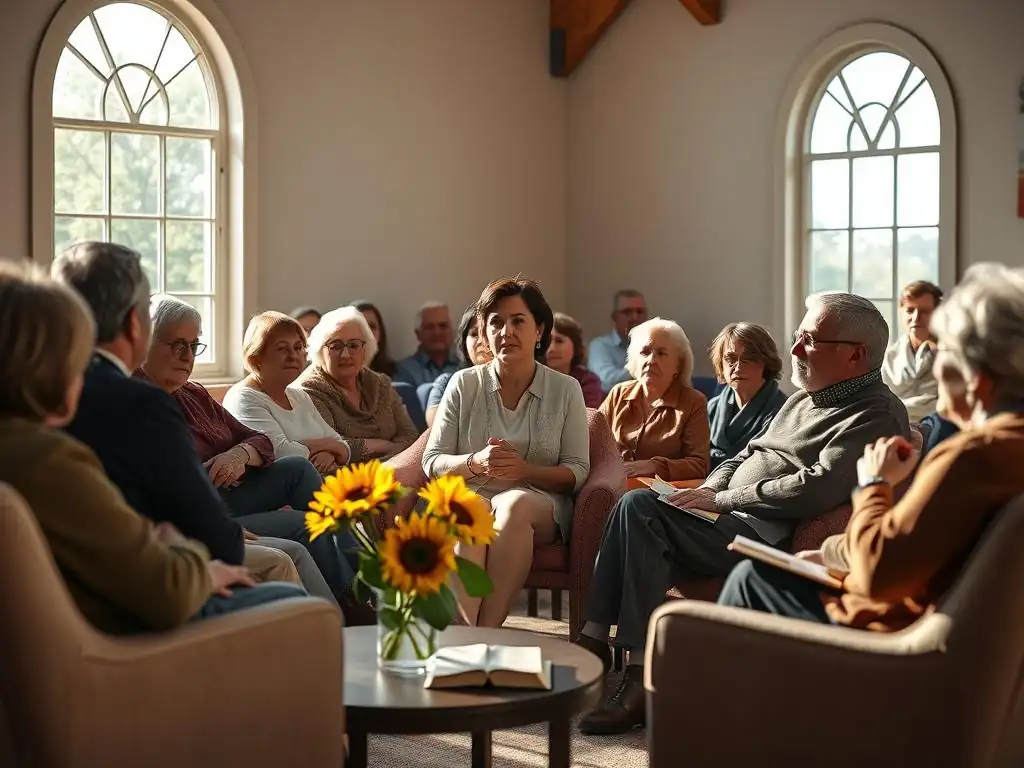
Welcome to Mind Care Guide, a safe space dedicated to nurturing your mental well-being.
Feeling isolated or unheard? Discover how to build a powerful faith community mental support network within your own spiritual home. This article explores the vital role faith communities can play in fostering mental wellness and provides practical steps to create a supportive environment. Curious to learn how your faith can be a source of strength and connection in your mental health journey? Let's begin.
Building a Faith Community Mental Health Support Network
- Understanding the Importance of Faith-Based Mental Health Support
- Identifying and Connecting with Potential Support Systems in Your Faith Community
- Steps to Create a Strong Faith Community Mental Health Support Network
- Fostering a Supportive Environment: Practical Tips for Faith Communities
- Overcoming Challenges in Building a Faith-Based Mental Health Support Network
- Maintaining and Strengthening Your Faith Community's Mental Health Support Network
- The Long-Term Benefits of a Robust Faith Community Mental Health Support Network
- Resources for Developing Faith-Based Mental Health Initiatives
-
Frequently Asked Questions
- How can I start a mental health support group within my faith community?
- What resources are available to train members of my faith community in mental health first aid?
- How can I address the stigma surrounding mental health within my faith community?
- What are some ways to ensure that support offered within the faith community is culturally sensitive and inclusive?
- How do I connect my faith community mental support network with professional mental health services?
- Final Reflection: Weaving a Tapestry of Faith and Support
- Unleash the Power of Faith-Based Support
Understanding the Importance of Faith-Based Mental Health Support
Why Faith Communities are Vital for Mental Wellbeing
Faith communities often serve as central pillars in people's lives, providing a sense of belonging, shared values, and consistent social interaction. This inherent structure makes them uniquely positioned to offer crucial support for mental wellbeing. For many, their faith group is the primary source of social connection outside of family and work, offering a ready-made network of individuals who share a common bond and are often motivated by principles of compassion and mutual aid. This environment can reduce feelings of isolation, which is a significant risk factor for various mental health challenges, including depression and anxiety.
Beyond social connection, faith communities frequently provide spiritual resources that can aid in coping and resilience. Practices like prayer, meditation, communal worship, and theological reflection can offer comfort, meaning, and hope during difficult times. A faith community mental support network leverages these existing strengths, creating a structured way for members to receive and provide emotional and practical support, fostering an environment where individuals feel safe to share their struggles and seek help without fear of judgment. This supportive structure is foundational for promoting mental wellness across the congregation.
Addressing Mental Health Stigma within Religious Settings
Despite the potential for support, mental health stigma remains a significant barrier in many religious settings. Misconceptions that mental illness is a result of moral failing, lack of faith, or spiritual weakness can prevent individuals from seeking necessary help.
Studies have indicated that individuals within some faith communities may be less likely to seek professional mental health treatment compared to the general population due to these stigmas. For example, research suggests that up to 40% of individuals in certain religious groups might delay or avoid seeking help from a therapist or psychiatrist because of fear of judgment or being told their issues are purely spiritual matters.
Building a robust faith community mental support network requires directly confronting and dismantling this stigma. This involves open conversations led by faith leaders, educational initiatives that clarify the nature of mental illness from both scientific and compassionate perspectives, and creating narratives that integrate mental health challenges into the broader human experience of suffering and healing, rather than viewing them as separate or shameful.
By fostering an environment of understanding and acceptance, a faith-based mental health network can encourage members to speak openly about their experiences and access the support they need, both within the community and from external professional resources.
The Unique Role of Spirituality in Mental Health Recovery
Spirituality plays a distinct and powerful role in the journey of mental health recovery for many individuals. It can provide a framework for understanding suffering, finding meaning in adversity, and cultivating hope. Belief in a higher power or connection to something larger than oneself can offer a sense of peace and perspective, reducing feelings of hopelessness that often accompany mental health conditions. For example, engaging in spiritual practices like contemplative prayer or reading sacred texts has been linked to reduced symptoms of anxiety and depression in some studies.
Moreover, faith traditions often emphasize virtues like forgiveness, acceptance, and compassion, which are vital for personal healing and building supportive relationships. A faith community mental support network integrates these spiritual elements with practical support strategies. It acknowledges that mental wellness is a multifaceted issue that can benefit from both clinical interventions and spiritual nurturing. By combining peer support, pastoral care, and spiritual practices, such a network offers a holistic approach to mental health, honoring the individual's faith journey as an integral part of their recovery and overall wellbeing.
Identifying and Connecting with Potential Support Systems in Your Faith Community
Recognizing Existing Support Groups and Pastoral Counseling Programs
Many faith communities already have structures in place that can serve as a foundation for a mental health support network. Programs focused on specific life challenges, such as grief support groups (e.g., GriefShare), divorce recovery programs (e.g., DivorceCare), or care ministries for the sick and homebound, demonstrate an existing capacity and willingness to provide care. These groups often operate on principles of shared experience, empathy, and confidential support, which are directly transferable to mental health support. Identifying leaders and participants in these existing ministries can reveal individuals who are already inclined towards caregiving and building supportive relationships.
Pastoral counseling is another established resource within many faith traditions. Trained clergy or lay leaders provide spiritual guidance and emotional support, often acting as a first point of contact for individuals experiencing distress. While pastoral counseling is distinct from clinical therapy, pastors can offer valuable listening, spiritual perspectives, and referrals to professional help.
Understanding the scope and availability of pastoral counseling within your community is crucial; approximately 60-70% of individuals experiencing mental health issues first seek help from a religious leader. Recognizing and strengthening this existing resource is a vital step in building a comprehensive faith community mental support network.
Connecting with others who have navigated similar mental health challenges is incredibly validating and empowering. Within any faith community, there are likely individuals who have personal experience with depression, anxiety, bipolar disorder, or supporting family members through these issues. Finding these individuals is key to forming authentic peer support connections. This can be done subtly at first, perhaps through general announcements about mental health awareness or through existing small group structures where people feel more comfortable sharing personal struggles.
Creating safe opportunities for people to disclose their experiences, even anonymously initially, can help identify potential participants and leaders for a faith-based mental health network. Testimonials shared during services (with permission), or articles in community newsletters, can signal that the community is open to discussing mental health. Empathy is a powerful connector; individuals who have personally experienced mental health challenges or cared for someone who has often possess a profound capacity for understanding and compassion, making them ideal candidates to form the core of a faith community mental support network.
Connecting with Faith Leaders Trained in Mental Health
Faith leaders play a pivotal role in shaping the culture and priorities of a religious community. Their support and understanding of mental health issues are critical for the success of any faith community mental support network. Ideally, some leaders will have received training in mental health first aid, basic counseling skills, or recognizing signs of common mental illnesses. While formal clinical training is not necessary for all leaders, a foundational understanding helps them respond appropriately when approached by someone in distress and reduces the likelihood of unintentionally perpetuating stigma.
Initiating conversations with pastors, priests, imams, rabbis, or other community leaders about the importance of mental health support is a necessary first step. Sharing statistics on the prevalence of mental illness within the general population and highlighting how these issues affect community members can underscore the need. Encouraging leaders to participate in workshops or training programs focused on mental health in faith settings can equip them with the knowledge and confidence to address the topic openly and compassionately from the pulpit or in counseling sessions, reinforcing the message that mental health is a legitimate concern within the faith community.
Steps to Create a Strong Faith Community Mental Health Support Network

Step 1: Initiating Conversations about Mental Health through Sermons and Workshops
The initial step in building a faith community mental support network is to break the silence surrounding mental health. This requires intentional effort to weave the topic into the regular life of the community. Faith leaders can play a crucial role by addressing mental health in sermons or talks, framing it as a matter of human suffering and vulnerability that is worthy of compassion and care, aligning with the community's core values. This normalizes the conversation and signals that it is a safe topic to discuss.
Beyond sermons, organizing workshops or forums specifically focused on mental health is vital. These events can feature guest speakers, such as mental health professionals who share the community's faith background or individuals who share their recovery stories. Providing information about common mental health conditions, symptoms, and available treatments in an accessible format helps educate the community and dispel myths. These conversations lay the groundwork, creating awareness and demonstrating the community's commitment to building a supportive faith community mental support network.
Step 2: Organizing Peer Support Groups within Your Faith Community
Peer support groups are the cornerstone of many effective mental health networks. These groups provide a safe, confidential space for individuals facing similar challenges to share their experiences, offer mutual encouragement, and develop coping strategies together. Unlike therapy, peer support focuses on the power of shared experience and empathy among individuals who have walked similar paths. Groups can be general (e.g., for anyone experiencing mental health challenges) or focus on specific conditions (e.g., depression and anxiety) or demographics (e.g., youth, seniors).
Establishing these groups requires identifying facilitators (often individuals with lived experience or trained volunteers), determining meeting logistics (frequency, location, format), and establishing group guidelines focused on confidentiality and respectful communication. A successful group might meet weekly for 60-90 minutes, perhaps in a quiet room at the community center. Starting with a small pilot group can help refine the process before expanding. These peer-led initiatives form the heart of a practical faith community mental support network, offering direct, relational care.
Step 3: Partnering with Local Mental Health Organizations
While a faith community can offer unique spiritual and social support, it's crucial to recognize the importance of professional mental healthcare. Building a comprehensive faith community mental support network involves creating bridges to clinical resources. Partnering with local mental health organizations, such as chapters of the National Alliance on Mental Illness (NAMI), community mental health centers, or private therapy practices, is essential. These partnerships can facilitate referrals, provide access to educational materials, and even offer training for community leaders and volunteers.
Collaboration could involve inviting mental health professionals to speak at community events, maintaining a list of trusted local therapists and resources that align with community values, or coordinating joint awareness campaigns. Some organizations offer specific programs designed to interface with faith communities. Establishing these formal or informal partnerships ensures that when individuals in the faith community need care beyond the scope of peer or pastoral support, they can be connected efficiently and confidently with appropriate professional help, strengthening the overall faith community mental support network.
Step 4: Promoting Mental Health Awareness through Educational Materials
Consistent promotion of mental health awareness is necessary to sustain a supportive environment. This involves making educational materials readily available to community members. Information can be shared through various channels: newsletters, bulletin boards, community websites, social media groups, or dedicated brochures placed in common areas. Materials might include facts about common mental health conditions, tips for maintaining mental wellness, signs that someone might need help, and contact information for internal community resources (like peer groups or pastoral care) and external professional services.
Utilizing resources developed by reputable mental health organizations, sometimes adapted with culturally sensitive language or spiritual perspectives, can be very effective. Highlighting specific awareness months (like Mental Health Awareness Month in May) with targeted campaigns can also increase visibility. The goal is to make information accessible and normalize the idea that seeking help for mental health is as valid as seeking help for physical health. Regular dissemination of these materials reinforces the community's commitment to mental wellness and strengthens the visibility and reach of the faith community mental support network.
Fostering a Supportive Environment: Practical Tips for Faith Communities
Implementing Mental Health Workshops and Seminars Led by Professionals
Bringing in qualified mental health professionals to lead workshops and seminars is a powerful way to educate the community and build trust in seeking help. These sessions can cover a range of topics relevant to faith communities, such as "Understanding Depression and Anxiety from a Faith Perspective," "Coping with Grief and Loss," "Supporting Family Members with Mental Illness," or "Stress Management and Spiritual Practices." Professionals can provide accurate information, answer questions, and demystify therapy and medication.
These workshops offer practical skills and knowledge. For example, a workshop on active listening skills can equip community members to provide better informal support to friends and family. A seminar on recognizing warning signs can empower people to identify when someone might be in crisis and know how to respond. Offering these sessions regularly, perhaps quarterly or semi-annually, ensures ongoing education and reinforces the importance of mental health within the community's programming, contributing significantly to a well-informed faith community mental support network.
Creating Safe Spaces for Sharing and Confidential Prayer
A supportive environment is one where individuals feel safe to be vulnerable without fear of judgment or gossip. Creating designated "safe spaces" within the faith community is crucial for encouraging open sharing about mental health struggles. These spaces could be formal, like a structured peer support group meeting, or informal, like a designated time for sharing during a small group meeting with an agreement of confidentiality. Emphasizing confidentiality as a sacred trust within these spaces is paramount.
Confidential prayer is another vital element. Encouraging members to pray for one another regarding mental health challenges, either individually or within trusted small groups, provides spiritual comfort and reinforces the idea that these struggles are valid concerns within a faith context. Some communities might establish a prayer chain specifically for mental health needs, ensuring prayer support while maintaining anonymity if desired. These safe spaces for sharing and confidential prayer are essential for building trust and fostering the deep connections that characterize an effective faith community mental support network.
Promoting Mindfulness and Prayer Practices
Mindfulness and prayer are spiritual practices deeply rooted in many faith traditions that can have significant benefits for mental wellbeing. Mindfulness, the practice of being present and aware, can reduce anxiety and improve emotional regulation. Prayer, whether contemplative, intercessory, or devotional, can offer comfort, reduce stress, and provide a sense of connection to the divine or a higher purpose. Integrating these practices into the community's rhythm can provide members with accessible tools for managing stress and improving their mental state.
This can involve teaching simple mindfulness techniques during gatherings, incorporating periods of silent reflection or contemplative prayer into services, or offering workshops on different prayer methods. Highlighting scriptural or theological perspectives on peace, patience, and trusting in a higher power can also reinforce the mental health benefits of spiritual practices. By actively promoting and teaching these techniques, a faith community mental support network empowers individuals to utilize their spiritual resources for personal resilience and mental wellness.
Overcoming Challenges in Building a Faith-Based Mental Health Support Network
Addressing Resistance and Misconceptions about Mental Health Treatment
One of the most significant challenges in establishing a faith community mental support network is overcoming internal resistance and deeply held misconceptions about mental illness and its treatment. Some members may believe that mental health issues are purely spiritual problems that can be solved solely through prayer or increased faith, viewing professional treatment as unnecessary or even harmful. Others may fear that acknowledging mental illness within the community will bring shame or be seen as a sign of weakness.
Addressing this requires persistent, empathetic education and consistent messaging from respected leaders. Sharing personal stories of recovery that include both faith and professional help can be powerful. Providing accurate information about how therapy and medication work, framing them as tools for healing that can complement, rather than contradict, one's faith journey, is essential. It's crucial to validate individuals' faith while gently correcting harmful myths, emphasizing that seeking appropriate care is an act of stewardship of the mind and body, both seen as gifts. This ongoing dialogue is vital for dismantling barriers to a functional faith community mental support network.
Maintaining confidentiality is paramount to building trust within any support system, particularly in a faith community where relationships are often close-knit. Members must feel confident that what they share in a support group or with a trusted leader will be held in confidence. Establishing clear guidelines for confidentiality among group facilitators and leaders is essential. This includes understanding the limits of confidentiality, particularly concerning mandatory reporting laws related to harm to self or others, or abuse.
Training for those involved in the faith community mental support network should include understanding when and how to break confidentiality for safety reasons, and how to make appropriate referrals to crisis services or authorities. Having a clear protocol in place protects both the individual in distress and the community leaders. While trust is built on discretion, transparency about the boundaries of confidentiality is necessary to manage expectations and ensure ethical care, navigating the delicate balance between privacy and safety within the network.
Ensuring Inclusivity for Diverse Backgrounds and Beliefs
Faith communities are increasingly diverse, encompassing individuals from different cultural backgrounds, theological perspectives, and life experiences, some of whom may have co-occurring substance use issues or other complex needs. Ensuring that a faith community mental support network is inclusive requires sensitivity to these differences. Language used should be welcoming and non-judgmental, avoiding jargon that might be unfamiliar or alienating. Support group materials and discussions should be adaptable to different levels of spiritual understanding and cultural contexts.
It's important to recognize that approaches to mental health and healing can vary across cultures and even within different traditions of the same faith. The network should aim to complement, rather than override, individuals' existing coping mechanisms and beliefs. Seeking input from diverse members of the community during the planning and implementation phases can help ensure that the network is truly responsive to the needs of all. An inclusive approach strengthens the network by making it a welcoming resource for everyone seeking mental wellness support within the faith community.
Maintaining and Strengthening Your Faith Community's Mental Health Support Network
Ongoing Training for Leaders and Volunteers
The effectiveness of a faith community mental support network relies heavily on the skills and knowledge of its leaders and volunteers. Ongoing training is not a one-time event but a continuous process. This training should cover topics such as active listening, basic crisis intervention, understanding common mental health conditions, recognizing signs of distress, and appropriate referral pathways. Training can be provided by partnering mental health professionals or through programs offered by national mental health organizations tailored for faith communities.
Regular refresher courses ensure that volunteers stay up-to-date with best practices and feel supported in their roles. Training can also address specific challenges that arise within the community, such as supporting individuals with complex trauma or navigating challenging group dynamics. Investing in the ongoing education of those who serve in the network builds capacity, enhances the quality of support provided, and sustains the energy and commitment needed to keep the faith community mental support network strong and responsive.
Regular Evaluation of Program Effectiveness
To ensure the faith community mental support network is meeting the needs of its members, regular evaluation is essential. This involves gathering feedback from participants in support groups, attendees of workshops, and individuals who have utilized pastoral care or referral services. Evaluation methods can include anonymous surveys, informal check-ins, or dedicated feedback sessions. Questions might focus on whether the support received was helpful, if the programs met expectations, and what additional needs exist.
Analyzing participation rates in different programs can also provide insights into what is working and what might need adjustment. For example, if workshop attendance is low, the timing or topics might need to be revisited. If support groups have high drop-off rates, the format or facilitation might need review. Using this feedback loop allows the community to adapt and improve its offerings, ensuring that the faith-based mental health network remains relevant, effective, and truly supportive of its members' wellbeing.
Celebrating Milestones and Recognizing Volunteer Contributions
Building and maintaining a faith community mental support network is a significant undertaking that relies heavily on the dedication of volunteers and leaders. Recognizing their efforts and celebrating milestones is vital for sustaining momentum and preventing burnout. Simple acts of appreciation, such as public thank-yous during services, small tokens of gratitude, or dedicated volunteer recognition events, can go a long way in showing that their work is valued.
Celebrating milestones, such as the anniversary of the network's launch, reaching a certain number of individuals served, or highlighting success stories (with permission), reinforces the positive impact of the network on the community. Sharing these successes can also inspire others to get involved. Fostering a culture of appreciation and celebrating progress helps maintain enthusiasm and commitment, ensuring the long-term viability and growth of the faith community mental support network.
The Long-Term Benefits of a Robust Faith Community Mental Health Support Network
Improved Mental Health Outcomes for Individuals and Families
The most significant long-term benefit of establishing a robust faith community mental support network is the tangible improvement in mental health outcomes for individuals and their families. By providing accessible support, reducing stigma, and connecting people to resources, the network helps individuals manage symptoms, build resilience, and navigate their recovery journey more effectively. Families also benefit from increased understanding, reduced burden, and access to support as they care for loved loved ones.
Individuals within supportive faith communities may experience reduced feelings of isolation, decreased anxiety, and improved mood. Access to peer support can provide a sense of shared humanity and hope, while pastoral care offers spiritual comfort. Referrals to professional help ensure that clinical needs are met. Collectively, these elements contribute to better overall mental wellness, potentially leading to fewer crises, improved functioning in daily life, and enhanced quality of life for community members facing mental health challenges.
Stronger Community Bonds and Mutual Support
Building a faith community mental support network inherently strengthens the bonds within the community as a whole. Addressing mental health openly fosters a culture of empathy, compassion, and mutual support. As members feel safe to share their vulnerabilities, deeper, more authentic relationships can form. The network provides a common purpose – caring for one another's minds and spirits – which can unite members across different ages, backgrounds, and interests.
This increased capacity for mutual support extends beyond formal mental health programs. A community that prioritizes mental wellness is likely to be more attuned to the needs of its members in general, leading to greater overall resilience and connectedness. This interwoven fabric of care means individuals are less likely to fall through the cracks, knowing there is a community ready to offer a listening ear, practical help, or spiritual comfort, embodying the core values of a supportive faith community.
Enhanced Spiritual Wellbeing
Mental health and spiritual wellbeing are deeply interconnected. Addressing mental health challenges within a faith context can lead to enhanced spiritual growth and a deeper connection to one's faith. As individuals receive support and healing, they may experience a renewed sense of hope, purpose, and connection to the divine or their spiritual path. Overcoming adversity with the support of faith and community can strengthen one's faith and spiritual resilience.
A faith community mental support network acknowledges the spiritual dimensions of suffering and healing, providing resources and conversations that integrate faith perspectives with mental health understanding. This holistic approach helps individuals see their mental health journey not just as a medical issue, but as part of their broader human and spiritual experience. This integration fosters a stronger sense of spiritual wellbeing, making faith a more vital and relevant source of strength during times of mental distress.
Resources for Developing Faith-Based Mental Health Initiatives
National Alliance on Mental Illness (NAMI) FaithNet
NAMI FaithNet is an integral resource dedicated to helping faith communities become more welcoming and supportive of individuals and families affected by mental illness. They offer valuable information, resources, and training specifically designed for faith leaders and congregations. NAMI FaithNet provides guidance on starting mental health support groups, reducing stigma, and educating community members.
Their materials often include presentations, discussion guides, and personal testimonies that can be easily adapted for use within a faith setting. Partnering with a local NAMI chapter through FaithNet can provide access to experienced facilitators, educational programs like 'In Our Own Voice' (personal stories of recovery), and connections to broader mental health advocacy efforts. Utilizing resources from NAMI FaithNet is a practical step for any faith community looking to build a robust mental support network.
Mental Health Ministries
Mental Health Ministries is another key resource providing a wealth of information and materials to help faith communities understand and respond to mental health challenges. Founded by Reverend Susan Gregg-Schroeder, who has personal experience with mental illness, the organization offers educational resources, worship materials, and program models for congregations of various denominations.
Their website provides downloadable bulletin inserts, sermon starters, fact sheets, and ideas for starting mental health ministries or support groups. They emphasize the importance of education, advocacy, and support within faith contexts. Mental Health Ministries offers a faith-informed perspective on mental health, making their resources particularly valuable for communities seeking to integrate mental wellness seamlessly into their existing structures and theology.
American Association of Christian Counselors (AACC)
For faith communities seeking connections with mental health professionals who share their faith, the American Association of Christian Counselors (AACC) can be a valuable resource. While primarily serving Christian counselors, the AACC provides a network of licensed professionals who integrate faith perspectives with clinical practice.
Connecting with local AACC members through their directory can help faith communities find therapists for referrals or identify professionals willing to lead workshops or provide training for community leaders. They also offer educational materials and conferences focused on the intersection of faith and mental health. While specific to the Christian faith, organizations like AACC demonstrate the growing field of faith-integrated mental healthcare, which can be a crucial component of a comprehensive faith community mental support network.
Frequently Asked Questions
How can I start a mental health support group within my faith community?
Starting a support group involves identifying a need, gaining leadership support, and creating a safe and confidential space for sharing.
What resources are available to train members of my faith community in mental health first aid?
Organizations like the National Council for Mental Wellbeing offer Mental Health First Aid (MHFA) training. These courses provide essential skills to recognize and respond to mental health challenges.
How can I address the stigma surrounding mental health within my faith community?
Openly discussing mental health, sharing personal stories, and educating the community about mental illness can help reduce stigma. Partnering with mental health professionals can also be beneficial.
What are some ways to ensure that support offered within the faith community is culturally sensitive and inclusive?
Actively listen to the needs of diverse members, incorporate cultural perspectives into discussions, and seek guidance from cultural leaders within the community.
How do I connect my faith community mental support network with professional mental health services?
Build relationships with local mental health professionals and organizations. Create a referral system to ensure individuals receive appropriate and timely professional care.
Final Reflection: Weaving a Tapestry of Faith and Support
The need for robust mental health support within faith communities is more urgent than ever. The isolation and anxieties of modern life, coupled with the stigma surrounding mental illness, create a desperate need for safe, understanding spaces where individuals can find solace and healing. This is not simply a matter of providing resources; it's about fostering genuine connection and building a network of empathy within the very fabric of our spiritual lives.
The power of shared faith in navigating mental health challenges is profoundly underestimated. It offers a unique framework for understanding suffering, finding meaning in adversity, and accessing a pre-existing community of support. This isn't about replacing professional help, but rather supplementing it with the invaluable comfort and understanding that comes from shared belief and mutual care. Faith is not a feeling; it is a decision. It is a decision to trust God, even when you don't understand.
This decision, when extended to others within our faith community, can create a powerful ripple effect of hope and healing.
Now, consider your own faith community. What steps can you take to strengthen its capacity for mental health support? Are there opportunities to initiate conversations, offer training, or simply extend a hand of compassion to those who may be struggling? You have the power to be a catalyst for change, weaving a stronger, more supportive tapestry within your faith community. Let's work together to create spaces where faith and mental well-being intertwine, offering hope and healing to all.
Unleash the Power of Faith-Based Support
Thanks for taking the time to explore the vital role of faith communities in building strong support networks. We hope you gained valuable insights into fostering connection and resilience. Now it's time to put that knowledge into action!
- Reach out to a trusted member of your faith community: Schedule a conversation, even a brief one, to share your thoughts and feelings. This small step can make a big difference.
- Share this article with someone who could benefit: Let's spread the word about the power of faith-based support. A simple share can inspire others to seek and offer help within their communities.
- Explore volunteer opportunities within your church, synagogue, mosque, or temple: Contributing your time and talents can deepen your connections and provide a sense of purpose.
What small step will you take today to nurture your faith-based support network?