
The Essence of Being: Mindfulness and Spiritual Presence


Welcome to Mind Care Guide, your sanctuary for nurturing inner peace and mental resilience.
Are you seeking a deeper connection to yourself and a pathway to navigate life's challenges with greater ease? Perhaps the answer lies within. This month, we explore the profound impact of Mindfulness for Mental Wellbeing, delving into how this practice can unlock a powerful sense of presence and foster lasting spiritual growth. Curious to discover how mindfulness can reshape your perspective and cultivate a more fulfilling life? Let's begin.
Cultivating Resilience: Mindfulness and Spiritual Grounding
- Introduction: Building Mental Fortitude Through Inner Resources
- Mindfulness Practices for Enhancing Resilience
- Spiritual Grounding: Fostering Inner Stability and Meaning
- The Synergy of Mindfulness and Spiritual Grounding
- Integrating Mindfulness and Spiritual Grounding into Daily Life
- Mindfulness and Spiritual Grounding: A Path to Personal Growth
- Conclusion: Embracing Mindfulness and Spiritual Grounding for Lasting Resilience
-
Frequently Asked Questions
- What exactly is mindfulness, and how does it relate to mental wellbeing?
- How can mindfulness practices contribute to improving my overall mental health?
- Can anyone practice mindfulness, or are there any prerequisites?
- How often should I practice mindfulness to see noticeable improvements in my mental well-being?
- What are some simple mindfulness exercises I can start with today?
- Final Reflection: Cultivating Inner Peace in a Frantic World
- Unveil Your Inner Peace: Cultivate Mindfulness Today
Introduction: Building Mental Fortitude Through Inner Resources
In today's fast-paced world, navigating stress and challenges is an inevitable part of life. Building resilience – the ability to bounce back from adversity – is crucial for maintaining mental wellbeing. While external support systems and coping mechanisms are valuable, true resilience often stems from within. Developing inner resources, such as mindfulness and spiritual grounding, provides a stable foundation from which to face life's difficulties with greater ease and clarity. This article explores how these two powerful practices intertwine to enhance our capacity for resilience and promote comprehensive mental wellbeing.
Mindfulness for mental wellbeing is gaining significant recognition as a potent tool. It teaches us how to engage with our internal landscape and external environment in a non-reactive way, fostering a sense of calm and control even amidst chaos. Coupled with spiritual grounding, which connects us to our core values and a sense of meaning, these practices offer a holistic approach to strengthening our inner world. Together, they pave a path toward greater mental fortitude and a more fulfilling existence.
Defining Mindfulness: Present Moment Awareness and Acceptance
Mindfulness is fundamentally about paying attention, in a particular way: on purpose, in the present moment, and non-judgmentally. It is a state of active, open attention on the present. When you're mindful, you observe your thoughts and feelings from a distance, without labeling them as "good" or "bad." Instead of letting your life pass you by, mindfulness invites you to live in the here and now, fully experiencing each moment as it unfolds. This practice helps to interrupt the cycle of rumination about the past or anxiety about the future, bringing the mind back to the current reality.
The practice of mindfulness involves cultivating awareness of our breath, bodily sensations, thoughts, and emotions without getting swept away by them. Research, such as studies cited in the Journal of Consulting and Clinical Psychology, consistently demonstrates that mindfulness practices can significantly reduce symptoms of stress, anxiety, and depression. For instance, participants in mindfulness-based stress reduction (MBSR) programs often report decreased levels of perceived stress by 30% or more after just eight weeks. This heightened awareness fosters a greater understanding of our internal states, enabling us to respond to challenges more skillfully rather than reacting impulsively.
Understanding Spiritual Grounding: Connecting to Values and Purpose
Spiritual grounding refers to the process of connecting with a deeper sense of meaning, purpose, and belonging. It's not necessarily tied to a specific religious doctrine but rather to an individual's internal compass – their core values, beliefs about the world, and a sense of connection to something larger than themselves. This connection can be found through nature, relationships, creative expression, or a personal philosophy. Spiritual grounding provides an anchor, offering stability and perspective, especially during turbulent times.
This inner stability is built upon identifying and living in alignment with one's fundamental values, whether they are compassion, integrity, creativity, or community. When we are spiritually grounded, we possess a clearer understanding of what truly matters, which helps us prioritize our actions and commitments.
Studies, including those exploring the link between spirituality and health outcomes, suggest that individuals reporting a strong sense of purpose and spiritual connection often exhibit lower levels of chronic stress and higher rates of recovery from challenging life events. For example, some studies indicate that patients with chronic illnesses who engage in spiritual practices report up to a 25% improvement in coping abilities and overall well-being.
The Symbiotic Relationship: Mindfulness and Spiritual Grounding
While distinct, mindfulness and spiritual grounding share a profound and mutually reinforcing relationship. Mindfulness provides the 'how' – the presence and awareness needed to connect with our inner landscape and external world. Spiritual grounding provides the 'why' – the framework of values and purpose that gives direction and meaning to our awareness. Practicing mindfulness can illuminate our core values and deepen our sense of connection, while being spiritually grounded can provide the motivation and context for consistent mindfulness practice.
Consider how mindfulness for mental wellbeing is enhanced by a sense of purpose. When someone practices mindful walking with the intention of connecting with nature (a potential source of spiritual connection), the experience becomes richer and more meaningful than simply walking mindlessly. Conversely, mindfulness helps us truly inhabit our values.
If compassion is a core value, mindfulness allows us to notice opportunities to act compassionately and to experience the feeling of compassion more fully. This synergy creates a powerful foundation for resilience, enabling individuals to navigate difficulties not just by being present, but by being present with purpose and with meaning.
Mindfulness Practices for Enhancing Resilience
Mindfulness isn't just a concept; it's a practice that can be cultivated through various techniques. Engaging in these practices regularly helps to build the mental muscle necessary for resilience. By training the mind to stay present and observe without judgment, we become better equipped to handle stress and emotional challenges.
The consistent application of mindfulness techniques has been shown in clinical settings to restructure neural pathways in the brain, particularly increasing activity in areas associated with emotional regulation and decision-making, such as the prefrontal cortex, while potentially decreasing activity in the amygdala, the brain's fear center. For instance, a study published in Psychiatry Research: Neuroimaging found that participants who completed an 8-week mindfulness program showed measurable changes in brain regions related to learning, memory, emotion regulation, and empathy. This neurological evidence supports the subjective reports of improved coping and resilience among practitioners.
Core Mindfulness Techniques: Practical Applications for Stress Management
Several core techniques form the foundation of mindfulness practice. These methods are accessible and can be integrated into daily life to manage stress effectively and enhance overall mental wellbeing. Mastering these techniques provides a practical toolkit for navigating the challenges of modern living.
Regular practice of these techniques, even for short durations like 10-15 minutes daily, can yield significant benefits. For example, university students who engaged in daily mindfulness meditation for two weeks reported a 15% reduction in stress levels compared to a control group, according to one study focusing on student well-being. This demonstrates that even brief, consistent effort can make a tangible difference in stress management and resilience.
Focused Attention Meditation: Anchoring in the Present
Focused attention meditation involves directing your attention to a single object, such as your breath, a mantra, or a specific bodily sensation. When your mind inevitably wanders (which it will! ), you gently guide it back to the chosen object of focus without self-criticism. This practice trains the mind to concentrate and resist distractions, improving attention span and mental clarity.
By repeatedly bringing your attention back to the anchor, you strengthen your ability to stay present and centered. This skill is invaluable when facing stressful situations, as it helps you remain grounded rather than being pulled into anxious thoughts or worries. A common instruction is to count breaths from one to ten, and if the mind drifts, simply start counting again from one. This simple act of returning to the breath builds the capacity for sustained attention and non-judgmental awareness of distraction.
Open Monitoring Meditation: Observing Thoughts and Feelings Without Judgment
Open monitoring meditation, sometimes called choiceless awareness, involves observing whatever arises in your experience without focusing on any one thing in particular. This includes thoughts, emotions, bodily sensations, and external sounds. The key is to observe these phenomena as temporary events passing through consciousness, without getting caught up in them or trying to change them.
This technique cultivates a spacious awareness, allowing you to witness your internal world from a detached perspective. It helps you recognize thought patterns and emotional triggers without reacting automatically. For instance, you might notice a feeling of frustration arise, observe it, and let it pass without needing to act on it or judge yourself for feeling it. This non-reactive observation is critical for developing emotional regulation and resilience.
Walking Meditation: Mindful Movement and Sensory Awareness
Walking meditation brings mindfulness into physical activity. Instead of rushing or letting your mind wander, you pay deliberate attention to the sensation of walking – the feeling of your feet on the ground, the movement of your legs, the rhythm of your breath, and the sights and sounds around you. It's an opportunity to be fully present while in motion.
This practice integrates mind and body, demonstrating that mindfulness can be cultivated not just in stillness but also during everyday activities. It helps to break the habit of being constantly in your head, pulling your awareness into the physical experience of being alive. Paying attention to the simple act of walking can be surprisingly grounding and can help clear the mind of worries, offering a dynamic way to practice mindfulness for mental wellbeing.
Benefits of Mindfulness for Resilience
Regular mindfulness practice offers a multitude of benefits that directly contribute to building resilience. These advantages extend beyond simple stress reduction, impacting emotional regulation, cognitive function, and overall ability to cope with life's challenges.
For example, studies on individuals participating in mindfulness-based cognitive therapy (MBCT) have shown a significant reduction in the relapse rate for depression, sometimes cutting the rate by half for those with recurrent depression compared to standard care. This highlights mindfulness's role not just in managing current stress but in preventing future episodes of mental distress, a core component of resilience.
Reducing Reactivity to Stressful Situations
One of the most significant benefits of mindfulness is its ability to reduce automatic reactivity. When faced with stress, our typical response is often a conditioned reaction – fight, flight, or freeze. Mindfulness helps create a pause between the trigger and the reaction, allowing for a more considered and skillful response.
By observing thoughts and feelings without judgment, you learn to recognize them as temporary states rather than absolute truths. This distance prevents you from being immediately overwhelmed or consumed by difficult emotions or stressful thoughts. Instead of snapping back instantly under pressure, mindfulness allows you to take a breath, assess the situation more clearly, and choose a response aligned with your values and goals, thereby enhancing your capacity for mindfulness for mental wellbeing.
Improving Emotional Regulation and Self-Soothing
Mindfulness significantly enhances emotional regulation. By becoming more aware of your emotions as they arise, you can identify them earlier and understand their patterns. This awareness empowers you to manage difficult feelings more effectively, preventing them from escalating into overwhelming states.
Techniques like mindful breathing can be used in the moment to calm the nervous system. Simply focusing on the breath can interrupt the stress response and activate the body's natural relaxation mechanisms. Learning to be with uncomfortable emotions without trying to push them away or being consumed by them is a form of self-soothing that builds emotional resilience. This capacity to tolerate and process difficult emotions is fundamental to bouncing back from adversity.
Enhancing Cognitive Flexibility and Problem-Solving
Mindfulness promotes cognitive flexibility – the ability to switch between different ways of thinking and adapt to new situations. By reducing mental clutter and rumination, mindfulness frees up cognitive resources, allowing for clearer thinking and more creative problem-solving.
When the mind is less preoccupied with worries and distractions, it is better able to see situations from multiple perspectives and generate alternative solutions. This enhanced mental agility is crucial for navigating complex challenges and adapting to change. Studies have shown that mindful individuals tend to perform better on tasks requiring cognitive flexibility and inhibitory control, skills essential for effective problem-solving under pressure.
Spiritual Grounding: Fostering Inner Stability and Meaning

Spiritual grounding is a vital component of resilience, providing an inner compass and a sense of purpose that guides us through life's uncertainties. It's about connecting with what gives our lives meaning and finding stability in that connection.
This connection can manifest in countless ways, from a deep appreciation for nature to a commitment to serving others, or a personal relationship with a higher power. What matters is the feeling of being anchored to something enduring and significant. This inner stability acts as a buffer against external storms, helping individuals maintain perspective and hope even in the face of significant loss or hardship.
Defining Spiritual Grounding: Values, Purpose, and Connection
As mentioned earlier, spiritual grounding centers on aligning with one's core values, identifying a sense of purpose, and fostering connections – whether to oneself, others, nature, or a transcendent force. It's the feeling of being rooted, of having a stable internal foundation from which to operate.
This foundation is not rigid but rather provides a flexible strength, allowing individuals to bend without breaking under pressure. For someone grounded in the value of community, for example, facing personal hardship might be buffered by the strength drawn from their connections with others. For someone with a deep sense of purpose related to environmentalism, their commitment might sustain them through setbacks and frustrations in their work. This internal alignment provides clarity and motivation, essential components of resilience.
Practices for Cultivating Spiritual Grounding
Cultivating spiritual grounding is an ongoing process that involves actively engaging in practices that nourish your sense of meaning and connection. These practices help to solidify your connection to your core values and purpose, providing a steadying force in your life.
These practices do not require grand gestures or significant time commitments. Simple, consistent actions can build a strong sense of grounding over time. For instance, taking five minutes each morning to reflect on what you are grateful for can profoundly shift your perspective and reinforce a connection to the positive aspects of your life.
Gratitude Journaling: Appreciating the Positive
Gratitude journaling is a simple yet powerful practice for cultivating spiritual grounding. By regularly writing down things you are grateful for, you train your mind to focus on the positive aspects of your life, even amidst challenges. This shifts your perspective and strengthens your connection to the good around you.
Studies have shown that practicing gratitude can lead to increased feelings of happiness, optimism, and overall well-being. For example, participants in gratitude interventions have reported up to a 10-15% increase in positive mood and a decrease in depressive symptoms. Recognizing and appreciating the gifts in your life, no matter how small, reinforces a sense of abundance and connection to the world.
Connecting with Supportive Relationships: Building a Network
Meaningful relationships are a cornerstone of spiritual grounding. Connecting with supportive friends, family, or community members provides a sense of belonging and reminds us that we are not alone. Sharing experiences, offering and receiving support, and feeling understood are fundamental human needs that nourish our spirit.
Investing time and energy in nurturing these connections is vital for resilience. Research consistently shows that strong social support networks are correlated with better mental and physical health outcomes and increased longevity. Feeling connected to others provides a sense of security and shared purpose, reinforcing our place in the world and offering strength during difficult times.
Engaging in Meaningful Activities: Aligning with Values
Engaging in activities that align with your core values and bring you a sense of purpose is crucial for spiritual grounding. This could involve volunteering for a cause you believe in, pursuing a creative passion, spending time in nature, or dedicating yourself to a craft.
When you spend time on activities that feel truly meaningful, it reinforces your sense of identity and contribution. This alignment between your actions and your values creates a deep sense of satisfaction and purpose that sustains you through challenges. For instance, someone passionate about animal welfare might find immense strength and meaning in dedicating their time to a local shelter, even when facing personal difficulties.
The Synergy of Mindfulness and Spiritual Grounding
The true power of mindfulness and spiritual grounding lies in their synergy. When practiced together, they create a holistic approach to building resilience and fostering mental wellbeing that is greater than the sum of its parts. Mindfulness provides the present-moment awareness, while spiritual grounding provides the context and meaning.
This powerful combination allows individuals to not only navigate challenges with greater presence and calm but also to understand these challenges within the larger framework of their values and purpose. It's about being fully present in a life that feels meaningful and connected, which inherently strengthens resilience.
How Mindfulness Enhances Spiritual Connection and Purpose
Mindfulness practice deepens spiritual connection by increasing awareness of the present moment, which is often where feelings of awe, wonder, and interconnectedness arise. By paying attention to the simple beauty of nature, the nuances of human interaction, or the quiet moments of reflection, mindfulness opens us up to experiences that can feel deeply spiritual.
Furthermore, mindfulness helps us to become more aware of our inner landscape, including our deepest values and aspirations. Through non-judgmental observation, we can better discern what truly matters to us, clarifying our sense of purpose. For example, a mindful moment spent reflecting on a difficult interaction might reveal a core value of compassion that needs more attention in one's life, thereby guiding future actions and strengthening spiritual alignment.
How Spiritual Grounding Deepens Mindfulness Practice and Acceptance
Spiritual grounding provides a vital framework that can deepen mindfulness practice and foster greater acceptance. When you are connected to a sense of purpose or a belief in something larger than yourself, it can make it easier to approach difficult thoughts and emotions with acceptance rather than resistance.
Understanding challenges within the context of a larger journey or purpose can lend perspective and reduce the tendency to become consumed by them. For instance, someone grounded in a belief in personal growth might view a difficult experience as a learning opportunity, making it easier to accept the present moment challenges mindfully. This sense of meaning provides a motivational backdrop for consistent mindfulness practice, making the effort feel less like a chore and more like a path towards a valued way of being.
Combining Mindfulness and Grounding for Holistic Resilience Building
Integrating mindfulness and spiritual grounding creates a potent recipe for holistic resilience. Mindfulness equips you with the tools to stay present and regulate your emotions, while spiritual grounding provides the inner stability and purpose that helps you navigate adversity with meaning and perspective.
When faced with a setback, a resilient individual might use mindfulness to acknowledge and process their difficult emotions without getting stuck in them, and draw upon their spiritual grounding – perhaps their belief in their own strength or their connection to a supportive community – to find the courage and perspective to move forward. This combined approach addresses both the immediate emotional response and the deeper existential questions that challenges can raise, fostering a robust and enduring form of resilience.
Integrating Mindfulness and Spiritual Grounding into Daily Life
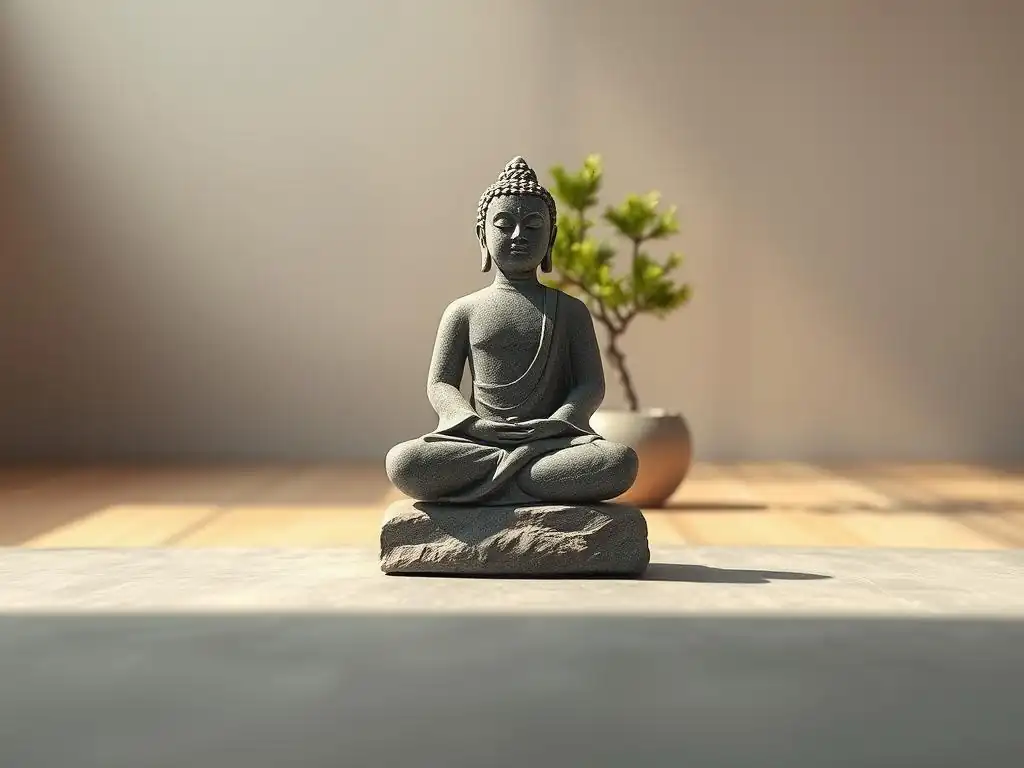
Making mindfulness and spiritual grounding a consistent part of your life doesn't require drastic changes. It's about finding simple, practical ways to weave these practices into your daily routine. Consistency is key, even if it's just for a few minutes each day.
Finding moments throughout the day to pause, breathe, and connect with yourself and your values can significantly impact your overall mental wellbeing and resilience. It's about cultivating habits that nourish your inner world amidst the demands of the external one.
Practical Tips for Incorporating Mindfulness into Your Routine
Incorporating mindfulness for mental wellbeing into your daily life can be as simple as dedicating a few minutes each day to formal practice or finding ways to be more present during everyday activities.
- Start Small: Begin with just 5-10 minutes of mindful breathing or focused attention meditation daily.
- Mindful Moments: Practice mindfulness during routine activities like showering, eating, or walking. Pay attention to the sensory details.
- Use Cues: Associate mindfulness with specific daily triggers, like your morning coffee or commuting time.
- Mindful Check-ins: Set reminders to pause briefly throughout the day to notice your breath, body, and current state of mind.
- Mindful Listening: When speaking with others, focus fully on what they are saying without planning your response.
Nurturing Spiritual Grounding Throughout the Day
Nurturing spiritual grounding also involves consistent, intentional actions that reinforce your connection to your values and purpose.
- Value Reflection: Take a moment each morning to remember one of your core values and consider how you can embody it throughout the day.
- Purpose Check-in: Ask yourself periodically, "Does what I'm doing right now align with my sense of purpose?"
- Gratitude Moments: Identify three things you are grateful for at the end of each day.
- Connect Meaningfully: Make time for genuine connection with loved ones, even if it's a brief conversation.
- Engage with Nature: Spend a few minutes outdoors, paying attention to the natural world around you.
Overcoming Challenges: Maintaining Mindfulness and Grounding Under Pressure
Maintaining mindfulness and spiritual grounding can be particularly challenging when you're under pressure or facing significant stress. This is precisely when these practices are most needed.
Recognize that lapses are normal. The goal isn't perfection, but consistent effort and self-compassion. If you forget to practice or feel completely overwhelmed, simply notice it without judgment and gently recommit when you can. Use your spiritual grounding as a reminder of why these practices matter – your values, your purpose, your commitment to your own mental wellbeing. Even a single mindful breath or a brief reflection on what truly matters can help you regain footing in a stressful moment.
Mindfulness and Spiritual Grounding: A Path to Personal Growth
Beyond building resilience, the combined practice of mindfulness and spiritual grounding serves as a powerful engine for personal growth. By fostering self-awareness and connecting us to our deeper selves and values, these practices facilitate a journey of continuous learning, adaptation, and becoming more fully who we are.
This path isn't always smooth, but it is rich with opportunities for insight and transformation. Embracing mindfulness for mental wellbeing alongside spiritual exploration allows for a deeper understanding of oneself and one's place in the world, leading to greater authenticity and fulfillment.
Mindfulness as a Tool for Self-Reflection and Awareness
Mindfulness is an invaluable tool for self-reflection. By cultivating non-judgmental awareness of our thoughts, emotions, and behaviors, we gain insight into our patterns, triggers, and inner workings. This increased self-awareness is the foundation for personal growth.
Through mindful observation, we can identify limiting beliefs, habitual reactions, and areas where we are out of alignment with our values. For instance, consistently noticing feelings of resentment after saying "yes" to every request might reveal a need to set better boundaries. This awareness, gained through mindful presence, is the first step towards making conscious choices for change and growth.
Spiritual Grounding and the Search for Meaning and Purpose
Spiritual grounding is intrinsically linked to the human search for meaning and purpose. By connecting with our core values and a sense of something larger, we clarify what truly matters to us and find direction in our lives. This search is a dynamic process that evolves over time.
Engaging in practices that foster spiritual grounding helps us navigate existential questions and find meaning even in suffering. Understanding our challenges within the context of our values or a larger narrative can provide comfort and motivation. For example, finding purpose in helping others can transform personal pain into a source of strength and connection.
Cultivating Inner Strength and Authenticity
The synergy of mindfulness and spiritual grounding cultivates deep inner strength and authenticity. Mindfulness helps us become aware of our true selves beneath layers of conditioning and expectation, while spiritual grounding provides the courage and conviction to live in alignment with that authentic self.
When you are grounded in your values and present in your life, you are less swayed by external pressures and more able to make choices that reflect who you truly are. This inner strength allows you to face challenges with integrity and live a life that is truly your own, fostering profound mental wellbeing and resilience.
Conclusion: Embracing Mindfulness and Spiritual Grounding for Lasting Resilience
Cultivating resilience is not just about bouncing back from difficult times; it's about building the inner strength and perspective to navigate life's inevitable challenges with grace and purpose. Mindfulness and spiritual grounding, when practiced together, offer a powerful and holistic approach to achieving this lasting resilience.
By integrating present-moment awareness with a connection to our core values and a sense of meaning, we equip ourselves with the essential inner resources needed to thrive. This journey is ongoing, requiring consistent practice and self-compassion, but the rewards – enhanced mental wellbeing, greater inner stability, and a life lived with deeper meaning – are immeasurable.
The Power of Inner Resources in Overcoming Adversity
The ability to tap into inner resources like mindfulness and spiritual grounding is a defining characteristic of resilient individuals. These practices provide a stable internal anchor when external circumstances are unstable. They empower us to respond to adversity from a place of strength and awareness, rather than being swept away by it.
Recognizing and cultivating these inner capacities shifts our focus from external fixes to internal empowerment. It's a recognition that while we cannot control all that happens to us, we can profoundly influence how we experience and respond to it. This internal locus of control is a cornerstone of enduring resilience.
Continuing the Journey of Mindfulness and Spiritual Growth
The cultivation of mindfulness and spiritual grounding is a lifelong journey. There is always more to learn, deeper levels of awareness to explore, and new ways to connect with our values and purpose. Embracing this journey with curiosity and commitment is key to sustained mental wellbeing.
Commit to regular practice, explore different techniques, and be open to how your understanding of mindfulness and spiritual grounding evolves over time. The consistent effort, even in small increments, builds momentum and deepens your capacity for resilience. This ongoing exploration is a path of continuous growth and self-discovery.
Resources for Further Exploration of Mindfulness and Spiritual Grounding
- Explore guided mindfulness meditations available through various platforms.
- Read books and articles on mindfulness, spiritual practices, and the intersection of psychology and spirituality.
- Consider joining a mindfulness-based program or a community group focused on shared values or spiritual connection.
- Engage in reflective practices like journaling or spending time in nature to deepen self-awareness and connection.
- Seek support from therapists or counselors who integrate mindfulness or spiritually-informed approaches into their practice for enhanced mindfulness for mental wellbeing.
Frequently Asked Questions
What exactly is mindfulness, and how does it relate to mental wellbeing?
Mindfulness is the practice of paying attention to the present moment without judgment. It directly benefits mental wellbeing by reducing stress and increasing self-awareness, promoting emotional regulation.
How can mindfulness practices contribute to improving my overall mental health?
Mindfulness techniques, like meditation, can help manage anxiety and depression by fostering a sense of calmness and focus. This allows individuals to better cope with challenging emotions and thoughts.
Can anyone practice mindfulness, or are there any prerequisites?
Absolutely! Mindfulness is accessible to everyone, regardless of age or background. There are no prerequisites other than a willingness to dedicate time to the practice.
How often should I practice mindfulness to see noticeable improvements in my mental well-being?
Consistency is key. Even short, daily sessions of mindfulness (e.g., 5-10 minutes) can lead to significant improvements in stress reduction and emotional stability over time.
What are some simple mindfulness exercises I can start with today?
Try focusing on your breath, paying attention to the sensations without trying to change anything. Another option is mindful walking, noticing the feeling of your feet on the ground. These are great starting points for developing mindfulness skills.
Final Reflection: Cultivating Inner Peace in a Frantic World
The pursuit of mindfulness for mental wellbeing is no longer a niche practice; it's a vital necessity in our increasingly frenetic world. The overwhelming pace of modern life, coupled with constant digital stimulation, leaves many feeling disconnected, anxious, and overwhelmed. This article has explored the core principles of mindfulness, highlighting its power to anchor us in the present moment and cultivate a deeper sense of self-awareness, ultimately leading to improved mental and emotional wellbeing.
The journey towards genuine spiritual presence, as explored throughout this piece, is a deeply personal one, profoundly impacting how we navigate challenges and appreciate life's simple joys. It's a continuous process of self-discovery, requiring consistent effort and self-compassion. As the Dalai Lama wisely stated, Peace is not merely the absence of war, but the presence of justice, compassion, and the active pursuit of harmony.
This quote perfectly encapsulates the essence of mindfulness – it's not just about escaping stress, but actively cultivating inner peace and extending that peace to the world around us.
Now, consider your own life. Where do you feel most disconnected? What practices could you integrate into your daily routine to foster greater presence and awareness? Perhaps it's a few minutes of mindful breathing each morning, a dedicated time for meditation, or simply paying closer attention to the sensations of your body throughout the day. Embrace the journey towards mindfulness; it's an investment in your wellbeing, a path towards a more fulfilling and meaningful life. Begin today, and watch as the transformative power of presence unfolds within you.
Unveil Your Inner Peace: Cultivate Mindfulness Today
Thanks for taking the time to explore the essence of mindfulness and spiritual presence with us. We hope you've gained valuable insights into finding inner peace and connecting with your true self. Now, let's turn those insights into action!
- Begin your daily mindfulness practice: Even 5 minutes a day can make a significant difference. Start with simple breathing exercises or guided meditations to build a foundation of calm. This is your key step to unlocking deeper peace and awareness.
- Share this article with someone who might benefit from exploring mindfulness. Let's cultivate a community of peace and awareness together!
- Try a surprising new approach: Spend 5 minutes in nature without your phone – simply observe and listen. You might be amazed by the tranquility you discover.
What simple mindfulness practice are you most excited to try today, and why?