
The Transformative Journey: Merging Mindfulness and Spirituality for Life


Welcome to Mind Care Guide, your sanctuary for cultivating inner peace and navigating the complexities of mental well-being.
Are you seeking a deeper connection to yourself and the world around you? In " The Transformative Journey: Merging Mindfulness and Spirituality for Life", we explore how integrating mindfulness and spirituality can unlock profound shifts in your mental wellbeing. Discover practical techniques and insightful perspectives that empower you to live a more grounded, meaningful, and fulfilling life. Intrigued? Let's begin this transformative journey together...
- Understanding the Interconnectedness of Mindfulness and Nature for Emotional Health
- How Nature Enhances Mindfulness Practice
- How Mindfulness Enriches the Experience of Nature
- Practical Techniques for Integrating Mindfulness and Nature
-
Benefits of Combining Mindfulness and Nature for Emotional Wellbeing
- Reduced Stress and Anxiety: Finding Calm and Peace in Nature
- Improved Mood and Emotional Regulation: Connecting with Positive Emotions
- Enhanced Focus and Concentration: Recharging the Mind in Nature
- Increased Creativity and Inspiration: Sparking New Ideas in Natural Environments
- Greater Sense of Connection and Belonging: Feeling Part of Something Larger
- Overcoming Challenges in Integrating Mindfulness and Nature
- Mindfulness & Nature Guide: Real-Life Applications and Practical Tips
- Resources for Further Exploration of Mindfulness and Nature
- Embracing the Journey: A Lifelong Path of Mindfulness and Nature for Emotional Health
-
Frequently Asked Questions
- What is the core connection between mindfulness and spirituality as discussed in the Mind Care Guide article?
- How does the Mind Care Guide article suggest integrating mindfulness and spirituality into daily life?
- According to the Mind Care Guide article, what are the potential benefits of merging mindfulness and spirituality for mental well-being?
- Does the Mind Care Guide article address any challenges or potential pitfalls in combining mindfulness and spirituality?
- How does the Mind Care Guide article relate to the broader theme of "Mindfulness spirituality mental wellbeing guide"?
- Final Reflection: Weaving Mindfulness and Spirituality into the Tapestry of Wellbeing
- Unlock Your Inner Peace: Start Your Mindfulness Journey Today!
Understanding the Interconnectedness of Mindfulness and Nature for Emotional Health
Defining Mindfulness: Paying Attention to the Present Moment
Mindfulness is the practice of intentionally bringing one's attention to the present moment without judgment. It involves observing thoughts, feelings, bodily sensations, and the surrounding environment with acceptance and curiosity. This practice, central to many forms of meditation and contemplative traditions, is not about emptying the mind but rather about developing a non-reactive awareness of what is happening right now.
Regular mindfulness practice has been shown to alter brain structure and function, particularly in areas associated with attention, self-awareness, and emotional regulation. For instance, studies using fMRI have indicated increased grey matter density in areas like the hippocampus, linked to learning and memory, and decreased density in the amygdala, associated with fear and stress.
Developing this present-moment awareness is a foundational skill for enhancing emotional wellbeing and navigating the complexities of modern life. By training the mind to focus on the 'here and now,' individuals can reduce rumination on the past or worry about the future, two common sources of psychological distress.
This cultivation of presence allows for a clearer perception of one's internal state and external circumstances, enabling more considered responses rather than automatic reactions. A mindfulness guide often emphasizes starting with short, simple practices, like focusing on the breath for just a few minutes daily, gradually building the capacity for sustained attention and non-judgmental observation, which is vital for a comprehensive approach to mental wellbeing.
Exploring Nature: Finding Solace and Connection in the Natural World
Nature encompasses all elements of the natural environment, from vast forests and oceans to local parks, gardens, and even a single potted plant. Spending time in these natural settings offers a unique form of respite from urban stressors and digital overload. It provides a backdrop of complex sensory input – the rustling of leaves, the scent of damp earth, the intricate patterns of bark – that engages the mind in a different way than the focused, often demanding attention required by technology and daily tasks.
This shift in focus, sometimes referred to as "soft fascination," allows the mind to rest and recover, contributing significantly to psychological restoration. Research indicates that even brief exposure to nature can lower heart rate and blood pressure, measurable physiological responses to stress reduction.
The connection with the natural world also taps into a deeper sense of belonging and perspective. In nature, humans are part of a larger ecosystem, subject to natural cycles and rhythms that can offer a sense of stability and continuity. This connection, often termed biophilia, the innate human tendency to connect with nature, suggests that our relationship with the natural world is fundamental to our health and happiness.
Exploring nature, whether through a strenuous hike or a gentle sit beneath a tree, provides opportunities for introspection, reflection, and a recalibration of priorities, supporting overall mental wellbeing. It's a powerful, accessible resource often overlooked in the search for improved emotional health.
The Symbiotic Relationship: Enhancing Wellbeing Through Mindfulness and Nature
The integration of mindfulness and nature creates a powerful synergy, where each practice enhances the benefits of the other. Applying mindful awareness while in nature deepens the sensory experience, allowing for a richer, more profound connection with the environment. Conversely, the inherent qualities of nature – its calming presence, diverse stimuli, and sense of vastness – provide an ideal setting for cultivating mindfulness.
This combined approach offers a potent pathway for improving mental wellbeing, particularly for those navigating stress, anxiety, or simply seeking a greater sense of peace and presence in their lives. The deliberate act of being present in a natural setting amplifies the restorative effects of both.
Numerous studies support the combined benefits. For instance, research has shown that mindful walks in nature can significantly reduce symptoms of depression and anxiety compared to mindful walks in urban environments or non-mindful walks in nature. A meta-analysis of studies found that nature exposure leads to lower levels of the stress hormone cortisol and improvements in mood. When combined with mindfulness, this effect is often amplified, creating a potent mindfulness mental wellbeing guide rooted in experiential practice. This symbiotic relationship offers a holistic approach to mental health, leveraging the inherent healing power of both internal awareness and external environment.
How Nature Enhances Mindfulness Practice
Calming the Mind Through Sensory Immersion in Nature
Nature provides a rich tapestry of sensory experiences that can effortlessly draw the mind into the present moment, a core aim of mindfulness practice. The gentle sound of flowing water, the intricate details of a leaf, the scent of pine needles, or the feeling of cool air on the skin all serve as anchors for attention.
Unlike the often-distracting or overwhelming stimuli of urban environments, natural sensory input tends to be more diffuse and less demanding, facilitating a state of relaxed alertness. This immersion helps quiet the incessant internal chatter that can make formal mindfulness meditation challenging, making it easier to settle the mind and focus on sensory input rather than getting lost in thoughts.
For someone new to mindfulness, sitting by a lake or walking through a forest and simply focusing on what they see, hear, and feel can be a more accessible entry point than trying to quiet their mind in a silent room. This natural sensory engagement provides a gentle yet powerful way to practice present-moment awareness.
Studies have documented changes in brain activity, such as increased alpha waves associated with a relaxed, yet alert state, during time spent in nature. This suggests that the very environment supports the neurological state conducive to mindfulness, making nature a natural ally in cultivating a calmer, more focused mind.
Fostering a Sense of Awe and Perspective in Natural Environments
Encountering the grandeur of nature – gazing at a starry sky, standing at the edge of a vast canyon, or witnessing the power of a storm – can evoke a sense of awe. Awe is an emotion often triggered by something perceived as vast and requiring mental accommodation, leading to a feeling of being small in comparison.
This feeling of smallness can have a profound effect on perspective, shifting focus away from self-centered concerns and towards a greater appreciation for the world around us. This expanded perspective is highly conducive to mindfulness, which encourages non-judgmental observation and acceptance of reality as it is.
Experiencing awe in nature can interrupt habitual thought patterns and ego-driven preoccupations, promoting a more humble and interconnected view of existence. Research on awe has shown it can reduce feelings of entitlement and increase prosocial behaviors. For mental wellbeing, this shift in perspective can alleviate stress by diminishing the perceived importance of minor daily annoyances and fostering a greater sense of connection to something larger than oneself. Integrating moments of awe into a mindfulness guide can provide a powerful tool for enhancing both presence and psychological resilience.
Grounding and Centering Through Connection with the Earth
Physical connection with the Earth, often referred to as "grounding" or "earthing," involves direct contact with the planet's surface, such as walking barefoot on grass or soil, or simply touching a tree. While the scientific mechanisms are still being explored, proponents suggest that the Earth's surface possesses a subtle electrical charge that can influence physiological processes.
Regardless of the specific biophysical effects, the act of physically connecting with the ground provides a tangible anchor to the present moment and the physical reality of being alive. This connection can be deeply centering, helping to dissipate feelings of being scattered or overwhelmed.
Mindfulness practices often use the body as an anchor for attention. Connecting with the Earth provides a robust and immediate bodily sensation – the coolness of the soil, the texture of the grass, the firmness of the ground beneath one's feet. This physical contact naturally draws awareness into the body and its connection to the physical world, facilitating a sense of stability and rootedness.
Incorporating grounding techniques into a mindfulness mental wellbeing guide focused on nature can enhance feelings of security and presence, reducing anxiety and promoting a sense of calm stability. Even simply sitting on the grass or leaning against a tree can provide this grounding effect.
How Mindfulness Enriches the Experience of Nature
Deepening Appreciation for the Beauty and Complexity of the Natural World
Mindfulness trains the mind to pay close attention to details, often overlooked in our busy, goal-oriented lives. When applied to nature, this practice unlocks a deeper appreciation for the intricate beauty and complexity present in even the most ordinary natural scenes. Instead of simply seeing a "tree," mindful observation allows one to notice the texture of the bark, the specific patterns of the leaves, the insects crawling on a branch, or the way sunlight filters through the canopy. This heightened awareness transforms a casual glance into a rich, multi-sensory experience, revealing the extraordinary within the seemingly ordinary.
This deeper appreciation is not just aesthetic; it fosters a sense of wonder and respect for the natural world. By slowing down and truly seeing what is present, individuals can develop a more intimate relationship with their environment. This mindful engagement enhances the restorative power of nature exposure.
Studies suggest that actively noticing details in nature is correlated with increased positive emotions and reduced stress. A mindfulness guide for nature walks often encourages participants to pause and observe specific elements, like the veins on a leaf or the movement of a bird, to cultivate this deeper level of appreciation, enriching the overall experience and contributing to mental wellbeing.
Reducing Anxiety and Promoting Relaxation in Nature
Nature is widely recognized for its ability to reduce stress and anxiety, and mindfulness significantly enhances this effect. When experiencing nature mindfully, individuals are less likely to be distracted by anxious thoughts or worries. The focus on present-moment sensory input – the calming sounds, the soothing visuals, the fresh air – naturally redirects the mind away from internal stressors and towards the external environment. This combination creates a powerful antidote to the rumination that often fuels anxiety. The natural environment provides the calm setting, while mindfulness provides the mental tool to fully absorb that calm.
For someone prone to anxiety, a mindful walk in a park or sitting quietly by a stream can be a therapeutic practice. By intentionally focusing on the sensations of walking, the sounds of nature, or the feeling of the breeze, they interrupt the cycle of anxious thoughts. Research indicates that mindful engagement with nature can lead to greater reductions in cortisol levels and self-reported anxiety than passive exposure. This makes the combined practice a valuable component of any mental wellbeing guide, offering a practical and accessible way to find peace and reduce anxiety in everyday life.
Cultivating a Sense of Interconnectedness with All Living Things
Mindfulness often encourages a broader perspective, moving beyond the individual self to recognize one's place within a larger context. When practiced in nature, this perspective naturally expands to include the interconnected web of life. Observing how different plants and animals interact, how ecosystems function, and how everything is part of a continuous cycle can foster a profound sense of connection not just to nature, but to all living beings, including other humans. This realization can combat feelings of isolation and promote empathy and compassion.
Understanding one's place within this vast, interconnected system can provide comfort and meaning. It shifts the focus from individual problems to a sense of shared existence and mutual reliance. This cultivated sense of interconnectedness is a powerful contributor to mental wellbeing, fostering feelings of belonging and reducing the burden of perceived separation. A mindfulness guide that incorporates nature often highlights this aspect, encouraging reflection on the interdependence of all things, thereby enriching the spiritual dimension of the experience and contributing to a holistic sense of wellbeing.
Practical Techniques for Integrating Mindfulness and Nature

Mindful Walking in Natural Settings: Paying Attention to Each Step
Mindful walking involves bringing conscious awareness to the physical sensations of walking and the surrounding environment. In a natural setting, this practice becomes particularly rich. Instead of rushing through a trail to reach a destination, the focus shifts to the journey itself. Pay attention to the feeling of your feet touching the ground, the movement of your legs, and the rhythm of your breath. Simultaneously, open your senses to the natural world around you – the sounds of birds or wind, the scent of trees or flowers, the sights of changing light or textures.
This technique grounds you firmly in the present moment, using both internal bodily sensations and external environmental stimuli as anchors. It transforms a simple walk into a moving meditation, reducing stress and enhancing appreciation for both your body and the natural world. A simple practice could involve dedicating the first five minutes of any nature walk to silent, mindful awareness of steps and surroundings before allowing for more casual conversation or activity. Studies suggest that even 20 minutes of mindful walking in nature can significantly improve mood and cognitive function.
Nature Meditation: Focusing on the Sounds, Sights, and Sensations of Nature
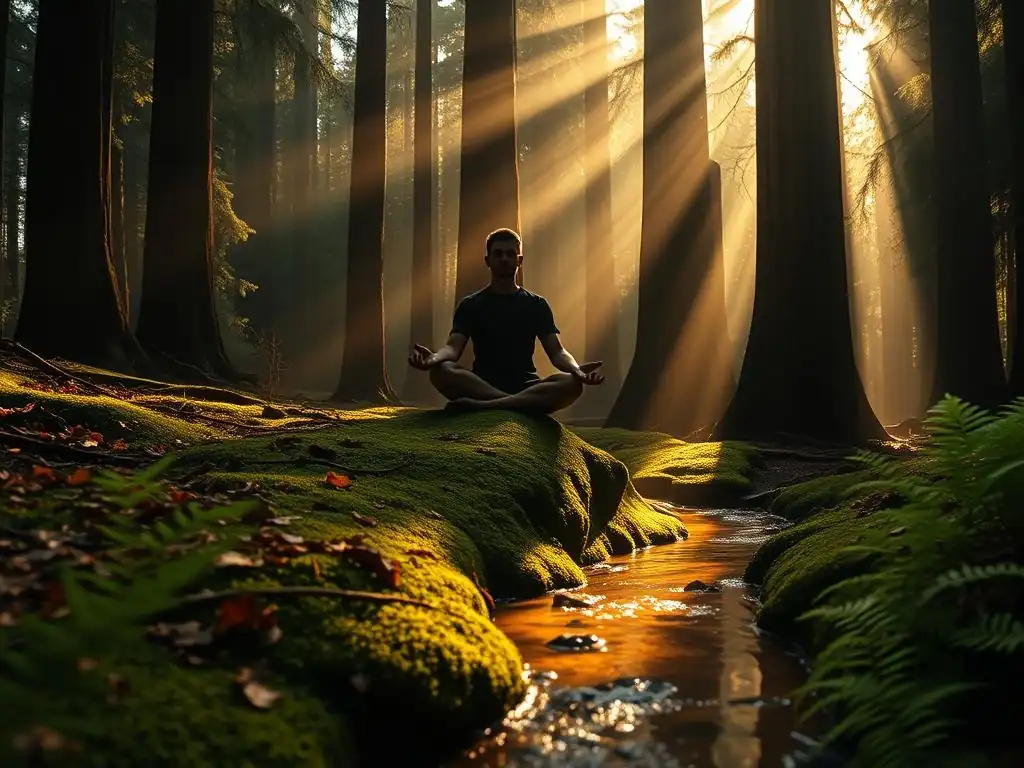
Nature meditation involves finding a comfortable spot in a natural setting – sitting under a tree, by a body of water, or on a park bench – and using the natural environment as the primary object of focus. Instead of solely concentrating on the breath, the meditator directs their attention to the sensory input from nature. This could involve focusing on the symphony of sounds, observing the subtle movements of leaves or water, noticing the play of light and shadow, or feeling the temperature and texture of the air or ground.
This practice allows the calming qualities of nature to permeate the meditation experience. The varied yet non-demanding stimuli provide gentle anchors for the wandering mind. If the mind gets distracted by thoughts, the practice is simply to notice the thought without judgment and gently return attention to the sounds of the birds, the feeling of the breeze, or whatever natural element was chosen as the focus.
This type of meditation can be deeply restorative, providing a sense of peace and connection. Even a short 10-15 minute session can significantly reduce stress levels, offering a powerful component for a mindfulness mental wellbeing guide.
Forest Bathing (Shinrin-Yoku): Immersing Yourself in the Forest Atmosphere
Forest bathing, or Shinrin-yoku, is a Japanese practice that translates literally to "taking in the forest atmosphere." It is not about hiking or exercise but about mindfully immersing oneself in the sights, sounds, smells, and feel of the forest. It involves slow, deliberate movement or simply sitting quietly, opening the senses to the forest environment. This practice is rooted in the understanding that spending time in forests can have significant health benefits, both physical and psychological. It is about connecting with nature on a deeper level, allowing the forest to enter your being.
Research on forest bathing has demonstrated remarkable effects, including lowered blood pressure, reduced levels of stress hormones like cortisol, improved immune function (linked to inhaling phytoncides, airborne chemicals emitted by trees), and enhanced mood. A typical forest bathing session might last from one to several hours and involve a series of invitations to engage the senses mindfully – perhaps pausing to notice the scent of the earth, observing the light filtering through the leaves, or feeling the texture of moss. This practice is a profound way to integrate mindfulness and nature for holistic wellbeing.
Mindful Gardening: Connecting with the Earth and Growing Food
Mindful gardening is a practice that combines the physical activity of gardening with present-moment awareness. It involves engaging all the senses while working with plants and soil – feeling the texture of the earth, smelling the damp soil or fragrant flowers, observing the intricate details of seedlings or insects, and listening to the sounds of nature in the garden. The repetitive tasks of planting, weeding, and watering can become meditative, providing a focus for attention that helps quiet the mind.
Gardening offers a tangible connection to the cycles of nature – growth, decay, and renewal. Tending to living things fosters a sense of responsibility and connection to the Earth. It provides a sense of accomplishment and purpose, particularly when growing food.
Mindful gardening has been shown to reduce stress, improve mood, and even alleviate symptoms of depression. A study in the Journal of Public Health found that community gardening was associated with improved mental health outcomes. This practice provides a hands-on way to integrate mindfulness, nature, and the rewarding experience of nurturing life, offering a practical pathway towards enhanced mental wellbeing.
Benefits of Combining Mindfulness and Nature for Emotional Wellbeing
Reduced Stress and Anxiety: Finding Calm and Peace in Nature
The combination of mindfulness and nature is a powerful stress-reduction tool. Nature itself has inherent calming qualities, providing a respite from the noise and demands of daily life. When approached mindfully, the individual is better able to fully absorb and benefit from this calm. By focusing on sensory input from the natural world, the mind is diverted from stressful thoughts and worries. This present-moment focus in a tranquil environment helps to lower physiological stress responses, such as elevated heart rate and cortisol levels.
Studies consistently show that spending time in nature reduces self-reported stress and anxiety. For example, a study published in Environmental Health Perspectives found that urban dwellers who spent just 30 minutes a week in parks had lower rates of depression and high blood pressure.
When mindfulness is added, this effect is amplified, as the practice helps individuals to consciously let go of stress and fully immerse themselves in the restorative qualities of the environment. This integrated approach offers a potent strategy for cultivating inner peace and resilience in the face of life's challenges, serving as a key component of a comprehensive mental wellbeing guide.
Improved Mood and Emotional Regulation: Connecting with Positive Emotions
Engaging mindfully with nature can significantly lift mood and enhance the ability to regulate emotions. Nature environments tend to elicit positive emotions such as awe, wonder, joy, and tranquility. By paying mindful attention to these feelings and the natural stimuli that evoke them, individuals can deepen their experience of positive affect. Furthermore, the shift in perspective often gained in nature, coupled with the non-judgmental awareness cultivated through mindfulness, can help individuals relate differently to difficult emotions, observing them without being overwhelmed.
Research from Stanford University found that a 90-minute walk in a natural environment decreased rumination (repetitive negative thoughts) compared to a walk in an urban setting, and showed reduced neural activity in a brain region linked to risk for mental illness. This suggests that nature not only boosts positive mood but also helps to interrupt negative emotional cycles. The combination of nature's uplifting qualities and mindfulness's capacity for emotional processing creates a powerful synergy for improving overall mood and emotional resilience, contributing significantly to a positive mindfulness mental wellbeing guide.
Enhanced Focus and Concentration: Recharging the Mind in Nature
Our modern lives often demand sustained, directed attention, which can lead to mental fatigue and difficulty concentrating. Nature environments, particularly those with "soft fascination" like flowing water or rustling leaves, provide a different kind of cognitive engagement that allows the directed attention system to rest and recover. This is part of Attention Restoration Theory (ART), which posits that exposure to nature can restore our ability to focus. Mindfulness enhances this by training the mind to be more present and less prone to distraction.
When practicing mindfulness in nature, the gentle yet engaging stimuli help anchor attention without demanding intense cognitive effort. This allows the mind to settle and recharge. Studies have shown improvements in cognitive tasks, including memory and attention, after spending time in nature. For example, a study published in Psychological Science demonstrated that walks in nature boosted working memory performance by 20%. Combining this restorative environment with the focused awareness of mindfulness creates an ideal condition for enhancing concentration and cognitive function, making it a valuable technique for anyone seeking to improve mental clarity and focus.
Increased Creativity and Inspiration: Sparking New Ideas in Natural Environments
Nature has long been a source of inspiration for artists, writers, and thinkers across cultures. The combination of a relaxed state of mind fostered by nature and the open, receptive awareness cultivated by mindfulness creates fertile ground for creativity and new ideas. When the mind is less cluttered with stress and distractions, there is more space for novel thoughts and insights to emerge. The diverse patterns, textures, and processes observed in nature can also serve as direct inspiration.
Research suggests that spending time in nature, especially unplugged from technology, can significantly boost creative problem-solving. A study by Ruth Ann Atchley and colleagues found that four days of immersion in nature, away from electronic devices, increased performance on a creative problem-solving test by 50%. Mindfulness enhances this by promoting a state of open awareness that is receptive to new information and connections.
By mindfully observing the natural world, individuals can tap into a wellspring of inspiration, sparking creativity and fostering a more innovative mindset. This makes integrating mindfulness and nature a valuable practice for enhancing mental agility and creativity.
Greater Sense of Connection and Belonging: Feeling Part of Something Larger
Spending mindful time in nature can foster a profound sense of connection – connection to the Earth, to other living beings, and to the larger cycles of life. Mindfulness helps one to be fully present with this connection, moving beyond intellectual understanding to a felt sense of belonging. Witnessing the interdependence of ecosystems, the resilience of nature, and the shared experience of being alive on this planet can alleviate feelings of isolation and promote a sense of being part of a vast, interconnected web.
This feeling of belonging is fundamental to human wellbeing. In an increasingly fragmented world, connecting with nature mindfully provides a powerful antidote to loneliness and alienation. It fosters a sense of responsibility and care for the environment, which can also contribute to a greater sense of purpose.
This cultivated sense of interconnectedness, often seen as a spiritual dimension of nature connection, significantly contributes to mental wellbeing by providing a foundation of belonging and shared existence. It is a vital aspect of a holistic mindfulness spirituality mental wellbeing guide, recognizing the inherent value of feeling connected to something greater than oneself.
Overcoming Challenges in Integrating Mindfulness and Nature
Finding Time and Access to Natural Environments: Prioritizing Nature
One of the most common challenges in integrating mindfulness and nature is simply finding the time and having access to suitable natural environments, especially for those living in urban areas. Busy schedules, work commitments, and limited access to parks or green spaces can make regular nature engagement seem difficult. However, even small doses of nature can be beneficial.
- Strategies:
- Prioritize: Schedule nature time like any other important appointment. Even 15-20 minutes in a local park or garden during a lunch break can be restorative.
- Seek out local resources: Use online maps or local guides to find nearby parks, trails, or green spaces you might not know about.
- Bring nature indoors: If outdoor access is limited, bring plants into your home or office, or spend time near a window with a view of trees. Mindfully caring for a plant can be a mini-nature practice.
- Combine activities: Integrate mindful nature time into existing routines, like walking the dog in a park instead of on sidewalks, or having a mindful picnic lunch outdoors.
Making a conscious effort to prioritize nature, even in small ways, is key to overcoming this challenge. It requires recognizing the value of this practice for mental wellbeing and actively seeking out opportunities to connect with the natural world.
Dealing with Weather and Environmental Conditions: Adapting to the Outdoors
Nature is subject to changing weather and environmental conditions, which can sometimes make spending time outdoors uncomfortable or challenging. Rain, cold, heat, insects, or muddy trails can all pose obstacles to a pleasant experience.
- Strategies:
- Be prepared: Check the weather forecast and dress appropriately. Layers are essential for changing temperatures. Waterproof gear can make rainy days enjoyable.
- Embrace different conditions: Each season and type of weather offers a unique sensory experience. Mindfully observing the subtle beauty of rain or the quiet stillness of snow can be deeply rewarding.
- Find alternative locations: On days with extreme weather, seek out sheltered natural areas like covered porches overlooking gardens, botanical conservatories, or even nature documentaries viewed mindfully.
- Adapt your practice: On a very cold day, a short, brisk mindful walk might be more appropriate than a long seated meditation. On a hot day, seek shade or spend time near water.
Adapting your expectations and preparations to the realities of nature allows for consistent practice regardless of external conditions. It encourages flexibility and resilience, both valuable aspects of mental wellbeing.
Managing Distractions and Internal Chatter: Staying Present in Nature
Even in the tranquil setting of nature, the mind can easily become distracted by internal chatter – planning, worrying, or replaying conversations. External distractions, though different from urban ones, can also arise – noisy groups, barking dogs, or passing vehicles near urban parks. Staying present requires conscious effort, just as it does in any mindfulness practice.
- Strategies:
- Acknowledge and redirect: When you notice your mind wandering, simply acknowledge the thought or distraction without judgment. Then, gently guide your attention back to your chosen anchor, whether it's your breath, the sounds of nature, or the sensation of walking.
- Use sensory anchors: Actively engage your senses. Focus intensely on the sound of a bird, the intricate pattern of a leaf, or the feeling of the ground beneath you. These concrete anchors can help pull your awareness back to the present moment.
- Start small: Begin with short periods of mindful nature connection (5-10 minutes) and gradually increase the duration as your ability to stay present grows.
- Choose quieter times/locations: If possible, visit natural areas during less crowded times or seek out more secluded spots within a park.
Consistent practice is key. The more you practice bringing your attention back to the present moment in nature, the stronger this mental muscle becomes, making it easier to manage distractions and deepen your connection with the environment and yourself.
Mindfulness & Nature Guide: Real-Life Applications and Practical Tips
[Mindfulness & Nature Guide: Overcoming Burnout Through Nature Connection]
Burnout is a state of emotional, physical, and mental exhaustion caused by prolonged stress. Integrating mindfulness and nature offers a powerful antidote. Consider the case of Alex, a project manager experiencing chronic fatigue and cynicism.
Following this mindfulness mental wellbeing guide, Alex started taking a 30-minute mindful walk in a nearby park during lunch breaks, 3-4 times a week. Instead of scrolling through emails or planning the afternoon, Alex focused entirely on the walk – noticing the feeling of the pavement turning to grass, the scent of the flowers in bloom, the sounds of birdsong, and the sensation of the breeze.
After just a few weeks, Alex reported feeling more refreshed and less overwhelmed upon returning to work. The mindful breaks helped interrupt the cycle of stress and provided genuine mental rest. Over several months, Alex found that the practice not only reduced feelings of exhaustion but also increased feelings of optimism and engagement. This real-life application demonstrates how consistent, mindful engagement with nature, even in short bursts, can be a vital strategy for recovering from and preventing burnout, effectively serving as a personal mindfulness guide for navigating high-stress periods.
[Mindfulness & Nature Guide: Managing Anxiety Through Mindful Breathing Outdoors]
Anxiety often manifests as racing thoughts and physical tension. Practicing mindful breathing in nature can be incredibly calming. Imagine Maria, who struggles with social anxiety that makes crowded indoor spaces difficult.
Maria found solace in spending time outdoors, but her mind would still often race. Following advice from a mindfulness mental wellbeing guide, she began combining her time in nature with conscious breathing exercises. She would sit on a park bench or by a tree and focus solely on the sensation of her breath entering and leaving her body, while simultaneously noticing the natural environment around her – the gentle sway of branches, the distant sounds of nature, the feeling of the air on her skin.
By anchoring her attention to both her breath and the natural surroundings, Maria found it easier to interrupt anxious thought loops. The calming presence of nature seemed to amplify the soothing effect of the breathing exercises. Over time, she noticed a significant reduction in the frequency and intensity of her anxious feelings, particularly after spending time outdoors mindfully breathing. This highlights how simple, combined techniques can provide effective relief for anxiety, offering a practical strategy within a comprehensive mindfulness guide.
[Mindfulness & Nature Guide: Enhancing Creativity Through Forest Bathing]
Creativity can feel blocked when the mind is stressed or fatigued. Immersing oneself mindfully in a forest environment, a practice known as Forest Bathing or Shinrin-yoku, can help unlock creative potential. Consider the example of David, a writer facing writer's block.
Feeling mentally drained, David decided to try a guided forest bathing session in a nearby nature reserve, following principles outlined in a mindfulness guide. The session involved walking slowly, pausing frequently to engage senses – touching the bark of trees, observing the intricate patterns of moss, listening to the subtle sounds of the forest floor, and simply breathing deeply the forest air.
During the session, David wasn't actively trying to think about writing, but rather allowing his mind to rest and receive sensory input. Afterwards, he felt a sense of clarity and spaciousness in his mind. New ideas and connections that had previously felt elusive began to surface effortlessly. This experience is consistent with research suggesting that nature exposure enhances creative problem-solving. For David, integrating mindful forest immersion became a regular practice to refresh his mind and stimulate creativity, demonstrating the practical benefits of combining mindfulness and nature for cognitive enhancement.
Resources for Further Exploration of Mindfulness and Nature
Books on Mindfulness, Nature, and Wellbeing
For those wishing to delve deeper into the intersection of mindfulness and nature for enhanced mental wellbeing, numerous insightful books are available. These resources offer theoretical background, scientific evidence, and practical exercises. Some popular titles include books by authors like Jon Kabat-Zinn (foundational mindfulness), Richard Louv (on the importance of nature connection, particularly for children, in "Last Child in the Woods"), Florence Williams (exploring the science of nature's impact in "The Nature Fix"), and numerous specific mindfulness guides that incorporate outdoor practices.
These books can provide a structured way to learn more about the science behind the benefits, explore historical and cultural perspectives on human-nature relationships, and discover a wide range of techniques for integrating mindfulness into outdoor experiences. They serve as valuable companions on the journey towards improved mental wellbeing through nature connection. Reading offers a way to deepen understanding and find inspiration for personal practice, complementing experiential learning with knowledge.
Guided Nature Meditations and Apps
For those seeking guidance in combining mindfulness with nature experiences, a growing number of resources offer guided meditations specifically designed for outdoor settings. These can be particularly helpful for beginners or anyone who finds it challenging to self-guide their practice. Many mindfulness and meditation apps now include sections or specific guided sessions for mindful walking, nature observation, or forest bathing.
These guided resources typically prompt the listener to focus on specific sensory details of the natural environment, gently bringing attention back whenever the mind wanders. They can make the practice more accessible and enjoyable, providing structure and support. Searching for "guided nature meditation" or "mindful walking guide" within popular meditation apps or online platforms can yield a variety of options to suit different preferences and available natural spaces. These tools provide convenient, portable support for cultivating a mindfulness mental wellbeing guide on the go.
Local Parks, Trails, and Nature Centers
The most accessible resource for integrating mindfulness and nature is often found right in your local community. Exploring local parks, nature trails, botanical gardens, or nature centers provides direct access to natural environments. These locations offer varying degrees of wildness, from manicured gardens to more rugged trails, catering to different preferences and physical abilities.
Visiting local nature centers can also offer educational opportunities about local flora and fauna, deepening appreciation for the specific ecosystem you are engaging with. Many parks and centers also host guided walks, nature programs, or even mindfulness workshops that take place outdoors. Utilizing these local resources regularly is a practical way to make mindful nature connection a consistent part of your routine. They are fundamental components of any practical mindfulness guide focused on leveraging the power of the natural world for enhanced mental wellbeing.
Embracing the Journey: A Lifelong Path of Mindfulness and Nature for Emotional Health
Establishing a Regular Practice: Making Time for Nature and Mindfulness
Cultivating resilience and enhancing emotional health through mindfulness and nature is a journey, not a destination. The key to experiencing lasting benefits is establishing a regular practice. This doesn't necessarily mean hours spent in the wilderness every day, but rather finding consistent ways to weave mindful connection with nature into your life. Even short, frequent engagements are more beneficial than occasional long ones.
- Practical Steps:
- Start small: Commit to 10-15 minutes of mindful time outdoors daily or several times a week. This could be a mindful walk around the block noticing trees and sky, or sitting by a window with plants.
- Schedule it: Put 'Nature Time' on your calendar. Treat it as a non-negotiable appointment for your wellbeing.
- Integrate into routine: Walk or bike to work if possible, eat lunch outdoors, or spend your coffee break in a nearby green space.
- Track your progress: Notice how you feel before and after your nature time. Journaling about the experience can reinforce the benefits and motivate consistency.
Consistency builds momentum and solidifies the habit, making mindful nature connection a natural and integral part of your lifestyle, a cornerstone of a personal mindfulness mental wellbeing guide.
While mindfulness and nature connection can be deeply personal practices, sharing the experience with others can add another layer of benefit. Engaging in mindful walks, nature meditation, or gardening with friends, family, or a community group can foster social connection, which is also vital for mental wellbeing. Sharing observations, feelings, and the simple joy of being in nature together can deepen relationships and create shared positive experiences.
Organizing group mindful walks, participating in community garden projects, or simply going for a walk in the park with a friend with the intention of being more present can enhance the experience for everyone involved. Sharing the journey can provide support, motivation, and a sense of shared purpose. It transforms the practice from a solitary activity into a communal one, enriching the mindfulness spirituality mental wellbeing guide by incorporating the important dimension of social connection within the context of nature.
Reflecting on the Benefits: Appreciating the Impact on Wellbeing
Taking time to reflect on the positive impact that integrating mindfulness and nature has on your emotional health is crucial for maintaining motivation and deepening the practice. Regularly pausing to notice how you feel after spending mindful time outdoors reinforces the value of the practice and makes it more likely that you will continue.
- Reflection Methods:
- Journaling: Write down your observations, feelings, and any shifts in mood or perspective after spending time in nature mindfully.
- Mental Check-in: Before and after your practice, take a moment to notice your stress level, mood, and energy level.
- Share with others: Talk about your experiences and the benefits you've noticed with trusted friends or family.
Acknowledging and appreciating the benefits, such as reduced stress, improved mood, or increased clarity, solidifies the practice as a valuable tool for your mental wellbeing. This ongoing process of engagement and reflection ensures that the journey of integrating mindfulness and nature remains a vibrant and rewarding path towards cultivating lasting emotional health and resilience.
Frequently Asked Questions
What is the core connection between mindfulness and spirituality as discussed in the Mind Care Guide article?
The article highlights that both mindfulness and spirituality emphasize present moment awareness and a deeper connection to something larger than oneself. This shared focus fosters inner peace and well-being.
How does the Mind Care Guide article suggest integrating mindfulness and spirituality into daily life?
The article suggests incorporating practices like mindful meditation, spiritual reflection, and connecting with nature to cultivate both mindfulness and spirituality throughout the day.
According to the Mind Care Guide article, what are the potential benefits of merging mindfulness and spirituality for mental well-being?
Merging these practices can lead to reduced stress, increased self-awareness, and a greater sense of purpose and meaning in life, positively impacting mental well-being.
Does the Mind Care Guide article address any challenges or potential pitfalls in combining mindfulness and spirituality?
While generally positive, the article might caution against spiritual bypassing (using spirituality to avoid addressing difficult emotions) and emphasizes the importance of grounded mindfulness practice to avoid getting lost in abstract concepts.
How does the Mind Care Guide article relate to the broader theme of "Mindfulness spirituality mental wellbeing guide"?
The article directly aligns with this theme by providing a practical guide on integrating mindfulness and spirituality as pathways to enhanced mental wellbeing, offering information and resources for readers seeking this connection.
Final Reflection: Weaving Mindfulness and Spirituality into the Tapestry of Wellbeing
The interwoven practices of mindfulness and spirituality offer a potent antidote to the anxieties of modern life, a pathway to a deeper, more meaningful existence. This isn't just a fleeting trend; it's a fundamental shift in how we understand and approach our mental and emotional wellbeing, a recognition that true peace comes not from external achievements, but from cultivating inner harmony.
The exploration of mindfulness and spirituality has profoundly impacted my own life, fostering a resilience I never knew I possessed. It's a journey of self-discovery, a constant unfolding of understanding, and a testament to the power of inner work. As the Dalai Lama so eloquently stated, The purpose of our lives is to be happy.
This simple truth, often overlooked in the relentless pursuit of external validation, becomes profoundly clear when we integrate mindfulness and spiritual practices into our daily lives. The journey is not about reaching a destination, but about embracing the process of growth and self-acceptance along the way.
Now, I invite you to consider how you can weave these practices into your own life. Begin with small, manageable steps – a few minutes of mindful breathing each day, a moment of quiet reflection before sleep, or engaging in an activity that connects you to something larger than yourself. This is not about perfection, but about intention. Embrace the journey, allow yourself to grow, and discover the transformative power of mindfulness and spirituality in cultivating a life of lasting wellbeing.
Unlock Your Inner Peace: Start Your Mindfulness Journey Today!
Thanks for taking the time to explore the powerful connection between mindfulness and spirituality! We hope you gained valuable insights into how to cultivate inner peace and a deeper sense of self. Now it’s time to put these learnings into practice.
Here are a few ways to continue your transformative journey:
- Begin a daily mindfulness practice: Even 5 minutes a day can make a profound difference. Try focusing on your breath, body sensations, or surrounding sounds. This is your primary step toward lasting change.
- Share your experience: Discuss your journey with a friend, family member, or online community. Sharing your insights can deepen your understanding and inspire others.
- Explore guided meditations: Experiment with different meditation styles and techniques to discover what resonates most with you. Try focusing on different aspects of your being, like gratitude or compassion.
What simple step will you take today to nurture your mind, body, and spirit?