
Finding Sacred Space: Mindfulness in Spiritual Practice

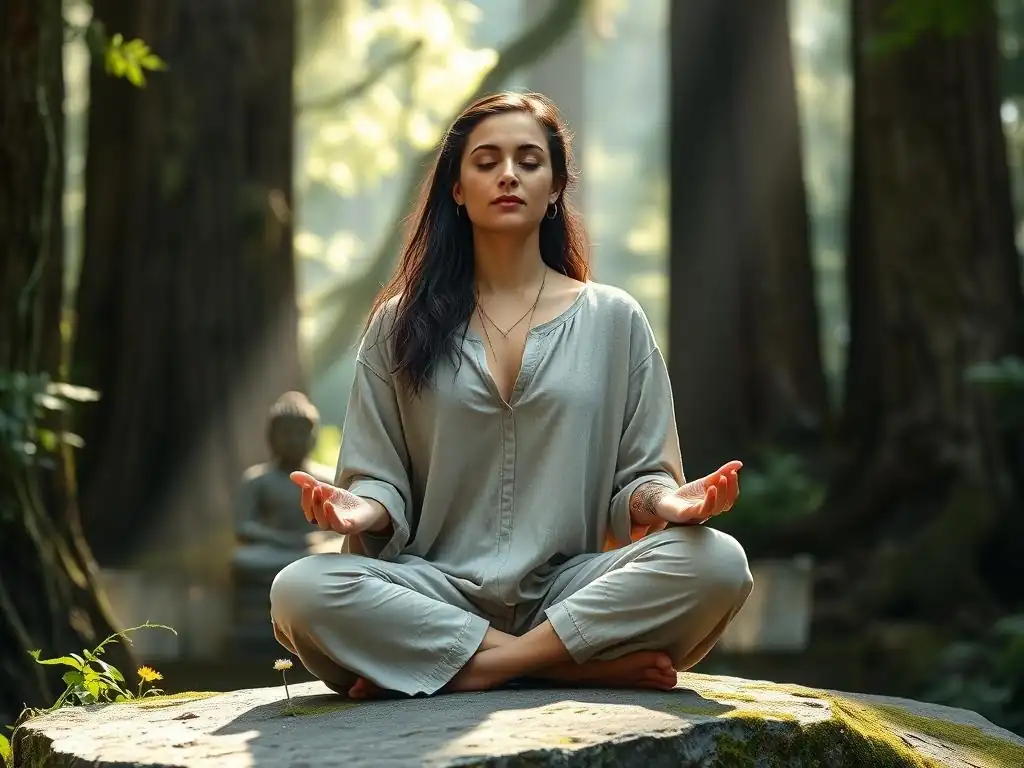
Welcome to Mind Care Guide, a sanctuary for your mental well-being.
Feeling overwhelmed or disconnected? This article, "Finding Sacred Space: Mindfulness in Spiritual Practice," delves into the profound mindfulness spiritual practice benefits that can help you rediscover inner peace and navigate life's complexities with greater clarity. Are you ready to unlock a deeper understanding of yourself and cultivate a more meaningful connection to your spiritual self? Let's begin.
- Finding Sacred Space: Mindfulness in Daily Life
- Understanding Mindfulness
- The Benefits of Mindfulness
- Creating Your Own Sacred Space for Mindfulness Practice
- Mindfulness Techniques
- Integrating Mindfulness into Daily Life
- Overcoming Challenges in Mindfulness Practice
- The Future of Mindfulness
- Conclusion: Embracing Mindfulness for a Deeper Connection
-
Frequently Asked Questions
- What is the connection between mindfulness and spiritual practice?
- How can mindfulness enhance the benefits of spiritual practice?
- What are some practical ways to incorporate mindfulness into my spiritual routine?
- What are the potential benefits of combining mindfulness and spiritual practice?
- Is mindfulness spiritual practice suitable for everyone, regardless of their religious beliefs?
- Final Reflection: Cultivating Inner Peace Through Mindfulness
- Unveil Your Inner Sanctuary: Cultivate Daily Mindfulness
Finding Sacred Space: Mindfulness in Daily Life
Introduction: The Intersection of Mindfulness and Daily Life for Well-being
In the hustle of modern life, finding moments of peace and connection can feel increasingly challenging. Our days are often filled with distractions, demands, and a constant pull towards the future or the past. Yet, within this complexity lies a simple, powerful practice: mindfulness.
Mindfulness, the practice of paying attention to the present moment without judgment, offers a pathway to cultivating a deeper sense of well-being. It’s not just a technique for meditation; it's a way of being that can fundamentally transform our experience of daily life, subtly shifting our perspective and enhancing our capacity for presence in every interaction and activity.
Moreover, the integration of mindfulness into our daily routines creates a personal "sacred space" – not necessarily a physical location, but a state of mind where we can connect with our inner selves and the world around us with greater clarity and intention. This intersection of mindfulness and daily life is where true transformation begins, allowing us to navigate challenges with more resilience and appreciate the simple joys often overlooked.
The benefits of engaging in a consistent mindfulness spiritual practice are profound, touching upon mental clarity, emotional regulation, and a deeper sense of purpose, making well-being an accessible state rather than an elusive goal.
Understanding Mindfulness
Defining Mindfulness: Present Moment Awareness
Mindfulness, at its core, is the deliberate act of bringing one's attention to the present moment, without judgment. It involves noticing thoughts, feelings, bodily sensations, and the surrounding environment as they arise, accepting them for what they are without getting caught up in them or trying to change them. This conscious observation cultivates a greater awareness of our internal and external landscape, moving us away from automatic reactions and towards considered responses. It's about simply being present, fully engaged in the here and now, whether we are washing dishes, listening to a friend, or sitting in quiet contemplation.
This practice is not about emptying the mind or achieving a state of perpetual calm, but rather about developing a gentle, curious awareness of whatever is happening, moment by moment. For instance, in a study involving individuals practicing mindfulness, participants often reported a significant increase in their ability to notice subtle shifts in their mood and physical state within just eight weeks. This heightened sensitivity to the present allows for a more nuanced understanding of oneself and one's reactions, laying the groundwork for emotional intelligence and self-compassion, which are key aspects of the mindfulness spiritual practice benefits.
The Role of Mindfulness in Cultivating Inner Peace
Mindfulness plays a crucial role in cultivating inner peace by interrupting the cycle of rumination and worry that often fuels anxiety and distress. By focusing attention on the present, we detach from dwelling on past regrets or future anxieties, grounding ourselves in the reality of the current moment. This doesn't mean problems disappear, but our relationship with them changes. Instead of being overwhelmed by turbulent thoughts and emotions, we learn to observe them from a distance, recognizing them as temporary states rather than absolute truths.
This practice helps to quiet the constant mental chatter that can disrupt tranquility. For example, research indicates that regular mindfulness meditation can lead to measurable changes in brain regions associated with stress and self-referential thought, such as the amygdala and prefrontal cortex, contributing to a more settled and less reactive state. This decreased reactivity to internal and external triggers is fundamental to experiencing inner peace, allowing for a stable emotional foundation even amidst life's inevitable challenges, further highlighting the practical mindfulness spiritual practice benefits.
Practices Enhanced by Mindfulness: A Synergistic Relationship
Mindfulness has a synergistic relationship with numerous practices, enhancing their effectiveness and depth. Traditional spiritual practices, creative endeavors, physical activities, and even mundane daily tasks can all be transformed when approached with mindful awareness. When we engage in prayer or meditation mindfully, we bring our full attention to the experience, deepening the connection and presence felt. A study involving individuals who integrated mindfulness into their existing spiritual practices reported a stronger sense of spiritual connection and meaning.
Similarly, creative activities like painting or playing music become more immersive and expressive when approached mindfully, allowing for a greater flow state. Even simple acts like walking or eating, when done mindfully, can become opportunities for sensory appreciation and grounding. This reciprocal relationship means that while mindfulness enhances these practices, engaging in them mindfully also strengthens our mindfulness muscles, creating a virtuous cycle that supports overall well-being and unlocks diverse mindfulness spiritual practice benefits.
The Benefits of Mindfulness
Enhancing Focus Through Mindful Awareness
In an age of constant digital stimulation and multitasking, our ability to focus is frequently tested. Mindfulness directly addresses this challenge by training our attention. Regular mindfulness practice involves repeatedly bringing the mind back to the present moment when it wanders, which is essentially a workout for the prefrontal cortex, the brain region responsible for executive functions like attention and focus. This consistent training strengthens our capacity to concentrate on a single task or object without being easily distracted.
Studies have shown that even short periods of mindfulness training can lead to improvements in attention span and cognitive performance. For instance, participants in an 8-week mindfulness program often demonstrate enhanced ability to sustain attention and ignore distractions compared to control groups. This improved focus is invaluable, whether applied to work tasks, learning new skills, or engaging deeply in conversation or spiritual contemplation, contributing significantly to personal and professional effectiveness and enriching mindfulness spiritual practice benefits.
Reducing Stress and Anxiety with Mindfulness
One of the most widely recognized benefits of mindfulness is its profound impact on stress and anxiety reduction. Mindfulness helps us become aware of stressful thoughts and feelings without identifying with them or being overwhelmed by them. By observing these states with non-judgment, we create a space between the trigger and our reaction, allowing for a more considered response rather than an automatic stress response. This shift in perspective can significantly diminish the intensity and frequency of anxious feelings.
Research consistently demonstrates the effectiveness of mindfulness-based interventions, such as MBSR (Mindfulness-Based Stress Reduction), in lowering cortisol levels (a primary stress hormone) and reducing symptoms of anxiety and depression. For example, meta-analyses of numerous studies indicate that MBSR can lead to moderate to large effect sizes in reducing psychological distress. Learning to simply notice difficult emotions and sensations without resistance is a powerful tool for building resilience and finding calm amidst chaos, a key aspect of unlocking the therapeutic mindfulness spiritual practice benefits.
Fostering Compassion and Empathy Through Mindfulness
Mindfulness cultivates compassion and empathy by increasing our awareness of our own internal experiences and suffering, which naturally extends to a greater understanding and sensitivity towards the experiences of others. As we practice non-judgment towards ourselves, accepting our flaws and difficulties, it becomes easier to extend that same acceptance and understanding to others. Mindfulness also encourages us to truly listen and be present with others, fostering deeper connection and empathy.
Specific mindfulness practices, like Loving-Kindness Meditation (Metta), explicitly train the mind to cultivate feelings of warmth, kindness, and compassion towards oneself and others. Studies on Metta meditation have shown measurable increases in positive emotions and social connection, as well as a reduction in social isolation. This cultivation of compassion is not just beneficial for interpersonal relationships but is also a cornerstone of many spiritual traditions, highlighting how mindfulness spiritual practice benefits extend beyond individual peace to collective well-being.
Improving Concentration Through Mindfulness
Improving concentration is a direct outcome of consistent mindfulness practice. The act of repeatedly bringing a wandering mind back to the chosen object of attention – whether it's the breath, bodily sensations, or sounds – strengthens the neural pathways associated with focus and sustained attention. Think of it like building a muscle; the more you exercise it, the stronger it becomes. Mindfulness provides the necessary training regimen for the 'attention muscle'.
Empirical evidence supports this, with studies showing that individuals who engage in regular mindfulness meditation exhibit greater activity in brain areas linked to attention control. For instance, experienced meditators often show enhanced performance on tasks requiring sustained focus and the ability to filter out distractions compared to non-meditators. This improved concentration translates into better performance in academic, professional, and personal pursuits, including the ability to engage more deeply in prayer, scripture reading, or other forms of mindfulness spiritual practice benefits.
Cultivating Gratitude and Joy in Everyday Life Through Mindfulness
Mindfulness encourages us to slow down and pay attention to the present moment, which opens us up to noticing and appreciating the simple things in life that often go unnoticed. By consciously observing our surroundings, our senses, and the small positive experiences that occur throughout the day, we cultivate a greater sense of gratitude for what we have rather than focusing on what is lacking. This shift in perspective is fundamental to experiencing more joy.
When we are mindful, we savor pleasant experiences more fully. Instead of rushing through a meal, we notice the flavors and textures. Instead of hurrying past a park, we notice the beauty of the trees or the sound of birds. This deliberate attention amplifies positive emotions. Research suggests that practicing gratitude, often facilitated by mindfulness, can lead to increased feelings of happiness and overall life satisfaction. Embracing this mindful approach to everyday life is a powerful way to unlock deeper levels of joy and appreciate the subtle yet profound mindfulness spiritual practice benefits.
Creating Your Own Sacred Space for Mindfulness Practice
Identifying Your Personal Sacred Space
Creating a personal sacred space for mindfulness practice is about designating a physical or mental area where you can consistently engage in reflection, meditation, or quiet contemplation without interruption. This space doesn't need to be elaborate; it can be a corner of a room, a comfortable chair, or even a spot in nature. The key is that it feels safe, calm, and conducive to turning your attention inward. Choosing a location that is relatively quiet and free from clutter can minimize external distractions, making it easier to settle the mind.
Consider what environment helps you feel most at ease and connected. For some, this might be near a window with natural light, for others, it might be a cozy spot away from the main activity of the household. What matters is establishing a consistent place that signals to your mind and body that it is time to pause and practice mindfulness. Making this space intentional is the first step towards building a regular practice and experiencing the deep mindfulness spiritual practice benefits.
Setting Intentions for Your Mindfulness Practice
Setting intentions before engaging in mindfulness practice provides direction and purpose. An intention is a gentle guiding principle for your session, rather than a rigid goal. It could be as simple as "to be present with my breath," "to cultivate self-compassion," or "to observe my thoughts without judgment." Setting an intention helps focus your mind from the outset and reminds you why you are taking this time for yourself. It anchors your practice in meaning and can help navigate moments of difficulty or distraction during the session.
Before you begin, take a few moments to quietly reflect on what you hope to gain from the practice or what quality you wish to cultivate. For example, if you are feeling stressed, your intention might be "to approach this moment with kindness." If you are easily distracted, it might be "to gently return my attention whenever it wanders." Holding this intention lightly throughout your practice can deepen its impact and ensure your efforts align with your personal growth, enhancing the overall mindfulness spiritual practice benefits you experience.
Incorporating Sensory Elements: Sound, Scent, and Light
Engaging the senses can significantly enhance the experience of your sacred space and deepen your mindfulness practice. Sensory elements can help ground you in the present moment and create a calming atmosphere. Consider incorporating gentle sounds, such as soft instrumental music, the natural sounds of rain or birds, or even the focused sound of a singing bowl or chime to begin and end your practice. These auditory cues can signal the transition into a mindful state.
Similarly, incorporating calming scents through essential oils (like lavender or frankincense) or incense can influence your mood and promote relaxation or focus. Visual elements like soft, warm lighting or the presence of a candle can also contribute to a serene environment. The key is to choose elements that you find personally soothing and non-distracting, using them mindfully to support your practice and create a multisensory experience that reinforces the feeling of sacred space and aids in accessing mindfulness spiritual practice benefits.
Using Affirmations in Your Sacred Space
Affirmations are positive statements that you repeat to yourself to encourage and support a particular mindset or belief. Incorporating affirmations into your sacred space can be a powerful way to reinforce intentions, cultivate self-compassion, or connect with spiritual principles. Before or after your mindfulness practice, take a moment to sit with an affirmation that resonates with you. This could be related to the qualities you wish to cultivate (e.g., "I am calm," "I am present") or aspects of spiritual connection (e.g., "I am connected to something larger," "Peace resides within me").
Repeating affirmations slowly and mindfully, paying attention to how the words feel in your body and mind, can help reprogram negative thought patterns and strengthen positive beliefs. For instance, if you struggle with self-criticism, an affirmation like "I approach myself with kindness" can be particularly impactful when practiced in a dedicated, mindful space. Using affirmations consistently within your sacred space reinforces their message and supports the positive transformation facilitated by your mindfulness spiritual practice benefits.
Mindfulness Techniques
Mindful Breathing Exercises for Grounding
Mindful breathing is one of the most fundamental and accessible mindfulness techniques. It involves simply paying attention to the sensation of the breath as it enters and leaves the body. There's no need to control the breath, just observe its natural rhythm – the rise and fall of the chest or abdomen, the feeling of air moving through the nostrils.
This practice serves as an anchor, grounding your awareness in the present moment. When the mind wanders, as it inevitably will, the practice is simply to notice the distraction and gently guide your attention back to the breath, without judgment.
A simple mindful breathing exercise involves sitting comfortably, closing your eyes if you wish, and taking a few deeper breaths to settle. Then, allow your breath to return to its natural pace. Bring your full attention to the physical sensations of breathing for a few minutes. Notice where you feel the breath most prominently. Is it in your belly, your chest, or perhaps your nose? Just observe. This simple act can interrupt the stress response, calm the nervous system, and bring you back to the here and now, offering immediate mindfulness spiritual practice benefits.
Body Scan Meditation for Awareness
The body scan meditation is a practice designed to cultivate detailed awareness of physical sensations throughout the body. It typically involves lying down or sitting comfortably and systematically bringing attention to different parts of the body, starting from the toes and moving upwards towards the head. As you focus on each area, you notice any sensations present – tingling, warmth, tension, pulsing, or the absence of sensation – simply observing them with curiosity and acceptance.
This technique helps to develop a deeper connection with the physical self and can highlight areas where tension or discomfort is held, often unconsciously. It teaches us to be present with physical sensations, pleasant or unpleasant, without reacting or trying to fix them immediately. Regular body scan practice can improve body awareness, reduce chronic pain perception for some individuals, and alleviate physical symptoms of stress, contributing to overall well-being and a more grounded experience of mindfulness spiritual practice benefits.
Walking Meditation in Nature: Connecting with the Present
Walking meditation is a practice that brings mindful awareness to the act of walking. It can be done anywhere, but practicing in nature offers additional benefits, combining the grounding effect of mindfulness with the restorative qualities of the natural world. The practice involves paying attention to the sensations of walking – the lifting and placing of each foot, the movement of the legs, the swing of the arms, the feeling of the ground beneath you. You can also expand awareness to include the sights, sounds, and smells of the environment.
Walking meditation helps integrate mindfulness into movement and can be a dynamic way to calm the mind and connect with your surroundings. When walking in nature, notice the texture of the path, the rustling of leaves, the temperature of the air, the colors of flowers or trees. This focused attention on sensory input anchors you firmly in the present moment, reducing rumination and fostering a sense of connection to the earth, enhancing the mindfulness spiritual practice benefits often sought in natural settings.
Loving-Kindness Meditation: Cultivating Compassion
Loving-Kindness Meditation, or Metta meditation, is a practice aimed at cultivating feelings of warmth, compassion, and friendliness towards oneself and others. It typically involves silently repeating phrases that express good wishes, first towards oneself, then towards loved ones, neutral persons, difficult persons, and finally towards all beings. Examples of phrases include: "May I be happy," "May I be healthy," "May I be safe," "May I live with ease."
This practice directly counteracts negative emotions like anger, resentment, and self-criticism by actively generating positive emotional states. While it might feel challenging at first, particularly towards difficult individuals, consistent practice can genuinely shift your emotional landscape, fostering greater empathy and connection. Studies suggest that regular Metta practice can increase positive emotions, reduce social isolation, and even increase compassion-related activity in the brain, offering powerful interpersonal and personal mindfulness spiritual practice benefits.
Mindful Movement: Yoga and Tai Chi
Mindful movement practices like Yoga and Tai Chi combine physical exercise with mindful awareness, offering a holistic approach to well-being. These disciplines involve performing sequences of movements or postures with deliberate attention to bodily sensations, breath, and the present moment. Instead of rushing through poses or focusing solely on physical achievement, the emphasis is on the experience of movement itself, observing how the body feels, noticing areas of tension or ease, and coordinating movement with breath.
Engaging in Yoga or Tai Chi mindfully helps to release physical tension, improve flexibility and balance, and calm the nervous system. It also strengthens the mind-body connection, increasing interoceptive awareness (the ability to sense internal bodily states). By staying present with the physical experience, practitioners can move beyond mental distractions and connect with a deeper sense of embodiment and flow. These practices are excellent ways to integrate mindfulness into a physical routine, providing tangible physical and mental mindfulness spiritual practice benefits.
Integrating Mindfulness into Daily Life

Mindful Communication
Mindful communication involves bringing awareness and presence to our interactions with others. It's about truly listening, paying attention not just to the words being spoken, but also to the tone of voice, body language, and the emotions being conveyed. It also involves being mindful of our own speech – choosing words carefully, speaking with intention, and being aware of the impact our words have on others. This practice encourages us to pause before responding, rather than reacting impulsively, especially in challenging conversations.
When we communicate mindfully, we are fully present in the conversation, free from distractions or rehearsing our response while the other person is still speaking. This deep listening fosters understanding, empathy, and stronger connections. For example, studies on couples who practice mindful communication techniques report higher levels of relationship satisfaction and reduced conflict. By slowing down and paying attention during interactions, we can cultivate more authentic and compassionate relationships, extending the mindfulness spiritual practice benefits into our social world.
Mindful Eating
Mindful eating is the practice of bringing full awareness to the experience of eating and drinking. It involves paying attention to the sensory details of our food – its appearance, smell, texture, and taste – and also noticing the physical cues of hunger and fullness. This practice encourages us to slow down, savor each bite, and become more attuned to our body's needs, moving away from automatic or distracted eating habits.
To practice mindful eating, try dedicating a few minutes to simply observe your food before eating. Notice its colors, shapes, and aromas. As you eat, chew slowly, paying attention to the textures and flavors. Notice when you feel satisfied, rather than eating until you are overly full. Research suggests that mindful eating can help improve digestion, promote a healthier relationship with food, and aid in weight management by increasing awareness of satiety signals. This simple daily practice offers a tangible way to incorporate mindfulness into a fundamental human activity, bringing mindfulness spiritual practice benefits to the dinner table.
Mindful Work
Bringing mindfulness into the workplace can significantly enhance productivity, reduce stress, and improve job satisfaction. Mindful work involves paying focused attention to the task at hand, being present during meetings, and handling email or communications with intention rather than constantly reacting. It means dedicating your full attention to one task at a time, minimizing multitasking, which often reduces efficiency and increases errors.
Practicing mindful work can involve simple techniques like taking a few mindful breaths before starting a task or attending a meeting, focusing completely on the person you are speaking with, or taking short, mindful breaks to step away from your screen and reconnect with your senses. Companies that have implemented mindfulness programs report benefits such as reduced employee stress levels (some studies showing reductions of 20-30%) and improved focus and creativity.
Cultivating mindfulness in your professional life allows you to navigate challenges with greater clarity and resilience, contributing to overall well-being and bringing mindfulness spiritual practice benefits into your career.
Mindful Rest
In our fast-paced world, rest is often seen as a luxury rather than a necessity. Mindful rest is about approaching periods of downtime with awareness and intention, allowing the body and mind to truly recharge. This isn't just about sleeping; it includes consciously choosing activities that are genuinely restorative and engaging in them fully, without the mental clutter of work or worries. It also involves being mindful of the body's signals for rest and honoring them.
Examples of mindful rest include taking a mindful walk, spending time in nature without distractions, engaging in a hobby with full presence, or simply sitting quietly and doing nothing for a few minutes. Even sleep can be approached more mindfully by establishing a relaxing bedtime routine and paying attention to the sensations of the body as you prepare for sleep. Prioritizing mindful rest is crucial for preventing burnout and maintaining long-term well-being, ensuring you have the energy and presence to fully engage in all aspects of life, including your mindfulness spiritual practice benefits.
Overcoming Challenges in Mindfulness Practice
Dealing with Distractions and Wandering Thoughts
One of the most common challenges in mindfulness practice is dealing with distractions and a wandering mind. It's important to understand that the mind is designed to think and generate thoughts; expecting it to be completely empty is unrealistic. The essence of the practice is not to stop thinking, but to notice when the mind has wandered and gently guide it back to the chosen anchor, such as the breath. This act of noticing and returning is the practice itself, strengthening the 'attention muscle'.
When you notice your mind has drifted off into planning, worrying, or daydreaming, simply acknowledge the thought without judgment. You might mentally label it ("thinking," "planning") and then compassionately redirect your attention back to your anchor. Don't get frustrated; this is a natural part of the process. Each time you notice and return, you are reinforcing your capacity for present moment awareness. Think of it as training a puppy – you gently guide it back when it wanders, rather than scolding it. Persistence and patience are key.
Working Through Difficult Emotions
Mindfulness practice can sometimes bring difficult emotions to the surface. As we sit quietly and pay attention, we may become more aware of feelings like sadness, anger, fear, or grief that we typically try to suppress or avoid. This can be challenging and even uncomfortable. However, mindfulness offers a way to work with these emotions rather than being overwhelmed by them. The practice is to acknowledge the emotion, allow it to be present without judgment, and observe the physical sensations associated with it.
Instead of pushing the emotion away or getting lost in the story surrounding it, try to simply notice where you feel it in your body. Is there tightness in your chest, heat in your face, tension in your shoulders? Breathe into those sensations, allowing them space without resistance.
This process of acknowledging and allowing, rather than fighting, can help dissipate the intensity of difficult emotions over time. If emotions feel overwhelming, it's important to practice self-compassion and perhaps shorten your practice or seek support. Remember that feeling emotions is part of being human, and mindfulness provides a tool for navigating them with greater awareness and resilience, contributing to emotional mindfulness spiritual practice benefits.
Maintaining Consistency in Your Practice
Establishing and maintaining a consistent mindfulness practice can be difficult amidst busy schedules and competing demands. Life happens, and it's easy for practice to fall by the wayside. However, consistency, even in small amounts, is more important than length or intensity for experiencing the long-term mindfulness spiritual practice benefits. A short, daily practice of 5-10 minutes is often more effective than longer, infrequent sessions.
Strategies for maintaining consistency include scheduling your practice at the same time each day, perhaps first thing in the morning or before bed, to make it a routine. Finding an accountability partner or joining a mindfulness group can also provide support and motivation. Be flexible and compassionate with yourself; if you miss a day (or several), simply acknowledge it without self-criticism and start again. The goal is progress, not perfection. View missed sessions not as failures, but as opportunities to practice self-compassion and recommit.
Seeking Guidance and Support
While mindfulness is accessible and can be practiced independently, seeking guidance and support can significantly deepen your practice and help you navigate challenges. Learning from experienced teachers can provide valuable insights into techniques, common pitfalls, and how to integrate mindfulness more fully into your life. Teachers can offer personalized advice and help clarify misunderstandings about the practice.
Joining a mindfulness community, whether in-person or online, can also provide a sense of connection and shared experience. Practicing with others can be motivating and offer opportunities to learn from their insights and challenges. If you are dealing with significant mental health challenges, such as severe anxiety or depression, integrating mindfulness should ideally be done in consultation with a mental health professional who can provide appropriate support and guidance, ensuring that your pursuit of mindfulness spiritual practice benefits is safe and effective.
The Future of Mindfulness
Growing Integration in Mental Health Care
Mindfulness has moved from the fringes to become a widely accepted and integrated component of modern mental health care. Mindfulness-Based Stress Reduction (MBSR) and Mindfulness-Based Cognitive Therapy (MBCT) are now evidence-based treatments recommended for conditions like chronic stress, anxiety disorders, recurrent depression, and even chronic pain. Their efficacy is supported by a growing body of research demonstrating positive outcomes.
Mental health professionals are increasingly incorporating mindfulness techniques into various therapeutic approaches, recognizing its power in helping clients develop self-awareness, emotional regulation, and resilience. For example, many therapists now teach basic mindfulness breathing or body scan techniques as coping skills. This trend is expected to continue, with mindfulness becoming an even more standard tool in clinical settings, making mindfulness spiritual practice benefits accessible within therapeutic contexts.
The Role of Technology in Mindfulness [Apps and Online Resources]
Technology has played a significant role in democratizing access to mindfulness, making it available to millions worldwide through apps and online resources. Platforms like Headspace, Calm, and Insight Timer offer guided meditations, courses, and tracking features that allow individuals to practice anytime, anywhere. Online courses and virtual retreats provide in-depth instruction for those who may not have access to in-person centers.
While technology cannot fully replace the depth of in-person guidance for some, it serves as an invaluable entry point and support system for consistent practice. These resources offer variety in meditation styles, lengths, and themes, catering to different needs and preferences. However, it's important to use these tools mindfully themselves, ensuring they support rather than become a distraction from the core practice of present moment awareness. The future will likely see continued innovation in how technology can support and enhance the delivery of mindfulness spiritual practice benefits.
The Universal Appeal of Mindfulness
Mindfulness's appeal lies in its universality and adaptability. While it has roots in contemplative traditions, its core principles of attention and awareness are secular and can be practiced by anyone, regardless of their background or beliefs. It doesn't require adherence to any specific dogma or philosophy, making it accessible across cultures and spiritual paths.
Furthermore, mindfulness can be integrated into virtually any activity, from walking to eating to working, making it a flexible practice that fits into diverse lifestyles. Its focus on direct experience and present moment awareness resonates with a fundamental human need for connection and presence. This broad applicability and non-sectarian nature ensure that mindfulness will likely continue to grow in popularity and influence, offering its profound well-being and mindfulness spiritual practice benefits to an ever-wider global audience.
Conclusion: Embracing Mindfulness for a Deeper Connection
Embracing mindfulness is more than just adopting a new technique; it is a commitment to a way of living that prioritizes presence, awareness, and compassion. By cultivating the ability to pay attention to the present moment without judgment, we unlock a profound capacity for inner peace, emotional resilience, and genuine connection with ourselves and the world around us. The journey begins with small steps – a few mindful breaths, a moment of stillness, a conscious decision to listen fully.
The benefits of this mindfulness spiritual practice are far-reaching, touching every aspect of our lives, from enhancing focus and reducing stress to fostering deeper empathy and cultivating joy. As we consistently create space for mindfulness, whether in a dedicated sacred space or integrated into daily activities, we nurture a deeper connection to our inner wisdom and the unfolding richness of each moment. It is a path of ongoing discovery, inviting us to live with greater intention, kindness, and presence, ultimately leading to a more fulfilling and connected existence.
Frequently Asked Questions
What is the connection between mindfulness and spiritual practice?
Mindfulness acts as a bridge connecting us to the present moment, a crucial element in many spiritual practices. It allows us to be fully present during meditation, prayer, or other spiritual activities, enhancing the experience.
How can mindfulness enhance the benefits of spiritual practice?
Mindfulness cultivates awareness and acceptance, leading to deeper insights and understanding within spiritual practice. It helps us quiet the mind, allowing for a more profound connection with the divine or higher power.
What are some practical ways to incorporate mindfulness into my spiritual routine?
Start with mindful breathing exercises before prayer or meditation. Pay attention to the sensory details of your surroundings during spiritual rituals. Practice non-judgmental awareness of your thoughts and feelings.
What are the potential benefits of combining mindfulness and spiritual practice?
Combining these practices can lead to increased inner peace, reduced stress and anxiety, and a greater sense of connection and purpose. It also fosters self-compassion and emotional resilience.
Is mindfulness spiritual practice suitable for everyone, regardless of their religious beliefs?
Yes, mindfulness is a secular practice that can be adapted to fit various spiritual and religious beliefs. Its core principles of awareness and acceptance are universally beneficial and can be integrated into any existing spiritual framework.
Final Reflection: Cultivating Inner Peace Through Mindfulness
The pursuit of mindfulness in spiritual practice is not a fleeting trend; it's a timeless path to inner peace, profoundly relevant in our increasingly frenetic world. The benefits explored throughout this article – reduced stress, enhanced self-awareness, and a deeper connection to something greater than ourselves – are more crucial now than ever before. In a society constantly demanding our attention, the ability to find stillness and cultivate inner calm is a vital resource for navigating the complexities of modern life.
The journey of integrating mindfulness into my own spiritual practice has been transformative. It's not always easy; the mind wanders, distractions abound. Yet, the moments of clarity and connection that emerge from consistent practice are deeply rewarding. They remind me of the power of presence, the beauty of simplicity, and the profound peace that lies within. The present moment is filled with joy and happiness. If you are attentive, you will see it.
– Thich Nhat Hanh. This quote encapsulates the essence of what I've learned and shared in this article: the transformative power of simply being present.
Now, I invite you to consider your own relationship with mindfulness. How can you integrate these practices into your daily life, even in small ways? Perhaps it's a few minutes of quiet reflection each morning, a mindful walk in nature, or simply paying attention to the breath during moments of stress. Begin where you are, with what you have, and allow the journey of self-discovery and inner peace to unfold. The rewards await, a sanctuary of stillness in the heart of a busy world.
Unveil Your Inner Sanctuary: Cultivate Daily Mindfulness
Thanks for taking the time to explore the power of mindfulness in your spiritual journey! We hope you gained valuable insights into creating a deeper connection with yourself and the world around you. Now, it's time to put your newfound knowledge into practice.
- Begin your personal mindfulness practice: Dedicate just 5 minutes today to quiet reflection – notice your breath, your body, and the present moment. This small step can have a profound impact.
- Share your experience: Tell us (or a friend!) about your first mindfulness session. What did you notice? What resonated with you? Sharing your journey can inspire others.
- Explore our free guided meditations: (On MindCareGuide.org) Discover a variety of techniques to deepen your practice and find what works best for you. This is a great next step to building a sustainable routine.
What small change will you make today to create more sacred space in your life?