
Beyond Belief: Reflection Practices for Everyone


Welcome to Mind Care Guide, a sanctuary for your mental well-being. Feeling lost in the labyrinth of anxiety? It's okay, you're not alone. Discover how simple reflection practices can unlock a path to calm and clarity, offering tangible relief from the everyday pressures. Dive in, and let's explore the power of introspection together… the answers you seek might be closer than you think.
Cultivating Resilience: Reflection Practices for Stress Management
- Introduction to Reflection Practices for Stress Reduction
- Diverse Reflection Practices for Mental Wellness
- Practical Steps to Develop Your Reflection Routine
- The Science Behind Reflection and Stress
- Advanced Reflection Techniques for Enhanced Self-Understanding
- Personal Stories: Stress Reduction Through Reflection
- Integrating Reflection into Your Daily Life
- Resources for Expanding Your Knowledge of Reflection Practices
- Conclusion: Embracing Reflection for Sustainable Stress Management
-
Frequently Asked Questions
- How can reflection practices specifically help with anxiety?
- What are some simple reflection practices I can start doing today?
- Are reflection practices only useful for people with diagnosed anxiety disorders?
- How often should I engage in reflection practices to see results for anxiety relief?
- What if I find reflection practices make my anxiety worse initially?
- Final Reflection: Cultivating Inner Peace Through Everyday Reflection
- Unlock Your Inner Peace: Start Reflecting Today
Introduction to Reflection Practices for Stress Reduction
Understanding Stress and the Importance of Reflection
Stress is a pervasive challenge in modern life, impacting millions globally. It's the body's reaction to pressure, manifesting physically as fatigue, muscle tension, or headaches, and mentally as worry, irritability, or difficulty concentrating. Chronic stress can contribute to more serious health issues, including heart disease, digestive problems, and weakened immune function. Recognising the signs of stress is the first step towards managing it effectively. The relentless pace of daily life often leaves little room for processing experiences, leading to accumulated tension and heightened anxiety.
This is where the power of reflection practices comes into play. Reflection is the process of stepping back, observing our thoughts, feelings, and experiences without judgment. It provides a vital pause, allowing us to gain perspective on stressors and our reactions to them. Engaging in these practices can help interrupt the automatic stress response, offering a pathway towards greater calm and clarity. Developing consistent reflection practices for anxiety relief is not a luxury, but an essential tool for navigating the complexities of stress and fostering mental resilience.
The Role of Reflection in Managing Stress Responses
Reflection acts as a circuit breaker for the stress cycle. When faced with a stressor, our sympathetic nervous system activates the "fight or flight" response, releasing hormones like cortisol and adrenaline. Reflection techniques, such as mindfulness or deep breathing, engage the parasympathetic nervous system, promoting relaxation and counteracting these physiological stress responses. By creating a conscious space between stimulus and reaction, reflection allows us to choose a more measured response rather than being overwhelmed by automatic fear or anxiety.
Furthermore, reflection practices for anxiety relief help us identify the root causes of our stress. Through introspection, we can uncover patterns in our thinking or behaviour that contribute to feeling overwhelmed. For instance, reflecting on a stressful situation might reveal a fear of failure or a tendency towards perfectionism. Understanding these underlying factors empowers us to address them directly, rather than just reacting to the symptoms. This deeper self-awareness is fundamental to building long-term coping strategies and reducing the frequency and intensity of anxious feelings.
Diverse Reflection Practices for Mental Wellness
Focused Breathing Exercises for Stress Relief
Focused breathing is one of the most accessible and immediate reflection practices for anxiety relief. It involves intentionally directing your attention to your breath, often regulating its pace or depth. This simple act shifts your focus away from stressful thoughts and activates the body's relaxation response almost instantly. It requires no special equipment or location, making it an ideal tool for managing stress on the go or in moments of acute anxiety.
The physiological impact of conscious breathing is well-documented. Slow, deep breaths signal to the brain that you are safe, reducing the release of stress hormones and lowering your heart rate and blood pressure. Practicing focused breathing regularly builds your capacity to remain calm under pressure and provides a reliable anchor when anxious feelings arise. It's a foundational technique within many broader reflection practices for anxiety relief.
How to Practice Focused Breathing
One popular technique is the 4-7-8 method, developed by Dr. Andrew Weil. To practice:
- Exhale completely through your mouth, making a whoosh sound.
- Close your mouth and inhale quietly through your nose for a count of 4.
- Hold your breath for a count of 7.
- Exhale completely through your mouth, making a whoosh sound, for a count of 8.
- Repeat the cycle three more times for a total of four breaths.
Another simple method is Box Breathing:
- Exhale to a count of 4.
- Hold your breath for a count of 4.
- Inhale to a count of 4.
- Hold your breath for a count of 4.
- Repeat.
Benefits of Breathing Exercises for Stress Reduction
Research consistently shows the effectiveness of breathing exercises in reducing stress and anxiety. Studies indicate that just a few minutes of deep, focused breathing can lower cortisol levels, the primary stress hormone. For example, some findings suggest a reduction in self-reported stress levels by approximately 10-15% after incorporating short breathing practices into a daily routine over several weeks.
Beyond the immediate physiological benefits, regular breathing practice improves emotional regulation. It trains your mind to focus, making it easier to disengage from stressful rumination. Many individuals report feeling more grounded and centered, better equipped to handle daily challenges without becoming overwhelmed. These simple yet powerful reflection practices for anxiety relief are a cornerstone of stress management.
Gratitude Journaling for Emotional Balance
Gratitude journaling is a reflection practice that involves regularly writing down things you are grateful for. This simple act shifts your focus from what's wrong or missing in your life to appreciating the positive aspects, no matter how small. It encourages a more optimistic outlook and helps counteract the brain's natural negativity bias, which can exacerbate stress and anxiety.
By intentionally searching for things to be grateful for, you train your mind to notice the good, even amidst difficulties. This practice doesn't ignore challenges but helps cultivate a sense of perspective and appreciation that builds emotional resilience. Maintaining a gratitude journal is a powerful way to enhance emotional balance and serves as an effective form of reflection practices for anxiety relief.
Prompts for Gratitude-Focused Journaling
Getting started with gratitude journaling can be easy with a few prompts:
- List three small things that brought you joy today.
- Write about a person who supported you this week and why you're grateful for them.
- Think about a challenge you overcame and what you learned from it.
- What simple pleasure are you grateful for right now (e.g., a warm drink, a comfortable chair)?
- Write about a skill or talent you have that you appreciate.
The Positive Impact of Gratitude on Stress Levels
Engaging in gratitude journaling has been shown to significantly reduce stress and improve overall well-being. Studies have found that individuals who regularly practice gratitude report lower levels of stress and anxiety compared to those who don't. For instance, participants in gratitude interventions often show improved mood and increased life satisfaction, sometimes reporting a boost in positive emotions by over 10% within weeks.
The act of acknowledging positive experiences helps to rewire the brain, strengthening neural pathways associated with happiness and contentment. This makes you less susceptible to dwelling on negative thoughts that fuel stress. Incorporating gratitude into your routine through journaling is a practical and impactful method among reflection practices for anxiety relief.
Nature Connection: Finding Calm in the Natural World
Connecting with nature, often referred to as 'Nature Connection' or 'Eco-therapy', is a powerful reflection practice that leverages the inherent calming properties of the natural environment. Spending time outdoors, observing the elements, plants, and animals, helps to quiet the mind and reduce feelings of stress and overwhelm. It offers a sensory escape from the demands of daily life and promotes a sense of peace and grounding.
This practice encourages mindfulness simply by being present in nature. The sounds of birds, the feel of the breeze, the sights of greenery – all serve as anchors for attention, pulling focus away from internal worries. Regular engagement with nature is increasingly recognized as a valuable component of reflection practices for anxiety relief and overall mental well-being.
Forest Bathing and its Effects on Stress
Originating in Japan as "Shinrin-yoku," forest bathing involves mindfully immersing oneself in the atmosphere of the forest. It's not about hiking or exercise, but about being present and using your senses to connect with the natural environment. This practice has been extensively studied for its health benefits.
Research on forest bathing indicates significant reductions in stress hormones like cortisol. Some studies have shown cortisol levels decreasing by as much as 15-20% after spending focused time in a forest environment compared to urban settings. It also lowers heart rate and blood pressure, boosts immune function (via increased natural killer cells), and improves mood. These findings highlight the profound impact of nature on our physiological and psychological state, making it a valuable reflection practice.
Mindful Observation of Nature for Stress Alleviation
You don't need a forest to connect with nature mindfully. Simple acts of observing nature around you can be powerful reflection practices for anxiety relief. This could involve:
- Watching clouds drift across the sky.
- Observing the intricate details of a single flower or leaf.
- Listening to the sounds of birds or insects.
- Feeling the texture of bark or soil.
By focusing your attention on these natural elements, you engage your senses and anchor yourself in the present moment, disrupting cycles of stressful thought. Even a few minutes of mindful observation in a park, garden, or even looking out a window can provide a significant sense of calm and perspective.
Body Scan Meditation: Awareness and Relaxation
Body scan meditation is a mindfulness technique that involves systematically bringing your attention to different parts of your body, noticing any sensations without judgment. It's a powerful way to cultivate body awareness and identify areas of physical tension, which often accumulate as a result of stress and anxiety. By gently focusing on each area, you encourage relaxation and release held tension.
This practice helps bridge the mind-body connection, highlighting how our emotional state manifests physically. Regular body scans can increase your sensitivity to the early signs of stress in your body, allowing you to intervene sooner. It is a fundamental technique within many mindfulness-based reflection practices for anxiety relief.
How to Practice Body Scan Meditation
To practice a body scan:
- Lie down comfortably on your back, or sit upright with your feet flat on the floor.
- Close your eyes gently if comfortable.
- Bring your attention to your breath for a few moments.
- Shift your attention to your toes on one foot. Notice any sensations there (warmth, tingling, pressure) without trying to change anything.
- Slowly move your attention up that foot, to the ankle, then the lower leg, the knee, the thigh, and eventually the entire leg.
- Repeat with the other leg.
- Continue moving your attention through your body: pelvis, lower back, abdomen, upper back, chest, fingers, hands, wrists, arms, shoulders, neck, face, and finally the top of your head.
- Notice any sensations in each area before moving on. If your mind wanders, gently guide it back to the part of the body you were focusing on.
- When you've scanned your whole body, rest in awareness of your entire body for a few moments before gently opening your eyes.
Benefits of Body Scan for Reducing Tension
Practicing body scan meditation regularly yields numerous benefits for stress reduction. It increases interoceptive awareness – the ability to sense the internal state of your body. This helps you become more attuned to physical signals of stress, such as tightened shoulders or a knot in your stomach, allowing you to address them proactively.
Furthermore, by intentionally relaxing each body part, the body scan helps release chronic muscle tension, a common symptom of stress and anxiety. Participants in mindfulness programs that include body scan often report reduced physical discomfort and improved sleep quality. This technique is a cornerstone of many effective reflection practices for anxiety relief, offering a direct way to calm the nervous system through the body.
Practical Steps to Develop Your Reflection Routine
Setting Achievable Goals for Reflection
Starting a reflection practice doesn't require hours of dedication each day. Setting small, manageable goals is key to building consistency. Aim to start with just 5 or 10 minutes a day, perhaps focusing on one simple practice like focused breathing or writing one sentence in a gratitude journal. Trying to do too much too soon can feel overwhelming and lead to discouragement.
Consider your current schedule and energy levels when setting your goals. Is five minutes of quiet reflection before bed realistic? Could you spend three minutes mindfully sipping your morning coffee? Setting achievable goals ensures that your reflection practices for anxiety relief feel like a supportive addition to your life, not another source of stress. Celebrate small victories as you consistently meet your modest goals.
Designating a Quiet Space and Time for Reflection
Creating a dedicated space and time, even if minimal, can significantly help establish a reflection routine. This doesn't need to be an elaborate meditation room; it could be a quiet corner of your living room, a specific chair, or even just ensuring your phone is on silent during a set period. Having a consistent environment helps signal to your brain that it's time to shift into a reflective mode.
Similarly, choosing a consistent time slot helps the practice become a habit. This could be first thing in the morning before the day's demands begin, during a lunch break, or in the evening to process the day. Experiment to find what works best for your schedule and energy levels. A designated time and space remove barriers to practice and make it easier to integrate reflection practices for anxiety relief into your daily flow.
Selecting the Reflection Practice That Suits You
With many different reflection practices available, it's important to find techniques that resonate with you personally. What works well for one person might not feel right for another. Don't feel pressured to stick with a practice that feels like a chore. The goal is to find methods that genuinely help you feel calmer and more centered.
Experiment with different approaches discussed earlier, such as breathing exercises, journaling, nature connection, or body scan meditation. Try each for a week or two before deciding if it's a good fit. Consider what feels most accessible and enjoyable. The most effective reflection practices for anxiety relief are the ones you look forward to doing and can realistically maintain over time.
Addressing Common Obstacles in Reflection
Developing a regular reflection routine isn't always smooth sailing; obstacles are common. One frequent challenge is a wandering mind, especially during practices like breathing or body scan. It's important to remember that the goal isn't to stop thinking, but to notice when your mind has wandered and gently guide it back without self-criticism. This act of returning is the practice itself.
Another obstacle is feeling like you're "not doing it right" or not experiencing immediate results. Be patient and compassionate with yourself. Reflection is a skill that develops over time. Some days will feel easier than others. If lack of time is an issue, look for ways to integrate micro-practices into your day (e.g., one mindful breath before opening an email). Recognizing and gently working through these challenges is part of the journey with reflection practices for anxiety relief.
The Science Behind Reflection and Stress
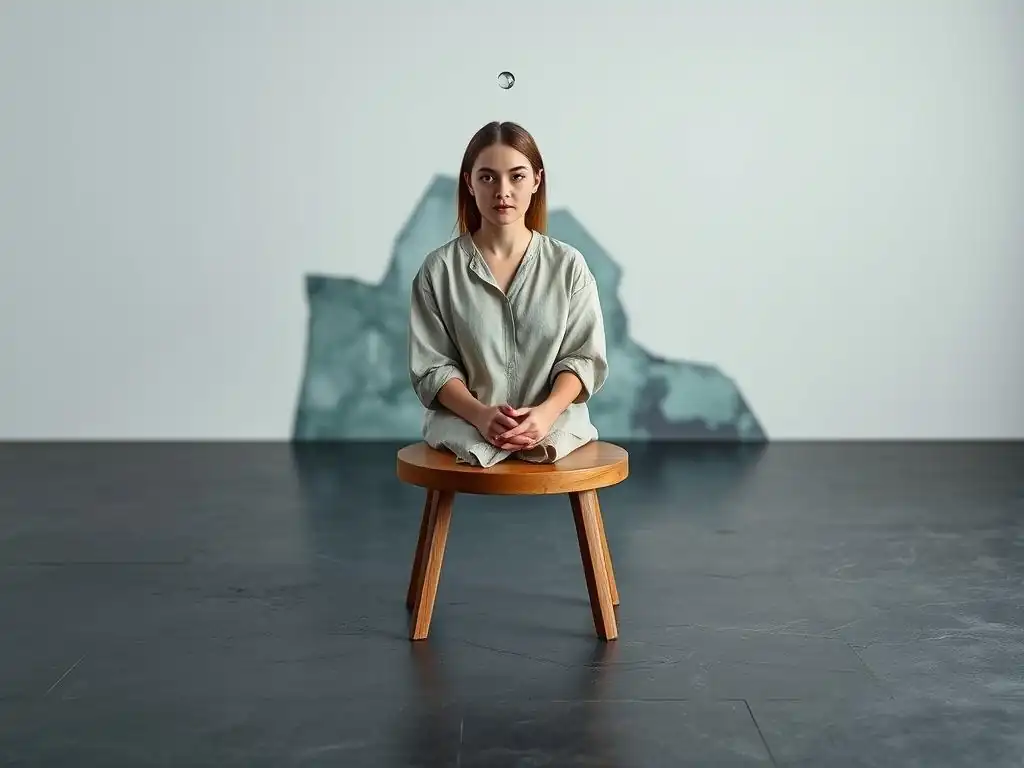
Research on the Efficacy of Reflection Techniques
Extensive research across psychology, neuroscience, and medicine supports the effectiveness of reflection practices for stress reduction and improved mental health. Studies on mindfulness-based interventions, like MBSR (Mindfulness-Based Stress Reduction), have consistently demonstrated significant reductions in symptoms of stress, anxiety, and depression in diverse populations. For instance, numerous clinical trials have shown improvements in anxiety scores, sometimes decreasing by 20-30% after an 8-week program.
Research also explores the specific benefits of different reflection methods. Studies on gratitude journaling, for example, have linked it to increased feelings of happiness and resilience. Investigations into nature exposure highlight its positive impact on physiological stress markers. This body of evidence provides a strong scientific foundation for incorporating reflection practices for anxiety relief into daily life.
How Reflection Influences the Brain and Stress Hormones
Reflection practices have a measurable impact on brain structure and function, particularly in areas related to stress and emotional regulation. Regular mindfulness meditation, for instance, has been associated with changes in the amygdala, the brain's fear center, potentially leading to reduced reactivity to stressors. Simultaneously, it can strengthen connections to the prefrontal cortex, the area responsible for executive functions like planning and emotional control.
At a hormonal level, reflection techniques like deep breathing and mindful meditation can help regulate the hypothalamic-pituitary-adrenal (HPA) axis, the body's central stress response system. This can lead to a decrease in the production of cortisol and other stress hormones. By modulating both brain activity and hormonal responses, reflection practices for anxiety relief offer a powerful way to calm the nervous system and build resilience against the physiological effects of stress.
Reflection as a Supportive Tool for Stress Management
It's important to view reflection not as a standalone cure for stress or anxiety, but as a crucial supportive tool within a broader stress management strategy. While effective, reflection practices work best when integrated with other healthy habits like adequate sleep, balanced nutrition, regular physical activity, and social connection.
Reflection provides the self-awareness needed to identify stressors and triggers, and the mental space to choose healthier coping mechanisms. It empowers individuals to take an active role in their well-being. For those experiencing significant anxiety or stress, reflection practices for anxiety relief can be a valuable complement to professional support, such as therapy or counseling, enhancing the overall effectiveness of treatment.
Advanced Reflection Techniques for Enhanced Self-Understanding
Examining Your Priorities and Values Through Reflection
Beyond immediate stress relief, reflection practices can deepen your self-understanding by helping you clarify your core priorities and values. When you take time to quiet the noise of daily life and look inward, you can gain insight into what truly matters to you. This clarity can reduce stress caused by feeling pulled in too many directions or living a life misaligned with your deepest values.
Journaling prompts like "What activities make me feel most alive?" or "What principles guide my decisions?" can facilitate this process. Reflecting on past choices and their outcomes in relation to your values can provide valuable lessons. Understanding your priorities helps you set boundaries, make decisions that serve your well-being, and focus your energy effectively, thereby reducing a significant source of stress and enhancing the power of your reflection practices for anxiety relief.
Recognizing and Transforming Stressful Thought Patterns
A key aspect of advanced reflection is becoming aware of your habitual thought patterns, especially those that contribute to stress and anxiety. Many people fall into patterns like catastrophizing (assuming the worst), black-and-white thinking, or excessive self-criticism. Reflection provides the space to observe these thoughts without getting swept away by them.
Once recognized, reflection allows you to question the validity of these thoughts and explore alternative, more balanced perspectives. This process, similar to cognitive restructuring in therapy, helps to weaken the hold of negative thinking. By consistently challenging unhelpful patterns through mindful reflection, you can gradually transform your internal landscape, reducing the fuel for anxious feelings and making your reflection practices for anxiety relief more effective.
Nurturing Self-Kindness Through Reflection
Stress and anxiety are often accompanied by harsh self-judgment. Advanced reflection practices emphasize cultivating self-compassion – treating yourself with the same kindness and understanding you would offer a friend facing difficulty. This involves acknowledging your struggles without judgment and recognizing that imperfection and setbacks are part of the human experience.
Through reflection, you can notice moments of self-criticism and consciously choose a kinder internal response. Practices like writing a compassionate letter to yourself or offering yourself words of encouragement during challenging times can be powerful. Nurturing self-kindness through reflection builds inner resilience and creates a more supportive internal environment, significantly reducing the emotional burden of stress and enhancing the healing power of reflection practices for anxiety relief.
Personal Stories: Stress Reduction Through Reflection
Sarah, a project manager in a fast-paced tech company, often felt overwhelmed by deadlines and client demands. Her stress manifested as tension headaches and difficulty sleeping. She decided to try reflection practices for anxiety relief, starting with simple focused breathing. Initially skeptical, she committed to taking three deep breaths before every stressful meeting and whenever she felt her shoulders tightening.
"It felt small at first," Sarah shared, "but after a couple of weeks, I noticed a real shift. Those few breaths gave me a tiny pause, just enough space to feel slightly less reactive. My headaches didn't vanish overnight, but the intensity lessened, and I started feeling a bit more in control during the workday." This simple practice became her go-to tool for navigating daily work stress.
Finding Emotional Balance Through Gratitude Journaling
David struggled with persistent low-grade anxiety and a tendency to focus on problems. He felt emotionally unbalanced, often dwelling on negatives. Hearing about reflection practices for anxiety relief, he decided to start a gratitude journal, aiming to write down three things he was grateful for each evening.
He began with simple things – a good cup of coffee, a sunny day, a kind word from a colleague. Over time, he found it easier to spot positives throughout his day. "It didn't magically erase my worries," David explained, "but it trained my mind to see the good alongside the bad. It shifted my perspective from constantly scanning for threats to also noticing moments of joy and connection. I felt more resilient and less consumed by negative thoughts."
Cultivating Inner Peace Through Nature Connection
Maria lived in a busy city and felt constantly restless and on edge. The noise and pace exacerbated her anxiety. Seeking reflection practices for anxiety relief, she started taking mindful walks in a small park near her apartment, dedicating just 15 minutes each day to simply observing her surroundings.
She focused on the rustling leaves, the patterns of light and shadow, the feeling of the ground beneath her feet. "Walking in the park became my sanctuary," Maria recounted. "It forced me to slow down and pay attention to something other than my racing thoughts. The simple act of noticing a bird or the texture of tree bark grounded me in the present moment and brought a profound sense of inner peace that stayed with me long after I left the park."
Integrating Reflection into Your Daily Life
Easy Ways to Include Reflection in Your Day
Integrating reflection doesn't mean scheduling long, formal sessions if that feels daunting. Look for opportunities to build micro-moments of reflection into your existing routine. This could involve taking three mindful breaths before answering the phone, pausing to appreciate your food before eating, or simply standing still for 30 seconds to notice your surroundings before entering a building.
Another simple method is using transition times – the few minutes between finishing one task and starting another, or while commuting. Instead of immediately reaching for your phone, take a moment to check in with yourself. How are you feeling? What do you need? These small, intentional pauses throughout the day accumulate and serve as mini reflection practices for anxiety relief.
Staying Consistent and Forming a Habit
Consistency is more important than duration when it comes to reflection practices for anxiety relief. Aim for short, regular sessions rather than infrequent long ones. To form a habit, try 'habit stacking' – linking your reflection practice to an existing habit. For example, "After I brush my teeth in the morning, I will write one sentence in my gratitude journal," or "Before I eat lunch, I will take one minute for focused breathing."
Be patient with yourself; building a new habit takes time, often cited as taking around 66 days on average to become automatic. Don't get discouraged by missed days. Simply acknowledge it without judgment and recommit to your practice the next day. Tracking your practice, perhaps with a simple calendar checkmark, can also help reinforce consistency.
Monitoring Your Progress and Adapting Your Strategy
As you integrate reflection practices for anxiety relief into your life, take time to periodically reflect on your progress. Are you noticing any shifts in how you respond to stress? Do you feel slightly calmer or more centered? Keep a simple note in your journal or phone about how you felt before and after a practice, or at the end of the week.
Based on your observations, be willing to adapt your strategy. If a particular practice isn't resonating, try another one. If your schedule changes, find a new time slot that works. Reflection is a dynamic process, and your approach can evolve as your needs and circumstances change. Staying mindful of what works best for you ensures that your reflection routine remains supportive and effective.
Resources for Expanding Your Knowledge of Reflection Practices
Books and Articles on Stress and Reflection
For those wishing to delve deeper, there are numerous valuable resources available. Books on mindfulness, meditation, cognitive behavioural therapy (CBT) principles applied to daily life, and the science of stress reduction offer in-depth information on the 'why' and 'how' of reflection practices. Many articles in psychology and wellness publications provide practical tips and insights into specific techniques.
Exploring these resources can provide a stronger theoretical understanding of how reflection practices for anxiety relief work and introduce you to a wider range of techniques. Look for resources that are grounded in evidence-based approaches to ensure you are getting reliable information.
Online Programs and Workshops
Many organizations and mental health professionals offer online programs and workshops focused on stress management, mindfulness, and reflection. These can range from short introductory courses to multi-week programs like online MBSR. Guided workshops can provide structure, expert guidance, and a sense of community, which can be particularly helpful when starting out.
Online resources offer flexibility, allowing you to learn at your own pace and from the comfort of your home. Participating in a structured program can help solidify your understanding and commitment to integrating reflection practices for anxiety relief into your life effectively.
Apps and Tools for Guided Reflection
Technology can be a useful aid in establishing and maintaining reflection practices. Numerous apps offer guided meditations, focused breathing exercises, journaling prompts, and tools for tracking habits. These apps can provide gentle reminders, introduce you to different techniques, and offer guided sessions that make the practice feel less intimidating, especially for beginners.
While apps can be helpful tools, remember that the core of reflection lies in your internal experience and intention. Use them as a support system, but also cultivate the ability to engage in reflection independently. Finding the right tools can make incorporating reflection practices for anxiety relief more accessible and sustainable.
Conclusion: Embracing Reflection for Sustainable Stress Management
The Process of Self-Discovery Through Reflection
Embarking on reflection practices for anxiety relief is more than just a technique for managing difficult feelings; it is a profound journey of self-discovery. By regularly turning your attention inward, you begin to uncover layers of thoughts, emotions, and beliefs that shape your experience of the world. This increased self-awareness is the foundation for making conscious choices about how you respond to stress, rather than being driven by automatic reactions.
Through consistent reflection, you gain clarity on your strengths, vulnerabilities, values, and patterns. This understanding empowers you to navigate life's challenges with greater wisdom and resilience. It's a continuous process of learning and growth, fostering a deeper connection with yourself and enhancing your capacity for emotional well-being.
Empowering Yourself to Cope with Stress Through Regular Practice
Ultimately, integrating reflection practices for anxiety relief into your daily life is an act of self-empowerment. You are taking proactive steps to care for your mental and emotional health. Regular practice equips you with practical tools to face stressful situations with greater calm and presence. It builds your internal resources, making you less susceptible to feeling overwhelmed by external pressures.
By committing to reflection, you cultivate a sustainable approach to stress management that extends far beyond temporary fixes. You are developing a lifelong skill that supports your well-being in all areas of life. Embrace the process, be patient and kind with yourself, and trust in the transformative power of consistent reflection to build resilience and cultivate inner peace.
Frequently Asked Questions
How can reflection practices specifically help with anxiety?
Reflection practices help by allowing you to identify triggers and challenge negative thought patterns, which are often at the root of anxiety. This increased self-awareness can lead to more effective coping mechanisms.
What are some simple reflection practices I can start doing today?
You can start with journaling, where you write down your thoughts and feelings about your day. Another simple practice is mindful breathing, focusing on your breath to ground yourself in the present. Finally, try asking yourself reflective questions to understand your reactions.
Are reflection practices only useful for people with diagnosed anxiety disorders?
No, reflection practices are beneficial for everyone, regardless of whether they have a diagnosed anxiety disorder. They can help improve overall mental well-being, reduce stress, and foster a greater sense of self-awareness.
How often should I engage in reflection practices to see results for anxiety relief?
Consistency is key. Aim for at least 10-15 minutes daily. Regular practice helps build the habit and allows you to notice subtle shifts in your anxiety levels over time.
What if I find reflection practices make my anxiety worse initially?
It's normal to feel uncomfortable or even anxious at first, as you confront challenging emotions. Start slowly, with short sessions, and consider seeking guidance from a therapist or counselor if needed. They can help you navigate difficult emotions safely.
Final Reflection: Cultivating Inner Peace Through Everyday Reflection
The simple act of reflection, often overlooked in our fast-paced world, is a powerful tool not just for self-understanding, but for actively managing anxiety and fostering inner peace. This article has explored various accessible reflection practices, demonstrating how even a few minutes of mindful introspection can significantly impact our mental well-being. The techniques presented—from journaling and mindful walking to gratitude practices and breathwork—offer a practical toolkit for navigating the challenges of daily life with greater ease and resilience.
The impact of consistent reflection on our cultural landscape is profound, yet often understated. We live in a society that constantly prioritizes external validation and achievement, often neglecting the crucial internal work of self-awareness and emotional regulation. This creates a fertile ground for anxiety to flourish. The unexamined life is not worth living,
Socrates famously declared, and this sentiment rings truer than ever in our modern age. By embracing reflection, we actively challenge this societal pressure and reclaim our inner space, fostering a healthier relationship with ourselves and the world around us.
Now, consider how you might integrate these practices into your own life. Perhaps start with just five minutes of daily journaling, focusing on what you're grateful for. Or, try incorporating mindful breathing into your daily routine. The key is consistency and self-compassion. Don't strive for perfection; simply commit to showing up for yourself, even on days when it feels challenging. You deserve the peace and clarity that reflection can bring. Begin your journey towards a calmer, more centered you, today.
Unlock Your Inner Peace: Start Reflecting Today
Thank you for taking the time to explore the power of reflection with us! We hope you gained valuable insights into how this practice can enrich your life. Now it's time to put these ideas into action.
- Begin your personal reflection journey: Set aside just 5 minutes each day to quietly contemplate your experiences, thoughts, and feelings. Start small – even a few moments of mindful awareness can make a significant difference.
- Share your reflections (optional): If you feel comfortable, share a key takeaway or insight from your reflection practice in the comments below. Let's create a supportive community of mindful individuals!
- Try a guided meditation: Explore various online resources (search for "guided reflection meditations") and experiment with different techniques to find what resonates with you.
What's one small step you can take today to incorporate more reflection into your daily life?