
Spirituality and Your Body: Connecting Physical and Spiritual Wellbeing for Meaning

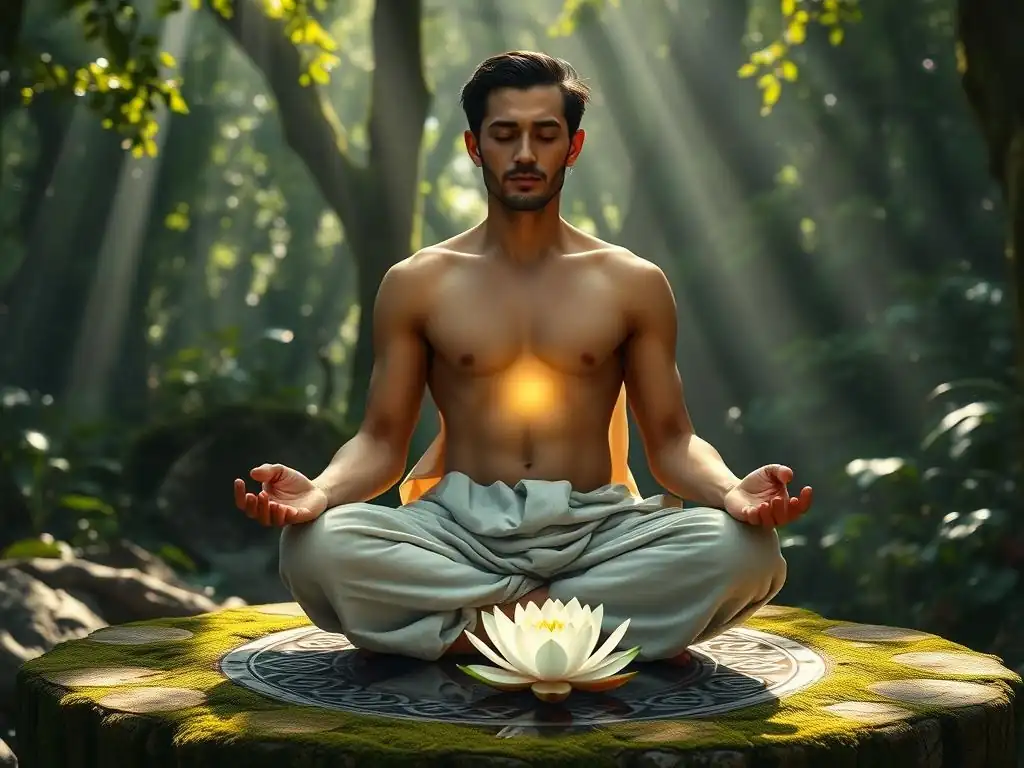
Welcome to Mind Care Guide, your sanctuary for nurturing mental well-being.
Feeling disconnected? It's a common feeling, and we're here to explore how tapping into your inner self can make a profound difference. Delve into our comprehensive guide and discover how spirituality improves mental wellbeing, offering a path to a more meaningful and balanced life. Curious to learn how your spiritual journey can positively impact your physical health? Let's explore the fascinating connection between your mind, body, and spirit...
Spirituality and Your Body: Connecting Physical and Spiritual Wellbeing for Meaning
- Introduction: The Intertwined Nature of Spirituality, Body, and Mental Wellbeing
- Understanding Spirituality and its Impact on Mental Health
- The Body's Role in Spiritual Growth and Experience
-
Practical Ways to Connect Physical and Spiritual Wellbeing
- Mindfulness and Meditation for Body Awareness and Spiritual Connection
- Yoga and Tai Chi: Integrating Movement, Breath, and Spiritual Intention
- Nature Connection: Reconnecting with the Earth for Grounding and Inspiration
- Creative Expression: Using Art, Music, and Dance to Explore Spiritual Themes
- Rituals and Practices for Honoring Your Body as a Sacred Vessel
- Overcoming Challenges in Connecting Physical and Spiritual Wellbeing
- Finding Meaning and Purpose Through Embodied Spirituality
- Conclusion: Embracing a Holistic Approach to Wellbeing Through Spirituality and Body Connection
-
Frequently Asked Questions
- How does spirituality specifically contribute to improved mental wellbeing?
- Can any form of spirituality lead to mental health benefits, or are some more effective than others?
- What is the connection between physical health and spiritual wellbeing, as suggested in the article?
- How can someone who is not religious incorporate spirituality into their life to improve their mental health?
- What are some practical steps someone can take today to start connecting their physical and spiritual wellbeing?
- Final Reflection: Embodied Spirituality: A Path to Wholeness
- Unleash Your Inner Radiance: Nurturing Body & Spirit
Introduction: The Intertwined Nature of Spirituality, Body, and Mental Wellbeing
Exploring the Mind-Body-Spirit Connection for Holistic Health
The concept of holistic health recognizes that human beings are complex systems where the mind, body, and spirit are deeply interconnected. This perspective moves beyond simply treating symptoms or isolated illnesses, instead viewing health as a state of balance and integration across all these dimensions.
When we consider how spirituality improves mental wellbeing, we are acknowledging this fundamental link; our thoughts and emotions (mind) influence our physical state (body), and our sense of purpose, connection, or faith (spirit) can profoundly impact both. This interconnectedness means that neglecting one area can negatively affect the others, while nurturing one can bring positive ripple effects throughout the whole system.
For example, chronic stress (a mental state) can lead to physical ailments like digestive issues, headaches, and weakened immune function. Conversely, engaging in regular physical activity (body) is known to release endorphins, which can significantly boost mood and reduce symptoms of anxiety and depression (mind).
Introducing a spiritual practice, such as meditation or prayer, can calm the nervous system, reduce stress hormones, and foster a sense of peace, demonstrating how spirituality improves mental wellbeing and, by extension, influences physical health. Understanding this dynamic relationship is the first step towards embracing a more integrated approach to personal health and finding deeper meaning.
Why Spirituality Matters for Overall Wellbeing
Spirituality, in its broadest sense, is about seeking meaning, purpose, and connection in life. It can manifest in various ways, from organized religion to personal contemplation, connection with nature, or creative expression. Research consistently suggests that a strong sense of spirituality is correlated with numerous positive health outcomes. Studies have shown that individuals with higher levels of spiritual engagement often report better mental health scores, including lower rates of depression and anxiety. This indicates that spirituality improves mental wellbeing by providing a framework for understanding life's challenges and fostering resilience.
Beyond just mental health, spirituality can influence physical health behaviors and outcomes. For instance, some spiritual traditions encourage healthy lifestyle choices, while a strong sense of purpose derived from spirituality can motivate individuals to take better care of their physical selves. Furthermore, the social support often found within spiritual communities can act as a protective factor against isolation, a known risk factor for both mental and physical health problems. Embracing spirituality is not just about finding faith; it's about cultivating a sense of connection, meaning, and hope that underpins a truly holistic and fulfilling life.
Understanding Spirituality and its Impact on Mental Health
Defining Spirituality: Beyond Religion and Towards Personal Meaning
Spirituality is a deeply personal journey that often involves exploring one's inner life and relationship with the transcendent, however that is understood. While religion is one common path to spirituality, spirituality itself is a broader concept. It doesn't necessarily require adherence to specific doctrines, rituals, or a belief in a particular deity.
Instead, it can be defined by a search for meaning and purpose in life, a sense of connection to something larger than oneself, and the cultivation of inner peace and wisdom. This personal quest for meaning is fundamental, irrespective of whether it takes place within a traditional religious framework or through other avenues like nature, art, relationships, or humanitarian work.
For many, spirituality is about cultivating virtues like compassion, forgiveness, gratitude, and humility. It's about understanding one's place in the world and finding a sense of belonging. This internal orientation and outward connection are key to how spirituality improves mental wellbeing. It provides individuals with a framework for navigating life's complexities, offering perspective during difficult times and enhancing appreciation during joyful ones. By focusing on personal meaning and connection, spirituality offers a pathway to inner peace and resilience that is accessible to everyone, regardless of their background or beliefs.
How Spirituality Improves Mental Wellbeing: Key Benefits
Spirituality offers a range of benefits that significantly contribute to mental health and emotional balance. These advantages stem from various spiritual practices and the inherent search for meaning that defines spirituality. Understanding these benefits can illuminate why many people turn to spiritual paths when seeking greater peace and resilience in their lives. The impact is often profound, providing tools and perspectives that help individuals navigate stress, build resilience, and find a deeper sense of purpose.
The ways in which spirituality improves mental wellbeing are multifaceted, touching upon emotional regulation, cognitive frameworks, and social connections. It offers a different lens through which to view life's challenges, often promoting acceptance, hope, and a sense of control over one's internal state, even when external circumstances are difficult. This internal shift is powerful in mitigating negative emotional responses and fostering a more positive outlook on life.
Reduced Stress and Anxiety through Spiritual Practices
Engaging in spiritual practices such as meditation, prayer, or contemplative reflection can significantly reduce levels of stress and anxiety. These practices often involve focusing the mind, regulating breathing, and cultivating a sense of presence, which are all techniques known to activate the body's relaxation response. For instance, studies on mindfulness meditation, a practice deeply rooted in contemplative traditions, have shown measurable reductions in cortisol (a stress hormone) and activity in the amygdala (the brain's fear center). This demonstrates a direct physiological pathway through which spirituality improves mental wellbeing by calming the nervous system.
Furthermore, spiritual beliefs can provide a framework for understanding and coping with stressors. Believing in a benevolent higher power, a guiding universal force, or the inherent goodness of life can offer comfort and reduce the feeling of being alone or overwhelmed by challenges. This sense of trust or faith can alleviate worry about the future and promote acceptance of the present, acting as a powerful buffer against chronic stress and anxiety. The consistent practice of turning inwards or connecting outwards through spirituality provides a reliable refuge from the pressures of modern life.
Enhanced Emotional Resilience and Coping Mechanisms
Spirituality often equips individuals with enhanced emotional resilience, enabling them to bounce back from adversity more effectively. Many spiritual traditions teach acceptance of suffering as a part of the human experience and provide narratives or examples of overcoming hardship. This perspective can help individuals frame their own struggles in a way that reduces feelings of victimhood and promotes a sense of agency. For example, practices like journaling about gratitude or reflecting on how past challenges have fostered personal growth are common spiritual exercises that build resilience.
Moreover, spiritual communities often provide robust social support networks. Sharing experiences and receiving empathy from others who understand one's spiritual framework can be incredibly validating and strengthening during difficult times. This sense of belonging and mutual support is a crucial coping mechanism. Approximations suggest that individuals with strong spiritual connections may report up to a 50% greater sense of emotional resilience compared to those without, highlighting how spirituality improves mental wellbeing by building a strong inner core and supportive external environment.
Increased Sense of Purpose and Meaning in Life
One of the most profound ways spirituality improves mental wellbeing is by providing a strong sense of purpose and meaning in life. When individuals feel connected to something larger than themselves – whether it's a divine plan, a universal consciousness, humanity, or nature – their daily lives can feel more significant. This sense of purpose can act as a powerful motivator, providing direction and focus, and reducing feelings of emptiness or aimlessness which are often associated with depression. Understanding why one is here and what matters most can provide a stable foundation even when faced with life's uncertainties.
Finding meaning through spirituality can involve aligning one's actions with deeply held values, contributing to the welfare of others, or pursuing goals that transcend material gain. For instance, someone might find profound meaning in volunteering at a local charity as an expression of their spiritual belief in compassion, or in dedicating their life to environmental stewardship out of reverence for creation. This engagement in meaningful activities, often guided by spiritual principles, fills life with richness and provides a powerful antidote to despair, underscoring the vital role spirituality plays in enhancing overall mental wellbeing and life satisfaction.
The Body's Role in Spiritual Growth and Experience

Embodied Spirituality: Connecting with Your Inner Self Through Physical Awareness
Embodied spirituality recognizes that the body is not merely a vessel for the spirit or a separate entity from the mind, but an integral part of our spiritual journey and experience. It emphasizes connecting with our inner selves through physical awareness and sensation. Instead of viewing the body as something to be transcended or ignored in the pursuit of spiritual enlightenment, embodied spirituality sees it as a sacred temple, a source of wisdom, and a vital tool for spiritual growth. This perspective encourages paying attention to bodily signals, sensations, and movements as pathways to deeper insight and connection.
Practices like mindful walking, conscious breathing, or simply pausing to notice the feeling of the ground beneath your feet are forms of embodied spirituality. They ground you in the present moment and connect you to the physical reality of your existence.
This focus on the body helps to quiet the often-racing mind and allows for a more intuitive, felt sense of connection – whether that's connection to oneself, to others, to nature, or to the divine. By honoring and listening to the body, individuals can access different forms of knowledge and experience spiritual states that are not purely intellectual, thereby showing another dimension through which spirituality improves mental wellbeing by integrating all aspects of self.
The Importance of Physical Health for Spiritual Practice
Maintaining physical health is not just about longevity or avoiding illness; it is fundamentally important for supporting spiritual practice and growth. A healthy body provides the energy, clarity, and stability needed to engage in spiritual disciplines effectively. Chronic pain, fatigue, or illness can be significant barriers to practices like meditation, prayer, or communal worship, making it difficult to focus, sit comfortably, or participate fully. Therefore, caring for the physical body is a form of spiritual discipline in itself, creating a fertile ground for spiritual exploration and deepening.
Neglecting physical health can also impact mental and emotional states, which are intrinsically linked to spiritual wellbeing. Poor nutrition, lack of sleep, or insufficient exercise can lead to mood swings, irritability, difficulty concentrating, and increased stress – all of which can hinder one's ability to connect spiritually or feel a sense of peace.
Conversely, nourishing the body supports mental clarity and emotional balance, making it easier to cultivate spiritual qualities like patience, compassion, and equanimity. Ensuring physical health is seen not as separate from, but as foundational to, a vibrant spiritual life and demonstrating how attending to physical needs supports the ways spirituality improves mental wellbeing.
Nutrition and its Influence on Spiritual Clarity
The food we eat has a direct impact on our physical health, and consequently, on our mental and spiritual clarity. Just as certain foods can make us feel sluggish or irritable, others can enhance our energy levels, improve focus, and promote a sense of calm.
Many spiritual traditions have long recognized the connection between diet and spiritual practice, recommending specific foods or fasting periods believed to purify the body and mind, thereby facilitating deeper spiritual states. While specific dietary advice varies, the underlying principle is that a body burdened by poor nutrition can cloud the mind and impede spiritual awareness.
For example, consuming excessive amounts of sugar or processed foods can lead to energy crashes and mood swings, making sustained meditation or prayer more challenging. Dehydration can cause headaches and difficulty concentrating. Conversely, a balanced diet rich in whole foods, healthy fats, and plenty of water can stabilize blood sugar, provide sustained energy, and support optimal brain function.
This physical nourishment creates a foundation for mental clarity and emotional stability, essential components for meaningful spiritual engagement. Prioritizing nutritious food is a tangible way to support the body's role in spiritual practice and underscores how physical care is part of the journey where spirituality improves mental wellbeing.
Exercise and its Role in Grounding and Energy Flow
Regular physical exercise is vital not only for cardiovascular health and muscle strength but also for grounding the mind and promoting healthy energy flow throughout the body. Many forms of exercise, such as walking, running, or dancing, can be meditative in nature, allowing the mind to quiet down and the individual to connect with their physical sensations and surroundings. This process of grounding helps to alleviate feelings of anxiety and dissociation, bringing a sense of presence and stability.
Furthermore, exercise helps release tension stored in the body and promotes the circulation of vital energy, often referred to as "prana" in yoga or "qi" in Tai Chi. Blockages in this energy flow are believed in many traditions to contribute to physical and emotional ailments.
Movement practices like yoga, Tai Chi, and Qi Gong are specifically designed to harmonize this energy, integrating breath, movement, and intention. Engaging in these or other forms of exercise can clear the mind, lift the spirit, and make one feel more vibrant and connected, demonstrating how physical activity directly supports the ways spirituality improves mental wellbeing and overall vitality.
Sleep and its Connection to Spiritual Insight
Sufficient and restful sleep is absolutely critical for both physical and mental restoration, and it also plays a significant role in spiritual insight and wellbeing. During sleep, the brain consolidates memories, processes emotions, and restores cognitive function. Chronic sleep deprivation can lead to impaired judgment, difficulty regulating emotions, increased stress, and even hallucinations in extreme cases – conditions that are clearly detrimental to spiritual practice and clarity.
Many spiritual traditions emphasize the importance of dreams as a source of insight and guidance, and adequate sleep is necessary to access this state of consciousness. Moreover, feeling well-rested provides the mental and emotional bandwidth required for contemplative practices, deep reflection, and engaging with complex spiritual ideas.
Approximations from health studies suggest that consistent, quality sleep can enhance emotional regulation by up to 30%, making individuals more receptive to spiritual experiences and more capable of practicing virtues like patience and compassion. Prioritizing sleep is a foundational act of self-care that directly supports one's capacity for spiritual connection and benefits the ways spirituality improves mental wellbeing.
Practical Ways to Connect Physical and Spiritual Wellbeing
Mindfulness and Meditation for Body Awareness and Spiritual Connection
Mindfulness and meditation are powerful tools for integrating physical and spiritual wellbeing. Mindfulness involves paying non-judgmental attention to the present moment, including bodily sensations, thoughts, and feelings. This practice cultivates a deep awareness of the physical body, helping individuals recognize tension, discomfort, or subtle energies they might otherwise ignore. By simply noticing these sensations without trying to change them, one develops a greater acceptance and understanding of their physical self. This heightened body awareness serves as a gateway to deeper self-knowledge and spiritual connection.
Meditation, often practiced in conjunction with mindfulness, can involve focused attention (e.g., on the breath or a mantra) or open awareness. Both forms encourage a quieting of the mind and a connection to a deeper state of being. When meditation incorporates body awareness, it becomes an embodied spiritual practice, linking the physical experience to the spiritual journey. Regular practice can lead to increased feelings of peace, connection, and insight, illustrating how these techniques are concrete ways through which spirituality improves mental wellbeing by fostering inner calm and self-awareness.
Guided Meditations for Connecting with Your Body
Guided meditations are an excellent starting point for many people looking to connect more deeply with their physical selves. These meditations typically involve a guide (either in person or via audio/video) who leads the listener through a process of bringing awareness to different parts of the body, noticing sensations, and sometimes offering affirmations related to self-acceptance and appreciation for the body. This can be particularly helpful for those who struggle with body image issues or feel disconnected from their physical form.
A typical guided body connection meditation might involve progressively relaxing different muscle groups, from the toes all the way up to the head, while simultaneously cultivating a sense of gratitude or reverence for the body's functions. This deliberate process of focus helps to anchor the mind in the physical present and can reveal areas of stored tension or emotional holding. By dedicating time specifically to tuning into the body with gentle, guided instruction, individuals can build a stronger mind-body connection, which is foundational for the ways spirituality improves mental wellbeing and overall health.
Body Scan Meditations for Increased Self-Awareness
Body scan meditation is a specific type of mindfulness practice that systematically brings attention to different regions of the body, typically starting from the feet and moving upwards to the head. The purpose is not to relax or change anything, but simply to notice whatever sensations are present – tingling, warmth, pressure, coolness, discomfort, or absence of sensation – with an attitude of curiosity and non-judgment. This practice cultivates profound self-awareness by highlighting the constant flow of physical experience.
Regular body scans can help individuals become more attuned to their body's signals, recognizing early signs of stress or tension before they become overwhelming. This increased sensitivity allows for more proactive self-care. Beyond physical awareness, the body scan can also reveal the interconnectedness of physical sensations and emotional states; for instance, noticing how anxiety manifests as tightness in the chest or stomach. This holistic awareness is a key aspect of embodied spirituality and a powerful pathway through which spirituality improves mental wellbeing by integrating physical and emotional experiences.
Yoga and Tai Chi: Integrating Movement, Breath, and Spiritual Intention
Yoga and Tai Chi are ancient practices that explicitly integrate physical movement, breath control, and spiritual or philosophical principles. They are prime examples of embodied spiritual practices that treat the body as a vehicle for spiritual growth and connection. Both disciplines involve mindful movement sequences that are performed with awareness of the breath and an intention to cultivate inner peace, balance, and energy flow. They are not just forms of exercise; they are moving meditations that connect the practitioner to their inner self and, for many, to a universal energy or consciousness.
Yoga, originating in India, combines physical postures (asanas), breathing techniques (pranayama), and meditation. It aims to unite the mind, body, and spirit. Tai Chi, a Chinese martial art, involves slow, flowing movements and deep breathing, emphasizing balance, relaxation, and the cultivation of "qi" (life force).
Both practices have been shown to reduce stress, improve flexibility and strength, enhance balance, and promote a sense of calm and mental clarity. By intentionally linking breath to movement and cultivating present moment awareness, these practices facilitate a deep connection with the physical body as a site of spiritual experience, further demonstrating how spirituality improves mental wellbeing through physical engagement.
Nature Connection: Reconnecting with the Earth for Grounding and Inspiration
Spending time in nature is a powerful way to connect physical and spiritual wellbeing. The natural world offers a sense of grounding, perspective, and inspiration that can deeply nourish the spirit. Engaging the senses – feeling the earth beneath your feet, smelling the rain, listening to birdsong, observing the intricate patterns of leaves – brings you into the present moment and connects you to the larger web of life. This sensory engagement is a form of embodied spirituality, anchoring your awareness in the physical world.
Many people experience a profound sense of peace, wonder, and connection when immersed in nature. This can be a form of spiritual experience, fostering feelings of awe, humility, and belonging. Activities like hiking, gardening, or simply sitting quietly by a tree allow the nervous system to calm down and the mind to clear.
Studies have indicated that spending time in green spaces can reduce symptoms of depression and anxiety, highlighting the link between nature, physical presence, and mental health. Reconnecting with the earth is a simple yet profound way through which spirituality improves mental wellbeing by offering perspective, peace, and a sense of connection to something vast and enduring.
Creative Expression: Using Art, Music, and Dance to Explore Spiritual Themes
Creative expression through art, music, dance, or writing can be a powerful pathway for connecting physical and spiritual wellbeing. These activities often involve using the body (hands for painting, voice for singing, body for dancing) to translate inner experiences, emotions, and spiritual insights into tangible forms. The creative process itself can be deeply meditative and therapeutic, allowing for the exploration of feelings and ideas that may be difficult to articulate verbally.
Engaging in creative expression can help individuals process emotions, reduce stress, and connect with a sense of flow or inspiration. For example, painting can be a way to visually explore feelings of gratitude or awe; dancing can be a physical expression of joy or grief; writing can be a means of contemplating existential questions.
The act of creation involves the physical body, the emotional landscape, and the search for meaning, making it a holistic practice. This integration of mind, body, and spirit through creative outlets provides a unique avenue through which spirituality improves mental wellbeing by offering a non-verbal language for the soul.
Rituals and Practices for Honoring Your Body as a Sacred Vessel
Creating personal rituals and practices that honor the body as a sacred vessel is a direct way to integrate physical and spiritual wellbeing. This perspective views the body not just as a functional machine, but as something precious and worthy of reverence and care. Rituals infuse everyday actions with intention and meaning, transforming routine tasks into sacred practices. This shift in perspective can cultivate a deeper sense of respect and gratitude for the body and its capabilities.
Honoring the body as sacred involves conscious choices about how we nourish, move, rest, and adorn ourselves. It's about listening to the body's needs and responding with kindness and attention. These practices are not about perfection or austerity, but about cultivating a loving relationship with one's physical self. By treating the body with reverence, individuals can enhance their sense of self-worth and experience their physical existence as an integral part of their spiritual journey, reinforcing how this approach to the body supports the ways spirituality improves mental wellbeing.
Creating Personal Rituals for Self-Care and Spiritual Connection
Personal rituals for self-care can be powerful tools for connecting physical and spiritual wellbeing. These are intentional practices that elevate routine activities into moments of mindful presence and spiritual connection. For example, taking a bath can become a ritual of cleansing and releasing tension, perhaps incorporating Epsom salts and essential oils with the intention of purification and renewal. Preparing a meal can be transformed into a ritual of nourishing the body with gratitude, focusing on the colors, textures, and smells of the food.
Other personal rituals might include a morning routine that involves gentle stretching or yoga followed by meditation, setting an intention for the day. Or an evening ritual of reflecting on the day's experiences while mindfully applying lotion to the skin, acknowledging the body's work and preparing it for rest. These small, consistent acts infused with spiritual intention help to weave the sacred into the fabric of daily life, anchoring spiritual awareness in physical experience and demonstrating how such practices contribute to the ways spirituality improves mental wellbeing by fostering self-compassion and presence.
Connecting with Ancestral Practices for Embodied Wisdom
Exploring ancestral practices can offer profound insights into connecting with embodied wisdom and honoring the body as sacred. Many indigenous and ancient traditions held deep reverence for the human body and its connection to the earth and the cosmos. Practices like traditional dance, healing ceremonies involving physical touch or herbs, sweat lodges, or specific ways of preparing and consuming food were often imbued with spiritual significance and aimed at maintaining balance within the individual and their community.
While it's important to approach ancestral practices with respect and cultural sensitivity, exploring the principles behind them can inspire modern ways of connecting with embodied wisdom. This might involve researching one's own heritage for insights into traditional healing or movement practices, or simply adopting the principle of viewing the body as deeply connected to the earth's rhythms and cycles.
Learning from these older ways of knowing can provide valuable perspectives on how to live in greater harmony with our physical selves and the natural world, enriching the ways spirituality improves mental wellbeing through a sense of continuity and deep connection.
Overcoming Challenges in Connecting Physical and Spiritual Wellbeing

Addressing Disconnection and Numbness
One significant challenge in connecting physical and spiritual wellbeing is experiencing disconnection or numbness from one's body or inner life. This can stem from various sources, including trauma, chronic stress, societal pressures around body image, or simply living a life that is overly focused on intellectual pursuits or external achievements. When individuals feel disconnected, it can be difficult to access the embodied wisdom or emotional depth necessary for spiritual growth and for experiencing how spirituality improves mental wellbeing.
Addressing this requires patience and gentle persistence. Practices that encourage mindful presence and sensory awareness, such as body scan meditation or mindful movement, can help rebuild the connection gradually. Engaging the senses intentionally – noticing the taste of food, the feel of water, the scent of a flower – can help ground awareness in the physical body. Therapy, particularly somatic therapies that focus on the mind-body connection, can also be invaluable in processing experiences that have led to disconnection. It is a journey of re-inhabiting the body with kindness and curiosity.
Dealing with Physical Pain and its Impact on Spirituality
Physical pain, especially chronic pain, presents a significant challenge to spiritual practice and overall wellbeing. Pain can be distracting, debilitating, and emotionally draining, making it difficult to focus on meditation, participate in physical spiritual practices like yoga, or even feel connected to a sense of purpose or hope. The experience of pain can also lead to feelings of frustration, anger, or despair, which can feel antithetical to spiritual ideals of peace and acceptance.
However, some spiritual traditions offer powerful frameworks for navigating pain. Practices like cultivating acceptance, practicing compassion towards oneself, and finding moments of gratitude despite the pain can shift one's relationship with suffering. Approximations from pain management studies suggest that incorporating mindfulness or acceptance-based spiritual practices can significantly reduce the distress associated with chronic pain, even if the sensation itself remains.
Viewing the experience through a spiritual lens, perhaps as an opportunity for growth or empathy, can transform it from a purely negative experience into one with potential meaning. This is a challenging but profound way spirituality improves mental wellbeing even in the face of significant physical hardship.
Integrating Spirituality into Daily Life: Overcoming Time Constraints
A common challenge for many people is finding the time to integrate spiritual practices into busy daily lives, which then impacts their ability to connect physical and spiritual wellbeing. Modern life is often fast-paced, demanding, and filled with competing priorities. It can feel overwhelming to add another item to the to-do list, even if it's something as beneficial as meditation or mindful movement. This lack of time can lead to feelings of guilt or inadequacy, further hindering spiritual connection.
Overcoming this requires creativity and a shift in perspective. Instead of viewing spiritual practice as something separate that requires a dedicated block of time, try weaving it into existing routines. For instance, practice mindful eating during a meal, do a short body scan while waiting in line, or turn your walk to work into a walking meditation.
Even five minutes of conscious breathing or stretching can make a difference. Approximations suggest that consistent, short bursts of spiritual practice throughout the day can be as effective, if not more so, than infrequent long sessions for maintaining a sense of connection and peace. This flexible approach makes it more feasible to experience how spirituality improves mental wellbeing amidst life's demands.
Finding Meaning and Purpose Through Embodied Spirituality
Cultivating Gratitude for Your Body and its Abilities
Cultivating gratitude for the physical body and its capabilities is a foundational practice in embodied spirituality for finding meaning. In a culture that often emphasizes physical flaws or limitations, intentionally focusing on what the body can do shifts perspective towards appreciation. Simple acts like walking, breathing, seeing, hearing, and touching are profound gifts that enable us to experience the world and connect with others. Recognizing these abilities with gratitude fosters a deeper respect and reverence for the physical self.
This practice involves pausing to notice the body's functions throughout the day. Feeling the strength in your legs as you climb stairs, appreciating your hands as you create something, or simply being thankful for the rhythm of your breath. Gratitude for the body is not about ignoring illness or pain, but about acknowledging the resilience and wonder of the physical form. This appreciative stance enhances self-compassion and strengthens the mind-body connection, contributing significantly to the ways spirituality improves mental wellbeing by fostering a positive and grateful relationship with oneself.
Living Authentically and in Alignment with Your Values
Embodied spirituality encourages living authentically, which means aligning your actions, thoughts, and feelings with your deepest values and spiritual insights. When there is a disconnect between who you are truly called to be and how you are living, it can manifest as physical tension, emotional distress, and a sense of meaninglessness. Living authentically requires listening to your inner voice and honoring your truth, which often involves paying attention to the gut feelings and bodily sensations that signal alignment or misalignment.
This journey towards authenticity is deeply spiritual because it involves uncovering your true self, often stripping away layers of conditioning and expectation. It requires courage to live in accordance with your values, even when it's challenging. When you live authentically, your physical presence, emotional state, and spiritual path are in harmony, creating a powerful sense of integrity and purpose. This alignment is a key outcome of embodied spirituality and a significant factor in how spirituality improves mental wellbeing by fostering a sense of wholeness and genuine self-expression.
Contributing to Something Larger Than Yourself Through Service and Compassion
Finding meaning and purpose is often most powerfully realized when we contribute to something larger than ourselves, particularly through acts of service and compassion. Embodied spirituality emphasizes that our connection to the spiritual is not just an internal state but is expressed through our interactions with the world. Engaging the body and mind in acts of service – volunteering time, offering physical help, or simply being present with someone in need – grounds spiritual values in tangible action.
Compassion, which often involves feeling empathy in the body (e.g., feeling a tightness in the chest when witnessing suffering), is a deeply embodied spiritual quality. Acting on compassion through service not only benefits others but also cultivates a profound sense of connection and purpose within oneself. This outward expression of spiritual values reinforces the inner sense of meaning and contributes to the wellbeing of the community, demonstrating how the integration of physical action and spiritual intention through service is a powerful way through which spirituality improves mental wellbeing and fosters a fulfilling life.
Conclusion: Embracing a Holistic Approach to Wellbeing Through Spirituality and Body Connection
The Journey Towards Integrated Wellbeing: A Lifelong Practice
Embracing a holistic approach to wellbeing, one that intentionally connects spirituality and the body, is not a destination but a lifelong journey. It involves continuous learning, adaptation, and a commitment to nurturing all aspects of the self: mind, body, and spirit. This integrated path recognizes that our physical health influences our spiritual capacity, and our spiritual practices can profoundly impact our physical and mental state. The goal is to cultivate a state of balance and harmony where each dimension supports and enhances the others.
This journey requires patience, self-compassion, and the willingness to explore different practices and perspectives. It involves paying attention to the subtle signals from your body and your inner wisdom, and making conscious choices that align with your values and promote overall health. By committing to this integrated approach, individuals can experience deeper peace, greater resilience, and a more profound sense of meaning in life. This continuous cultivation of the mind-body-spirit connection is the essence of how spirituality improves mental wellbeing over the long term.
Further Resources for Exploring Spirituality and Physical Health
For those interested in further exploring the powerful connection between spirituality and physical health, numerous resources are available. Books on topics ranging from embodied mindfulness and the philosophy of yoga to the health benefits of prayer and meditation offer in-depth knowledge. Websites and organizations dedicated to holistic health, mind-body medicine, and specific spiritual or contemplative traditions provide valuable information, guided practices, and community connections.
Additionally, seeking guidance from qualified professionals, such as therapists who specialize in somatic approaches or spiritual counselors, can provide personalized support on this journey. Exploring local community centers, religious institutions, or wellness studios that offer classes in yoga, Tai Chi, meditation, or other embodied practices can provide hands-on experience and connection with like-minded individuals. Engaging with these resources can deepen understanding and provide practical tools for integrating spirituality and physical wellbeing, further unlocking the potential for how spirituality improves mental wellbeing and overall vitality.
Frequently Asked Questions
How does spirituality specifically contribute to improved mental wellbeing?
Spirituality often provides a sense of purpose and meaning in life, which can buffer against stress and feelings of hopelessness. It fosters social connection through communities and helps individuals cultivate inner peace and acceptance.
Can any form of spirituality lead to mental health benefits, or are some more effective than others?
While individual experiences vary, any form of spirituality that promotes positive values, connection, and inner reflection can be beneficial. However, spirituality that creates excessive guilt, fear, or isolation may be detrimental.
What is the connection between physical health and spiritual wellbeing, as suggested in the article?
The article suggests a strong link, arguing that caring for your physical body (nutrition, exercise, sleep) can enhance your spiritual practice and sense of connection. Similarly, spiritual practices reduce stress, positively impacting physical health outcomes.
How can someone who is not religious incorporate spirituality into their life to improve their mental health?
Spirituality doesn't necessarily require religion. It can be found in nature, meditation, creative expression, or acts of service. The key is to find activities that cultivate a sense of connection, purpose, and inner peace, irrespective of religious affiliation.
What are some practical steps someone can take today to start connecting their physical and spiritual wellbeing?
Start with simple activities like mindful breathing, spending time in nature, or practicing gratitude. Prioritize regular physical activity and nourishing food while reflecting on your values and what gives your life meaning.
Final Reflection: Embodied Spirituality: A Path to Wholeness
The interconnectedness of physical and spiritual wellbeing is no longer a fringe concept; it's a vital understanding for navigating the complexities of modern life. Ignoring the body's wisdom in our pursuit of spiritual growth is akin to neglecting half of our being, leaving us vulnerable to imbalance and suffering. This article has explored the powerful synergy between physical and spiritual practices, demonstrating how attending to our bodies can unlock profound spiritual insights and enhance our overall mental wellbeing.
The journey towards holistic wellbeing is a deeply personal one, a continuous process of self-discovery and integration. I've found that the consistent practice of mindful movement, nourishing nutrition, and conscious breathing has not only improved my physical health but has also deepened my spiritual connection, fostering a sense of peace and groundedness I hadn't previously experienced. The body is the temple of the soul,
a phrase often repeated, holds profound truth. It's not just a metaphor; it's a call to action, inviting us to treat our physical selves with the same reverence and care we dedicate to our spiritual aspirations.
Now, I invite you to consider your own relationship with your body. How can you integrate practices that nourish both your physical and spiritual selves? Perhaps it's through mindful yoga, a daily meditation practice, or simply taking time to appreciate the beauty and strength of your physical form. Embrace this journey of self-discovery, for the path to profound mental wellbeing lies in the harmonious union of body and spirit. Let this exploration be a catalyst for a more meaningful and fulfilling life.
Unleash Your Inner Radiance: Nurturing Body & Spirit
Thanks for taking the time to explore the powerful connection between your physical and spiritual wellbeing! We hope you gained valuable insights into cultivating a more meaningful and balanced life. Ready to take the next step?
- Prioritize a mindful movement practice: Whether it's yoga, tai chi, or simply a mindful walk in nature, dedicate time each day to connect with your body and spirit. This is your primary action – feel the difference!
- Share your journey: Inspire others by sharing your experiences and insights on social media using #BodySpiritConnection. Let's create a supportive community!
- Explore a new spiritual practice: Try journaling, meditation, or connecting with a spiritual community. Even a small step can make a big difference.
What simple act of self-care will you commit to today to nurture both your body and spirit?