
The Power of Place: Geographic Isolation and Mental Health Challenges for Indigenous Peoples

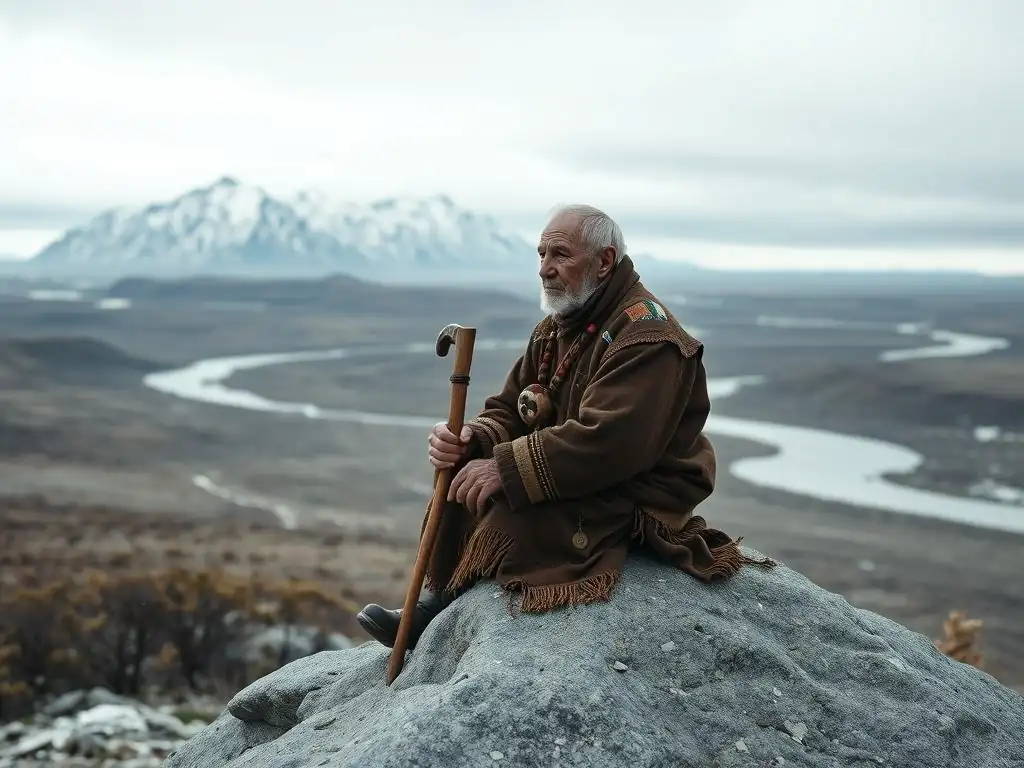
Welcome to Mind Care Guide, a place to find understanding and support.
Are you grappling with the unique challenges of mental well-being amidst geographic isolation? This is especially pertinent for Indigenous communities where place holds profound cultural and spiritual significance. Our article, " The Power of Place: Geographic Isolation and Mental Health Challenges for Indigenous Peoples," delves into this critical issue, exploring its complexities and offering pathways towards healing. We understand the profound impact of this isolation, and we're here to help you explore the intersection of geography, culture, and mental health. Discover resources and insights that can make a difference. Read on to learn more and find hope.
The Power of Place: Geographic Isolation and Mental Health Challenges for Indigenous Peoples
- Introduction: Understanding the Link Between Indigenous Geographic Isolation and Mental Health
- Geographic Isolation: A Unique Challenge for Indigenous Populations
- Mental Health Challenges Amplified by Geographic Isolation
- The Impact of Geographic Isolation on Suicide Rates in Indigenous Communities
- Strategies for Improving Mental Health in Isolated Indigenous Communities
- Case Studies: Successful Mental Health Interventions in Isolated Indigenous Communities
- Policy Recommendations and Advocacy for Change
- Conclusion: Empowering Indigenous Communities for Mental Wellness
-
Frequently Asked Questions
- How does geographic isolation specifically affect the mental health of Indigenous communities?
- What are some of the unique barriers faced by geographically isolated Indigenous communities in accessing mental healthcare?
- What role does cultural disconnection play in the mental health of Indigenous individuals living in geographically isolated areas?
- What are some effective strategies for improving mental health services and support for geographically isolated Indigenous populations?
- How can technology be leveraged to bridge the gap in mental healthcare access for geographically isolated Indigenous communities?
- Final Reflection: Reclaiming Wellbeing in Isolated Lands
- Unlock Your Understanding: Supporting Indigenous Mental Wellness
Introduction: Understanding the Link Between Indigenous Geographic Isolation and Mental Health
Geographic isolation presents a significant barrier to well-being for many communities worldwide, but its impact is particularly profound for Indigenous Peoples. For centuries, Indigenous populations have maintained deep connections to specific lands, shaping their cultures, identities, and spiritual practices. However, historical processes often led to displacement and the confinement of communities to remote, often resource-poor areas, exacerbating the challenges posed by distance and limited access.
Understanding the intricate link between Indigenous geographic isolation and mental health is crucial for developing effective interventions. Remote locations can limit access to essential services, including healthcare, education, and economic opportunities, all of which are fundamental determinants of mental well-being. Furthermore, the very factors contributing to this isolation, such as historical trauma and ongoing systemic inequities, directly impact psychological health, creating a complex web of challenges.
The Importance of Addressing Mental Health in Isolated Indigenous Communities
Addressing mental health within isolated Indigenous communities is not merely a healthcare issue; it is a matter of human rights, social justice, and cultural preservation. Data consistently shows disproportionately high rates of mental health challenges, including depression, anxiety, and tragically, suicide, in these communities compared to national averages. For instance, suicide rates among Inuit in Canada can be up to 9 times the national average, a stark indicator of the crisis.
Prioritizing mental health support in these areas requires acknowledging the unique historical, cultural, and environmental contexts. Effective strategies must be community-led, culturally sensitive, and address the root causes of distress, which are often tied to the very factors creating geographic isolation and historical disadvantage. Ignoring these needs perpetuates cycles of trauma and hinders the ability of communities to heal and thrive.
Overview: How Geographic Isolation Impacts Indigenous Wellbeing
Geographic isolation impacts Indigenous well-being through multiple interconnected pathways. Physically, it means longer travel times and higher costs to access essential services, from medical appointments to shopping for healthy food. Economically, it can limit job opportunities and access to markets, leading to higher rates of poverty and food insecurity, factors strongly linked to poor mental health.
Socially and culturally, while isolation can preserve traditional ways in some instances, it can also lead to feelings of disconnection from the wider world, limited social support networks outside the immediate community, and challenges in accessing culturally relevant resources or maintaining connections with kin in other areas. The cumulative effect of these factors creates a challenging environment where mental health issues can flourish and access to help is severely constrained.
Geographic Isolation: A Unique Challenge for Indigenous Populations
Geographic isolation for Indigenous populations is distinct due to the historical context of colonization, forced displacement, and ongoing systemic issues. It's not just about being far from urban centers; it's often about being situated on lands that were historically significant but are now remote from essential services and economic hubs, often without adequate infrastructure.
This isolation is frequently compounded by a legacy of policies designed to disrupt traditional ways of life and disconnect Indigenous Peoples from their lands and support systems. The result is a unique form of remoteness that is intertwined with historical trauma, cultural disruption, and persistent socioeconomic disadvantage, making it a particularly potent challenge for mental health.
Defining Geographic Isolation in the Context of Indigenous Communities
In the context of Indigenous communities, geographic isolation extends beyond simple physical distance. It encompasses the lack of reliable transportation, communication infrastructure, and access to necessary goods and services that non-isolated communities take for granted. This can mean communities are reachable only by air for much of the year, face unreliable internet access, or have limited access to healthcare facilities beyond basic nursing stations.
Furthermore, this definition must include the imposed nature of the isolation for many communities, often confined to reserves or territories after being removed from ancestral lands. This historical context means the isolation is not a chosen lifestyle but often a consequence of policies that disrupted traditional mobility, trade routes, and connections, creating a unique vulnerability.
Factors Contributing to Geographic Isolation
Several factors contribute to the geographic isolation experienced by many Indigenous communities. These include the sheer remoteness of the lands they inhabit, often in northern latitudes, deserts, or other hard-to-reach areas. This remoteness is frequently coupled with a severe lack of essential infrastructure, such as paved roads, reliable air strips, or broadband internet.
Historical factors, particularly the legacy of forced displacement and relocation onto designated lands, have also played a critical role. Communities were often moved to areas far from their traditional territories, disrupting established social networks, trade routes, and access to resources, effectively isolating them from both their past connections and future opportunities.
Remoteness and Limited Accessibility
Many Indigenous communities are located in extremely remote areas, far from major cities and transportation hubs. This physical remoteness means travel is often difficult, expensive, and time-consuming. For example, some communities in Canada's North or the Australian Outback are accessible only by air for significant parts of the year, with flights costing thousands of dollars.
This limited accessibility impacts everything from receiving medical supplies to accessing specialized healthcare, attending educational institutions, or participating in economic activities outside the community. The lack of reliable, affordable transportation is a primary driver of the practical challenges associated with Indigenous geographic isolation mental health.
Lack of Infrastructure and Resources
A critical contributing factor is the profound lack of essential infrastructure within and connecting to isolated Indigenous communities. This includes inadequate housing, poor sanitation systems, limited access to clean water, and unreliable electricity. On top of this, there is often a severe deficit in social infrastructure – schools are under-resourced, and healthcare facilities are basic, if they exist at all.
The absence of paved roads, reliable internet service (broadband penetration is significantly lower in many remote Indigenous areas), and limited local employment opportunities compound the challenges. This lack of fundamental resources directly affects the quality of life and creates significant barriers to accessing support systems necessary for good mental health.
Impact of Historical Displacement and Forced Relocation
The historical policies of colonization, including forced displacement and relocation, have profoundly shaped the current geographic isolation of many Indigenous communities. Communities were often moved from resource-rich ancestral lands to remote, often less fertile, areas as part of efforts to control or assimilate Indigenous populations.
This disruption severed ties to traditional territories, knowledge systems, and established social and economic networks. The trauma of these removals and the resulting disconnection from land and culture contribute directly to intergenerational trauma and ongoing mental health challenges, making the current geographic isolation a consequence of historical injustices that continue to impact well-being.
Mental Health Challenges Amplified by Geographic Isolation
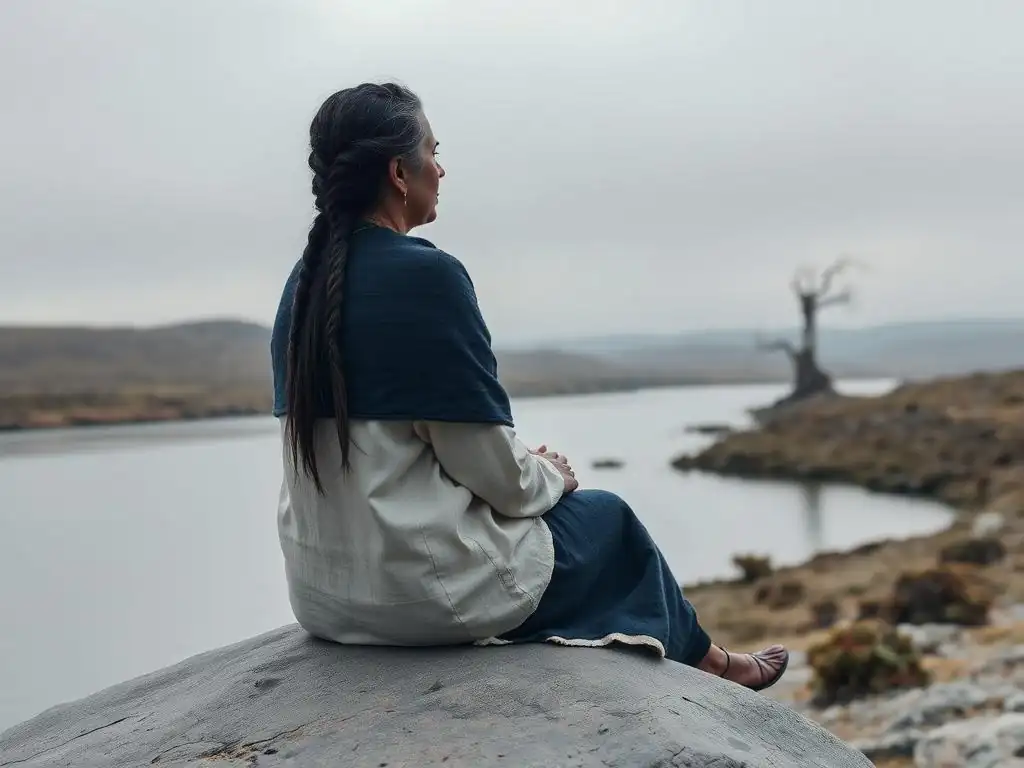
Geographic isolation acts as an amplifier for existing vulnerabilities, leading to exacerbated mental health challenges within Indigenous communities. While Indigenous Peoples globally face mental health disparities rooted in historical trauma and systemic issues, remoteness adds layers of complexity, limiting access to care and compounding stressors.
The combination of historical factors, socioeconomic disadvantage, and physical distance creates a challenging environment where mental health issues are not only more prevalent but also harder to address effectively. This underscores the critical need for tailored, accessible, and culturally appropriate interventions.
Higher Rates of Mental Illness in Isolated Indigenous Communities
Studies and reports consistently indicate higher rates of various mental health conditions in isolated Indigenous communities compared to non-Indigenous populations or even Indigenous populations in more urban areas. For example, data from parts of rural Australia shows significantly higher rates of psychological distress among Aboriginal and Torres Strait Islander peoples living in remote areas.
These elevated rates are linked to the cumulative effects of stressors associated with isolation, including poverty, lack of opportunity, social isolation, and limited access to support services. The prevalence of conditions like depression, anxiety, and PTSD is a clear indicator of the immense pressure faced by individuals and communities in these remote settings.
Specific Mental Health Issues: Depression, Anxiety, and Trauma
Depression and anxiety are common mental health issues globally, but their prevalence and severity are often amplified in isolated Indigenous communities. The constant struggle with poverty, lack of access to services, and the weight of historical trauma can create a persistent state of stress and despair. Symptoms may manifest differently based on cultural context, sometimes presenting more as physical ailments or social withdrawal.
Trauma, particularly intergenerational trauma stemming from residential schools, forced removals, and ongoing discrimination, is a pervasive issue. Living in isolated communities can sometimes limit access to trauma-informed care and create environments where the effects of trauma are less readily addressed, contributing to cycles of distress within families and communities.
The Role of Intergenerational Trauma
Intergenerational trauma is a critical factor impacting mental health in Indigenous communities, and its effects can be particularly pronounced in isolated settings where historical injustices like residential schools or forced relocation were intensely experienced and their consequences continue to ripple through generations. The trauma is passed down through families and communities, manifesting in various ways, including higher rates of mental illness, substance abuse, and family dysfunction.
In isolated communities, access to culturally safe healing practices and professional support for trauma is often severely limited. This lack of resources means that the cycle of trauma is harder to break, contributing significantly to the complex mental health challenges faced by individuals living in remote areas. Addressing Indigenous geographic isolation mental health requires acknowledging and healing this deep-seated trauma.
Substance Abuse and Addiction
Substance abuse and addiction are often tragically intertwined with mental health issues and the effects of trauma in isolated Indigenous communities. Facing significant stressors, lack of opportunity, and limited coping resources, some individuals turn to alcohol or drugs as a means of self-medication or escape. The lack of economic prospects and social activities in remote areas can also contribute to substance misuse.
Access to culturally appropriate addiction treatment and harm reduction services is often minimal or non-existent in these remote locations. This means individuals struggling with addiction face immense barriers to recovery, perpetuating a cycle that further damages mental and physical health, relationships, and community well-being.
Barriers to Mental Healthcare Access in Remote Areas
Even when individuals in isolated Indigenous communities seek help for mental health issues, they face formidable barriers to accessing care. These barriers are multifaceted, stemming from the very nature of geographic isolation, resource limitations, and cultural disconnects within the healthcare system.
Overcoming these barriers requires innovative approaches that acknowledge the unique context of remote Indigenous life and prioritize accessibility, cultural safety, and community ownership of health initiatives. Simply applying mainstream models of care is often ineffective or even harmful.
Shortage of Mental Health Professionals
One of the most significant barriers is the severe shortage of mental health professionals willing or able to work in remote Indigenous communities. Psychiatrists, psychologists, and even trained counselors are scarce outside of urban centers. Healthcare workers who do come often face challenges related to living conditions, cultural differences, and professional isolation, leading to high turnover rates.
This lack of available expertise means that individuals requiring specialized mental health support may need to travel vast distances, often at great personal or community expense, or simply go without care. The absence of consistent professional support makes addressing complex issues related to Indigenous geographic isolation mental health incredibly difficult.
Cultural and Linguistic Barriers
Western models of mental healthcare are often not culturally appropriate for Indigenous Peoples. Diagnostic categories, therapeutic approaches, and the very concept of "mental illness" may not align with Indigenous worldviews, healing practices, or understanding of well-being, which often emphasize holistic health and community connection.
Furthermore, language barriers can be significant. Many Indigenous languages are spoken in remote communities, and finding mental health professionals who speak the local language or understand cultural nuances and communication styles is rare. This can make effective communication and trust-building between patient and provider extremely challenging, hindering effective diagnosis and treatment.
Limited Funding and Resources for Mental Health Services
Underfunding of mental health services in Indigenous communities, particularly those in remote locations, is a persistent issue. Funding allocations often fail to account for the higher costs associated with delivering services in remote areas, such as transportation, housing for staff, and infrastructure development.
This limited funding translates into a lack of facilities, programs, and trained personnel on the ground. Community-based initiatives, which are often the most effective and culturally appropriate, struggle to secure stable, long-term funding. The chronic under-resourcing of mental health services is a major systemic barrier to improving Indigenous geographic isolation mental health outcomes.
The Impact of Geographic Isolation on Suicide Rates in Indigenous Communities
Tragically, geographic isolation is strongly correlated with alarmingly high rates of suicide in many Indigenous communities around the world. While suicide is a complex issue with multiple contributing factors, the unique challenges imposed by remoteness significantly amplify the risk factors and diminish protective factors.
Understanding this correlation requires looking beyond individual pathology to the broader social, historical, and environmental context shaped by isolation and historical injustices. Addressing suicide prevention in these communities necessitates targeted, culturally grounded interventions that tackle the root causes and build resilience.
Suicide as a Critical Public Health Issue
Suicide is a critical public health crisis in many Indigenous communities, particularly among youth. Rates are often several times higher than the national average in countries like Canada, Australia, New Zealand, and the United States. For example, data from the US Indian Health Service consistently shows suicide rates for American Indian/Alaska Native populations significantly exceeding the national average, with even higher rates in some remote areas.
This disproportionate burden highlights the immense suffering within these communities and the urgent need for focused prevention efforts. It underscores how the cumulative effects of historical trauma, systemic disadvantage, and geographic isolation have created a state of heightened vulnerability.
Correlation Between Geographic Isolation and Increased Suicide Risk
The correlation between geographic isolation and increased suicide risk in Indigenous communities is well-documented. Remote communities often face a concentration of risk factors: high poverty, unemployment, limited access to education and healthcare, and inadequate social support networks. These factors are exacerbated by the physical distance from resources and opportunities.
Isolation can also contribute to feelings of hopelessness and despair, particularly among young people who may see limited futures within their community and face barriers to leaving. The lack of accessible crisis intervention services means that individuals in distress may not be able to get immediate help, further increasing the risk. Addressing Indigenous geographic isolation mental health is inextricably linked to suicide prevention.
Contributing Factors to Suicide in Isolated Indigenous Communities
Multiple interconnected factors contribute to the high rates of suicide in isolated Indigenous communities. These include socioeconomic challenges like poverty and unemployment, social factors like isolation and lack of support, and cultural factors like the loss of traditional practices and identity.
These factors interact in complex ways, creating a challenging environment where individuals may feel overwhelmed and without options. Understanding these specific contributing factors is essential for developing effective, targeted prevention strategies that go beyond simply providing clinical services.
Social Isolation and Lack of Social Support
While close-knit communities can provide strong social support, geographic isolation can also lead to feelings of being cut off from the wider world and from extended family members who may have moved away. Limited opportunities for social interaction outside the immediate community, lack of recreational facilities, and sometimes, internal community stress can contribute to feelings of loneliness and isolation, particularly among young people.
The absence of robust, easily accessible social support networks and culturally relevant community programs can leave individuals feeling alone in their struggles. This social isolation is a significant risk factor for poor mental health and suicide.
Economic Hardship and Unemployment
High rates of unemployment and economic hardship are pervasive issues in many isolated Indigenous communities. Limited local job opportunities, coupled with barriers to accessing education or training elsewhere due to geographic distance and cost, create a cycle of poverty. For instance, unemployment rates in some remote First Nations communities in Canada can exceed 50%.
Poverty and financial stress are significant risk factors for mental health problems, including depression and anxiety, and are strongly linked to increased suicide risk. The lack of economic hope can contribute to feelings of despair and hopelessness, particularly affecting the aspirations of young people.
Loss of Cultural Identity and Connection to Land
The historical processes that led to geographic isolation often also involved deliberate attempts to suppress Indigenous cultures and languages. For many communities, isolation has meant reduced opportunities to practice traditional ways, speak their language, or maintain deep connections to ancestral lands that were the foundation of their identity and well-being.
The loss of cultural identity, disconnection from traditional knowledge systems, and the trauma associated with these losses contribute significantly to mental health challenges and increased suicide risk. Restoring cultural practices, revitalizing languages, and strengthening connections to land are vital protective factors for mental health in these communities.
Strategies for Improving Mental Health in Isolated Indigenous Communities
Improving mental health outcomes in isolated Indigenous communities requires a multi-pronged approach that addresses the unique challenges of remoteness while being deeply rooted in cultural understanding and community strengths. Strategies must be collaborative, innovative, and focus on both clinical care and the broader social determinants of health.
Effective interventions prioritize accessibility, cultural safety, and empower communities to lead their own healing processes. This means moving beyond one-size-fits-all solutions and investing in approaches that are tailored to the specific needs and contexts of each community.
Culturally Sensitive Mental Health Programs
Culturally sensitive mental health programs are paramount. These programs recognize and respect Indigenous worldviews, healing practices, and the impact of historical trauma. They are developed with the community, not for it, ensuring relevance and effectiveness.
This can involve training community members as mental wellness workers, incorporating traditional ceremonies and practices into healing processes, and using language and communication styles that are culturally appropriate. Such programs build trust and ensure that help is sought and received in a way that feels safe and empowering.
Integrating Traditional Healing Practices
Integrating traditional healing practices alongside or instead of Western clinical approaches is a vital component of culturally sensitive care. Many Indigenous cultures have long-standing traditions for promoting well-being and healing from distress, involving elders, traditional healers, ceremonies, and connection to the land.
Programs that successfully integrate these practices acknowledge their power and relevance. This might involve funding elder-led healing circles, supporting land-based healing camps, or training mental health professionals to work respectfully with traditional healers. Examples include programs in various First Nations communities in Canada that blend counseling with traditional ceremonies.
Community-Based Mental Health Initiatives
Community-based mental health initiatives are essential because they are accessible, responsive to local needs, and foster a sense of ownership and collective well-being. These initiatives can range from peer support groups and youth programs to community wellness centers and crisis teams comprised of local members.
Empowering community members to become mental health advocates and service providers increases trust and reduces stigma. For example, training local residents as mental health first aid providers or counselors can significantly increase the availability of immediate support within the community itself.
Telehealth and Remote Mental Health Services
Given the geographic barriers, telehealth and remote mental health services offer a promising avenue for increasing access to care. Using technology like video conferencing allows individuals in remote locations to connect with mental health professionals located elsewhere, overcoming the need for expensive and time-consuming travel.
Telehealth can facilitate individual counseling, psychiatric consultations, and even group therapy sessions. It can also be used for training local healthcare providers or community wellness workers, extending the reach of limited expertise.
Overcoming Technological Barriers
Implementing telehealth effectively in isolated Indigenous communities requires addressing significant technological barriers. Many remote areas lack reliable, high-speed internet access, and the cost of connectivity can be prohibitive. Infrastructure development, such as installing satellite internet or improving cellular networks, is a necessary prerequisite.
Furthermore, ensuring access to necessary equipment (computers, tablets) and providing technical support and training for both clients and providers is crucial. Digital literacy programs within communities can also help residents feel comfortable using the technology required for telehealth services.
Training Local Healthcare Providers
Training local healthcare providers, nurses, and community health workers in basic mental health assessment, crisis intervention, and counseling skills is a critical strategy. These individuals are already present in the community and have established relationships, making them ideal points of contact for mental health support.
Telehealth can be a valuable tool for providing supervision, consultation, and ongoing training to these local providers, enabling them to manage more complex cases and feel supported in their challenging roles. This builds local capacity and ensures more immediate access to help.
Improving mental health in isolated Indigenous communities requires addressing the underlying social determinants of health that are often exacerbated by geographic isolation. This means tackling issues like poverty, unemployment, inadequate housing, and lack of educational opportunities.
Investing in economic development, infrastructure, education, and culturally relevant programs is just as crucial for mental wellness as providing clinical mental health services. A holistic approach recognizes that well-being is influenced by the entire environment in which people live.
Improving Access to Education and Employment
Improving access to quality education and meaningful employment opportunities is fundamental to addressing the economic hardship that contributes to poor mental health. This involves supporting local schools, providing pathways to higher education and vocational training (including through remote learning options), and investing in local businesses and industries.
Creating jobs within or accessible from the community provides economic stability, increases self-esteem, and offers a sense of purpose and hope for the future, particularly for young people. This directly impacts the factors contributing to Indigenous geographic isolation mental health challenges.
Strengthening Community Infrastructure
Investing in and strengthening community infrastructure is essential. This includes improving housing quality, ensuring access to clean water and sanitation, developing reliable transportation links, and building community centers, recreational facilities, and healthcare clinics.
Adequate infrastructure improves the quality of life, reduces stressors related to living conditions, and provides spaces for social connection and community activities, all of which are protective factors for mental health.
Promoting Cultural Preservation and Language Revitalization
Promoting cultural preservation and language revitalization is a powerful strategy for strengthening identity, fostering resilience, and healing from historical trauma. Supporting cultural practices, traditional knowledge transmission, and language learning helps reconnect individuals and communities to their heritage, which is a source of strength and well-being.
Community-led initiatives focused on cultural camps, language immersion programs, and the involvement of elders in teaching traditional ways are vital for reinforcing cultural identity and providing a foundation for mental wellness in the face of ongoing challenges posed by geographic isolation.
Case Studies: Successful Mental Health Interventions in Isolated Indigenous Communities
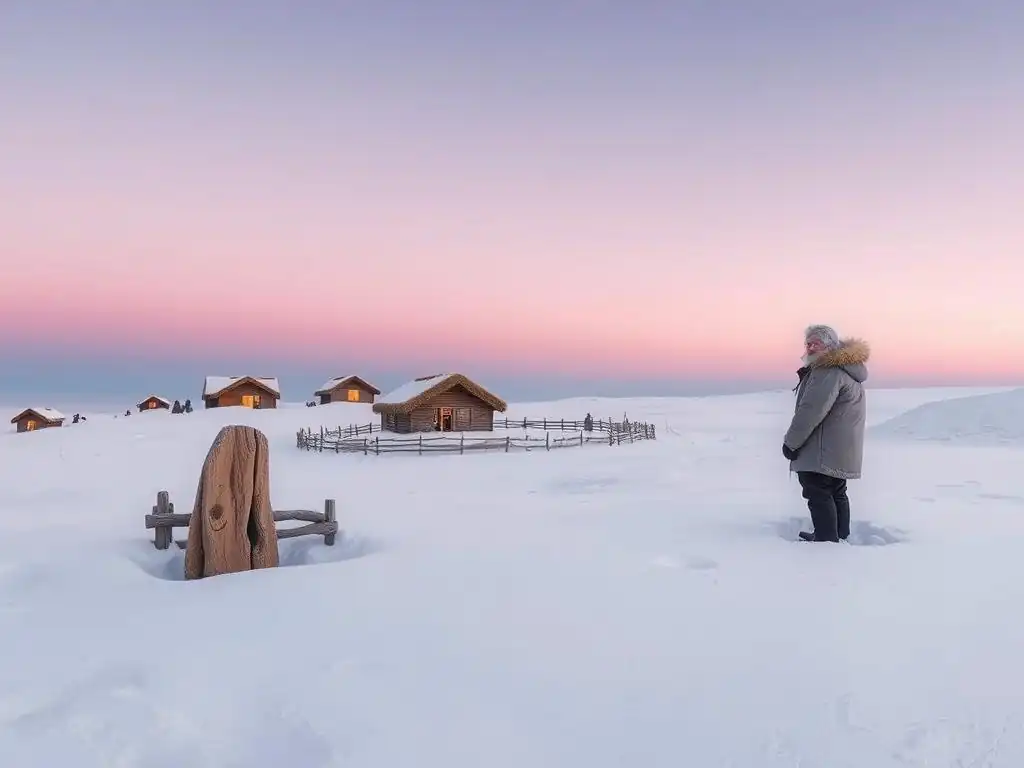
Examining successful interventions provides valuable insights into what works in addressing mental health challenges related to Indigenous geographic isolation mental health. These examples often highlight the importance of adaptability, cultural relevance, and community involvement.
While challenges remain, these case studies demonstrate that positive change is possible with targeted, culturally appropriate, and adequately supported initiatives. They offer models that can be adapted and implemented in other remote Indigenous settings facing similar issues.
Mobile Mental Health Clinics in the Australian Outback
In remote regions of Australia, where Aboriginal and Torres Strait Islander communities are widely dispersed, mobile mental health clinics have been implemented to bring services directly to where people live. Teams of culturally trained mental health professionals, including psychologists, social workers, and Aboriginal health workers, travel to remote communities on a regular basis.
These clinics provide counseling, assessment, and support, overcoming the vast distances and lack of local services. While logistical challenges exist, this model has proven effective in increasing access to care for individuals who would otherwise be unable to receive support, demonstrating a practical solution to the geographic barrier.
The Indian Country ECHO (Extension for Community Healthcare Outcomes) Program
The Project ECHO model, particularly its application in Indian Country in the United States, provides specialist knowledge to primary care providers in remote areas through telementoring. The Indian Country ECHO program connects mental health specialists with primary care providers and community health workers on tribal lands via videoconference.
This allows local providers to present complex cases for consultation, receive training on managing mental health conditions, and build their capacity to provide care locally. This model addresses the shortage of specialists in remote areas by empowering existing local providers, improving the quality and accessibility of mental healthcare without requiring patients to travel.
In Nunavut, Canada, mental health services are increasingly incorporating Inuit Qaujimajatuqangit (IQ) principles – traditional Inuit knowledge and values – into care delivery. This involves recognizing the importance of community, family, land, and traditional practices in well-being and healing.
Programs are being developed that blend clinical approaches with land-based healing, elder counseling, and culturally specific support groups. While still facing significant challenges related to staffing and resources due to extreme geographic isolation, this approach prioritizes cultural safety and relevance, which is crucial for building trust and effectiveness within Inuit communities.
Policy Recommendations and Advocacy for Change
Addressing the profound mental health challenges linked to Indigenous geographic isolation requires systemic change driven by informed policy and sustained advocacy. Policies must acknowledge the historical roots of isolation and disparity and prioritize the unique needs of remote Indigenous communities.
Advocacy efforts are essential to ensure that mental health remains a priority, that funding is adequate and sustained, and that policies are developed in partnership with Indigenous communities, respecting their self-determination and traditional knowledge.
Increased Funding for Mental Health Services in Indigenous Communities
A fundamental policy recommendation is a significant and sustained increase in funding specifically allocated for mental health services in Indigenous communities, particularly those in remote areas. Current funding levels are often insufficient to meet the scale of need and cover the higher costs of service delivery in remote locations.
Increased funding is needed for infrastructure development (clinics, community centers), training and retaining culturally competent professionals, supporting community-based initiatives, and expanding access to technology for telehealth. Governments must commit to equitable funding that reflects the disproportionate burden of mental illness faced by these populations.
Developing Culturally Appropriate Mental Health Policies
Policies governing mental healthcare for Indigenous Peoples must be culturally appropriate and developed through genuine partnership with Indigenous communities and organizations. This means moving away from imposing mainstream models and instead supporting the development and implementation of services that align with Indigenous worldviews, healing practices, and governance structures.
Policies should support the integration of traditional healers, fund land-based healing programs, ensure services are available in Indigenous languages, and prioritize trauma-informed approaches. Legislation and policies need to explicitly recognize the impact of historical trauma and geographic isolation on mental health.
Addressing Systemic Inequalities and Discrimination
Ultimately, improving Indigenous geographic isolation mental health requires addressing the broader systemic inequalities and discrimination that contribute to poor health outcomes. This includes tackling poverty, improving access to education and employment, ensuring adequate housing and infrastructure, and upholding Indigenous rights.
Policies must work towards reconciliation, address the legacy of colonization, and combat ongoing racism and discrimination within healthcare systems and society at large. A comprehensive approach that addresses these root causes is essential for creating environments where Indigenous individuals and communities can achieve true mental wellness.
Conclusion: Empowering Indigenous Communities for Mental Wellness
The link between Indigenous geographic isolation and mental health is undeniable and complex, rooted in historical injustices and perpetuated by ongoing systemic challenges. The disproportionately high rates of mental illness and suicide in remote Indigenous communities are a stark call to action. However, Indigenous communities possess immense resilience, cultural strength, and traditional knowledge that are powerful resources for healing and well-being.
Empowering these communities means supporting their right to self-determination in health, investing in culturally relevant and community-led initiatives, and addressing the systemic barriers that geographic isolation and historical trauma have created. It requires a commitment to partnership, respect, and sustained effort.
The Importance of Collaborative Efforts
Addressing the complex challenges of Indigenous geographic isolation mental health requires collaborative efforts involving governments, healthcare providers, non-profit organizations, researchers, and most importantly, Indigenous communities themselves. Solutions must be co-designed and implemented in partnership, ensuring they are relevant, effective, and sustainable.
Collaboration fosters trust, leverages local knowledge and strengths, and ensures that initiatives are responsive to the specific needs and priorities of each community. Working together is the only way to create meaningful and lasting change.
A Call to Action: Prioritizing Mental Health in Isolated Indigenous Communities
This article serves as a call to action to prioritize mental health and well-being in isolated Indigenous communities. It requires acknowledging the unique vulnerabilities created by geographic isolation and historical context, increasing investment in culturally appropriate services, and addressing the underlying social determinants of health.
It is a call to listen to and learn from Indigenous voices, support community-led initiatives, and advocate for policies that dismantle systemic barriers and promote healing and resilience. The time for action is now to ensure that all Indigenous Peoples, regardless of where they live, have access to the support they need to thrive.
Resources for Indigenous Peoples Facing Mental Health Challenges
For Indigenous Peoples facing mental health challenges, reaching out for help is a sign of strength. While accessing resources in isolated areas can be difficult, efforts are being made to provide support.
- Many regions have dedicated Indigenous mental health helplines or crisis lines.
- Community health centers, if available, can be a starting point for accessing local support or referrals.
- National Indigenous organizations often provide information and links to resources.
- Telehealth services are increasingly becoming available in some remote areas.
- Connecting with elders and participating in cultural activities can provide powerful support and healing.
Frequently Asked Questions
How does geographic isolation specifically affect the mental health of Indigenous communities?
Geographic isolation leads to limited access to mental health services, cultural disconnection, and economic hardship, all of which exacerbate mental health challenges. This can result in higher rates of depression and substance abuse.
What are some of the unique barriers faced by geographically isolated Indigenous communities in accessing mental healthcare?
Distance, lack of transportation, and limited internet access are significant barriers. Furthermore, a lack of culturally competent providers and systemic distrust towards mainstream healthcare systems also hinder access.
What role does cultural disconnection play in the mental health of Indigenous individuals living in geographically isolated areas?
Cultural disconnection weakens traditional support systems and erodes a sense of identity and belonging. This loss of cultural connection can lead to feelings of isolation, anxiety, and depression, negatively impacting mental well-being.
What are some effective strategies for improving mental health services and support for geographically isolated Indigenous populations?
Telehealth initiatives, mobile mental health clinics, and community-based programs are crucial. Equally important is training Indigenous healthcare providers and incorporating traditional healing practices into mental healthcare.
How can technology be leveraged to bridge the gap in mental healthcare access for geographically isolated Indigenous communities?
Telehealth platforms, mobile apps, and online resources can provide remote access to therapy, support groups, and educational materials. Ensuring reliable internet access and culturally appropriate content are essential for success.
Final Reflection: Reclaiming Wellbeing in Isolated Lands
The devastating impact of geographic isolation on the mental health of Indigenous peoples remains a stark reality today, a crisis demanding immediate and sustained attention. While advancements in technology have bridged some gaps, the historical and ongoing trauma compounded by limited access to resources continues to fuel a disproportionately high rate of mental health challenges within these communities. This disparity is not simply a statistic; it represents a profound injustice that undermines the well-being of entire populations and threatens the rich cultural heritage they hold.
The enduring legacy of colonization, coupled with the persistent challenges of geographic isolation, has created a complex web of interconnected issues affecting Indigenous mental health. This is not merely a matter of distance; it's a systemic problem rooted in historical trauma, economic inequality, and the erosion of traditional support systems. As Dr. Evelyn Nakano Glenn eloquently stated, The experience of oppression is not simply a matter of individual suffering; it is a collective experience that shapes the social and psychological well-being of entire communities.
Understanding this interconnectedness is crucial to developing effective and culturally sensitive solutions.
You, the reader, now hold the power to translate this knowledge into action. Consider how you can contribute to bridging the gap, whether through supporting Indigenous-led initiatives, advocating for policy changes that address systemic inequalities, or simply amplifying the voices and experiences of Indigenous communities. Let this reflection be a catalyst for empathy, understanding, and a commitment to building a future where all people, regardless of their location or background, have access to the mental health support they deserve. The journey towards healing is a collective one, and your participation is vital.
Unlock Your Understanding: Supporting Indigenous Mental Wellness
Thanks for taking the time to explore the critical connection between geographic isolation and the mental health of Indigenous communities. You've gained valuable insight into a complex issue, and now it's time to take action.
Here's how you can continue making a difference:
- Deepen your understanding: Research local Indigenous organizations and initiatives dedicated to mental health support in your region. Learning more about their specific needs and programs is a powerful first step.
- Share this crucial information: Discuss this article with friends, family, and colleagues to raise awareness about the unique challenges faced by Indigenous communities and the importance of culturally sensitive support. Consider sharing it on social media using #IndigenousMentalWellness.
- Contribute to positive change: Even a small donation to a relevant charity can have a significant impact. Many organizations work tirelessly to provide resources and support.
What steps will you take today to promote better understanding and support for Indigenous mental wellness in your community?