
Men's Mental Health: Supporting Indigenous Men on the Path to Wellness

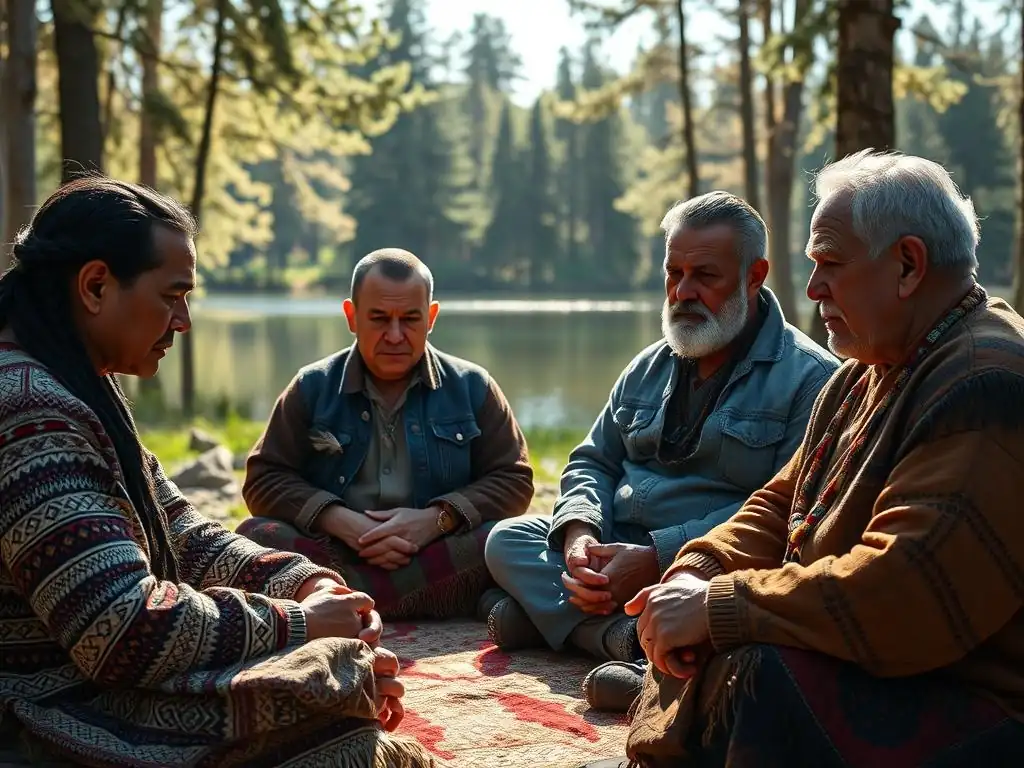
Welcome to Mind Care Guide, a safe space dedicated to nurturing your mental well-being. Are you searching for resources to navigate the unique challenges impacting Indigenous men's mental wellness? We understand. This article delves deep into vital support systems and strategies, offering a path towards healing and resilience. Let's explore how we can collectively foster strength and well-being within Indigenous communities, starting now.
Men's Mental Health: Supporting Indigenous Men on the Path to Wellness
Mental health is a critical component of overall well-being for all individuals, yet men, particularly those from marginalized communities, often face unique hurdles in seeking and receiving adequate support. For Indigenous men, these challenges are compounded by layers of historical, social, and cultural factors that significantly impact their mental wellness.
Understanding these complexities is the first step toward providing effective Indigenous men mental wellness support that respects their heritage and promotes healing. This article explores the specific issues faced by Indigenous men and highlights culturally sensitive strategies and resources aimed at fostering resilience and improving mental health outcomes within their communities.
- Understanding the Unique Challenges to Indigenous Men's Mental Health
- The Importance of Culturally Sensitive Mental Wellness Support for Indigenous Men
- Identifying Mental Health Issues in Indigenous Men
- Strategies for Promoting Indigenous Men's Mental Wellness Support
- Resources and Support Systems for Indigenous Men's Mental Health
- Practical Tips for Indigenous Men to Improve Their Mental Wellness
- The Role of Family and Community in Supporting Indigenous Men's Mental Health
- Overcoming Stigma and Promoting Open Conversations About Mental Health
- Future Directions in Indigenous Men's Mental Wellness Support
-
Frequently Asked Questions
- How does cultural connection play a role in Indigenous men's mental wellness?
- What are some unique stressors that Indigenous men face that impact their mental health?
- Where can Indigenous men find culturally appropriate mental wellness support?
- What are some effective strategies for promoting mental wellness among Indigenous men?
- Why is it important to tailor mental health services specifically for Indigenous men?
- Final Reflection: Weaving Strength and Resilience in Indigenous Men's Wellness
- Unleash Your Inner Strength: Take Action for Indigenous Men's Wellness
Understanding the Unique Challenges to Indigenous Men's Mental Health
The mental health experiences of Indigenous men are deeply intertwined with the historical and ongoing impacts of colonization, systemic discrimination, and socioeconomic disparities. These factors create a complex landscape of challenges that can make accessing or even recognizing the need for mental health support difficult. Addressing these foundational issues is crucial for developing effective Indigenous men mental wellness support initiatives.
Historical Trauma and Its Impact on Mental Well-being
Historical trauma, particularly the legacy of residential schools, forced displacement, and cultural suppression, has had devastating and long-lasting effects on Indigenous communities, including men. The physical, emotional, and spiritual abuse suffered by generations has resulted in intergenerational trauma, which manifests in various ways, including increased rates of depression, anxiety, PTSD, and substance use disorders among descendants.
This trauma is not merely a historical event but a lived reality for many, impacting family dynamics, community structures, and individual psychological states. It creates a deep-seated sense of grief, loss, and disconnection that fundamentally affects mental well-being and can make it challenging for Indigenous men to trust systems or individuals outside their immediate cultural circle, thus hindering their ability to seek or accept help even when it is available.
Socioeconomic Disparities and Their Impact on Mental Health
Indigenous communities often face significant socioeconomic disparities compared to the general population, including higher rates of poverty, unemployment, inadequate housing, and limited access to quality education and healthcare. These structural inequities are not just economic issues; they are significant determinants of mental health, creating chronic stress and limiting opportunities for well-being.
For Indigenous men, these disparities can contribute to feelings of hopelessness, frustration, and a diminished sense of purpose, which are known risk factors for mental health challenges such as depression and anxiety. The lack of resources and opportunities also impacts access to vital mental health services, as individuals may lack the financial means, transportation, or local availability needed to receive care, further underscoring the need for targeted Indigenous men mental wellness support that addresses these systemic barriers.
Cultural Barriers to Accessing Mental Healthcare
Western-based mental healthcare models, which often dominate mainstream services, can present significant cultural barriers for Indigenous men. These models may not align with Indigenous worldviews, healing practices, or communication styles. For instance, the emphasis on individual therapy may not resonate in cultures that prioritize collective well-being and community healing.
Furthermore, there is often a lack of culturally competent mental health professionals who understand the specific historical context, cultural nuances, and traditional healing practices relevant to Indigenous peoples. Language barriers can also be a significant obstacle, making it difficult for men to express their feelings and experiences accurately. These cultural disconnects contribute to mistrust and reluctance among Indigenous men to engage with formal mental health services, highlighting the necessity for culturally sensitive and relevant Indigenous men mental wellness support.
The Importance of Culturally Sensitive Mental Wellness Support for Indigenous Men
Recognizing the unique challenges faced by Indigenous men underscores the critical need for mental wellness support approaches that are not only effective but also deeply rooted in cultural understanding and respect. Standard, one-size-fits-all mental health interventions often fall short when applied to the distinct experiences and needs of Indigenous populations.
Why Standard Mental Health Approaches May Not Be Effective
Standard Western mental health models are often based on individualistic perspectives and therapeutic techniques that may not resonate with the holistic and community-oriented worldviews prevalent in many Indigenous cultures. For example, traditional therapy often involves talking about personal issues in a clinical setting, which can feel foreign or uncomfortable for individuals accustomed to sharing within a community context or through different forms of expression like storytelling or ceremony.
Moreover, these approaches may fail to acknowledge the profound impact of historical trauma and ongoing systemic issues, treating symptoms without addressing their root causes within the broader social and cultural context. Without incorporating cultural relevance and acknowledging the historical narrative, standard therapies can inadvertently perpetuate feelings of alienation or misunderstanding, limiting their effectiveness in providing meaningful Indigenous men mental wellness support.
The Role of Culture in Healing and Resilience
Culture is not just a set of traditions; it is a source of identity, strength, and resilience for Indigenous peoples. Incorporating cultural practices, values, and knowledge into mental wellness support is essential for creating interventions that are relevant, respectful, and effective. Traditional healing methods, ceremonies, connection to the land, and the guidance of Elders can provide powerful pathways to healing that Western approaches may not offer.
Engaging with cultural practices helps Indigenous men reconnect with their heritage, strengthen their identity, and find meaning and purpose, all of which are vital components of mental wellness. Culturally grounded support acknowledges the inherent strengths within individuals and communities, fostering a sense of belonging and collective healing. This approach moves beyond symptom management to address the spiritual and emotional dimensions of well-being, providing holistic Indigenous men mental wellness support.
Building Trust and Rapport Through Community Engagement
Building trust and rapport is paramount in providing effective mental health support to Indigenous men, particularly given the historical context of mistreatment and broken promises by external systems. This trust is best built through genuine community engagement, where mental wellness initiatives are developed with and by the community, rather than imposed upon them.
Initiatives led by community members, including Elders and local leaders, are more likely to be accepted and utilized. Engaging with men in familiar settings, such as community centers, cultural events, or on the land, can help break down barriers and create a safe space for open conversations about mental health. Prioritizing relationships, demonstrating respect for cultural protocols, and showing a long-term commitment to the community are foundational steps in establishing the trust necessary for successful Indigenous men mental wellness support programs.
Identifying Mental Health Issues in Indigenous Men
Recognizing the signs of mental distress in Indigenous men can be challenging, as cultural norms around expressing vulnerability may differ, and symptoms can manifest in various ways. It is crucial to be aware of common indicators and understand the intersection of mental health issues with substance use and the risk of suicide, which are disproportionately high in some Indigenous communities.
Recognizing the Signs and Symptoms of Mental Distress
Mental health issues in men can sometimes present differently than in women, often manifesting as irritability, anger, risk-taking behavior, or physical complaints rather than overt sadness or emotional expression. For Indigenous men, historical and cultural factors might further influence how distress is expressed or concealed. Signs might include withdrawal from family or community activities, changes in sleep or appetite, loss of interest in previously enjoyed activities, increased use of alcohol or drugs, or expressions of hopelessness or feeling like a burden.
It's important to look for changes in behavior and mood that are significant and persistent. These signs are not weaknesses but indicators that an individual is struggling and requires support. Approaching these observations with empathy and without judgment is key to opening a conversation and offering potential Indigenous men mental wellness support.
Addressing Substance Use and Addiction
Substance use disorders are often intertwined with mental health issues, frequently used as a coping mechanism for trauma, stress, pain, and despair. Rates of substance use, including alcohol and drugs, are higher in many Indigenous communities, reflecting the deep-seated impacts of historical trauma and socioeconomic challenges. For Indigenous men, addiction can exacerbate underlying mental health conditions and create further barriers to seeking help.
Effective Indigenous men mental wellness support must address co-occurring mental health and substance use issues concurrently. Treatment approaches should be trauma-informed and culturally sensitive, recognizing that addiction is often a symptom of deeper unresolved pain rather than a moral failing. Support programs should offer integrated care that addresses both aspects of the individual's struggle within a supportive cultural context.
Understanding and Preventing Suicide
Suicide rates among Indigenous men, particularly youth, are alarmingly higher than in the general population in many regions. This crisis is a tragic outcome of the complex interplay of historical trauma, systemic inequities, cultural disconnection, and lack of adequate mental health support. Understanding the risk factors is vital for prevention efforts.
Risk factors can include previous suicide attempts, mental health conditions (especially depression and substance use disorders), experiences of trauma or discrimination, lack of access to care, and feelings of hopelessness or isolation. Protective factors include strong cultural identity, connection to family and community, access to traditional healing practices, and positive coping skills. Suicide prevention requires a multi-faceted approach that strengthens protective factors, addresses risk factors, and provides immediate, culturally appropriate crisis intervention and ongoing Indigenous men mental wellness support.
Strategies for Promoting Indigenous Men's Mental Wellness Support
Effective strategies for promoting the mental wellness of Indigenous men must be holistic, culturally grounded, and community-driven. They should leverage the inherent strengths and resilience within Indigenous cultures and empower individuals and communities in their healing journeys.
Community-Led Mental Health Initiatives
Initiatives that are conceptualized, developed, and delivered by Indigenous communities themselves are often the most successful. These programs ensure that services are culturally relevant, accessible, and trusted by the people they aim to serve. Community leaders, Elders, and local knowledge keepers play a crucial role in guiding these initiatives.
Examples might include peer support groups led by Indigenous men, community wellness gatherings that incorporate cultural activities, or land-based healing camps. These initiatives build on existing community strengths and social networks, creating a sense of collective ownership and participation in mental wellness. Such community-led efforts are fundamental to providing effective Indigenous men mental wellness support that truly meets local needs.
Incorporating Traditional Healing Practices
Traditional healing practices are powerful complements, and often alternatives, to Western therapeutic modalities. Practices such as smudging, talking circles, sweat lodge ceremonies, traditional drumming, and engaging with traditional medicines and healers can address the spiritual and emotional dimensions of healing that are central to many Indigenous worldviews.
These practices offer culturally familiar and meaningful ways for men to process trauma, express emotions, and reconnect with their spiritual selves and community. Integrating traditional healing into mental wellness support services acknowledges and validates Indigenous knowledge systems and provides pathways to healing that resonate deeply with cultural identity. This integration is a key component of comprehensive Indigenous men mental wellness support.
The Power of Storytelling and Connection to Culture
Storytelling is a vital part of Indigenous cultures, serving as a way to transmit knowledge, history, values, and healing wisdom across generations. Creating safe spaces for Indigenous men to share their stories, whether in formal talking circles or informal gatherings, can be incredibly therapeutic. Sharing experiences can reduce feelings of isolation, build empathy, and reinforce a sense of shared identity and resilience.
Connecting with culture more broadly, including language, ceremonies, art, and land-based activities, strengthens identity and provides a buffer against the negative impacts of historical trauma and discrimination. These connections foster pride, belonging, and a sense of continuity, all of which are essential for mental wellness. Encouraging and supporting these cultural connections is a fundamental aspect of Indigenous men mental wellness support.
Resources and Support Systems for Indigenous Men's Mental Health
Accessing appropriate mental health support can be challenging, but various resources and systems are available, ranging from traditional community supports to formal clinical services. Knowing where to find these resources is a vital step for Indigenous men seeking help and for those who support them.
Connecting with Indigenous Elders and Knowledge Keepers
Elders and Knowledge Keepers hold invaluable wisdom, guidance, and spiritual support within Indigenous communities. They are keepers of traditional teachings, cultural practices, and healing methods. For many Indigenous men, seeking guidance from an Elder is a culturally appropriate and deeply respected way to address personal challenges and seek healing.
Elders can offer counseling, spiritual support, and connection to traditional ceremonies. They provide a link to cultural identity and historical resilience, which are crucial for mental wellness. Connecting with Elders is often a preferred first step for those seeking support within a culturally familiar context, forming a cornerstone of Indigenous men mental wellness support.
Accessing Culturally Competent Mental Health Professionals
While traditional healing is vital, professional mental healthcare can also play a crucial role, especially for severe mental health conditions. It is important to seek out mental health professionals who are culturally competent – meaning they have received training on Indigenous history, culture, and specific mental health challenges, and are able to deliver services in a respectful and effective manner.
Some Indigenous health organizations maintain lists of culturally competent therapists or counselors. Asking about a therapist's experience and training in working with Indigenous clients is a reasonable step. Accessing these professionals ensures that clinical support is delivered in a way that respects cultural background and integrates, where appropriate, traditional healing perspectives, enhancing the effectiveness of Indigenous men mental wellness support.
Indigenous-Specific Mental Health Organizations and Helplines
Numerous Indigenous-specific mental health organizations and helplines exist, established to provide support tailored to the unique needs of Indigenous peoples. These organizations often employ Indigenous staff, incorporate cultural practices, and operate with an understanding of the historical context affecting mental wellness.
Examples might include national or regional Indigenous health authorities, community-based health centers, or dedicated mental wellness helplines available 24/7. These resources offer a range of services, from crisis intervention and counseling to referrals for longer-term support. Utilizing these specialized resources can provide a sense of safety and understanding for Indigenous men seeking help, representing dedicated Indigenous men mental wellness support structures.
Practical Tips for Indigenous Men to Improve Their Mental Wellness
Taking proactive steps for mental wellness is empowering. Indigenous men can incorporate practical strategies rooted in their cultural values and personal strengths to enhance their mental health and build resilience against life's challenges.
Self-Care Strategies Rooted in Indigenous Values
Self-care for Indigenous men can be deeply connected to cultural practices and values. This might include spending time on the land, engaging in traditional crafts or activities, participating in ceremonies, or practicing mindfulness inspired by traditional teachings. Simple acts like ensuring adequate sleep, eating traditional foods, and engaging in regular physical activity are also foundational aspects of self-care.
Self-care is not selfish; it is essential for maintaining balance and strength. Finding activities that bring peace, joy, and a connection to heritage can significantly improve mood and overall mental well-being. Prioritizing these culturally relevant self-care practices is a vital component of maintaining Indigenous men mental wellness.
Building a Strong Support Network
Having a strong network of support is crucial for navigating difficult times. This network can include family members, friends, community members, Elders, or support groups. Talking openly with trusted individuals about challenges can alleviate feelings of isolation and provide different perspectives or practical assistance.
Building and nurturing these relationships requires effort, but the benefits for mental health are immense. Participating in community events, joining cultural groups, or simply spending time with loved ones strengthens these vital connections. A robust support network provides a buffer against stress and is a key element of Indigenous men mental wellness support.
Engaging in Cultural Practices and Land-Based Activities
Engaging actively in cultural practices and spending time on the land are powerful ways for Indigenous men to enhance their mental wellness. The land holds deep spiritual and cultural significance, offering opportunities for healing, reflection, and connection to ancestors and traditions. Activities like hunting, fishing, gathering traditional medicines, or simply walking in nature can be profoundly therapeutic.
Participating in ceremonies, learning or practicing traditional language, or engaging in cultural arts reinforces identity and belonging. These activities provide a sense of grounding, purpose, and connection that counteracts the negative impacts of historical trauma and modern stress. Prioritizing these connections is a practical step towards holistic Indigenous men mental wellness.
The Role of Family and Community in Supporting Indigenous Men's Mental Health
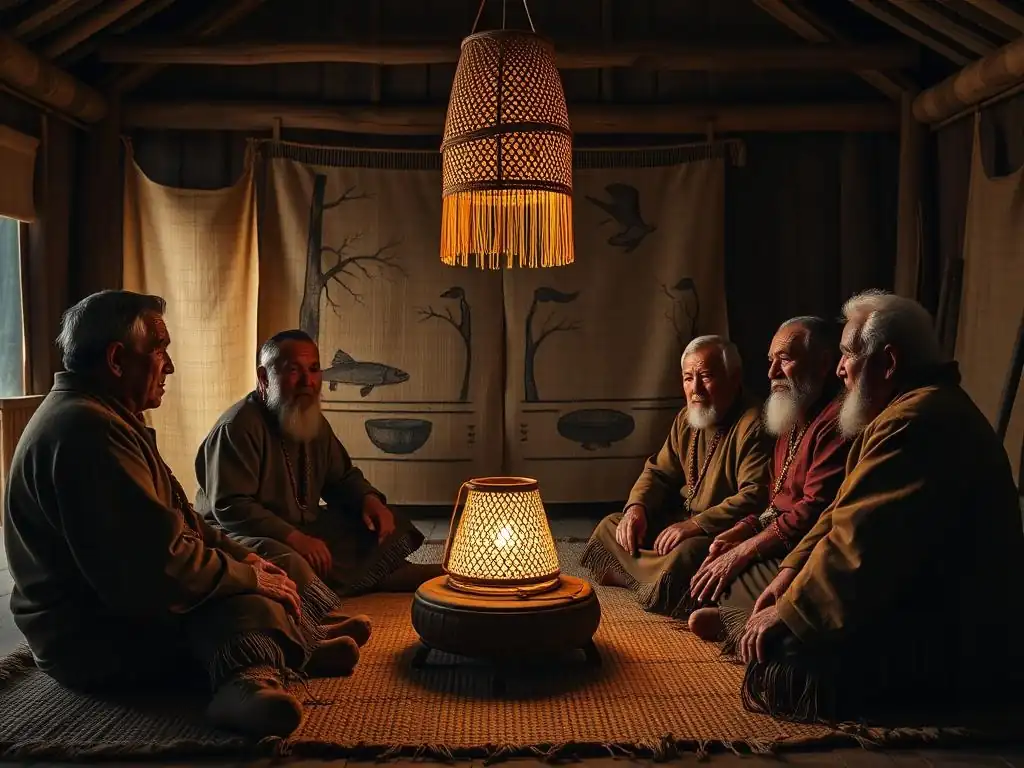
The strength of family and community bonds is a significant protective factor for the mental health of Indigenous men. Collective well-being is often prioritized, and support systems are frequently rooted in kinship and community structures. Strengthening these foundational relationships and environments is crucial for fostering mental wellness.
Strengthening Family Bonds and Relationships
Strong, healthy family relationships provide a crucial source of support, love, and stability. For Indigenous men, family can include immediate relatives as well as extended kinship networks that are integral to cultural identity. Open communication, mutual respect, and shared activities within the family unit can help individuals feel valued and understood.
Addressing challenges within families, such as the impacts of intergenerational trauma or communication breakdowns, is vital. Supporting families in developing healthy coping mechanisms and communication skills strengthens the entire unit and provides a more stable and nurturing environment for men, contributing significantly to Indigenous men mental wellness support within the home.
Creating Supportive and Inclusive Communities
Communities play a critical role in fostering mental wellness by creating environments where individuals feel safe, valued, and connected. Supportive communities offer opportunities for social interaction, cultural engagement, and mutual aid. They can also challenge stigma around mental health and encourage help-seeking behaviors.
Initiatives that promote community well-being, such as cultural events, community gardens, youth programs, and men's groups, contribute to a sense of belonging and collective strength. Creating inclusive spaces where all members, including men, feel comfortable discussing their struggles is essential for building resilience and providing effective community-level Indigenous men mental wellness support.
Addressing Intergenerational Trauma Within Families
Intergenerational trauma, passed down through families as a result of historical events like residential schools, continues to impact the mental health of current generations. This trauma can manifest as unresolved grief, addiction, violence, and communication difficulties within families. Addressing this trauma is a necessary step towards healing and breaking cycles of harm.
Family-based therapy approaches that are trauma-informed and culturally sensitive can help families understand the impacts of historical trauma, develop healthier coping strategies, and strengthen relationships. Healing from intergenerational trauma is a collective process that requires patience, understanding, and access to appropriate support, forming a critical part of comprehensive Indigenous men mental wellness support that acknowledges the past while building a healthier future.
Overcoming Stigma and Promoting Open Conversations About Mental Health
Stigma surrounding mental health is a significant barrier to seeking help in many communities, including Indigenous ones. Traditional norms around masculinity can sometimes discourage men from expressing vulnerability or admitting they need support. Challenging these stigmas and promoting open, honest conversations are vital steps towards improving Indigenous men's mental wellness.
Challenging Negative Perceptions of Mental Illness
Negative perceptions of mental illness, often viewing it as a weakness or character flaw rather than a health issue, prevent individuals from seeking help. These perceptions can be rooted in historical misunderstandings, lack of education, or cultural norms. Challenging these views requires education, awareness campaigns, and sharing stories of recovery and resilience.
Highlighting that mental health challenges are common and treatable helps normalize the experience. Framing mental wellness as a strength and an essential part of overall health, rather than an absence of illness, can shift perspectives. Actively working to dismantle these negative stereotypes is crucial for fostering an environment where Indigenous men feel safe to seek Indigenous men mental wellness support.
Encouraging Men to Seek Help Without Shame
Men, in general, are often less likely than women to seek help for mental health issues due to societal expectations about masculinity and self-reliance. For Indigenous men, these expectations can be compounded by cultural norms or fears of judgment within their community or from external systems. Creating an environment where seeking help is seen as an act of strength, not weakness, is essential.
Promoting positive male role models who are open about their mental health journeys can inspire others. Developing support services that are specifically designed for men, offering peer support, or providing confidential and accessible options can make seeking help less intimidating. Encouraging men to prioritize their mental well-being is a key aspect of effective Indigenous men mental wellness support.
Normalizing Conversations About Mental Health in Indigenous Communities
Open and frequent conversations about mental health within Indigenous communities can break down barriers and reduce stigma. This involves creating safe spaces for discussion, whether through community forums, men's groups, or family conversations. Incorporating mental wellness into cultural events and community gatherings can also help normalize the topic.
Using culturally appropriate language and framing mental health within a holistic understanding of well-being (including spiritual, emotional, physical, and social aspects) makes conversations more accessible and relevant. Normalizing these discussions empowers individuals to talk about their struggles and encourages the community to support those in need, strengthening the foundation for comprehensive Indigenous men mental wellness support.
Future Directions in Indigenous Men's Mental Wellness Support
Looking ahead, several key areas require focus to advance Indigenous men's mental wellness support. These include advocating for increased resources, fostering research that is relevant and respectful, and empowering Indigenous men to lead the way in their own healing and the development of future support systems.
Advocacy for Increased Resources and Funding
Adequate funding and resources are essential to developing and sustaining effective mental wellness programs in Indigenous communities. Many communities face significant underfunding for health and social services compared to non-Indigenous communities. Advocacy efforts are needed at all levels of government and within funding bodies to ensure equitable access to mental health resources tailored to Indigenous needs.
Increased investment is required for community-led initiatives, training of culturally competent professionals (both Indigenous and non-Indigenous), development of culturally appropriate resources, and expansion of access to traditional healers and practices. Securing consistent and sufficient funding is critical for building robust and sustainable Indigenous men mental wellness support systems.
Research and Innovation in Culturally Relevant Mental Health Interventions
More research is needed to understand the specific mental health needs of Indigenous men and to develop and evaluate culturally relevant interventions. This research must be conducted ethically, following OCAP® principles (Ownership, Control, Access, Possession) to ensure that Indigenous communities control their data and research processes.
Innovation is needed in adapting existing therapeutic models or developing new ones that integrate traditional healing practices, address the unique impacts of historical trauma, and are delivered in culturally appropriate ways. Sharing knowledge and best practices among communities and researchers can lead to the development of effective, evidence-based Indigenous men mental wellness support programs that respect cultural diversity and promote healing.
Empowering Indigenous Men to Lead the Way in Their Own Healing
Ultimately, the most effective path forward involves empowering Indigenous men to be leaders in their own healing journeys and in the development of mental wellness support systems within their communities. This means supporting men in reclaiming their roles, strengthening their cultural connections, and building their capacity to support themselves and others.
Creating opportunities for men to share their experiences, lead wellness initiatives, mentor younger generations, and participate in decision-making processes related to health and well-being fosters ownership and agency. By centering the voices and experiences of Indigenous men, future efforts can ensure that mental wellness support is truly responsive to their needs and builds upon their inherent strengths and resilience, driving the future of Indigenous men mental wellness support.
Frequently Asked Questions
How does cultural connection play a role in Indigenous men's mental wellness?
Cultural connection is vital as it provides a sense of identity, belonging, and spiritual grounding. This connection helps buffer against the negative impacts of historical trauma and discrimination.
What are some unique stressors that Indigenous men face that impact their mental health?
Indigenous men often experience unique stressors such as historical trauma, systemic racism, land dispossession, and the ongoing effects of colonization, which can significantly impact their mental well-being.
Where can Indigenous men find culturally appropriate mental wellness support?
Culturally appropriate support can be found through Indigenous-led organizations, tribal health centers, and community-based programs that understand and respect Indigenous values and healing practices.
What are some effective strategies for promoting mental wellness among Indigenous men?
Effective strategies include promoting cultural revitalization, encouraging community healing circles, providing access to traditional healers, and addressing socioeconomic disparities.
Why is it important to tailor mental health services specifically for Indigenous men?
Tailoring services is crucial because one-size-fits-all approaches often fail to address the specific needs and cultural context of Indigenous men, leading to lower engagement and poorer outcomes.
Final Reflection: Weaving Strength and Resilience in Indigenous Men's Wellness
The crisis of mental health amongst Indigenous men is not merely a statistic; it's a profound erosion of cultural strength and a tragic loss of potential. This article has explored the unique challenges faced by Indigenous men, highlighting the historical trauma, systemic inequalities, and cultural disconnect that contribute to alarming rates of suicide and mental health issues. Understanding these complexities is the first step towards building effective and culturally appropriate support systems.
The journey towards wellness for Indigenous men is a collective one, demanding a profound shift in societal understanding and a commitment to healing intergenerational trauma. It requires recognizing the inherent resilience and strength within Indigenous communities and empowering them to lead their own healing processes. As we move forward, it's crucial to remember the wisdom of our ancestors and the importance of reclaiming traditional practices that foster mental, emotional, and spiritual well-being. We must honor the past, but build our future on the foundation of healing and resilience.
This quote encapsulates the urgent need for collaborative action.
You, the reader, are now equipped with a deeper understanding of the challenges and opportunities in supporting Indigenous men's mental wellness. Consider how you can contribute to this vital work – whether through advocating for policy changes, supporting Indigenous-led initiatives, or simply listening with empathy and respect. Let us collectively weave a stronger, more resilient future where Indigenous men thrive, their voices heard, and their spirits celebrated. The path to wellness is paved with understanding, action, and unwavering hope.
Unleash Your Inner Strength: Take Action for Indigenous Men's Wellness
Thanks for taking the time to explore the crucial topic of Indigenous men's mental health. We hope this article provided valuable insights and sparked a conversation. Now, let's turn those insights into action!
- Join our upcoming online discussion forum: Connect with other advocates and share your experiences and ideas to support a stronger community focused on Indigenous men's wellness. This is your chance to make a real difference.
- Learn more about culturally-sensitive resources in your area: Research local organizations dedicated to providing support and services specifically tailored to Indigenous men. Your engagement makes a profound impact.
- Share this article with your network: Let's amplify the voices and needs of Indigenous men. Help spread awareness and inspire others to join the movement for better mental health support.
What small step will you take today to promote the well-being of Indigenous men in your community?