Youth Suicide Prevention – Specific Strategies: Practical Steps to Save Lives
When a young person is in crisis, knowing exactly what to do can make the difference between life and death. This subcategory of Mind Care Guide focuses on actionable, evidence-based strategies for parents, educators, peers, and clinicians. Here, you will move beyond general awareness and into specific intervention techniques, safety planning, and postvention support—all tailored to the unique developmental and emotional needs of adolescents and young adults. Every strategy is designed to build protective factors and reduce immediate risk, helping you feel empowered rather than helpless in the face of youth suicide.
🚨 Immediate Response Protocols: What to Do in the First 5 Minutes
When a young person expresses suicidal thoughts, the first minutes are critical. This section outlines step-by-step de-escalation techniques, including how to ask direct questions without judgment, how to stay calm, and how to remove lethal means from the environment. You will learn the ACES model (Acknowledge, Connect, Empower, Support) and when to call emergency services versus a crisis hotline. The emphasis is on safety over silence—we break down myths that asking about suicide “plants the idea” and replace them with clear, research-backed communication scripts that keep the young person connected and safe.
🧩 Collaborative Safety Planning: Building a Living Document Together
A safety plan is not a generic checklist; it must be co-created with the young person to be effective. Here, we teach the 6-step Stanley-Brown Safety Planning Intervention, adapted for teens and young adults. You will learn to identify personal warning signs, internal coping strategies, social distractions, and trusted adults—while troubleshooting common barriers like “I don’t want to bother anyone.” We also cover digital safety planning, including setting up phone shortcuts to crisis lines and removing social media triggers. The goal is a portable, personalized plan that feels empowering, not punitive, and is reviewed and updated regularly.
🏠 Family-Based Strategies: Creating a Protective Home Environment
Parents and caregivers are often the first line of defense. This section focuses on specific family practices that reduce risk, such as structured check-ins, secure storage of medications and firearms, and open communication routines that normalize mental health discussions. You will discover how to balance monitoring with autonomy—giving teens privacy while maintaining safe boundaries. We also address sibling dynamics, how to handle a child’s disclosure of suicidal thoughts, and the importance of modeling self-care. Evidence shows that family connectedness is a top protective factor, so we provide concrete conversation starters and weekly rituals that strengthen that bond.
🏫 School-Based Interventions: Training Staff and Peers
Schools are where youth spend most of their time, making them vital settings for prevention. We detail gatekeeper training (e.g., QPR, ASIST) for teachers and coaches, plus peer-to-peer support programs like Hope Squad or Sources of Strength. You will learn how to recognize subtle changes in behavior, attendance, or academic performance that often precede a suicide attempt. Additionally, we cover postvention protocols—what to say and do after a student death to prevent contagion, including safe messaging guidelines and memorial practices that don’t glamorize the act. These strategies create a school-wide safety net.
📱 Digital & Social Media Tactics: Navigating Online Risk and Support
Today’s youth live online, and that can be both a risk and a resource. This section provides specific digital strategies: how to identify concerning posts, how to respond to a friend’s crisis message, and how to use social media platforms’ reporting tools effectively. We also discuss the safe use of crisis text lines (e.g., 988 via text) and mobile apps for mood tracking and safety planning. You’ll learn to help young people curate a supportive online feed, limit exposure to graphic content, and recognize when online communities become toxic. Conversely, we highlight how to leverage social media for positive peer support and awareness campaigns.
🧠 Therapeutic & Clinical Approaches: Evidence-Based Treatments
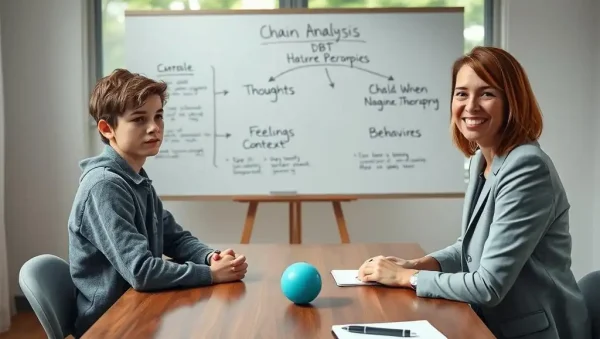
For professionals and informed caregivers, this section dives into specific clinical interventions proven to reduce suicidal ideation in youth. We cover Cognitive Behavioral Therapy for Suicide Prevention (CBT-SP), Dialectical Behavior Therapy (DBT) skills groups, and Attachment-Based Family Therapy (ABFT). You will learn what each therapy looks like in practice, typical session structures, and how to advocate for these treatments with insurance providers. We also address medication management and the importance of continuous care coordination between therapists, psychiatrists, schools, and families. Understanding these approaches helps you ask the right questions and ensure your young person receives the most effective help.
Frequently Asked Questions
What is the first thing I should say if a teen tells me they are suicidal?
Start with empathy and directness: “Thank you for telling me. I’m here to help you stay safe. Are you having thoughts of suicide right now?” Avoid scolding or panic. Listen without judgment, remove any lethal means nearby, and stay with them. Then, call 988 or your local emergency number immediately. Never leave them alone, even if they say they feel better.
Can asking about suicide actually cause a young person to attempt it?
No. Extensive research shows that asking directly about suicide does not increase risk; in fact, it often reduces distress by providing relief and feeling understood. Use open and non-accusatory language, and frame it as concern: “Sometimes people who feel as awful as you describe think about suicide. Are you having those thoughts?” This normalizes the topic and opens the door for help.
How do I create a safety plan with a teenager who doesn’t want to talk?
Start with low-pressure steps: ask them to list places they feel calm or people whose company they enjoy, even without explaining why. Use a collaborative, non-judgmental tone and let them write or type their answers. Offer to complete one together on a phone app or paper, emphasizing it’s for their control, not yours. Reassure them the plan can be changed anytime and that you’ll follow their lead.
What are the most common warning signs specific to youth, not adults?
Youth-specific signs include sudden declines in school performance, withdrawal from social media or friends, giving away prized possessions, writing about death (poetry, essays), changes in sleep or appetite, increased irritability or recklessness, and complaints of physical pain without a cause. Also watch for sudden calmness after a deep depression, which may indicate a decision has been made. Trust your instinct.
If my child is in therapy, are there additional strategies I should use at home?
Yes. Reinforce therapy skills at home by asking about what they learned in sessions (without prodding). Ensure a consistent sleep and meal schedule, keep a supportive daily check-in ritual, and store all medications and firearms in locked containers. Model healthy coping and seek your own support for caregiver stress. Also, coordinate regularly with the therapist to reinforce their treatment goals at home.