Understanding the Stigma of Mood Disorders – Breaking Down Barriers
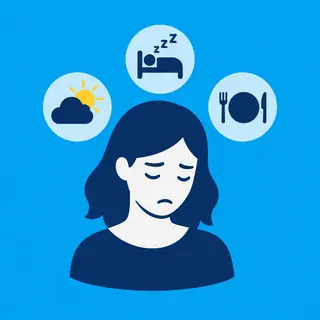
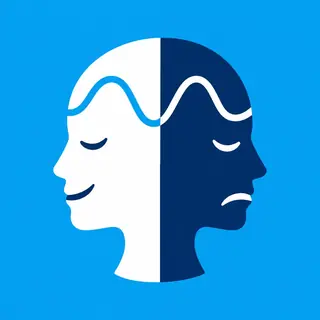
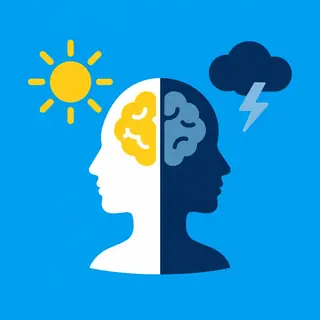
Mood disorders—such as depression, bipolar disorder, and cyclothymia—are among the most common yet most misunderstood mental health conditions. The stigma surrounding them often prevents people from seeking help, speaking openly, or even acknowledging their own symptoms. On Mind Care Guide, we are dedicated to dismantling these barriers by providing evidence-based insights, personal narratives, and actionable strategies. This subcategory focuses on the social, cultural, and psychological roots of stigma, while offering practical ways to foster acceptance, compassion, and resilience. Whether you are personally affected, supporting a loved one, or simply seeking to become a better ally, this guide will empower you with knowledge and tools to challenge misconceptions and create a more inclusive mental health landscape.
🔍 What Drives the Stigma Around Mood Disorders?
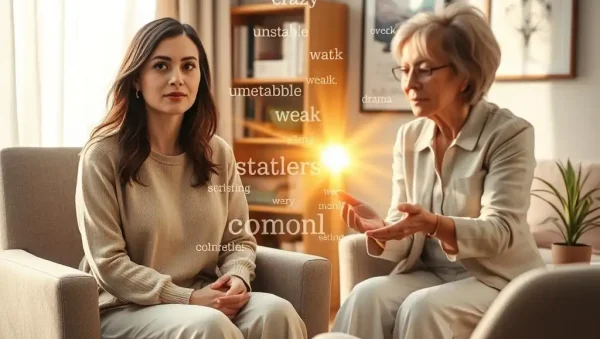
Stigma is not random; it is cultivated by centuries of cultural narratives, media portrayals, and systemic ignorance. Many people still conflate mood disorders with personal weakness, laziness, or a lack of willpower, despite overwhelming medical evidence showing they are biological, psychological, and social conditions. This misconception leads to harmful stereotypes, such as the belief that people with depression are “just sad” or that bipolar disorder makes someone unpredictable or dangerous. Understanding these roots is the first step to breaking them down.
Additionally, self-stigma—the internalization of negative societal views—can be even more damaging than public stigma. Individuals may feel shame, guilt, or self-blame, which exacerbates symptoms and delays treatment. By examining how language, religion, workplace culture, and family dynamics contribute to stigma, you can identify and deconstruct these patterns in your own life. Our goal is to replace judgment with education, and silence with supportive dialogue.
🛠️ Practical Strategies to Combat Stigma in Daily Life
Breaking down barriers requires intentional action, not just awareness. One powerful approach is to use person-first language—saying “a person with bipolar disorder” instead of “a bipolar person”—which emphasizes identity beyond the condition. Another is to educate yourself and others through reliable resources, challenging myths, and sharing factual information during conversations. Small acts, like correcting a stigmatizing joke or offering a listening ear, can create ripple effects in your community.
On a personal level, practicing self-compassion and cognitive reframing helps counter self-stigma. Keep a journal of your strengths and achievements unrelated to your diagnosis. Engage in peer support groups where shared experiences normalize your feelings. Professionally, advocate for workplace mental health policies, such as flexible sick days and employee assistance programs. Each of these strategies not only empowers you but also model’s behavior for others, gradually reshaping social norms around mood disorders.
🏥 The Role of Healthcare Systems and Media in Perpetuating or Reducing Stigma
Healthcare systems often inadvertently reinforce stigma through limited training, diagnostic overshadowing, or dismissive attitudes from providers. Many patients report being told to “just cheer up” or having their physical symptoms ignored due to a mental health label. This leads to underdiagnosis, misdiagnosis, and treatment avoidance. By advocating for integrated care—where mental health is treated on par with physical health—we can reduce these barriers. Ask your provider about evidence-based therapies, and never settle for minimizing your experiences.
Media holds immense power in shaping public perception. While some films and shows now portray mood disorders with nuance, many still resort to sensationalism or comic relief, trivializing serious symptoms. As a consumer, you can support responsible storytelling by sharing accurate portrayals and calling out harmful tropes on social platforms. On the production side, encouraging content creators to consult mental health professionals ensures realistic and empathetic representation. This shift not only educates the public but also gives hope to those who see their struggles reflected with dignity.
🤝 Building a Supportive Community: Allies, Families, and Friends
Loved ones often want to help but don’t know how, which can unintentionally create distance or pressure. Allies play a critical role in breaking barriers by simply being present, validating feelings, and avoiding unsolicited advice. Avoid phrases like “It’s all in your head” and instead say, “I’m here, and I believe you.” Educate yourself on the specific disorder, ask how you can support, and respect boundaries. This proactive approach transforms relationships from sources of stress to anchors of safety.
For families, stigma can be intergenerational—older members may dismiss mental health as “a phase” or “attention-seeking.” Breaking these cycles requires patience and gentle education, using personal stories or reputable resources. Support groups for family members, such as NAMI’s Family-to-Family, offer tools to navigate these conversations. Remember, building a supportive community doesn’t happen overnight; it’s about consistent, compassionate presence. Celebrate small victories, like a family dinner where mental health was discussed openly, as steps toward lasting change.
💡 Self-Empowerment and Recovery: Redefining Your Narrative
Recovery from a mood disorder is not linear, but reclaiming your narrative is a powerful antidote to stigma. This means moving beyond a diagnosis to define yourself by your passions, values, and accomplishments. Create a personal mission statement that acknowledges your challenges while highlighting your resilience. Engage in hobbies, volunteer work, or creative outlets that reaffirm your worth outside of symptoms. This active identity-building counteracts the weight of negative labels imposed by others or society.
Self-empowerment also involves knowing when to seek professional help. Therapy, medication, and lifestyle changes—such as sleep hygiene, exercise, and mindfulness—are not signs of failure but acts of strength. Track your mood patterns with apps or journals to identify triggers and effective coping mechanisms. Share your story, if comfortable, as personal testimony humanizes the condition and inspires others. By focusing on what you can control—your response, your self-talk, and your choices—you turn stigma from an obstacle into a catalyst for growth.
Frequently Asked Questions
How can I respond to someone who makes a stigmatizing comment about mood disorders?
Respond calmly and factually, saying something like, “Actually, mood disorders are medical conditions, not character flaws.” Offer a brief explanation to educate but avoid lecturing. If they remain dismissive, set boundaries and change the subject. Remember, your goal is not to win an argument but to plant a seed of understanding.
Is self-stigma common even after diagnosis and treatment?
Yes, self-stigma can persist for years, even with effective treatment. It often stems from internalized childhood beliefs or societal messages. Cognitive-behavioral therapy (CBT) and support groups specifically address self-stigma by challenging negative self-talk and reinforcing self-worth. Recovery includes unlearning these harmful narratives.
What are the first steps to disclosing a mood disorder at work without facing discrimination?
First, know your legal rights—many regions protect mental health conditions under disability laws. Request a private meeting with HR or your manager, and focus on what accommodations you need, such as flexible hours or reduced meetings. Frame it as a performance-improvement strategy, and keep documentation of any requests and responses.
Can media really change stigma, or is it just entertainment?
Media is one of the most powerful stigma-shapers because it reaches billions. Research shows that positive, realistic portrayals can increase empathy and reduce prejudice. For example, shows like “Atypical” or “Modern Love” have changed perceptions. Conversely, trivializing portrayals reinforce stereotypes. Supporting accurate content and critiquing harmful ones does make a difference.
How can I support a friend with a mood disorder if I don’t fully understand their experience?
You don’t need to fully understand to be supportive. Use active listening—simply say, “I hear you, and I’m here.” Avoid fixing or minimizing their feelings. Ask, “What do you need right now?” and respect their answer. Educate yourself from reputable sources, and encourage them to seek professional help without pushing. Consistency and non-judgment are your best tools.