
Media's Influence: How Portrayals Perpetuate or Combat Mood Disorder Stigma


Welcome to Mind Care Guide, a space dedicated to nurturing your mental well-being.
Ever wondered how the stories we see and hear shape our understanding of mental health? Dive into our exploration of the media's impact on stigma, where we unravel the complex ways portrayals of mood disorders can either perpetuate harmful stereotypes or pave the way for greater empathy and acceptance. Discover how to critically analyze the messages you're receiving and empower yourself to become a force for positive change. Let's begin this important conversation together.
Media's Influence: How Portrayals Perpetuate or Combat Mood Disorder Stigma
- Introduction: Understanding Media's Impact on Mental Health Stigma
- Perpetuating Stigma: Negative Portrayals of Mood Disorders in Media
-
Combating Stigma: Positive and Accurate Representations in Media
- The Power of Authentic Storytelling: Humanizing Individuals with Mood Disorders
- Responsible Journalism: Promoting Accurate Information and Reducing Misconceptions
- Celebrities and Influencers Sharing Their Experiences: Normalizing Mental Health Conversations
- Examples of Media That Effectively Challenges Mood Disorder Stigma
- Analyzing the Effects: Media's Role in Shaping Societal Attitudes
- The Role of Entertainment Media: Film, Television, and Video Games
- News Media and its Influence: Responsible Reporting vs. Sensationalism
- Social Media's Double-Edged Sword: Opportunities and Challenges
- Promoting Positive Change: Steps Towards Responsible Media Representation
- Individual Action: How to Challenge Stigma in Media Consumption
- Conclusion: The Ongoing Need for Responsible Media Representation of Mood Disorders
-
Frequently Asked Questions
- How does the media typically portray individuals with mood disorders, and what are the common issues with these portrayals?
- In what ways can media portrayals actually help to reduce stigma surrounding mood disorders?
- What role do news outlets play in shaping public perception of mood disorders, and how can they improve their reporting?
- How can social media contribute to or combat the stigma surrounding mood disorders?
- What are some specific actions individuals can take to advocate for more accurate and sensitive media portrayals of mood disorders?
- Final Reflection: Reframing Narratives, Redefining Hope
- Unleash Your Understanding: Take Action Against Stigma
Introduction: Understanding Media's Impact on Mental Health Stigma
The Pervasive Reach of Media and its Influence on Perceptions
In the digital age, media is everywhere. From the morning news to social media feeds, streaming services, and podcasts, the average adult spends hours each day consuming media content. This constant exposure means that media narratives, whether factual or fictional, play a significant role in shaping public opinion and understanding on a vast array of topics, including complex health issues like mood disorders. The sheer volume and accessibility of media platforms amplify their potential to either educate and inform or misrepresent and perpetuate harmful stereotypes about mental health conditions.
Studies and surveys consistently show a strong correlation between media consumption and public attitudes. For instance, research indicates that individuals who rely heavily on certain types of media for information about mental illness are more likely to hold stigmatizing beliefs. This highlights the critical nature of media's impact on stigma surrounding conditions such as depression and bipolar disorder. The narratives presented, the language used, and the visual cues provided all contribute to the collective understanding—or misunderstanding—of what it means to live with a mood disorder.
Defining Mood Disorders and the Stigma Surrounding Them
Mood disorders are a category of mental health conditions characterized by significant disturbances in a person's emotional state. Major depressive disorder, bipolar disorder, and persistent depressive disorder (dysthymia) are common examples. These conditions can profoundly affect how a person feels, thinks, and behaves, impacting their daily life, relationships, and overall well-being. Unlike temporary sadness or mood swings, mood disorders are persistent, often requiring professional treatment and support.
Despite their prevalence—affecting millions globally, with estimates suggesting around 5% of adults experience depression annually—mood disorders remain subject to significant societal stigma. This stigma manifests as prejudice, negative attitudes, and discrimination against individuals with these conditions. It can lead to feelings of shame, isolation, and reluctance to seek help, creating significant barriers to recovery. The public perception, often influenced by media's impact on stigma, frequently reduces complex conditions to simplistic, negative labels.
Why Media Representations Matter: Shaping Public Opinion and Attitudes
Media representations are powerful tools for shaping public opinion and attitudes towards marginalized groups, including people with mental health conditions. When media portrays mood disorders accurately and empathetically, it can foster understanding, reduce fear, and encourage compassion. Conversely, inaccurate, sensationalized, or stereotypical portrayals can reinforce existing prejudices, spread misinformation, and deepen the stigma associated with these conditions.
The stories told in films, television shows, news reports, and online content have a direct influence on how the general public perceives individuals living with mood disorders. Positive portrayals can challenge stereotypes and demonstrate that recovery is possible and that individuals with mood disorders are valuable members of society. Negative portrayals, however, can lead to increased discrimination in areas like employment, housing, and social interactions, significantly hindering the lives of those affected. Understanding this media's impact on stigma is crucial for mental health advocacy.
Perpetuating Stigma: Negative Portrayals of Mood Disorders in Media
Common Stereotypes and Misrepresentations of Mood Disorders
Media frequently relies on harmful stereotypes when depicting mood disorders. One common trope is the portrayal of individuals with depression as perpetually sad, weak, or incapable of functioning, ignoring the diverse ways the condition can manifest and the resilience many individuals show. Bipolar disorder is often reduced to dramatic, unpredictable mood swings, focusing solely on manic episodes or linking the condition to erratic or even dangerous behavior, rather than showing the full spectrum of experiences, including depressive phases and periods of stability.
Another prevalent misrepresentation is the idea that mood disorders are simply a result of personal failure or a lack of willpower, rather than complex medical conditions influenced by genetics, brain chemistry, and environmental factors. This narrative, often subtly woven into storylines, dismisses the severity of the illness and places undue blame on the individual. Such simplified and often inaccurate depictions contribute significantly to media's impact on stigma, making it harder for people to recognize symptoms, seek help, and receive support without judgment.
Sensationalism and the Exaggeration of Symptoms
Sensationalism is a major driver of negative media portrayals. News outlets might focus on extreme cases, highlighting rare or dramatic incidents involving individuals with mood disorders without providing adequate context about the condition itself or its typical presentation. Entertainment media often exaggerates symptoms for dramatic effect, depicting characters experiencing non-stop crises or displaying behaviors that are not representative of the vast majority of people with mood disorders.
This focus on the extreme can lead the public to believe that all individuals with mood disorders are constantly unstable or experiencing severe symptoms, ignoring the fact that many manage their conditions effectively with treatment and support. This exaggeration contributes to fear and misunderstanding, reinforcing the perception that mood disorders are inherently frightening or dangerous. The sensational approach significantly amplifies media's impact on stigma by creating a distorted and fear-driven public image.
The "Violent Patient" Trope: Linking Mood Disorders with Dangerous Behavior
Perhaps one of the most damaging stereotypes is the persistent linking of mental illness, including mood disorders, with violence and criminality. While tragic incidents involving individuals with mental health conditions sometimes occur and are heavily reported, the vast majority of people with mood disorders are not violent and are, in fact, more likely to be victims of violence than perpetrators. Media often perpetuates the "violent patient" trope, particularly in news coverage of crimes, by immediately highlighting a perpetrator's mental health history, even when it's not the primary factor or is irrelevant to the crime.
In entertainment, characters with mood disorders are sometimes depicted as unstable, unpredictable, and prone to sudden outbursts of violence. This narrative is not only inaccurate for the vast majority of people with these conditions but also fuels public fear and contributes to discrimination. It reinforces the dangerous myth that people with mood disorders are inherently dangerous, making it harder for them to live freely and without prejudice. This specific misrepresentation is a powerful example of media's impact on stigma at its most harmful.
Impact of Negative Media Portrayals: Reinforcing Prejudices and Discrimination
The cumulative effect of negative media portrayals is the reinforcement of existing prejudices and the fueling of discrimination against individuals with mood disorders. When media consistently presents stereotypical, sensationalized, or fear-mongering narratives, it shapes public perception in profoundly negative ways. Viewers and readers may internalize these portrayals, leading them to believe that people with mood disorders are fundamentally different, less capable, or even dangerous.
This can result in tangible discrimination in various aspects of life. For example, employers might be hesitant to hire someone with a disclosed history of a mood disorder due to unfounded fears about their reliability or behavior. Friends and family might distance themselves due to misunderstanding or fear. The individual experiencing the mood disorder may internalize the stigma, leading to shame, self-blame, and reluctance to seek necessary treatment. This cycle demonstrates the significant and detrimental media's impact on stigma, creating real barriers to recovery and social inclusion.
Combating Stigma: Positive and Accurate Representations in Media
The Power of Authentic Storytelling: Humanizing Individuals with Mood Disorders
Authentic storytelling has immense power in combating mood disorder stigma. When media features nuanced, realistic, and empathetic portrayals of individuals living with these conditions, it humanizes their experiences. Stories that show the daily struggles alongside moments of joy, resilience, and successful management of symptoms help break down stereotypes and reveal the person behind the diagnosis. Examples include characters who are shown maintaining relationships, pursuing careers, and contributing to their communities while also navigating the challenges of a mood disorder.
These narratives move beyond simplistic labels and showcase the complexity of human experience. By depicting individuals with mood disorders as multi-dimensional people, capable of growth, recovery, and leading fulfilling lives, authentic storytelling fosters empathy and understanding among the audience. This approach is vital in counteracting the negative narratives and showcasing a more accurate picture of what living with a mood disorder truly entails, demonstrating a positive media's impact on stigma reduction.
Responsible Journalism: Promoting Accurate Information and Reducing Misconceptions
Responsible journalism plays a crucial role in shaping public understanding of mood disorders. This involves using accurate terminology, avoiding sensational language, providing context about the prevalence and treatability of these conditions, and focusing on facts rather than fear. Responsible reporting might include interviews with mental health professionals, individuals with lived experience, or family members, offering diverse perspectives that challenge misconceptions.
For example, when reporting on events where mental health might be a factor, responsible journalists avoid making definitive diagnoses or linking the condition directly to violence without clear evidence and expert consultation. They focus on the event itself while perhaps including information about mental health resources or the importance of seeking help. By prioritizing accuracy and sensitivity, news media can significantly reduce the spread of misinformation and promote a more informed public dialogue, illustrating a positive media's impact on stigma.
Celebrities and Influencers Sharing Their Experiences: Normalizing Mental Health Conversations
The willingness of public figures, including celebrities and social media influencers, to openly share their personal experiences with mood disorders has had a significant impact on normalizing mental health conversations. When well-known individuals like actors, musicians, athletes, or online personalities talk about their struggles with depression, bipolar disorder, or anxiety, it sends a powerful message that these conditions are real, treatable, and can affect anyone, regardless of fame or success.
These personal stories resonate with millions, helping to reduce feelings of isolation among those affected and encouraging others to seek help. For example, a popular musician discussing managing bipolar disorder can reach a vast audience, challenging the notion that mental health issues are something to be hidden or ashamed of. While not without potential pitfalls (like oversimplification), the overall effect of such disclosures tends to be positive, fostering empathy and reducing the stigma associated with seeking help. This direct sharing is a potent form of media's impact on stigma reduction.
Examples of Media That Effectively Challenges Mood Disorder Stigma
Several media examples have been lauded for their sensitive and accurate portrayals of mood disorders. Television shows like This Is Us have featured storylines depicting characters navigating depression and anxiety with nuance and realism. The film Silver Linings Playbook, while fictionalized, sparked conversations about bipolar disorder and recovery, focusing on treatment and relationships rather than solely on symptoms. Documentaries such as Of Two Minds offer in-depth, personal accounts of individuals living with bipolar disorder, providing authentic perspectives.
In the news, initiatives like the Associated Press Stylebook's guidelines on reporting on mental health issues encourage journalists to use person-first language and avoid stigmatizing terms. Online platforms and social media campaigns, like #BellLetsTalk in Canada, actively promote dialogue and understanding around mental health. These examples demonstrate that media can be a powerful force for good, actively working to dismantle harmful stereotypes and promote a more compassionate understanding of mood disorders, highlighting a positive media's impact on stigma.
Analyzing the Effects: Media's Role in Shaping Societal Attitudes
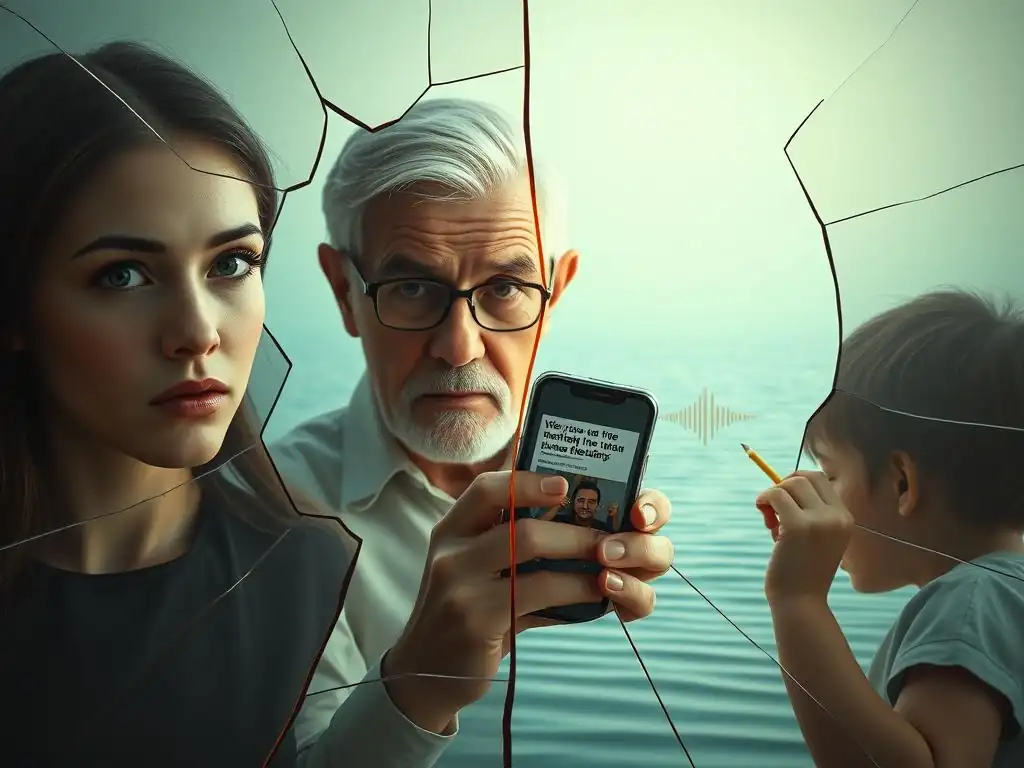
The Correlation Between Media Consumption and Stigmatizing Beliefs
Research has consistently demonstrated a correlation between the type and amount of media consumed and the level of stigmatizing beliefs held by individuals regarding mental health. Studies often use surveys and content analysis to explore this relationship. For instance, research published in journals like the Journal of Health Communication has shown that greater exposure to news stories linking mental illness to violence is associated with increased public fear and a desire for social distance from individuals with mental health conditions.
Conversely, exposure to educational content or personal narratives about mental health in media can lead to more positive attitudes and reduced stigma. A 2017 study involving college students found that watching a documentary featuring personal stories of recovery from mental illness significantly reduced stigmatizing attitudes compared to a control group. This indicates that the nature of media content is key to understanding media's impact on stigma, showing that positive exposure can actively counter negative biases.
How Media Influences Help-Seeking Behavior for Mood Disorders
Media portrayals can profoundly influence whether individuals experiencing symptoms of a mood disorder feel comfortable seeking professional help. Negative portrayals that emphasize hopelessness, unpredictability, or the idea that treatment is ineffective can discourage individuals from reaching out. If someone sees characters with depression portrayed as weak or unable to recover, they might internalize this and feel ashamed to admit their own struggles or believe that seeking help is futile.
On the other hand, media that shows characters successfully managing their conditions through therapy, medication, or support networks can normalize these interventions and provide hope. Public awareness campaigns disseminated through media channels, like those encouraging people to recognize symptoms and seek help, have proven effective in increasing help-seeking rates. For example, campaigns promoting mental health hotlines or resources have seen increased call volumes following media exposure. This direct link between media messaging and behavior underscores the significant media's impact on stigma regarding treatment access.
Research on Media's Impact on Mental Health Stigma
Extensive research across psychology, sociology, and communication studies has focused on media's impact on mental health stigma. Meta-analyses of studies confirm that exposure to stigmatizing media content is linked to increased negative attitudes towards people with mental illness. Studies often measure public attitudes before and after exposure to specific media content, demonstrating causal links. For instance, one study found that showing participants a news clip linking mental illness to violence increased their perception of individuals with mental illness as dangerous.
Research also explores the mechanisms through which media exerts influence, such as cultivation theory (proposing that repeated exposure to media shapes perceptions of reality) and social cognitive theory (highlighting learning through observation). The consensus is clear: media is a powerful agent in shaping public perception and attitudes regarding mental health, making understanding and addressing media's impact on stigma a critical area of focus for public health and advocacy efforts. This body of research provides concrete evidence of the media's significant role.
The Role of Entertainment Media: Film, Television, and Video Games
Examining the Portrayal of Depression in Film
Film has a long history of depicting characters with depression, though often with varying degrees of accuracy. Early films might have pathologized sadness, while more recent ones attempt nuanced portrayals. For instance, some films depict depression as a profound state of despair and inertia, capturing the emotional weight of the illness. However, others might use depression as a plot device for a character's temporary struggle before a quick, unrealistic recovery, minimizing the chronic or recurring nature of the condition for many.
Examples like the film Melancholia use depression as a central theme, exploring its impact on relationships and perception of reality, though its artistic style might not be universally relatable. More mainstream films might feature characters with depression as part of an ensemble cast, allowing for more subtle exploration. The key challenge remains balancing dramatic narrative needs with accurate representation to avoid perpetuating stereotypes or trivializing the illness, thereby managing media's impact on stigma through thoughtful depiction.
Analyzing Bipolar Disorder Representation in Television
Television series, with their longer narrative arcs, have the potential to explore the complexities of bipolar disorder in more depth than film. Some shows have attempted this, depicting characters experiencing manic and depressive episodes, the challenges of medication adherence, and the impact on family life. For example, a character might be shown navigating the energy and impulsivity of mania followed by the profound lows of depression, illustrating the cyclical nature of the illness for some.
However, television also frequently falls into the trap of sensationalizing bipolar disorder, particularly focusing on erratic or dangerous behavior during manic episodes for dramatic effect. The "tortured genius" or "unpredictable wild card" trope is common, reinforcing the idea that individuals with bipolar disorder are inherently unstable or defined solely by their moods. Shows that integrate accurate information about treatment and recovery alongside the portrayal of symptoms offer a more responsible representation, mitigating negative media's impact on stigma.
Video Games and Mental Health Stigma
Video games are an increasingly influential form of media, and their engagement with mental health themes is evolving. Some games use mental health conditions, including elements resembling mood disorders, as part of character backstories or narrative themes. For example, a character might struggle with depression-like symptoms following trauma, influencing gameplay or story progression. More recently, some indie games have attempted to directly simulate or explore the experience of living with conditions like depression or anxiety.
The portrayal in video games can be mixed. Some games risk trivializing or misrepresenting complex conditions for gameplay mechanics or narrative convenience. Others aim for empathy and understanding, using interactive elements to convey the internal experience of a mood disorder. The unique immersive nature of video games means their media's impact on stigma can be particularly potent, potentially fostering empathy through shared (simulated) experience or reinforcing stereotypes through insensitive depictions.
News Media and its Influence: Responsible Reporting vs. Sensationalism
The Importance of Accurate Language and Avoiding Stigmatizing Terms
The language used by news media is critical in shaping public perception of mood disorders. Using accurate, person-first language—such as "a person with bipolar disorder" instead of "a bipolar person"—emphasizes the individual rather than defining them solely by their condition. Avoiding pejorative terms like "crazy," "lunatic," or "unstable" is essential. Similarly, refraining from using terms like "suffers from" unless preferred by the individual, and instead using terms like "lives with" or "manages," promotes a more empowering perspective.
Responsible reporting also means being mindful of headlines, which are often the only part of a story many people read. Sensational or stigmatizing headlines can instantly create a negative impression, even if the article itself is more balanced. For example, a headline like "Depressed Man Commits Crime" is far more stigmatizing than one focusing on the crime itself without making an unfounded causal link to a mental health diagnosis. Adherence to style guides like those from the AP or mental health organizations helps ensure accurate and sensitive language, reducing negative media's impact on stigma.
Examples of Responsible News Reporting on Mood Disorders
Examples of responsible news reporting on mood disorders often involve in-depth features that explore the lived experience, treatment options, and societal challenges faced by individuals. These might include profiles of people successfully managing their conditions, investigative pieces on access to care, or articles explaining the science behind mood disorders in an accessible way. For instance, a major newspaper might run a series during Mental Health Awareness Month featuring personal essays, expert interviews, and data on prevalence and treatment gaps.
Responsible reporting also focuses on providing context when mental health is relevant to a news story, such as reporting on public health trends or policy debates. Instead of linking mental illness solely to crime, responsible news covers the broader societal impacts of mood disorders, including their economic cost, impact on families, and the need for better support systems. Such reporting educates the public and fosters empathy, demonstrating a positive media's impact on stigma reduction through factual and compassionate coverage.
The Impact of Sensational Headlines on Public Perception
Sensational headlines have a powerful, immediate impact on public perception, often overriding the nuances of the accompanying article. A headline linking a crime to a mental health condition, for example, can instantly reinforce the stereotype that people with mental illness are dangerous, even if the body of the article doesn't support this or provides contradictory information. People often scan headlines without reading further, meaning the headline's message is the only one received.
This practice contributes significantly to negative media's impact on stigma by creating fear and prejudice. It simplifies complex issues into alarming soundbites, leading to public misunderstanding and increased discrimination. A 2015 study by the National Alliance on Mental Illness (NAMI) highlighted how news headlines frequently perpetuate negative stereotypes, reinforcing the need for media outlets to adopt more responsible and less sensational approaches when covering topics related to mental health.

The Rise of Mental Health Advocacy and Support Groups Online
Social media platforms have become powerful spaces for mental health advocacy and peer support. Individuals with lived experience can connect with others, share their stories, find support groups, and raise awareness about mood disorders. Hashtags like #EndTheStigma or #MentalHealthMatters facilitate global conversations and community building. Online forums and private groups allow individuals to share coping strategies, offer encouragement, and find solidarity in shared experiences, often anonymously if preferred.
This online community aspect provides vital support for individuals who may feel isolated in their local communities or face barriers to accessing in-person support. It allows for the rapid dissemination of accurate information and resources from reputable organizations. The ability to share personal stories directly challenges traditional media narratives and allows for a more diverse range of voices to be heard, creating a significant positive media's impact on stigma by empowering individuals and fostering connection.
Despite the opportunities, social media is also a breeding ground for misinformation and the perpetuation of stigma. The ease with which content can be shared means that inaccurate information about mood disorders, their causes, and treatments can spread rapidly. Harmful stereotypes and derogatory language are frequently used in comments, memes, and even widely shared posts. Cyberbullying and online harassment targeting individuals who are open about their mental health struggles are also significant issues.
Furthermore, social media can sometimes contribute to unrealistic expectations or comparisons regarding recovery, as individuals might only share curated, positive aspects of their lives. The anonymity offered by some platforms can also embolden individuals to post stigmatizing or hateful content without fear of consequence. Managing this negative media's impact on stigma on social platforms requires active moderation, digital literacy, and community efforts to counter harmful content.
Promoting responsible mental health content on social media involves several strategies. Reputable mental health organizations, healthcare professionals, and advocates can use platforms to share accurate information, debunk myths, and promote evidence-based resources. Encouraging respectful dialogue and challenging stigmatizing comments are also crucial. Platforms themselves can implement policies to remove hate speech and misinformation related to mental health, though enforcement can be challenging.
Individuals can contribute by being mindful of the content they share, fact-checking information before posting, and using their platforms to share positive and accurate messages about mood disorders and mental health. Supporting and amplifying the voices of individuals with lived experience who share their stories responsibly is also key. Education on digital citizenship and the impact of online behavior on mental health is increasingly important to harness the positive potential of social media while mitigating its negative media's impact on stigma.
Promoting Positive Change: Steps Towards Responsible Media Representation
Guidelines for Journalists and Filmmakers: Ensuring Accurate and Sensitive Portrayals
To promote responsible media representation, clear guidelines for journalists and filmmakers are essential. These guidelines should emphasize accurate terminology, avoiding sensationalism, focusing on the person rather than just the illness, and portraying recovery as possible. For news media, this includes guidance on reporting on incidents involving mental health, recommending consultation with experts and avoiding causal links without evidence.
For entertainment media, guidelines might suggest including mental health professionals as consultants during script development, conducting thorough research on conditions, and developing multi-dimensional characters who are not solely defined by their diagnosis. Organizations like the Ruderman Family Foundation offer resources and awards for accurate portrayals of disability, including mental health. Adherence to such guidelines is a practical step towards reducing media's impact on stigma.
The Importance of Consulting with Mental Health Professionals
Consulting with mental health professionals, researchers, and individuals with lived experience is paramount for media creators aiming for accurate and sensitive portrayals. Therapists, psychiatrists, and researchers can provide essential information about symptoms, causes, treatments, and the diverse realities of living with a mood disorder. Their expertise ensures that medical information is presented correctly and that common misconceptions are avoided.
Equally important is consulting with individuals who have personal experience with mood disorders. Their insights offer invaluable perspective on the emotional, social, and practical aspects of living with the condition. Including their voices ensures authenticity and helps counter stereotypical narratives. This collaborative approach between media professionals and the mental health community is vital for creating content that informs, educates, and reduces media's impact on stigma.
Resources for Media Professionals Seeking Accurate Information
Numerous resources are available for media professionals seeking accurate information on mood disorders and mental health. Mental health organizations such as the National Alliance on Mental Illness (NAMI), Mental Health America (MHA), and the World Health Organization (WHO) provide fact sheets, statistics, style guides for reporting, and contact information for experts and individuals willing to share their stories.
University research centers specializing in mental health can offer access to researchers and the latest study findings. Organizations dedicated to combating stigma, like Bring Change to Mind or See Me (Scotland), often provide resources specifically tailored for media professionals. Utilizing these resources is a crucial step for journalists, writers, producers, and directors committed to responsible representation and minimizing negative media's impact on stigma.
Individual Action: How to Challenge Stigma in Media Consumption
Being a Critical Consumer of Media: Recognizing Biases and Stereotypes
As individuals, we can actively challenge mood disorder stigma by becoming critical consumers of media. This involves questioning the portrayals we see and read, looking for stereotypes, inaccuracies, and sensationalism. When watching a film or TV show, ask: Is this character's behavior a realistic depiction of a mood disorder, or is it exaggerated for drama? Does the news report link mental illness to violence without evidence? Recognizing these biases is the first step in not internalizing them.
Develop media literacy skills to evaluate the credibility of sources, especially on social media. Be wary of anecdotal stories presented as universal truths or content that uses derogatory language. By consciously identifying and challenging stigmatizing messages, individuals can reduce the personal media's impact on stigma and avoid inadvertently spreading misinformation or prejudice.
Supporting Media Outlets That Promote Accurate and Positive Representations
Another way individuals can challenge stigma is by supporting media outlets, programs, films, or creators that make an effort to provide accurate and positive representations of mood disorders. This support can take various forms, such as watching shows with good portrayals, reading articles from responsible news sources, sharing positive content online, and providing feedback to media companies acknowledging their efforts.
Financial support through subscriptions or patronage, where applicable, also sends a message that there is an audience for responsible content. By actively choosing to consume and promote media that educates and fosters empathy, individuals contribute to a demand for better representation, encouraging the industry to move away from harmful stereotypes and towards a more positive media's impact on stigma.
Challenging Stigmatizing Content Online
Challenging stigmatizing content online is a direct way individuals can combat the spread of prejudice. This can involve politely correcting misinformation in comments, sharing accurate information from reputable sources, or reporting offensive or harmful content to platform administrators. Engaging in constructive dialogue can help educate others, while reporting ensures that content violating community guidelines is addressed.
Joining or supporting online campaigns against stigma, such as using specific hashtags or participating in awareness events, amplifies the message of acceptance and understanding. While online interactions can be challenging, taking action, even small steps like sharing an educational infographic or a personal story (if comfortable), contributes to creating a more supportive online environment and directly counteracts negative media's impact on stigma in digital spaces.
Conclusion: The Ongoing Need for Responsible Media Representation of Mood Disorders
The Future of Media and Mental Health: Moving Towards a More Compassionate and Understanding Society
The future of media's interaction with mental health lies in a concerted effort to move towards more responsible, accurate, and empathetic representations of mood disorders. As media platforms continue to evolve and reach wider audiences, their potential to shape public perception will only grow. A future where media consistently portrays individuals with mood disorders as complex, resilient human beings, capable of recovery and contributing to society, is achievable with conscious effort from creators, consumers, and advocates.
This shift requires ongoing dialogue between the mental health community and media professionals, driven by a shared goal of reducing stigma and fostering understanding. It necessitates a commitment to accuracy over sensationalism and empathy over stereotype. Embracing this future means leveraging media's power to educate, connect, and ultimately build a more compassionate and understanding society for everyone, including those living with mood disorders.
Encouraging Media Professionals and Individuals to Combat Stigma
Combating mood disorder stigma through media is a shared responsibility. Media professionals have the power to shape narratives and reach large audiences; therefore, they must prioritize accuracy, sensitivity, and ethical reporting/storytelling. This involves utilizing available resources, consulting experts, and reflecting diverse lived experiences. Adopting and adhering to guidelines for responsible reporting and portrayal is a crucial step.
Individuals, as consumers and participants in media (especially social media), also have a vital role. By being critical consumers, supporting positive content, and challenging stigmatizing messages, they can influence media production and reception. Their collective action creates demand for better representation and helps counteract the spread of prejudice. Recognizing and acting upon this shared responsibility is key to harnessing media's impact on stigma for positive change.
The Importance of Continued Dialogue and Advocacy
The fight against mood disorder stigma is ongoing, and continued dialogue and advocacy are essential. Open conversations within the media industry about best practices, between mental health organizations and media outlets, and among the public are necessary to sustain progress. Advocacy efforts are needed to encourage media companies to adopt responsible policies and practices and to highlight instances of both poor and exemplary representation.
Supporting organizations that work at the intersection of media and mental health is also important. Through sustained effort, education, and collaboration, media can transform from a source that often perpetuates stigma into a powerful ally in promoting understanding, empathy, and acceptance for individuals living with mood disorders. This continued commitment to dialogue and advocacy is crucial for ensuring media's impact on stigma becomes overwhelmingly positive.
Frequently Asked Questions
How does the media typically portray individuals with mood disorders, and what are the common issues with these portrayals?
Media often relies on stereotypes and sensationalism when depicting individuals with mood disorders. These portrayals can perpetuate negative stigma by associating mental illness with violence, unpredictability, or incompetence.
In what ways can media portrayals actually help to reduce stigma surrounding mood disorders?
Positive portrayals can normalize mental health challenges by showing characters seeking help, recovering, and leading fulfilling lives. Accurate and empathetic storytelling can foster understanding and reduce prejudice.
What role do news outlets play in shaping public perception of mood disorders, and how can they improve their reporting?
News outlets can contribute to stigma through sensationalized coverage of events involving individuals with mental illness. Responsible reporting should focus on facts, avoid stereotypes, and provide contextual information.
Social media can be a double-edged sword. While it can spread misinformation and perpetuate stigma, it also offers platforms for sharing personal experiences, raising awareness, and building supportive communities.
What are some specific actions individuals can take to advocate for more accurate and sensitive media portrayals of mood disorders?
Individuals can challenge stigmatizing content online, support organizations advocating for responsible media representation, and share their own stories to promote understanding and empathy.
Final Reflection: Reframing Narratives, Redefining Hope
The way mood disorders are portrayed in media directly impacts our understanding and response to mental health struggles. This isn't simply about entertainment; it's about shaping societal perceptions, influencing policy, and ultimately, determining whether individuals feel empowered to seek help or remain trapped in silence. The consequences of inaccurate or stigmatizing portrayals are far-reaching and deeply impactful.
The ongoing evolution of media's role in shaping our understanding of mood disorders is a complex and fascinating journey. We've witnessed a shift, albeit a slow one, from depictions that reinforce stereotypes of instability and danger to narratives that offer nuanced portrayals of lived experiences. However, the fight against stigma is far from over. The greatest barrier to mental health is not the illness itself, but the stigma surrounding it.
This quote underscores the critical need for continued critical analysis of media representations and a conscious effort to promote accurate and empathetic storytelling.
You, the reader, now hold the power to become a part of this ongoing conversation. Consider the media you consume – critically examine the portrayals of mood disorders you encounter. Challenge inaccurate representations, celebrate authentic stories, and actively seek out content that promotes understanding and empathy. By engaging thoughtfully with media and advocating for responsible portrayals, you can contribute to a future where individuals struggling with mood disorders feel seen, heard, and supported, not judged and isolated.
Unleash Your Understanding: Take Action Against Stigma
Thanks for taking the time to explore the powerful influence media has on our understanding of mood disorders. You've gained valuable insights into how portrayals shape perceptions and either perpetuate or combat stigma. Now, let's turn that knowledge into action!
- Share this article: Spread awareness by sharing this piece with friends, family, or on your social media platforms. Let's start a conversation!
- Critically analyze media: Become a more conscious media consumer. Pay attention to how mental health is depicted and challenge inaccurate or harmful portrayals.
- Engage in dialogue: Leave a comment below sharing your thoughts on a specific media portrayal of mood disorders that impacted you—positive or negative.
What impactful media portrayal of mood disorders has stayed with you, and why? Let's discuss!