
The Brain on High: Understanding the Neurobiology of Mania

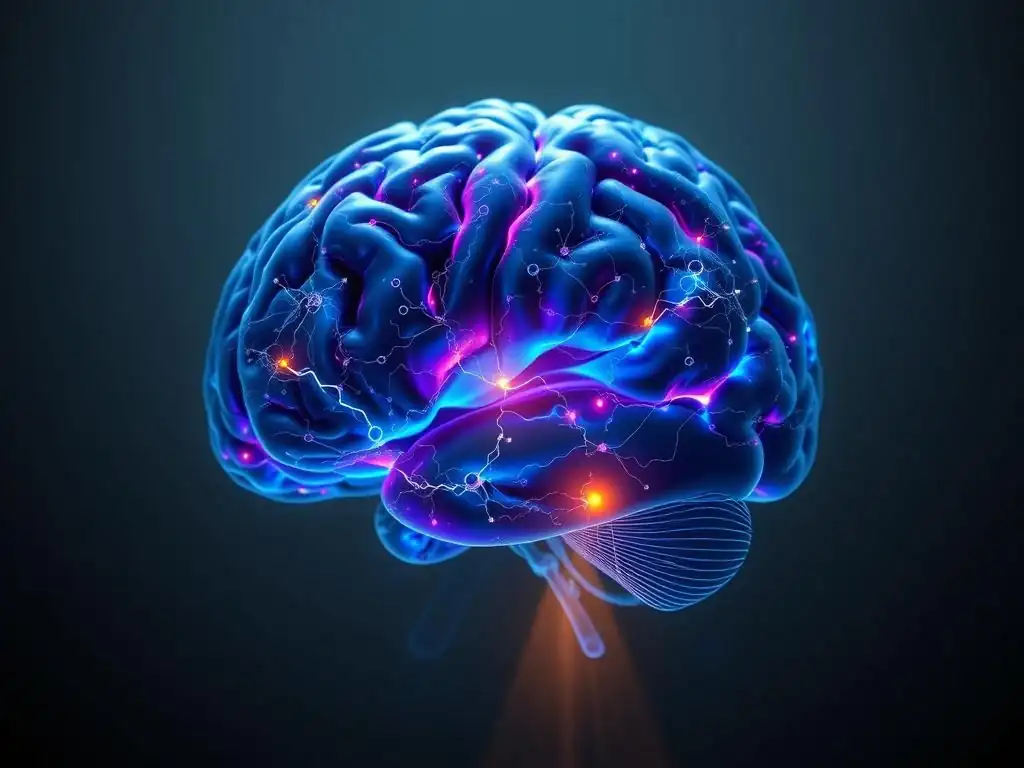
Welcome to Mind Care Guide, a safe space for understanding and nurturing your mental well-being. Feeling lost in the whirlwind of mania? This article, “The Brain on High: Understanding the Neurobiology of Mania,” delves into the intricate neurobiology underlying this complex state, exploring potential causes and illuminating treatment options. Could understanding the science be the first step towards finding balance? Let's explore the intricate pathways of the mind together and uncover valuable insights that may help you or a loved one navigate this challenging experience. Read on to discover more...
- Introduction to Mania and Bipolar I Disorder
- Exploring the Neurobiology of Mania: What's Happening in the Brain?
- The Neurobiological Basis of Specific Manic Symptoms
- Mania Neurobiology: Treatment Options and Management Strategies
- The Future of Mania Research: Exploring Novel Neurobiological Targets
- Conclusion: Empowering Individuals with a Deeper Understanding of Mania
-
Frequently Asked Questions
- What is mania, and how does neurobiology play a role in its development?
- What brain regions are most affected during a manic episode, according to neurobiological research?
- How can understanding the neurobiology of mania help in developing more effective treatments?
- What are some current treatment options for mania based on neurobiological research?
- What are some emerging areas of research in the neurobiology of mania that offer hope for future treatments?
- Final Reflection: Navigating the Turbulent Landscape of Mania
- Unlock Your Brain's Potential: Take Charge of Your Mental Wellness
Introduction to Mania and Bipolar I Disorder
Defining Mania: A Key Symptom of Bipolar I
Mania is defined as a distinct period of abnormally and persistently elevated, expansive, or irritable mood and abnormally and persistently increased activity or energy, lasting at least one week and present most of the day, nearly every day (or any duration if hospitalization is necessary). This state represents a significant change from usual behavior and is severe enough to cause marked impairment in social or occupational functioning or to necessitate hospitalization to prevent harm to self or others. It is a hallmark symptom of Bipolar I Disorder, distinguishing it from other mood disorders like Major Depressive Disorder.
During a manic episode, individuals typically exhibit at least three (or four if the mood is only irritable) specific symptoms. These can include inflated self-esteem or grandiosity, decreased need for sleep (e.g., feeling rested after only a few hours), being more talkative than usual or pressure to keep talking, flight of ideas or subjective experience that thoughts are racing, distractibility, increase in goal-directed activity or psychomotor agitation, and excessive involvement in activities that have a high potential for painful consequences (e.g., unrestrained buying sprees, sexual indiscretions, foolish business investments).
Understanding the neurobiology of mania is crucial for grasping the underlying mechanisms of these intense experiences.
The Impact of Manic Episodes on Mental Well-being
Manic episodes can have devastating effects on an individual's life, relationships, career, and financial stability. The impaired judgment and impulsivity often associated with mania can lead to significant legal or financial difficulties, strained personal relationships due to irritable mood or risky behaviors, and job loss due to unpredictable behavior or decreased productivity during the episode. The intense energy and decreased need for sleep, while initially perhaps feeling productive, often lead to exhaustion and can precipitate a crash into a depressive episode.
Furthermore, manic episodes can sometimes involve psychotic features, such as hallucinations or delusions, which further complicate the individual's perception of reality and increase the severity of the episode. The often chaotic nature of mania and its potential consequences underscore the critical need for effective understanding, management, and treatment options. Navigating these challenges requires comprehensive support and access to reliable information about mania neurobiology understanding treatment options.
Mind Care Guide: Your Resource for Bipolar Disorder Support
Mind Care Guide is dedicated to providing comprehensive information, support, and resources for individuals navigating the complexities of mental health challenges, including Bipolar I Disorder and its associated manic episodes. We aim to empower individuals and their families with knowledge about conditions like mania, helping them understand the symptoms, causes, and available treatment approaches.
Our goal is to offer a guide through the journey of managing mood disorders, providing insights into the neurobiology of mania, exploring effective treatment options, and highlighting strategies for maintaining mental well-being. By offering accessible and reliable information, we hope to reduce the stigma associated with mental illness and encourage proactive engagement with healthcare professionals and support networks.
Exploring the Neurobiology of Mania: What's Happening in the Brain?
Neurotransmitter Imbalances in Mania: Dopamine, Serotonin, and Norepinephrine
Research into the neurobiology of mania heavily implicates dysregulation in several key neurotransmitter systems. Dopamine, serotonin, and norepinephrine are among the most studied, as they play critical roles in regulating mood, motivation, energy levels, sleep, and cognitive functions – all areas significantly impacted during a manic episode. While the exact interplay is complex and not fully understood, imbalances in the activity of these chemical messengers are believed to contribute significantly to the manic state.
For instance, hyperactivity within certain dopamine pathways is a prominent hypothesis in mania neurobiology. This could explain symptoms like increased energy, goal-directed behavior, euphoria, and even grandiosity. Similarly, norepinephrine, involved in the body's stress response and alertness, is thought to be elevated or dysregulated during mania, contributing to heightened arousal, decreased need for sleep, and increased activity. Serotonin's role is more complex; while low levels are associated with depression, dysregulation of serotonin function may contribute to impulsivity and emotional lability seen in mania. Understanding these neurotransmitter dynamics is fundamental to developing effective treatment options.
The Role of Dopamine in Elevated Mood and Grandiosity
Dopamine is a neurotransmitter primarily associated with reward, motivation, pleasure, and motor control. In the context of mania, research suggests a heightened activity in dopaminergic pathways, particularly those originating in the ventral tegmental area (VTA) and projecting to the limbic system and prefrontal cortex. This increased dopamine signaling is hypothesized to drive the intense feelings of euphoria, elevated mood, and increased goal-directed behavior characteristic of mania.
Furthermore, the dopaminergic system is implicated in modulating self-perception and reward processing. An overactive dopamine system could contribute to the inflated sense of self-esteem, grandiosity, and belief in one's own exceptional abilities or importance often observed during manic episodes. This altered reward sensitivity might lead individuals to pursue goals with excessive enthusiasm and disregard potential risks, aligning with the impulsive behaviors seen in mania.
Serotonin's Influence on Impulse Control During Manic Episodes
Serotonin (5-HT) is a neurotransmitter that influences mood, sleep, appetite, and impulse control. While its role in the elevated mood of mania is less clear than dopamine's, dysregulation of serotonergic systems is thought to contribute significantly to the impulsivity and risk-taking behaviors that are hallmarks of manic episodes. Serotonin activity, particularly in pathways connecting to the prefrontal cortex, is crucial for regulating inhibitory control and decision-making.
Studies suggest that altered serotonin signaling, perhaps an imbalance relative to other neurotransmitters or dysfunction in specific receptor subtypes, might impair the brain's ability to put the brakes on impulsive urges during mania. This could manifest as unrestrained spending, reckless driving, or engaging in risky sexual behavior, despite potential negative consequences. Thus, understanding the complex interplay of serotonin with other neurotransmitters is vital for a complete picture of mania neurobiology.
Norepinephrine and the Fight-or-Flight Response in Mania
Norepinephrine (also known as noradrenaline) is a neurotransmitter and hormone that plays a key role in the sympathetic nervous system's "fight-or-flight" response, increasing alertness, arousal, and energy levels. Elevated or dysregulated norepinephrine activity is strongly associated with the heightened energy, decreased need for sleep, rapid speech (pressure to talk), and increased activity levels observed during manic episodes.
The locus coeruleus, a brain region rich in norepinephrine neurons, projects widely throughout the brain and is involved in regulating wakefulness and attention. Hyperactivity in this system during mania could explain the profound reduction in the need for sleep – individuals might feel fully rested after only 2-3 hours – and the relentless physical and mental energy. This constant state of high arousal contributes significantly to the exhausting and often overwhelming nature of a manic episode.
Brain Structure and Function in Mania: Imaging Studies and Research
Neuroimaging techniques, such as fMRI (functional Magnetic Resonance Imaging) and PET (Positron Emission Tomography), have provided valuable insights into structural and functional differences in the brains of individuals with Bipolar Disorder, particularly during manic episodes. While findings can vary between studies, a consistent theme is the involvement of networks regulating emotion, reward, and executive function. Specific brain regions, including the prefrontal cortex, amygdala, and basal ganglia, show altered structure or activity during mania, contributing to the diverse range of symptoms experienced.
These imaging studies help move beyond purely chemical explanations to understand how different brain areas communicate and function during a manic state. For example, research often points to issues in connectivity or activity within circuits involving the prefrontal cortex and limbic areas. By examining these structural and functional changes, researchers gain a deeper understanding of the neurobiological underpinnings of the disorder and identify potential targets for treatment options.
Prefrontal Cortex Dysfunction in Mania: Impaired Judgment and Decision-Making
The prefrontal cortex (PFC), located at the front of the brain, is critical for executive functions such as planning, decision-making, impulse control, and weighing consequences. During manic episodes, neuroimaging studies often suggest reduced activity or altered connectivity within certain areas of the PFC, particularly the ventral and medial regions. This dysfunction is thought to significantly contribute to the impaired judgment, poor decision-making, and reckless behavior characteristic of mania.
When the PFC is not effectively regulating behavior or processing information about risks and rewards, individuals may engage in activities with severe negative consequences, such as excessive spending (potentially accumulating tens of thousands of dollars in debt rapidly), engaging in risky sexual encounters, or making impulsive business decisions without proper consideration. The disconnect between the elevated mood/energy driven by other brain regions and the impaired executive control from the PFC is a key aspect of mania neurobiology.
Amygdala Hyperactivity: Emotional Reactivity in Manic States
The amygdala is a key component of the limbic system, primarily involved in processing emotions, particularly fear and pleasure, and assigning emotional significance to experiences. In individuals experiencing mania, studies frequently report increased activity in the amygdala compared to periods of euthymia or depression. This heightened amygdala activity is believed to contribute to the intense emotional states, irritability, and rapid mood swings often seen during manic episodes.
An overactive amygdala might amplify emotional responses, making individuals more reactive to stimuli and contributing to the labile (rapidly changing) mood that can shift from euphoria to irritability or anger very quickly. This increased emotional intensity, coupled with impaired regulation from the prefrontal cortex, can make managing social interactions and emotional responses extremely challenging during a manic episode.
The Role of the Basal Ganglia in Motor Activity and Mania
The basal ganglia are a group of structures deep within the brain involved in regulating motor control, procedural learning, and also play a role in emotional processing and motivation. Alterations in the structure or activity of the basal ganglia have been observed in individuals with Bipolar Disorder, particularly during manic episodes. These changes are thought to contribute to the psychomotor symptoms of mania, such as increased goal-directed activity, restlessness, or even psychomotor agitation.
Dysregulation in the basal ganglia's circuits, which interact closely with dopaminergic pathways, could explain the relentless drive and increased physical energy seen in mania. Individuals might feel compelled to constantly be doing something, unable to sit still, or engage in multiple projects simultaneously, often without completing them. Understanding the basal ganglia's involvement adds another layer to the complex neurobiology of mania.
Genetic and Environmental Factors Contributing to Mania
While the neurobiological changes discussed above describe what is happening in the brain during a manic episode, genetic predisposition and environmental factors play significant roles in why someone might develop Bipolar Disorder and experience mania in the first place. Bipolar Disorder is known to have a strong genetic component, but it is not determined by a single gene; rather, multiple genes contribute to vulnerability. Environmental factors often act as triggers, precipitating an episode in individuals who are genetically predisposed.
This gene-environment interaction highlights that while there might be an underlying biological vulnerability rooted in neurobiology, external circumstances can significantly influence the onset and course of the illness. Identifying these triggers and understanding one's genetic risk can be crucial for preventing future episodes and managing the disorder effectively.
Genetic Predisposition to Bipolar Disorder and Manic Episodes
Bipolar Disorder is one of the most heritable mental health conditions, with studies of twins and families suggesting that genetic factors account for a substantial portion of the risk, often estimated to be around 70-80%. While no single "bipolar gene" has been found, research has identified several genetic variations (polymorphisms) that are associated with an increased risk, such as those in genes related to calcium channels (e.g., CACNA1C), neuronal signaling (e.g., ANK3), and neurotransmitter systems.
Having a family history of Bipolar Disorder significantly increases an individual's risk of developing the condition. For example, the risk is roughly 10 times higher for first-degree relatives (parents, siblings, children) of someone with Bipolar Disorder compared to the general population. These genetic factors likely influence the structure and function of brain regions and neurotransmitter systems implicated in mania, creating a biological vulnerability to mood dysregulation.
Environmental Triggers for Manic Episodes: Stress, Sleep Deprivation, and Substance Use
Even with a genetic predisposition, environmental factors often play a critical role in triggering a manic episode. Stressful life events are well-documented triggers; these can include major life changes like job loss, divorce, or even positive but disruptive events like getting married or starting a new job. The body's physiological response to stress, involving hormones like cortisol, can impact neurotransmitter systems and potentially destabilize mood.
Sleep deprivation is another potent and common trigger for mania in susceptible individuals. Research suggests that disrupting circadian rhythms (the body's internal clock) can significantly impact mood regulation and neurotransmitter activity. Even just a few nights of significantly reduced sleep can precipitate a full-blown manic episode in someone with Bipolar Disorder. Substance use, particularly stimulants like cocaine or amphetamines, or even excessive caffeine, can also directly induce manic symptoms or destabilize mood, highlighting the importance of lifestyle factors in managing the condition.
The Neurobiological Basis of Specific Manic Symptoms
Understanding the neurobiology of mania allows us to connect specific brain changes and neurotransmitter imbalances to the diverse array of symptoms experienced during an episode. Each symptom, from racing thoughts to increased energy and grandiosity, has hypothesized or observed correlates in brain function. This detailed perspective helps demystify the often perplexing behaviors associated with mania and reinforces that these are symptoms of a biological illness.
Examining the neurobiological basis of individual symptoms provides a richer picture than looking at brain changes in isolation. It shows how altered activity in specific brain circuits, influenced by neurotransmitter dysregulation and structural differences, translates into the lived experience of mania. This granular understanding is invaluable for developing targeted interventions and improving treatment options.
Understanding the Neurobiology of Racing Thoughts and Flight of Ideas
Racing thoughts and flight of ideas, where thoughts come rapidly and may jump between unrelated topics, are prominent cognitive symptoms of mania. Neurobiologically, this is thought to involve hyperactivity in multiple brain circuits, including those involving the prefrontal cortex, thalamus, and white matter tracts connecting different brain regions. Increased dopamine and norepinephrine activity may contribute to the speed and intensity of thought processes.
The impaired inhibitory control associated with prefrontal cortex dysfunction might also play a role, making it difficult for the brain to filter or slow down the stream of thoughts. The rapid switching between topics (flight of ideas) could reflect altered connectivity or processing speed in associative brain areas. This relentless cognitive pace is often experienced as overwhelming and uncontrollable by the individual.
The Neurobiology of Increased Energy and Activity Levels During Mania
The profound increase in energy and activity levels during mania is strongly linked to dysregulation of neurotransmitters involved in arousal and motivation, particularly norepinephrine and dopamine. As discussed earlier, elevated norepinephrine from the locus coeruleus can put the brain and body into a state of high alert and wakefulness, significantly reducing the need for sleep.
Simultaneously, increased dopamine activity, particularly in reward and motor pathways (including the basal ganglia), drives increased goal-directed behavior and physical activity. Individuals might feel tireless, compelled to constantly be moving or doing something, and may engage in multiple tasks simultaneously. This sustained high energy level is a core feature distinguishing mania from typical states of high energy.
The Neurobiology of Inflated Self-Esteem and Grandiosity in Mania
Inflated self-esteem and grandiosity, ranging from excessive confidence to delusional beliefs of special powers or identity, are complex symptoms likely involving altered function in brain regions associated with self-referential processing and reward. Hyperactivity in dopaminergic pathways, particularly those projecting to the limbic system and prefrontal cortex, is a leading hypothesis.
This increased dopamine signaling could amplify the subjective experience of pleasure and reward associated with self-perception, leading to an exaggerated sense of importance or ability. Alterations in the medial prefrontal cortex, a region involved in processing information about the self, may also contribute. In severe cases, this can escalate to grandiose delusions, which may involve more widespread disruption in reality testing networks.
The Neurobiology of Impulsivity and Risky Behaviors in Mania
Impulsivity and engagement in risky behaviors are significant and potentially harmful symptoms of mania. These behaviors are strongly linked to dysfunction in the brain circuits responsible for inhibitory control and reward processing, primarily involving the prefrontal cortex, amygdala, and basal ganglia, and influenced by neurotransmitter imbalances (especially dopamine and serotonin).
Impaired function in the ventral and medial prefrontal cortex reduces the ability to evaluate risks, foresee consequences, and inhibit urges. Simultaneously, heightened activity in the amygdala and dopamine pathways can increase the drive for reward and pleasure, overriding cautious processing. This neurobiological perfect storm makes individuals prone to engaging in activities like excessive spending, gambling, substance abuse, or reckless driving, even when they have previously understood the dangers. Understanding the neurobiology of mania in this context highlights the involuntary nature of these behaviors and the need for robust treatment options.
Mania Neurobiology: Treatment Options and Management Strategies
Effective management of mania relies on a comprehensive approach that targets the underlying neurobiological dysregulation while also addressing the psychological and social impacts of the disorder. Treatment typically involves a combination of pharmacological interventions to stabilize mood and non-pharmacological strategies like psychotherapy and lifestyle adjustments. The goal of treatment is not only to resolve acute manic episodes but also to prevent future recurrences and improve overall functioning and quality of life.
Tailoring treatment to the individual is key, taking into account the severity of symptoms, presence of co-occurring conditions, and individual response to different therapies. Understanding the neurobiology of mania provides a framework for why certain treatments are effective and helps guide the selection and optimization of these crucial treatment options.
Pharmacological Interventions for Managing Mania: Targeting Neurotransmitters
Medications are the cornerstone of acute mania treatment and long-term mood stabilization in Bipolar Disorder. These medications primarily work by modulating the activity of neurotransmitters and stabilizing neuronal signaling, directly addressing the neurobiological imbalances thought to drive manic episodes. The choice of medication depends on various factors, including symptom presentation, past treatment response, and potential side effects.
Common classes of medications used include mood stabilizers and antipsychotics. While some antidepressants might be used in the depressive phase of Bipolar Disorder, they are generally used with caution in individuals prone to mania due as they can sometimes trigger a manic switch. The effectiveness of these pharmacological treatment options underscores the role of neurobiology in mania.
Mood Stabilizers: Lithium and its Neuroprotective Effects
Lithium is one of the oldest and most effective mood stabilizers for Bhipping both acute mania and preventing future episodes. While its exact mechanism of action is not fully understood, Lithium is known to affect multiple neurotransmitter systems (including dopamine, serotonin, and norepinephrine) and intracellular signaling pathways. It is thought to stabilize neuronal membranes and reduce excessive neuronal firing.
Beyond its mood-stabilizing effects, research suggests Lithium may have neuroprotective properties, potentially promoting the growth of neurons and increasing gray matter volume in certain brain regions that may be reduced in Bipolar Disorder. Studies have shown that Lithium can significantly reduce the frequency and severity of manic (and depressive) episodes, with response rates for acute mania often cited around 60-80% in responsive individuals. Other mood stabilizers like valproate (Depakote) and lamotrigine (Lamictal) also work through different mechanisms, often by affecting ion channels or neurotransmitter levels, and are effective treatment options for mania.
Antipsychotics: Addressing Psychotic Symptoms and Neurotransmitter Activity
Atypical antipsychotic medications (such as quetiapine, olanzapine, risperidone, aripiprazole) are frequently used in the treatment of acute mania, often in combination with mood stabilizers, and sometimes as monotherapy. They are particularly effective when manic episodes involve psychotic features like hallucinations or delusions, but they also have significant mood-stabilizing properties.
These medications primarily work by blocking dopamine receptors (specifically D2 receptors) and affecting serotonin receptors (particularly 5-HT2A). By modulating dopamine activity, they can help reduce symptoms like grandiosity, racing thoughts, and agitation. Their impact on serotonin can also contribute to mood stabilization and anxiety reduction. Response rates for atypical antipsychotics in acute mania can be high, often showing significant symptom reduction within days to weeks.
Antidepressants: Use with Caution and Monitoring for Manic Switch
Antidepressants (such as SSRIs, SNRIs, or bupropion) are the primary treatment for Major Depressive Disorder, but their use in Bipolar Disorder, particularly in individuals with a history of mania, is more complex and requires careful consideration. While they may be necessary to treat severe depressive episodes, antidepressants can sometimes trigger a switch into a manic or hypomanic episode in susceptible individuals.
For this reason, if antidepressants are used in Bipolar Disorder, they are almost always prescribed in combination with a mood stabilizer or antipsychotic to reduce the risk of a manic switch. Close monitoring by a clinician is essential to detect any signs of emerging manic symptoms. Understanding the neurobiology of mania, including potential sensitivity to neurotransmitter changes induced by antidepressants, informs this cautious approach to treatment options.
Non-Pharmacological Treatments: Therapy and Lifestyle Changes
Beyond medication, psychosocial interventions and lifestyle adjustments are crucial components of effective mania management and long-term stability. These approaches complement pharmacological treatments by helping individuals develop coping strategies, recognize early warning signs, improve interpersonal relationships, and establish healthy routines that support mood stability.
Therapies like Cognitive Behavioral Therapy (CBT) and Interpersonal and Social Rhythm Therapy (IPSRT) address the psychological and social aspects of living with Bipolar Disorder. Psychoeducation is also vital, empowering individuals and their families with knowledge about the illness. These non-pharmacological treatment options contribute significantly to improving functioning and reducing relapse risk, working in conjunction with neurobiologically targeted medications.
Cognitive Behavioral Therapy (CBT) for Mania: Addressing Thought Patterns and Behaviors
Cognitive Behavioral Therapy (CBT) is a structured form of psychotherapy that helps individuals identify and challenge negative or unhelpful thought patterns and behaviors. While often associated with depression treatment, adapted forms of CBT can be beneficial for individuals with Bipolar Disorder, including those who have experienced mania.
CBT helps individuals recognize the early warning signs of an impending manic episode (e.g., decreased need for sleep, increased energy, racing thoughts) and develop strategies to intervene before the episode escalates. It can also help address the psychological consequences of manic episodes, such as dealing with financial debt, repairing relationships, or managing feelings of guilt or shame. By teaching coping skills and improving problem-solving abilities, CBT enhances an individual's capacity to manage their illness day-to-day.
Interpersonal and Social Rhythm Therapy (IPSRT): Regulating Circadian Rhythms
Interpersonal and Social Rhythm Therapy (IPSRT) is a specialized therapy developed specifically for Bipolar Disorder. It focuses on the links between mood episodes, interpersonal relationships, and disruptions in social rhythms (daily routines, especially sleep-wake cycles). Given that sleep deprivation and disruptions to routine are common triggers for mania, IPSRT directly addresses a key environmental vulnerability.
IPSRT helps individuals identify their personal social rhythms and develop strategies to maintain regularity in daily routines, particularly sleep, wake times, and meal times. It also focuses on managing interpersonal problems that can destabilize mood. By helping individuals establish and maintain stable daily routines, IPSRT aims to regulate the body's circadian rhythms, which are closely linked to mood regulation and neurobiological stability, thus reducing the risk of manic episodes.
Psychoeducation: Understanding Bipolar Disorder and Managing Manic Episodes
Psychoeducation involves teaching individuals with Bipolar Disorder and their families about the illness, its symptoms, causes (including neurobiology), treatment options, and strategies for managing it effectively. This knowledge is fundamental for empowering individuals to become active participants in their own care.
Understanding that mania is a symptom of a biological illness, rather than a personal failing, can help reduce self-blame and stigma. Learning to recognize early warning signs (which can be subtle, like increased creativity or talkativeness) is critical for seeking help before an episode becomes severe. Psychoeducation also covers the importance of medication adherence, avoiding triggers like sleep deprivation and substance use, and developing a relapse prevention plan. Studies consistently show that psychoeducation can significantly reduce relapse rates for both manic and depressive episodes.
The Importance of Early Intervention and Comprehensive Care for Mania
Given the potential for significant harm and disruption caused by manic episodes, early intervention is paramount. Recognizing the initial signs of mania and seeking professional help promptly can prevent the episode from escalating, reduce its severity and duration, and mitigate its negative consequences. Delayed treatment is often associated with more severe episodes, increased risk of hospitalization, and poorer long-term outcomes.
Comprehensive care for mania involves a multi-faceted approach that includes accurate diagnosis, appropriate pharmacological treatment, psychosocial interventions, and ongoing monitoring and support. It also requires collaboration between the individual, their family, and a team of healthcare professionals (psychiatrist, therapist, primary care physician). A focus on mania neurobiology understanding treatment options informs this comprehensive strategy, aiming for stability and recovery.
The Future of Mania Research: Exploring Novel Neurobiological Targets
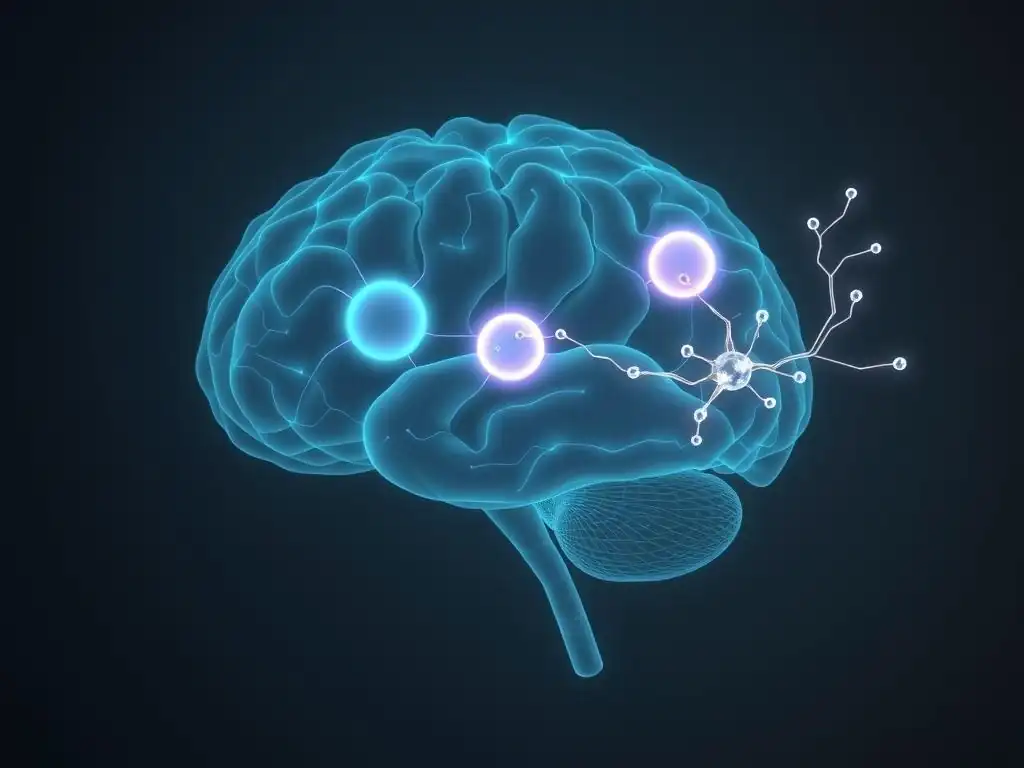
Research into the neurobiology of mania is continuously evolving, opening up new avenues for understanding and treating Bipolar Disorder. Scientists are exploring more granular details of brain circuitry, genetic influences, and how environmental factors interact with biological vulnerability. This ongoing research promises more targeted and personalized treatment approaches in the future.
Future research is focused on identifying specific neural pathways and molecular targets that are dysregulated in mania, moving beyond broad neurotransmitter hypotheses. This could lead to the development of novel medications and therapies with fewer side effects and greater efficacy for specific symptom clusters. The aim is to translate complex findings about mania neurobiology into tangible improvements in treatment options for individuals living with the disorder.
Investigating New Medications and Therapies Targeting Specific Brain Regions
Current pharmacological treatments for mania, while effective for many, can have significant side effects and may not work for everyone. Future research is focused on developing medications that target more specific brain regions or molecular pathways implicated in mania, such as particular types of ion channels, receptors, or intracellular signaling cascades known to be dysregulated.
For example, research is exploring compounds that modulate specific subtypes of dopamine or glutamate receptors, or therapies that influence neuroinflammation or oxidative stress pathways, which are increasingly implicated in the neurobiology of Bipolar Disorder. Non-invasive brain stimulation techniques, like Transcranial Magnetic Stimulation (TMS), are also being investigated for their potential to modulate activity in specific brain circuits associated with mania.
Personalized Medicine: Tailoring Treatment Based on Individual Neurobiological Profiles
One of the challenges in treating mania is that individuals respond differently to the same medication or therapy. Future research aims to move towards personalized medicine, where treatment decisions are guided by an individual's unique neurobiological profile. This could involve using genetic testing, neuroimaging data, or other biomarkers to predict how someone might respond to different treatment options or their risk of side effects.
For instance, genetic variations in genes related to drug metabolism or neurotransmitter receptors might influence how quickly a medication is processed or how effectively it works. Neuroimaging patterns might indicate which brain circuits are most dysregulated, suggesting which types of interventions (medications or therapies) are most likely to be beneficial. Tailoring treatment based on a deeper understanding of individual mania neurobiology holds the promise of more effective and efficient care.
The Role of Biomarkers in Predicting and Monitoring Manic Episodes
Identifying reliable biomarkers – measurable indicators of a biological state – for mania is a significant area of research. Biomarkers could potentially help predict when a manic episode is likely to occur, monitor the severity of an episode, or assess the effectiveness of treatment. These could include genetic markers, specific patterns in brain activity seen on fMRI, levels of certain proteins or metabolites in blood or cerebrospinal fluid, or even digital markers derived from activity levels or speech patterns tracked by wearable devices.
For example, research is exploring whether changes in sleep patterns detected by actigraphy, or subtle shifts in speech characteristics analyzed by algorithms, could serve as early warning signs of an impending manic episode, allowing for timely intervention. Discovering and validating such biomarkers would represent a major step forward in the proactive management of mania, moving towards prediction and prevention based on neurobiological signals.
Conclusion: Empowering Individuals with a Deeper Understanding of Mania
Recap of Key Neurobiological Findings in Mania
Understanding the neurobiology of mania reveals that it is a complex brain disorder rooted in dysregulation of neurotransmitter systems, particularly dopamine, serotonin, and norepinephrine, and alterations in the structure and function of key brain regions like the prefrontal cortex, amygdala, and basal ganglia. These changes, influenced by genetic vulnerability and environmental triggers like stress and sleep deprivation, manifest as the intense mood swings, increased energy, racing thoughts, and impaired judgment characteristic of manic episodes.
While the exact mechanisms are still being uncovered, research provides a powerful explanation for the profound changes in mood, thinking, and behavior experienced during mania. This neurobiological perspective underscores that mania is not a choice or a character flaw but a medical condition requiring professional intervention and support.
Emphasizing the Importance of Seeking Professional Help and Support
Given the severity and potential consequences of manic episodes, seeking professional help is not only recommended but essential. Psychiatrists, therapists, and other mental health professionals can provide accurate diagnosis, prescribe appropriate pharmacological treatment options, and offer effective psychotherapies. A collaborative approach involving the individual, their family, and a clinical team is crucial for effective management.
Support from family, friends, and peer support groups also plays a vital role in recovery and maintaining stability. Individuals do not need to navigate the challenges of Bipolar Disorder and mania alone. Reaching out for help is a sign of strength and a critical step towards regaining control and improving quality of life.
Hope for the Future: Advances in Mania Neurobiology Understanding and Treatment
Significant progress has been made in understanding the neurobiology of mania, leading to more effective treatment options than were available decades ago. Ongoing research continues to deepen our knowledge, exploring novel targets for medications, developing personalized treatment approaches, and seeking biomarkers for prediction and monitoring.
This continuous scientific advancement offers hope for the future – hope for more precise and effective therapies with fewer side effects, hope for earlier detection and intervention, and ultimately, hope for improved outcomes and a better quality of life for individuals living with Bipolar Disorder. Empowering individuals with knowledge about mania neurobiology understanding treatment options is key to navigating their journey towards recovery and stability.
Frequently Asked Questions
What is mania, and how does neurobiology play a role in its development?
Mania is a state of elevated mood, energy, and activity. Neurobiology suggests imbalances in neurotransmitters like dopamine and serotonin contribute to its onset. Genetics and brain structure also play a significant role.
What brain regions are most affected during a manic episode, according to neurobiological research?
Studies show the prefrontal cortex, responsible for decision-making, and the amygdala, processing emotions, are often affected. Disruptions in connectivity between these regions are common during manic episodes.
How can understanding the neurobiology of mania help in developing more effective treatments?
A deeper understanding enables targeted drug therapies that modulate specific neurotransmitter pathways or brain circuits. This can lead to treatments with fewer side effects and improved efficacy.
What are some current treatment options for mania based on neurobiological research?
Common treatments include mood stabilizers like lithium, which affect neurotransmitter activity, and antipsychotics, targeting dopamine and serotonin receptors. Therapy also helps manage symptoms.
What are some emerging areas of research in the neurobiology of mania that offer hope for future treatments?
Research is exploring genetic factors, inflammation's role, and the potential of brain stimulation techniques like transcranial magnetic stimulation (TMS) to regulate brain activity and alleviate manic symptoms.
The intricate dance between neurobiology and the experience of mania remains a critical area of ongoing research, impacting millions worldwide and demanding a deeper understanding for effective treatment. The complexities outlined in this article—from the dysregulation of neurotransmitters to the structural and functional brain abnormalities associated with mania—highlight the urgent need for continued investigation and personalized approaches to care. Ignoring the neurobiological underpinnings of this condition means neglecting a crucial piece of the puzzle in alleviating suffering and improving outcomes.
The profound impact of mania on individuals, families, and society as a whole cannot be overstated. It's a condition that often carries a stigma, leaving those affected feeling isolated and misunderstood. The journey towards better understanding and treatment is a collective one, requiring collaboration between researchers, clinicians, and individuals living with the condition. The most basic of all human needs is the need to understand and be understood.
- Ralph Nichols. This quote underscores the importance of empathy and knowledge in navigating the challenges of mania and fostering a supportive environment for those affected.
Now, consider your own understanding of mental health. What preconceived notions have you held, and how has this exploration of the neurobiology of mania challenged or reinforced those beliefs? Take a moment to reflect on the power of scientific understanding in destigmatizing mental illness and empowering individuals to seek help. Let this article serve as a catalyst for further learning, a reminder that progress is possible, and a call to action to advocate for improved research, treatment, and support for those experiencing the complexities of mania.
Unlock Your Brain's Potential: Take Charge of Your Mental Wellness
Thanks for diving deep into the fascinating world of mania with us! We hope you gained valuable insights into its neurobiology and are now better equipped to understand this complex condition. Ready to take the next step?
- Explore personalized strategies: Consider journaling your mood patterns over the next week, noticing triggers and responses. This self-reflection is crucial to understanding your own unique experience.
- Share this knowledge: Discuss your newfound understanding with a trusted friend, family member, or healthcare professional. Opening up the conversation can create a supportive network.
- Discover more: Delve into our other articles on mood disorders and mental wellness resources for further exploration. You might find additional tools and techniques that resonate with you.
What specific action step from this article will you prioritize this week to better support your mental well-being?