
Neurogenesis in the Adult Brain: Hope for Mood Disorder Recovery?


Welcome to Mind Care Guide, a place dedicated to nurturing your mental well-being.
Feeling stuck in a cycle of mood challenges? What if the key to unlocking a brighter future lies within your own brain? This article explores the fascinating potential of adult brain neurogenesis and its role in mood recovery. Could stimulating the growth of new brain cells offer a path to lasting change? Dive in and discover the promising research that's offering new hope.
Neurogenesis in the Adult Brain: Hope for Mood Disorder Recovery?
- Understanding Adult Neurogenesis and Mood Disorders
- The Role of Neurogenesis in Regulating Mood
- Neurogenesis and Specific Mood Disorders: Evidence and Research
- Factors Influencing Adult Brain Neurogenesis
- Strategies to Enhance Adult Brain Neurogenesis for Mood Improvement
- Pharmaceutical Interventions and Neurogenesis
- The Future of Neurogenesis Research in Mood Disorder Treatment
- Maximizing Brain Health for Mood Recovery
-
Frequently Asked Questions
- What is adult brain neurogenesis and why is it relevant to mood disorder recovery?
- How does neurogenesis potentially contribute to improving mood?
- What factors can positively influence adult brain neurogenesis?
- Can neurogenesis be negatively affected, and if so, how?
- Is adult brain neurogenesis a proven cure for mood disorders?
- Final Reflection: Rekindling Hope: Neurogenesis and the Path to Mental Wellness
- Unlock Your Brain's Potential: Start Your Neurogenesis Journey Today!
Understanding Adult Neurogenesis and Mood Disorders
What is Adult Neurogenesis?
Adult neurogenesis refers to the remarkable process by which new neurons are generated in the brain of adult mammals, including humans. For decades, scientific dogma held that the adult brain was a static structure, fixed in its number of neurons shortly after development. However, groundbreaking research in the late 20th century challenged this view, demonstrating that neurogenesis continues throughout life in specific brain regions. This discovery revolutionized our understanding of brain plasticity and opened new avenues for exploring how the brain adapts and repairs itself.
The primary site of adult neurogenesis is the subgranular zone (SGZ) of the dentate gyrus within the hippocampus. Neural stem cells residing in this area divide and differentiate into new neurons, which then migrate into the granular cell layer, integrate into existing neural circuits, and potentially contribute to brain function. While the rate of adult neurogenesis is significantly lower than during development, the continuous production of new neurons suggests an ongoing capacity for change and adaptation within the adult brain, a concept critical to understanding potential pathways for adult brain neurogenesis mood recovery.
The Link Between Adult Neurogenesis and Mental Health
Growing evidence indicates a significant link between the rate of adult neurogenesis and mental health, particularly mood disorders. Research, primarily in animal models but increasingly supported by post-mortem human studies and advanced imaging techniques, suggests that impaired or reduced neurogenesis is associated with the pathophysiology of conditions like major depressive disorder and anxiety disorders. Conversely, interventions that promote neurogenesis often show antidepressant and anxiolytic effects in these models.
This connection highlights the dynamic nature of the adult brain and suggests that the capacity to generate new neurons might be a crucial factor in maintaining emotional resilience and facilitating recovery from mood disturbances. Exploring this link is central to understanding how adult brain neurogenesis mood recovery might be achieved. The intricate relationship between the birth of new neurons and complex emotional states underscores the brain's profound plasticity and its potential for repair and adaptation in the face of mental health challenges.
Adult Neurogenesis vs. Developmental Neurogenesis
While both processes involve the creation of new neurons, adult neurogenesis differs significantly from developmental neurogenesis. Developmental neurogenesis occurs on a massive scale during gestation and early postnatal life, building the foundational structure of the brain. Billions of neurons are generated, migrate to their destined locations, and form the intricate networks necessary for basic brain function and sensory processing. This period is characterized by rapid cell division, migration over long distances, and widespread circuit formation.
In contrast, adult neurogenesis is a much more localized and slower process. It primarily occurs in specific niches, mainly the hippocampus, and potentially the subventricular zone. The new neurons generated in adulthood integrate into pre-existing, mature circuits. Their survival and integration are highly dependent on activity and environmental factors. This distinction is crucial: developmental neurogenesis builds the house, while adult neurogenesis might be thought of as renovation or adding new, specialized rooms, offering a continuous, albeit limited, capacity for structural and functional modification relevant to adult brain neurogenesis mood recovery.
The Role of Neurogenesis in Regulating Mood
How New Neurons Impact Mood
The precise mechanisms by which newly generated neurons in the adult brain influence mood are still under investigation, but several hypotheses exist. One prominent theory is that these new neurons, particularly those in the hippocampus, play a role in learning, memory, and pattern separation – the ability to distinguish between similar experiences. Deficits in these cognitive functions are often observed in mood disorders. By integrating into hippocampal circuits, new neurons may help refine emotional processing and contextual memory, potentially buffering against the negative impact of stressful experiences.
Another perspective is that new neurons contribute to the plasticity of circuits involved in reward processing and emotional regulation. As these neurons mature, they form connections with various brain regions, including those in the limbic system like the amygdala and prefrontal cortex. This integration could modify the way the brain processes emotional stimuli, enhances flexibility in emotional responses, and contributes to a more balanced mood state. Thus, supporting adult brain neurogenesis is seen as a potential pathway towards mood recovery.
Neurogenesis and the Amygdala
While the hippocampus is the primary site of adult neurogenesis, its functional relationship with the amygdala, a key region for processing fear and emotional responses, is highly relevant to mood regulation. The hippocampus and amygdala have reciprocal connections. The hippocampus provides contextual information that can modulate amygdala activity – for instance, helping to distinguish between a truly threatening situation and a safe one that merely resembles a past threat.
Disruptions in hippocampal function, potentially linked to reduced neurogenesis, can impair this modulation, leading to an overactive amygdala and heightened fear/anxiety responses, common symptoms in mood disorders. Promoting adult brain neurogenesis might strengthen the hippocampus's ability to regulate amygdala activity, leading to reduced anxiety and improved emotional control. This interaction highlights how even localized neurogenesis can have widespread effects on brain networks critical for mood.
Hippocampal Neurogenesis: Memory and Mood
The hippocampus is well-known for its critical role in learning and memory, particularly the formation of new episodic and spatial memories. Research suggests that adult hippocampal neurogenesis is essential for certain types of memory function, especially those requiring the separation of similar experiences (pattern separation). Interestingly, deficits in specific memory functions and an overgeneralization of emotional memories are frequently observed in individuals with mood disorders.
The connection between memory and mood is profound; how we process and recall past experiences significantly impacts our current emotional state. Impaired hippocampal neurogenesis could contribute to the difficulty individuals with depression face in recalling positive memories or their tendency to dwell on negative ones. By potentially enhancing memory function and flexibility, particularly in distinguishing between emotional contexts, promoting adult brain neurogenesis could contribute to mood recovery by helping individuals process emotional information more adaptively.
Neurogenesis and Specific Mood Disorders: Evidence and Research
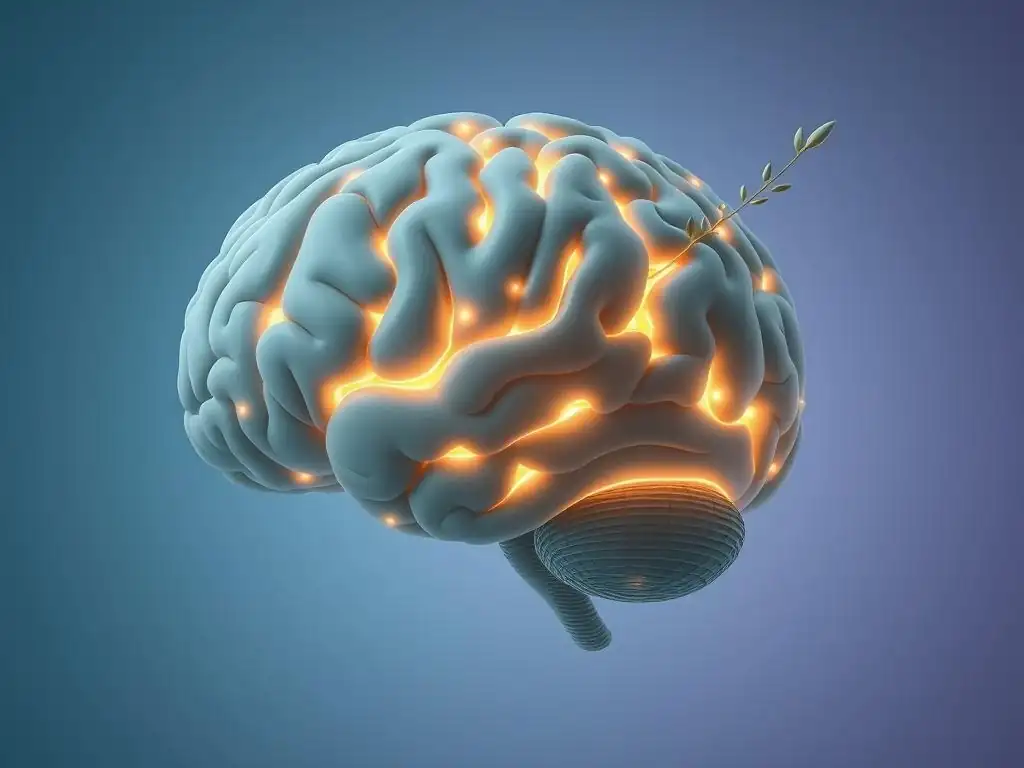
Neurogenesis and Major Depressive Disorder
A significant body of research, particularly in rodent models, supports the hypothesis that impaired adult hippocampal neurogenesis plays a role in the development and maintenance of Major Depressive Disorder (MDD). Chronic stress, a major risk factor for depression, is consistently shown to suppress neurogenesis in animal studies. Furthermore, many effective antidepressant treatments, including selective serotonin reuptake inhibitors (SSRIs), have been shown to promote neurogenesis in these models, and this neurogenic effect is sometimes hypothesized to be necessary for their delayed therapeutic action.
Human post-mortem studies, while challenging, have sometimes reported reduced hippocampal volume in individuals with a history of severe depression, which could potentially correlate with reduced neurogenesis over time. While direct measurement of neurogenesis in living humans is difficult, indirect evidence from advanced imaging techniques and studies on cellular markers supports the idea that structural and functional changes in the hippocampus are relevant to MDD. The concept of restoring or enhancing adult brain neurogenesis is therefore a significant area of focus in understanding and treating depression for mood recovery.
Neurogenesis and Bipolar Disorder
The relationship between adult neurogenesis and Bipolar Disorder (BD) is more complex and less clearly defined than with MDD, reflecting the episodic nature and distinct phases (mania/hypomania and depression) of the illness. Some studies suggest that while neurogenesis might be suppressed during depressive episodes, there could be differences during manic or hypomanic phases. Research into the effects of mood stabilizers, like lithium, which is a cornerstone treatment for BD, has shown that they can promote neurogenesis in animal models, similar to antidepressants.
However, the exact role of neurogenesis in the cyclical nature of BD and its different mood states is still a subject of ongoing investigation. It's possible that disruptions in neurogenesis contribute to vulnerability or affect the severity of depressive episodes, while other mechanisms are more involved in mania. Understanding how neurogenesis fluctuates or is dysregulated across the different phases of bipolar disorder is a critical step in exploring its potential role in facilitating mood recovery in this complex condition.
Neurogenesis and Anxiety Disorders
Anxiety disorders, such as generalized anxiety disorder, panic disorder, and PTSD, are often comorbid with mood disorders and share some underlying neurobiological mechanisms. Research suggests that impaired adult hippocampal neurogenesis may also contribute to the pathophysiology of certain anxiety disorders, particularly those involving maladaptive fear responses and difficulty processing contextual safety cues. The hippocampus's role in contextualizing memories and regulating the amygdala is highly relevant here.
Animal models of anxiety often show reduced neurogenesis, and treatments with anxiolytic effects can sometimes promote it. For instance, environmental enrichment and exercise, known neurogenesis enhancers, can reduce anxiety-like behaviors in rodents. This suggests that enhancing adult brain neurogenesis might help strengthen the neural circuits involved in distinguishing between safe and threatening situations, potentially reducing excessive worry and fear responses characteristic of anxiety disorders and contributing to mood recovery.
Factors Influencing Adult Brain Neurogenesis
Lifestyle Factors: Diet, Exercise, and Sleep
Lifestyle choices significantly impact the rate of adult brain neurogenesis. Regular aerobic exercise is one of the most robust promoters of neurogenesis identified in research. Studies in rodents show that running can dramatically increase the proliferation and survival of new neurons in the hippocampus. In humans, exercise is associated with increased hippocampal volume and improved cognitive function and mood, indirectly supporting a link to neurogenesis. For instance, a study published in the British Journal of Sports Medicine in 2016, reviewing multiple studies, found that exercise interventions significantly reduced depressive symptoms.
Diet also plays a role. Caloric restriction and consumption of omega-3 fatty acids (found in fish oil) are thought to be beneficial for neurogenesis, while diets high in saturated fats and sugar may be detrimental. Chronic sleep deprivation is consistently shown to suppress neurogenesis in animal models. Ensuring adequate, quality sleep is considered vital for overall brain health, including the potential support of adult brain neurogenesis for mood recovery.
Environmental Enrichment and Cognitive Stimulation
Living in an environment that is stimulating and complex, often referred to as "environmental enrichment," has a profound positive impact on adult neurogenesis in animal studies. This typically involves providing opportunities for social interaction, exploration, and physical activity. Such environments lead to increased proliferation and survival of new neurons compared to standard laboratory housing.
Translating this to humans, engaging in mentally stimulating activities, learning new skills, and maintaining social connections are believed to support brain health and plasticity, potentially including neurogenesis. Activities like learning a new language, playing a musical instrument, solving puzzles, or engaging in complex social interactions provide cognitive challenges that can promote the integration and survival of new neurons. This suggests that actively engaging with one's environment and challenging the brain can be a strategy to support adult brain neurogenesis and potentially aid mood recovery.
Chronic Stress and Neurogenesis
Chronic stress is one of the most well-documented suppressors of adult hippocampal neurogenesis. Prolonged exposure to stress hormones, particularly corticosteroids like cortisol, can impair the proliferation of neural stem cells and reduce the survival of newly born neurons. This effect is thought to be a significant mechanism linking chronic stress to the increased risk of developing mood disorders.
The impact of stress on neurogenesis highlights a potential vicious cycle: stress reduces the brain's capacity to generate new neurons which might be needed for emotional resilience, potentially making the individual more vulnerable to the negative effects of future stress. Managing chronic stress through techniques like mindfulness, therapy, or lifestyle changes is therefore not only crucial for reducing the immediate impact of stress but may also indirectly support adult brain neurogenesis, contributing to long-term mood recovery.
Strategies to Enhance Adult Brain Neurogenesis for Mood Improvement
Nutritional Interventions
Dietary choices can influence the brain's capacity for neurogenesis. Consuming a diet rich in omega-3 fatty acids, such as EPA and DHA found in fatty fish (salmon, mackerel), has been linked to increased neurogenesis in animal models and is associated with better mood outcomes in humans. For example, studies suggest that populations with higher fish consumption tend to have lower rates of depression. Flavonoids, antioxidants found in fruits, vegetables, tea, and dark chocolate, are also being investigated for their potential neurogenic effects.
Conversely, diets high in saturated fats and refined sugars are generally considered detrimental to brain health and may negatively impact neurogenesis. While more research is needed to establish direct causality and specific dietary recommendations solely for neurogenesis, adopting a balanced diet rich in whole foods, fruits, vegetables, and healthy fats is a widely accepted strategy for supporting overall brain function and may contribute to creating an environment conducive to adult brain neurogenesis for mood recovery.
Exercise and Neurogenesis
Regular physical exercise, especially aerobic activity, is perhaps the most potent and well-supported lifestyle intervention for promoting adult brain neurogenesis. Exercise increases blood flow to the brain and stimulates the production of crucial growth factors, such as Brain-Derived Neurotrophic Factor (BDNF). BDNF is a protein that acts like fertilizer for the brain, supporting the survival, growth, and differentiation of neurons.
Studies consistently show that rodents who exercise have significantly more new neurons in their hippocampus compared to sedentary counterparts. In humans, exercise is associated with improved mood, reduced symptoms of depression and anxiety, and increased hippocampal volume over time, findings that align with the hypothesis that exercise-induced neurogenesis contributes to these benefits. Aiming for at least 150 minutes of moderate-intensity aerobic exercise per week, as recommended for general health, could be a practical step towards supporting adult brain neurogenesis mood recovery.
Mindfulness and Meditation
Mindfulness and meditation practices, which focus on present-moment awareness and stress reduction, are increasingly recognized for their positive impact on brain structure and function. While direct evidence linking these practices specifically to increased neurogenesis in humans is still emerging and often indirect, studies show that regular meditation is associated with structural changes in brain regions, including the hippocampus and prefrontal cortex, that are relevant to mood regulation and potentially neurogenesis.
By effectively reducing chronic stress and lowering cortisol levels, mindfulness practices may indirectly support neurogenesis, as stress is a known suppressor. Furthermore, these practices train attention and emotional regulation, cognitive functions that new neurons in the hippocampus may help support. Incorporating regular mindfulness or meditation into one's routine could therefore be a valuable complementary strategy for promoting brain health and potentially fostering adult brain neurogenesis for mood recovery.
Cognitive Therapies
Cognitive therapies, such as Cognitive Behavioral Therapy (CBT) and Interpersonal Therapy (IPT), are highly effective treatments for mood disorders. While they primarily work by changing thought patterns, behaviors, and relationship dynamics, there is increasing interest in whether these therapies might also induce neurobiological changes, potentially including supporting neurogenesis. Engaging in therapy involves active learning, memory processing, and emotional regulation – processes where new neurons are thought to play a role.
By helping individuals reframe negative thoughts, develop coping strategies, and improve problem-solving skills, these therapies provide a form of cognitive and emotional training. This active engagement of brain circuits involved in learning and emotional processing could potentially enhance the survival and integration of new neurons, contributing to the long-term benefits observed in therapy. While the direct link is still being explored, it's plausible that successful therapeutic interventions could create a brain environment more conducive to supporting adult brain neurogenesis and facilitating mood recovery.
Pharmaceutical Interventions and Neurogenesis
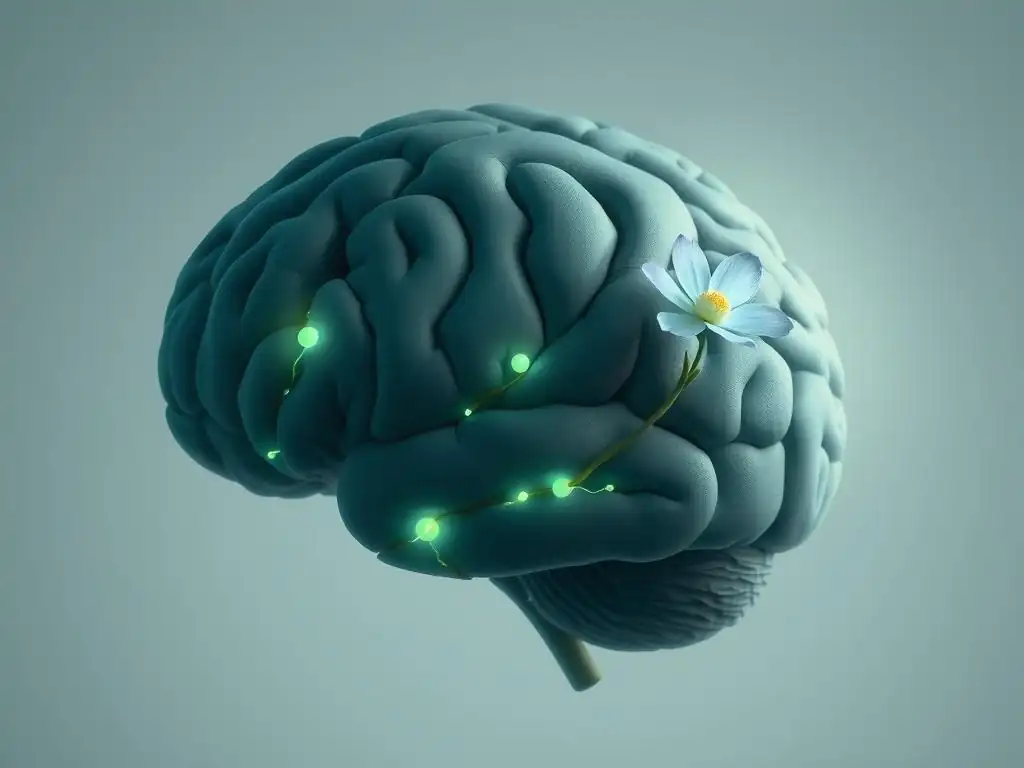
Antidepressants and Neurogenesis
Many classes of antidepressant medications, particularly SSRIs (Selective Serotonin Reuptake Inhibitors) and SNRIs (Serotonin-Norepinephrine Reuptake Inhibitors), have been shown to promote adult hippocampal neurogenesis in animal models. This effect typically takes several weeks to become apparent, which aligns with the clinical observation that these medications often require several weeks of consistent use before significant improvements in mood are experienced. This has led to the hypothesis that the neurogenic effect might contribute to the delayed therapeutic action of these drugs.
The mechanism is thought to involve increasing serotonin and norepinephrine levels, which can stimulate the production of growth factors like BDNF, thereby supporting the proliferation and survival of new neurons. While this neurogenesis hypothesis is compelling, it's important to note that antidepressants have many other effects on the brain, and neurogenesis is likely just one piece of a complex puzzle contributing to their efficacy in adult brain neurogenesis mood recovery.
Other Medications
Beyond traditional antidepressants, other medications used in psychiatry or being investigated for mood disorders may also influence neurogenesis. For example, lithium, a mood stabilizer commonly used for bipolar disorder, has demonstrated neurogenic effects in animal studies and is thought to promote neuronal health and plasticity. Ketamine, a rapid-acting antidepressant being explored for severe depression, also appears to influence neuronal plasticity, though its primary effects are believed to be mediated through mechanisms involving glutamate receptors and synapse formation, which may interact with or indirectly support neurogenesis.
Certain antipsychotic medications, sometimes used as adjunctive treatments for severe or treatment-resistant depression, may also have varying effects on neurogenesis, with some potentially being detrimental while others could be neutral or even beneficial. The impact of different pharmacological agents on the complex process of adult brain neurogenesis is an active area of research, seeking to understand how these drugs contribute to brain plasticity and potentially aid adult brain neurogenesis mood recovery.
Risks and Benefits of Pharmaceutical Approaches
Pharmaceutical interventions for mood disorders offer significant benefits, providing relief from debilitating symptoms for millions of people. Antidepressants and mood stabilizers can restore chemical balance, improve mood, reduce anxiety, and prevent relapse, enabling individuals to regain functionality and quality of life. The potential for these medications to promote neurogenesis adds another dimension to their therapeutic profile, suggesting they may not only manage symptoms but also support the brain's capacity for long-term adaptation and recovery.
However, pharmaceutical approaches also come with risks and limitations. Side effects vary widely and can include weight gain, sleep disturbances, sexual dysfunction, and gastrointestinal issues. Not everyone responds to medication, and finding the right drug and dosage can be a trial-and-error process. There are also concerns about dependence and withdrawal effects for some classes of drugs. While promoting neurogenesis is a promising aspect, medications are typically most effective when combined with other therapeutic strategies, emphasizing that adult brain neurogenesis mood recovery is often a multifaceted journey.
The Future of Neurogenesis Research in Mood Disorder Treatment
Promising Research Areas: Optogenetics and Neurogenesis
Optogenetics is a cutting-edge research technique that uses light to control genetically modified neurons. This powerful tool allows scientists to selectively activate or inhibit specific populations of neurons, including newly born neurons in the hippocampus, with unprecedented precision. Using optogenetics, researchers can investigate the exact role of these new neurons in complex behaviors related to mood and anxiety in animal models.
By selectively manipulating the activity of adult-born neurons and observing the impact on mood-related behaviors, researchers can gain a clearer understanding of how neurogenesis contributes to circuit function and emotional regulation. This precision allows for the dissection of specific neural pathways, moving beyond correlation to causality, and holds promise for identifying specific targets or mechanisms that could be leveraged to promote adult brain neurogenesis for therapeutic benefit in mood recovery.
Personalized Neurogenesis-Based Therapies
As our understanding of the factors influencing adult neurogenesis grows, the prospect of personalized therapies emerges. Future treatments for mood disorders might involve assessing an individual's neurogenic capacity and tailoring interventions – whether lifestyle, pharmacological, or novel therapies – to specifically enhance this process. Genetic factors are known to influence neurogenesis rates, and understanding an individual's genetic predisposition could inform treatment choices.
Furthermore, biomarkers that can reliably indicate the rate of neurogenesis in living humans, perhaps through advanced imaging or analysis of biological fluids, could allow clinicians to monitor the effectiveness of neurogenesis-promoting interventions in real-time. This personalized approach, moving beyond trial-and-error, could lead to more efficient and effective strategies for supporting adult brain neurogenesis and accelerating mood recovery based on an individual's unique biological profile.
Challenges and Opportunities
Despite the exciting potential, significant challenges remain in translating neurogenesis research into clinical practice for mood disorders. Directly measuring neurogenesis in living humans safely and accurately is still difficult. While animal models provide valuable insights, extrapolating findings to the human brain, which is vastly more complex, requires caution. We also need a deeper understanding of how new neurons integrate into existing human circuits and precisely what their functional contribution is in healthy and disordered states.
However, the opportunities are immense. The discovery of adult neurogenesis has fundamentally changed our view of brain plasticity. It offers a new target for therapeutic intervention beyond simply altering neurotransmitter levels. Research into lifestyle factors, environmental influences, and specific molecular pathways involved in neurogenesis provides concrete strategies for individuals and clinicians to explore. Continued research in this area holds the promise of developing novel, potentially more effective, and even preventative strategies focused on enhancing adult brain neurogenesis for long-term mood recovery.
Maximizing Brain Health for Mood Recovery
Combining Lifestyle Changes with Therapeutic Interventions
The most effective approach to maximizing brain health and promoting mood recovery often involves a combination of strategies. Research strongly suggests that lifestyle factors like exercise, diet, and sleep quality support adult brain neurogenesis, while therapies like CBT provide cognitive and emotional tools. For many individuals with mood disorders, pharmaceutical interventions are also a crucial component of treatment.
Integrating these approaches leverages their synergistic potential. For instance, medication might provide the initial relief needed for an individual to engage in therapy and adopt healthier lifestyle habits. Exercise and a balanced diet can support overall brain function, potentially enhancing the brain's response to therapy and medication, including their effects on neurogenesis. This holistic view, addressing biological, psychological, and environmental factors, offers the most robust pathway towards supporting adult brain neurogenesis and achieving lasting mood recovery.
The Importance of Early Intervention
Early intervention in mood disorders is crucial for improving long-term outcomes and potentially preserving brain health, including neurogenic capacity. Research indicates that prolonged or recurrent episodes of depression can be associated with more significant structural changes in the brain, such as reduced hippocampal volume. Addressing symptoms early can potentially mitigate the negative impact of chronic stress and illness progression on brain plasticity.
Providing timely access to evidence-based treatments, including therapy and medication when needed, alongside encouraging healthy lifestyle habits from the outset, can help support the brain's resilience. Early efforts to manage stress, improve sleep, and encourage physical activity and mental stimulation can create a more favorable environment for adult brain neurogenesis, potentially enhancing the brain's ability to recover and build resilience against future episodes, thereby facilitating adult brain neurogenesis mood recovery.
Adult Brain Neurogenesis: A Path to Mental Well-being?
The discovery and ongoing research into adult brain neurogenesis offer significant hope and a new perspective on mental well-being and mood disorder recovery. While not a complete explanation or a sole solution, the understanding that the adult brain retains the capacity to generate new neurons provides a biological basis for the brain's remarkable plasticity and potential for repair.
Promoting adult brain neurogenesis through lifestyle choices, potentially supported by pharmacological and therapeutic interventions, represents a tangible pathway towards enhancing brain resilience and facilitating recovery from mood disorders. This scientific understanding empowers individuals by highlighting the impact of their choices on brain health and offers new avenues for research and the development of future treatments focused on harnessing the brain's innate capacity for regeneration and adaptation for long-term adult brain neurogenesis mood recovery and overall mental well-being.
Frequently Asked Questions
What is adult brain neurogenesis and why is it relevant to mood disorder recovery?
Adult brain neurogenesis refers to the creation of new neurons in the adult brain. It's relevant because research suggests it can play a crucial role in mood regulation and recovery from disorders like depression.
How does neurogenesis potentially contribute to improving mood?
New neurons generated through neurogenesis can integrate into existing brain circuits, particularly in areas like the hippocampus. This integration can lead to improved cognitive function, stress resilience, and ultimately, better mood regulation.
What factors can positively influence adult brain neurogenesis?
Several factors can promote neurogenesis, including regular exercise, a healthy diet, and engaging in mentally stimulating activities. Stress reduction techniques can also play a significant role.
Can neurogenesis be negatively affected, and if so, how?
Yes, factors like chronic stress, inflammation, and certain medications can negatively impact neurogenesis. These factors can hinder the production of new neurons and worsen mood symptoms.
Is adult brain neurogenesis a proven cure for mood disorders?
While promising, adult brain neurogenesis is not a guaranteed cure. It's a complex process, and more research is needed to fully understand its potential and limitations in treating mood disorders. It is part of a comprehensive approach.
Final Reflection: Rekindling Hope: Neurogenesis and the Path to Mental Wellness
The discovery of adult neurogenesis has revolutionized our understanding of brain plasticity and offers a beacon of hope for individuals struggling with mood disorders. This groundbreaking research suggests that the brain, even in adulthood, possesses an inherent capacity for repair and renewal, challenging previously held beliefs about the immutability of the brain's structure. This isn't just a scientific advancement; it's a potential paradigm shift in how we approach mental health treatment.
The implications of adult neurogenesis extend far beyond the laboratory, profoundly impacting our cultural understanding of mental illness and recovery. For too long, mood disorders have been viewed with a sense of hopelessness, as incurable conditions destined to define a person's life. But the possibility of stimulating the growth of new neurons offers a tangible path towards healing and improved mental well-being. The brain that heals itself is a powerful concept, one that offers hope where previously there was none.
This sentiment resonates deeply, suggesting a future where treatment focuses not just on managing symptoms, but on actively promoting the brain's own restorative capabilities.
Consider the potential impact on your own life and the lives of those you care about. This isn't just about scientific breakthroughs; it's about fostering a culture of hope and resilience. Take a moment to reflect on the power of neuroplasticity and the potential for personal growth and healing. Explore lifestyle choices that may support neurogenesis – from regular exercise and a balanced diet to stress reduction techniques and mindfulness practices. Embrace the possibility of a brighter future, one where the brain's capacity for renewal empowers us to overcome the challenges of mood disorders and live fulfilling lives.
Unlock Your Brain's Potential: Start Your Neurogenesis Journey Today!
Thank you for exploring the fascinating world of adult neurogenesis with us! You now understand the incredible ability your brain has to renew itself, offering new hope for recovery from mood disorders. Are you ready to take the next step?
- Prioritize brain-boosting activities: Commit to incorporating at least one daily activity that supports neurogenesis, such as regular exercise, meditation, or learning something new. This is your primary step toward improving brain health.
- Share your insights: Discuss this information with a friend or family member who could benefit. Starting a conversation can help spread hope and foster understanding.
- Explore further: Dive deeper into the research by searching for information on neurogenesis and mental health online, uncovering additional strategies to enhance brain function.
What small step will you take today to nurture your brain's remarkable ability to regenerate?