Is Your Social Feed Fueling Your Mood Disorder? Unpacking the Link
🌟 Discover how social media mood disorder impact can subtly influence your mental health, highlighting the importance of mindful engagement with your…
Read article
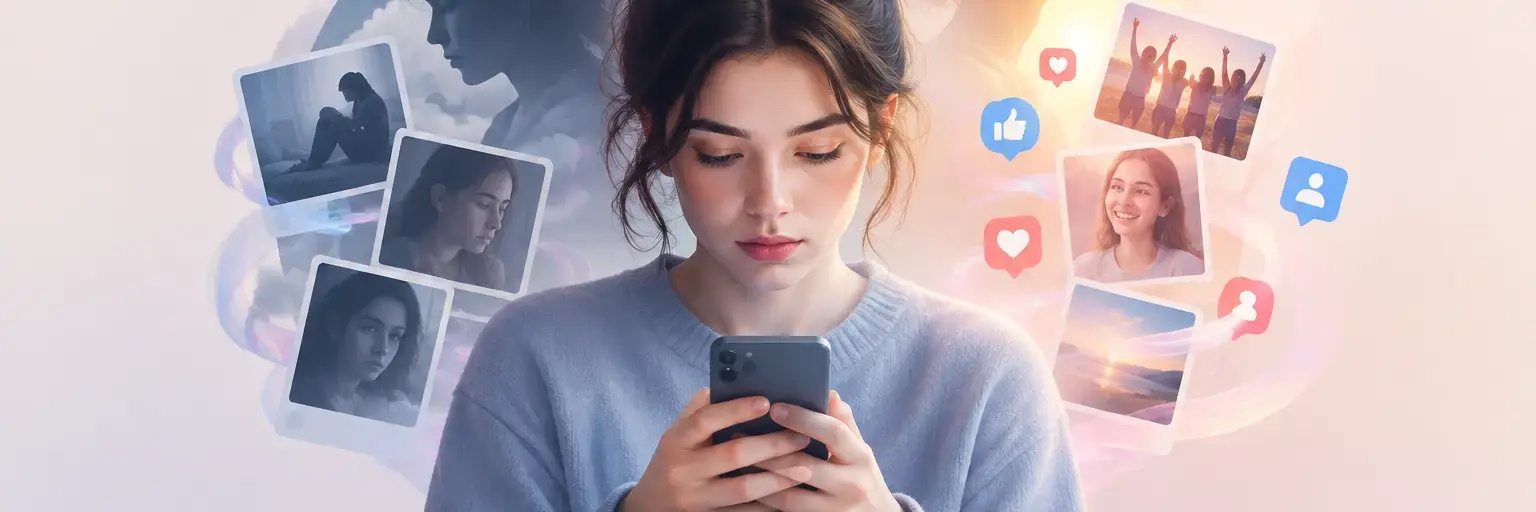
Social media can be a double-edged sword for your mental health. While it keeps us connected, the curated, filtered world of online life often fuels comparison, FOMO, and validation-seeking—all silent triggers for mood disorders like depression and anxiety. This guide explores how endless scrolling impacts your emotional balance, from the dopamine hits of likes to the late-night doomscrolling that disrupts sleep. Discover practical strategies to break the cycle of digital overwhelm, set healthy boundaries, and reclaim a positive self-image. Learn to identify warning signs of social media-induced mood swings, and leverage online spaces for genuine support without falling into toxic positivity traps. Your journey toward a healthier relationship with technology—and your mood—starts here.

🌟 Discover how social media mood disorder impact can subtly influence your mental health, highlighting the importance of mindful engagement with your…
Read article
🌟 Discover how social media mood disorder impact extends beyond likes, contributing to increased anxiety, depression, and self-esteem issues. This insightful article…
Read article
🌟 Discover how Instagram's social comparison self-esteem pitfalls can negatively impact your mood and mental health, highlighting the importance of mindful usage…
Read article
🔍 Dive into social media mood disorder research revealing how digital platforms influence mental health, emphasizing the urgent need for awareness, support,…
Read article
🌟 Discover how social media mood fluctuations impact mental well-being, revealing the complex relationship between online activity and emotional health. This guide…
Read article
🌟 Discover how social media masking mood can hide underlying mental health struggles, amplifying pressure to perform. This article explores the impact…
Read article
🌟 Discover how online mental health impact influences your mood and well-being. This article explores the effects of digital engagement on mental…
Read article
😊 Discover how your online persona impacts mood, revealing the powerful connection between digital self-presentation and mental well-being. Learn strategies to cultivate…
Read article
🌟 Discover how social media impacts young mood, revealing both its influence and potential pitfalls. This guide explores the complex relationship between…
Read article
🌟 Explore how social media mood disorder impact affects adults navigating the digital landscape, highlighting the connection between online engagement and mental…
Read article
🌟 Discover how FOMO anxiety online treatment can help manage the fear of missing out, easing stress and improving mental well-being. This…
Read article
🌟 Discover effective doomscrolling anxiety relief strategies to break free from endless negative news feeds. Learn how to protect your mental health,…
Read articleIn today’s hyper-connected world, social media is a double-edged sword for mental health. For individuals navigating mood disorders—such as depression, bipolar disorder, or cyclothymia—online platforms can offer community and validation, yet also trigger comparison, isolation, and emotional dysregulation. This subcategory explores how digital habits shape mood stability, providing evidence-based strategies to transform your online experience from a stressor into a supportive tool. Whether you’re seeking to reduce doomscrolling, manage triggers, or build healthier digital boundaries, you’ll find actionable insights rooted in psychology and real-world resilience.
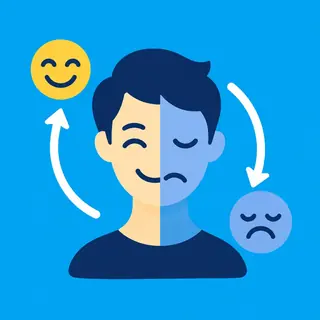
Algorithms are designed to keep you engaged, often by showing content that provokes strong emotional reactions—outrage, envy, or fear. For someone with a mood disorder, this can create a rollercoaster effect: a sad post triggers a depressive slump, while a highlight reel of others’ achievements fuels manic-like self-criticism. Research indicates that passive scrolling (without interaction) correlates with higher depressive symptoms, whereas active engagement (commenting or sharing) may reduce loneliness. Learn to recognize algorithmic patterns and use platform settings to mute, filter, or limit exposure to emotionally charged content that destabilizes your baseline.
Practical steps include setting a daily time limit, turning off notifications for non-essential apps, and curating a “safe list” of accounts that promote calmness. Consider using browser extensions that block “infinite scroll” or replace your feed with a motivational quote. The goal isn’t to quit social media entirely—it’s to regain control over the emotional input you receive. By understanding the psychology behind algorithmic curation, you can intentionally design a digital environment that supports mood stability rather than undermining it.
Social media presents curated perfection—vacations, promotions, flawless relationships—while hiding the mundane and painful realities. For someone with depression, this constant upward comparison can reinforce feelings of inadequacy, hopelessness, and self-blame. Cognitive-behavioral therapy (CBT) identifies “distorted thinking” patterns, and social media comparisons are a prime trigger for cognitive distortions like “all-or-nothing” or “mental filtering.” When you see others’ successes, your brain may quickly conclude, “I’m failing at life,” even though you’re only seeing a fragment of their experience.
To combat this, practice “social media hygiene” by unfollowing accounts that evoke jealousy or anxiety. Instead, follow mental health advocates, body-positive influencers, or pages that share authentic struggles and recovery stories. When you catch yourself comparing, reframe with a compassionate inner voice: “This person’s post doesn’t define my worth.” Schedule a daily “reality check” where you list three things you’ve accomplished that aren’t visible online. Over time, this reduces the emotional impact of the comparison trap, helping you maintain a more stable mood across your digital interactions.
Many individuals with mood disorders find solace in online communities—subreddits, Facebook groups, or Discord servers dedicated to mental health. These spaces can provide validation, coping tips, and a sense of belonging that offline life may lack. However, not all online groups are beneficial. Some spaces can reinforce rumination, normalize self-harm, or create an echo chamber of negativity that worsens depressive episodes. It’s crucial to evaluate whether a community encourages recovery-oriented behaviors (like therapy, medication adherence, or exercise) or perpetuates a victim mindset.
Look for groups with clear moderation rules, professional input, or a focus on evidence-based coping strategies. Avoid forums where members compete for the “worst day” or discourage seeking professional help. If you’re uncertain, join a few groups and observe for a week before posting. Monitor your emotional state after each visit—do you feel lighter or heavier? Your online support system should be a stepping stone toward wellness, not a pit of despair. Consider a hybrid approach: use online groups for quick encouragement, but pair them with offline connections like a therapist or a trusted friend.
Mood disorders often coexist with sleep disturbances, and nighttime social media use can exacerbate both. Blue light from screens suppresses melatonin, delaying sleep onset, while emotionally stimulating content keeps the brain alert. Late-night scrolling—fueled by boredom or anxiety—often leads to “revenge bedtime procrastination,” where you sacrifice sleep for the illusion of personal time. Over time, this disrupts circadian rhythms, intensifying depressive symptoms and increasing the risk of manic episodes in bipolar disorder. Your brain needs consistent darkness to regulate mood-regulating hormones.
Establish a “digital sunset” at least 60–90 minutes before bed. Keep your phone in another room or use a basic alarm clock. If you must use your device, enable night mode, reduce brightness, and switch to relaxing content—like guided meditations or nature documentaries. Create a bedtime ritual that doesn’t involve screens: reading a physical book, journaling, or gentle stretching. Track your sleep and mood in a diary for two weeks; you’ll likely see a correlation between reduced nighttime scrolling and better morning energy. Treat sleep as a non-negotiable pillar of your mental health plan, and let social media wait until morning.
A digital detox isn’t about going radio-silent forever; it’s a strategic reset to recalibrate your mood and reduce dependency. For someone with a mood disorder, a 24-hour or weekend break from social media can lower cortisol levels and decrease the urge to constantly check for validation. During a detox, you may experience withdrawal—restlessness, anxiety, or FOMO—but these feelings typically subside after 48 hours. The key is to replace scrolling time with mindful activities that boost mood, such as walking outdoors, cooking, or engaging in creative hobbies.
Before detoxing, inform close friends or family so they don’t worry. Turn off your phone or use an app blocker. Plan a specific restoration time, and when you return, evaluate which apps you truly missed. Many people discover they barely miss certain platforms, allowing them to permanently delete or dramatically reduce usage. For long-term success, schedule monthly mini-detoxes (e.g., every Sunday) or set “no-phone hours” during meals. The goal isn’t punishment but self-awareness: you’ll learn to separate your online identity from your real-life worth, fostering greater mood stability and emotional freedom.
No, but it can exacerbate symptoms in those already predisposed. Research links heavy social media use to increased depression and anxiety, especially among adolescents and young adults. It doesn’t “cause” the disorder de novo, but it can trigger or worsen episodes. If you have a diagnosis, mindful usage is crucial.
Yes, for many people. Cognitive-behavioral therapy (CBT) delivered via video calls has shown comparable efficacy to face-to-face sessions, especially for depression and anxiety. However, severe cases may benefit from in-person care for crisis management. Online therapy offers flexibility and access, but ensure your therapist is licensed and you have a private space.
Red flags include posts that glorify self-harm, encourage stopping medication, or constantly compare suffering. If you feel worse, more hopeless, or more fixated on symptoms after visiting, leave the group. Healthy groups focus on coping strategies, professional resources, and hope—not just venting.
Complete abstinence works for some, but not all. For others, structured use—like 30 minutes daily—is manageable. The decision depends on your triggers. If you notice manic spending or depressive spirals tied to specific platforms, cutting those out is wise. Work with your therapist to create a personalized plan.
Use the “5-4-3-2-1” grounding technique: name 5 things you see, 4 you feel, 3 you hear, 2 you smell, 1 you taste. Then, physically move away from your device for 3 minutes. Set a phone timer to limit sessions, or use apps that require a pause before opening social media. Remember: your feed will still be there after your break.