Seasonal Affective Disorder (SAD): Light Therapy and More
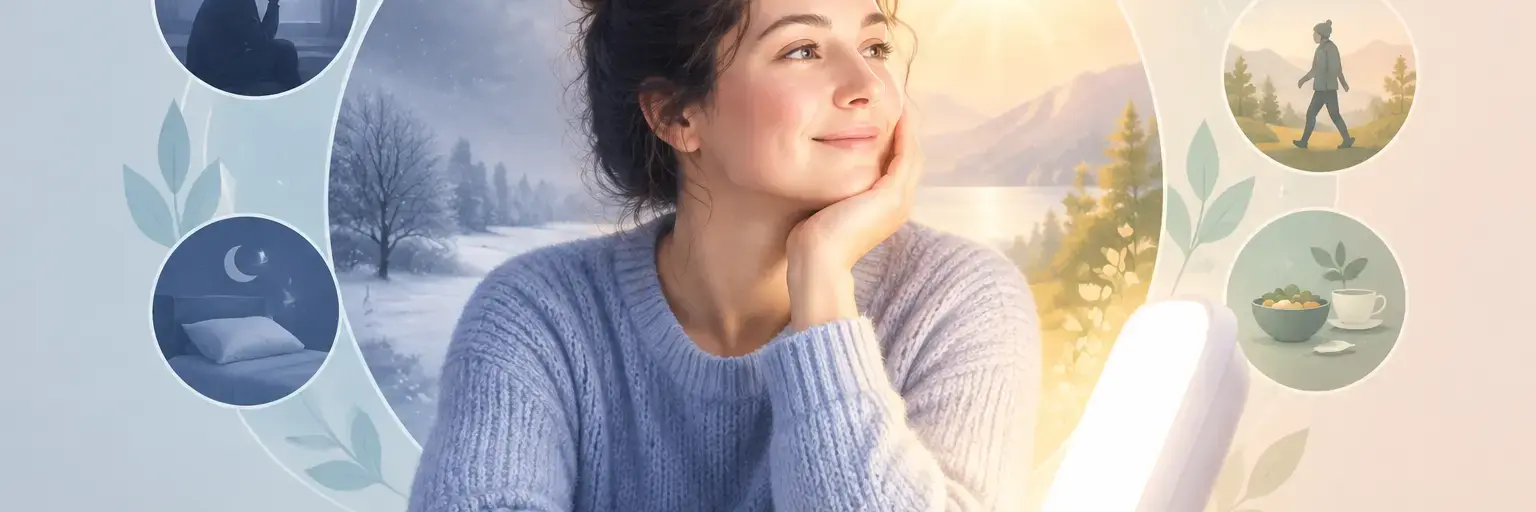
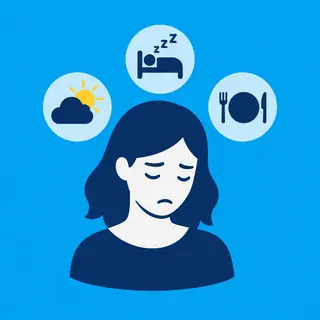
Seasonal Affective Disorder (SAD) is more than just the “winter blues”—it’s a clinically recognized form of depression that follows a seasonal pattern, often draining energy, mood, and motivation as daylight hours shrink. At Mind Care Guide, this subcategory dives into evidence-based treatments, lifestyle shifts, and therapeutic tools, with a strong focus on light therapy while exploring supplemental strategies like cognitive behavioral therapy, vitamin D management, and sleep hygiene. Whether you’re newly diagnosed or seeking to refine your coping plan, this resource is designed to help you reclaim brighter seasons with practical, actionable guidance.
🌞 Understanding Light Therapy: The Gold Standard for SAD
Light therapy, or bright light therapy (BLT), involves daily exposure to a specialized lamp that mimics natural outdoor light, typically at 10,000 lux for 20–30 minutes each morning. It works by influencing circadian rhythms and serotonin production, effectively “resetting” your internal clock to combat the darkness-induced mood slump. For many, this is the first-line treatment due to its non-invasive nature and minimal side effects, with improvements often seen within one to two weeks.
When choosing a lightbox, look for one that emits minimal UV radiation and has a diffusing screen to protect your eyes. Consistency is key—using it at the same time daily, preferably soon after waking, maximizes its antidepressant effect. However, not everyone responds equally; those with bipolar disorder or light-sensitive eyes should consult a clinician first. We also discuss how to integrate BLT with dawn simulators and timed exposure to outdoor light for a synergistic boost, making your morning routine both therapeutic and sustainable.
💡 Beyond the Lamp: Cognitive Behavioral Therapy for SAD (CBT-SAD)
While light therapy addresses biological rhythms, CBT-SAD targets the negative thought patterns and behaviors that often accompany winter withdrawal. This structured therapy helps you identify catastrophic thinking (“I’ll never feel good again”) and replace it with balanced perspectives, while encouraging behavioral activation—scheduling enjoyable activities even when motivation is low. Research shows CBT-SAD can be as effective as light therapy, with longer-lasting benefits after treatment ends.
Our subcategory details how to find a certified therapist, what to expect in sessions, and even offers self-guided worksheets to practice cognitive restructuring at home. You’ll learn how to create “winter wellness plans” that include social connection, physical movement, and hobby re-engagement, all tailored to your energy levels. Pairing CBT-SAD with light therapy often yields the fastest, most durable recovery, and we break down the evidence so you can choose a combined or sequential approach with confidence.
💊 Nutritional & Supplement Strategies: Vitamin D, Omega-3s, and More
Dark winter months commonly lead to vitamin D deficiency, which is linked to mood regulation; however, research on supplementation alone for SAD is mixed but promising as an adjunct. We recommend a blood test before supplementing, then discuss adequate dosages (typically 1,000–2,000 IU daily) and safe upper limits. Omega-3 fatty acids, particularly EPA, have also shown antidepressant properties, possibly enhancing cell membrane fluidity and neurotransmitter function.
Our guide includes a practical “winter eating” plan rich in oily fish, fortified dairy, and leafy greens, plus mindful caffeine and alcohol moderation because both can disrupt sleep and exacerbate mood dips. We also clarify the role of melatonin—timed low doses can help adjust circadian rhythms, but misuse can worsen morning grogginess. Always consult a healthcare provider before starting new supplements, especially if you take blood thinners or antidepressants, as we explain potential interactions and evidence strength for each nutrient.
🧘 Lifestyle & Environmental Adjustments: Sleep, Exercise, and Light Exposure
Beyond devices and therapy, everyday habits powerfully influence SAD severity. Regular aerobic exercise—even 30 minutes of brisk walking—boosts endorphins and helps regulate sleep-wake cycles, making it a natural antidepressant. We suggest scheduling outdoor activity during peak daylight hours, and if that’s impossible, using indoor bright spaces or reflective surfaces to increase light exposure. Also, maintaining a consistent wake time and investing in blackout curtains for night, plus a dawn simulator for morning, can stabilize your internal clock.
Social isolation often worsens SAD, so we encourage structured meetups, volunteer work, or group fitness classes to counter withdrawal tendencies. Additionally, we cover “hygge” lifestyle practices—like cozy lighting, warm drinks, and meaningful rituals—that can reframe winter as a time for rest rather than deprivation. These small, cumulative changes create a buffer against seasonal dips, making your environment work with you instead of against your mood.
🧠 Advanced Interventions & When to Seek Professional Help
For moderate-to-severe SAD, or when light therapy and lifestyle changes aren’t enough, antidepressants (especially SSRIs like sertraline or bupropion XL) may be prescribed. We discuss how these medications work, typical dosing timelines, and side effects to watch for, along with their potential to be used seasonally (e.g., starting in autumn and tapering in spring). Electroconvulsive therapy (ECT) is rarely needed but noted for severe, treatment-resistant cases—though we emphasize it’s a last resort.
We also highlight red flags that warrant immediate psychiatric evaluation, such as suicidal thoughts, inability to function, or concurrent major depressive episodes. Telehealth options are reviewed, making it easier to access specialists even in rural or busy schedules. Understanding when to escalate care is crucial, as delaying treatment can prolong suffering. Our final section provides a checklist of questions to ask your doctor, ensuring you leave appointments with a clear, personalized action plan for the winter ahead.
Frequently Asked Questions
How long does light therapy take to work for SAD?
Most people notice improvements within one to two weeks of daily use, but full benefits may take up to four weeks. Consistency with timing and duration—typically 20–30 minutes each morning—is essential. If you see no change after three weeks, consult your clinician to adjust lux intensity or add other treatments.
Can I use a regular household lamp instead of a lightbox?
No, standard household lamps emit far below the required 10,000 lux and may lack proper filtering. Lightboxes specifically designed for SAD have diffusing screens that minimize UV exposure and are clinically tested for safe, effective brightness. Always verify the device meets the 10,000 lux specification at the recommended distance.
Is SAD only present in winter, or can it occur in summer?
While winter-pattern SAD is most common, a smaller subset experiences summer-onset SAD, often triggered by heat, humidity, and long daylight hours. Symptoms may include insomnia, poor appetite, and agitation. Management focuses on cooling environments, strict sleep schedules, and sometimes bright light therapy in reverse (using dusk simulators) to reduce overstimulation.
Can light therapy worsen anxiety or bipolar disorder?
Yes, light therapy can induce hypomania or agitation in people with bipolar disorder, so it should only be used under psychiatric supervision. If you have anxiety, start with shorter sessions (10 minutes) and gradually increase. Discontinue and consult your doctor if symptoms like irritability, racing thoughts, or panic emerge.
Do I need to take vitamin D supplements even if I feel fine in summer?
It depends on your blood levels, not just season. Many people in northern latitudes remain deficient year-round. A simple blood test can guide dosing. For SAD, maintaining adequate vitamin D (30–50 ng/mL) is beneficial, but it’s not a standalone cure. Combine with light therapy and lifestyle changes for best results.