
The Seasonal Switch: Understanding the Causes of SAD


Welcome to Mind Care Guide, a place where your mental well-being is our priority.
Feeling the weight of winter's darkness? You're not alone. Many experience the "winter blues," but sometimes it can be more than just a passing mood. This article delves into the causes of Seasonal Affective Disorder (SAD) – a real and treatable condition. But what are your options when the days grow short? Explore our guide to seasonal affective disorder treatment options and discover pathways to reclaim your joy, even when the sun seems distant. Let's navigate this together.
The Seasonal Switch: Understanding the Causes of SAD
- What is Seasonal Affective Disorder (SAD)? A Comprehensive Overview
- Unraveling the Causes of Seasonal Affective Disorder
- Exploring Risk Factors for Seasonal Affective Disorder
- Effective Seasonal Affective Disorder Treatment Options
- Preventing SAD: Proactive Strategies for Seasonal Well-being
- Beyond the Winter Months: Summer SAD and its Causes
- Living with SAD: Coping Strategies and Support Resources
-
Frequently Asked Questions
- What exactly is Seasonal Affective Disorder (SAD)?
- What are some common symptoms of Seasonal Affective Disorder?
- What are the potential causes of Seasonal Affective Disorder?
- What are some effective Seasonal Affective Disorder treatment options?
- Where can I find more resources and support for managing Seasonal Affective Disorder?
- Final Reflection: Embracing the Light Within, Beyond the Seasonal Blues
- Unveil Your Inner Sunshine: Conquer Seasonal Changes
What is Seasonal Affective Disorder (SAD)? A Comprehensive Overview
Seasonal Affective Disorder (SAD) is a type of depression that's related to changes in seasons. It typically begins and ends at about the same times every year. For most people with SAD, symptoms start in the fall and continue into the winter months, sapping energy and making them feel moody. Less commonly, SAD causes depression in the spring or early summer and resolves in the fall.
While often referred to colloquially as the "winter blues," SAD is a distinct clinical diagnosis. It is listed in the Diagnostic and Statistical Manual of Mental Disorders (DSM-5) as a specifier for a major depressive disorder or bipolar disorder with a seasonal pattern. Understanding the nuances of SAD is crucial for recognizing its impact and exploring effective seasonal affective disorder treatment options.
Defining Seasonal Affective Disorder: Beyond the Winter Blues
Seasonal Affective Disorder is characterized by recurrent episodes of depression that coincide with specific seasons, most commonly winter. Unlike feeling a bit down when the weather is gloomy, SAD involves significant changes in mood, energy levels, sleep patterns, and appetite that meet the criteria for a major depressive episode. These episodes must occur exclusively during a particular time of year for at least two consecutive years, with non-seasonal depressive episodes being far less frequent.
The cyclical nature of SAD is a key diagnostic feature. For example, someone might experience depressive symptoms every winter for several years but feel perfectly well during the spring and summer. This pattern differentiates SAD from other forms of depression that may occur at any time of year. Recognizing this pattern is the first step in seeking appropriate seasonal affective disorder treatment options.
SAD Symptoms: Recognizing the Signs of Seasonal Depression
Symptoms of SAD can vary from person to person and often mirror those of major depression, but with a seasonal timing. For typical winter-onset SAD, common symptoms include feelings of sadness, hopelessness, and worthlessness; loss of interest or pleasure in activities once enjoyed; low energy and fatigue; difficulty concentrating; increased appetite and weight gain; and a tendency to oversleep (hypersomnia).
Less common summer-onset SAD presents with somewhat different symptoms, which can include insomnia, decreased appetite and weight loss, anxiety, and agitation. Regardless of the season, these symptoms must be severe enough to cause clinically significant distress or impairment in social, occupational, or other important areas of functioning. Identifying these specific symptoms is vital for a correct diagnosis and effective seasonal affective disorder treatment options.
Unraveling the Causes of Seasonal Affective Disorder
The exact cause of Seasonal Affective Disorder is not fully understood, but research points to several potential factors that may contribute to its development. These factors often interact with each other, creating a complex picture of how seasonal changes can impact mental well-being. Exploring these underlying causes helps in understanding why certain seasonal affective disorder treatment options are effective.
Several biological and environmental elements are thought to play a role, including disruptions in the body's internal clock, changes in brain chemistry, and potential genetic links. Understanding these contributing factors is crucial for developing effective strategies to manage and treat SAD.
The Role of Sunlight in SAD: Melatonin and Serotonin Imbalance
Reduced exposure to sunlight is considered a primary trigger for winter-onset SAD. Sunlight plays a critical role in regulating various biological processes in the body, including the production of certain hormones and neurotransmitters that affect mood and sleep. When sunlight decreases during the shorter days of fall and winter, these processes can become disrupted.
This disruption directly impacts the delicate balance of key substances in the brain, leading to symptoms characteristic of seasonal depression. Targeting these imbalances is a core principle behind many seasonal affective disorder treatment options, particularly light therapy.
How Reduced Sunlight Affects Melatonin Production
Melatonin is a hormone produced by the pineal gland that helps regulate sleep. Its production is influenced by light; in darkness, melatonin production increases, making you feel sleepy, while light inhibits its production, helping you wake up. During the shorter days of winter, with less natural light, the body may produce more melatonin than usual during daylight hours.
This increased melatonin production can lead to feelings of lethargy, fatigue, and a tendency to oversleep, which are common symptoms of winter SAD. The disruption in the natural light-dark cycle confuses the body's internal clock, contributing to feelings of being out of sync and depressed.
The Impact of Low Serotonin Levels on Mood
Serotonin is a neurotransmitter that affects mood, appetite, and sleep. Sunlight is thought to play a role in regulating serotonin levels. Research suggests that people with SAD may have lower levels of serotonin during the winter months compared to the summer months. This reduction in serotonin activity in the brain can contribute to feelings of depression, sadness, and loss of interest.
Studies using brain imaging techniques have shown altered serotonin transporter activity in individuals with SAD during the winter. Low serotonin is a common factor in many types of depression, and its decrease during periods of reduced sunlight is a significant potential cause of SAD. Many seasonal affective disorder treatment options, such as certain medications, aim to increase serotonin levels.
Circadian Rhythm Disruption and Seasonal Depression
The body's circadian rhythm is a natural, internal process that regulates the sleep-wake cycle and repeats roughly every 24 hours. It is influenced by external cues, most notably light and darkness. In individuals with SAD, particularly winter-onset, the reduced sunlight exposure in the fall and winter can disrupt this delicate internal clock.
This disruption means that the body's natural timing for things like sleep, hormone release, and body temperature is thrown off. This desynchronization between the internal clock and the external environment can significantly impact mood and energy levels, contributing to depressive symptoms.
Understanding the Body's Internal Clock
The main "master clock" in the body is located in a part of the brain called the suprachiasmatic nucleus (SCN), which is in the hypothalamus. The SCN receives information about light exposure directly from the eyes. Based on this light information, it signals to other parts of the body, including the pineal gland to produce melatonin, thus setting the timing for many biological processes throughout the day and night.
For instance, the SCN helps regulate when you feel tired, when you are most alert, and even your body temperature fluctuations. A well-tuned circadian rhythm is essential for overall physical and mental health.
How Seasonal Changes Throw Off Your Circadian Rhythm
As the seasons change, particularly as days get shorter in the fall and winter, the amount and timing of light exposure also change significantly. For individuals susceptible to SAD, this reduction in natural light can cause their internal circadian rhythm to become misaligned with the 24-hour day.
For example, their body's clock might 'think' it's later than it is, leading to feelings of fatigue and a desire to sleep earlier, or it might delay the natural wake-up signal, making it hard to get out of bed. This chronic state of being out of sync, known as circadian disruption, can profoundly impact mood and is a key area targeted by seasonal affective disorder treatment options like light therapy.
Vitamin D Deficiency: A Potential Contributing Factor to SAD
Vitamin D, often called the "sunshine vitamin," is produced in the skin when exposed to sunlight. It plays numerous roles in the body, including bone health and immune function. Recent research also suggests a potential link between vitamin D levels and mood regulation.
Given that sunlight exposure decreases significantly during the winter months, it is common for people, especially those living at higher latitudes, to experience a drop in their vitamin D levels. This seasonal variation in vitamin D may play a role in the development of SAD symptoms.
Vitamin D and Mood Regulation: The Connection
While the exact mechanism is still being studied, vitamin D receptors have been found in areas of the brain associated with mood regulation. Some studies suggest that vitamin D may influence the production and activity of neurotransmitters like serotonin. Low levels of vitamin D have been associated with an increased risk of depression in various populations.
A study published in the British Journal of Psychiatry in 2013, analyzing data from 31,424 participants, found that individuals with low vitamin D levels had a significantly increased risk of depression compared to those with higher levels. While this doesn't prove causality for SAD specifically, it highlights a potential link.
Seasonal Variations in Vitamin D Levels
During the summer months, when sunlight is abundant, most people can produce sufficient vitamin D through casual outdoor exposure. However, as days shorten and sunlight intensity decreases in fall and winter, particularly at latitudes above 35 degrees, vitamin D production from sunlight virtually stops. Dietary intake alone is often insufficient to maintain optimal levels.
Consequently, many people experience a significant drop in serum vitamin D levels during the winter. For example, a study in Boston found average vitamin D levels decreased by approximately 30% from summer to winter. This seasonal decrease in vitamin D could contribute to the onset or severity of winter SAD symptoms, making vitamin D supplementation a consideration among seasonal affective disorder treatment options.
Genetic Predisposition and SAD: Is There a Family Link?
Evidence suggests that there may be a genetic component to Seasonal Affective Disorder. Individuals with a family history of SAD, or other forms of depression or bipolar disorder, may be more susceptible to developing the condition themselves. This indicates that a predisposition to SAD could be inherited.
While no single "SAD gene" has been identified, research is exploring specific genes that might influence circadian rhythms, melatonin regulation, or serotonin pathways, which are all implicated in SAD. Having a genetic vulnerability doesn't guarantee someone will develop SAD, but it can increase their risk when combined with environmental triggers like reduced sunlight.
Exploring Risk Factors for Seasonal Affective Disorder

Several factors can increase a person's likelihood of developing SAD. These risk factors often interact with the underlying biological causes, making some individuals more vulnerable to the effects of seasonal changes on their mood. Understanding these factors can help in identifying individuals who might benefit from early intervention or preventative strategies among seasonal affective disorder treatment options.
Identifying risk factors is also important for public health awareness and targeted screening efforts. Knowing who is most susceptible allows for more focused support and resource allocation.
Geographical Location and SAD Prevalence: The Latitude Effect
One of the most significant risk factors for winter-onset SAD is living far from the equator, at higher latitudes. In these regions, the difference in the amount of daylight between summer and winter is much more pronounced than near the equator. For example, in Florida (around 28 degrees North latitude), the shortest day of the year has about 10.5 hours of daylight, while in Seattle (around 47 degrees North latitude), it's about 8.5 hours. In Alaska (around 64 degrees North latitude), it can be as little as 4-5 hours.
This dramatic reduction in sunlight at higher latitudes is strongly correlated with the prevalence of SAD. Studies estimate that SAD affects about 1% of the population in Florida but rises to around 9-10% in Alaska. This "latitude effect" highlights the powerful role of light availability in SAD.
Age and SAD: Who is Most Vulnerable?
SAD typically begins in young adulthood. The average age of onset is often cited as between 20 and 30 years old. It is less common in children and adolescents, although it can occur. The risk seems to decrease somewhat with age, meaning older adults are less likely to develop their first episode of SAD compared to younger adults.
However, individuals who develop SAD earlier in life may continue to experience seasonal episodes throughout adulthood if they do not receive effective seasonal affective disorder treatment options. The reasons for this age pattern are not fully understood but may relate to developmental changes in circadian regulation or hormone sensitivity.
Gender and SAD: Is There a Difference?
Seasonal Affective Disorder is diagnosed much more frequently in women than in men. Estimates suggest that women are about four times more likely to be diagnosed with SAD than men. The reasons for this gender difference are not entirely clear but may involve hormonal factors or differences in how men and women seek help for mental health conditions.
While women are more likely to be diagnosed, men can also experience SAD, and their symptoms may sometimes be more severe. Awareness of this gender disparity is important when considering populations at higher risk.
Pre-existing Mental Health Conditions and SAD: Increased Susceptibility
Individuals who have a history of major depressive disorder or bipolar disorder are at a higher risk of developing SAD. SAD is often considered a specifier of these existing mood disorders, meaning that the seasonal pattern is an added feature to their overall mental health profile.
For someone already managing depression or bipolar disorder, the additional challenge of seasonal changes can exacerbate their symptoms or trigger new depressive episodes during specific times of the year. Therefore, proactive management and awareness of seasonal triggers are particularly important for this group, and integrating seasonal affective disorder treatment options into their existing care plan is crucial.
Effective Seasonal Affective Disorder Treatment Options
Fortunately, there are several effective seasonal affective disorder treatment options available to help manage the symptoms and improve quality of life. The choice of treatment often depends on the severity of symptoms, individual preferences, and whether other mental health conditions are present. A comprehensive approach, often combining different therapies, is frequently recommended.
Discussing potential seasonal affective disorder treatment options with a healthcare professional is the first step towards finding the most suitable plan. Treatment aims to alleviate current symptoms and prevent future seasonal episodes.
Light Therapy for SAD: How it Works and What to Expect
Light therapy, also known as phototherapy, is a first-line treatment for winter-onset SAD and has proven effectiveness for many individuals. It involves daily exposure to a special light box that emits bright, artificial light, typically much brighter than standard indoor lighting. The light from the box is designed to mimic natural outdoor light.
The theory is that exposure to this bright light helps regulate the body's circadian rhythm and may influence brain chemicals like serotonin and melatonin, counteracting the effects of reduced sunlight. Treatment usually involves sitting near the light box for 20-60 minutes each morning, typically within an hour or two of waking up, throughout the fall and winter months. Most people see improvements within a week or two of starting therapy. Light therapy is a cornerstone among seasonal affective disorder treatment options.
Antidepressant Medications for SAD: Managing Symptoms
For individuals with more severe SAD symptoms, or those who do not respond sufficiently to light therapy, antidepressant medications may be prescribed. Selective serotonin reuptake inhibitors (SSRIs) are commonly used for SAD, similar to how they are used for other forms of depression. These medications work by increasing the availability of serotonin in the brain.
Sometimes, doctors may recommend starting antidepressant treatment before the typical onset of symptoms in the fall and continuing it until spring to prevent episodes. For example, bupropion (Wellbutrin XL) is an antidepressant specifically approved by the U.S. Food and Drug Administration (FDA) for the prevention of SAD. Discussing the risks and benefits of medication is an important part of exploring seasonal affective disorder treatment options.
Talk Therapy and Counseling for SAD: Cognitive Behavioral Therapy (CBT) Techniques
Psychotherapy, particularly Cognitive Behavioral Therapy (CBT), can be a very effective seasonal affective disorder treatment option, either alone or in combination with light therapy or medication. CBT for SAD (CBT-SAD) is a modified form of CBT that focuses on identifying and changing negative thoughts and behaviors associated with the winter months.
CBT-SAD helps individuals challenge pessimistic thoughts about winter, develop coping strategies to manage symptoms, and engage in activities that they enjoy even when they feel low. For example, a therapist might help someone schedule enjoyable social activities or outdoor time during the winter to counteract withdrawal and isolation. CBT provides long-term skills for managing future episodes.
Lifestyle Changes to Combat SAD: Diet, Exercise, and Sleep Hygiene
Incorporating healthy lifestyle changes can significantly support seasonal affective disorder treatment options. Regular physical activity is known to boost mood and reduce stress; aiming for at least 30 minutes of moderate exercise most days of the week can be beneficial. Maintaining good sleep hygiene – going to bed and waking up at consistent times, ensuring the bedroom is dark and quiet – helps regulate the circadian rhythm.
Nutrition also plays a role. While no specific diet cures SAD, ensuring a balanced diet rich in fruits, vegetables, and whole grains supports overall mental and physical health. Some people also find that supplementing with Vitamin D, especially if they have low levels, can be helpful, although this should be done under medical guidance. These lifestyle adjustments are valuable complementary seasonal affective disorder treatment options.
Preventing SAD: Proactive Strategies for Seasonal Well-being
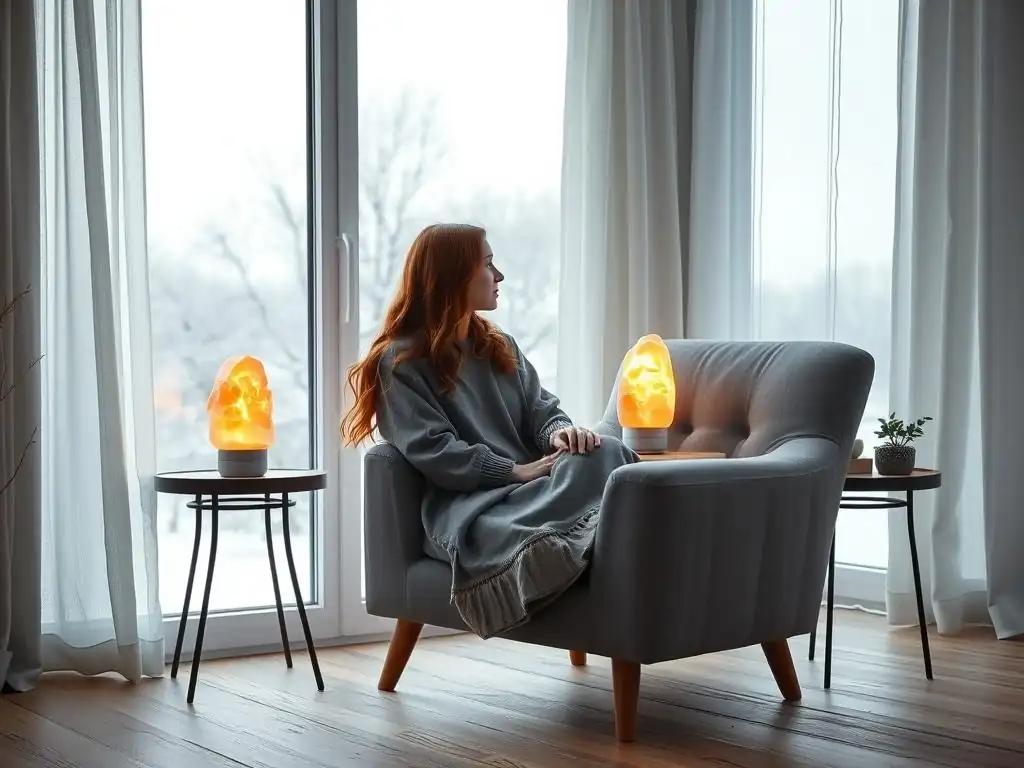
For individuals with a history of SAD or those at high risk, implementing preventative strategies before the onset of symptoms can be highly effective. Proactive measures focus on mitigating the impact of reduced sunlight and maintaining healthy habits throughout the year, especially during the transitional seasons.
Prevention often involves incorporating elements of the seasonal affective disorder treatment options discussed earlier, but implementing them consistently as a preventative measure rather than solely in response to symptoms. Building these habits can lessen the severity or even prevent the occurrence of seasonal depressive episodes.
Maximizing Sunlight Exposure During the Winter Months
Even on short, cloudy winter days, natural light exposure can be beneficial. Making an effort to spend time outdoors, especially in the morning, can help regulate the circadian rhythm. Simple strategies include taking walks during daylight hours, sitting near windows at home or work, and ensuring living and working spaces are as brightly lit as possible.
For those at higher latitudes where natural light is severely limited, considering proactive use of a light box, under the guidance of a healthcare provider, starting in early fall might be a preventative seasonal affective disorder treatment option. Even brief, regular exposure can make a difference.
Maintaining a Consistent Sleep Schedule Year-Round
Consistency in sleep patterns is crucial for a stable circadian rhythm. Going to bed and waking up around the same time every day, including weekends, helps keep the body's internal clock on track. While it can be tempting to sleep in more during darker winter mornings, maintaining a consistent schedule can help prevent the sleep-wake cycle disruptions associated with SAD.
Avoid excessive napping, especially late in the day, and create a relaxing bedtime routine. A stable sleep schedule is a fundamental preventative measure that supports the body's natural rhythms against seasonal shifts.
Focusing on a Healthy Diet Rich in Vitamin D
While sunlight is the primary source of Vitamin D, incorporating foods rich in Vitamin D can help maintain levels, especially during winter. Examples include fatty fish (salmon, mackerel), fortified dairy products, fortified orange juice, and fortified cereals.
For those who struggle to get enough Vitamin D from diet and sunlight, or who have confirmed deficiency, a healthcare provider might recommend a Vitamin D supplement. While not a standalone cure, ensuring adequate vitamin D is a supportive strategy in preventing SAD.
Regular Exercise for Mood Boosting Effects
Committing to a regular exercise routine throughout the year, including the winter months, is a powerful preventative tool. Physical activity releases endorphins, which have mood-boosting effects. It also helps regulate sleep and reduce stress.
Finding ways to stay active even when it's cold or dark, such as joining a gym, taking indoor fitness classes, or finding indoor activities like swimming or dancing, is essential. Regular exercise is a vital component of both managing and preventing seasonal depression.
Beyond the Winter Months: Summer SAD and its Causes
While winter-onset SAD is far more common, a less frequent form of the disorder occurs in the spring or early summer and remits in the fall. This is sometimes referred to as "reverse SAD" or summer-onset SAD. Although less studied than its winter counterpart, it presents its own unique set of challenges and potential causes.
Understanding that SAD is not exclusively a winter phenomenon is important for accurate diagnosis and finding appropriate seasonal affective disorder treatment options regardless of the season.
Understanding Summer-Onset Seasonal Affective Disorder
Summer-onset SAD is characterized by depressive episodes that begin in the late spring or early summer and resolve in the fall. Symptoms often differ from winter SAD and may include insomnia, decreased appetite, weight loss, anxiety, agitation, and irritability. Individuals with summer SAD may feel restless and unable to relax, in contrast to the lethargy and hypersomnia often seen in winter SAD.
The prevalence of summer SAD is significantly lower than winter SAD, estimated to affect less than 1% of the population in most regions. However, for those who experience it, the impact can be just as debilitating, often disrupting summer plans and activities.
Potential Triggers for Summer SAD: Increased Heat and Humidity
The exact causes of summer-onset SAD are less clear than winter SAD. However, several potential triggers have been proposed. Increased heat and humidity are often cited as factors that can lead to discomfort, irritability, and disrupted sleep, all of which could contribute to depressive symptoms in susceptible individuals.
Other potential triggers include disruptions to routine caused by summer activities or vacations, increased social pressure to be active and happy during the summer months, and even the longer daylight hours themselves potentially disrupting circadian rhythms in a different way than reduced light. Research is ongoing to better understand the specific biological mechanisms behind summer SAD and tailor seasonal affective disorder treatment options accordingly.
Living with SAD: Coping Strategies and Support Resources
Living with Seasonal Affective Disorder can be challenging, but with effective seasonal affective disorder treatment options and proactive coping strategies, it is possible to manage symptoms and maintain well-being throughout the year. Building a strong support system and utilizing available resources are key components of successful management.
Empowering oneself with knowledge about SAD and developing personal coping plans can significantly improve resilience against seasonal mood changes.
Building a Support System for Managing Seasonal Depression
Connecting with others is vital when dealing with SAD. Sharing your experiences with understanding friends, family members, or a support group can provide emotional support and practical help. Educating loved ones about SAD can also help them understand what you are going through and how they can best support you.
Consider joining a peer support group specifically for mood disorders or SAD. Hearing from others who face similar challenges can reduce feelings of isolation and provide valuable coping insights. A strong support network is a crucial resource alongside professional seasonal affective disorder treatment options.
Local Resources for SAD Support: Mental Health America
Organizations dedicated to mental health provide valuable resources and support for individuals with SAD. Mental Health America (MHA), for example, offers information about SAD, screening tools, and resources for finding local mental health services. The National Alliance on Mental Illness (NAMI) is another organization offering support, education, and advocacy for people affected by mental illness.
Checking the websites of national mental health organizations or searching for local chapters can help you find therapists, support groups, and educational materials in your area. These resources can guide you in navigating seasonal affective disorder treatment options and finding ongoing support.
Self-Care Techniques for Alleviating SAD Symptoms
Incorporating regular self-care practices into your routine can help manage SAD symptoms. This includes prioritizing sufficient sleep, eating nutritious meals, and engaging in regular physical activity, as discussed earlier. Additionally, mindfulness and relaxation techniques, such as meditation or deep breathing exercises, can help reduce anxiety and improve mood.
Engaging in enjoyable hobbies, spending time in nature (even on colder days if possible), and maintaining social connections are also important. Creating a "winter wellness plan" that includes these self-care activities can be a proactive way to combat the effects of seasonal changes and supplement professional seasonal affective disorder treatment options.
This article provides general information and is not a substitute for professional medical advice. If you suspect you have Seasonal Affective Disorder, consult with a qualified healthcare provider or mental health professional.
Frequently Asked Questions
What exactly is Seasonal Affective Disorder (SAD)?
SAD is a type of depression that's related to changes in seasons. It typically starts and ends around the same times each year, often during the fall and winter months.
What are some common symptoms of Seasonal Affective Disorder?
Common symptoms include feeling sad or hopeless, having low energy, changes in sleep patterns, and experiencing difficulty concentrating. These symptoms generally align with major depressive disorder, but linked to seasonal changes.
What are the potential causes of Seasonal Affective Disorder?
The exact cause isn't fully understood, but factors like reduced sunlight exposure disrupting your body's biological clock (circadian rhythm) and affecting serotonin levels are thought to play a role. Melatonin production is also affected.
What are some effective Seasonal Affective Disorder treatment options?
Treatment options include light therapy, which uses a special lamp to mimic sunlight, psychotherapy (talk therapy), and in some cases, antidepressant medication. Lifestyle changes can also contribute.
Where can I find more resources and support for managing Seasonal Affective Disorder?
Mind Care Guide offers a comprehensive guide to mental well-being, including information, support, and resources for various mental health challenges, including SAD. Consult with a qualified mental health professional for personalized advice.
Final Reflection: Embracing the Light Within, Beyond the Seasonal Blues
The struggle with Seasonal Affective Disorder (SAD) is far from a niche experience; it's a pervasive challenge impacting millions, highlighting the crucial need for understanding and effective treatment options. The prevalence of SAD, particularly in regions with limited sunlight, underscores the profound impact our environment has on our mental well-being. This isn't simply a matter of feeling a little down in the winter; for many, it's a debilitating condition that significantly affects daily life.
The exploration of SAD's causes and treatments throughout this article reveals a complex interplay of biological, environmental, and psychological factors. Understanding this complexity is key to fostering empathy and effective support. The journey towards wellness is rarely linear, and the various treatment options discussed – from light therapy to medication and lifestyle changes – underscore the importance of personalized approaches. The best way out is always through.
– Robert Frost. This quote resonates deeply, suggesting that confronting the challenges of SAD, rather than avoiding them, is the path to finding lasting relief.
Now, consider your own relationship with light, with the seasons, with your mental well-being. What steps can you take today to nurture your inner light, regardless of the time of year? This article serves as a starting point, a guide to understanding the complexities of SAD and empowering you to seek the help you need. Don't hesitate to reach out to healthcare professionals, explore the treatment options discussed, and prioritize self-care. Your well-being is paramount, and the journey towards a brighter, more balanced life begins with a single step.
Unveil Your Inner Sunshine: Conquer Seasonal Changes
Thanks for taking the time to learn about Seasonal Affective Disorder (SAD) with us! We hope this article shed light on the causes and helped you understand this often misunderstood condition. Now, let's take that knowledge and turn it into positive action.
- Prioritize your light exposure: Make a conscious effort to spend at least 15-30 minutes outdoors daily, especially during the sunniest parts of the day. Even on cloudy days, natural light can make a difference.
- Share your story (or learn from others): Connect with others experiencing similar seasonal changes. Sharing your experience can be incredibly helpful and empowering, and hearing from others can offer valuable support and perspective.
- Explore a new self-care ritual: Try incorporating a new, uplifting activity into your daily routine, such as a warm bath, a relaxing walk, or listening to uplifting music. Experiment to find what truly nourishes your well-being.
What small step will you take today to brighten your day and support your mental health this season?