Understanding Persistent Depressive Disorder (Dysthymia) for Long-Term Management
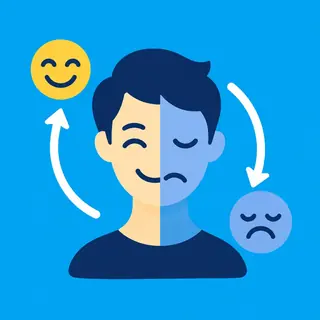
Persistent Depressive Disorder (PDD), also known as dysthymia, is a chronic form of depression where a low mood persists for at least two years. Unlike major depressive episodes, the symptoms are often less severe but longer-lasting, making daily functioning a constant struggle. Long-term management focuses on sustained relief, preventing relapse, and improving quality of life through a combination of therapy, lifestyle changes, medication, and robust support systems. This subcategory provides practical, evidence-based strategies tailored specifically for the enduring nature of this condition.
🔄 Building a Sustainable Treatment Plan That Works
Effective long-term management of PDD requires moving beyond crisis-based care into a proactive, structured routine. You’ll learn how to combine psychotherapy—especially Cognitive Behavioral Therapy (CBT) and interpersonal therapy—with medication management, including SSRIs or SNRIs, which often need lower doses but longer duration. Expect guidance on creating a personalized “maintenance schedule” with your psychiatrist, tracking progress, and adjusting treatments without losing momentum.
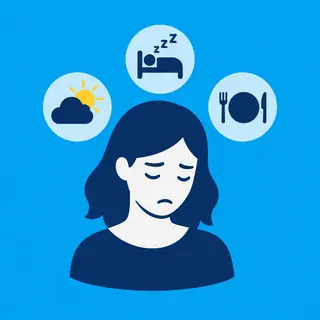
Key to success is viewing treatment as a marathon, not a sprint. This section covers how to set realistic expectations, recognize early warning signs of worsening mood, and establish regular check-ins with your provider. You’ll also discover the importance of sleep hygiene and consistent daily routines, as these foundational habits significantly buffer against dysthymia’s chronic lows. The goal is to make stability feel achievable, not overwhelming.
🧠 Cognitive & Behavioral Strategies for Daily Resilience
Dysthymia often comes with deeply ingrained negative thought patterns (“I’m always inadequate”) and low motivation. This section introduces behavior activation—a proven method to break the cycle of inactivity and low mood—alongside cognitive restructuring to challenge automatic pessimistic beliefs. Expect step-by-step exercises for journaling, “thought records,” and graded task assignments that slowly rebuild confidence and pleasure.
You’ll also learn how to use mindfulness-based cognitive therapy (MBCT) to reduce rumination, a hallmark of PDD. Instead of fighting the long-term sadness, you’ll practice acceptance and compassionate self-talk. Real-life examples show how small, repeated actions—like a daily 10-minute walk or reaching out to a friend—compound into meaningful improvements over months. These strategies empower you to become your own daily coach, even on difficult days.
💊 Medication & Supplement Insights for Chronic Depression
While not everyone requires medication, many with PDD benefit from long-term pharmacotherapy. This section explains how antidepressants work differently for dysthymia—often requiring patience (6-8 weeks for full effect) and careful monitoring for side effects like weight gain or sexual dysfunction. You’ll learn about augmenting strategies, such as adding aripiprazole or lamotrigine, when first-line options underperform.
Additionally, evidence-based supplements like omega-3 fatty acids, vitamin D, and St. John’s Wort (with caution) are discussed, alongside their potential interactions. Bold emphasis is placed on never self-adjusting doses; instead, work with your doctor to find the “goldilocks” dose. Expect practical advice on managing side effects, handling missed doses, and knowing when to switch medications. This section demystifies the pharmacotherapy journey, reducing fear and increasing adherence.
🏠 Lifestyle Modifications That Stabilize Mood Over Years
For PDD, lifestyle is not just a supplement—it’s a cornerstone. Here, you’ll explore the role of regular aerobic exercise (30 minutes, 3-4 times weekly) in boosting endorphins and neuroplasticity, as well as the protective effects of a Mediterranean-style diet rich in whole grains, lean protein, and anti-inflammatory foods. Sleep becomes a priority, with specific techniques like fixed wake times and limiting blue light before bed.
Social connection, though difficult when depressed, is framed as a non-negotiable support. Expect strategies to rebuild a support network gradually—joining a support group, scheduling low-pressure coffee dates, or engaging in volunteer work. Stress management through yoga or progressive muscle relaxation is also covered, as chronic stress accelerates relapse. These lifestyle shifts are presented as cumulative wins, not perfectionistic demands.
🛟 Preventing Relapse & Navigating Long-Term Setbacks
Even with good management, life events, hormonal changes, or seasonal shifts can trigger dips. This section offers a relapse prevention worksheet, including identifying your unique early warning signs (irritability, social withdrawal, sleep disturbances) and creating a wellness action plan. You’ll learn how to differentiate a temporary bad day from a deepening depressive episode, and when to reach out for professional help.
Boldly, it covers the role of continued therapy as a “maintenance dose” even when feeling well, akin to physical therapy. You’ll also find guidance on coping with medication tapers (if attempted), managing pregnancy or menopause-related mood changes, and handling grief or life transitions without collapsing. The core message is resilience: not avoiding sorrow, but building capacity to ride through storms without losing your baseline stability.
Frequently Asked Questions
How long does long-term management for dysthymia usually last?
Treatment often continues for several years, sometimes indefinitely. Many experts recommend ongoing therapy and medication for at least 1-2 years after symptoms stabilize, with regular reviews. Some individuals choose lifelong maintenance to prevent relapse, while others gradually reduce under medical supervision. The key is consistent follow-up and adapting the plan as life changes.
Can I fully recover from persistent depressive disorder?
Full remission is possible, but not always permanent. Studies show that about 50-70% respond well to a combination of therapy and medication, with many achieving periods of stable mood. However, due to its chronic nature, relapses are common. The goal is management—meaning fewer, shorter, and less severe episodes—rather than a guarantee of zero future symptoms.
What is the best therapy for dysthymia in the long run?
Cognitive Behavioral Therapy (CBT) has the strongest evidence base, especially integrated with behavioral activation. Interpersonal Therapy (IPT) is also highly effective for those whose depression is tied to relationships or grief. Mindfulness-based cognitive therapy (MBCT) is excellent for preventing relapse. Often, a blend of these—adaptive and flexible—works best. Your therapist can tailor approaches to your specific triggers.
Are there natural alternatives to medication for chronic low mood?
Yes, but they work best as adjuncts, not replacements. Regular exercise, light therapy (especially in winter), omega-3 supplements, and consistent sleep hygiene show significant benefits. Saffron extract and lavender oil have preliminary evidence. However, for moderate-to-severe PDD, medication is often necessary. Always consult a psychiatrist before discontinuing prescribed drugs to explore “natural” routes.
How do I motivate myself when every day feels hopeless?
Motivation often follows action, not precedes it—so start with the smallest possible step, like making your bed or a 5-minute walk. Use “behavioral experiments” to test if actions improve mood even slightly. Set routines and use environmental cues (alarms, notes) to initiate tasks. Therapy helps reframe self-criticism that blocks effort. Remember, you’re not fixing your whole life today; you’re just doing the next tiny thing.