Inside the Depressed Brain: Key Neurotransmitter Imbalances
🧠 Discover how depressed brain neurotransmitter imbalances disrupt mood regulation and contribute to depression. This insightful article explores the key chemical shifts…
Read article
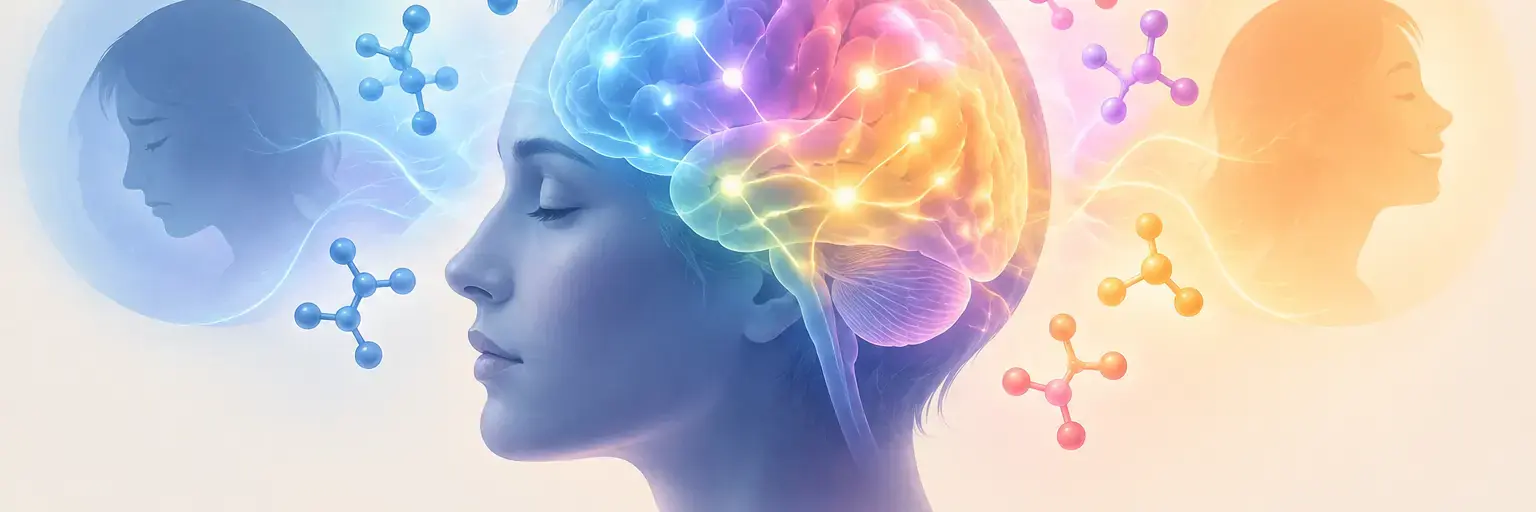
Discover how brain chemistry shapes the emotional landscape of mood disorders in our deep dive into the *neuropsychology* behind depression, bipolar disorder, and persistent sadness. 🧠✨ This section unravels the intricate dance of neurotransmitters—like serotonin, dopamine, and norepinephrine—and their role in mood regulation, alongside the impact of hormonal imbalances, neural plasticity, and genetic predispositions. By exploring the brain’s reward circuits, stress-response systems (HPA axis), and the influence of neuroinflammation, you’ll gain a clearer understanding of why mood disorders are not just “in your head” but rooted in measurable biological processes. Perfect for anyone seeking science-backed insights into treatment options, from medication mechanisms to lifestyle changes that support chemical balance. Unlock the connection between your neurons and your emotions, and empower your journey toward mental wellness with knowledge that bridges research and real-life relief. 🌿🔬
🧠 Discover how depressed brain neurotransmitter imbalances disrupt mood regulation and contribute to depression. This insightful article explores the key chemical shifts…
Read article
🧠 Discover how brain scans are revolutionizing mental health by enabling more accurate mood disorder diagnosis, offering hope for personalized treatment and…
Read article
🌟 Discover how mood disorders cause lasting brain chemistry changes, creating a vicious cycle that worsens mental health. This guide explores the…
Read article
🌱 Discover how the hippocampus influences stress and mood disorders, affecting memory and neurogenesis. Understanding this vital brain region offers new hope…
Read article
🌟 Explore how norepinephrine influences alertness and energy, and its role in depression. Learn about effective norepinephrine depression treatment strategies to boost…
Read article
🌟 Discover how increasing BDNF levels can enhance mood, support brain growth and survival, and promote mental well-being. This essential neurotrophic factor…
Read article
🌟 Discover how subtle differences in Dysthymia brain chemistry influence persistent depressive disorder and explore effective treatment options. Our comprehensive guide offers…
Read article
🧠 Discover how prefrontal cortex dysfunction impairs executive control of mood, highlighting the importance of executive function mood regulation strategies. This guide…
Read article
🌟 Discover how "brain food mood improvement" through nutritional psychiatry can transform your mental well-being. Learn which foods nourish your brain, boost…
Read article
🌱 Discover how adult brain neurogenesis may hold the key to mood recovery, offering hope for those battling mental health challenges. Unlock…
Read article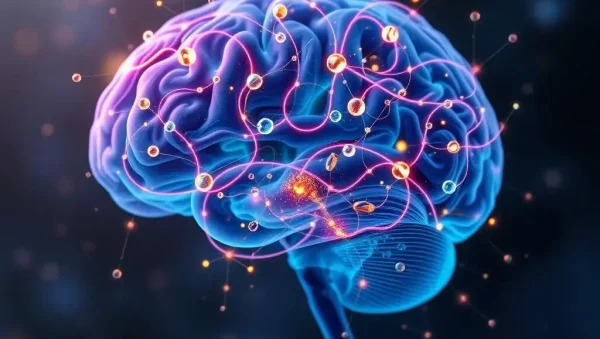
🌟 Discover how neurochemical overlap in substance use and mood disorders illuminates the complex links behind mental health challenges. This insight fosters…
Read article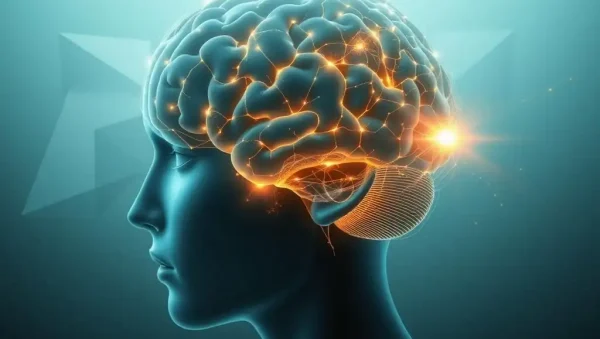
🌟 Discover how innovative brain circuit mood disorder treatment is transforming mental health care by precisely targeting neural pathways, promising more effective…
Read articleWelcome to Mind Care Guide’s deep dive into the neuropsychology of mood disorders, specifically the intricate world of brain chemistry. This subcategory unpacks how neurotransmitters, neural circuits, and hormonal systems influence conditions like depression and bipolar disorder. Here, we bridge the gap between complex neuroscience and everyday mental health management, offering a science-backed yet accessible perspective. Expect to learn about the biological underpinnings of mood, how imbalances contribute to symptoms, and how this knowledge informs effective treatments like medication, therapy, and lifestyle changes. Our goal is to empower you with clarity and actionable insights, supported by the latest research.
Your mood is not just a feeling—it is a chemical symphony. The major neurotransmitters involved in mood disorders include serotonin, dopamine, norepinephrine, and GABA. Serotonin is often called the “feel-good” chemical, influencing happiness, sleep, and appetite. Dopamine drives reward and motivation, while norepinephrine affects alertness and stress response. An imbalance—whether too low or too high—can lead to symptoms like persistent sadness, apathy, or anxiety. Understanding these chemicals helps you grasp why certain medications, such as SSRIs or SNRIs, work by adjusting their levels. By learning about these messengers, you can better communicate with your healthcare provider about your symptoms and treatment options.
Each neurotransmitter has a distinct role, but their interplay is just as critical as their individual levels. For instance, low serotonin combined with high norepinephrine may produce mixed anxiety and depression. Brain imaging studies show that people with mood disorders often have altered receptor sensitivity, not just chemical shortages. This nuance explains why some patients respond to one drug but not another—it is about individualized brain chemistry. This section provides a foundational map, helping you understand why your brain’s chemical network matters for your mental health journey, and why a “one-size-fits-all” approach rarely works.
Mood disorders are not just about chemicals; they are about neural circuits—networks of brain regions that communicate to regulate emotion. Key areas include the prefrontal cortex (decision-making and impulse control), the amygdala (fear and emotional responses), and the hippocampus (memory and stress regulation). In depression, the prefrontal cortex often shows reduced activity, while the amygdala becomes hyperactive, leading to exaggerated negative emotions. The hippocampus may shrink due to chronic stress, affecting memory and mood stability. These structural and functional changes are measurable with neuroimaging, offering concrete evidence of how mood disorders manifest biologically.
Understanding these circuits helps explain why talk therapies like CBT are effective—they literally rewire neural pathways over time. Neuroplasticity, the brain’s ability to adapt, is a hopeful concept. This section highlights how interventions, from mindfulness to medication, can strengthen or weaken specific connections. For example, antidepressants may increase hippocampal volume, improving resilience. By visualizing your brain’s geography, you can appreciate that mood disorders are not character flaws but complex biological conditions. This knowledge reduces stigma and encourages proactive treatment. We break down the science so you can see yourself as a capable agent, not a victim of your wiring.
Chronic stress is a major trigger for mood disorders, and its mechanism lies in the hypothalamic-pituitary-adrenal (HPA) axis. This cascade starts in the brain’s hypothalamus, signals the pituitary gland, and ends with the adrenal glands producing cortisol, the primary stress hormone. In healthy individuals, cortisol follows a daily rhythm, peaking in the morning and declining at night. In mood disorders, this rhythm is often disrupted, leading to constantly elevated cortisol levels. This overactivation damages brain cells, especially in the hippocampus, and contributes to anxiety, fatigue, and cognitive fog. Understanding this axis explains why burnout and sleep problems often accompany depression.
This connection reveals why stress management is not just a lifestyle tip but a neurochemical necessity. Techniques like deep breathing, regular exercise, and adequate sleep can down-regulate the HPA axis, reducing cortisol spikes. Even social connection has been shown to lower stress hormones. In this section, we explore how trauma or prolonged stress “programs” the brain to stay on high alert, setting the stage for mood disorders. We also discuss how medications like antidepressants may normalize cortisol levels over time. This knowledge empowers you to combine professional treatment with self-care practices that directly target your biology, fostering long-term emotional stability.
Your brain’s unique chemistry is the blueprint for treatment. Selective serotonin reuptake inhibitors (SSRIs) like fluoxetine increase serotonin by blocking its reuptake, while serotonin-norepinephrine reuptake inhibitors (SNRIs) like venlafaxine target two chemicals. For more complex cases, atypical antidepressants like bupropion affect dopamine and norepinephrine. Additionally, mood stabilizers (e.g., lithium) and atypical antipsychotics are used in bipolar disorder to balance multiple systems. Genetic testing, such as pharmacogenomics, can predict how your liver enzymes metabolize drugs, reducing trial-and-error. This section demystifies how a psychiatrist chooses medications based on your symptom profile and side-effect tolerance, not guesswork.
Beyond pharmaceuticals, neurostimulation therapies like transcranial magnetic stimulation (TMS) and electroconvulsive therapy (ECT) directly modulate brain circuits when drugs fail. Even lifestyle interventions—exercise boosts endorphins and BDNF, a protein that supports neuron growth—are neurochemical treatments. The key takeaway is that your brain is treatable, and multiple pathways exist. By understanding the “why” behind each option, you can have more informed discussions with your provider. We also cover potential side effects and how to monitor your progress, ensuring you feel active in your healing. This knowledge transforms treatment from a passive experience into an empowering collaboration.
Your daily choices directly shape your brain’s chemistry. Nutrition is a prime example: omega-3 fatty acids, found in fish, support neuronal membrane health, while B vitamins are cofactors for neurotransmitter synthesis. Exercise increases serotonin, dopamine, and norepinephrine, acting like a natural antidepressant. Sleep is when your brain clears toxins and consolidates emotional memories; deprivation disrupts mood-regulating chemicals. Even sunlight exposure influences melatonin and serotonin rhythms, explaining seasonal affective disorder. This section offers practical, science-backed strategies to boost your brain’s resilience, highlighting that small changes can yield significant neurochemical benefits.
Environmental stressors—like chronic pain, loneliness, or substance use—can also alter brain chemistry, sometimes mimicking or worsening mood disorders. For example, alcohol initially boosts GABA but later depletes it, leading to rebound anxiety. This section teaches you to identify modifiable factors and set realistic goals. We emphasize that lifestyle is not a replacement for professional care but a complementary layer. By understanding how sleep hygiene, diet, and movement affect your biology, you can take proactive steps to support your treatment. This empowerment is central to Mind Care Guide’s mission: providing you with tools to actively participate in your mental health recovery, grounded in neuropsychological science.
A chemical imbalance refers to abnormal levels of neurotransmitters like serotonin or dopamine. A mood disorder, however, is a clinical diagnosis that includes multiple symptoms—emotional, cognitive, and physical—often involving neural circuit dysfunction. While imbalance is a factor, it’s not the sole cause. Treatment targets the whole disorder, not just one chemical, using therapy, medication, and lifestyle changes.
Yes, chronic mood disorders can lead to lasting changes, such as reduced hippocampal volume or altered receptor sensitivity. However, the brain’s neuroplasticity means recovery is possible. With treatment—medication, psychotherapy, or neurostimulation—new patterns can form, and some structural damage may partially reverse. Early intervention improves outcomes, but healing is an ongoing process, not a fixed endpoint.
Most antidepressants begin altering brain chemistry within hours, but noticeable mood improvements typically take 2 to 6 weeks. This delay occurs because the brain must adapt receptors and gene expression. During this period, side effects may be present, but they often subside. Full therapeutic benefits may take up to 8 weeks, so patience and close monitoring with a provider are essential.
For mild to moderate cases, lifestyle changes—exercise, sleep, nutrition, and stress reduction—can significantly improve brain chemistry and mood. However, moderate to severe disorders often require professional treatment, including medication or therapy. Lifestyle changes work best as adjuncts, enhancing medication efficacy and preventing relapse. Always consult a mental health professional before relying solely on self-care.
No single test confirms this, as mood disorders are multifactorial. A psychiatrist evaluates your symptoms, family history, and response to treatments. Functional imaging or genetic testing may offer hints but aren’t routine. The key is to focus on symptom relief rather than a definitive chemical label. If you’re struggling, seek a thorough evaluation to tailor a treatment plan.